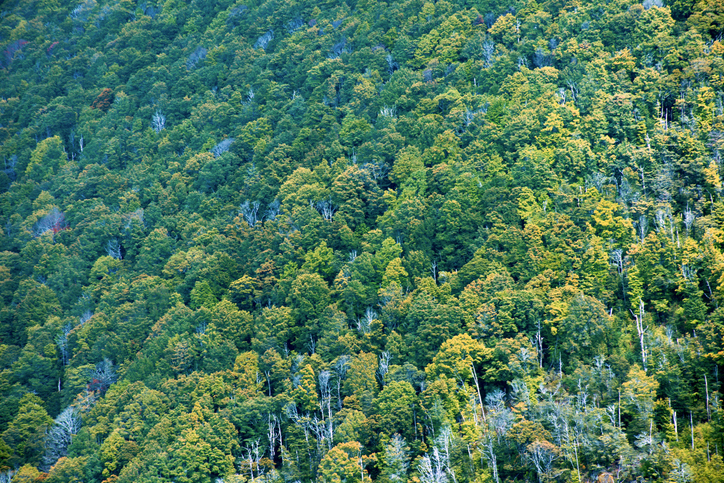
Trees for steep slopes
Whenua
Erosion
Forestry
Productivity
Regeneration
Risk
Sustainability
Learn about the best tree species for reducing erosion on steep slopes in different parts of Aotearoa.
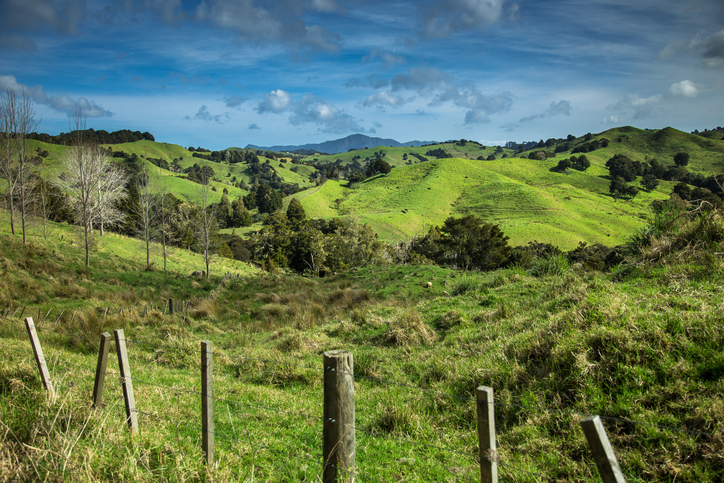
This report compares three land-use choices for steep, erosion-prone hill blocks: keeping them in pasture, planting them in radiata pine for clear-fell harvest, or converting them to a permanent tōtara forest with an early mānuka honey crop. It sets out costs, returns and cash-flow timings for each option over 150 years, including carbon payments, harvest income, establishment grants and animal emission costs.
Learn about the best tree species for reducing erosion on steep slopes in different parts of Aotearoa.
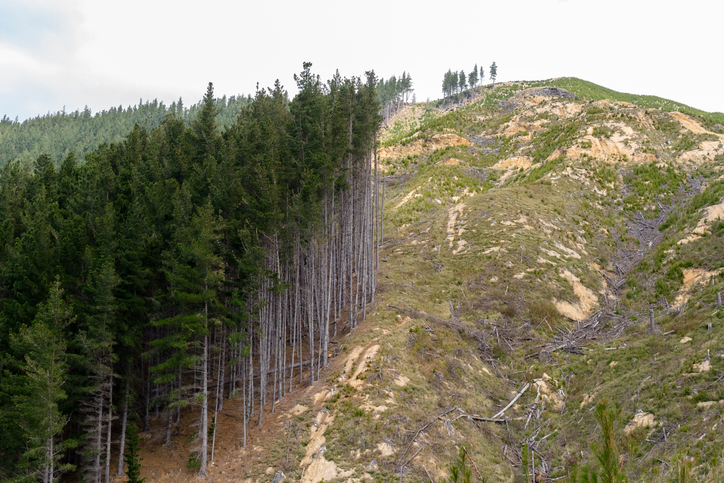
Learn about planting on erodible land for better resilience and productivity.
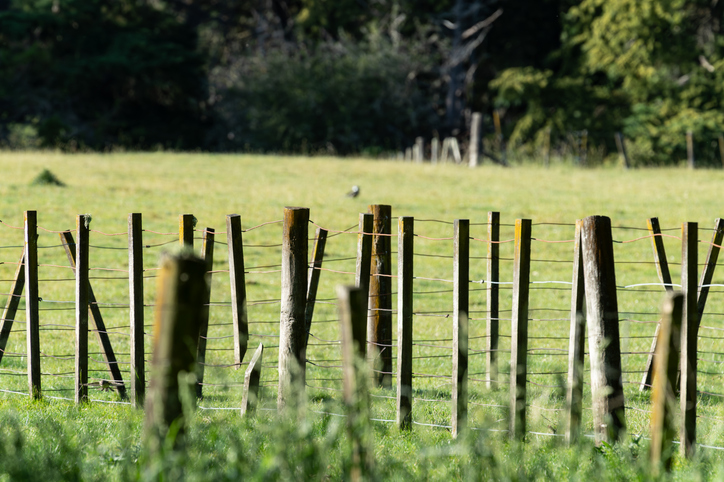
Turn hard-to-graze slopes and riparian strips into an asset rather than a headache.
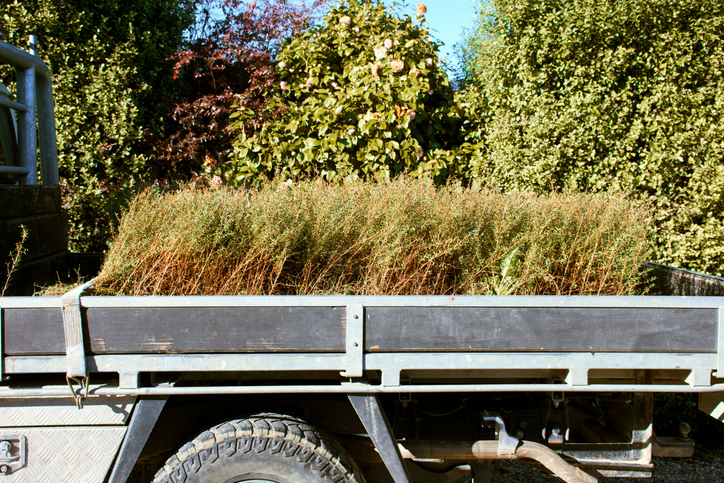
Learn about growing mānuka for honey and its benefits for small-scale foresters.
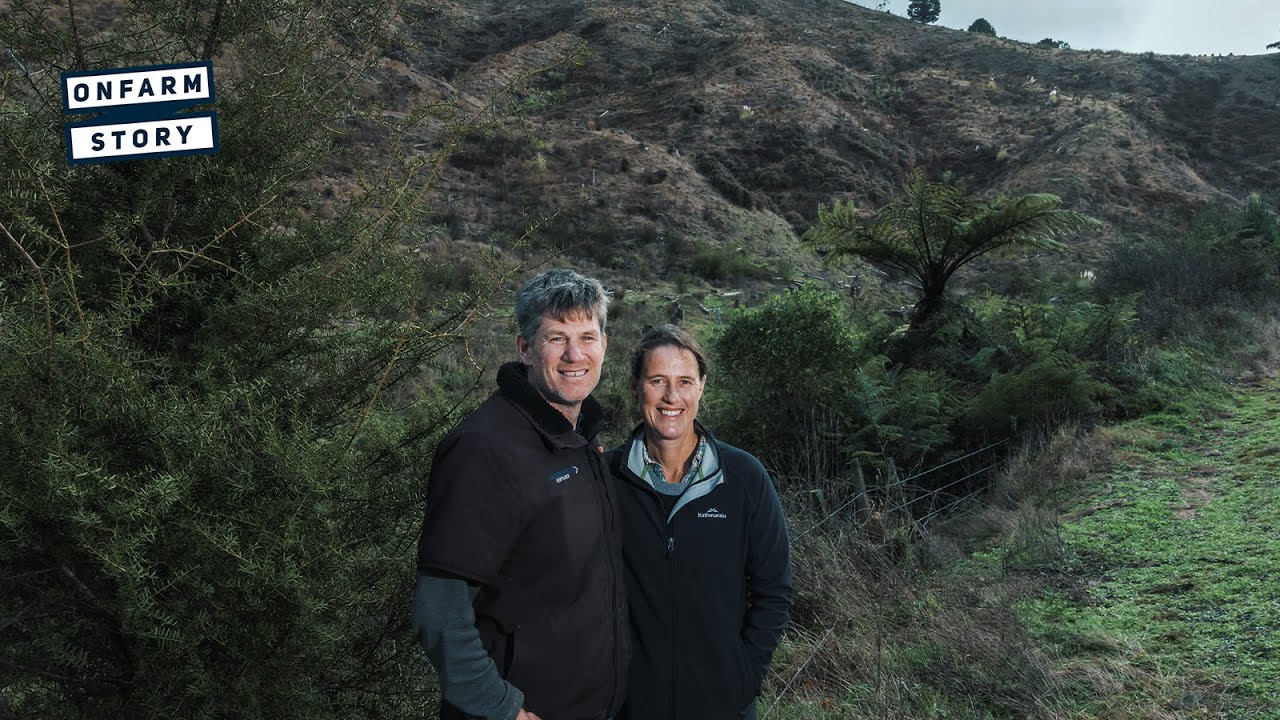
Farmers Fiona and Jon Sherlock are adapting to climate change by converting marginal land into forestry.
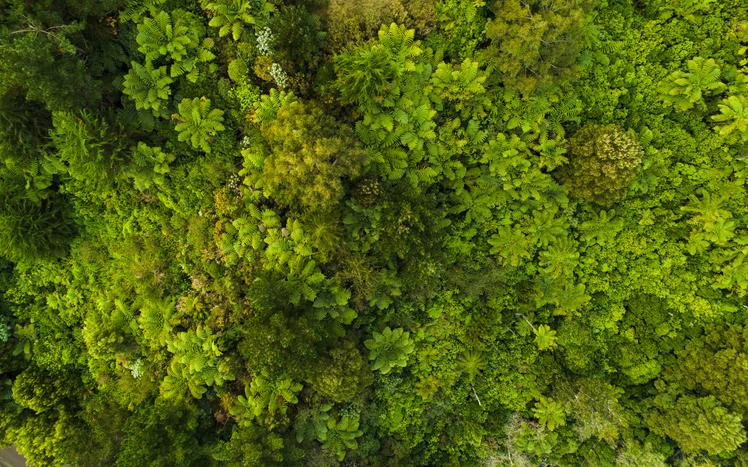
This paper examines the risks and benefits of investing in permanent forests in Aotearoa.
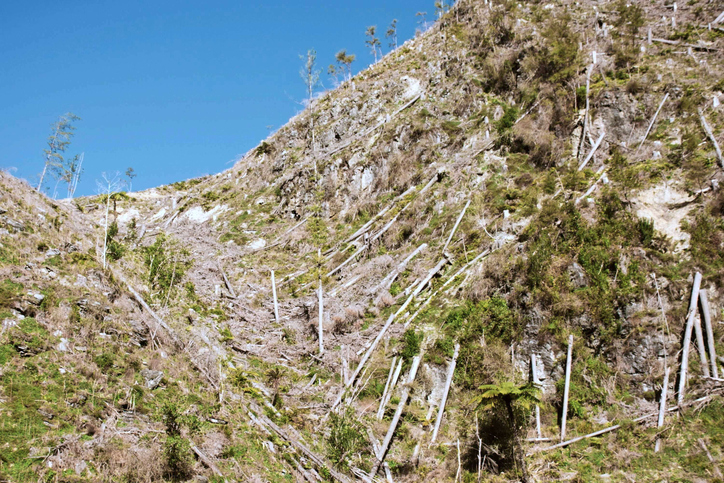
Learn how the Rutherfords use forestry for sustainable farming in North Canterbury.
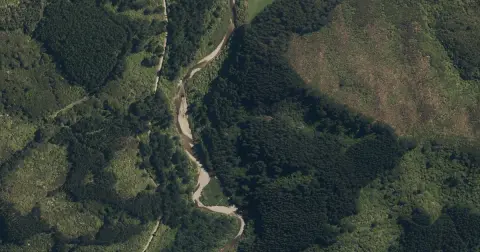
Timber, carbon or both: how the returns compare and when each wins.
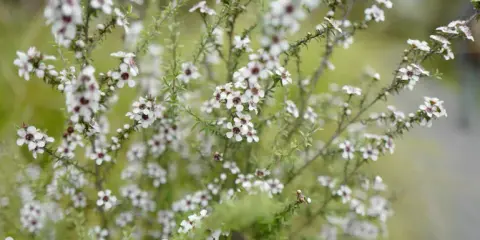
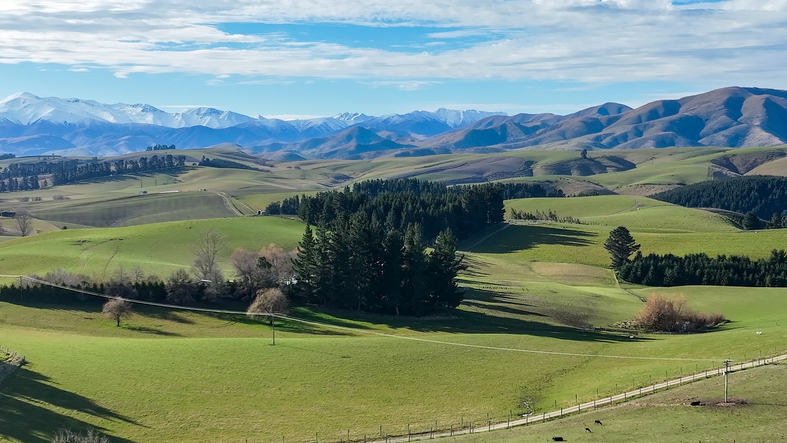
Explore how trees boost income and provide shelter on a Central Canterbury drystock farm.
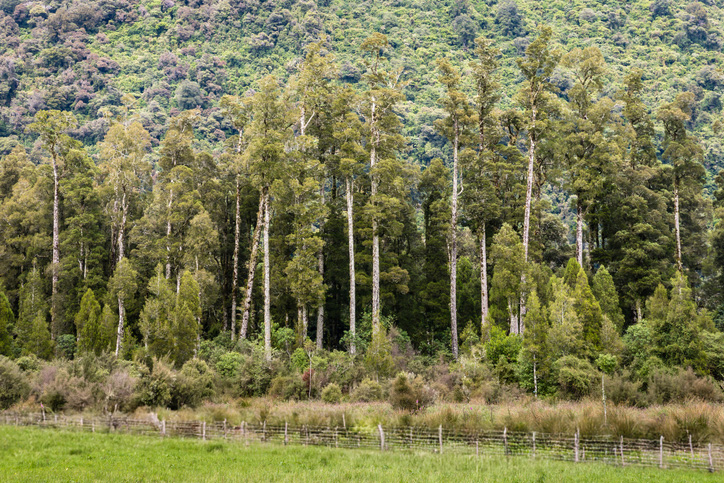
Explore opportunities for using and marketing farm-grown totara timber in Taitokerau.
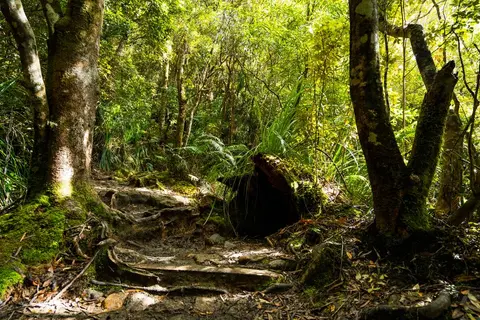
Earning carbon from native bush, planted or regenerating.
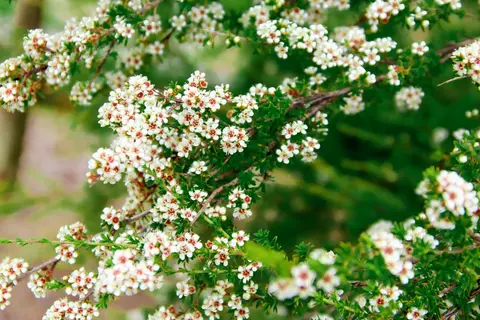
Use this handbook to help you set up a profitable and sustainable mānuka honey operation.
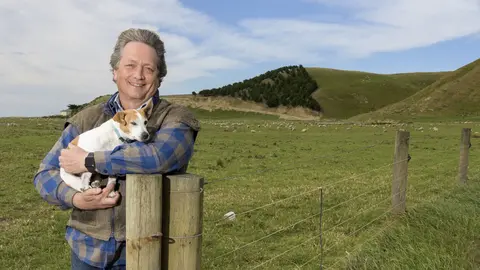
Learn how a Wairarapa coastal station cut net emissions while lifting lambing and profit.

Te Kapunga Dewes discusses Māori views on forestry, native trees, and carbon finance.
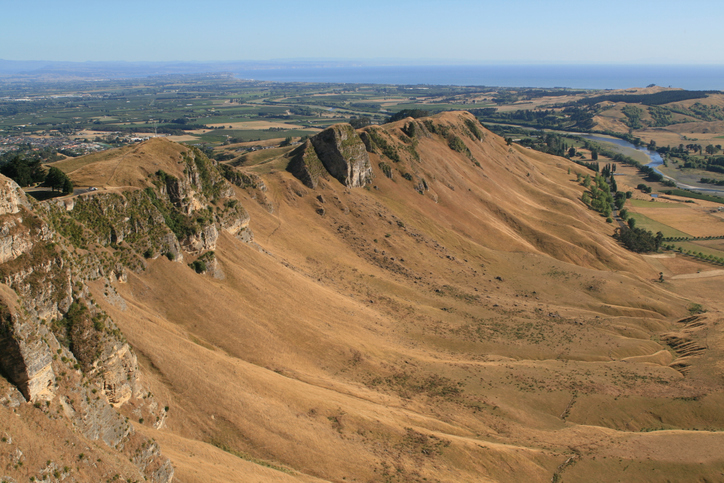
Hawke's Bay faces erosion issues. Planting trees can help prevent soil loss and improve water quality.
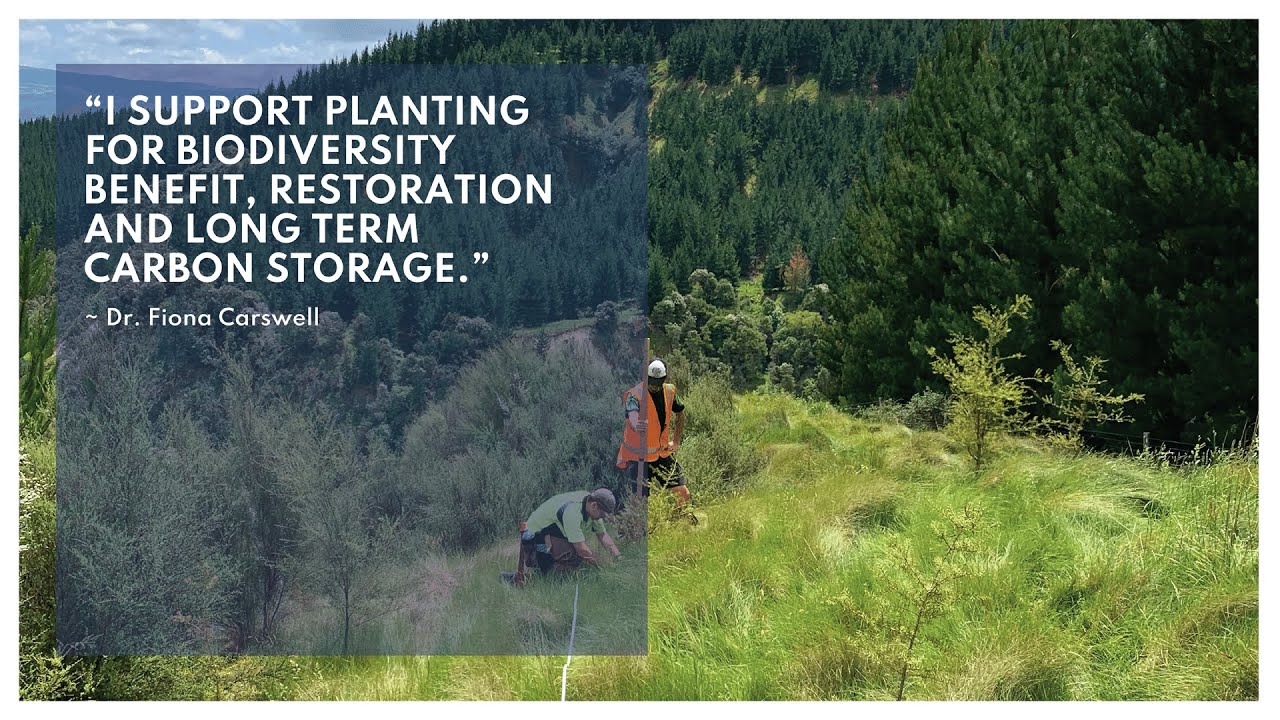
Fiona Carswell talks about how natural forest regeneration on marginal hill country can improve your farm's resilience.
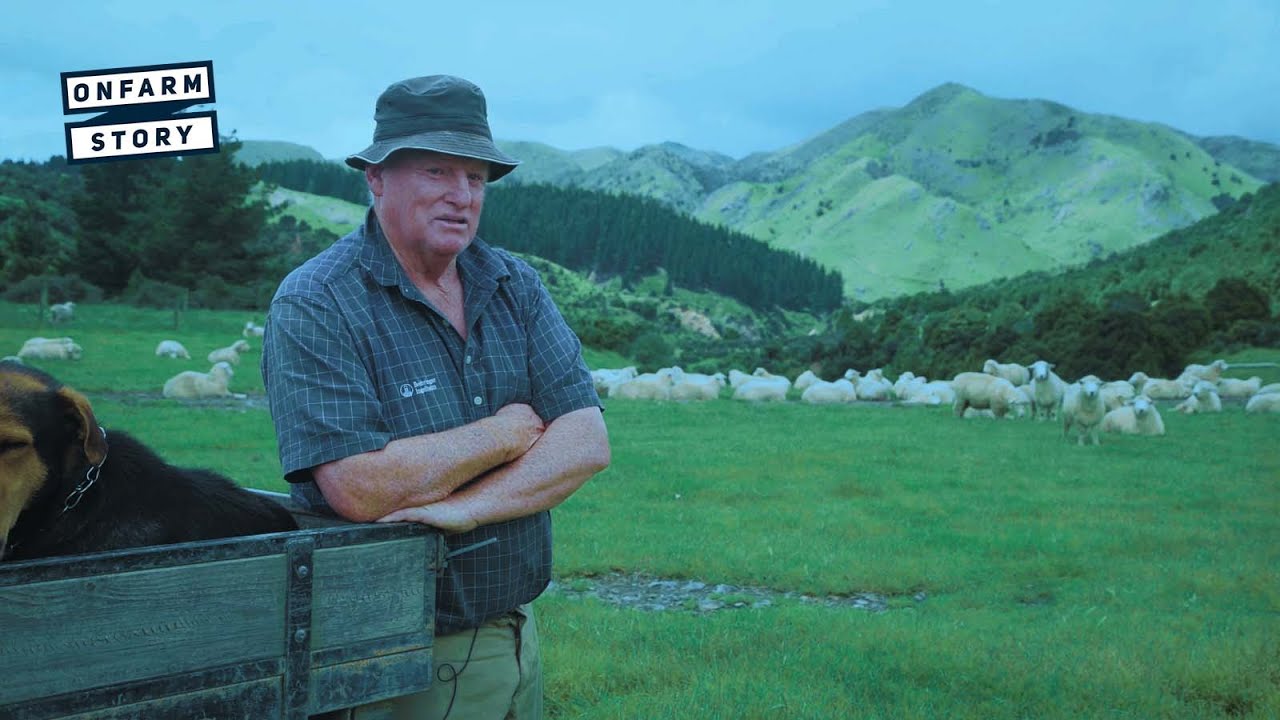
Hugh Taylor discusses how rising carbon prices affect farming and forestry decisions in Canterbury.
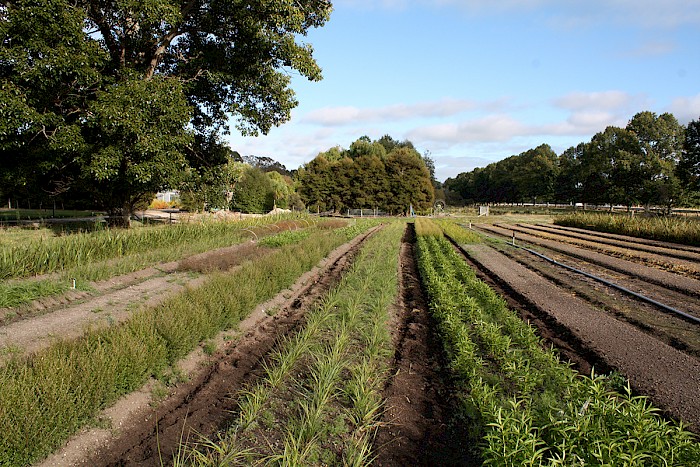
Study on planting native species in the Lake Taupo area using different nursery methods.
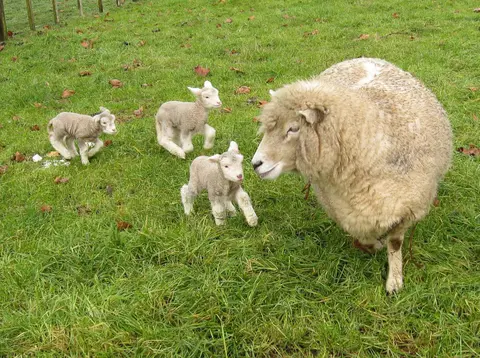
This report explores future options to reduce agricultural greenhouse gas emissions in New Zealand.
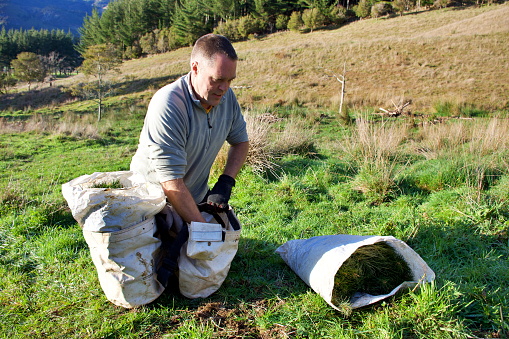
Get tips and advice for planting trees for harvest.
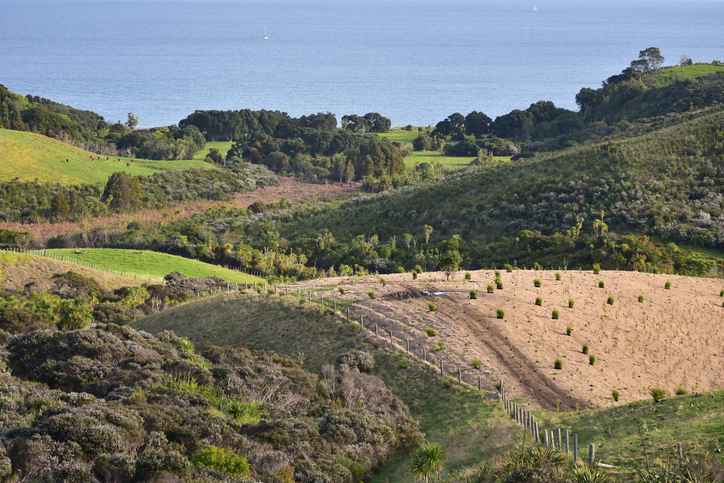
Find out how to convert marginal or depleted agricultural land into native forests for carbon farming.
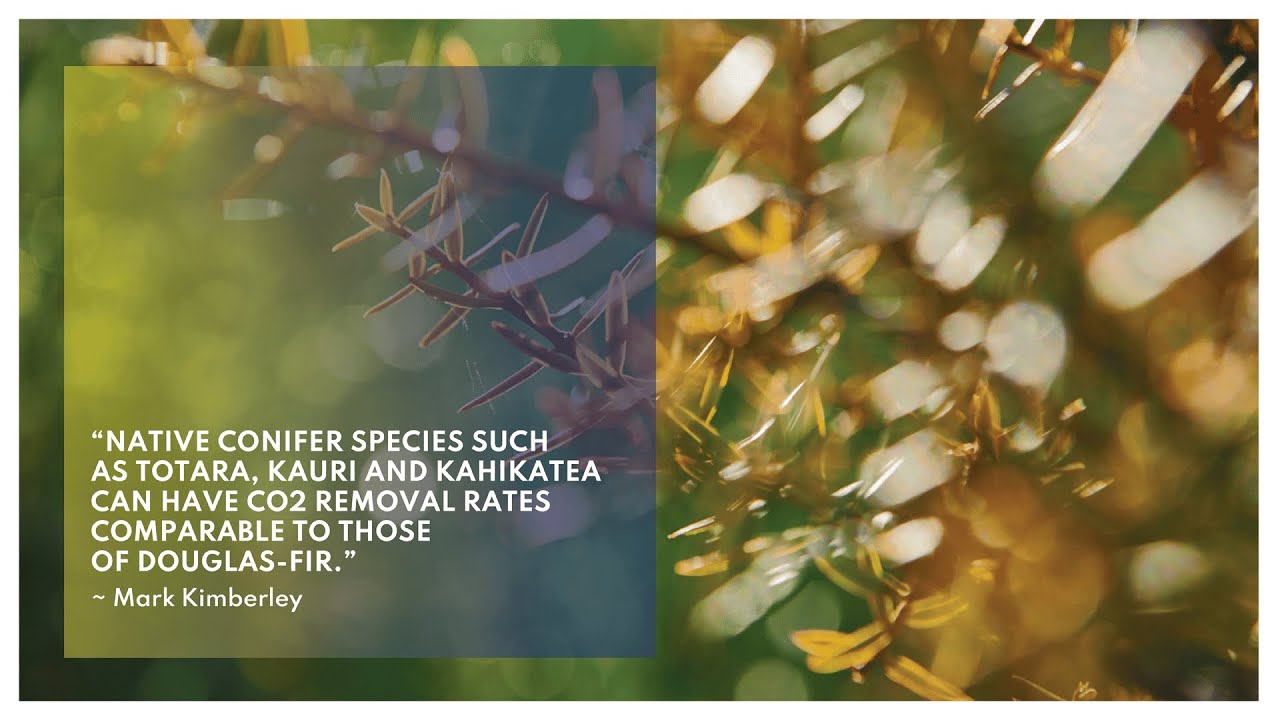
Find out about carbon sequestration rates in native forests and planting methods in New Zealand.