Balmoral Station: Trees for income and sustainability
Climate
Collaboration
Conservation
Planning
Productivity
Resilience
Sequestration
Soil
Sustainability
Balmoral Station explores tree growth for income and soil conservation in a tough climate.
Learn how farm forestry can offer extra income options on a 230-hectare drystock farm in Canterbury.
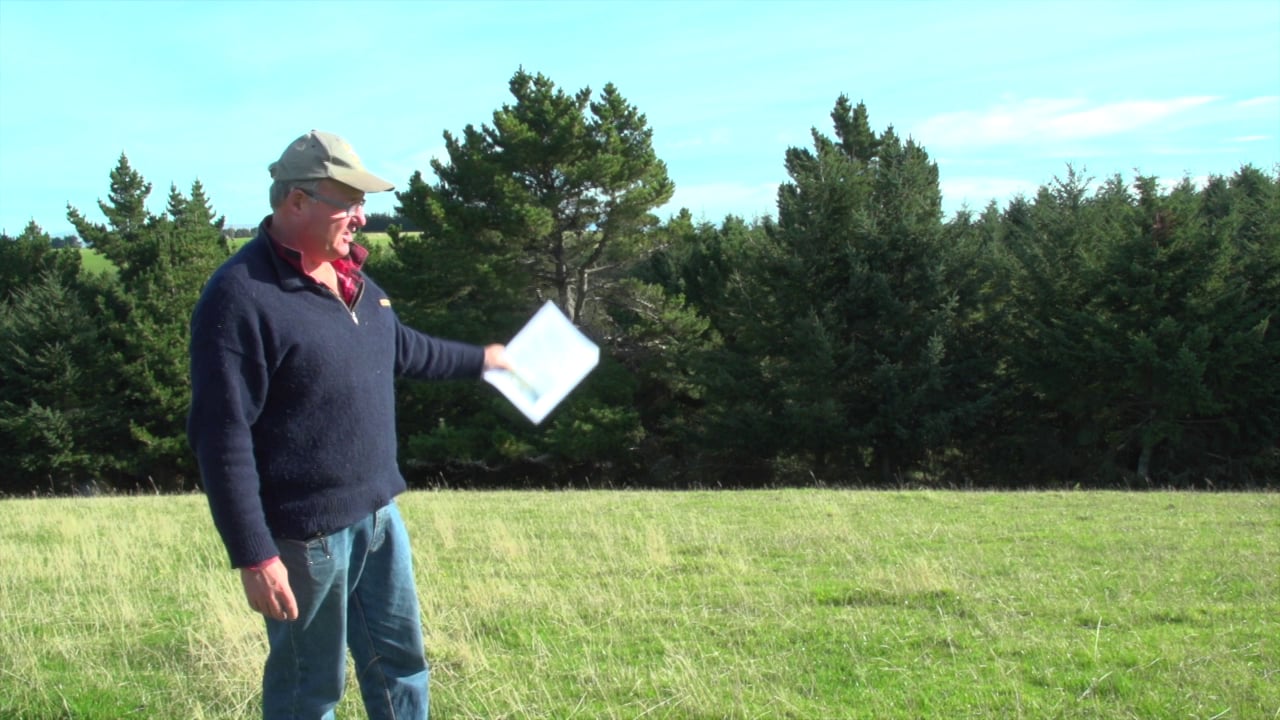
Brian Dixon explains how planting trees on this farm provides shelter for animals and adds value by allowing timber harvests every 2-3 years. These efforts transform steep, less-useful land into valuable assets for grazing and tree growth. When practising farm forestry, consider the tree types chosen to ensure they fit the land and support livestock needs during lambing and shearing.
Balmoral Station explores tree growth for income and soil conservation in a tough climate.
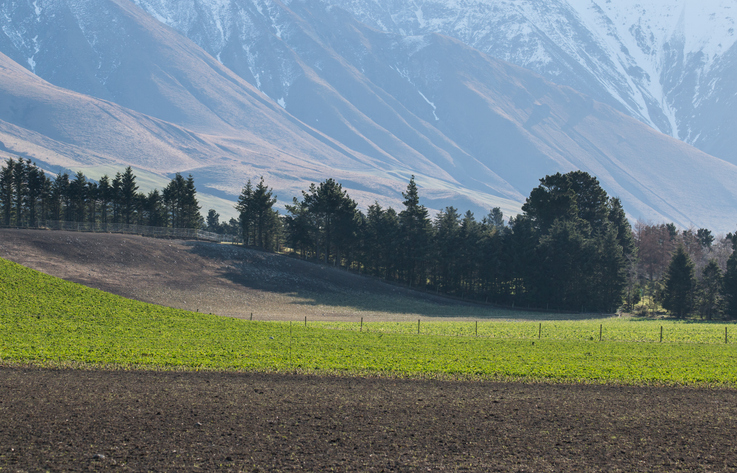
Learn how Snowdon Station's tree plantings have boosted farming efficiency and created a better environment for livestock.
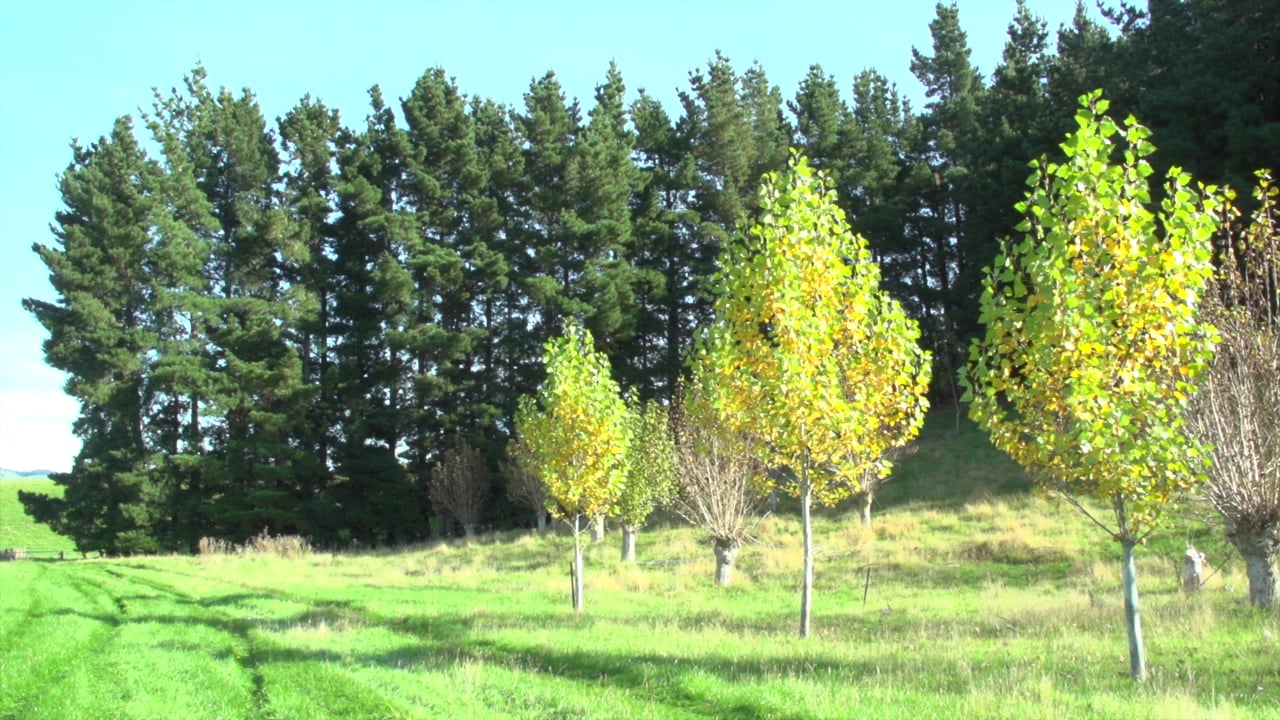
Learn how trees boost lamb survival, pasture growth, and financial sustainability at Mount Blue Farm.
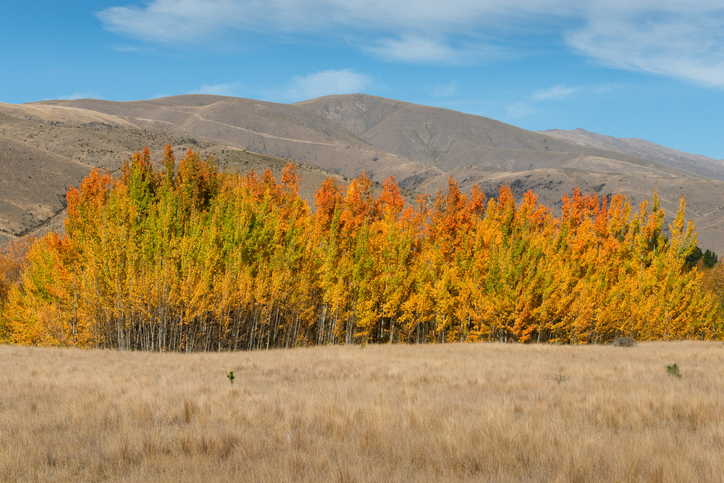
Learn how planting trees can boost farm income and provide shelter in low rainfall zones.
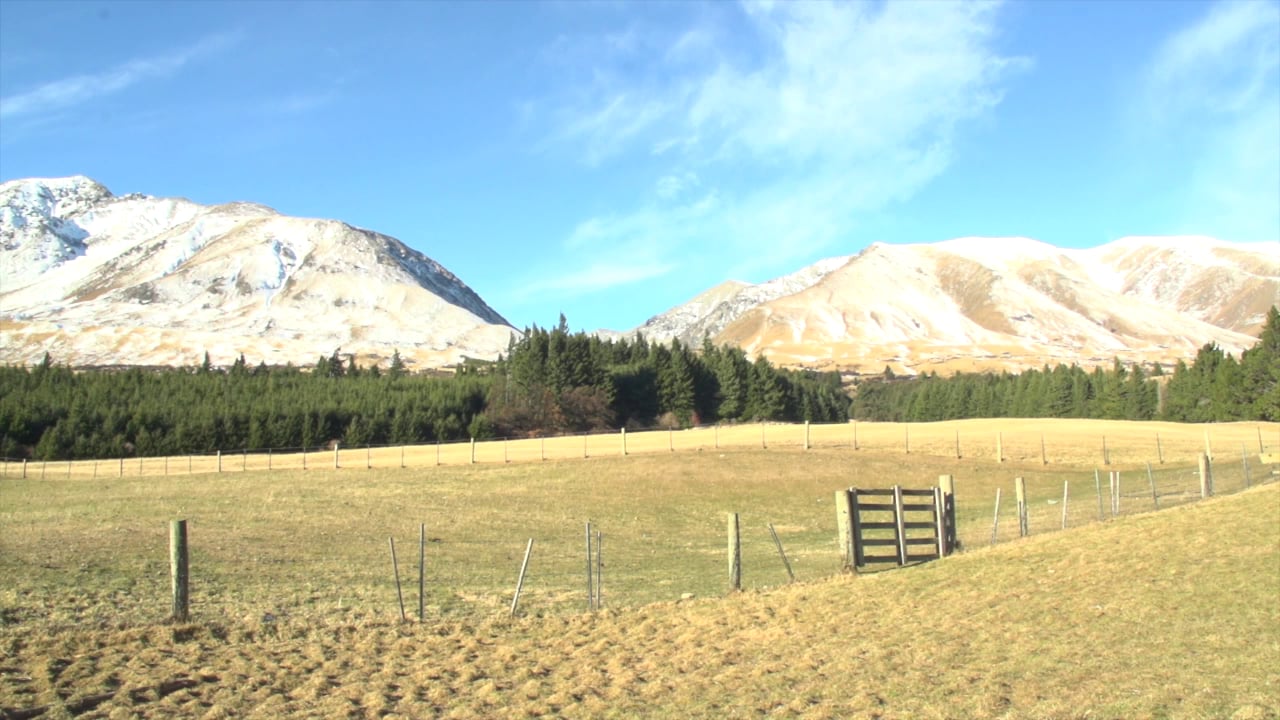
Discover how trees enhance a South Canterbury farm's income and environment.
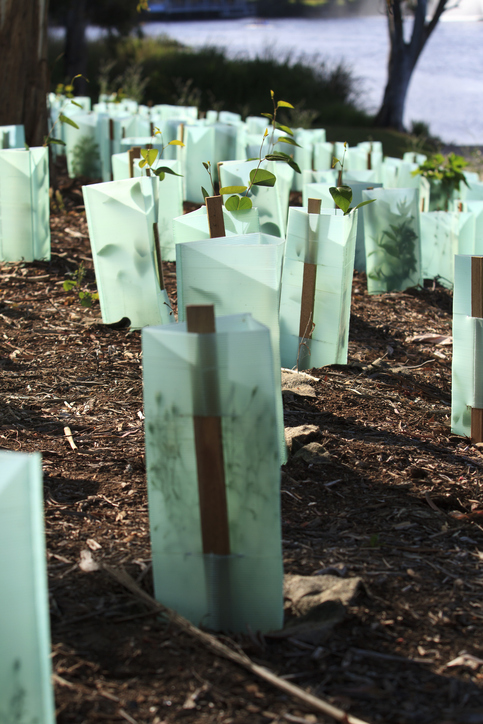
Learn how planting trees on farms can increase your farm's profit and support the environment.
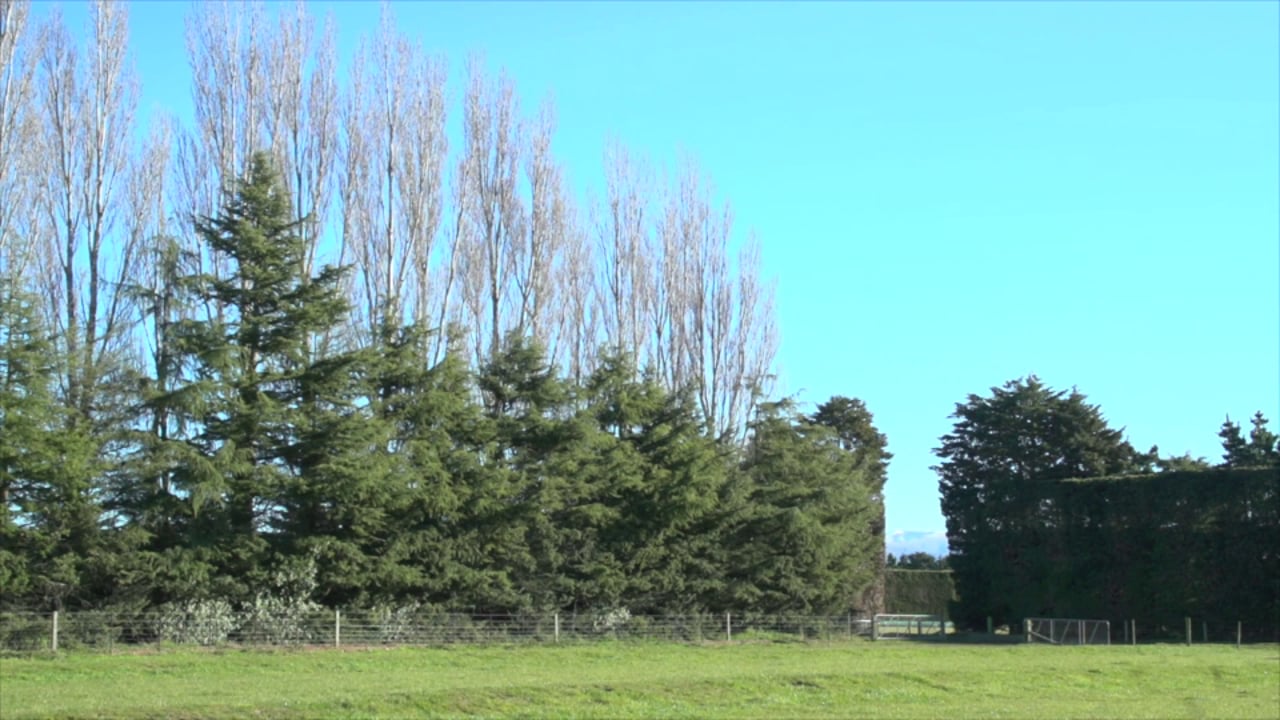
Learn about how shelter plantings are improving animal welfare on a Canterbury farm.
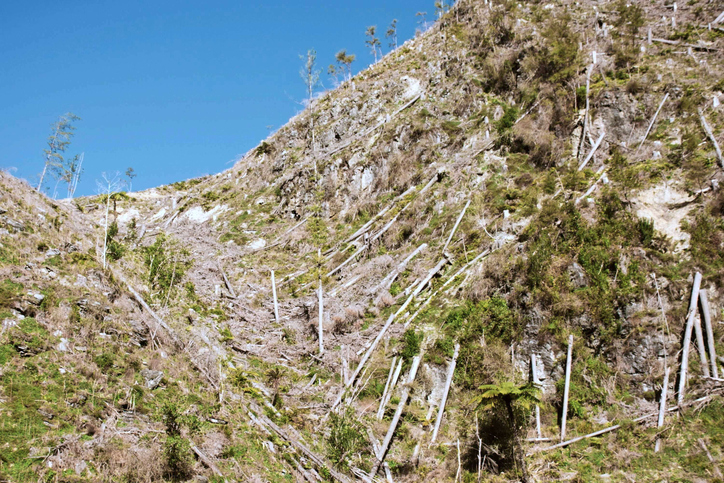
Learn how the Rutherfords use forestry for sustainable farming in North Canterbury.
Bill Wise grows trees for shelter and timber on his farm in South Otago.
Learn how Hokanui Farm uses trees for stock management and shelter on their sheep farm.
Explore diverse forest uses for production, conservation, and better surroundings on this farm.
Explore a farm that uses diverse trees for shelter, wildlife, and better outcomes for livestock.
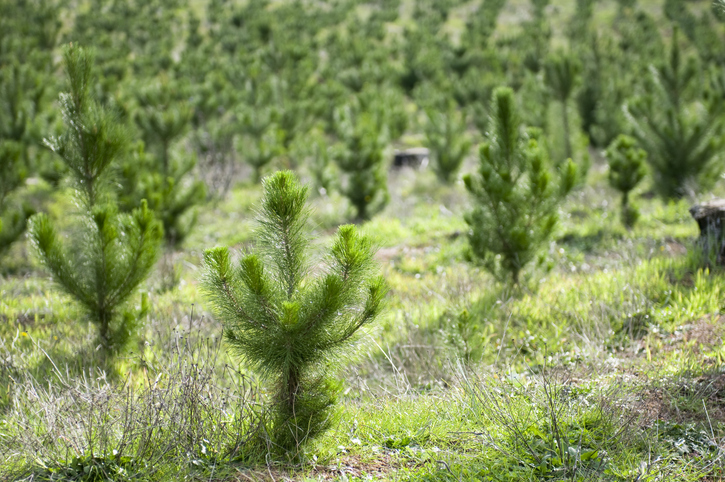
Neil Cullen shares tips on planning successful farm forestry mixed with sheep and beef in Balclutha.
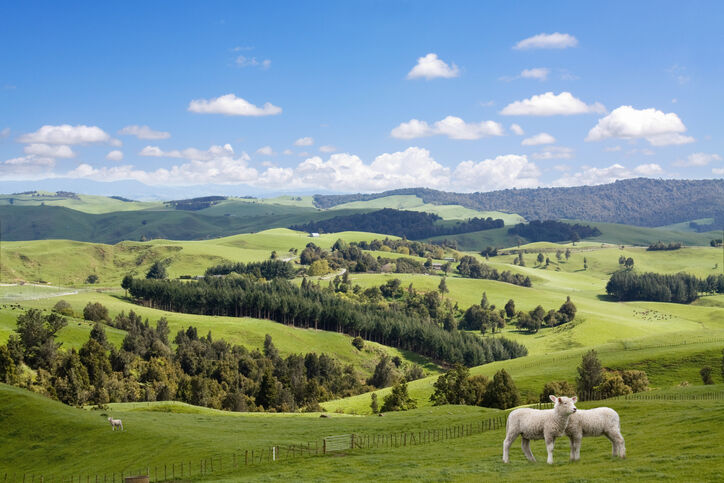
Discover how tree planting improved lambing rates on an Otago sheep farm.
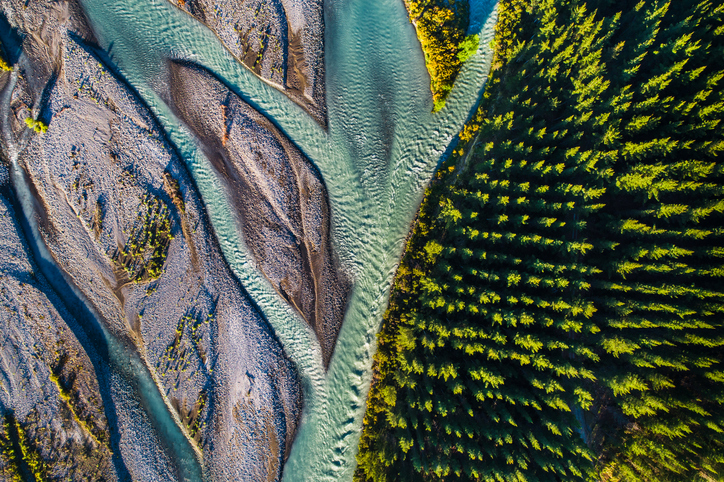
Learn how trees improve farming in East Otago and support timber production.
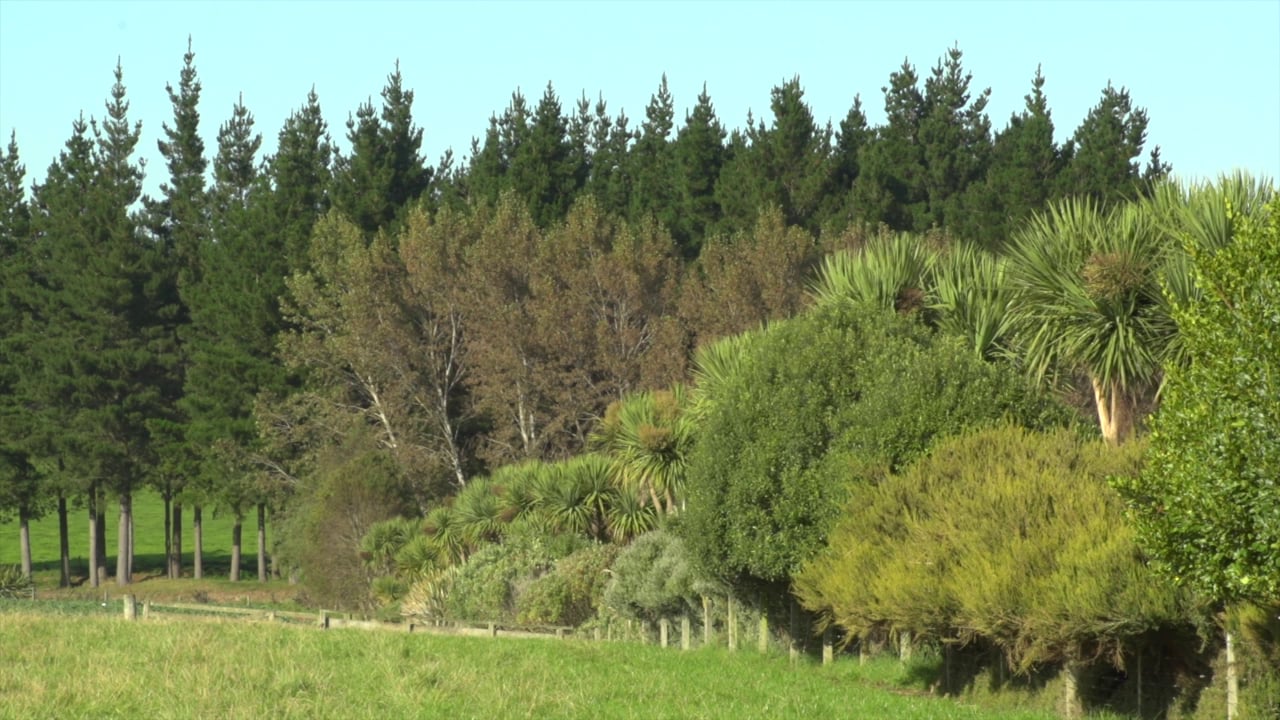
Explore how shelter plantings boost sheep farming and provide home-grown timber.
Avenel Station farms sheep, beef, and venison with shelterbelts for livestock and forestry.
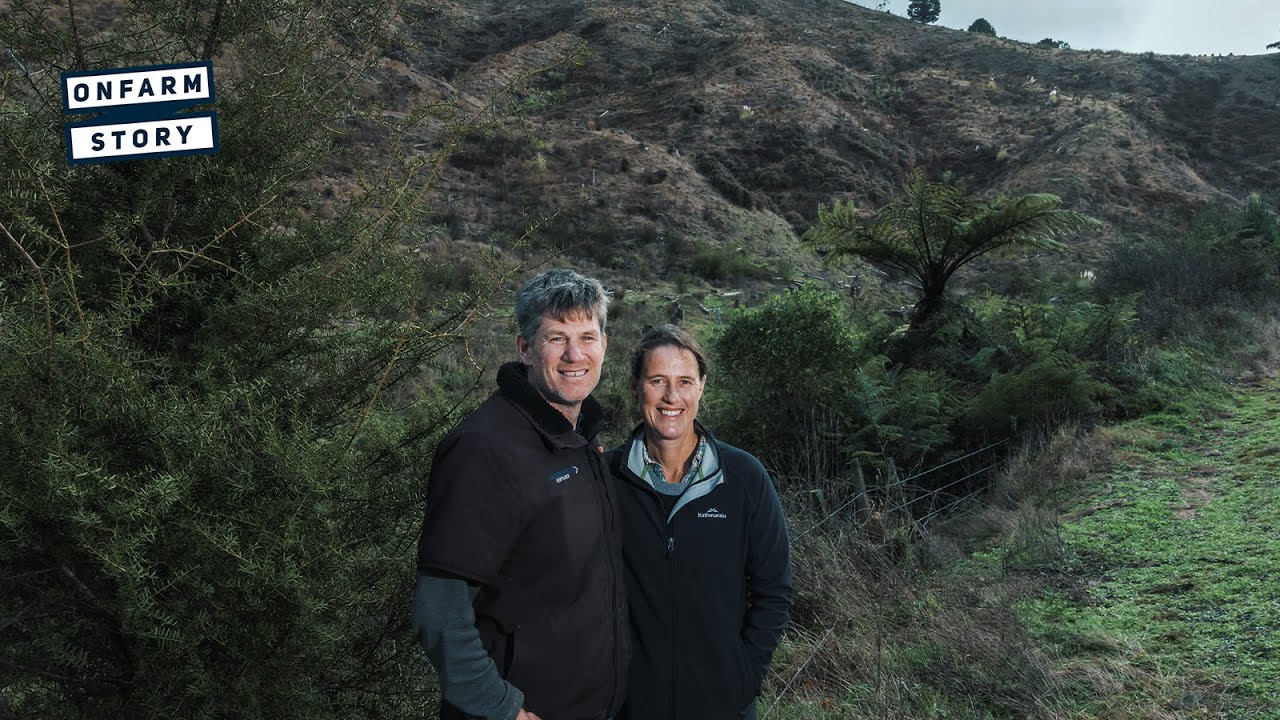
Farmers Fiona and Jon Sherlock are adapting to climate change by converting marginal land into forestry.
Learn about sustainable farming and forestry in North Canterbury for income and shelter.
Get practical tree planting advice specific to Taitokerau.
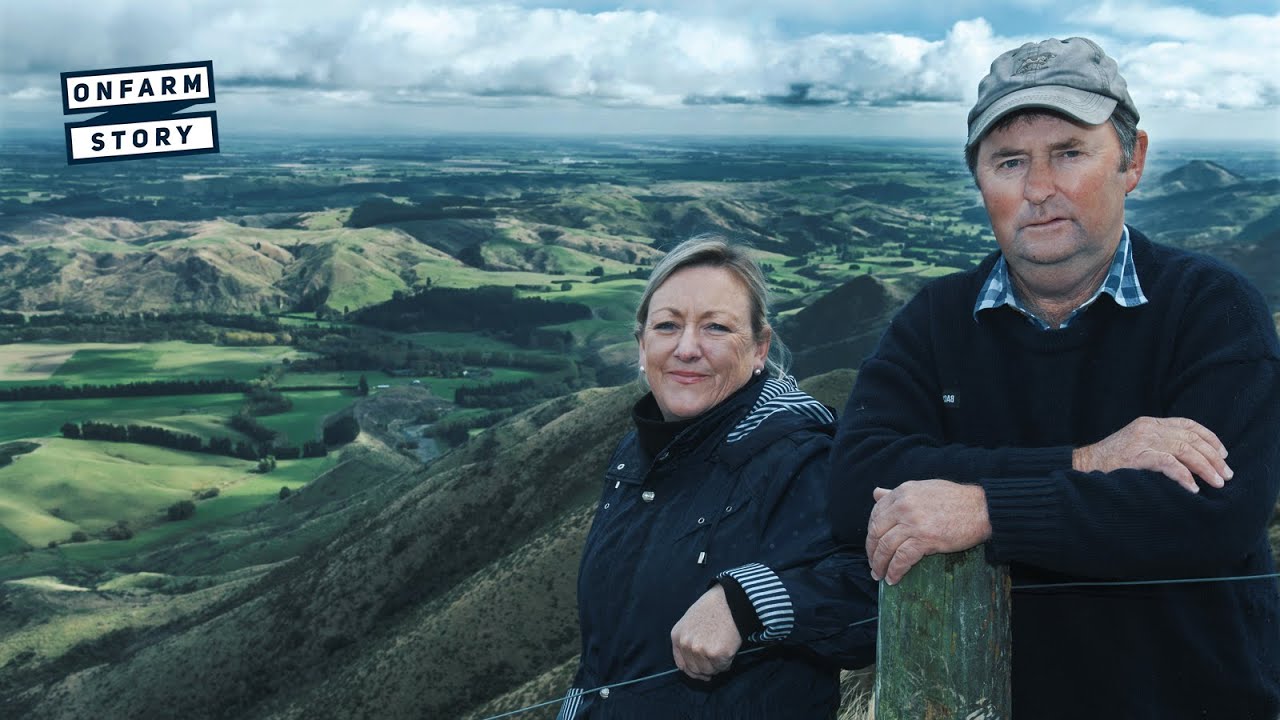
Watch how Canterbury farmers combine sheep and beef with carbon forestry.
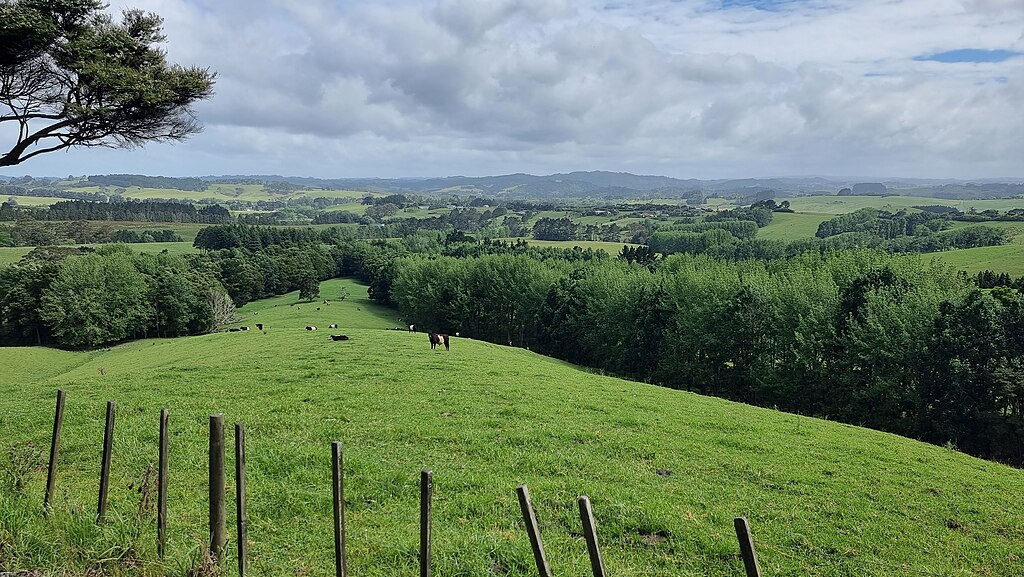
Choose the right tree species for your farm woodlot based on site factors like soil, climate, and wind.
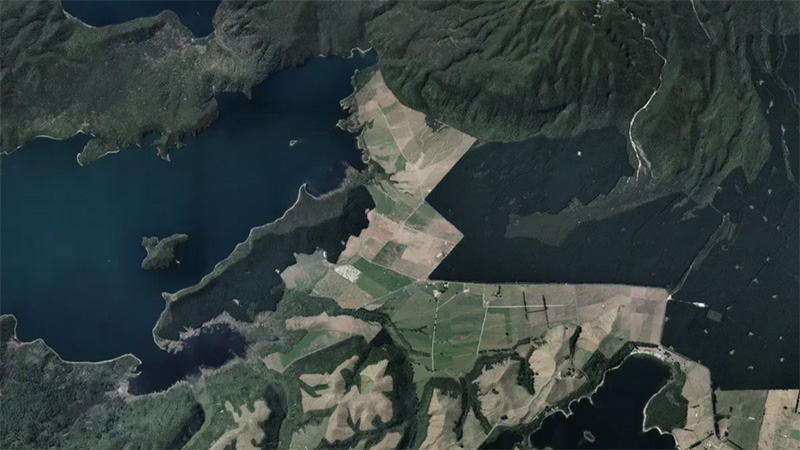
This report uses two case studies to illustrate different ways that diversified Māori agribusinesses can reduce greenhouse gas emissions and increase profits.