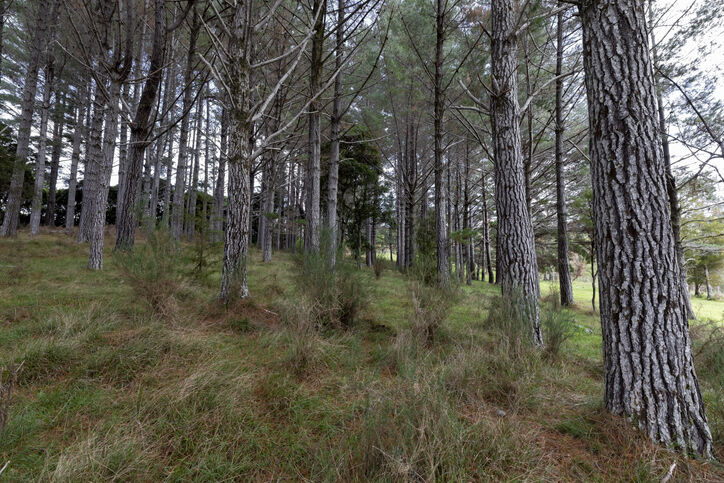
High country farm forestry at its best in North Canterbury
Enterprise
Forestry
Livestock
Risk
Succession
Learn about sustainable farming and forestry in North Canterbury for income and shelter.
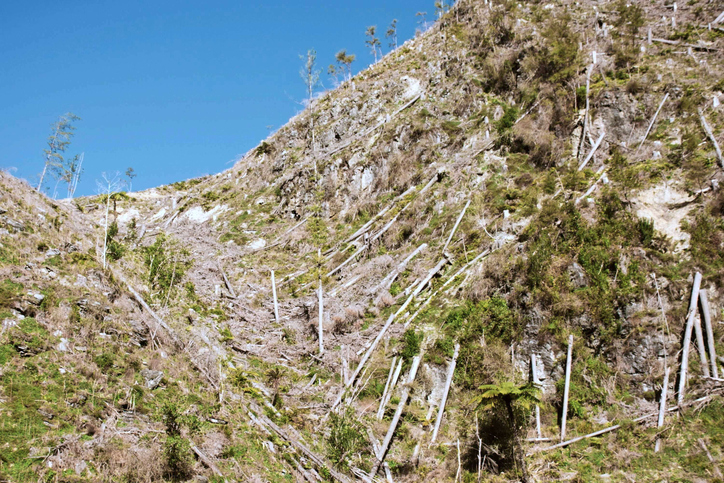
This resource focuses on sustainable forestry practices at Melrose, a farm in North Canterbury managed by Dugald and Mandy Rutherford since 1975. The farm covers plains and high country and supports sheep, cattle, deer, and 200 hectares of planted forests. The Rutherfords diversify farm income by using forestry not only to improve their farm's sustainability but also as a strategy for retirement income. The trees provide shelter, enhance biodiversity, and help minimise environmental impacts like erosion.
Learn about sustainable farming and forestry in North Canterbury for income and shelter.
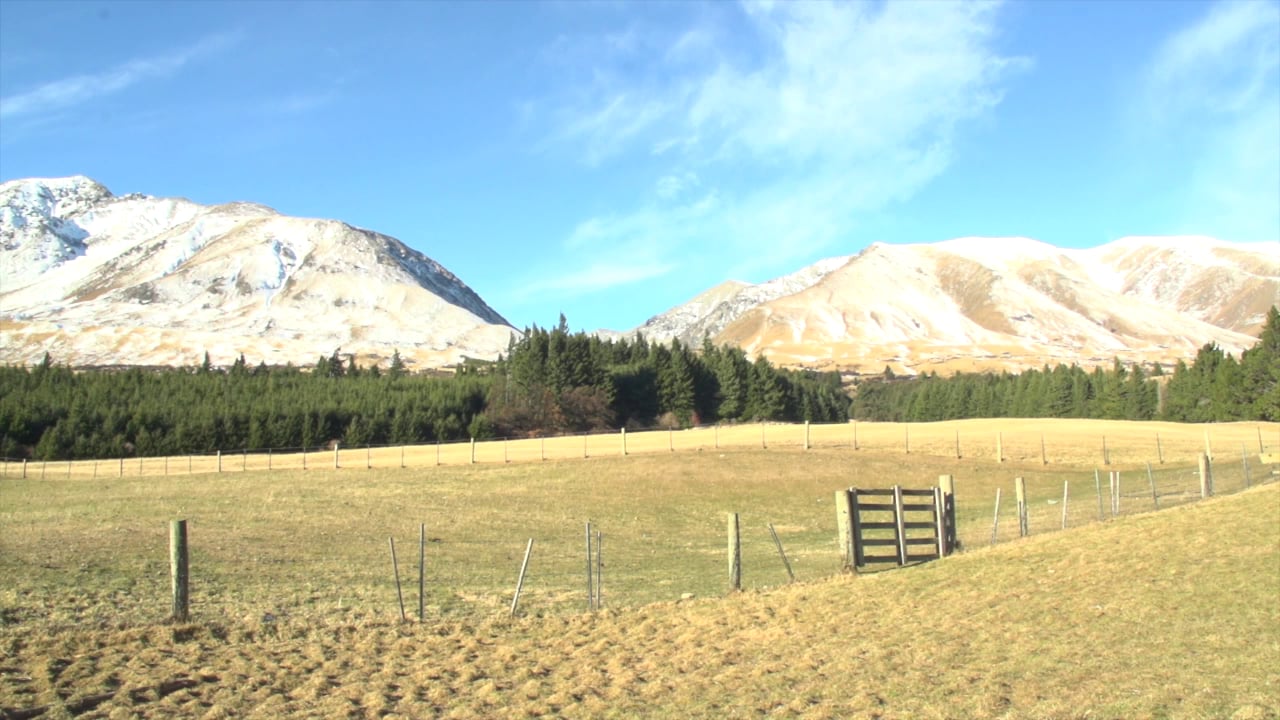
Discover how trees enhance a South Canterbury farm's income and environment.
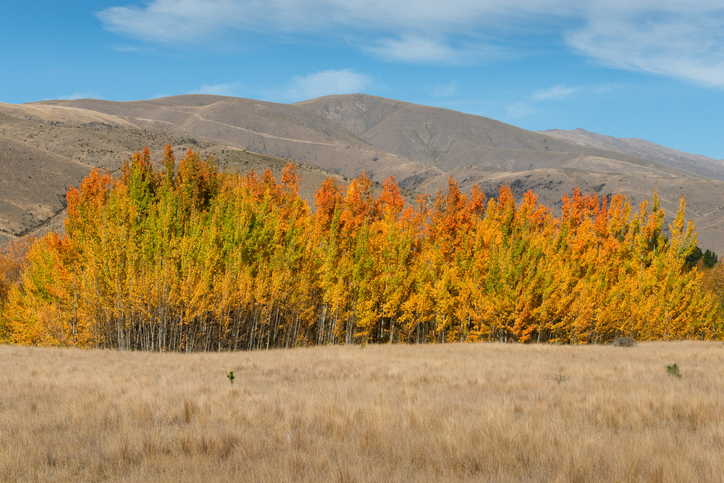
Learn how planting trees can boost farm income and provide shelter in low rainfall zones.
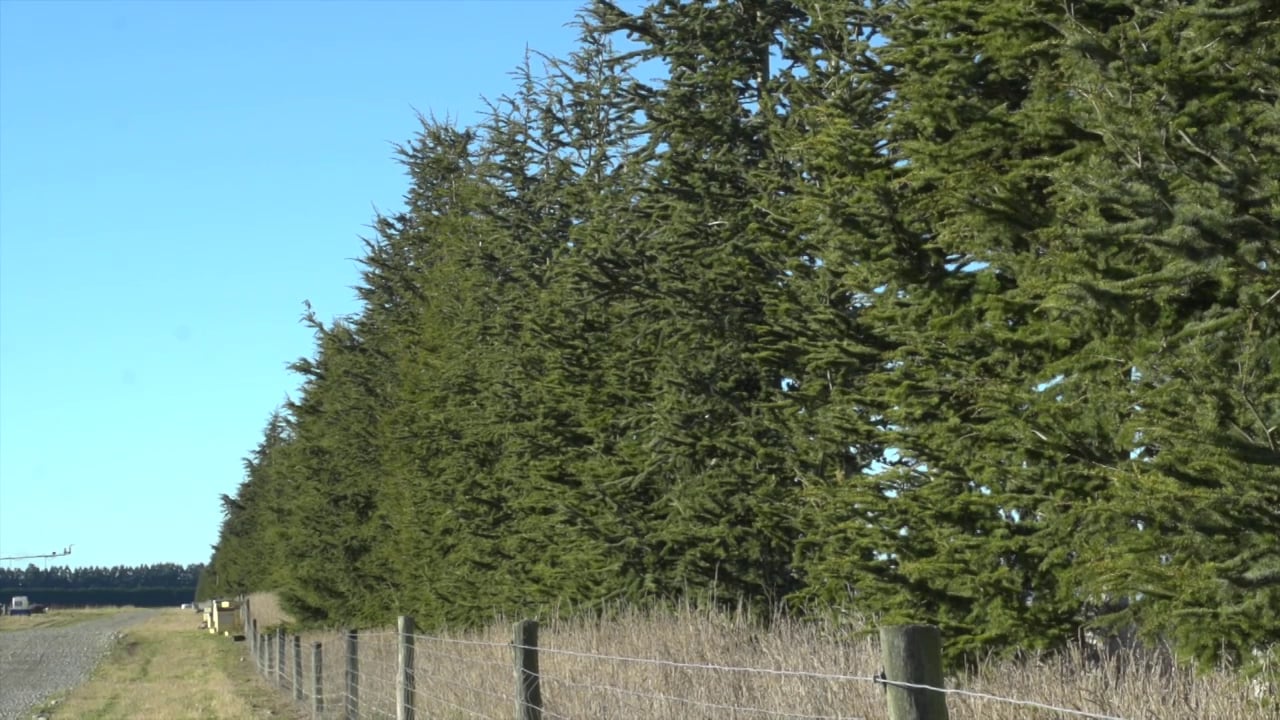
Find out how shelter plantings are improving soil conservation on a Canterbury farm.
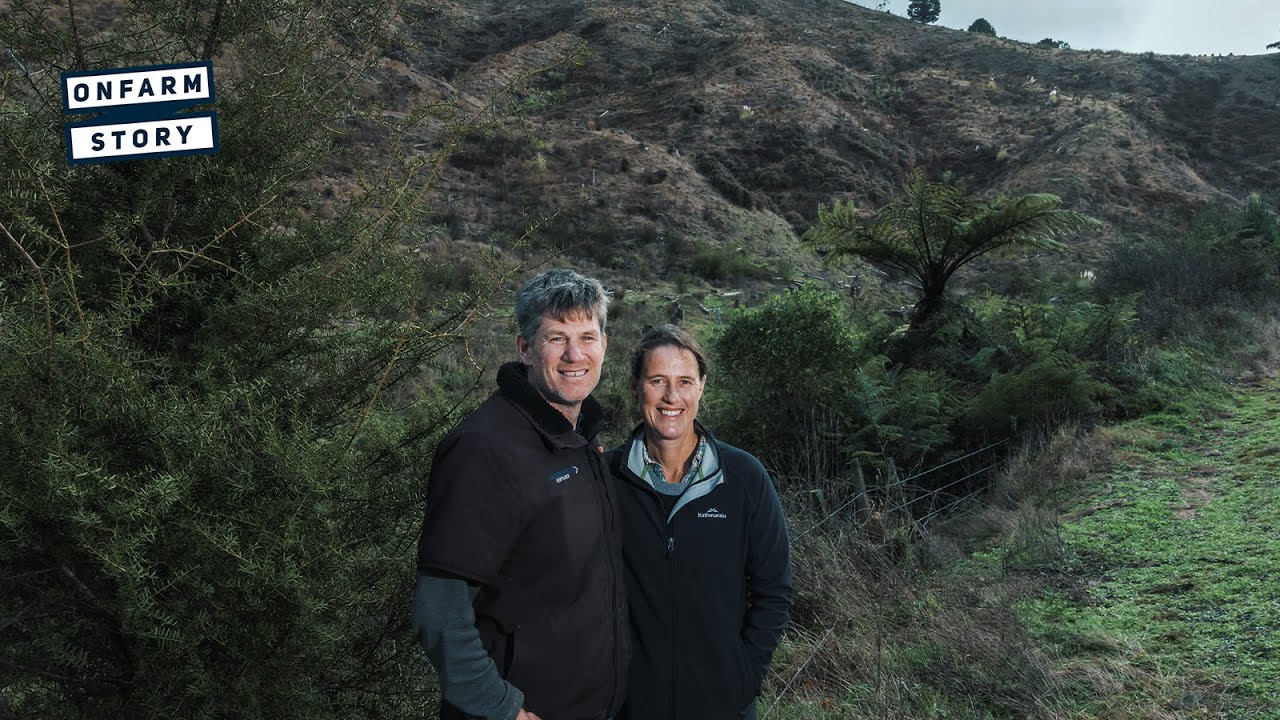
Farmers Fiona and Jon Sherlock are adapting to climate change by converting marginal land into forestry.
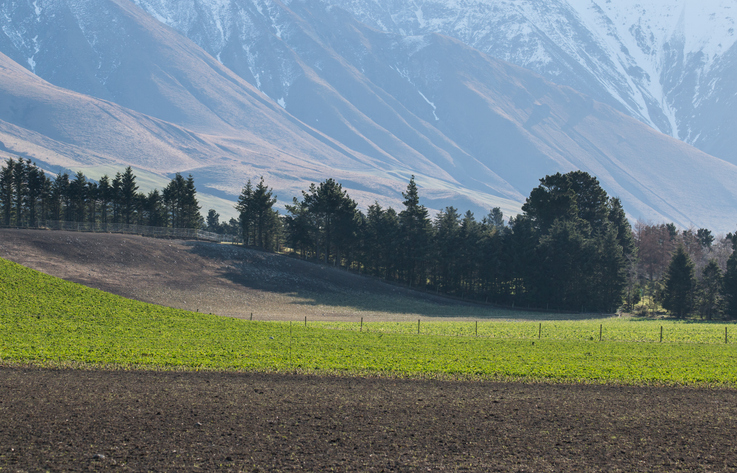
Learn how Snowdon Station's tree plantings have boosted farming efficiency and created a better environment for livestock.
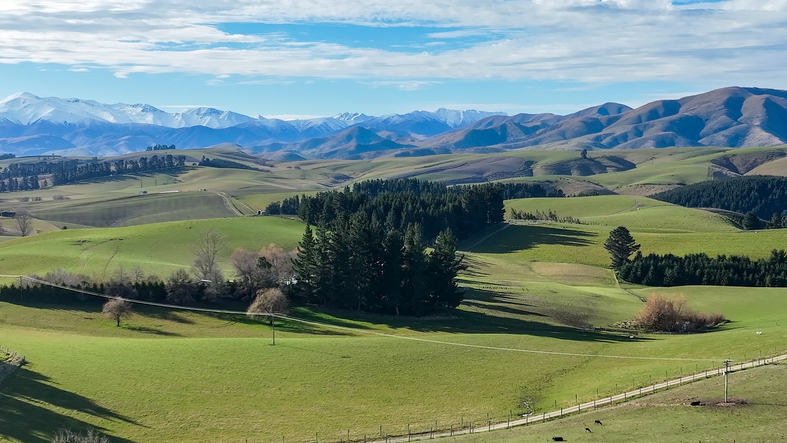
Explore how trees boost income and provide shelter on a Central Canterbury drystock farm.
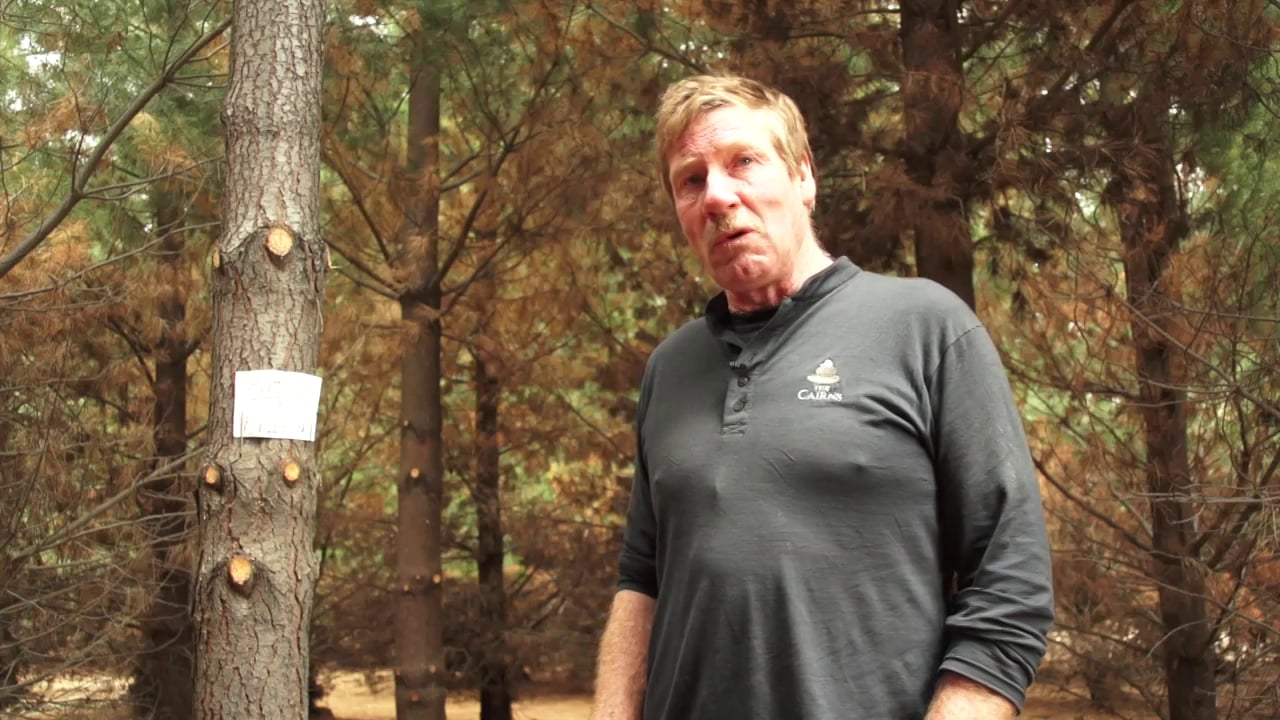
Balmoral Station explores tree growth for income and soil conservation in a tough climate.
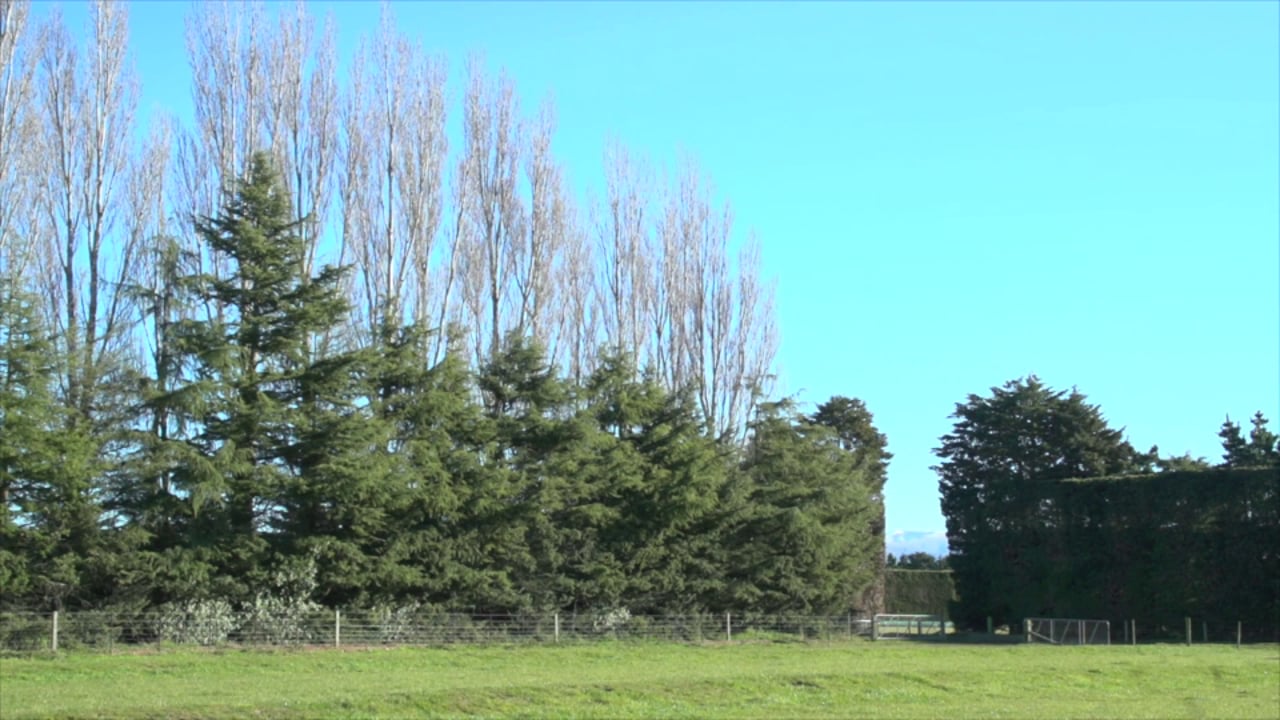
Learn about how shelter plantings are improving animal welfare on a Canterbury farm.
See how a Rangitīkei farmer uses social media to share 150 years of family history on the land.
Plan for choosing new trustees to keep your trust strong when changes happen.
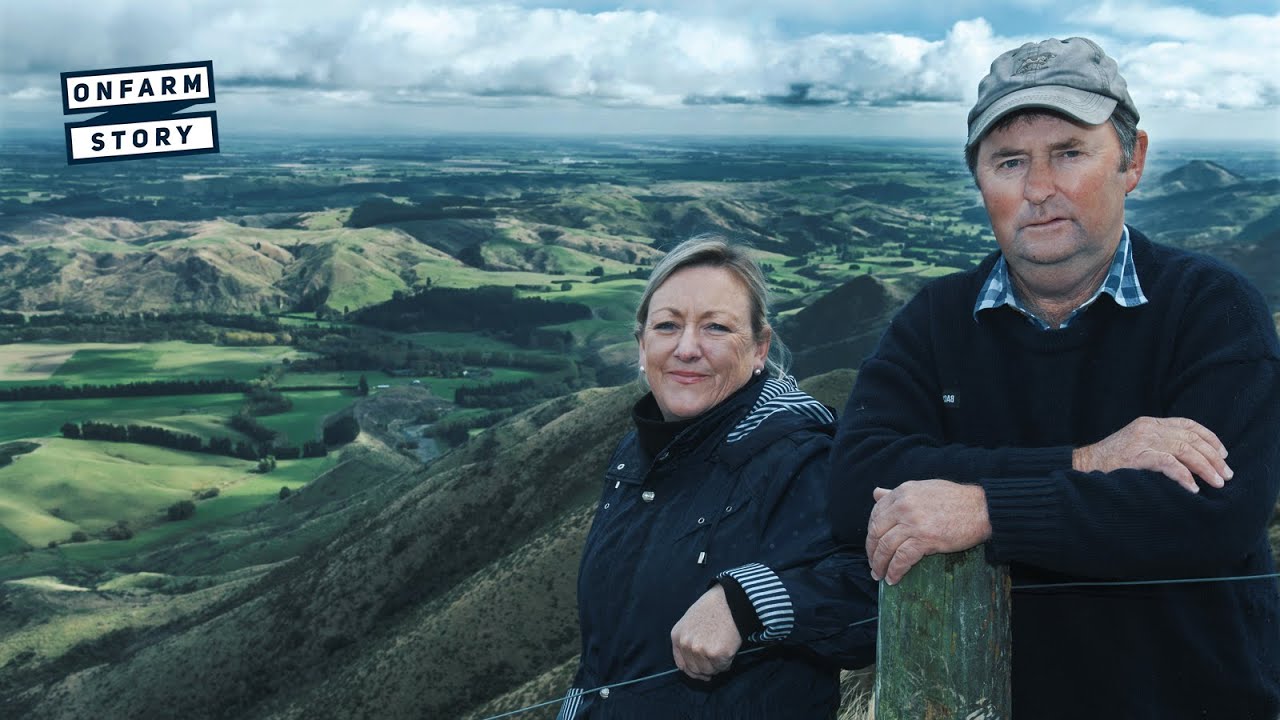
Watch how Canterbury farmers combine sheep and beef with carbon forestry.
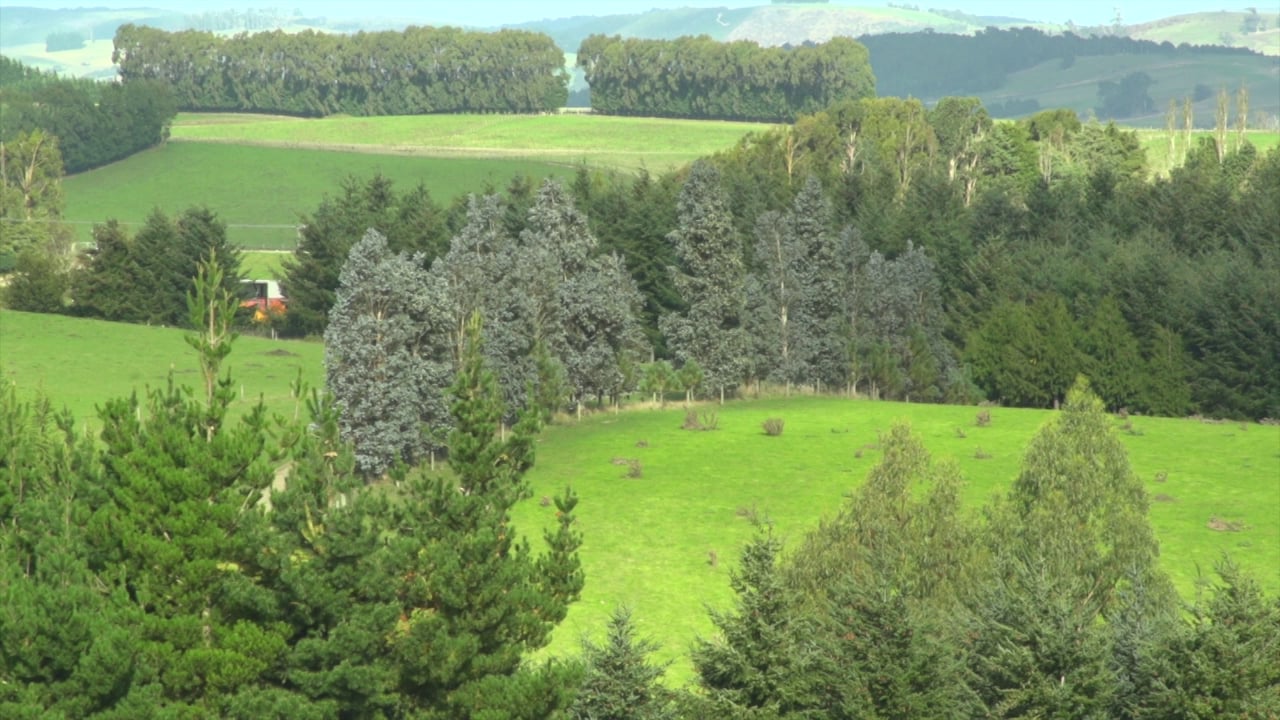
Ken Stephens shares insights on intergenerational farm forestry and sustainable practices.
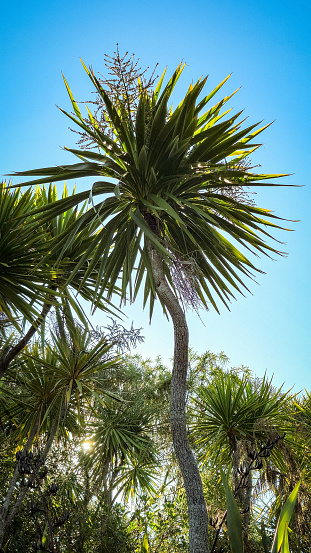
Learn how farms can use trees for carbon credits to boost income while enhancing te Taiao.
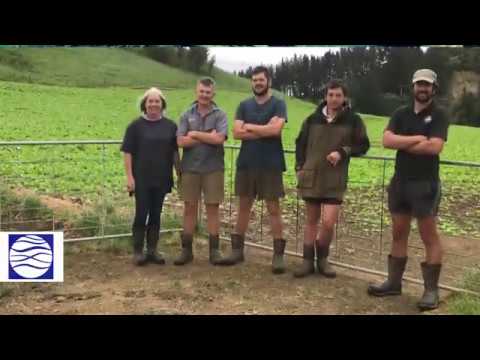
The winners of the 2020 Taranaki Supreme Award for sustainable sheep and beef farming share how they did it.
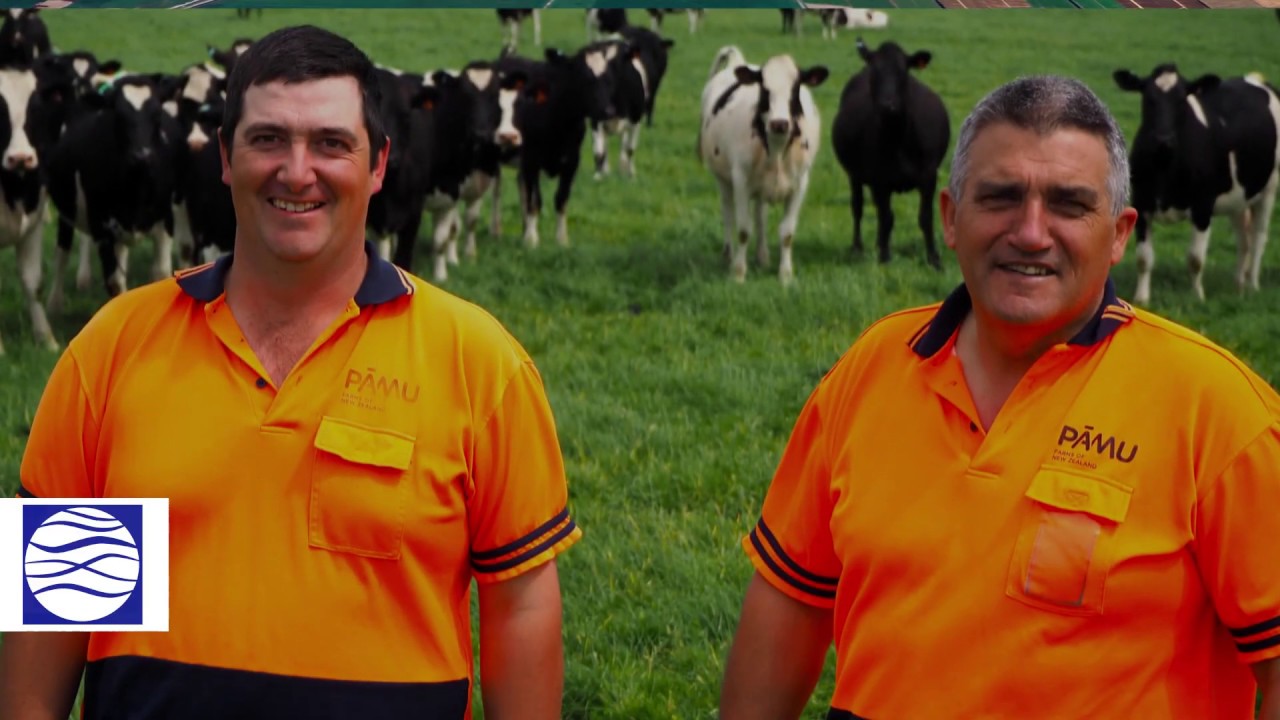
Learn how Rosebank Farm leads in sustainability and raises healthy heifers in Canterbury.
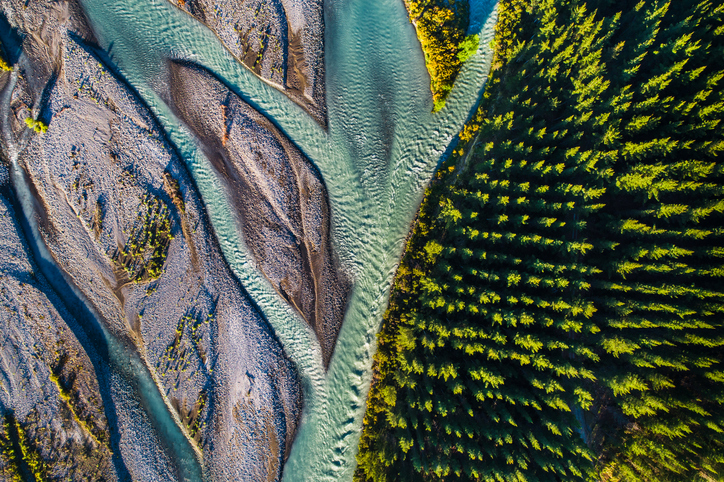
Learn how trees improve farming in East Otago and support timber production.
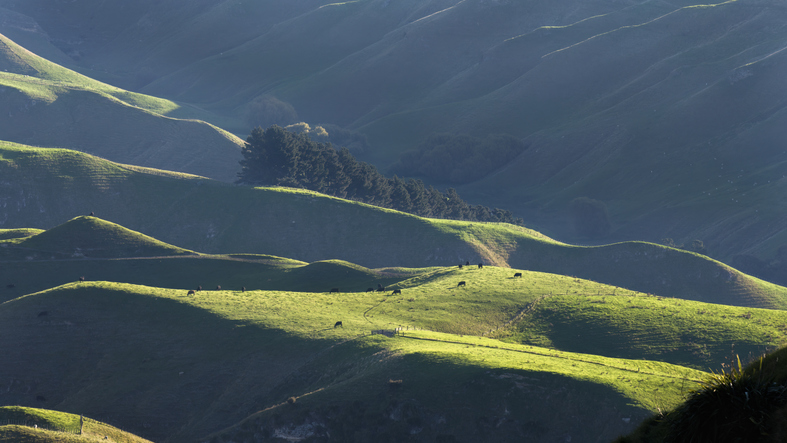
Find out how Trelinnoe farm is adapting to climate change by prioritising sustainability in farming practices.
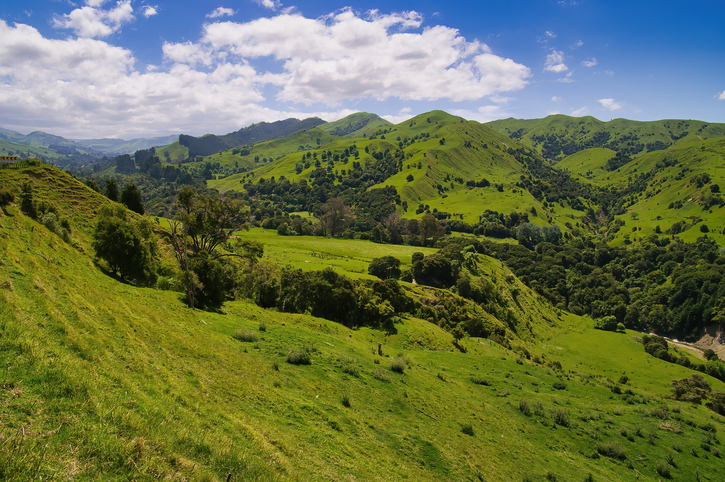
Learn about sustainable Māori forestry and agriculture for climate resilience on the East Coast.
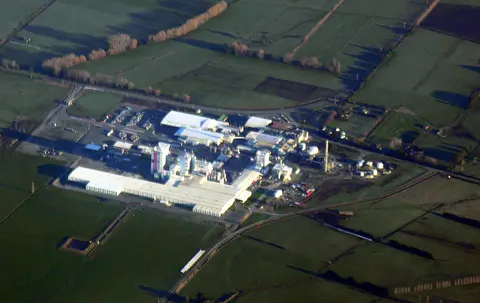
Learn how North Canterbury industry can switch process heat from coal to biomass and electricity.
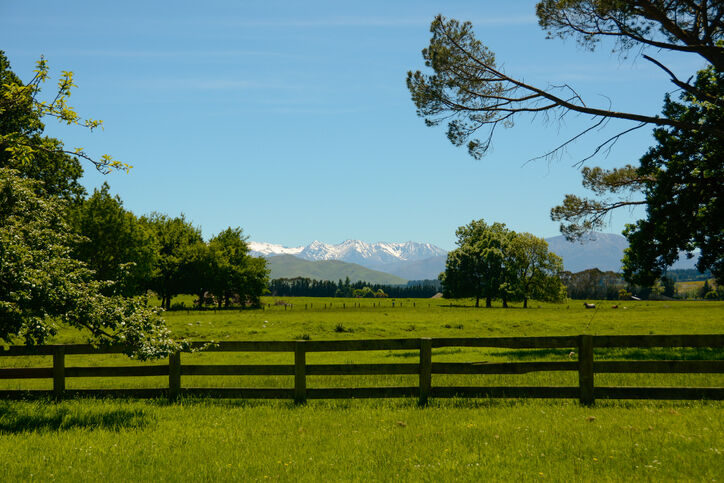
Avenel Station farms sheep, beef, and venison with shelterbelts for livestock and forestry.
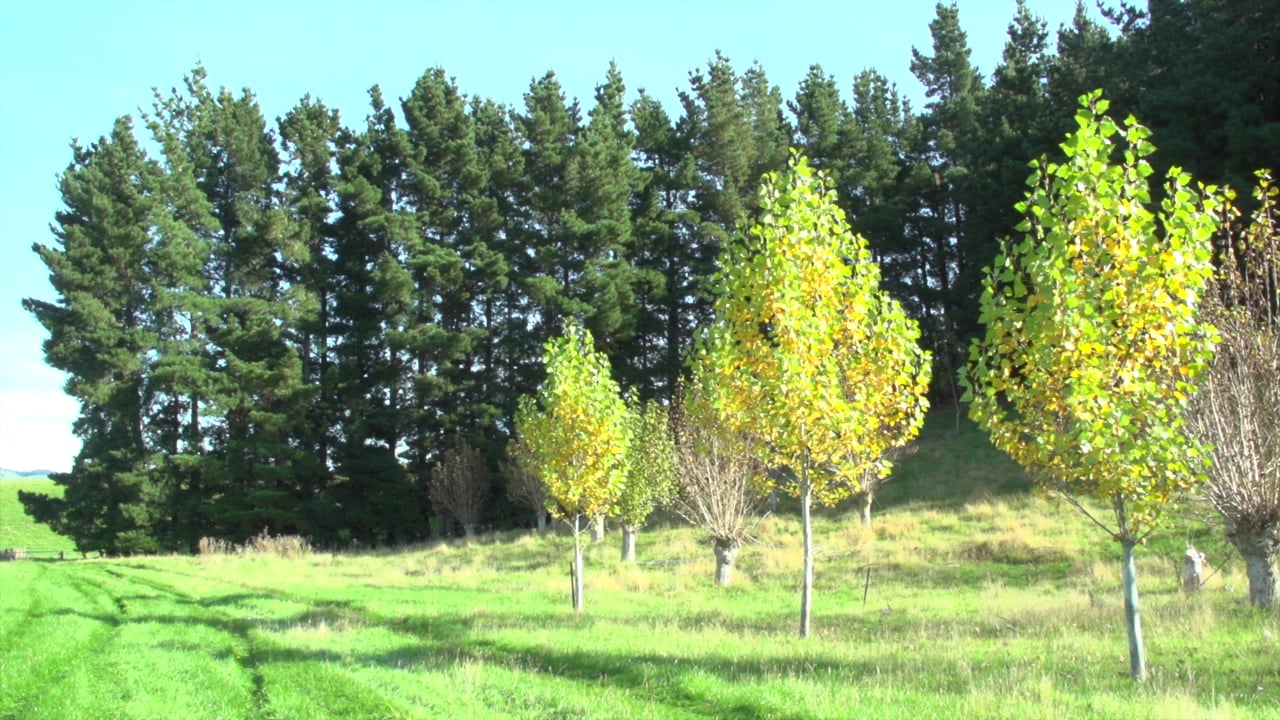
Learn how trees boost lamb survival, pasture growth, and financial sustainability at Mount Blue Farm.
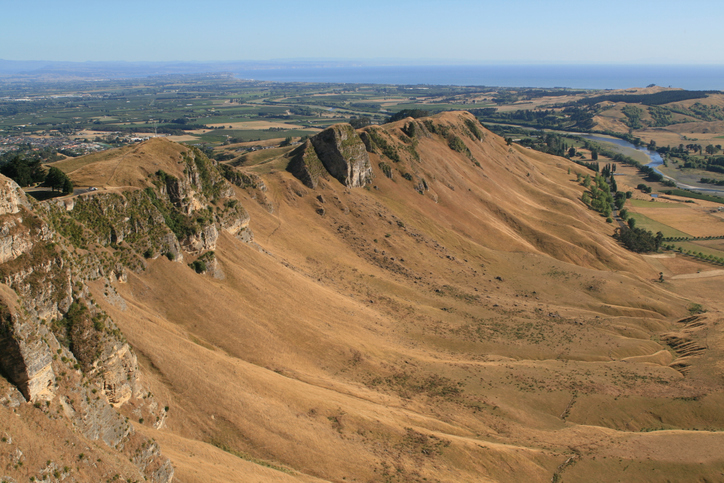
Hawke's Bay faces erosion issues. Planting trees can help prevent soil loss and improve water quality.