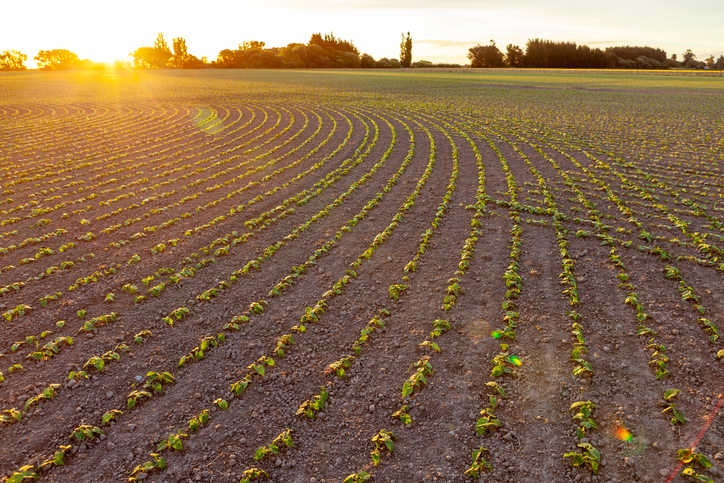
How, where, and why alternative proteins will change farming in New Zealand
Climate
Agribusiness
Alternative protein
Arable crops
Emissions reduction
Innovation
Sustainability
Find out how alternative proteins could reshape Aotearoa farming by 2050.
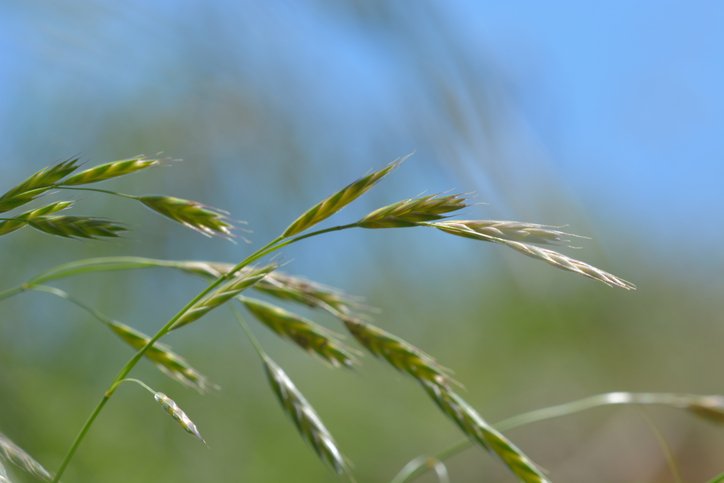
The "Pasture for Humans" report explores harvesting pasture proteins as an alternative land use for dairy farms in Aotearoa. It assesses environmental, economic, and community impacts through case studies in Hawke’s Bay, Canterbury, and Southland, highlighting benefits like reduced nutrient loss and greenhouse gas emissions.
Find out how alternative proteins could reshape Aotearoa farming by 2050.
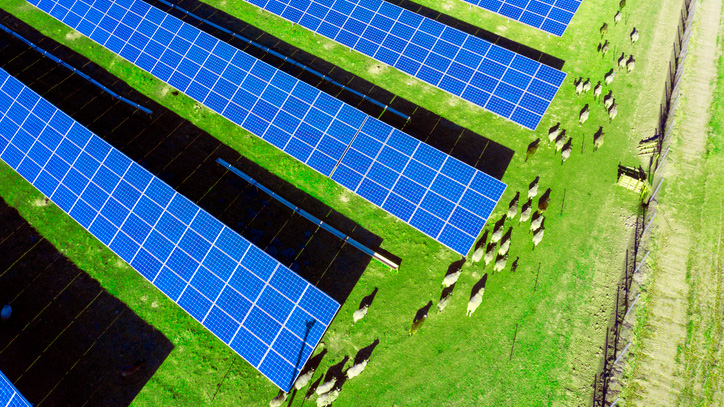
This report explores the potential and opportunity of agrivoltaics in Aotearoa.
Research about reducing greenhouse gas emissions on Māori farms in New Zealand.
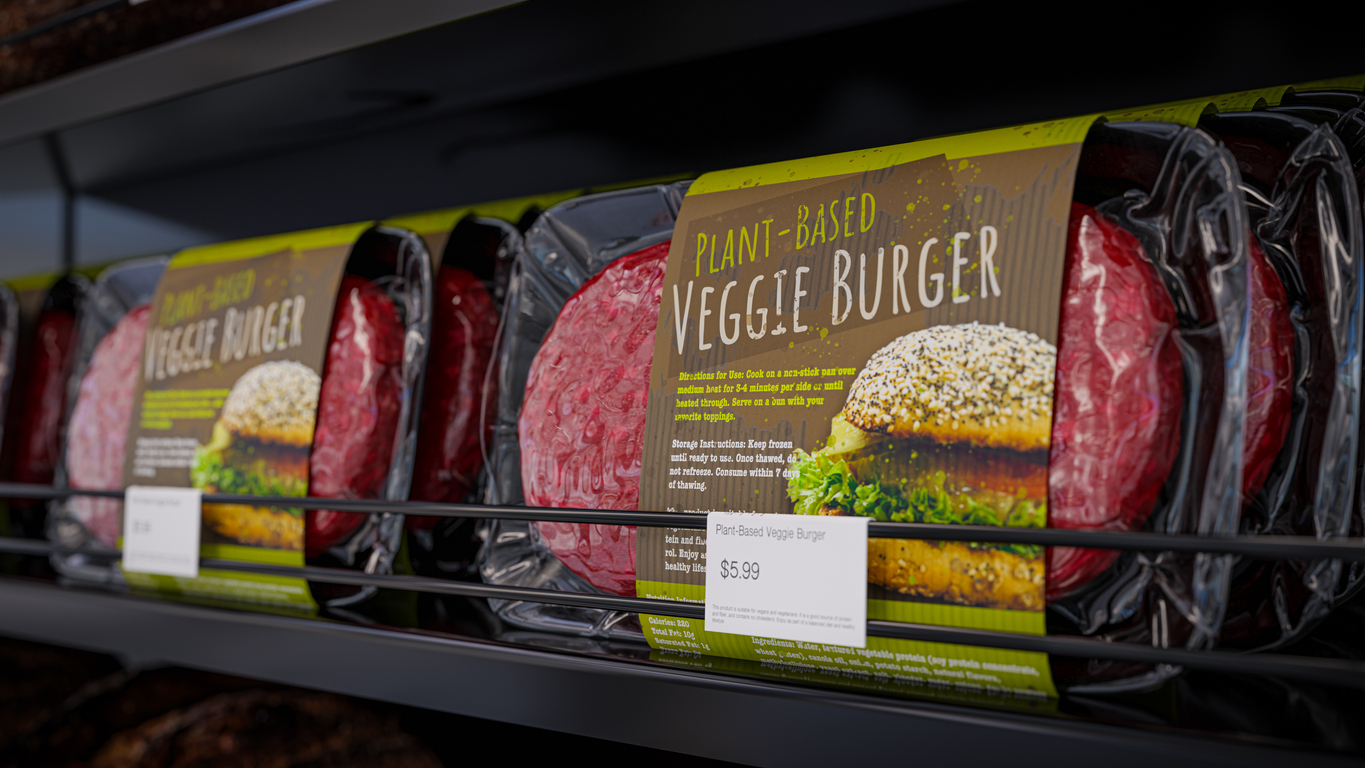
Explore New Zealand's outlook on alternative proteins and their impact on meat and dairy industries.
Learn how Woldwide Farms uses sustainable practices to reduce soil damage in high rainfall.
Learn about different on-farm solutions for reducing greenhouse gas emissions from dairy farms.
This case study explores what it means to farm in alignment with Māori values and how it can improve the environment.
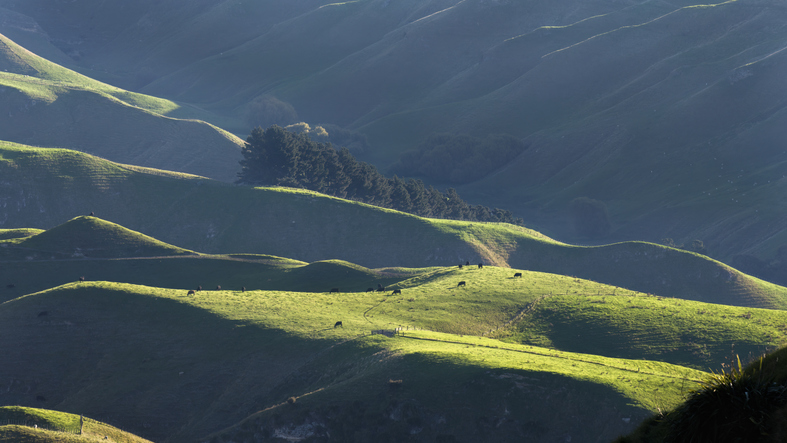
Find out how Trelinnoe farm is adapting to climate change by prioritising sustainability in farming practices.
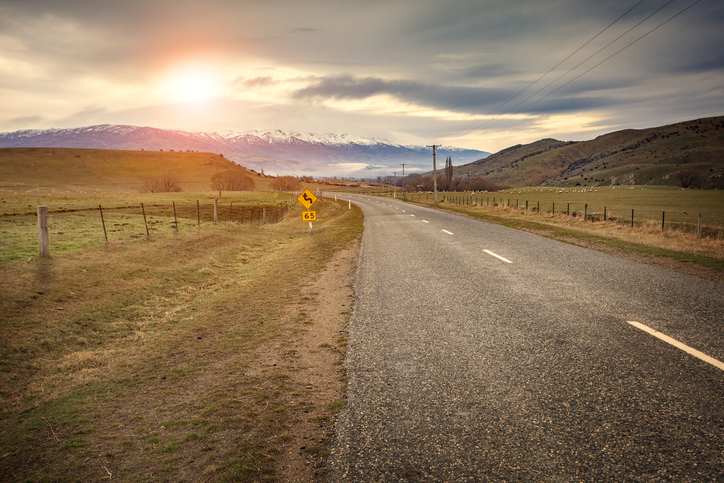
Thriving Southland supports local catchment groups to create a prosperous Southland.
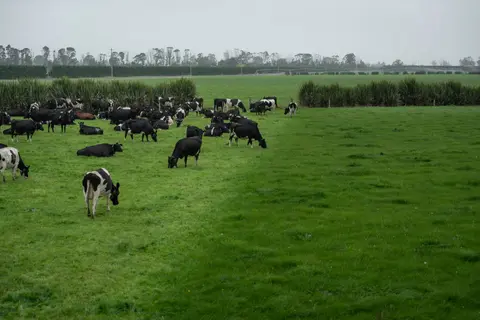
Review how fertiliser and grazing rotations are matched to feed demand.
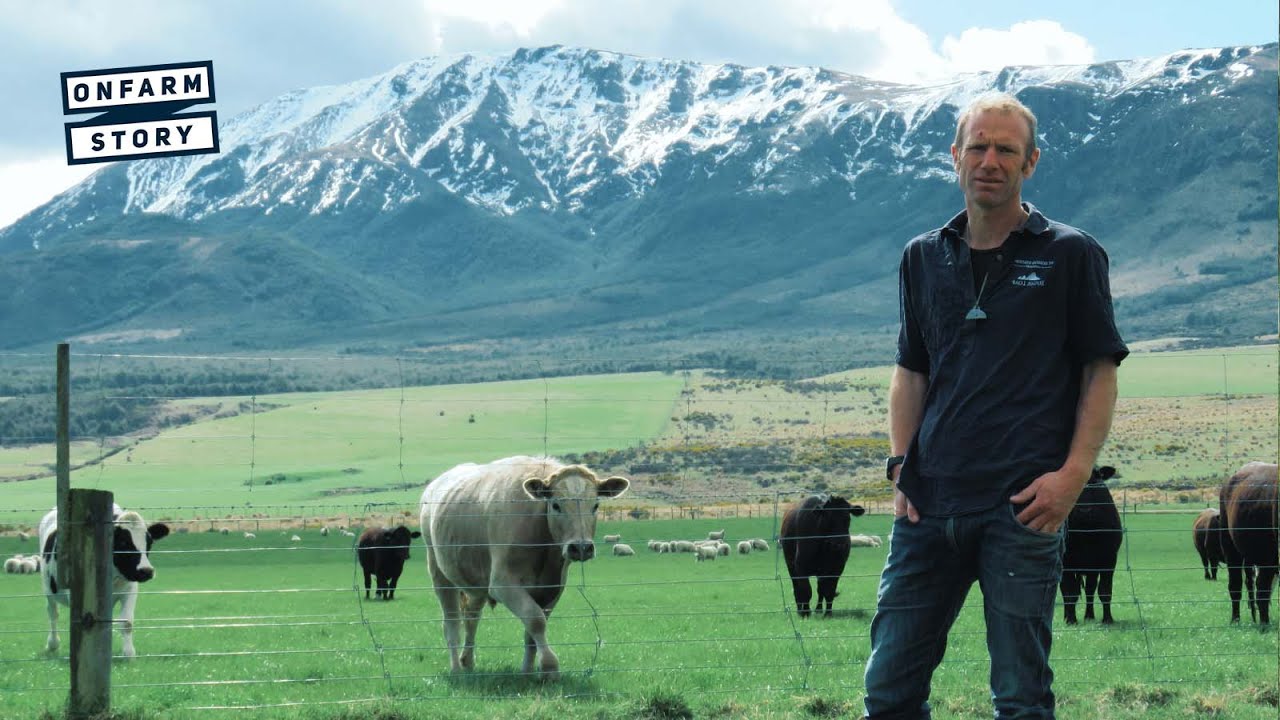
Find out how David and Kate Acland have successfully diversified their farming operation.
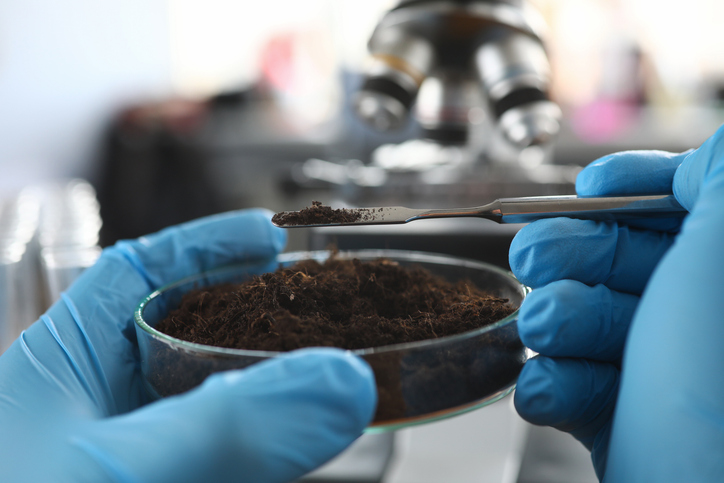
Explore how soil supports farming, impacts the environment, and learn about possible solutions for healthier farming practices.
This guide explains the potential of gibberllins to reduce greenhouse gas emissions from dairy farms.
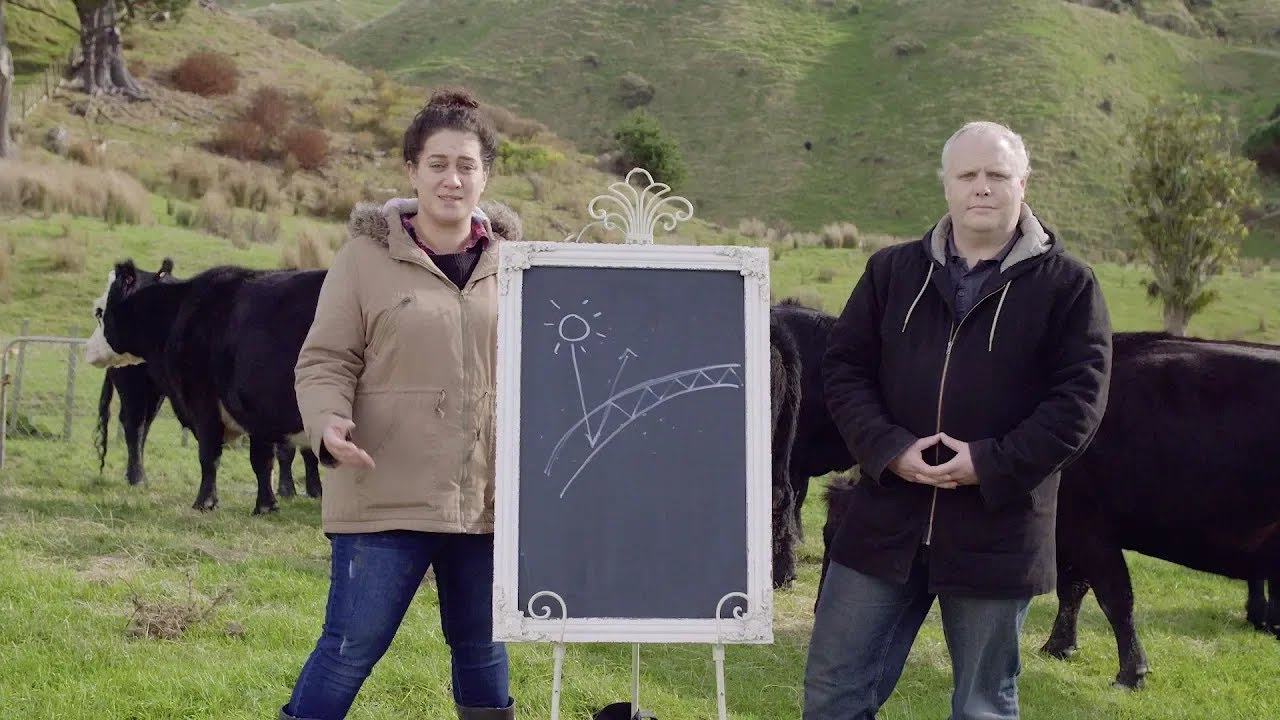
Learn how human actions change our climate and impact farming through greenhouse gases.
Learn how Owl Farm cut biological greenhouse gas emissions over a ten year period.
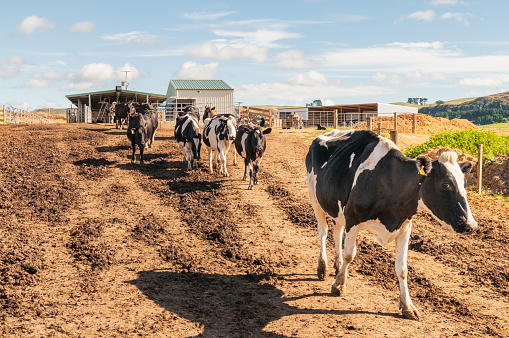
Get guidance on reducing emissions on your fairy farm.
Understand the impacts that land use in Aotearoa has on people, whenua, and te taiao.
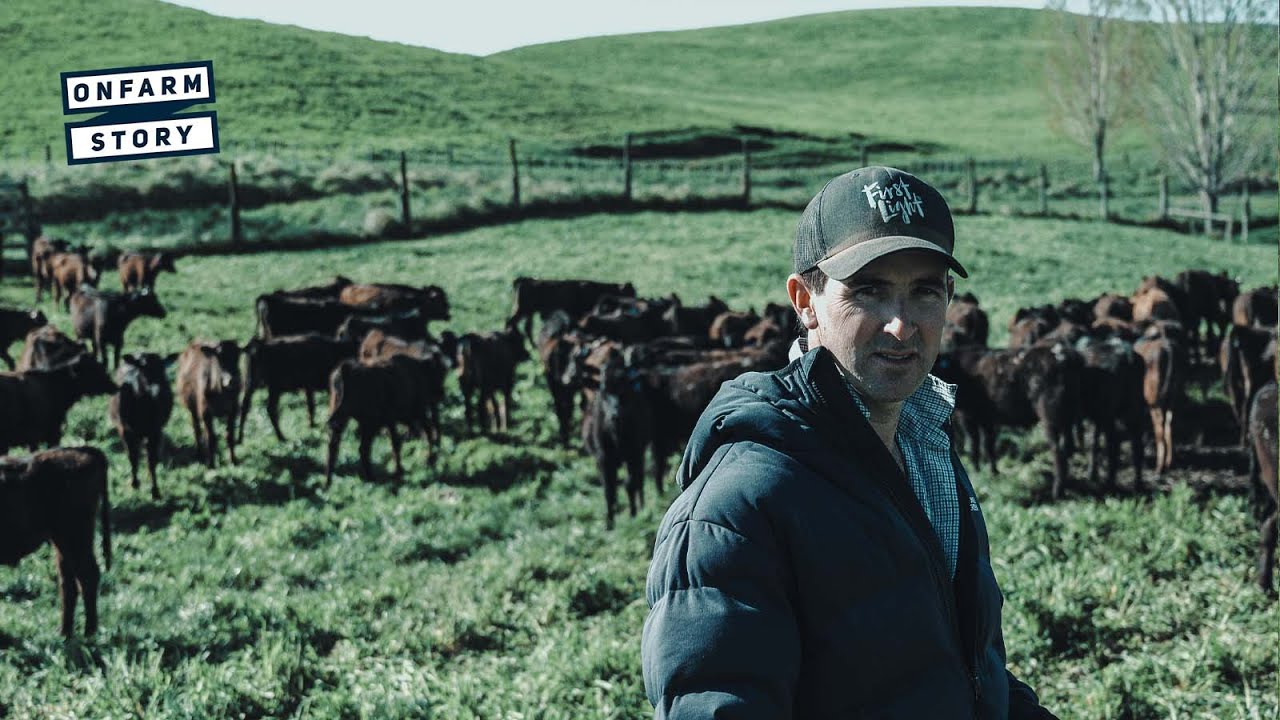
A Hawke's Bay family farm raises Wagyu beef sustainably on diverse pastures.
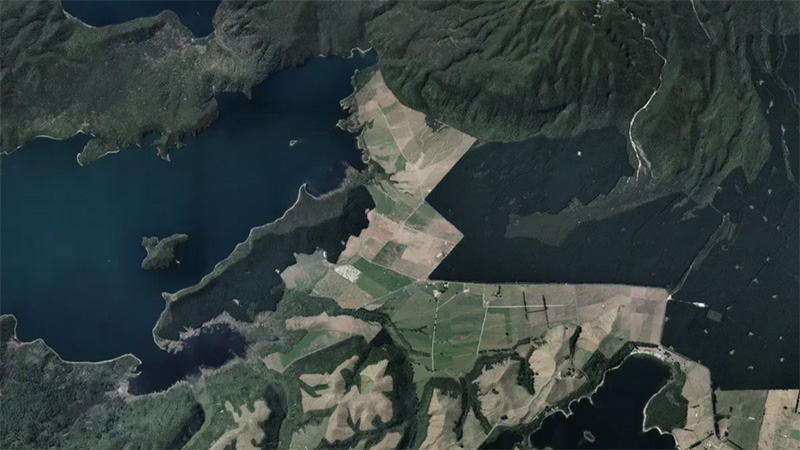
This report uses two case studies to illustrate different ways that diversified Māori agribusinesses can reduce greenhouse gas emissions and increase profits.
Factsheets about farm greenhouse gas emissions, feeds, methane control, soil carbon, and more.

This study explores how different governance structures affect Māori land decisions on carbon farming.
Research about how livestock farms in Aotearoa manage droughts.
This report explores future options to reduce agricultural greenhouse gas emissions in New Zealand.