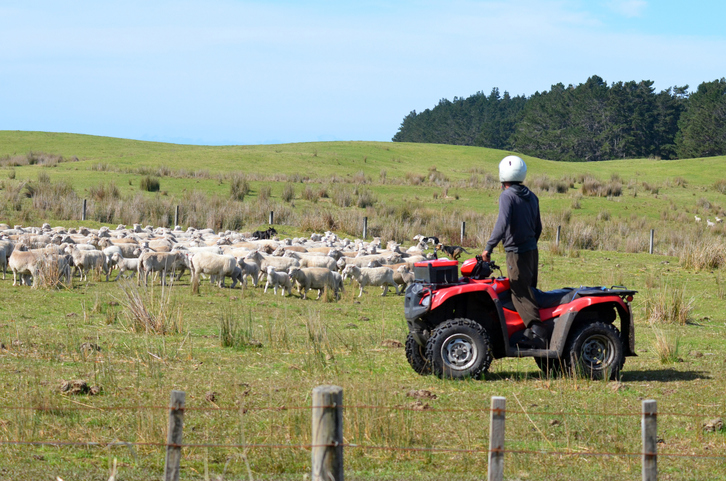
What we are doing to reduce New Zealand’s agricultural greenhouse gas emissions
Climate
Emissions reduction
Greenhouse gas
Livestock
Sustainability
This resource outlines methods to reduce agricultural greenhouse gas emissions in New Zealand.
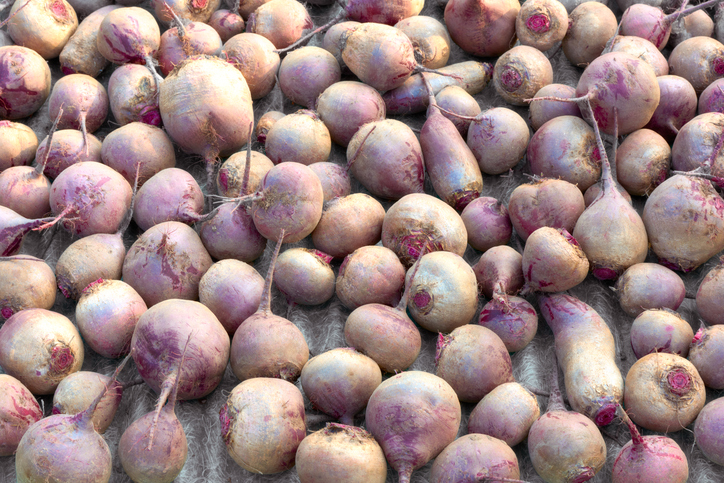
Agriculture accounts for nearly half of New Zealand’s greenhouse gas emissions, with methane from livestock and nitrous oxide from fertilisers and urine patches as the main contributors.
This research was funded by AgEC to support practical feed solutions to help farmers meet emissions reduction targets while maintaining productivity and profitability.
It explores feed options like brassicas, fodder beet, and plantain, which can lower emissions under certain conditions. Dietary manipulation, such as reducing nitrogen intake or increasing lipid content, has shown potential but requires careful management.
This resource outlines methods to reduce agricultural greenhouse gas emissions in New Zealand.
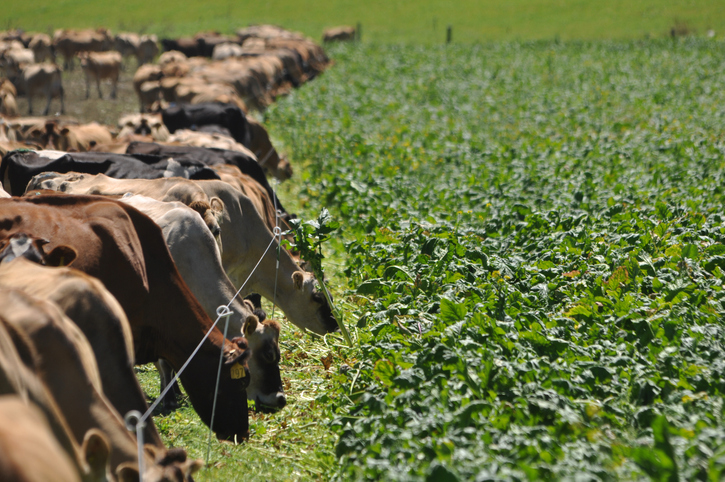
Discover feeds that lower methane and nitrogen emissions in sheep and beef farming.
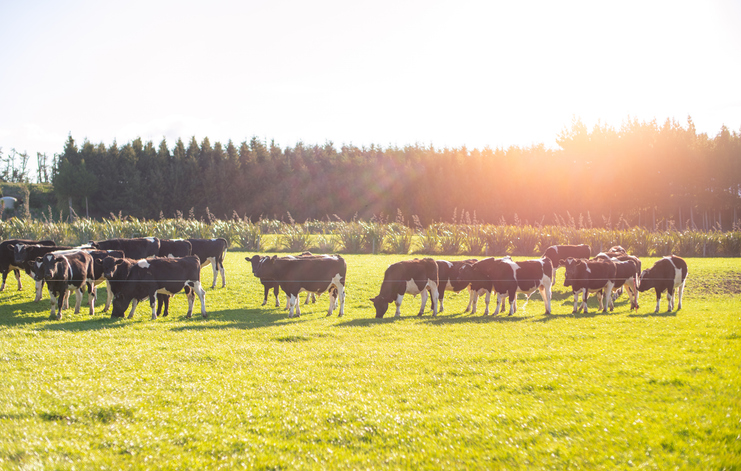
Learn about different on-farm solutions for reducing greenhouse gas emissions from dairy farms.
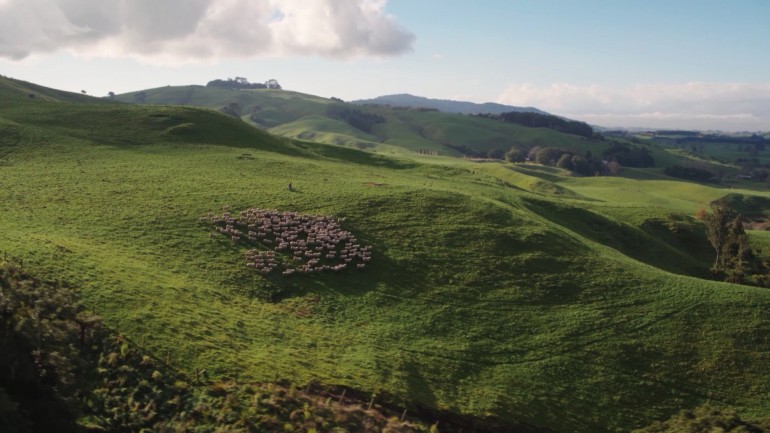
Learn ways to lower greenhouse gas emissions on your farm with practical steps and tips.

Learn about methane in agriculture and how NZ ag researchers are trying to reduce emissions.
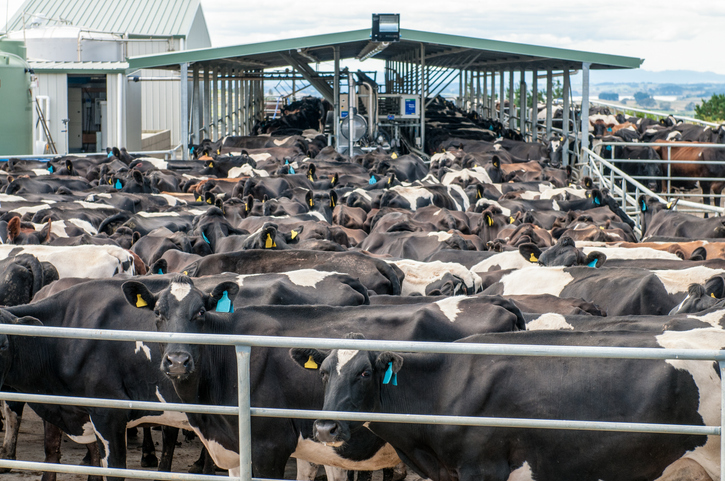
Learn about dairy farm emissions, their impacts, and ways to reduce them without affecting your profitability.
The science behind agricultural methan, nitrous oxide emissions, and climate change.
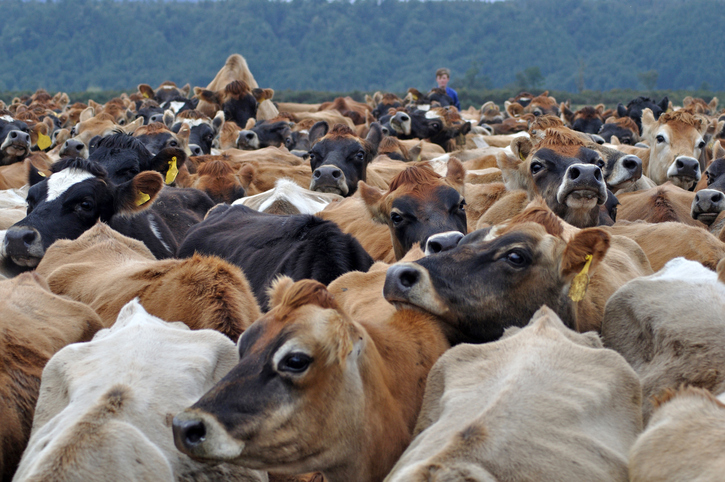
Learn how dairy farmers in New Zealand can reduce greenhouse gas emissions effectively.
Research about reducing greenhouse gas emissions on Māori farms in New Zealand.
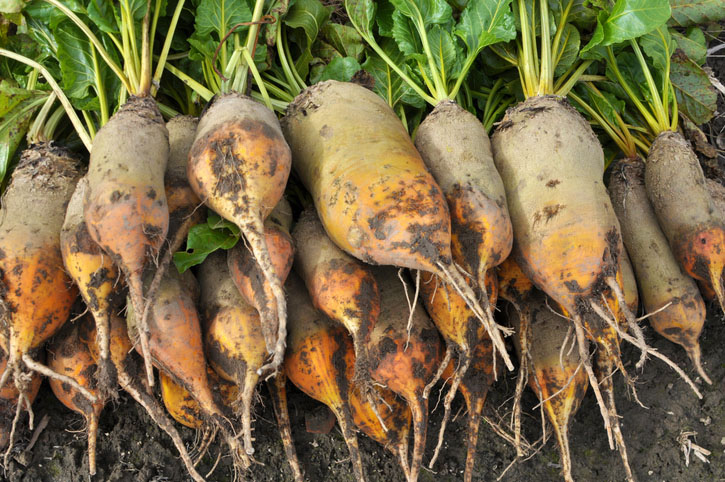
Find out more about growing fodder beet and its impact on cattle performance, costs, and feeding.
Learn how the feed intake and feed allocation calculators work for hinds and weaners.
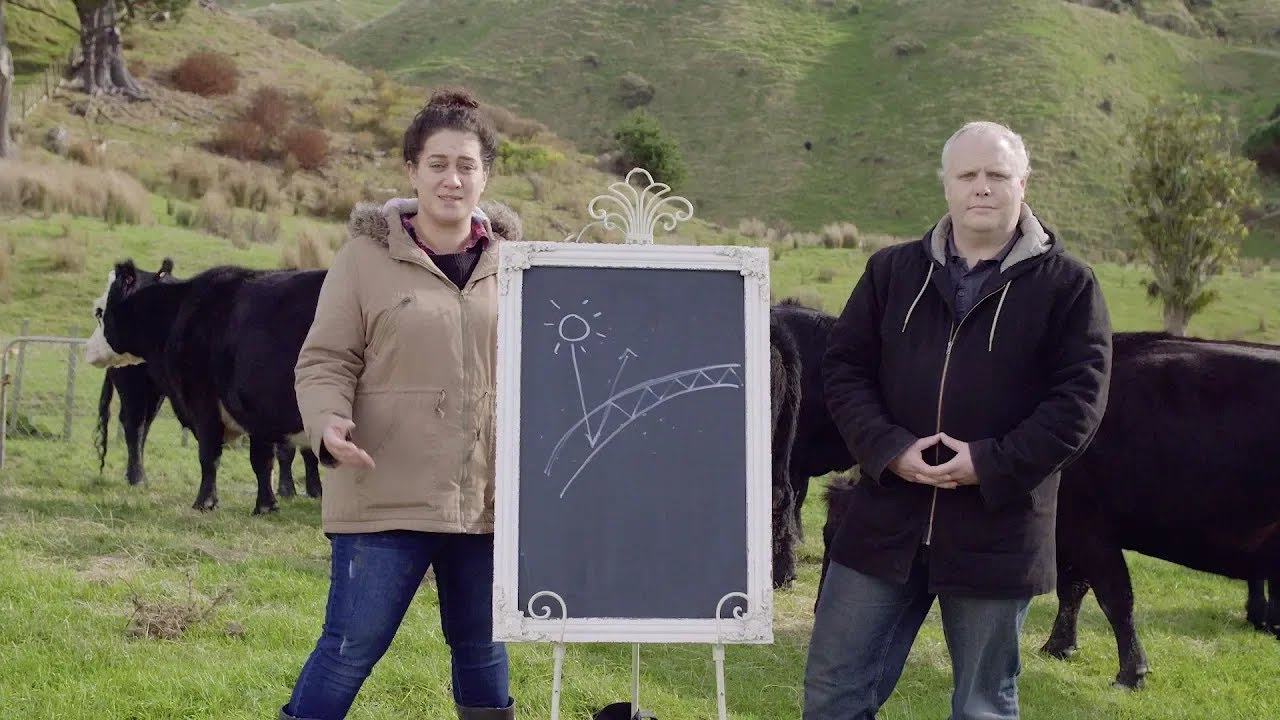
Learn how human actions change our climate and impact farming through greenhouse gases.
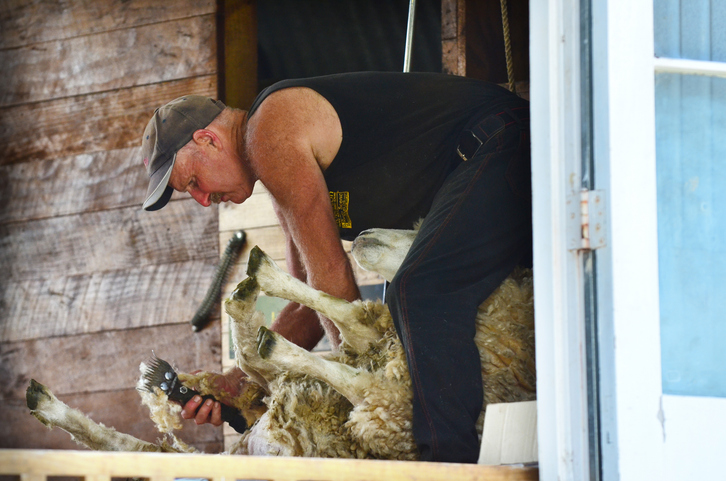
Learn how sheep and beef farms can reduce greenhouse gas emissions and improve profits.
Research assessing the greenhouse gas emissions impacts of different types of feed.
Learn how Owl Farm cut biological greenhouse gas emissions over a ten year period.
Find out about a no-cost method to reduce your dairy farm's greenhouse gas emissions.
This guide explains how to cut nitrogen use, reducing nitrous oxide emissions on farms.
Agriculture in Aotearoa faces emission challenges but has tools to stay competitive globally.
Learn how winter housing can reduce greenhouse gas emissions from livestock.
Explore new technologies for reducing on-farm greenhouse gas emissions from your farm.
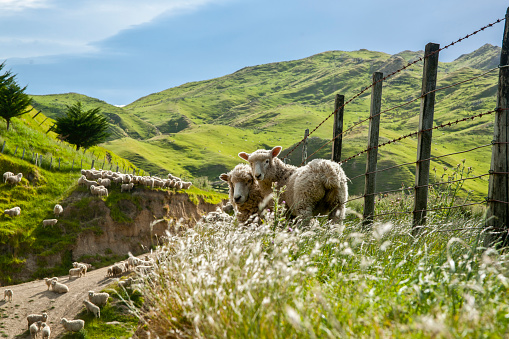
Learn how to reduce farm emissions by improving animal performance and adjusting stocking rates.
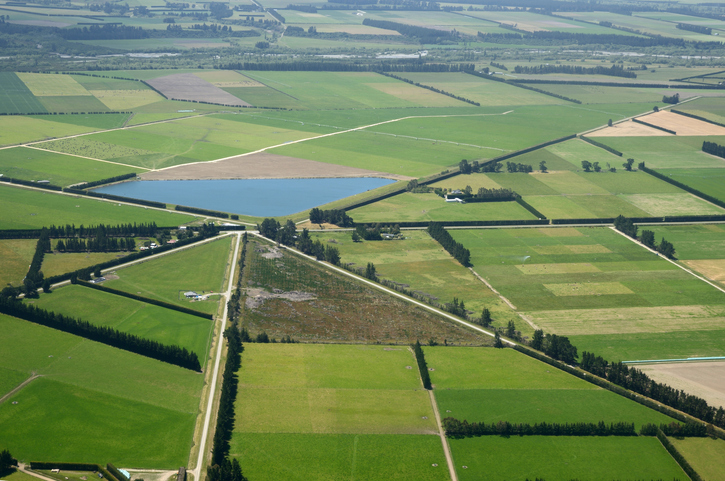
Learn about farming's impact on greenhouse gases and MPI's efforts to reduce emissions in New Zealand.
Read NZAGRC's recommendations