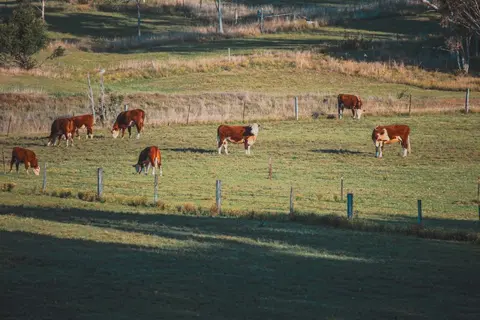
Reducing soil damage in high rainfall: Sustainable dairying
Climate
Dairy
On-farm actions
Resilience
Soil
Sustainability
Learn how Woldwide Farms uses sustainable practices to reduce soil damage in high rainfall.
Kevin Hall runs Hollyvale Farms, a 250-hectare dairy grazing and beef fattening farm. He winters nearly 1,000 cows, with special facilities that help the cows stay healthy and in good condition. The farm features tunnel houses and sawdust bedding, ensuring proper nutrition without nitrogen loss.
Effective grazing techniques protect the soil, while the landscape is boosted by more native plantings. Kevin uses science-based methods to manage effluent responsibly and understands his greenhouse gas emissions. Ongoing investments in infrastructure, like improved water supply and fencing, reflect his commitment to sustainable farming practices.
Learn how Woldwide Farms uses sustainable practices to reduce soil damage in high rainfall.
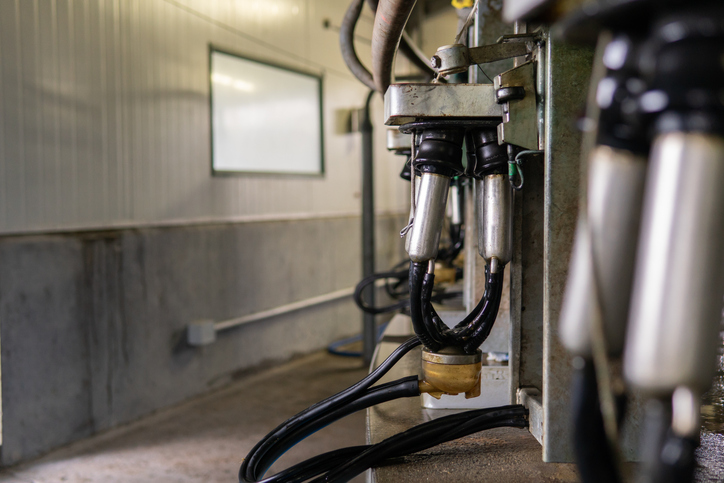
Find out about a no-cost method to reduce your dairy farm's greenhouse gas emissions.
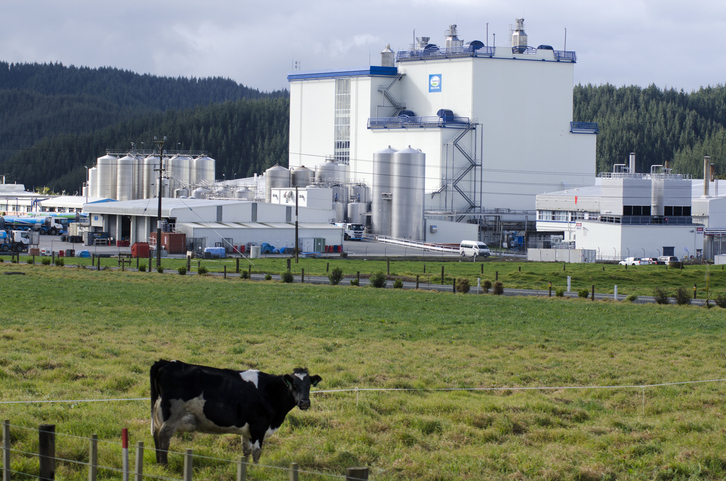
Learn how to manage greenhouse gas emissions on your farm.
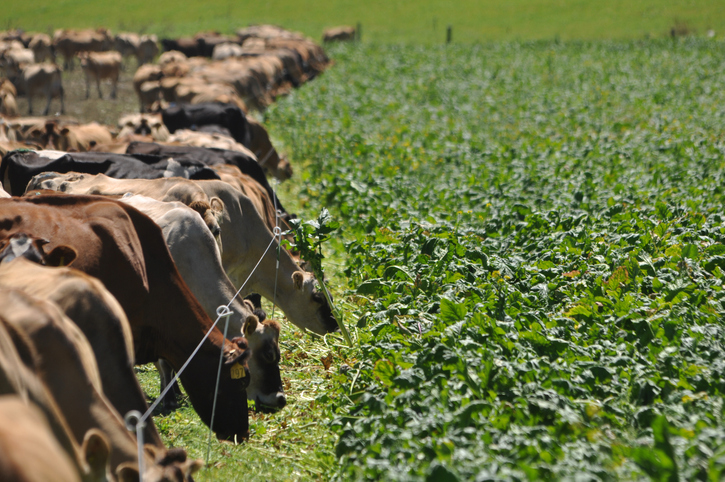
Discover feeds that lower methane and nitrogen emissions in sheep and beef farming.
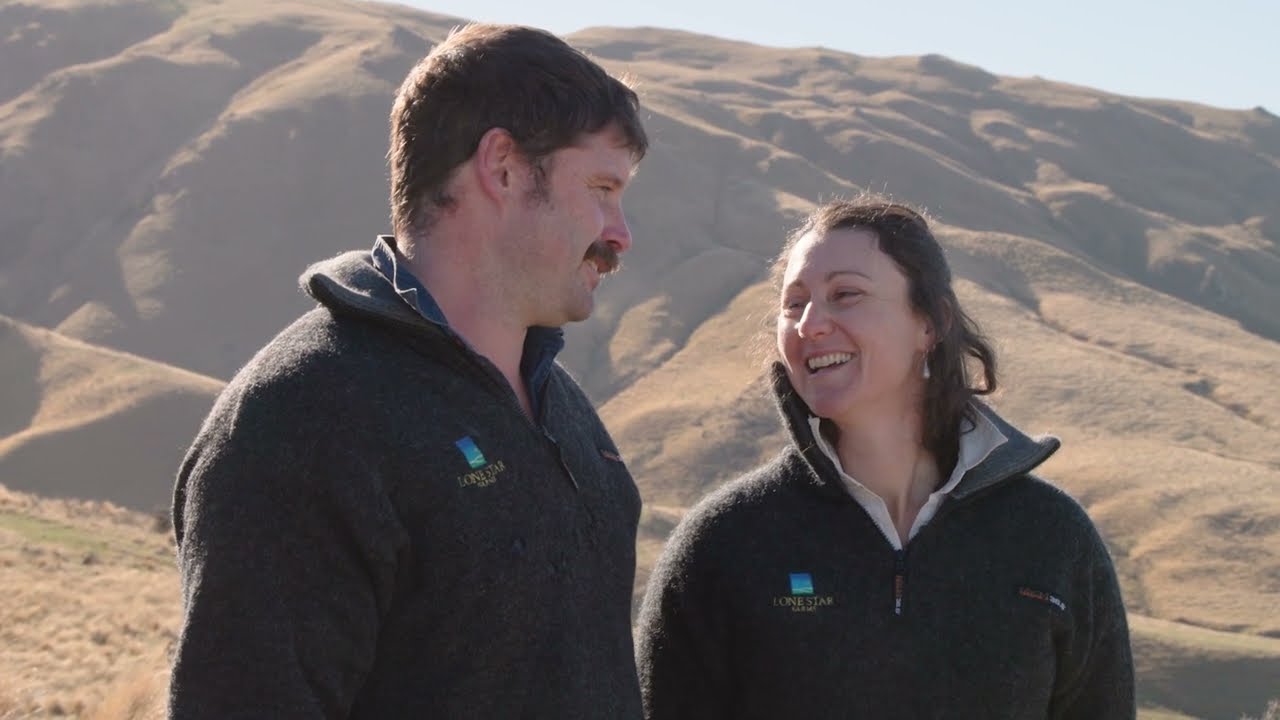
Angus Barr and Tara Dwyer use innovative practices to manage their sustainable sheep and cattle operation at The Wandle.
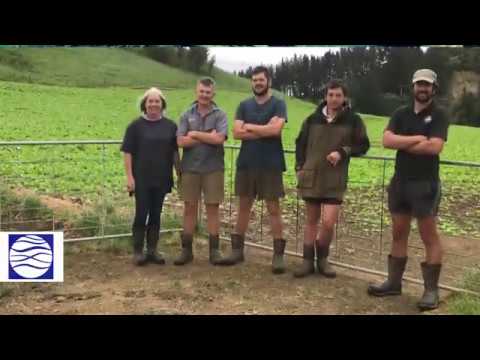
The winners of the 2020 Taranaki Supreme Award for sustainable sheep and beef farming share how they did it.
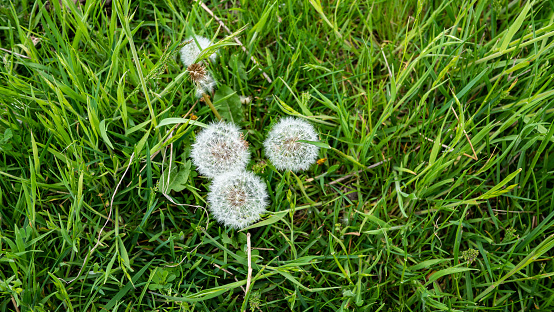
Explore ways to boost soil carbon through diverse plants, better grazing, and smart irrigation.
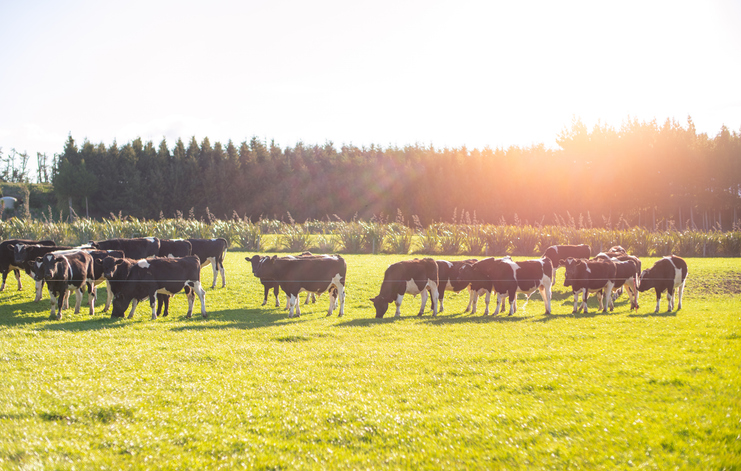
Learn about different on-farm solutions for reducing greenhouse gas emissions from dairy farms.
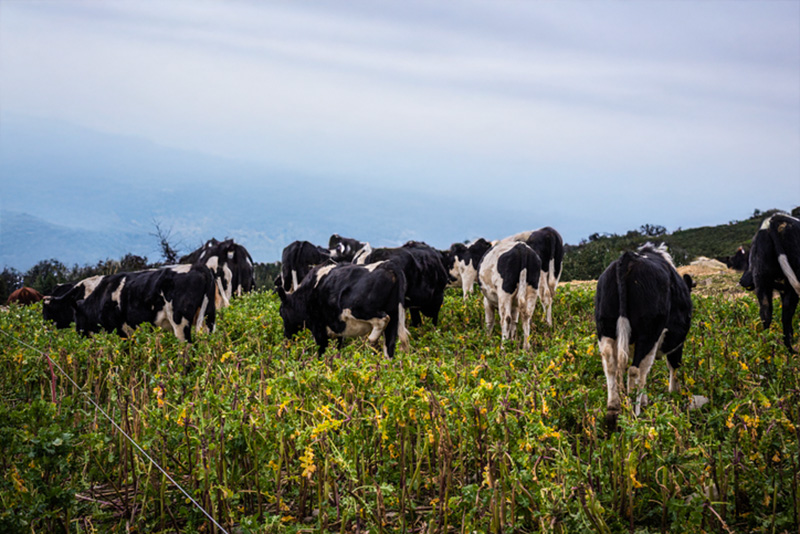
Learn about intensive winter grazing rules and best practices for farms in the Wellington Region.
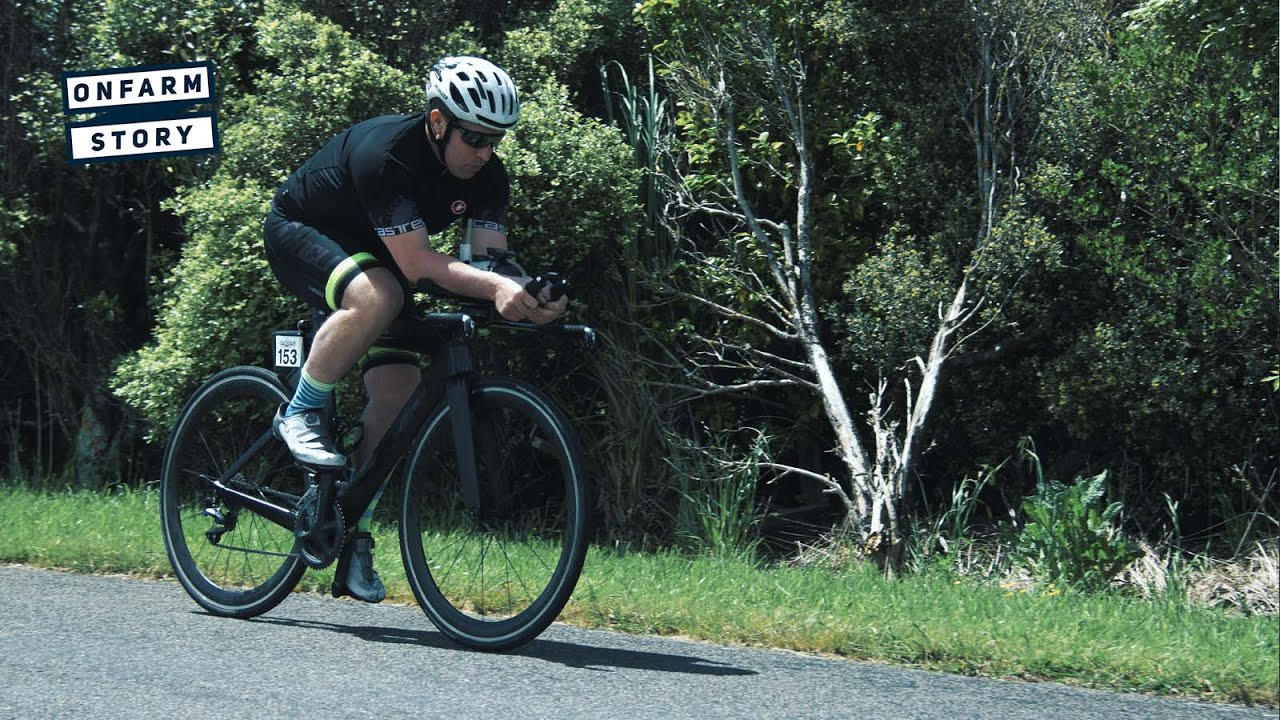
Find out how a Manawatū dairy farmer uses exercise to sharpen his farm decisions.
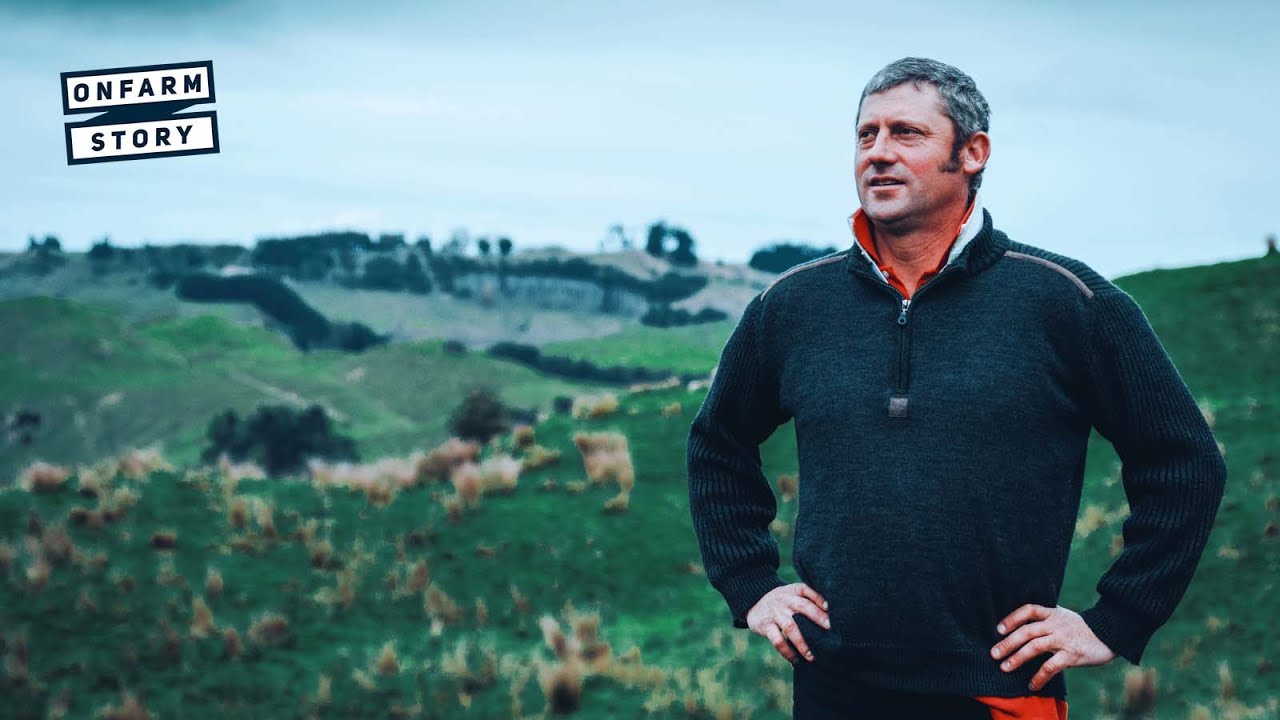
See how a Rangitīkei farmer uses social media to share 150 years of family history on the land.
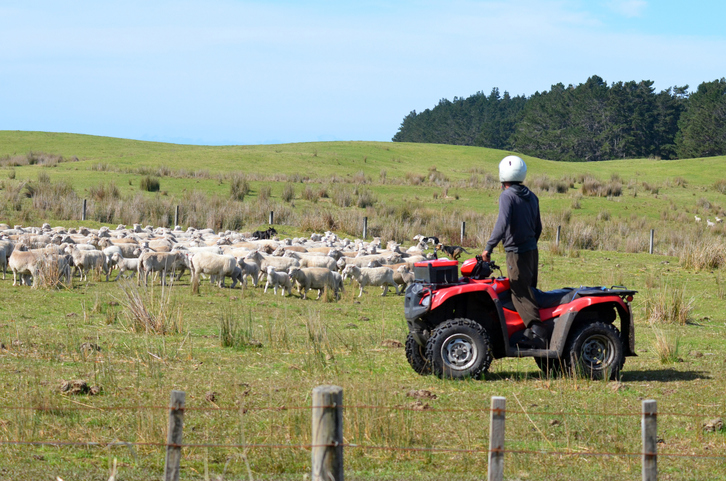
This resource outlines methods to reduce agricultural greenhouse gas emissions in New Zealand.
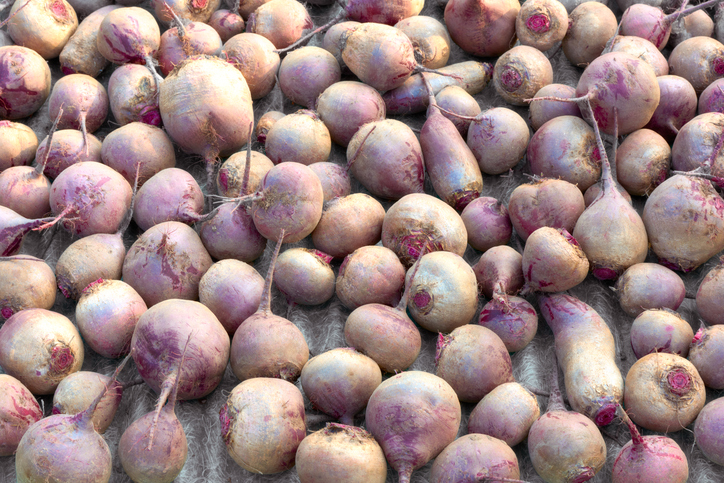
Research into different ways to reduce greenhouse gas emissions from New Zealand agriculture.
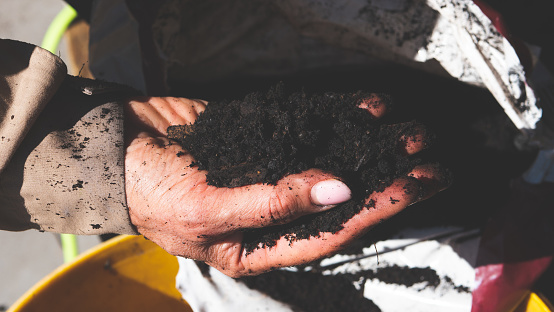
A report on measuring greenhouse gas emissions on Māori farms.
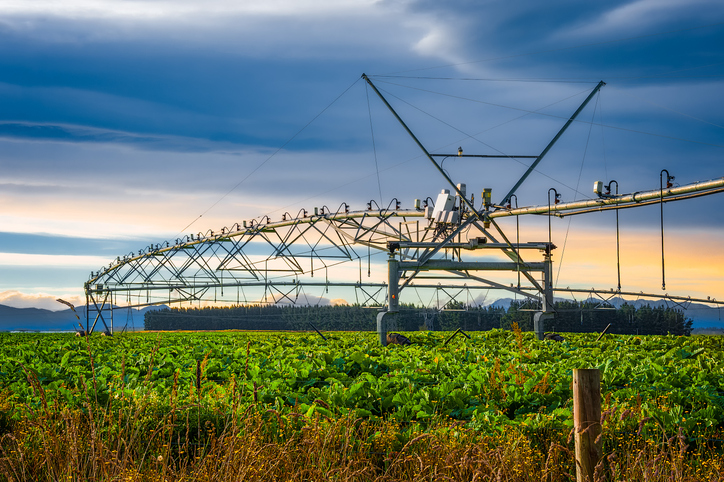
Learn how cropping and horticulture can reduce greenhouse gas emissions in New Zealand.
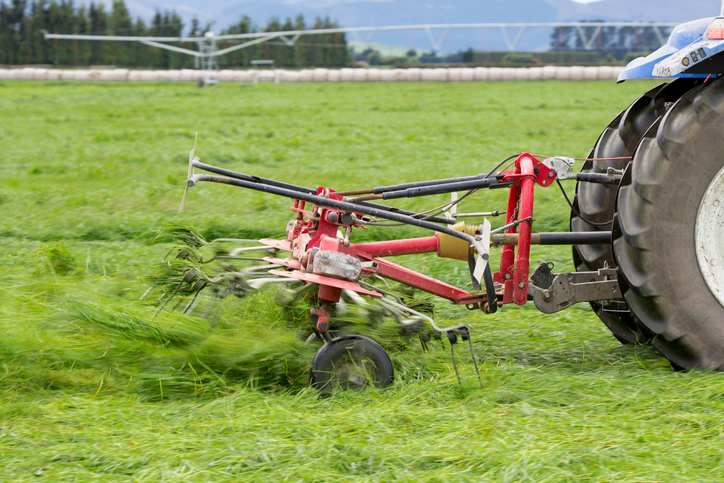
Learn key principles of pasture feeding and grazing and how to improve your farm's profitability.
Strategies for Māori farms to reduce greenhouse gases to meet the Zero Carbon targets.
Explore how our beef and lamb farming can support wellbeing, the planet, and local communities.
A Taitokerau farm is using on sustainable practices to improve production efficiency, reduce emissions, and protect the Mangakahia catchment.
Learn how Owl Farm cut biological greenhouse gas emissions over a ten year period.
Learn about methane in agriculture and how NZ ag researchers are trying to reduce emissions.
Bill Wise grows trees for shelter and timber on his farm in South Otago.
Find templates and calculators to help manage feed supply and demand on your dairy farm.