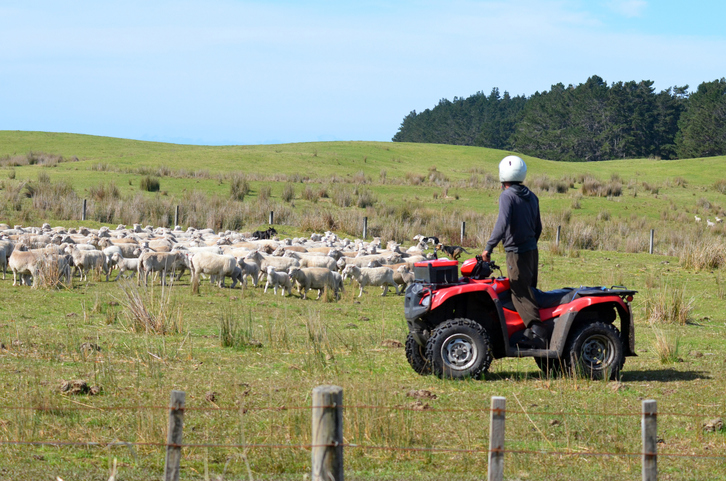
What we are doing to reduce New Zealand’s agricultural greenhouse gas emissions
Climate
Emissions reduction
Greenhouse gas
Livestock
Sustainability
This resource outlines methods to reduce agricultural greenhouse gas emissions in New Zealand.
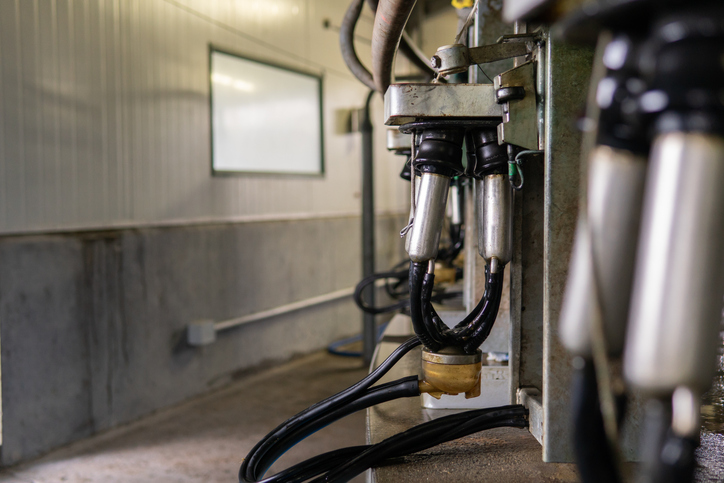
Motu Research looks at a no-cost way to reduce greenhouse gas emissions from dairy farms. It suggests using cows with better breeding and having fewer cows per area to make farms more efficient and environmentally friendly. By following this approach, farms can cut their total greenhouse gas emissions by 2-16% and emissions intensity by 3-14%.
This method requires good management skills and high-quality cows. It can be profitable, especially when milk prices are low or average. Additionally, it helps reduce nitrogen leaching and improves animal welfare, making it a smart choice for sustainable farming.
This resource outlines methods to reduce agricultural greenhouse gas emissions in New Zealand.
Research into different ways to reduce greenhouse gas emissions from New Zealand agriculture.
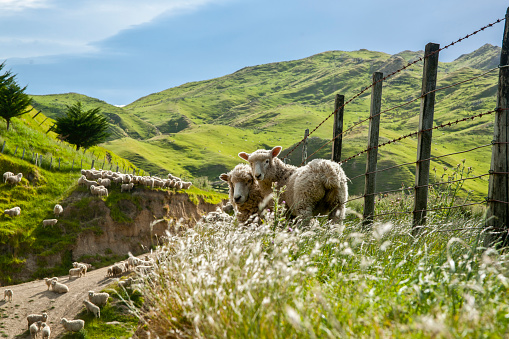
Learn how to reduce farm emissions by improving animal performance and adjusting stocking rates.
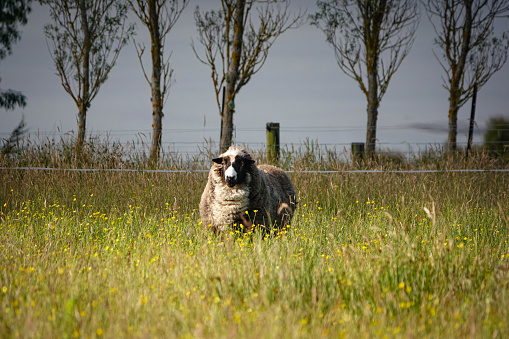
Research about reducing greenhouse gas emissions on Māori farms in New Zealand.
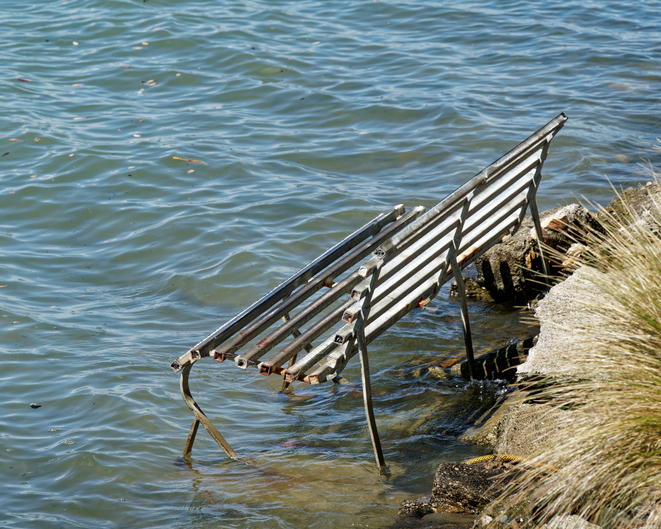
Learn about methane in agriculture and how NZ ag researchers are trying to reduce emissions.
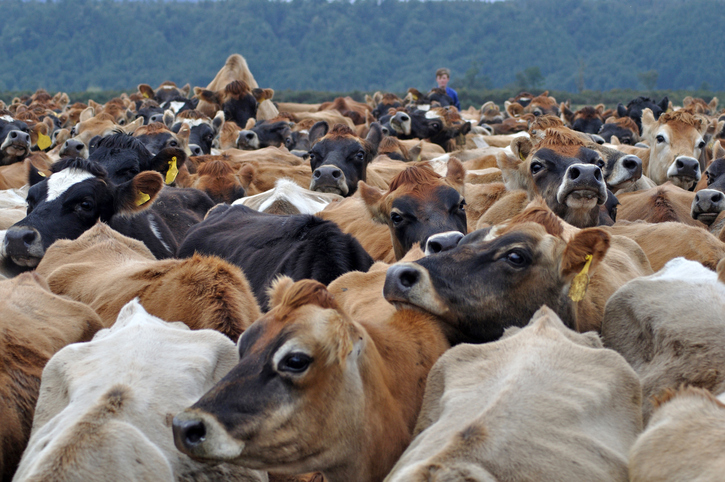
Learn how dairy farmers in New Zealand can reduce greenhouse gas emissions effectively.
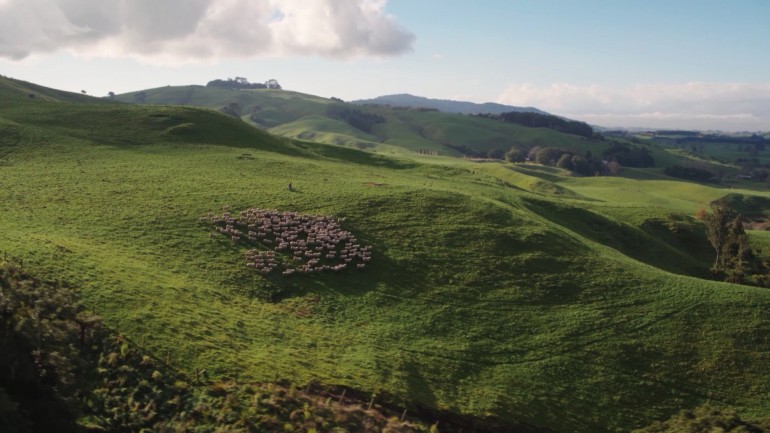
Learn ways to lower greenhouse gas emissions on your farm with practical steps and tips.
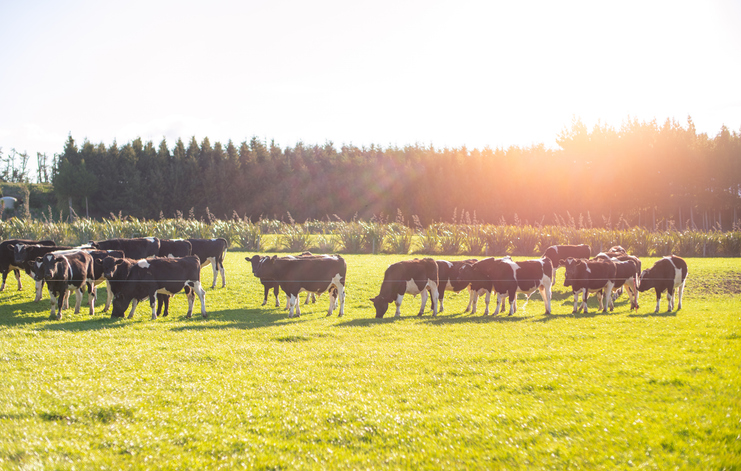
Learn about different on-farm solutions for reducing greenhouse gas emissions from dairy farms.
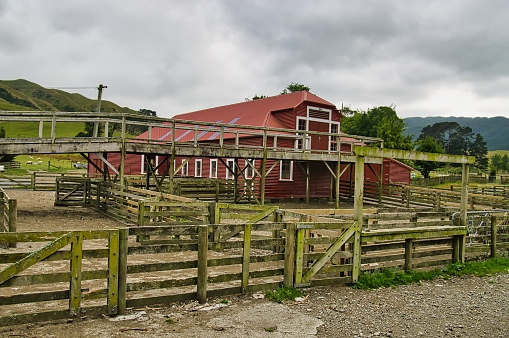
Learn how winter housing can reduce greenhouse gas emissions from livestock.
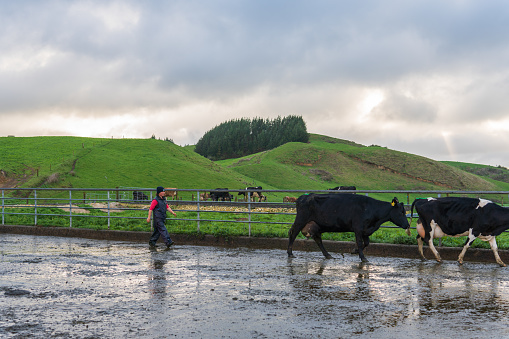
Map showing nitrate-nitrogen leaching from dairy farms, with spatial accuracy at 100m resolution.
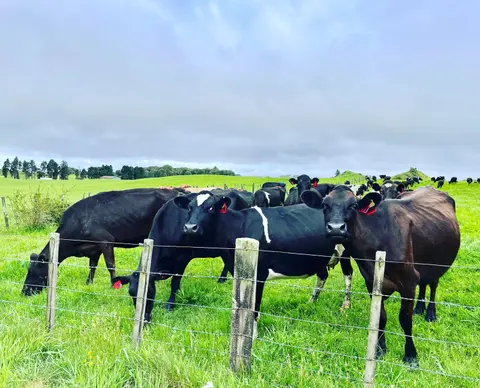
Check out ways to manage herd health, breeding and biosecurity to lift farm performance.
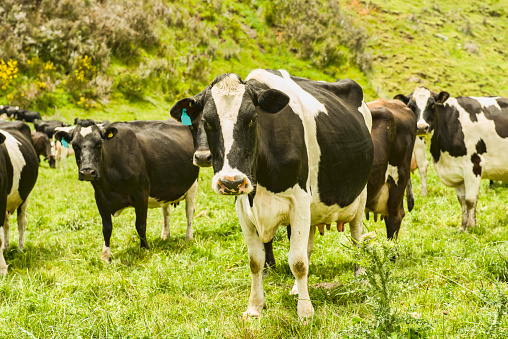
This guide explains the potential of gibberllins to reduce greenhouse gas emissions from dairy farms.

Kevin Hall runs Hollyvale Farms in NZ. He focuses on sustainable dairy and beef farming practices.
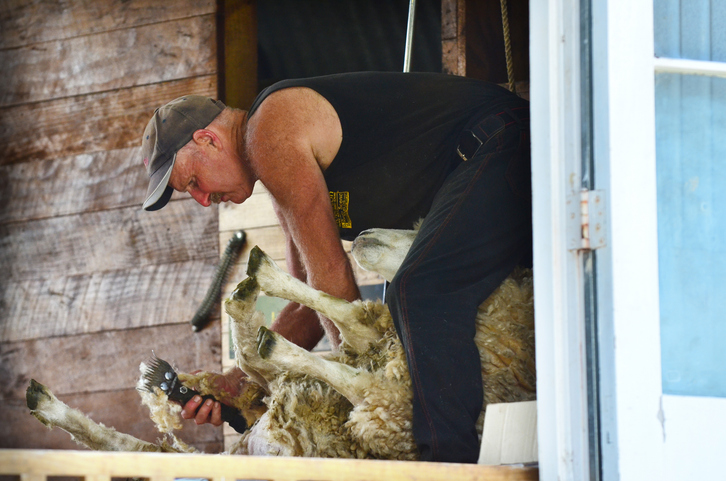
Learn how sheep and beef farms can reduce greenhouse gas emissions and improve profits.
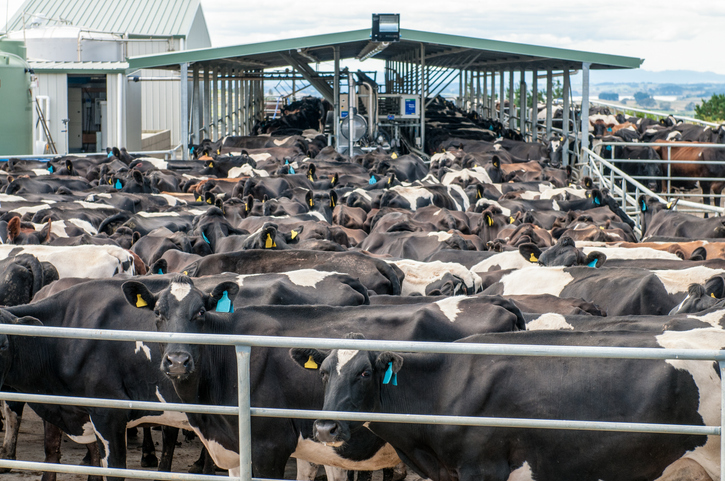
Learn about dairy farm emissions, their impacts, and ways to reduce them without affecting your profitability.
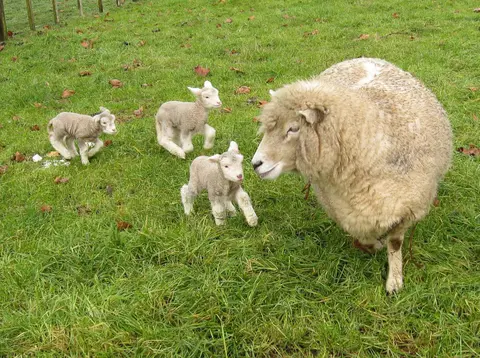
This report explores future options to reduce agricultural greenhouse gas emissions in New Zealand.
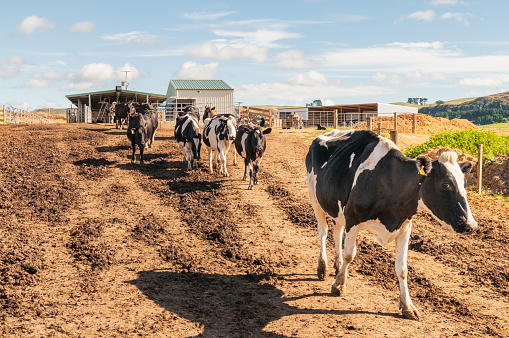
Get guidance on reducing emissions on your fairy farm.
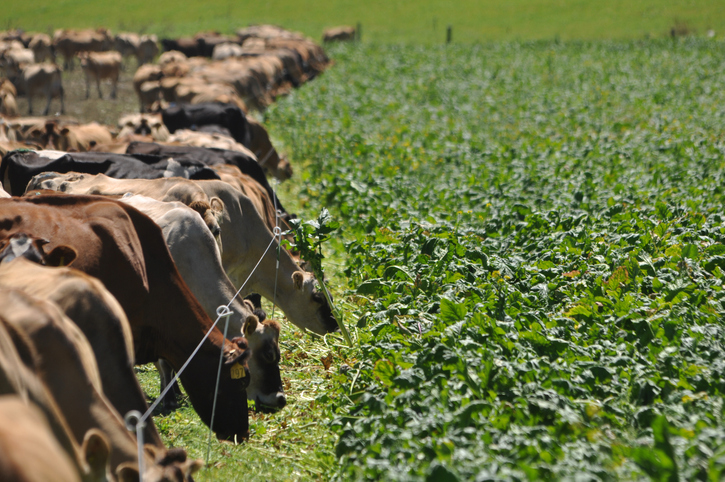
Discover feeds that lower methane and nitrogen emissions in sheep and beef farming.
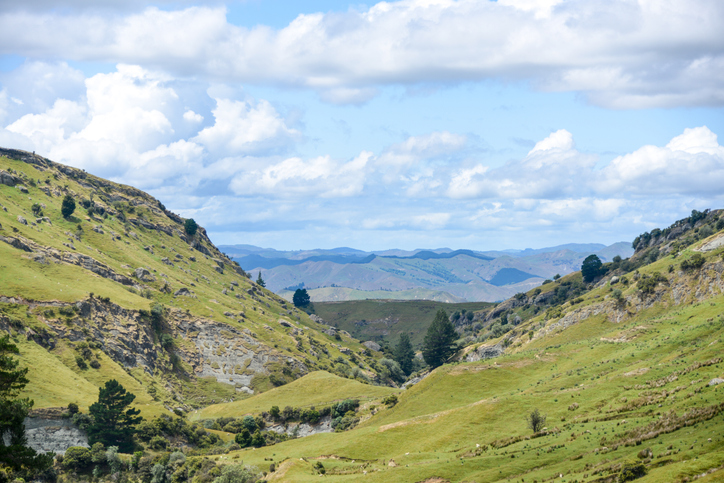
This report explores land use changes in New Zealand to cut greenhouse gas emissions.
Explore actions New Zealand farmers can take to reduce greenhouse gas emissions effectively.
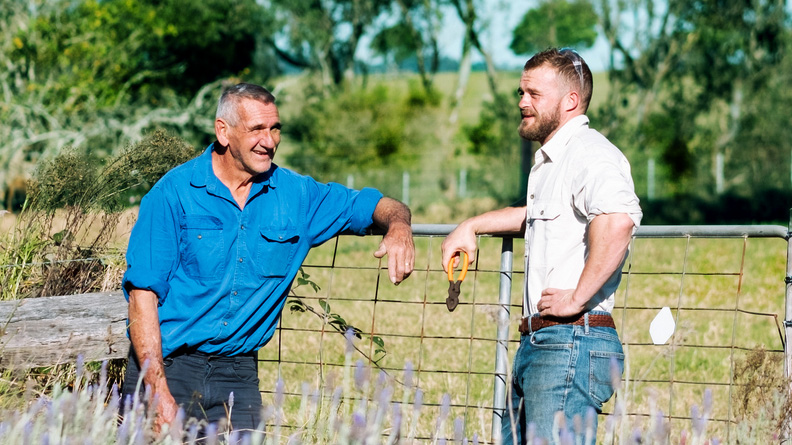
Learn how you can reduce your greenhouse gas emissions while staying profitable.
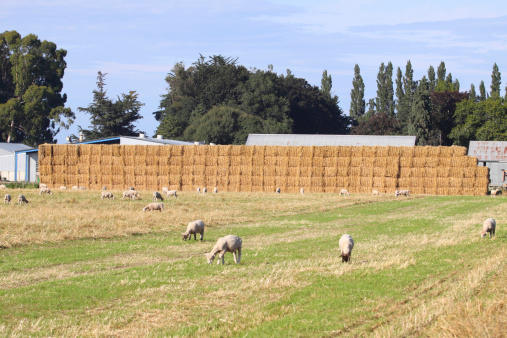
Learn how NZ's sheep and beef farms are improving efficiency while reducing greenhouse gas emissions.
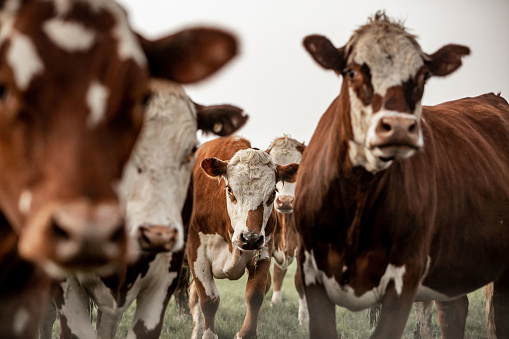
Explore how dairy water-quality measures affect greenhouse gas emissions too.