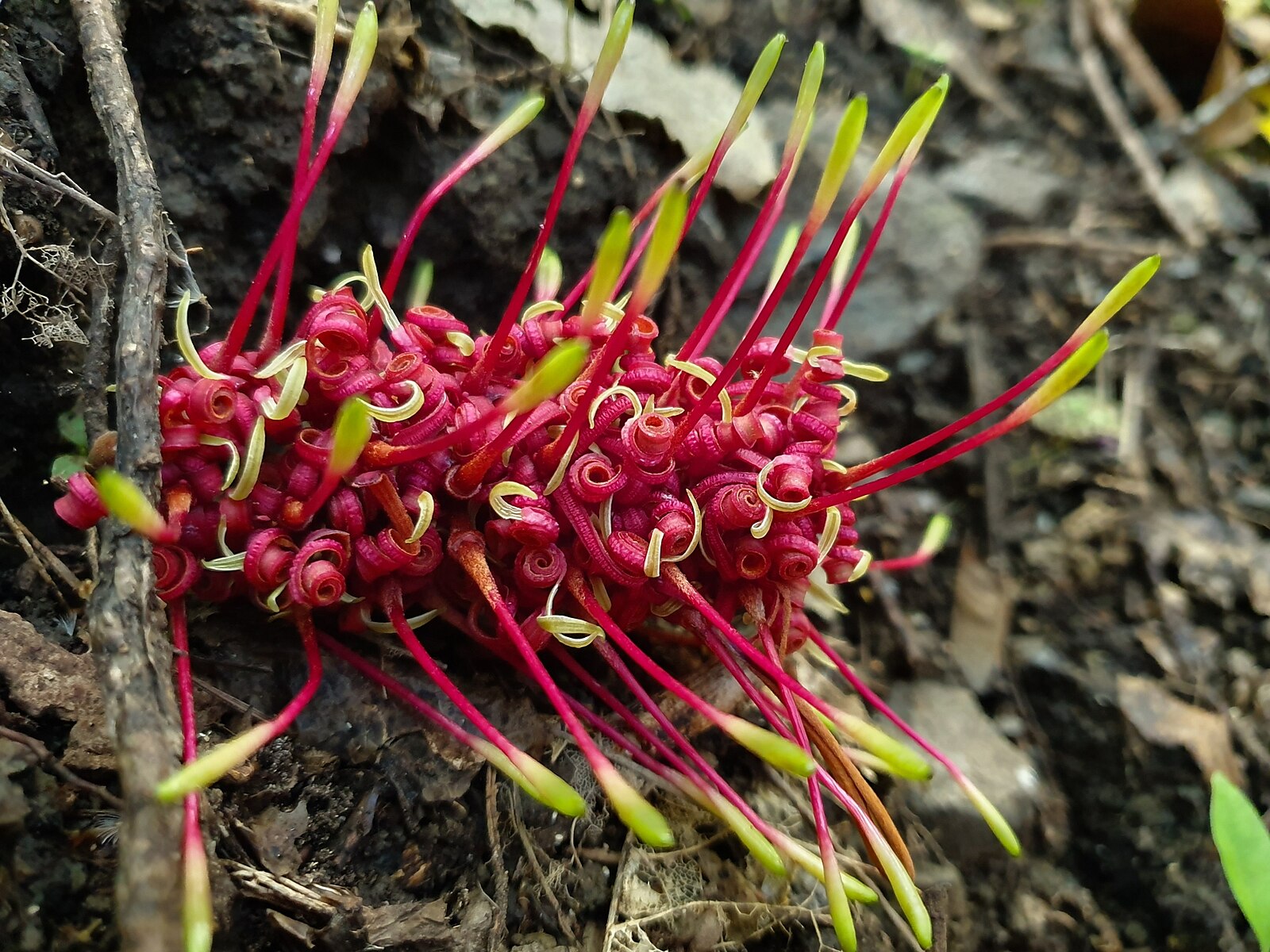
Native tree species profile: Rewarewa (Knightia excelsa)
Whenua
Biodiversity
Forestry
Honey
Sustainability
Learn about Rewarewa, a unique New Zealand tree with valuable timber and vibrant flowers.
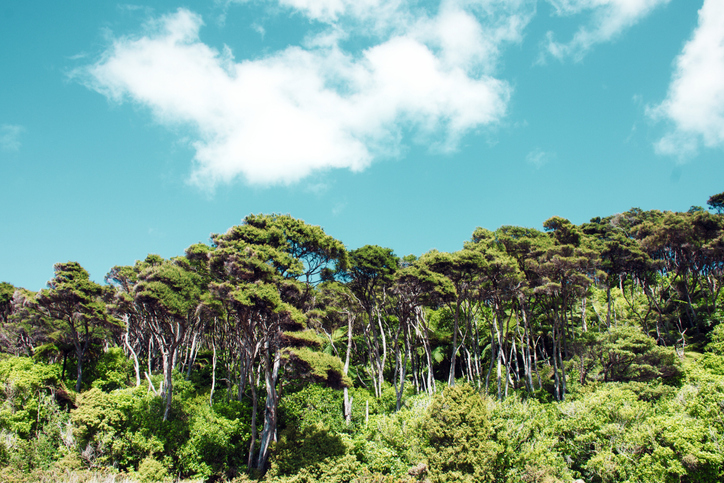
This species profile from Tāne's Tree Trust covers kanuka (Kunzea ericoides), a forest-edge tree of up to 15 metres found across both main islands. It grows best on easy slopes and high river terraces and gives way to mānuka on wet sites and hard clays.
The wood is hard, heavy and fine textured. Only rātā, black maire and pūriri are denser. Māori favoured it for digging sticks and for weapons such as taiaha, packed the bark between whare walls as insulation, and brewed the leaves as a tea. It was the main firewood for both Māori and settlers, and Kawau Island once shipped 40 tons a month to Auckland. Settlers tried it for house blocks and wheel spokes with mixed results, and there is renewed interest in it for tool handles.
Kanuka grows up to a metre a year when young and nurses kauri and podocarps, which replace it in time. It suckers from the base, so single stems need close spacing and pruning. It yields more essential oil than mānuka and supports honey, both of which give farmers a reason to plant it.
Learn about Rewarewa, a unique New Zealand tree with valuable timber and vibrant flowers.
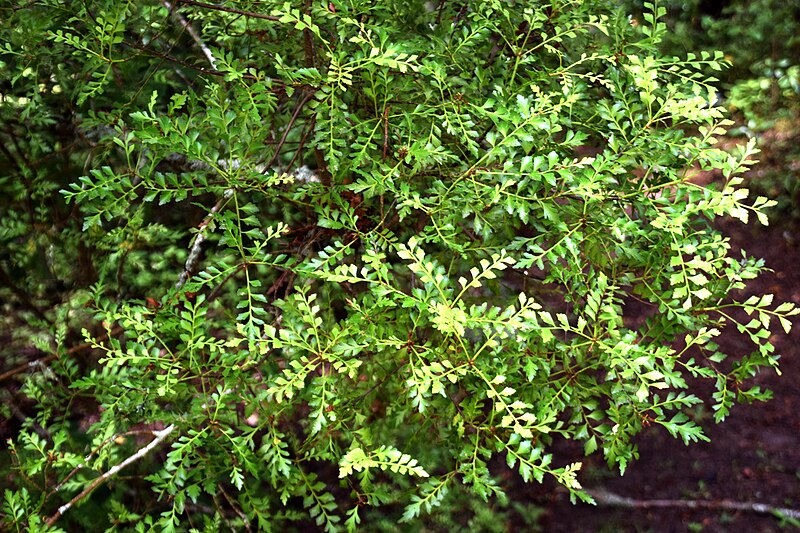
Learn about Tanekaha, a strong native tree with unique uses and growth needs.
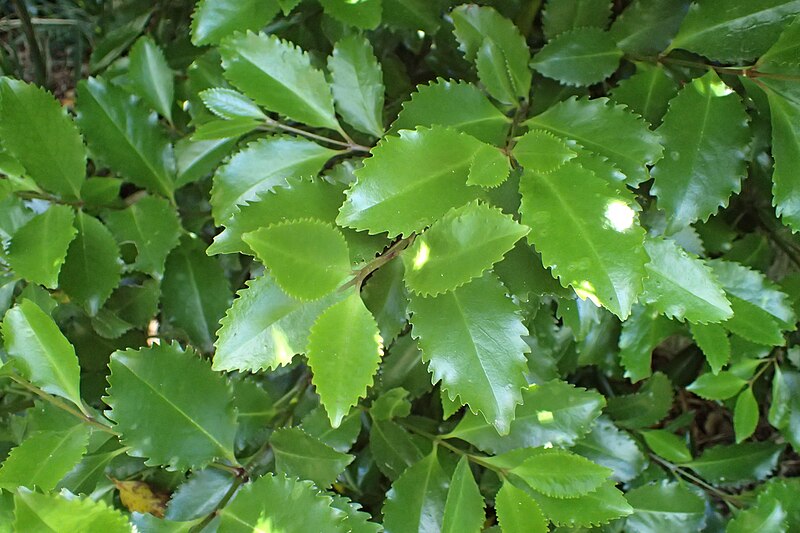
Learn about the Pukatea tree, its uses, its growth, and its ecological importance.
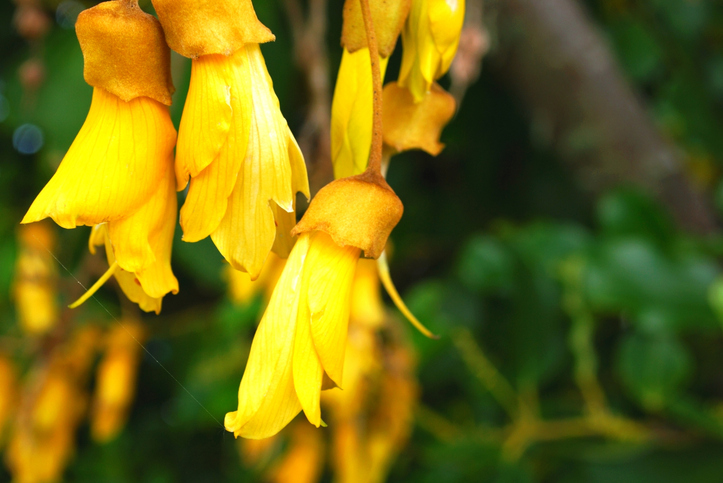
Learn about Kōwhai trees, their history, uses, and growth in New Zealand.
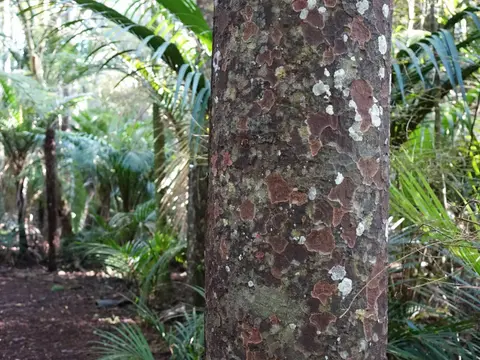
Learn about Matai trees, their history, uses, and growth.
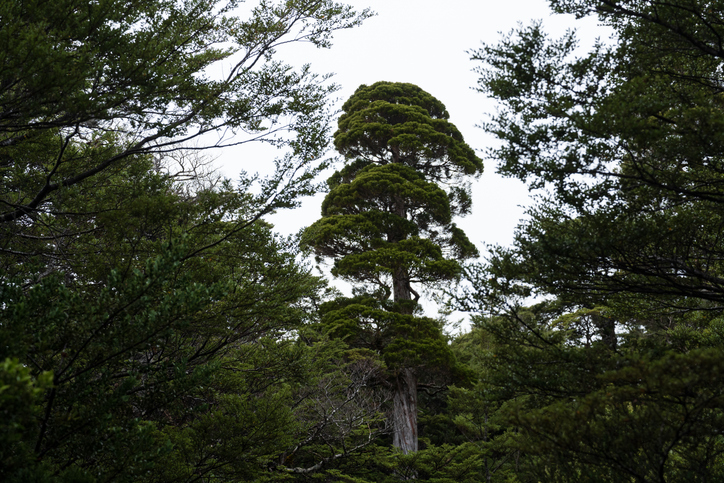
Learn about Kaikawaka, a lightweight native tree with unique timber uses.
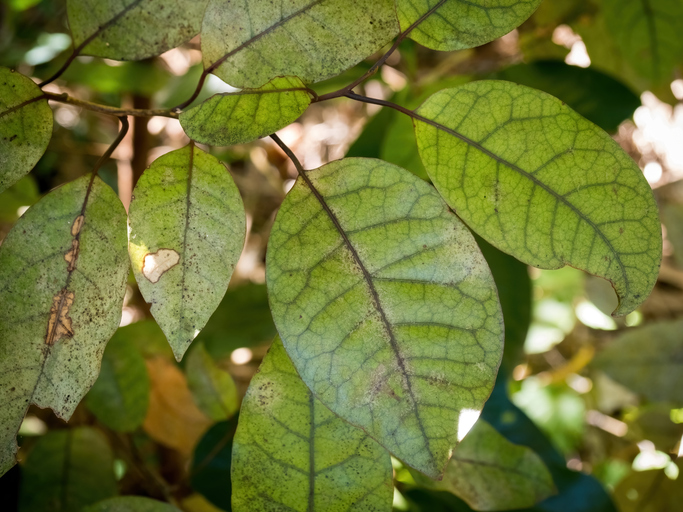
Learn about Mangeao, a strong native tree valued for timber and medicinal uses.
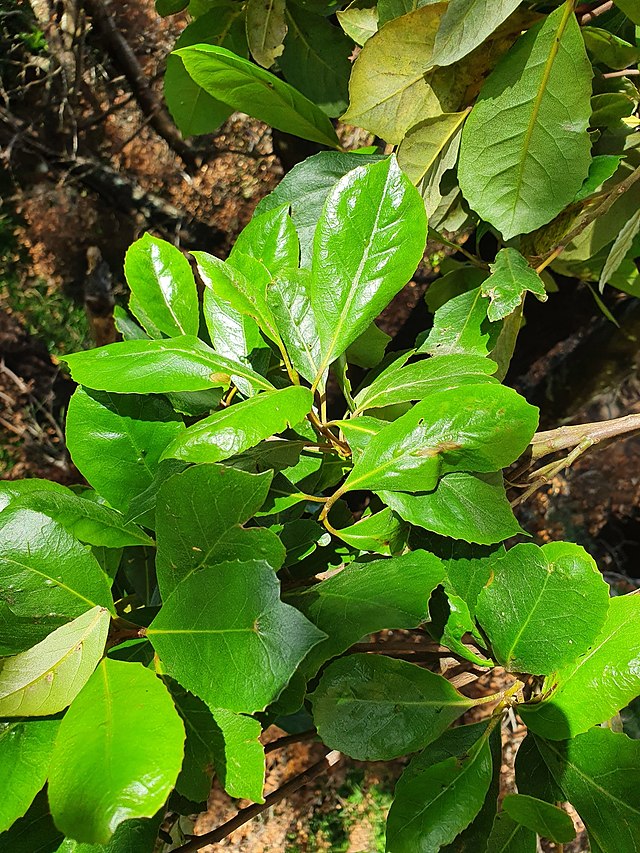
Learn about the qualities and uses of hinau.
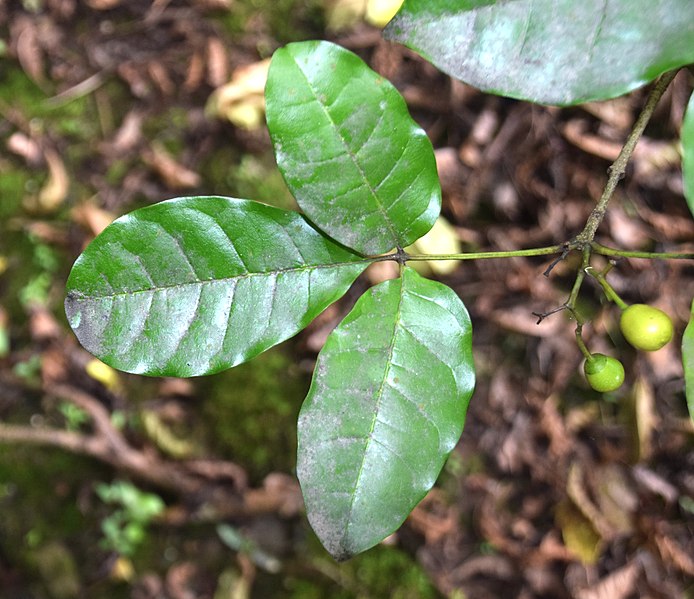
Learn about the Puriri tree and its uses.
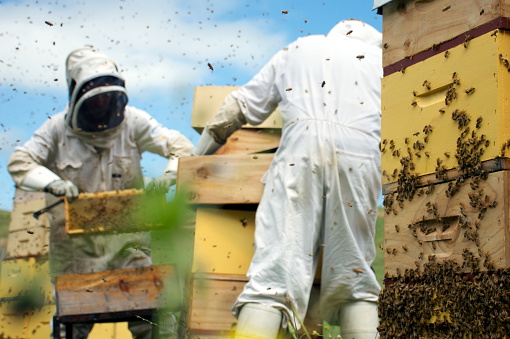
Whenua Honey promotes fairness, community ties, and eco-friendly practices in Mānuka honey.
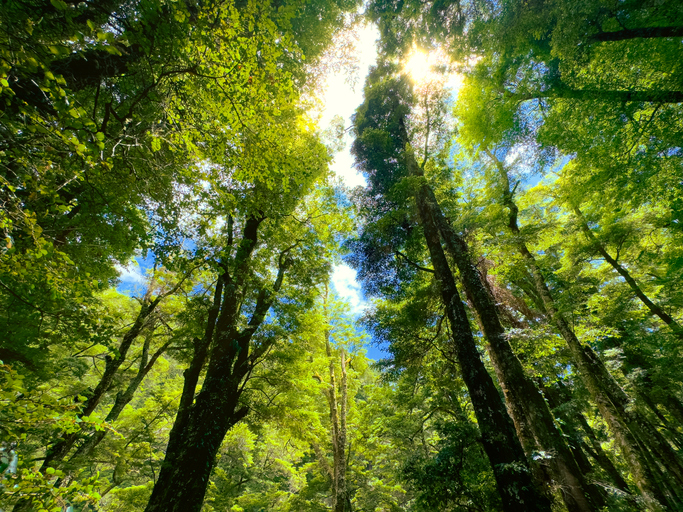
Learn how well-managed native forests can absorb significant amounts of carbon.
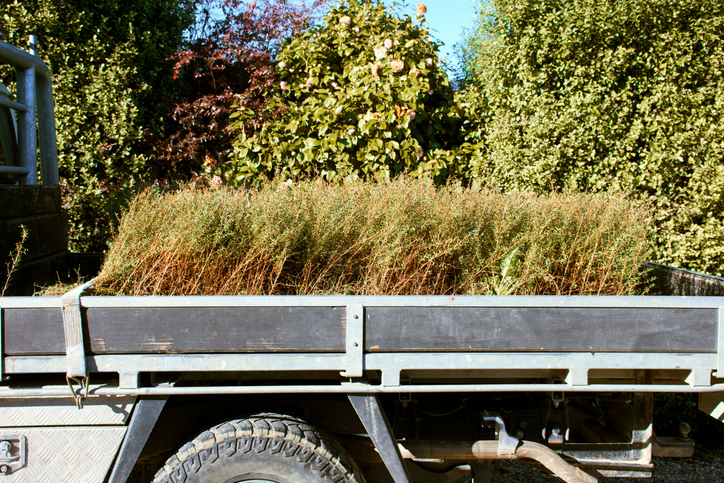
Learn about growing mānuka for honey and its benefits for small-scale foresters.
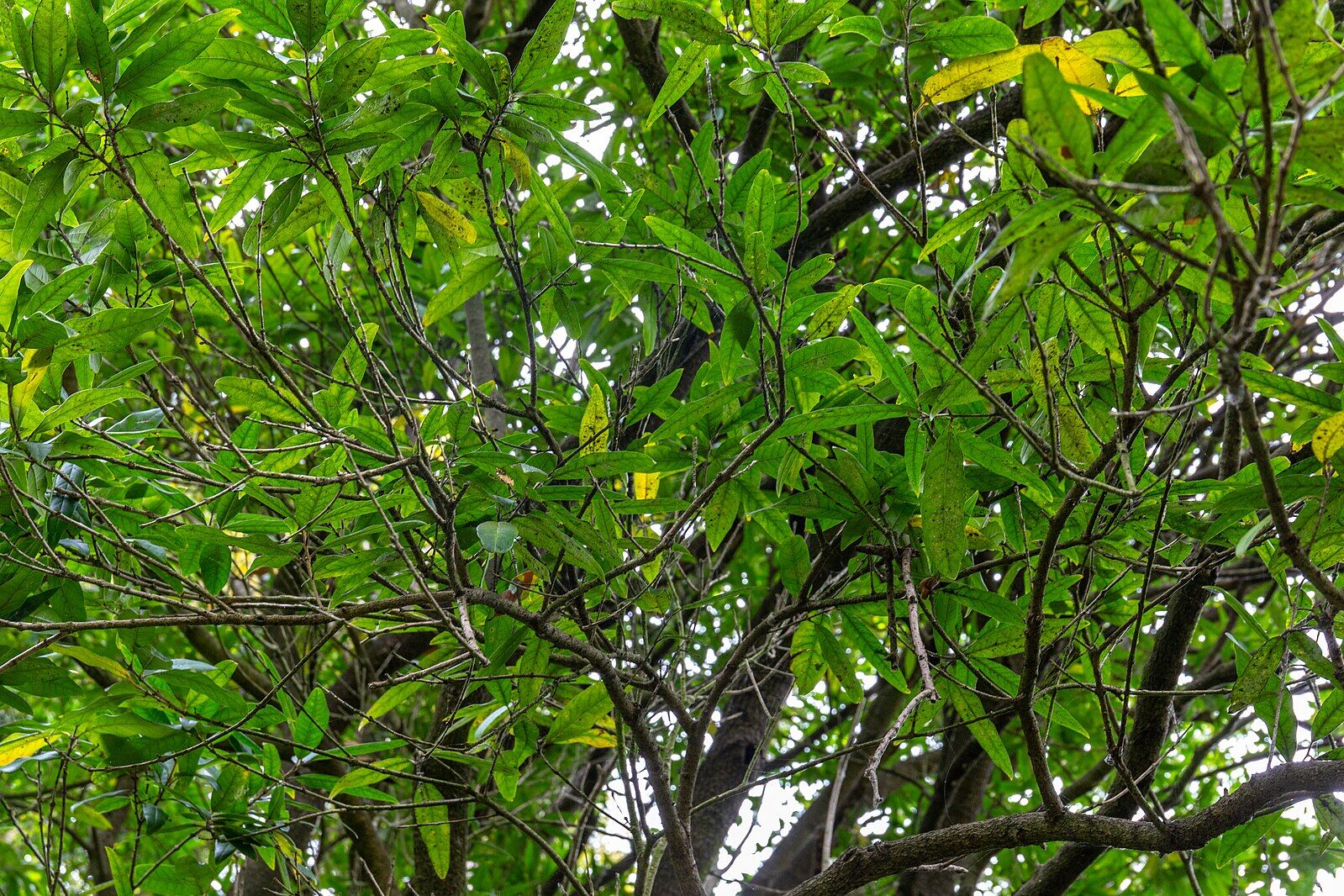
Learn about Black Maire and its potential uses.
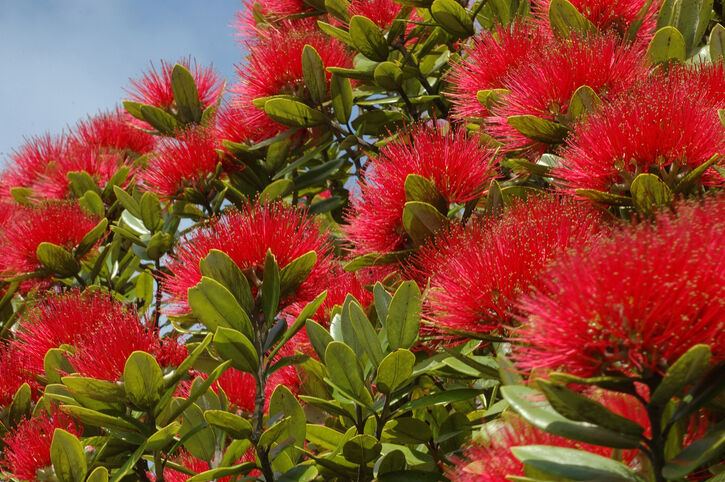
Learn about the history and uses of Pōhutukawa.
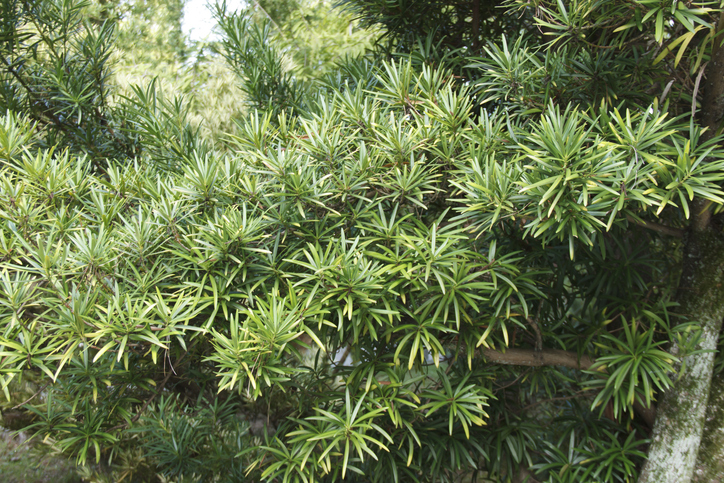
Learn about kahikatea trees, their uses, growth, and cultural history.
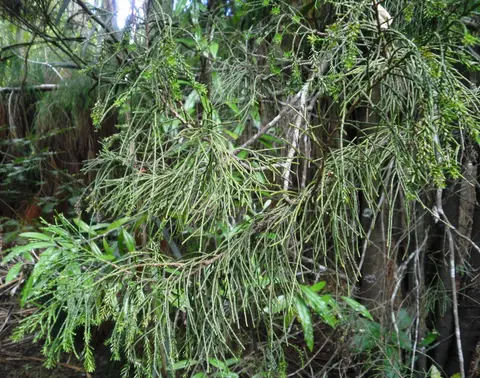
Learn about Manoao, a durable native tree with valuable timber and chemical uses.
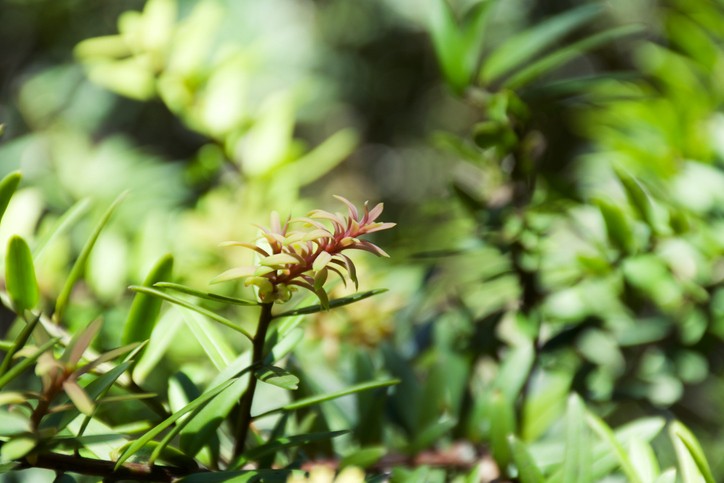
Learn about Tōtara and how they can improve outcomes for farms and te taiao.
See how seed islands of native trees fared on hill country near Gisborne.
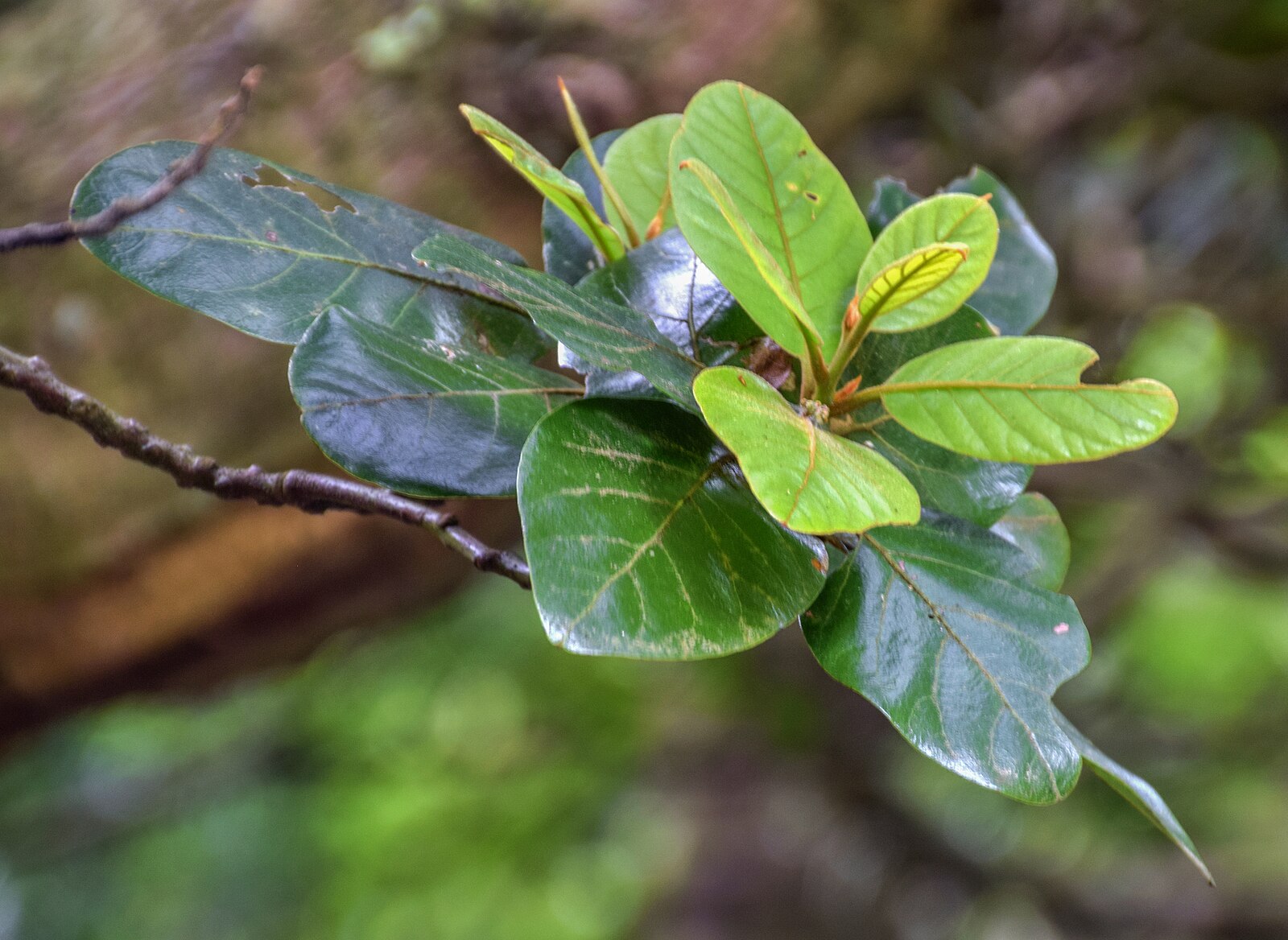
Taraire is a native New Zealand tree known for its growth in rich soils and unique timber.
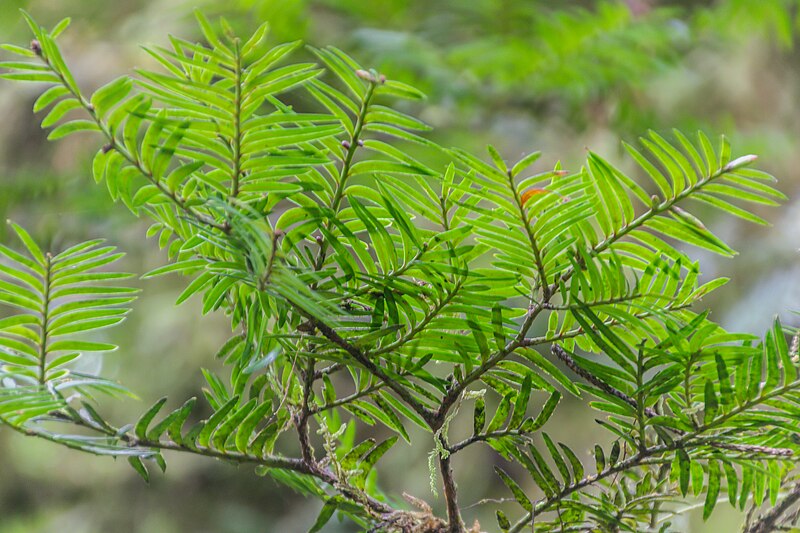
Learn about the uses and biodiversity benefits of Miro.
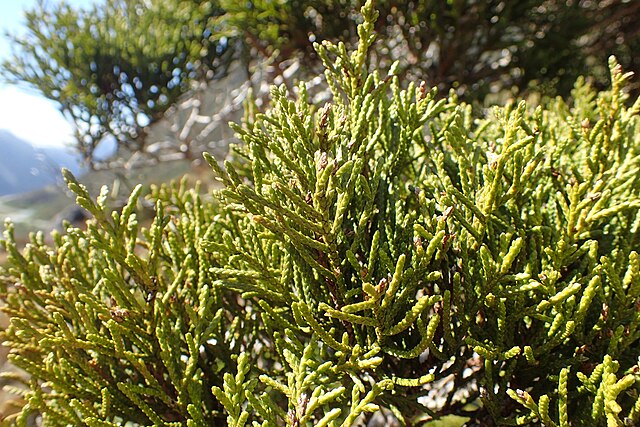
Learn about Pink Pine's features, uses, and potential value in Aotearoa forests.

Discover how much mānuka honey the whenua in your rohe could produce each year.
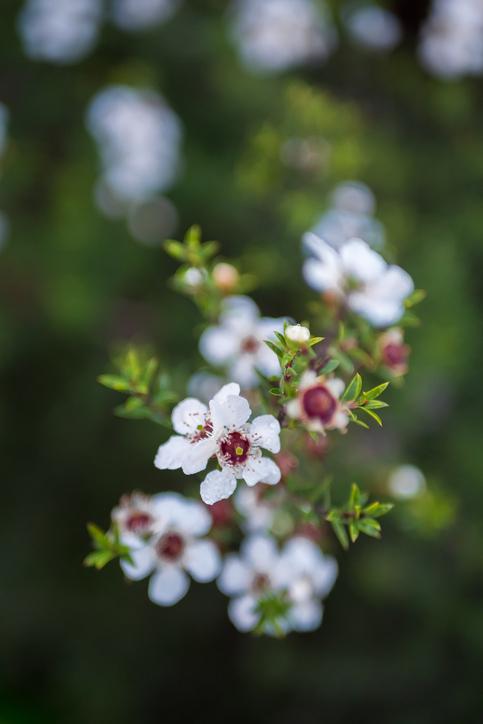
Check how well suited the whenua in your rohe is to producing mānuka honey.