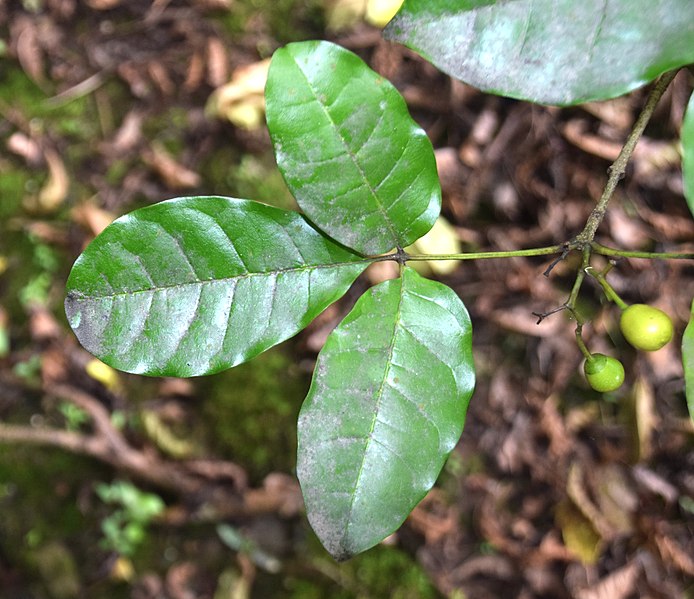
Native tree species profile: Puriri (Vitex lucens)
Whenua
Biodiversity
Conservation
Forestry
Pests and diseases
Sustainability
Learn about the Puriri tree and its uses.
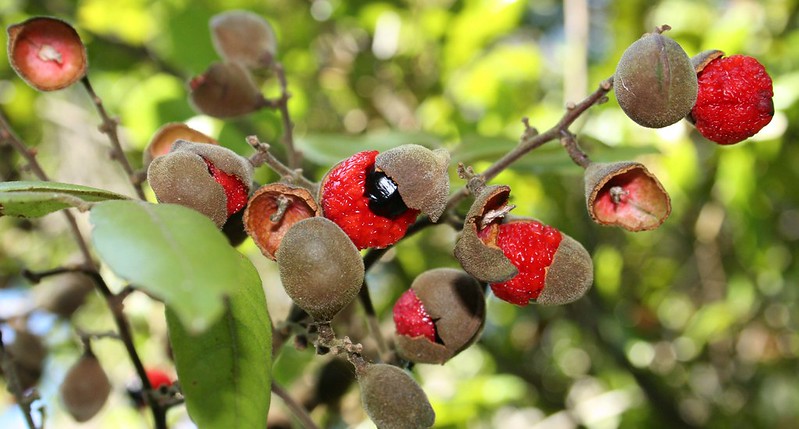
This species profile from Tāne's Tree Trust covers titoki (Alectryon excelsus), a lowland tree of 10 to 17 metres found throughout the North Island on alluvial ground and volcanic loams, and in the South Island to Banks Peninsula and further down the West Coast. A large multi-trunked tree at Otumoetai in Tauranga was already well grown in 1845, when local tribes made peace beneath it after ten years of war.
The wood is light red, straight grained and hard, with great strength and elasticity, but it is not durable. It went into bullock yokes, axe handles, swingle trees, coach building and cabinet work. The seed sits in a bright scarlet aril, unusual for a native tree, which the DSIR turned into a liqueur in the 1980s. The seed oil was the main product for Māori, who used it on skin complaints, painful joints and earache and to anoint the body. The oil holds compounds that can release cyanide, though only one animal poisoning has ever been suspected.
Titoki on good sheltered soil adds 35 to 40 cm of height a year and could reach 17 to 19 metres and 40 cm diameter in 50 years. Research on the oil and liqueur has not moved since the 1980s, and there is scope for plantations in places such as the Bay of Islands, Pukekohe and the Bay of Plenty.
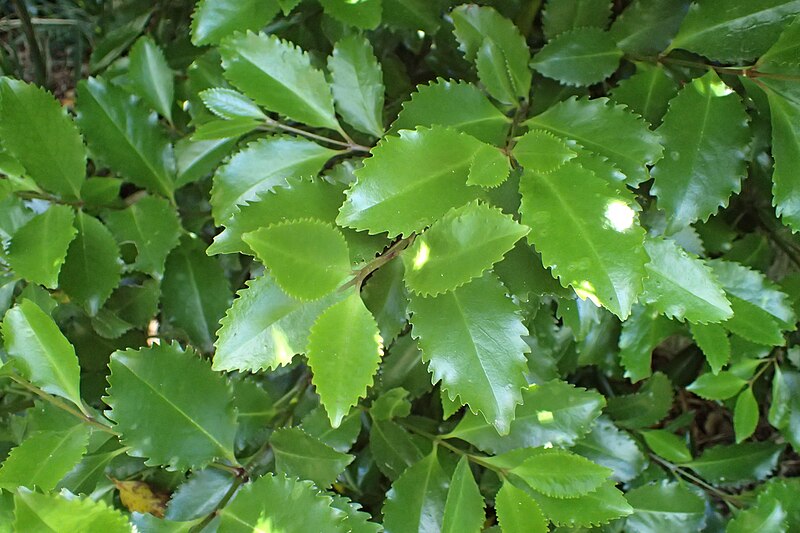
Photo by Ali Undorf licensed under CC BY-SA 2.0.
Learn about the Puriri tree and its uses.
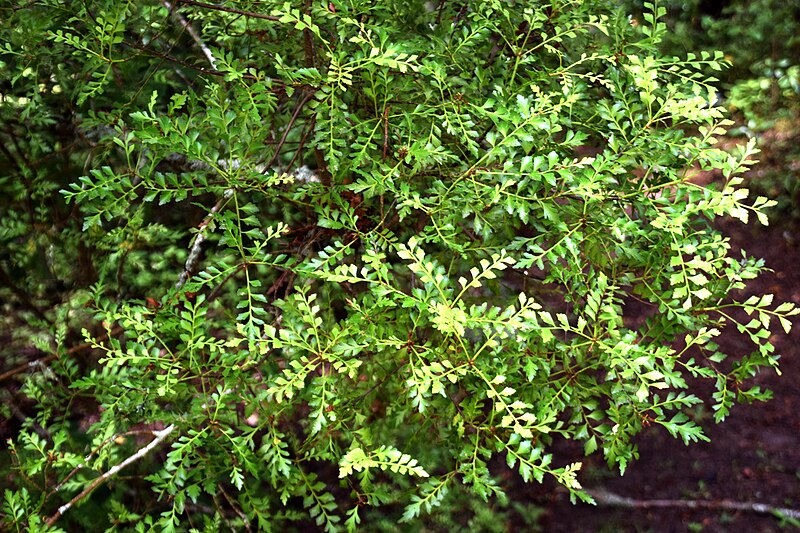
Learn about Tanekaha, a strong native tree with unique uses and growth needs.
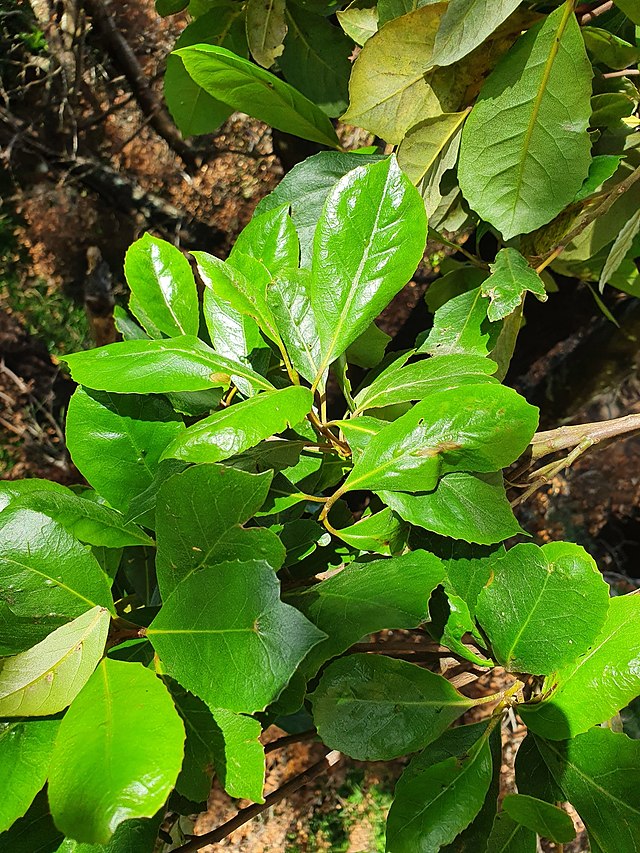
Learn about the qualities and uses of hinau.
Learn about the Pukatea tree, its uses, its growth, and its ecological importance.
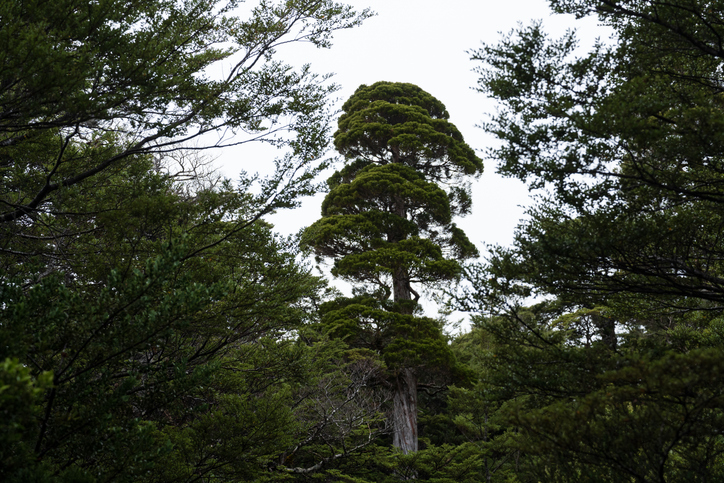
Learn about Kaikawaka, a lightweight native tree with unique timber uses.
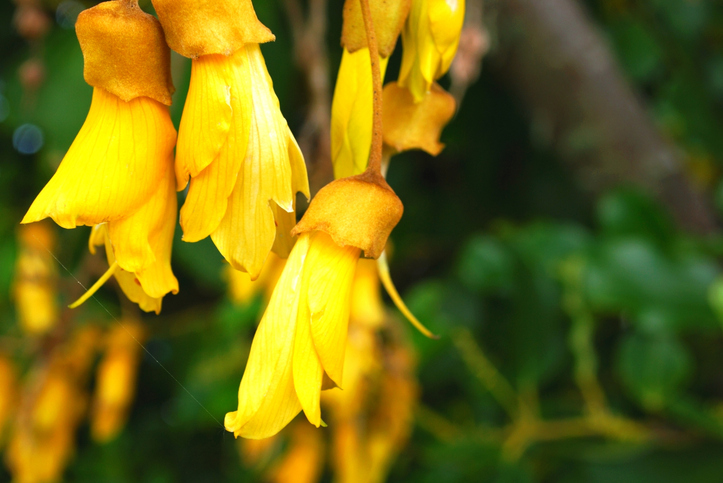
Learn about Kōwhai trees, their history, uses, and growth in New Zealand.
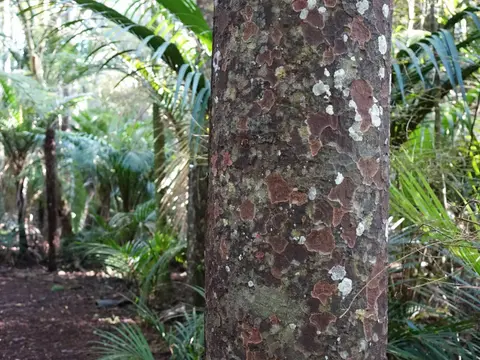
Learn about Matai trees, their history, uses, and growth.
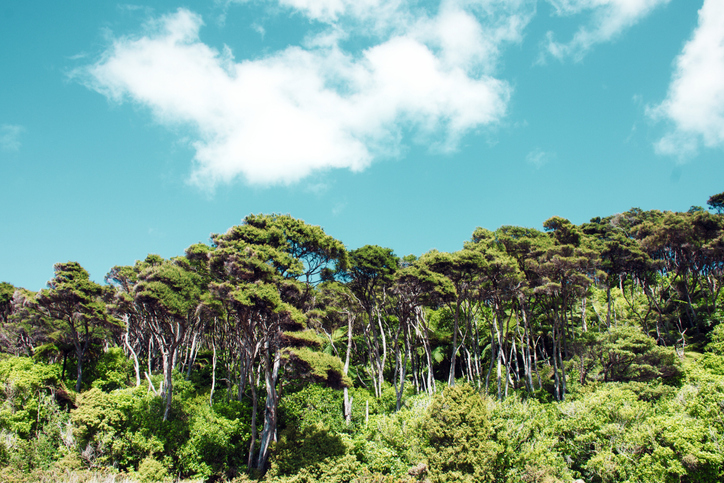
Kanuka is a versatile native tree with uses in timber, medicine, and fuel.
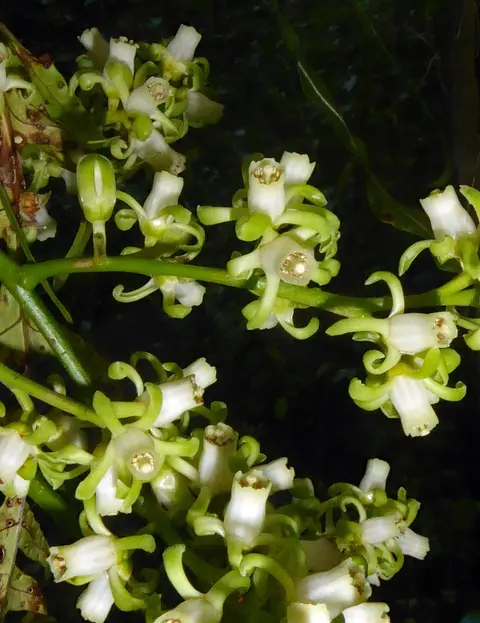
Learn about Kohekohe, its uses, growth, and potential in forestry.
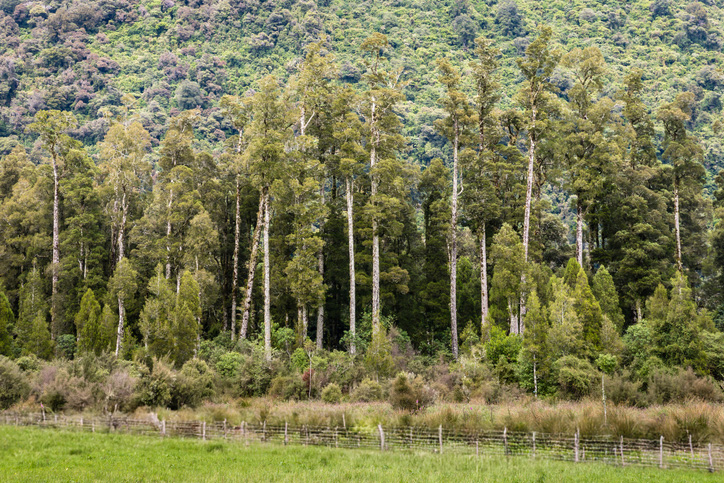
Explore opportunities for using and marketing farm-grown totara timber in Taitokerau.

Learn how South Island industry can switch process heat from coal to biomass and electricity.
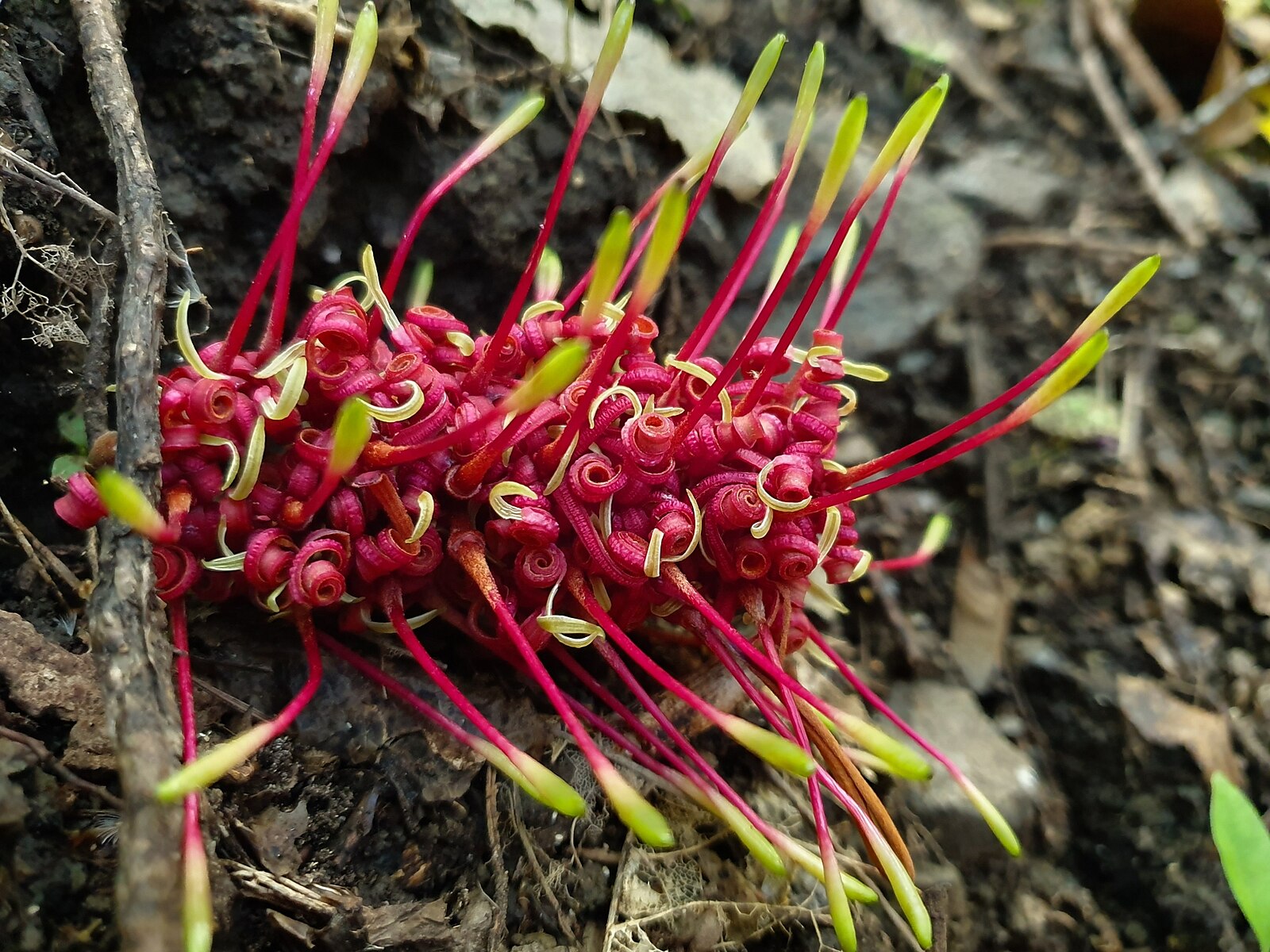
Learn about Rewarewa, a unique New Zealand tree with valuable timber and vibrant flowers.
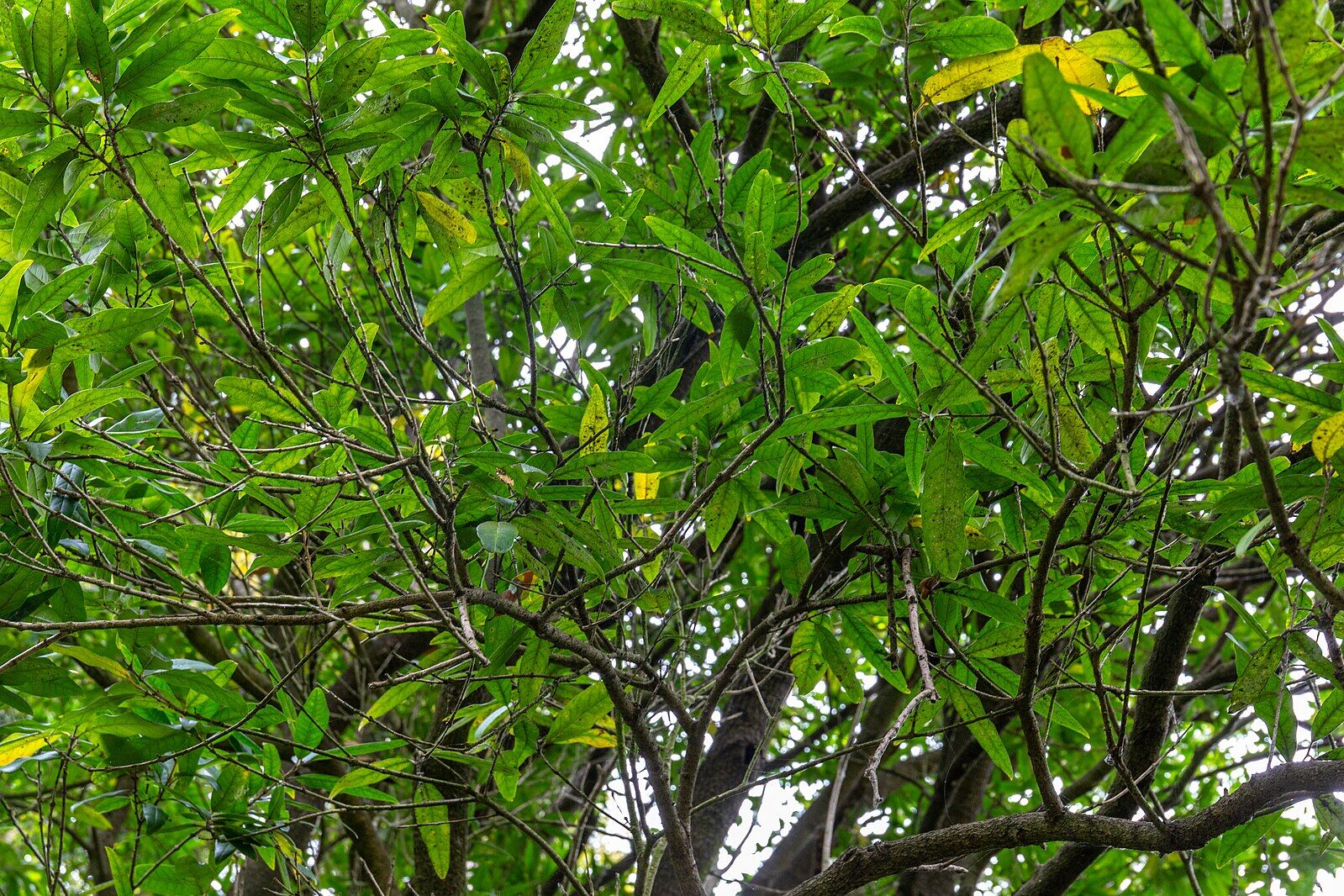
Learn about Black Maire and its potential uses.
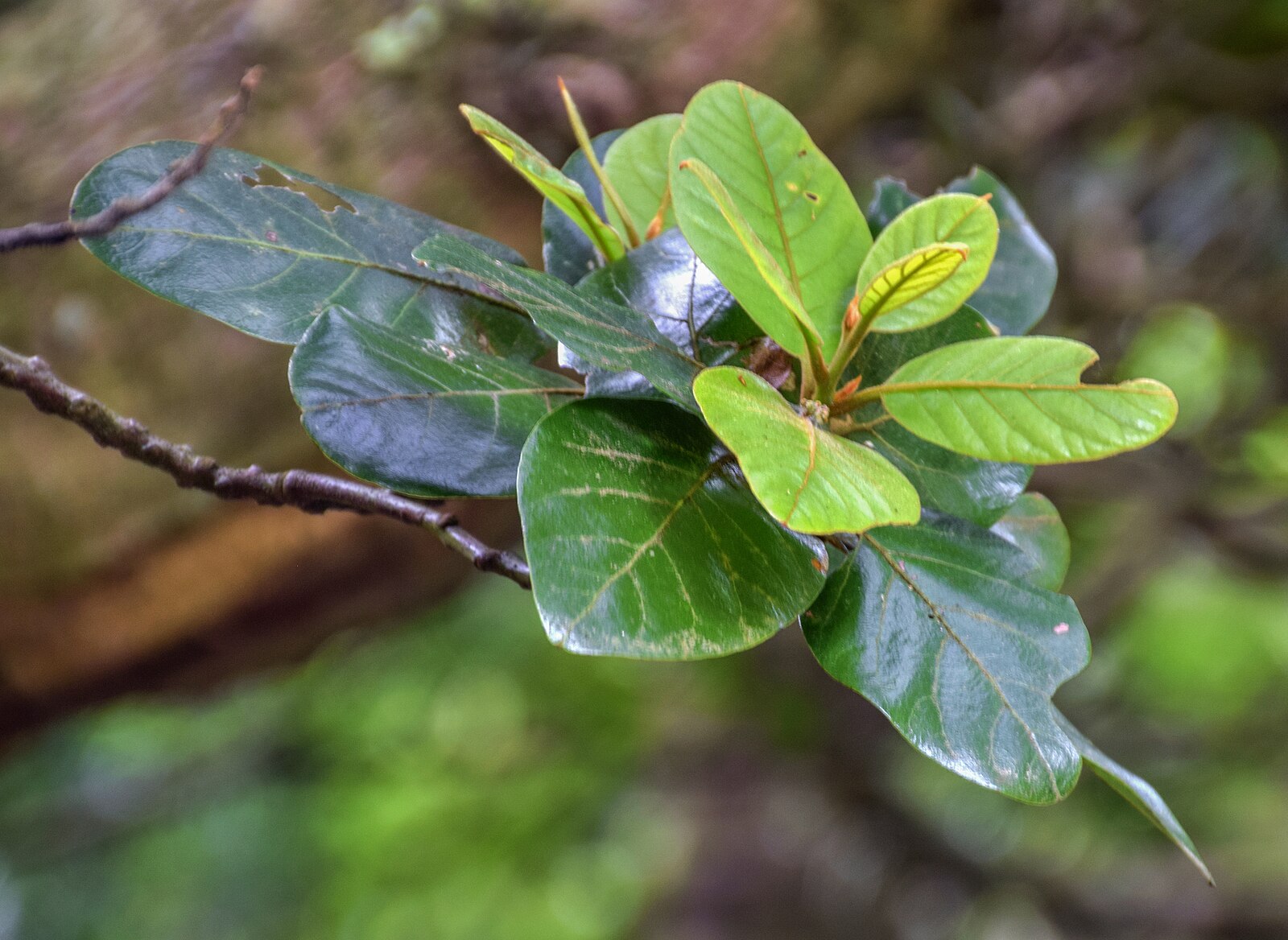
Taraire is a native New Zealand tree known for its growth in rich soils and unique timber.
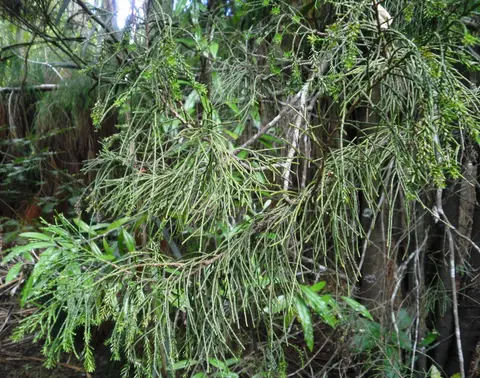
Learn about Manoao, a durable native tree with valuable timber and chemical uses.
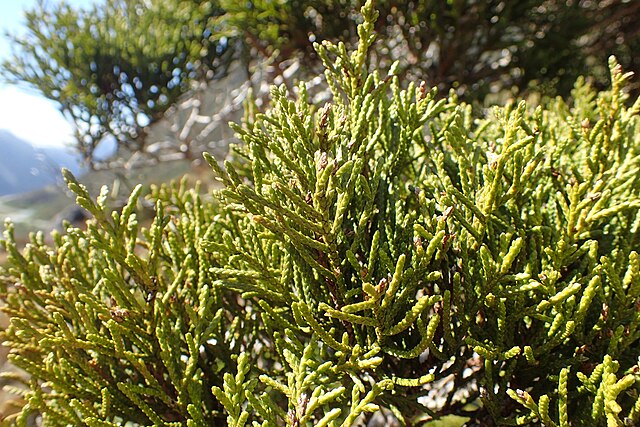
Learn about Pink Pine's features, uses, and potential value in Aotearoa forests.
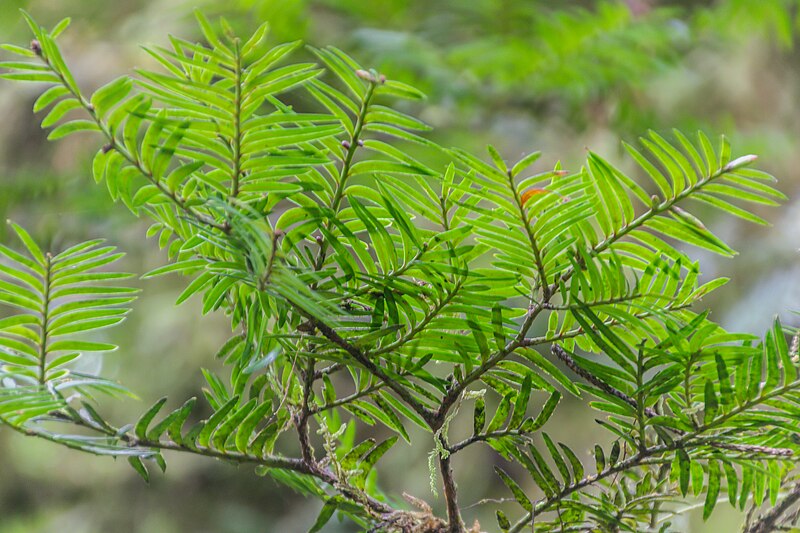
Learn about the uses and biodiversity benefits of Miro.
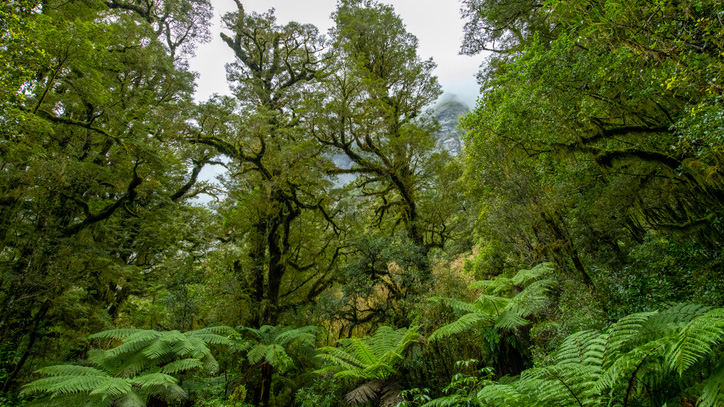
A comprehensive database archive of historical research about indigenous forests in Aotearoa.
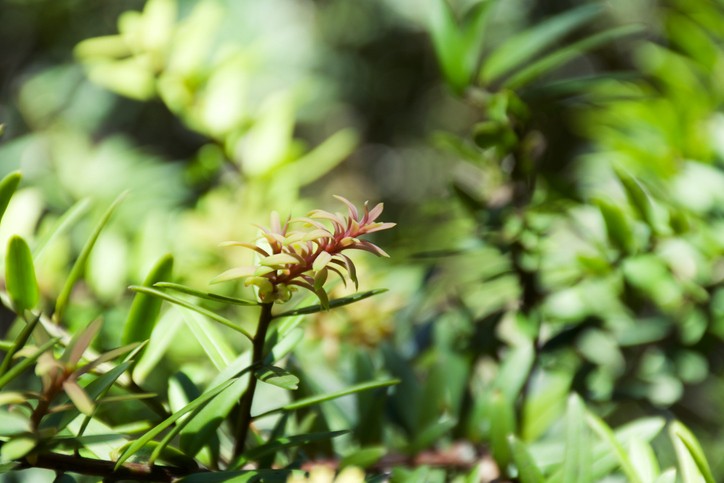
Learn about Tōtara and how they can improve outcomes for farms and te taiao.
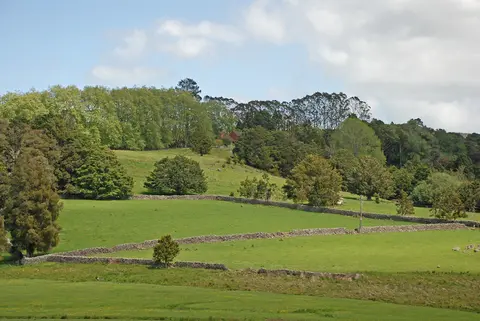
Get practical tree planting advice specific to Taitokerau.
See how seed islands of native trees fared on hill country near Gisborne.
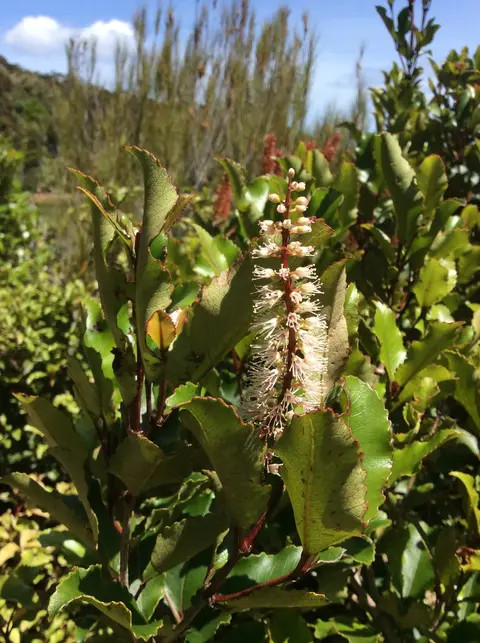
Learn about Kamahi / Tawhero, a versatile native tree with unique timber and ecological roles.
Learn about the tree pests and diseases that threaten our forests and plants.