
Reducing New Zealand’s agricultural greenhouse gas emissions: How we are getting there
Learn about methane in agriculture and how NZ ag researchers are trying to reduce emissions.
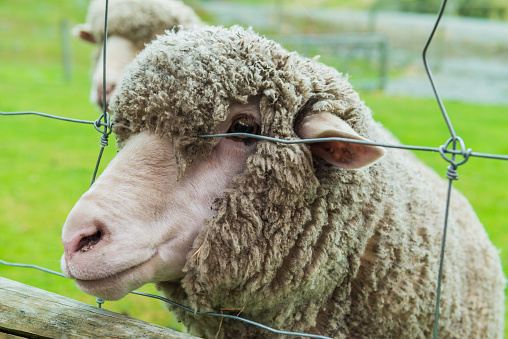
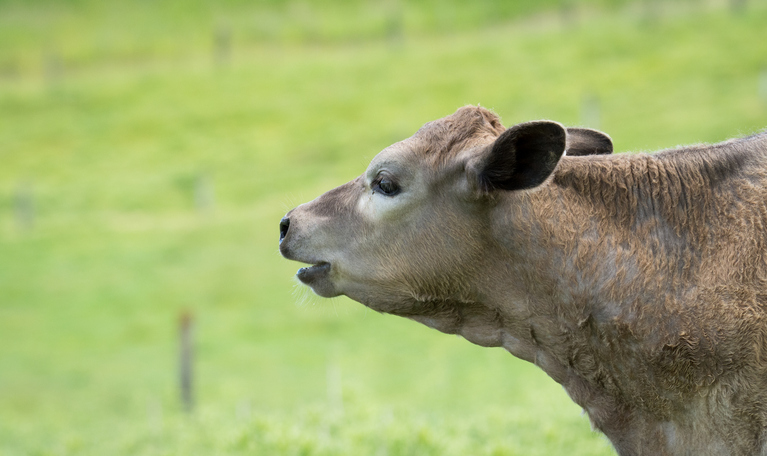
Methane inhibitors are a recent tool designed to reduce greenhouse gas emissions from livestock. Livestock, like cattle and sheep, produce methane during digestion. This methane contributes to climate change and represents energy loss for the animals.
Research is ongoing to develop chemical inhibitors that can significantly lower methane production in the rumen without harming the animals’ health or productivity. These inhibitors work by targeting specific microbes that produce methane.

Learn how to reduce farm emissions by improving animal performance and adjusting stocking rates.

Research into different ways to reduce greenhouse gas emissions from New Zealand agriculture.

Learn ways to lower greenhouse gas emissions on your farm with practical steps and tips.

A science and mātauranga Māori based plan to reduce our agricultural greenhouse gas emissions.

Learn how greenhouse gases are measured and their impact on climate change.

How New Zealand scientists are tracking farm methane from space.

Discover feeds that lower methane and nitrogen emissions in sheep and beef farming.

Research about reducing greenhouse gas emissions on Māori farms in New Zealand.

This report explores future options to reduce agricultural greenhouse gas emissions in New Zealand.

Learn how Owl Farm cut biological greenhouse gas emissions over a ten year period.

Learn how sheep and beef farms can reduce greenhouse gas emissions and improve profits.

A tool for farmers to track and report on farm GHG emissions and sequestration.