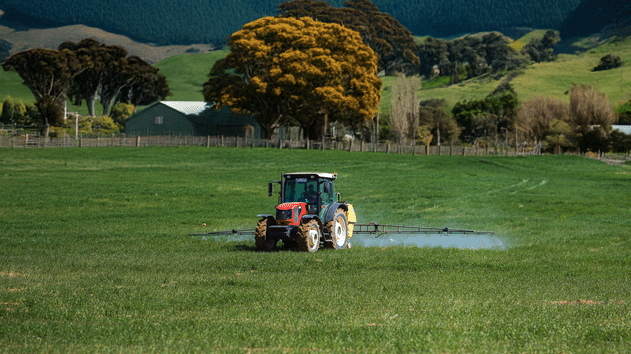
Regional Sector Synthetic Nitrogen Use Recording webform (N-Cap Webform)
Whenua
Dairy
Fertiliser
Policy
Sustainability
Use the N-Cap Webform to report synthetic nitrogen use on your dairy farm.
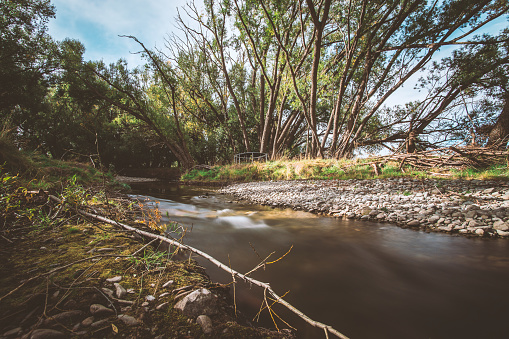
The synthetic nitrogen fertiliser cap is intended to reduce nitrogen pollution in waterways. It started in July 2021 and affects all grazed land, including grass and annual forage crops. Dairy farmers must report their synthetic nitrogen fertiliser use each year by the end of July. Each hectare of pasture can use up to 190 kg of fertiliser per year without special permission. Farmers need to keep records of their land use, receipts for purchased fertiliser, types of fertiliser used, application rates, and dates of application. This guidance helps farmers understand their responsibilities and manage their fertiliser use effectively.
Use the N-Cap Webform to report synthetic nitrogen use on your dairy farm.
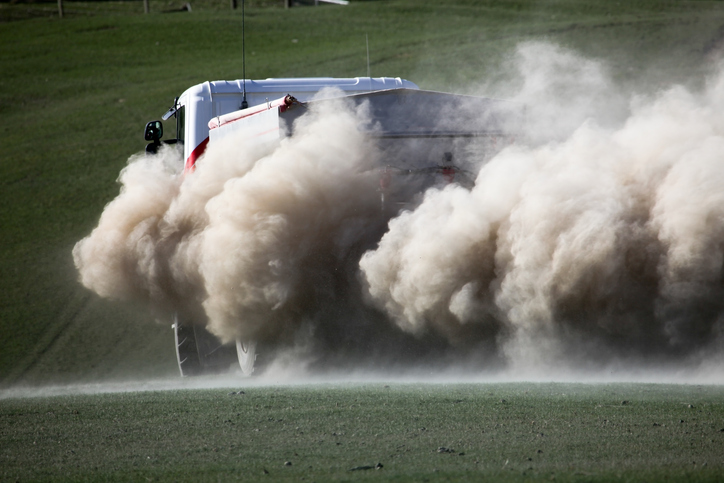
Learn how to manage nitrogen fertiliser use for better pasture growth and environmental outcomes.
Map showing nitrate-nitrogen leaching from dairy farms, with spatial accuracy at 100m resolution.
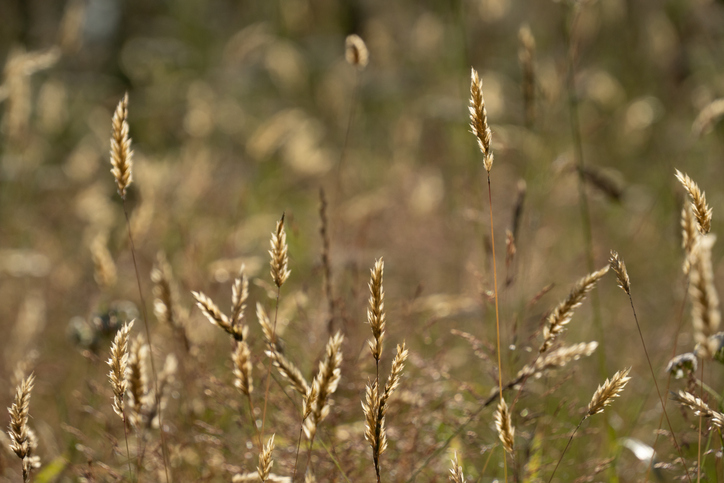
This guide explains how to cut nitrogen use, reducing nitrous oxide emissions on farms.
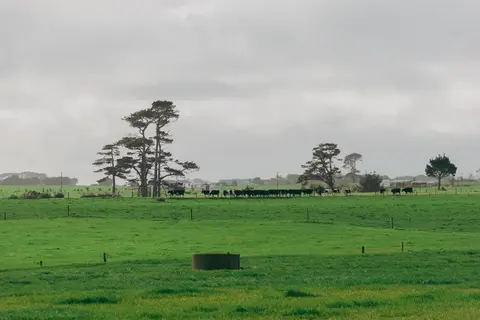
Learn how to plan, time and target nitrogen fertiliser so more of it ends up as pasture growth.
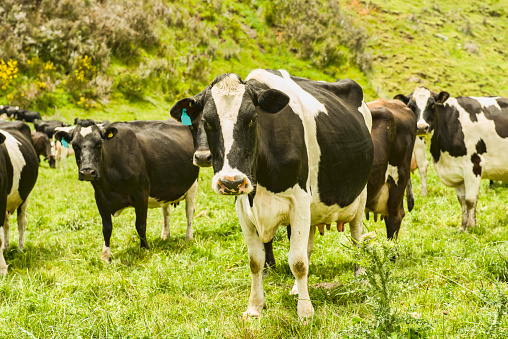
This guide explains the potential of gibberllins to reduce greenhouse gas emissions from dairy farms.
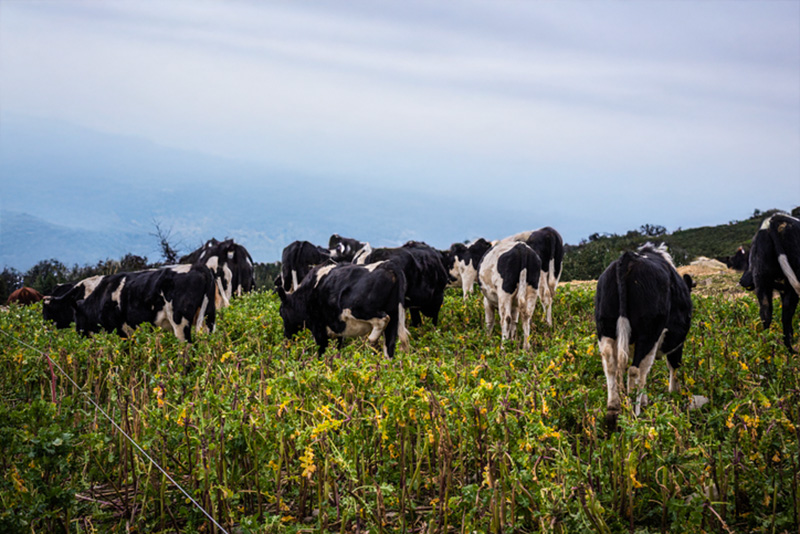
Learn about intensive winter grazing rules and best practices for farms in the Wellington Region.
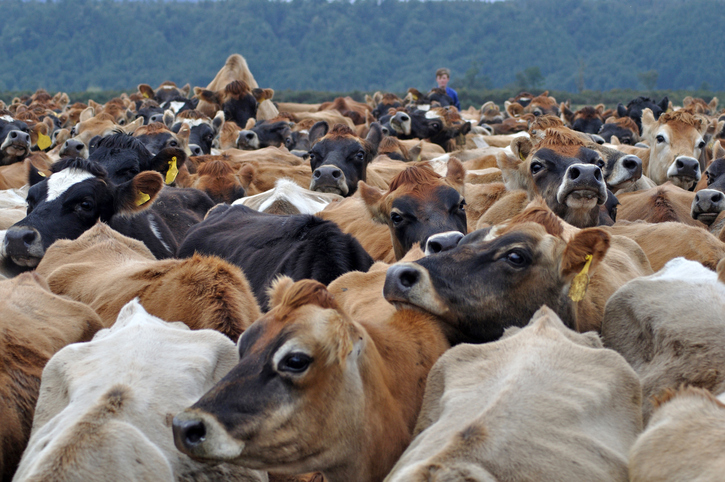
Learn how dairy farmers in New Zealand can reduce greenhouse gas emissions effectively.
Find science-backed actions to cut greenhouse gas emissions on your farm.
Read NZAGRC's recommendations
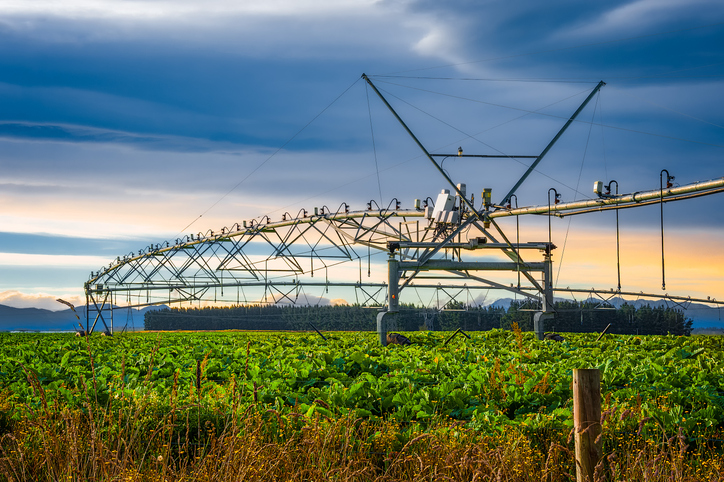
Learn how cropping and horticulture can reduce greenhouse gas emissions in New Zealand.
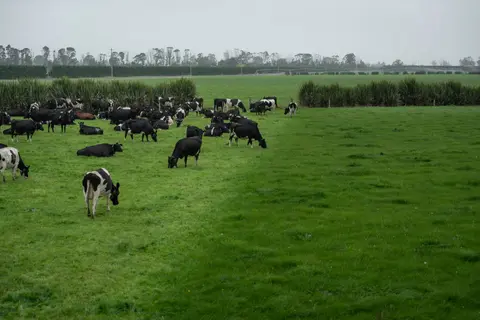
Review how fertiliser and grazing rotations are matched to feed demand.
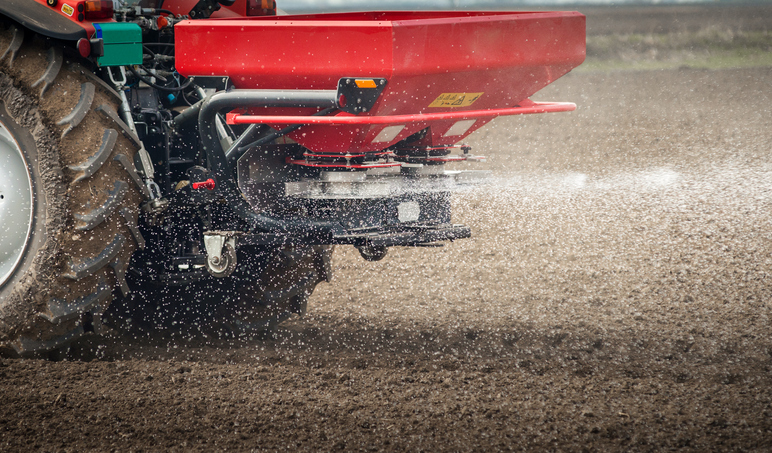
Learn about the terrestrial nitrogen cycle and the impacts of different farming activities.
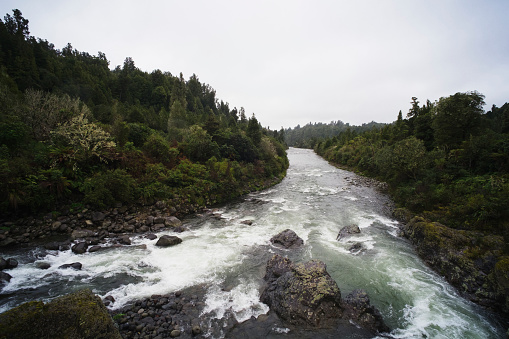
Compare nitrogen and phosphorus levels in your rivers against national bottom lines.
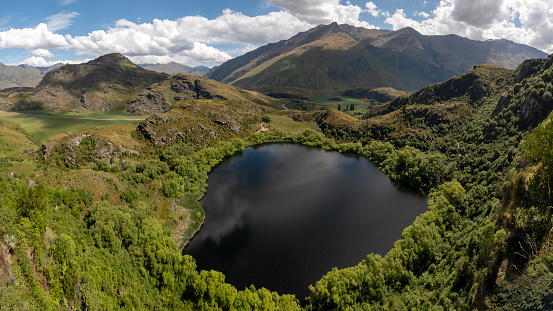
Explore how land use changes affect water quality and nitrogen, phosphorus loads.
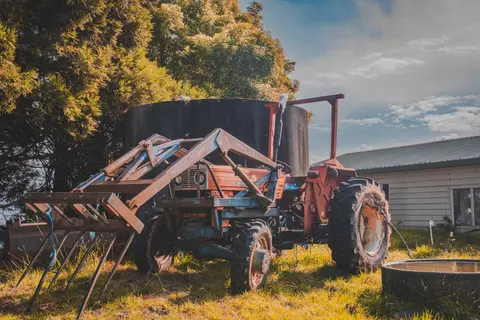
Explore how Owl Farm has lowered nitrogen fertiliser use and modelled nitrogen loss.
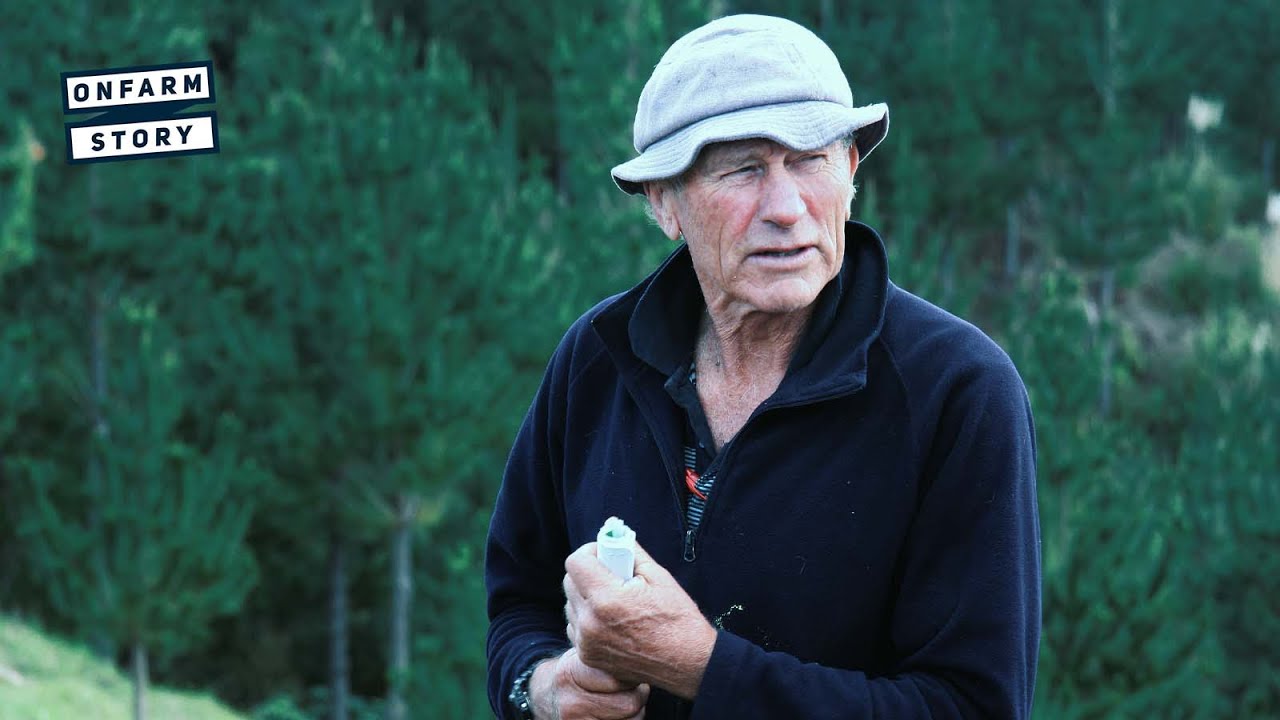
Learn how a Northland beef farm boosts pasture without artificial fertiliser.
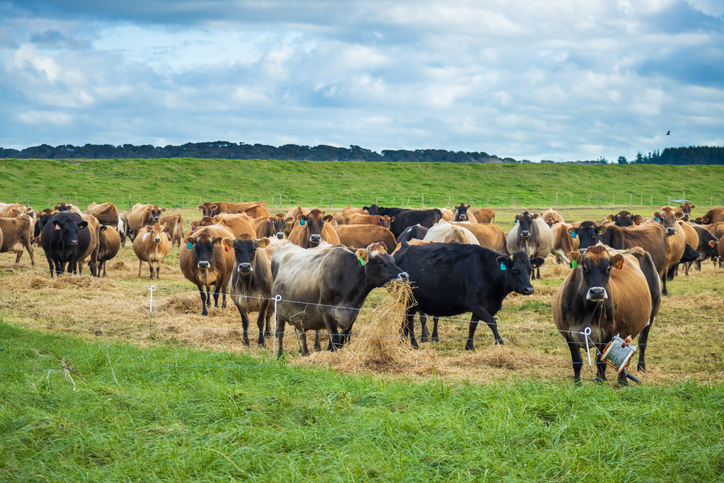
This guide can help you minimise the impact of intensive winter grazing on water quality and animal welfare.
Learn how to manage greenhouse gas emissions on your farm.
See how much nitrogen your crop rotation could leach into the ground.
Learn how you can reduce your greenhouse gas emissions while staying profitable.
Learn about nitrous oxide, its effects, and ways to cut emissions in farming.
Understand how to reduce emissions and adapt to a changing climate on your farm.