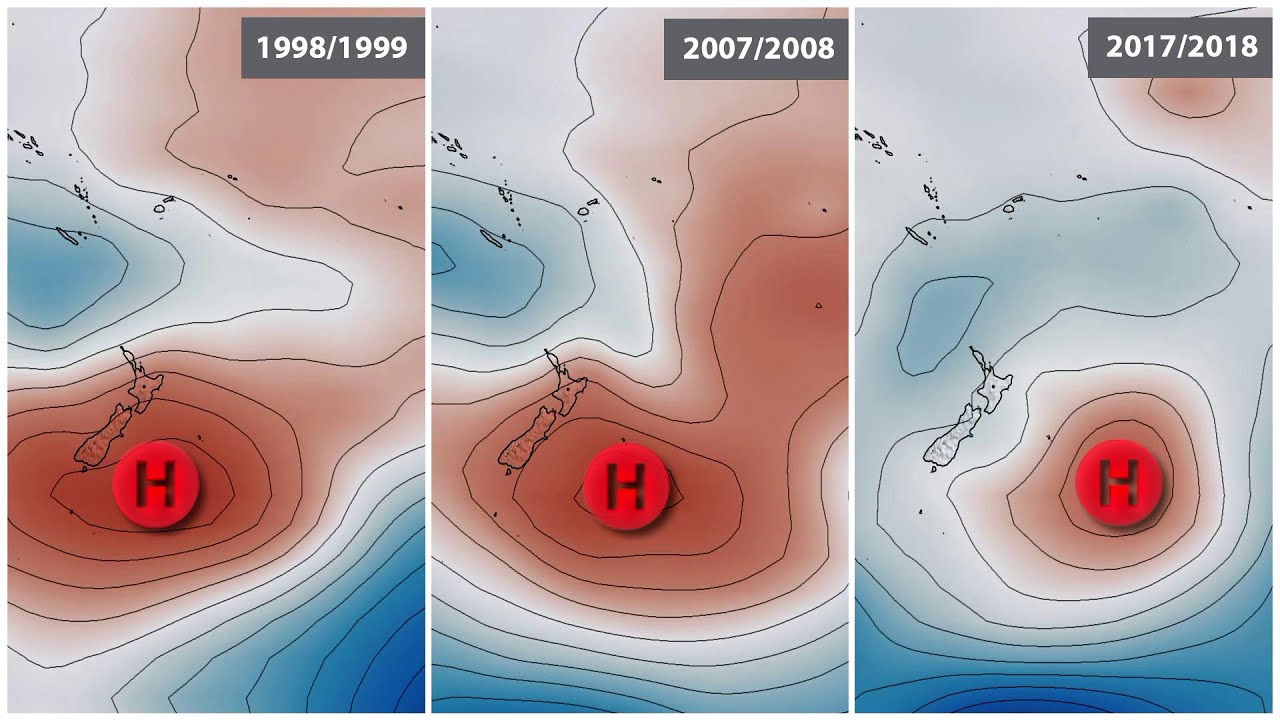
What does La Niña mean for New Zealand?
Climate
Adaptation
Water
Learn how La Niña affects rainfall, temperatures, and oceans in Aotearoa.
El Niño and La Niña are climate patterns that affect weather worldwide. During El Niño, ocean water off the coast of South America warms up. This happens when trade winds weaken, pushing warm water east. As a result, rainfall and storms increase in some areas, which can lead to flooding or droughts elsewhere.
In contrast, La Niña cools ocean water in the same region. Stronger trade winds bring cooler water to the surface, often resulting in less rainfall and more stable weather patterns across many areas. Understanding these patterns can help you plan your farming activities, manage water resources, and prepare for weather-related challenges.
Learn how La Niña affects rainfall, temperatures, and oceans in Aotearoa.
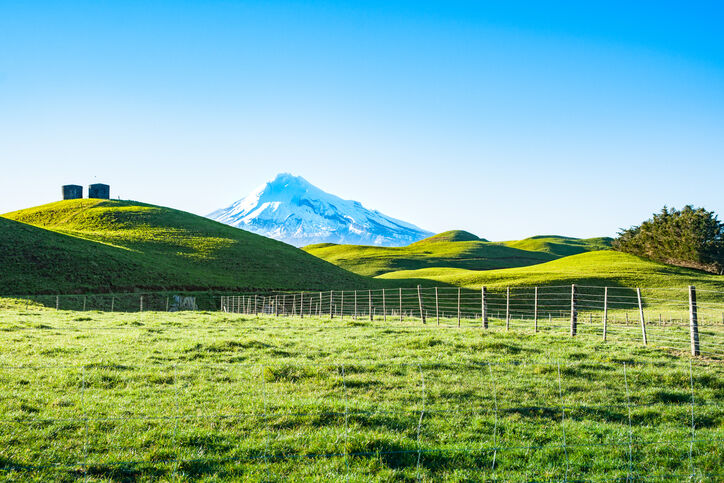
A report produced by NIWA, details climate change impacts and projections for Taranaki until 2100.
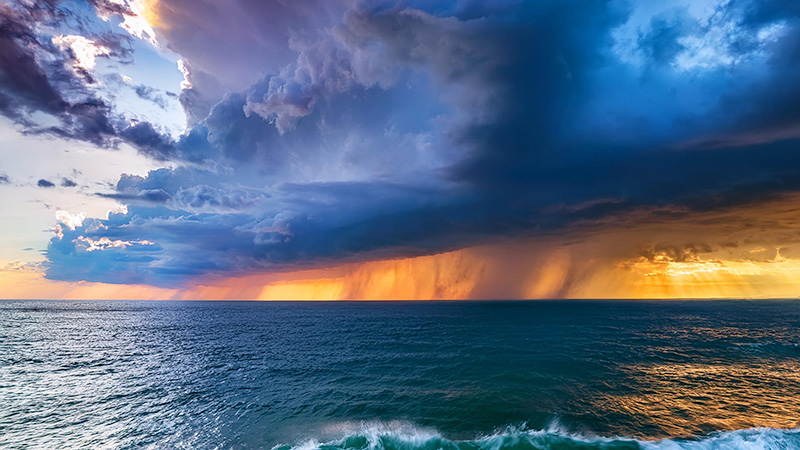
Find out how sea level rise and extreme weather events like cyclones will worsen flooding in Aotearoa.
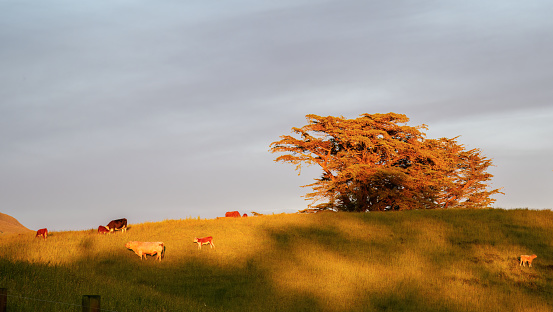
Get climate data to help make better decisions for your agribusiness.
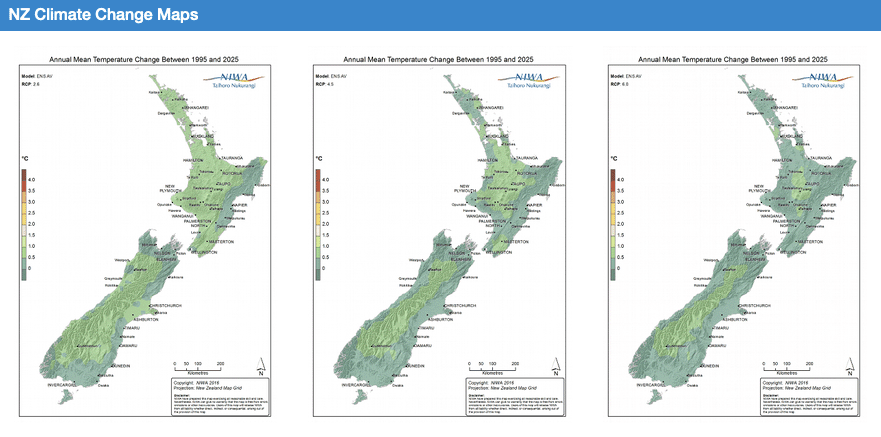
Explore how climate change will impact New Zealand's weather and environment over the coming century.
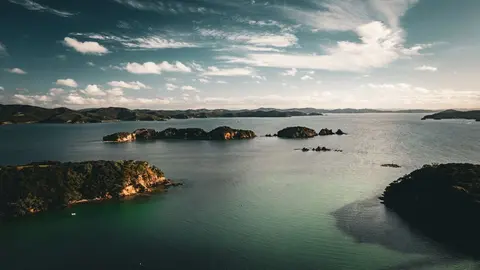
Find out what Northland's mild, humid and windy climate means for your whenua.
Learn about climate change - its causes, its effects, and possible solutions.
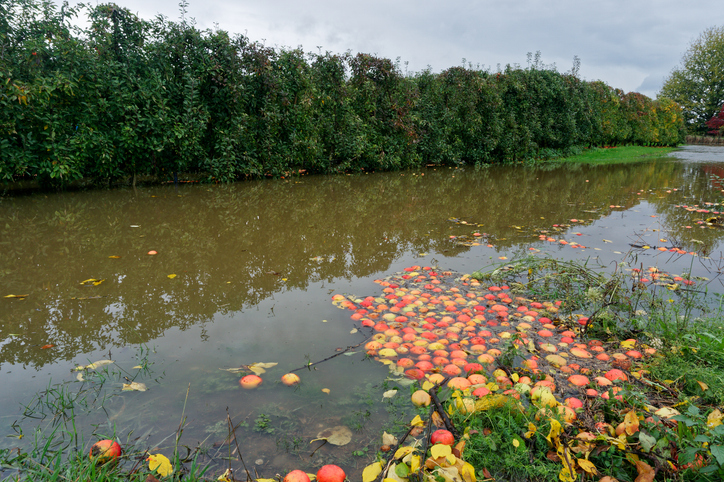
See how drought conditions and extreme rainfall in Aotearoa have changed as a result of climate change.
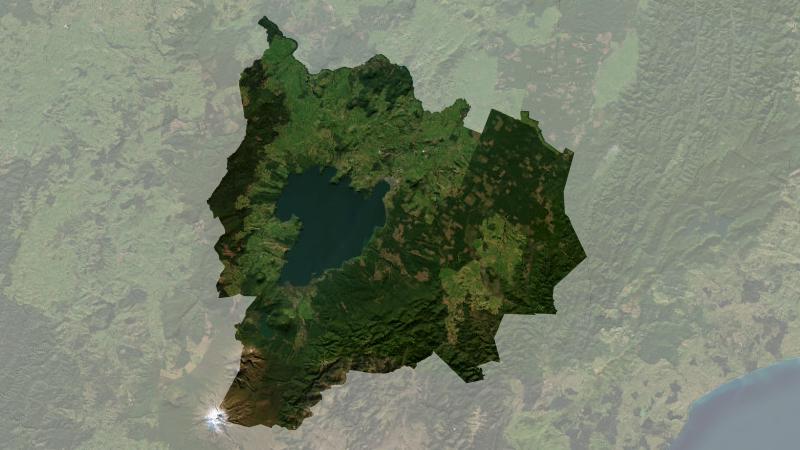
Understand climate event and variability trends for Taupō District.
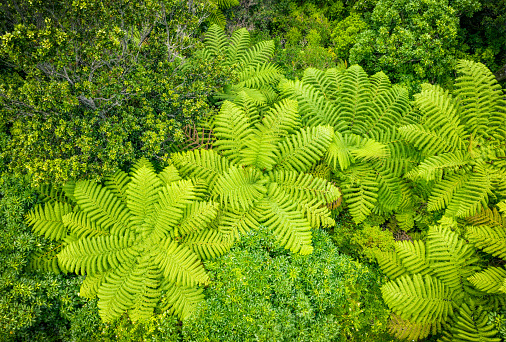
Find Northland guides on planting, stream margins, wetlands and culverts.
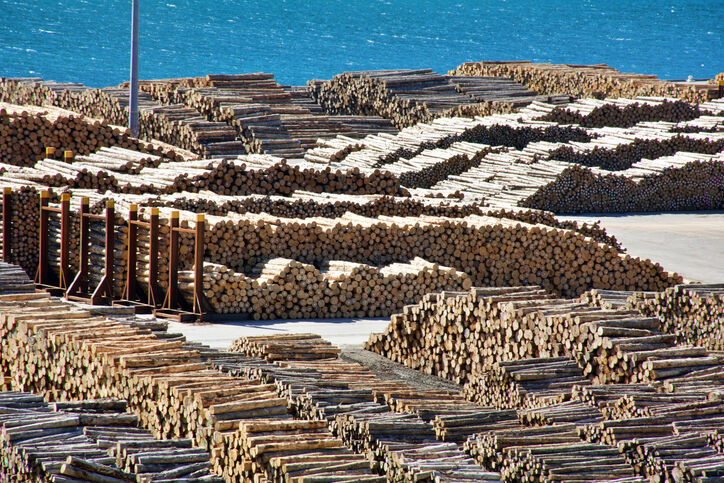
This dataset provides insights on global forestry production and trade for quick analysis and comparison.
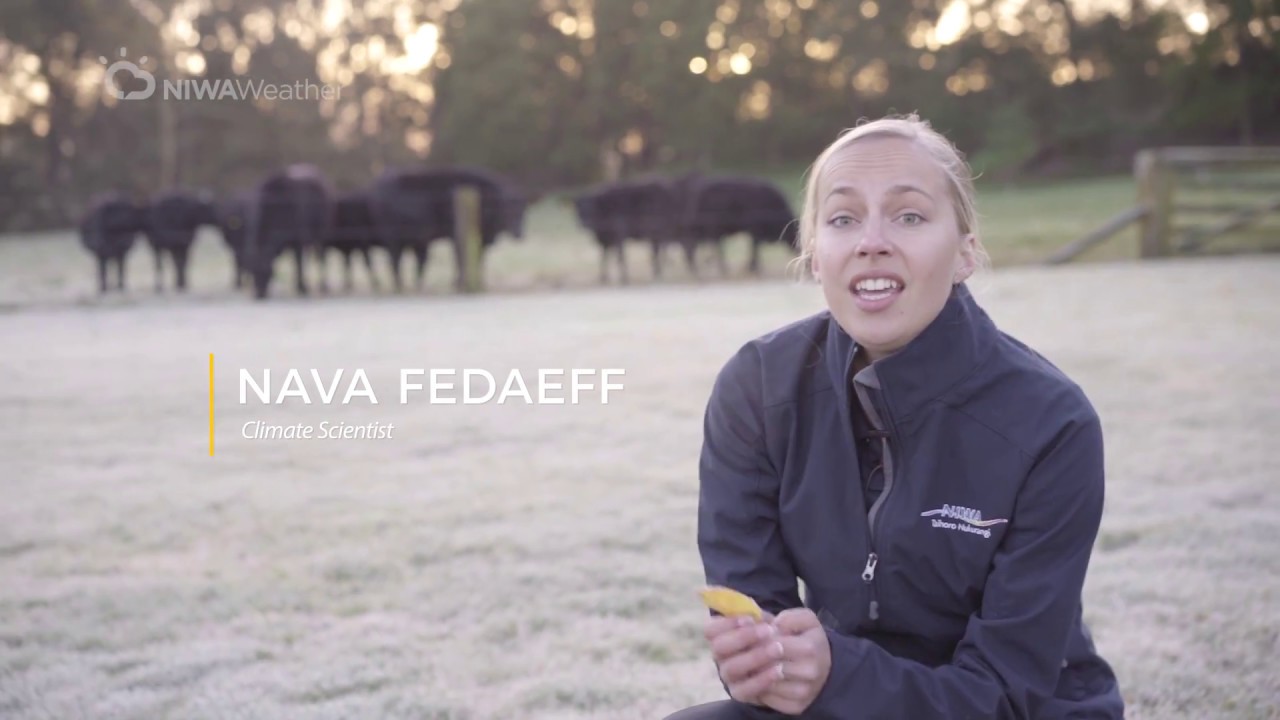
Climate Scientist Nava Fedaeff explores how frost is formed and how it impacts New Zealanders.
Auckland faces climate change risks including rising temperatures, sea levels, and extreme weather.
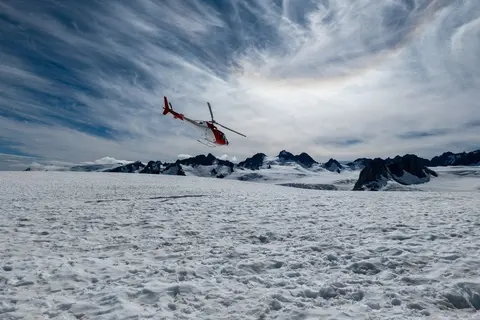
Find out how rain, mild temperatures and the Southern Alps shape the West Coast climate.
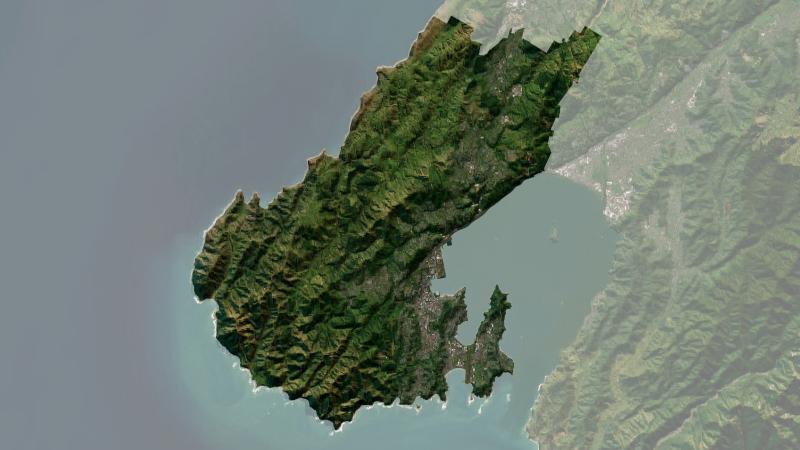
Understand climate event and variability trends for Wellington.
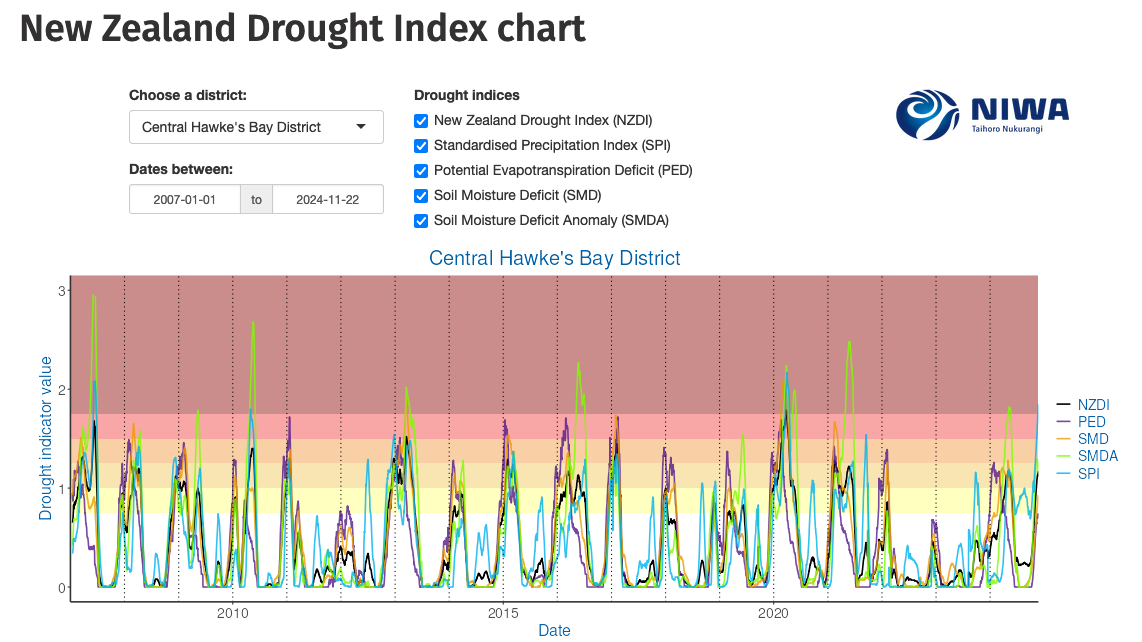
Monitor drought in New Zealand using key indicators and climate data. Access maps and downloads.
Find out why animals on land and at sea are running out of places to live.
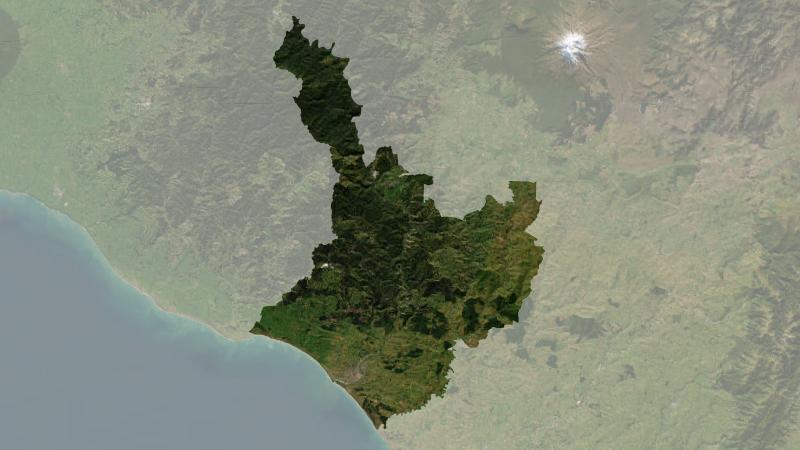
Understand climate event and variability trends for Whanganui District.
This report details climate change risks for New Zealand, focusing on key areas like coasts and freshwater.
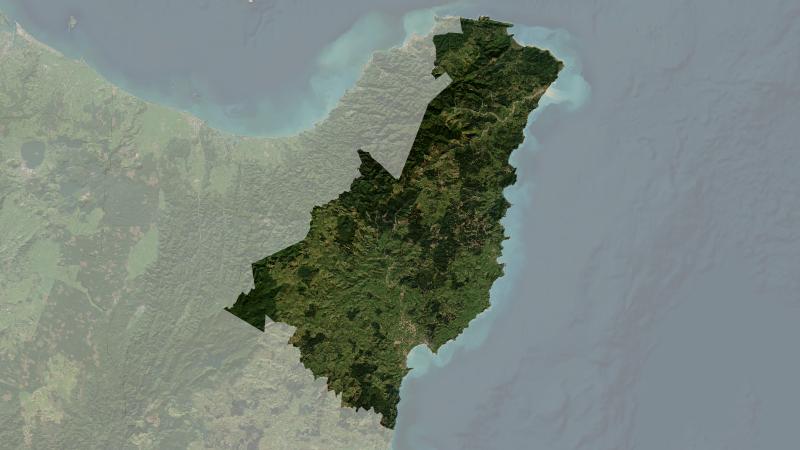
Understand climate event and variability trends for Gisborne District.
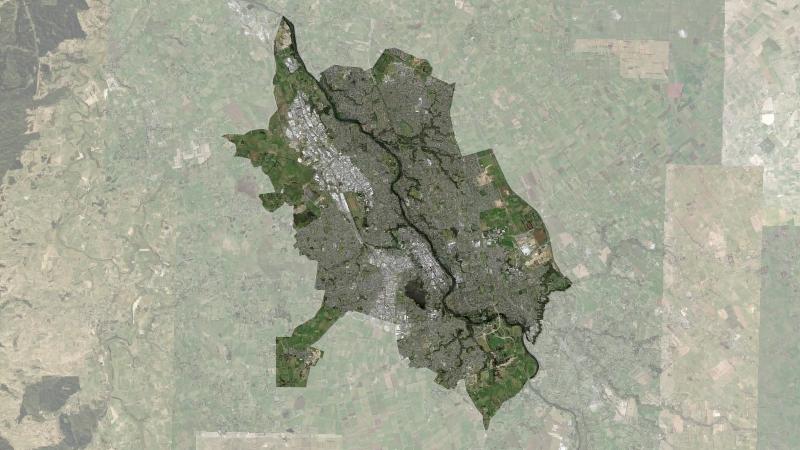
Understand climate event and variability trends for Hamilton.
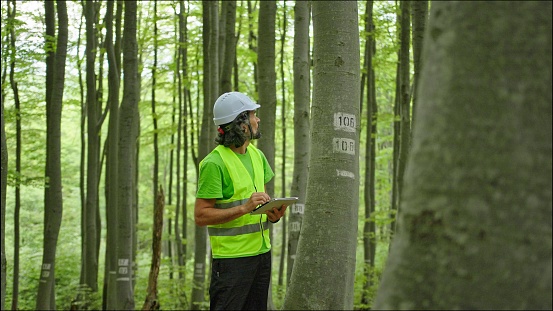
Discover how climate change could affect plantation forestry in Aotearoa.
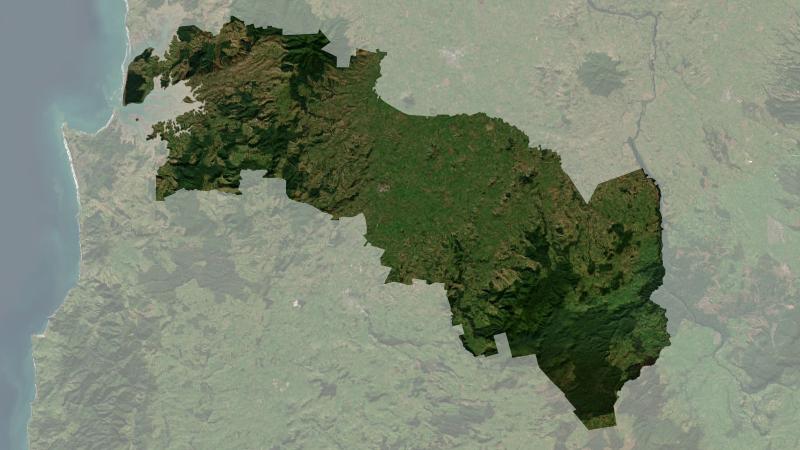
Understand climate event and variability trends for Ōtorohanga District.