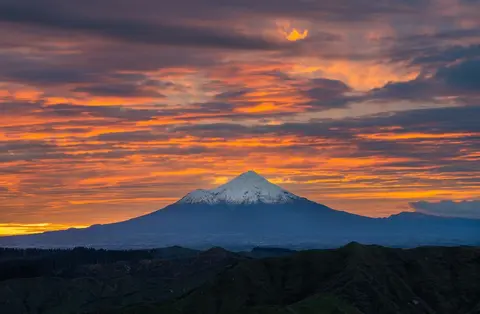
Taranaki regional climatology
Climate
Adaptation
Farm planning
Resilience
Risk
Water
Find out why Taranaki is one of the windiest regions and how its rain spreads through the year.
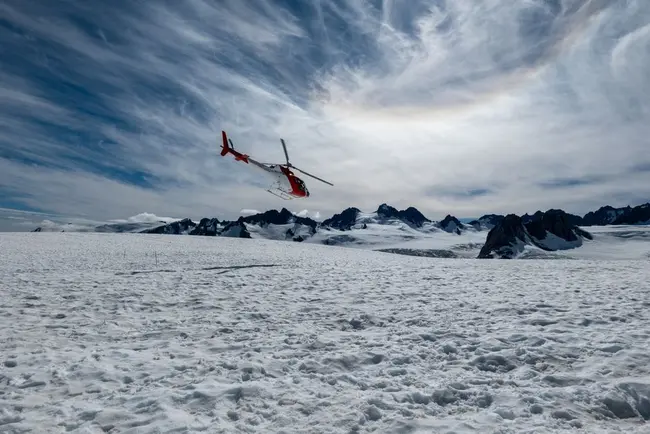
This report describes the typical climate of Te Tai Poutini West Coast. It is the wettest region in the country, because westerly airflows rise over the Southern Alps. High elevations often get more than ten metres of rain a year, and the coast gets two to three metres. Lowland temperatures stay mild, with few very cold or very hot days. The region is not especially windy, and local winds follow the line of the Alps.
It draws on long-term records from climate stations across the region and covers rainfall, temperature, sunshine, wind, frost and snow. Use it to see what conditions your whenua can expect through the year.
Find out why Taranaki is one of the windiest regions and how its rain spreads through the year.
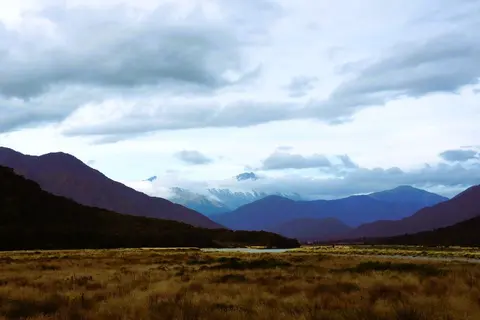
Compare the five climate zones of Waitaha Canterbury, from the plains to the main divide.
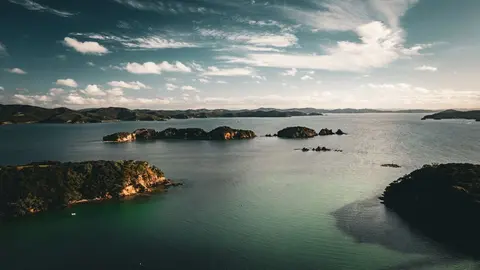
Find out what Northland's mild, humid and windy climate means for your whenua.
See how the Waikato climate changes from the Coromandel coast to the Central Plateau.
Learn what the mild, westerly climate of Manawatū-Whanganui means for pasture growth.
Explore the sunny but extreme climate of Tairāwhiti and its dry springs.
Learn how Murihiku Southland's western ranges and eastern lowlands differ in rain and cold.
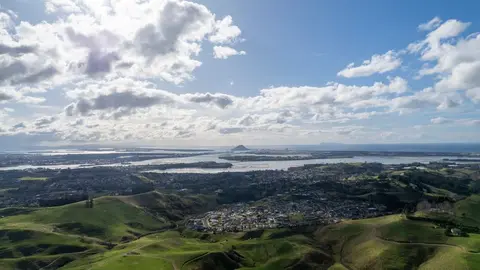
Discover why the Bay of Plenty is one of the sunniest and calmest regions in Aotearoa.
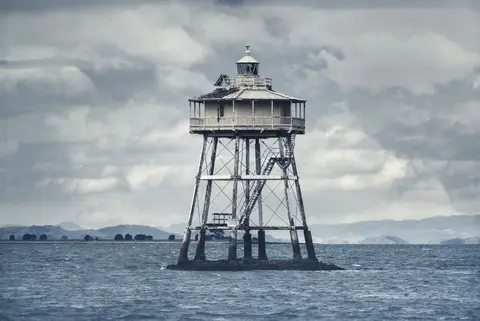
Learn how Auckland's subtropical climate shapes what you can grow and when.
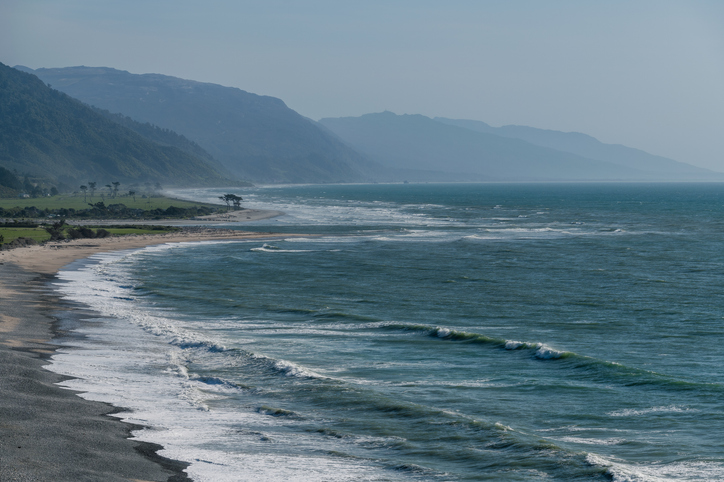
The SOE report shows the West Coast's natural resource trends and areas for improvement.
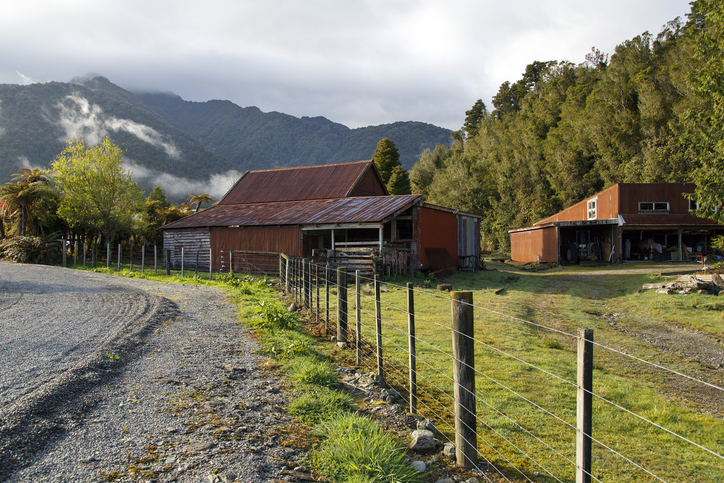
Find essential tools and resources for dairy farming and freshwater management on the West Coast.
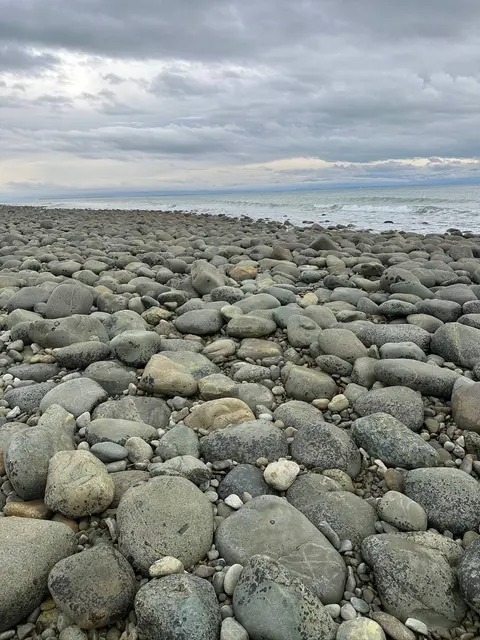
Discover the sunshine, dry spells and mild temperatures of Whakatū Nelson and Tasman.
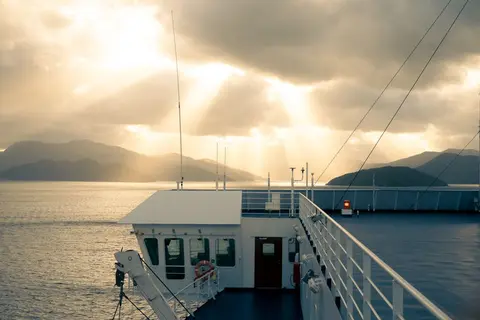
Explore Marlborough's dry, sunny climate and its frequent summer droughts.
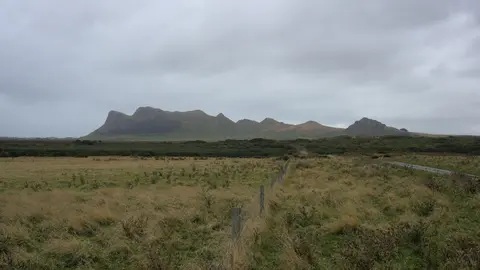
Explore the windy, cloudy and fast-changing climate of Rēkohu Chatham Islands.
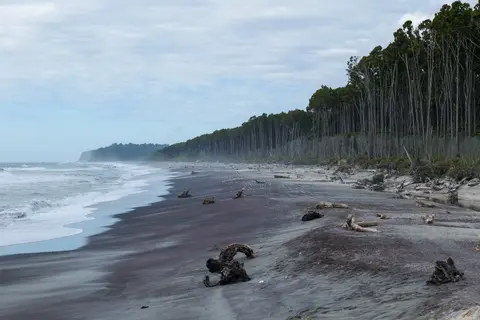
Learn how West Coast industry can switch process heat from coal to biomass and electricity.
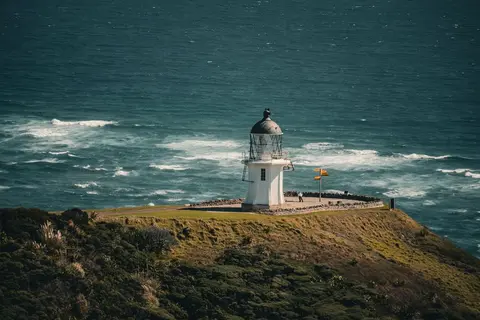
Read NIWA's full technical report on Northland's climate out to 2090.
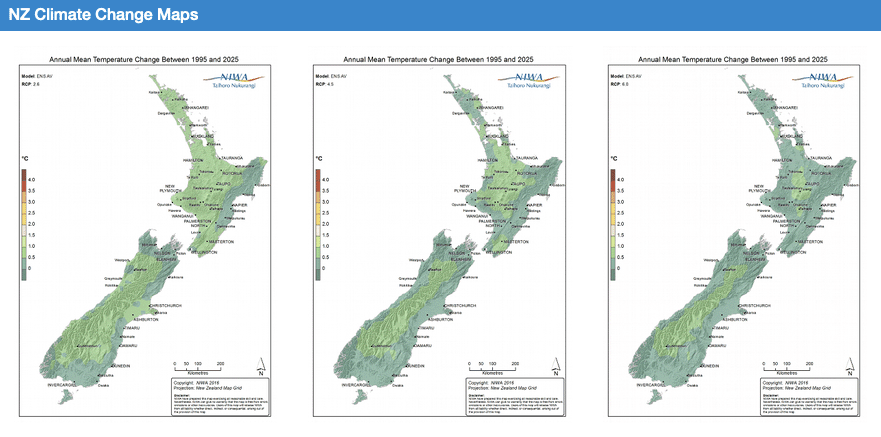
Explore how climate change will impact New Zealand's weather and environment over the coming century.
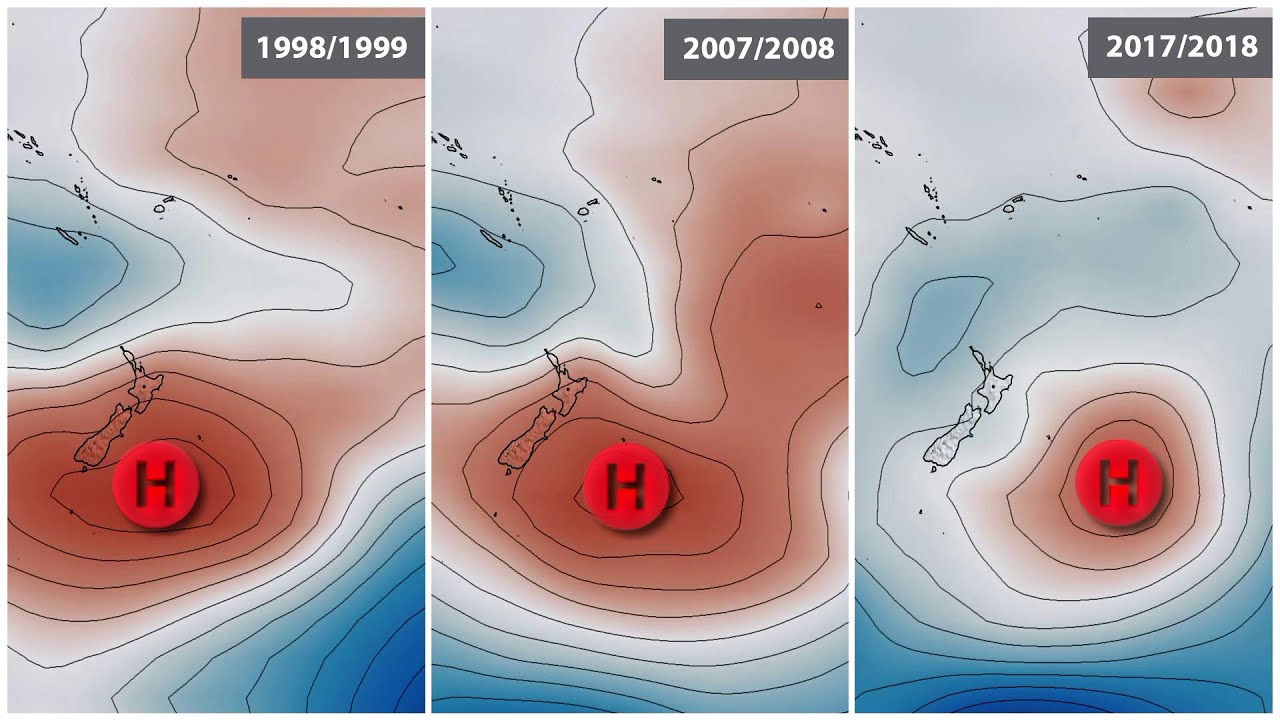
Learn how La Niña affects rainfall, temperatures, and oceans in Aotearoa.
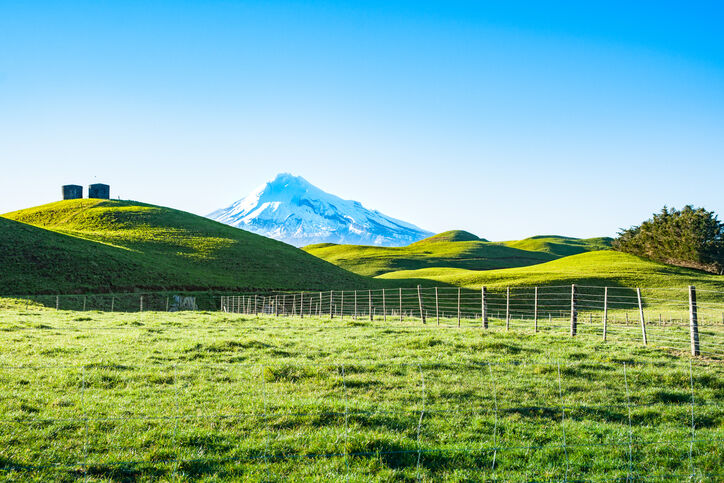
A report produced by NIWA, details climate change impacts and projections for Taranaki until 2100.

Auckland faces climate change risks including rising temperatures, sea levels, and extreme weather.
View rainfall data for Northland, showing monthly averages and percentages from gauges.
See whether your part of the country is set to get wetter or drier.
This research explains how climate change affects heavy rainfall in Aotearoa.