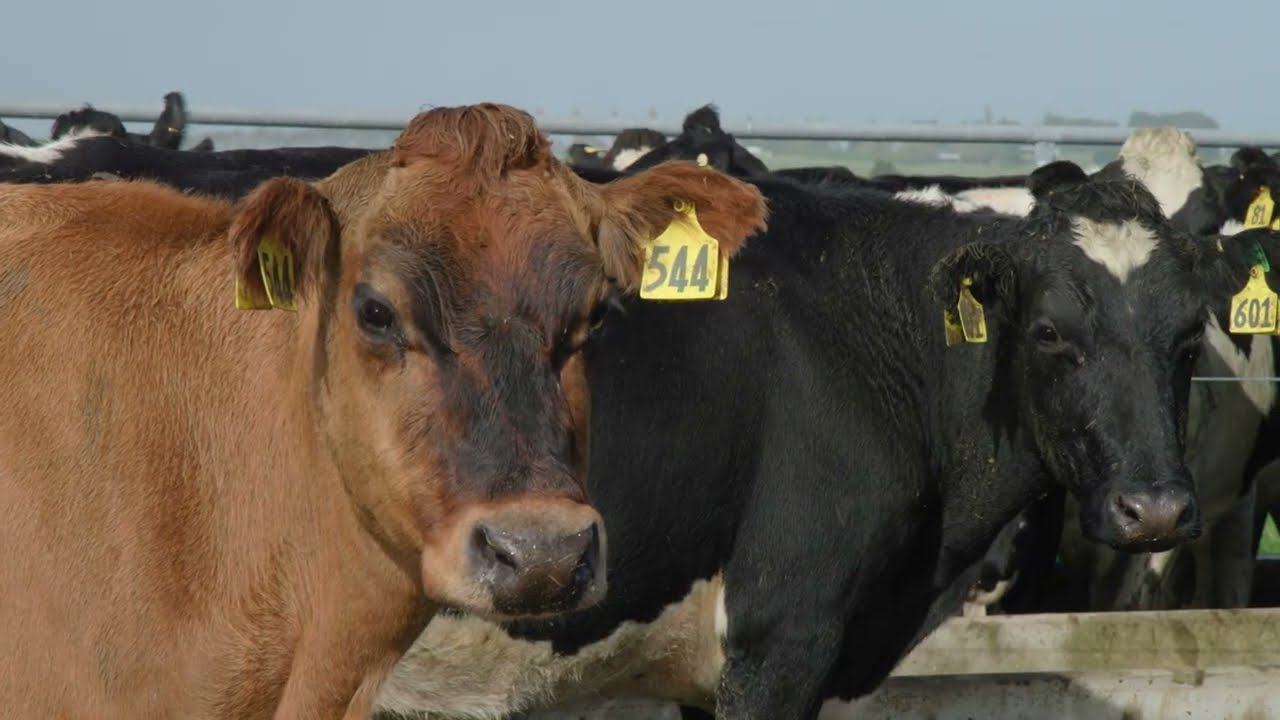
Restoring waterways and wetlands on farms to boost water quality
Whānau
On-farm actions
Sustainability
Water
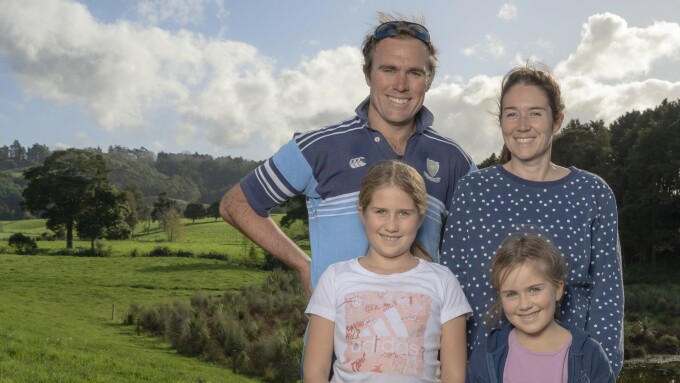
The Miller family shares how they've woven environmental care into their everyday farm work
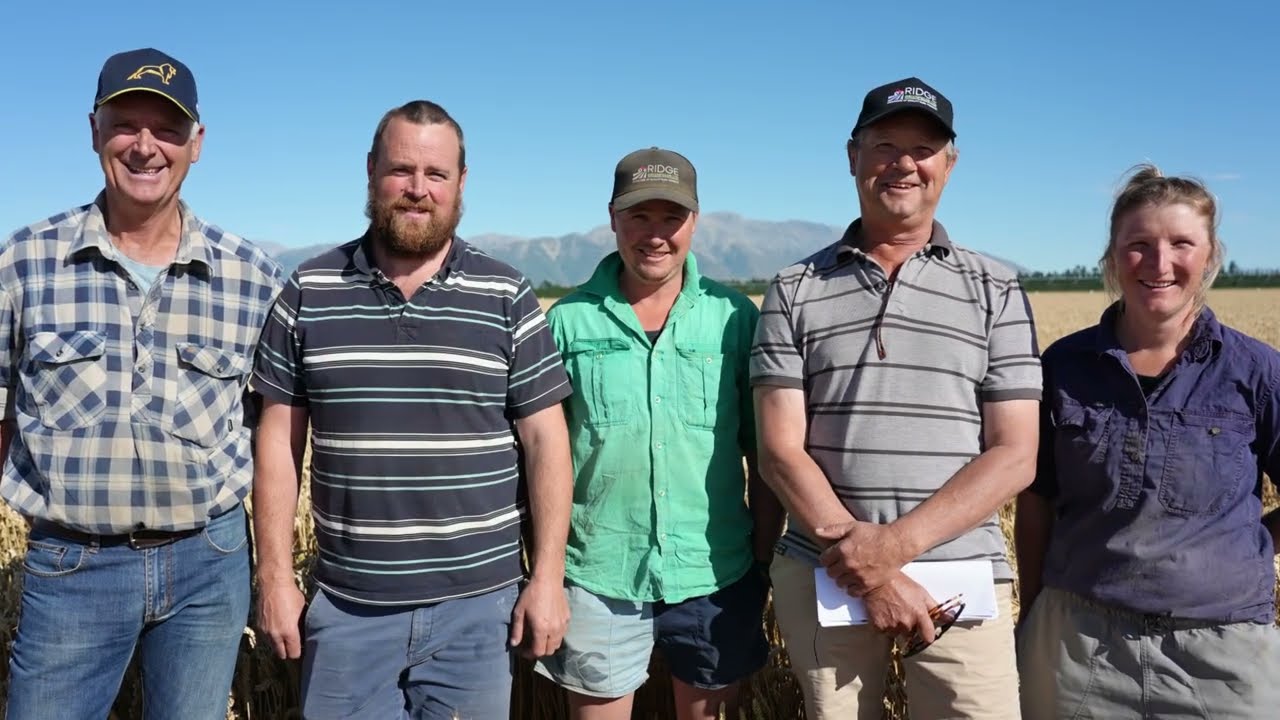
The Ridge Family of Ridge Greenfields is a detailed farm‐environment case study from a family-run sheep and beef operation in Waitaha, Canterbury. It outlines their journey through a tailored Farm Environment Plan, showing how they fenced off more than 40 km of waterways and planted over 50,000 native trees to boost water quality and biodiversity. The Ridges also built a covered wintering feed pad to manage effluent, installed sediment retention ponds and developed native corridors.
The Miller family shares how they've woven environmental care into their everyday farm work
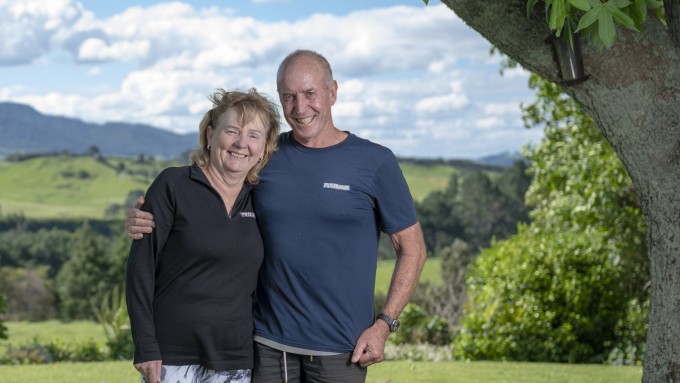
Learn how a Bay of Plenty farm used Farm Environment Planning to transform its operations and reduce its environmental impact.
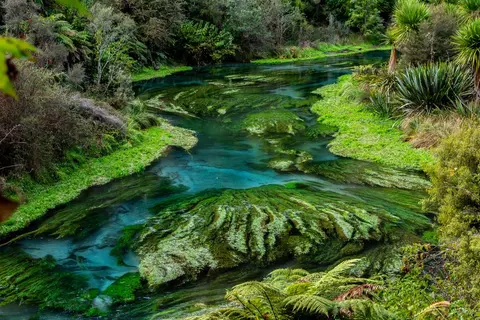
Follow how Owl Farm's environment plan guides its land, water and effluent management.
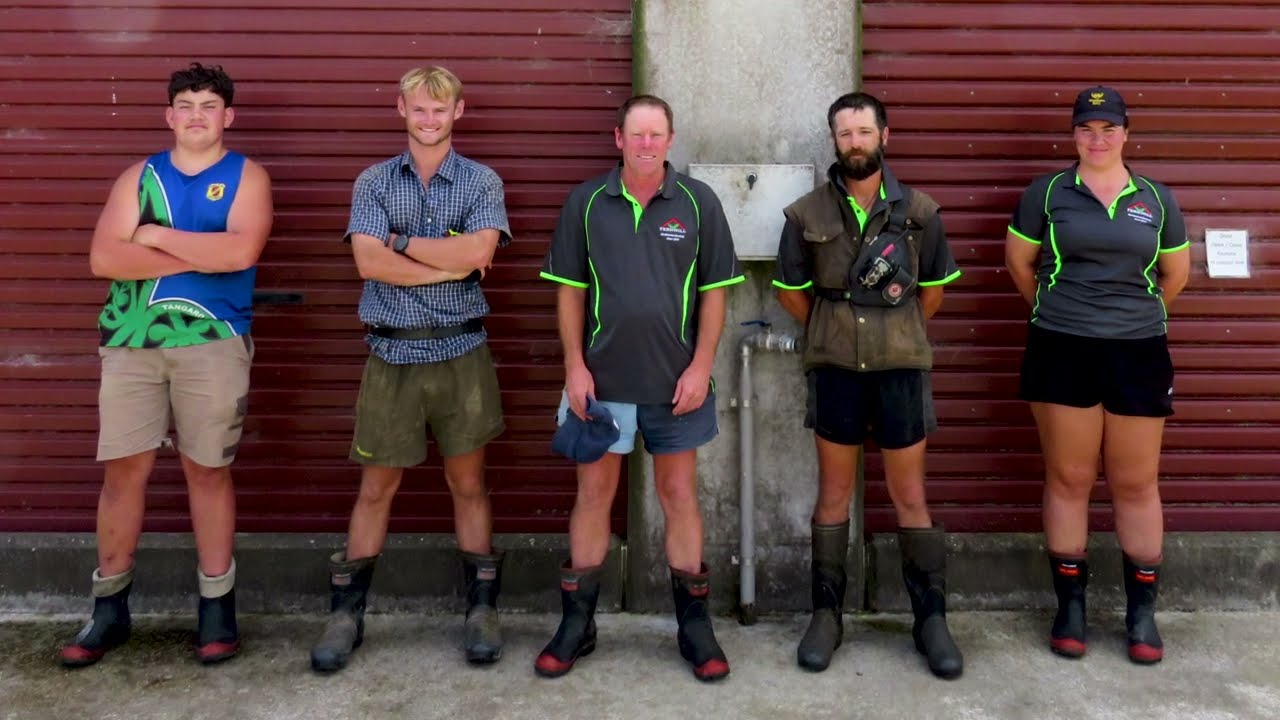
Learn how Jason Christensen promotes sustainable farming in New Zealand.
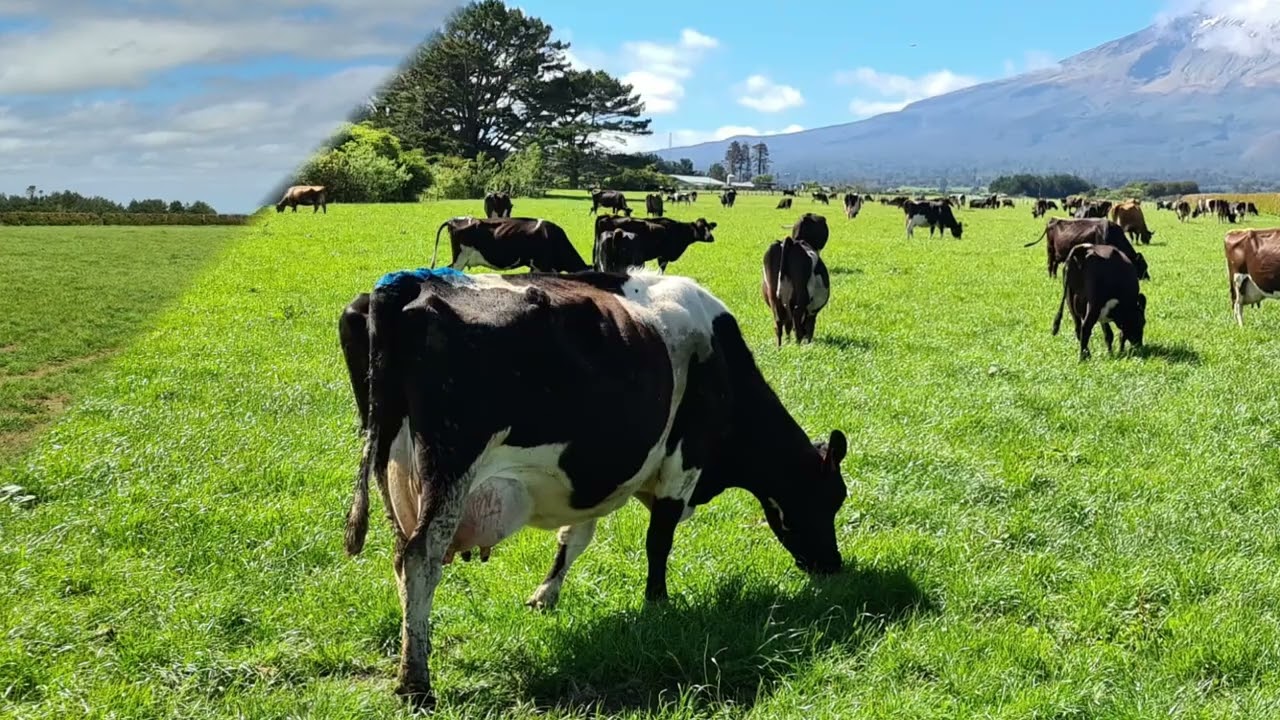
Jono and Amy Ardern share their sustainable farming practices in Auroa, New Zealand.
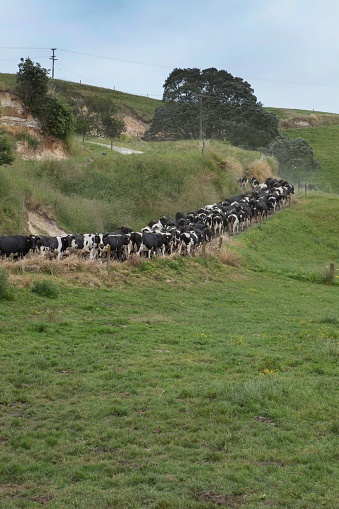
Find out how this Canterbury dairy farm uses tech for smart water management.
A Taitokerau farm is using on sustainable practices to improve production efficiency, reduce emissions, and protect the Mangakahia catchment.
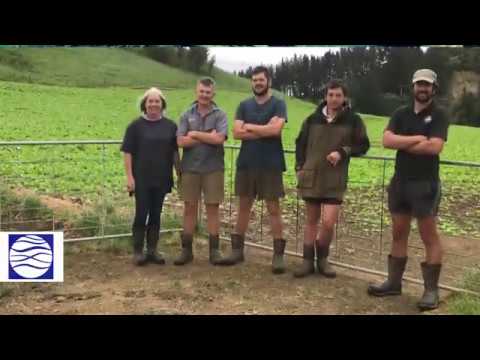
The winners of the 2020 Taranaki Supreme Award for sustainable sheep and beef farming share how they did it.
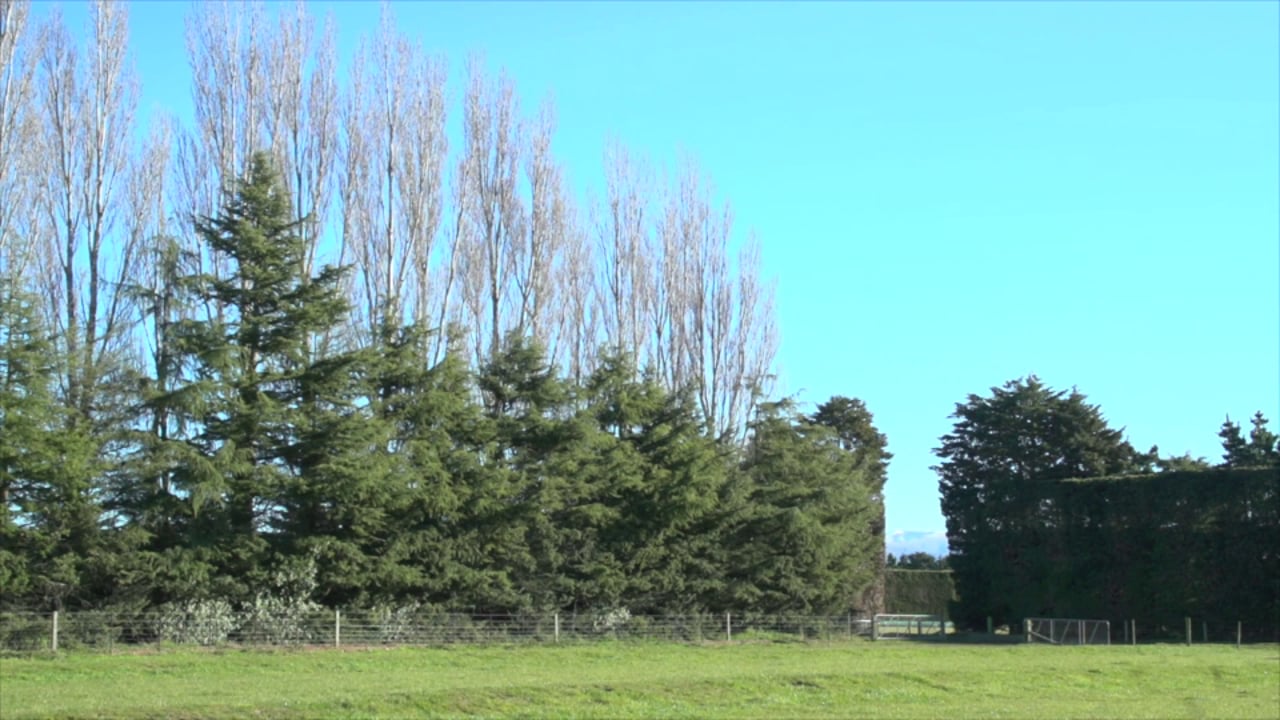
Learn about how shelter plantings are improving animal welfare on a Canterbury farm.
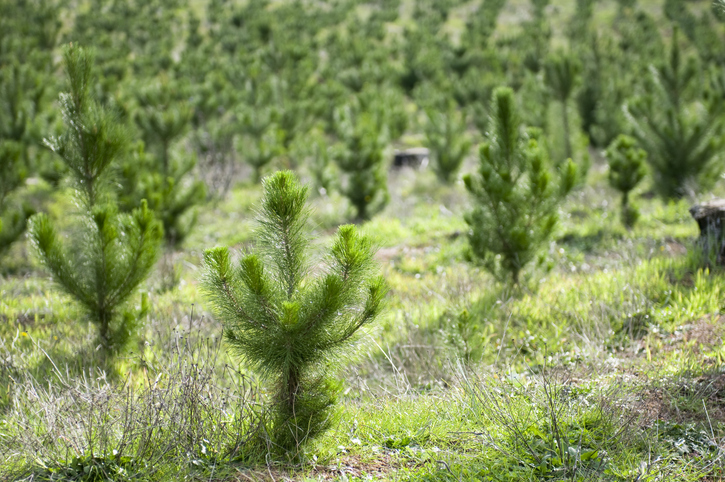
Neil Cullen shares tips on planning successful farm forestry mixed with sheep and beef in Balclutha.
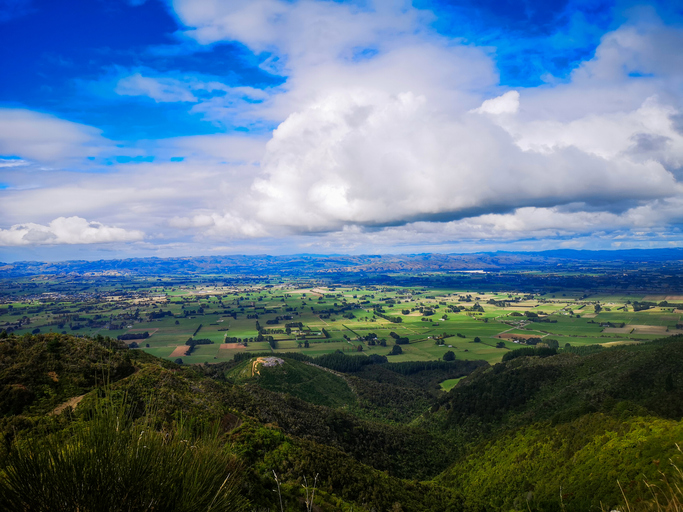
Hear how the Bowie family transitioned to farm ownership and their focus on succession planning.
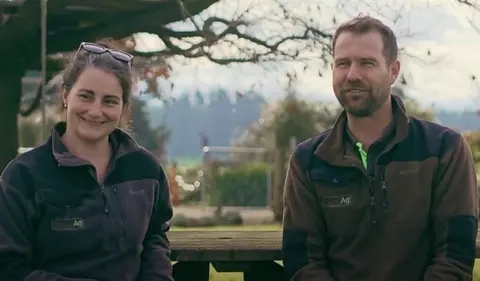
Tour a Wairarapa dairy farm where a feed pad and compost barn help cut nitrogen loss.
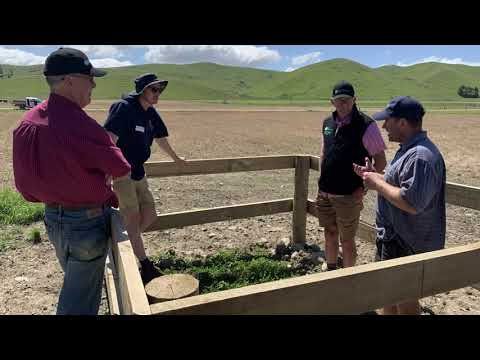
A profile of Matahiwi, a 600ha finishing farm recognised for its water management and environmental approach.
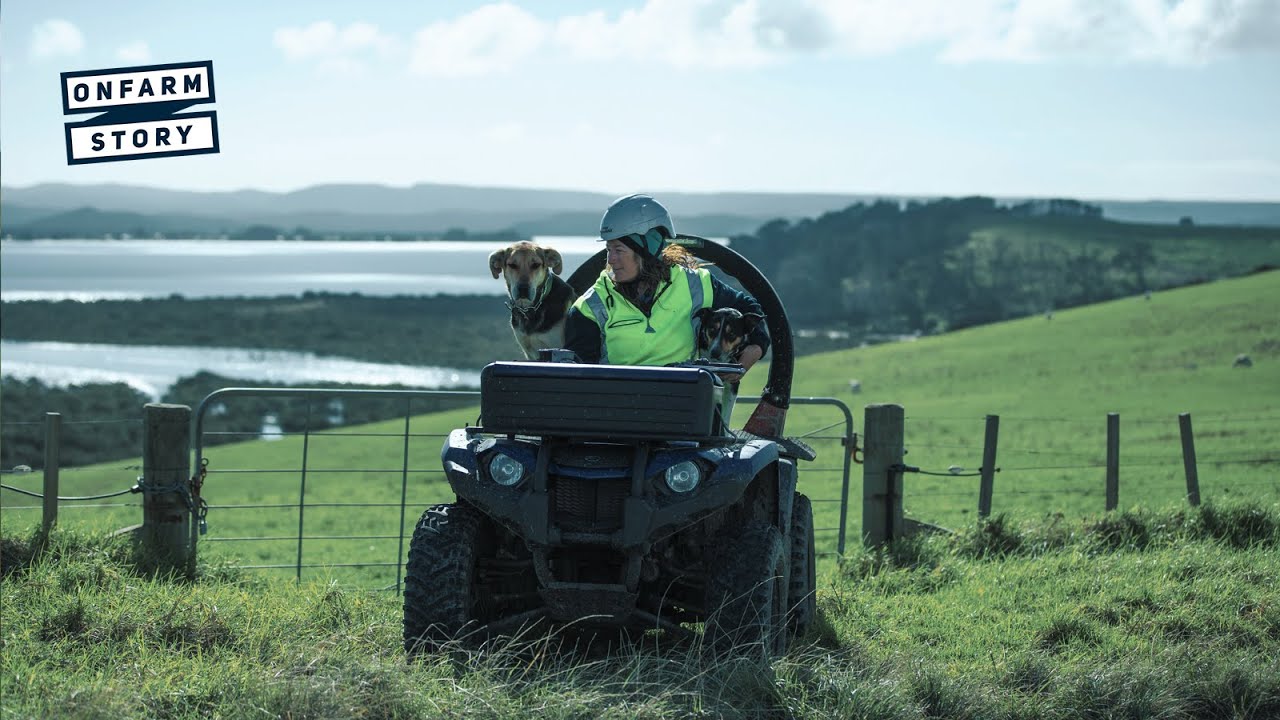
Learn how a Northland station manages 14,000 hectares with an environment-first approach.
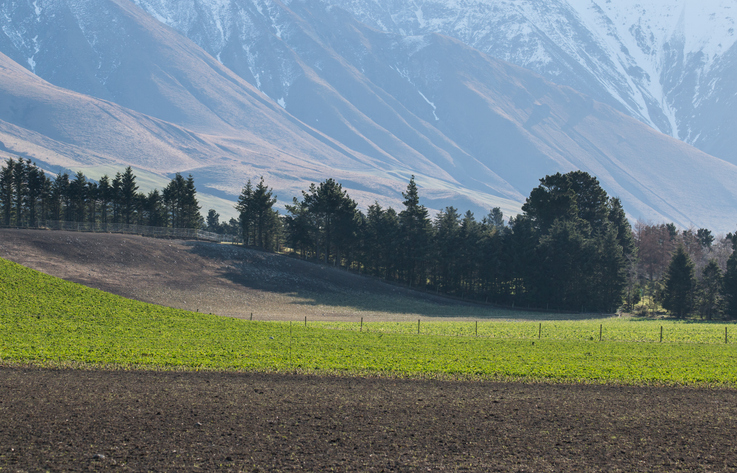
Learn how Snowdon Station's tree plantings have boosted farming efficiency and created a better environment for livestock.
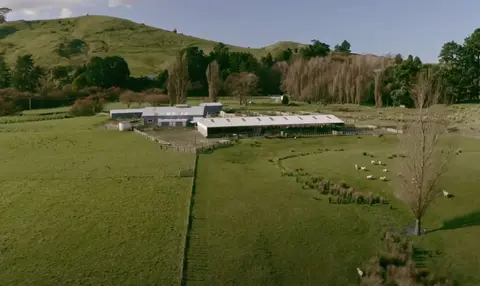
Explore how a Wairarapa sheep and beef farm cuts nitrogen while restoring wetlands and natives.
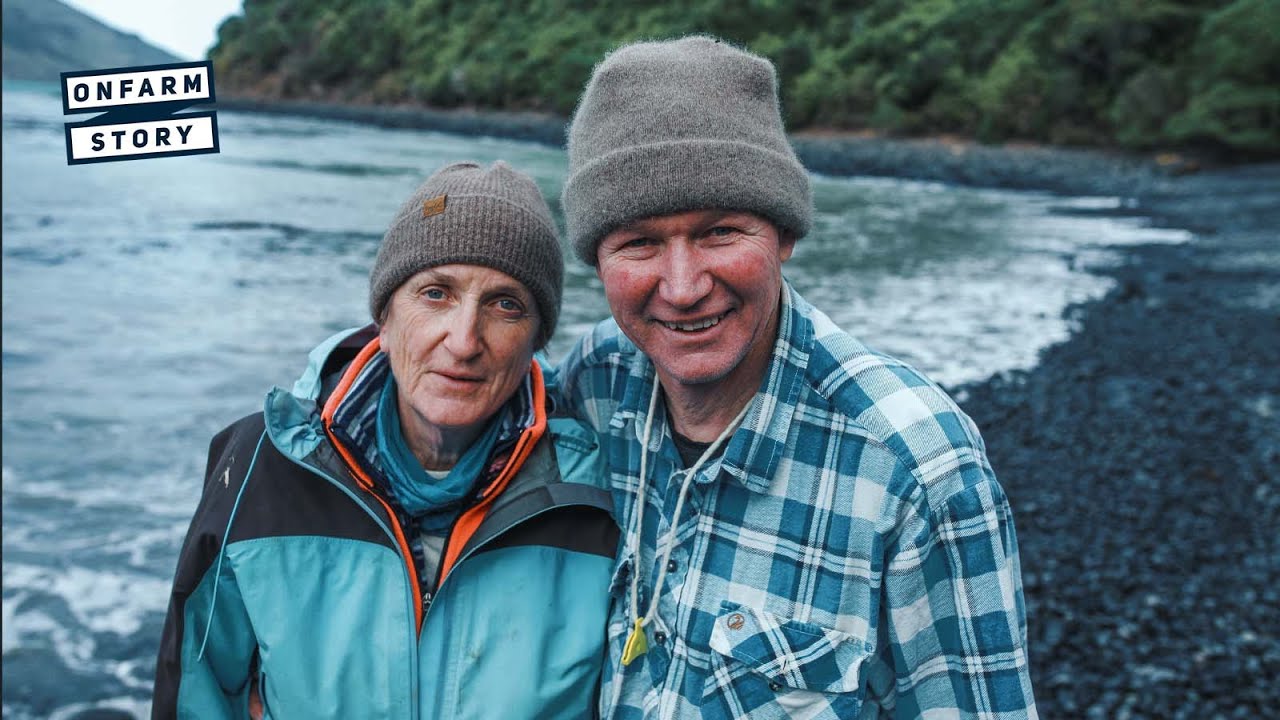
Roger and Nikki Beattie farm sheep and kelp sustainably in Banks Peninsula, Canterbury.
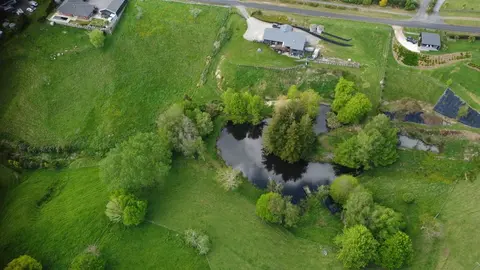
Compare ways to manage effluent ponds and spreading that protect waterways and cut methane.
Explore how Owl Farm has lowered nitrogen fertiliser use and modelled nitrogen loss.

Compare the five climate zones of Waitaha Canterbury, from the plains to the main divide.
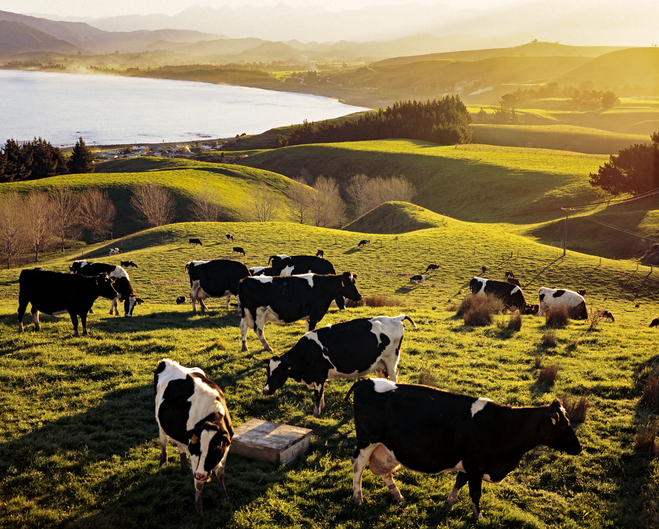
See which sheep and beef mitigation measures cut nutrient loss and emissions.
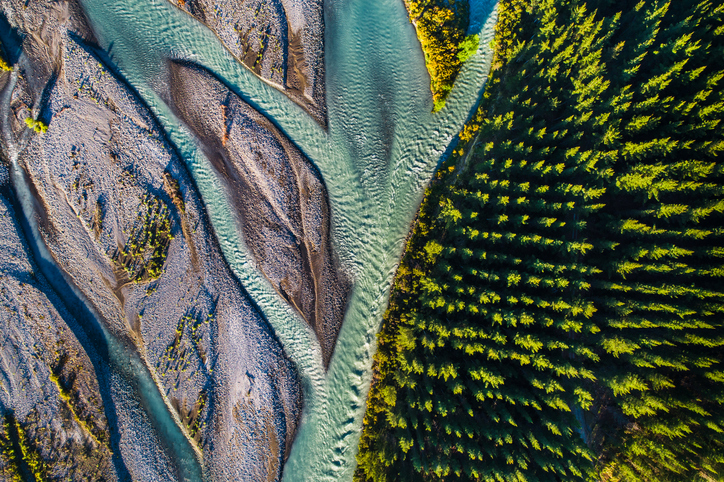
Learn how trees improve farming in East Otago and support timber production.
This case study explores what it means to farm in alignment with Māori values and how it can improve the environment.