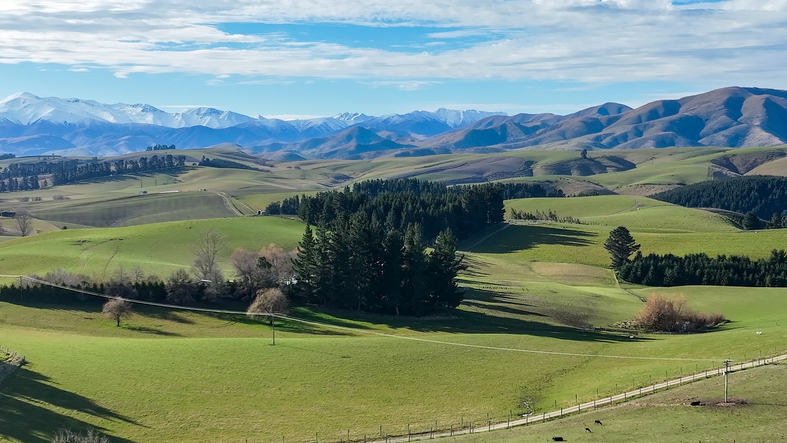
Diversifying farm income with farm forestry
Enterprise
Forestry
Productivity
Resilience
Sheep and beef
Explore how trees boost income and provide shelter on a Central Canterbury drystock farm.
Snowdon Station is a 2000-hectare high country farm located in Central Canterbury.
In the 1970s, the station began planting trees to provide shelter for livestock, receiving support from the catchment board. They planted four-row belts, with Douglas fir on the windward side and radiata pine on the leeward side.
These trees not only improved grazing conditions for sheep but also boosted the farm's overall productivity. Over the years, the trees have created a better microclimate, making it possible to plant different species and enhance farm succession.
Explore how trees boost income and provide shelter on a Central Canterbury drystock farm.

Learn how trees improve farming in East Otago and support timber production.
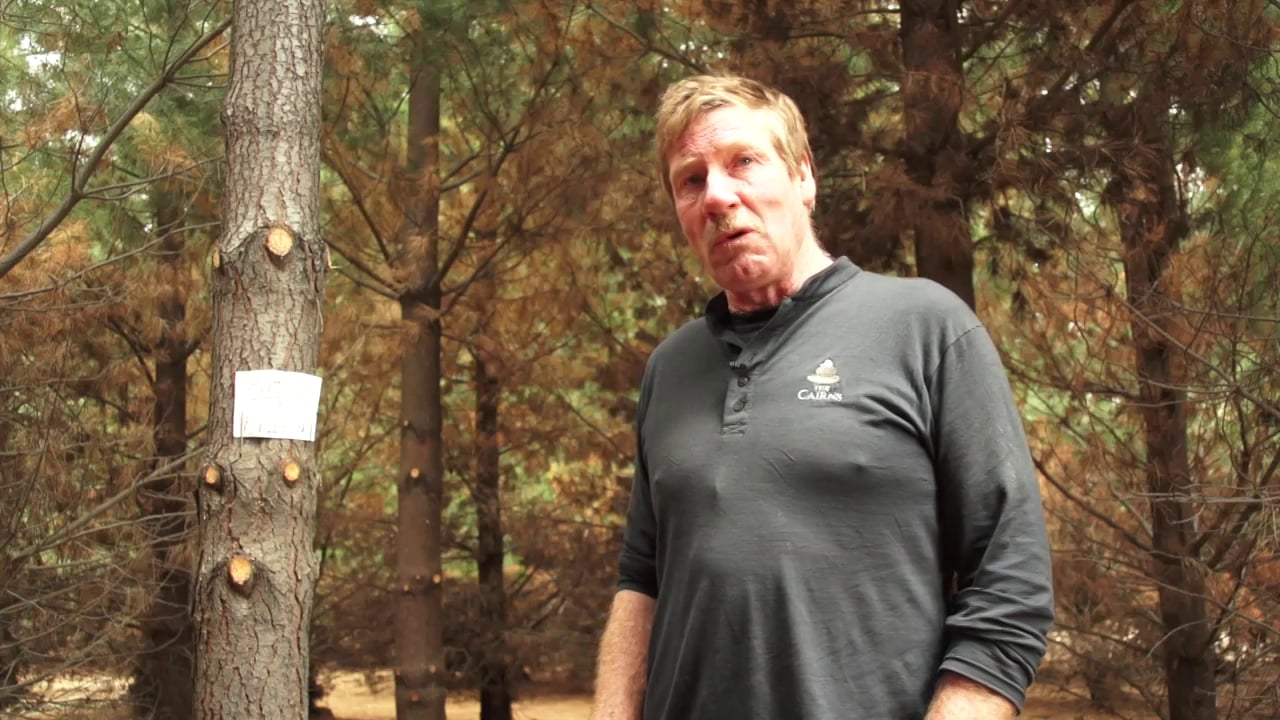
Balmoral Station explores tree growth for income and soil conservation in a tough climate.
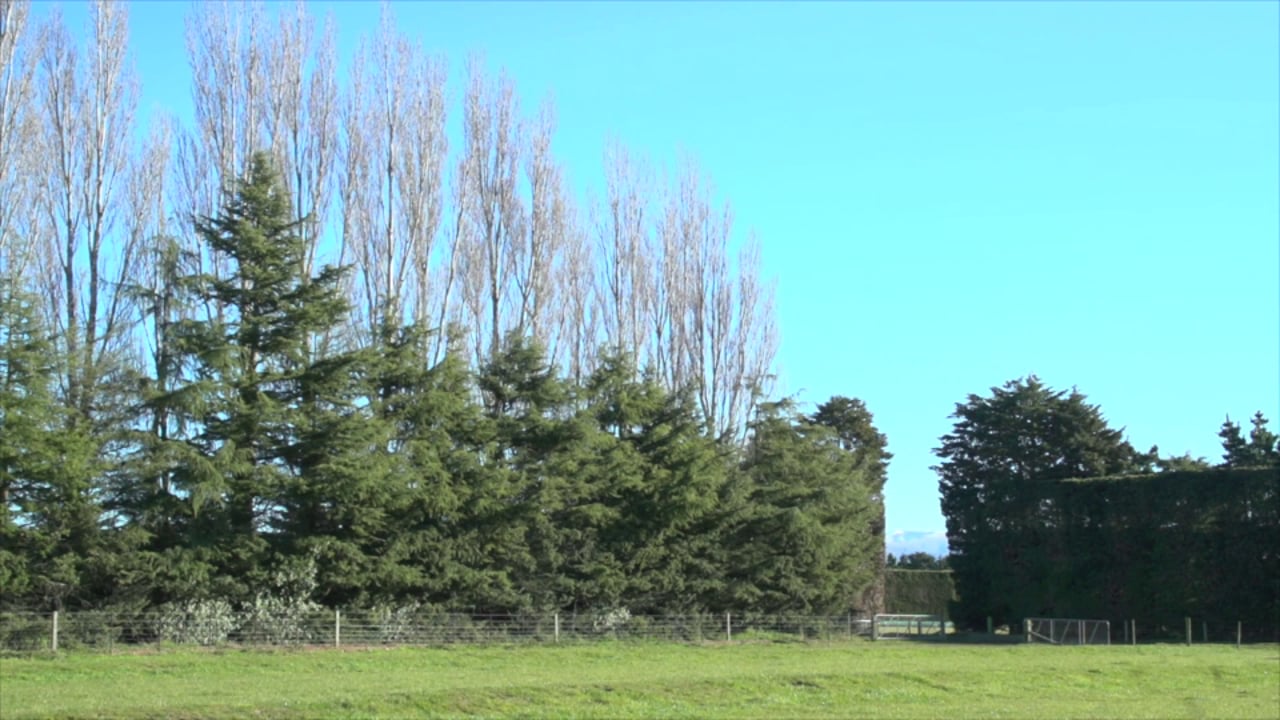
Learn about how shelter plantings are improving animal welfare on a Canterbury farm.
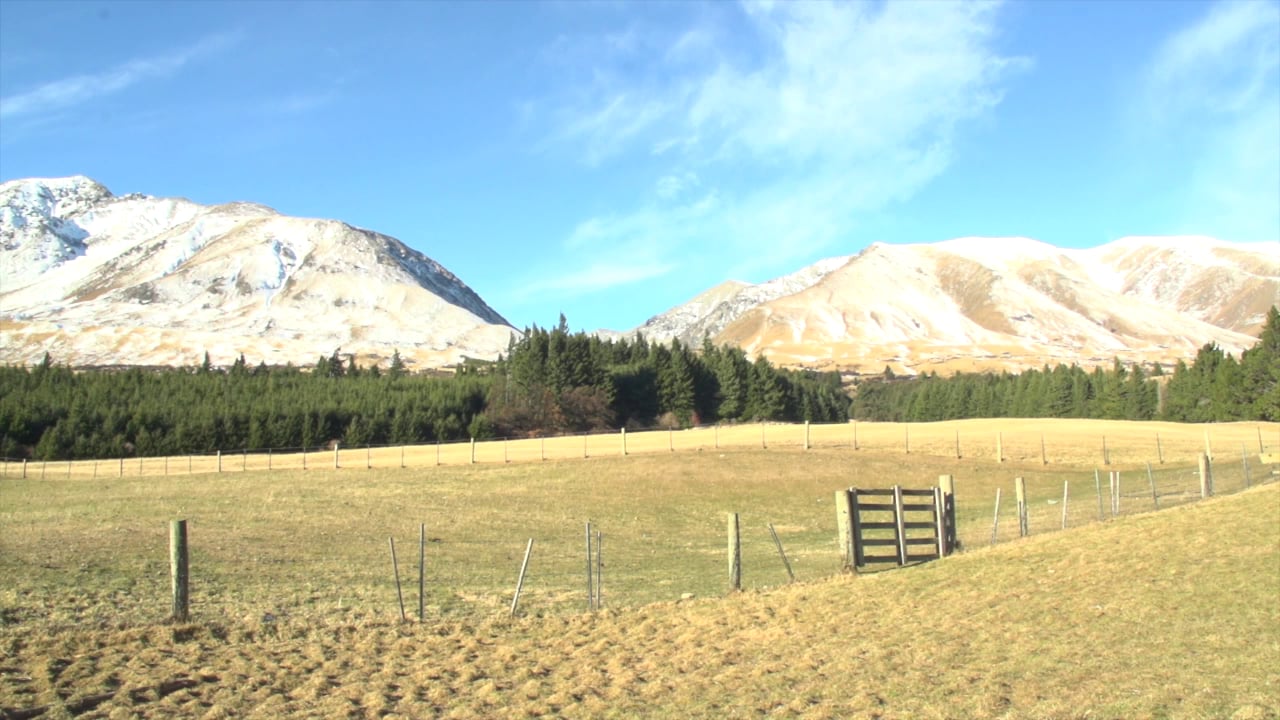
Discover how trees enhance a South Canterbury farm's income and environment.
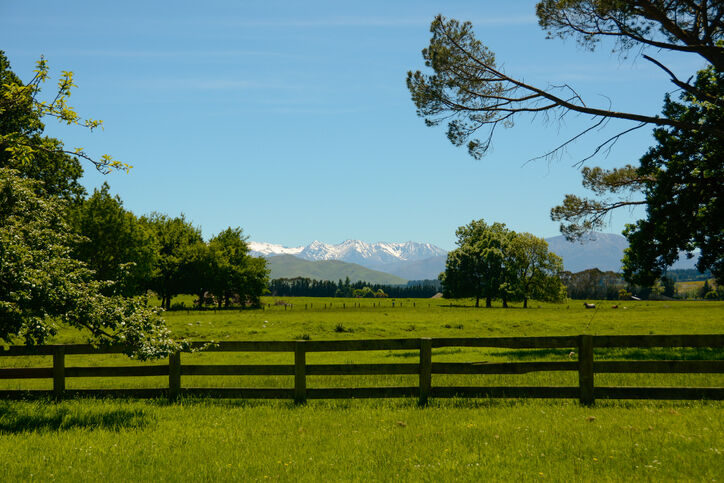
Avenel Station farms sheep, beef, and venison with shelterbelts for livestock and forestry.
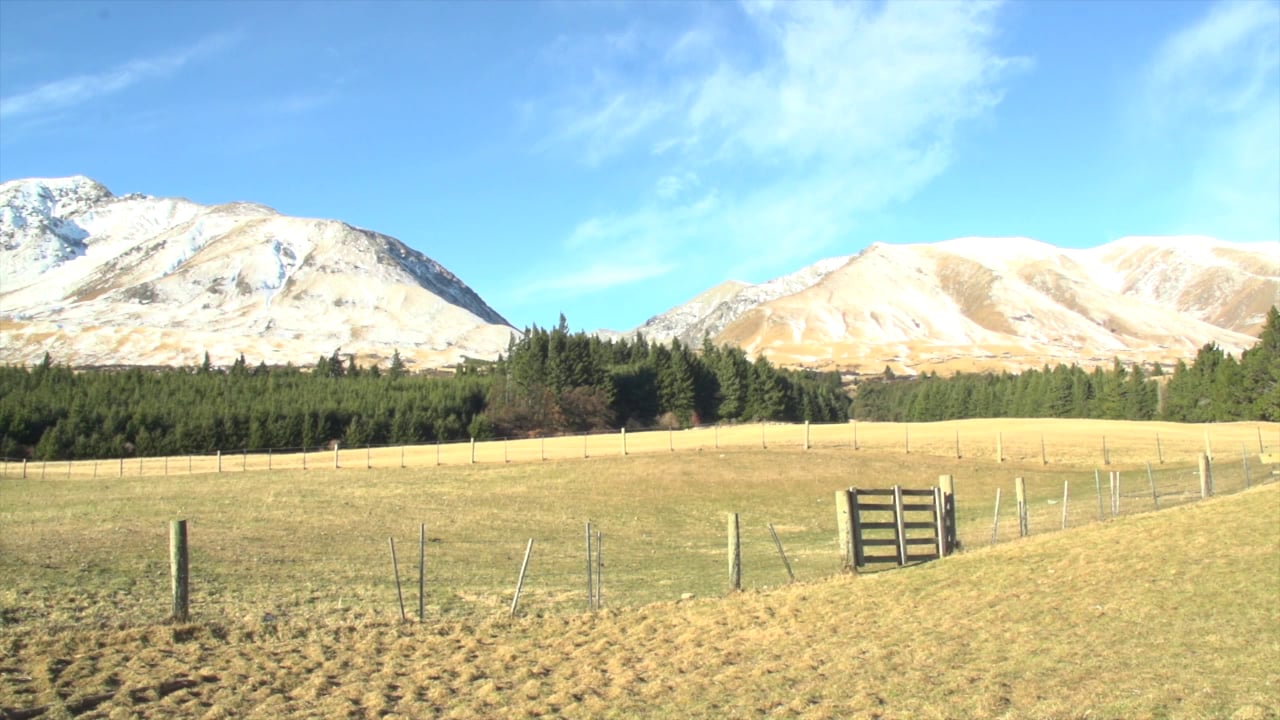
Ken Wigley shares how planting trees for shelter has improved life on Glen Lyon Station.
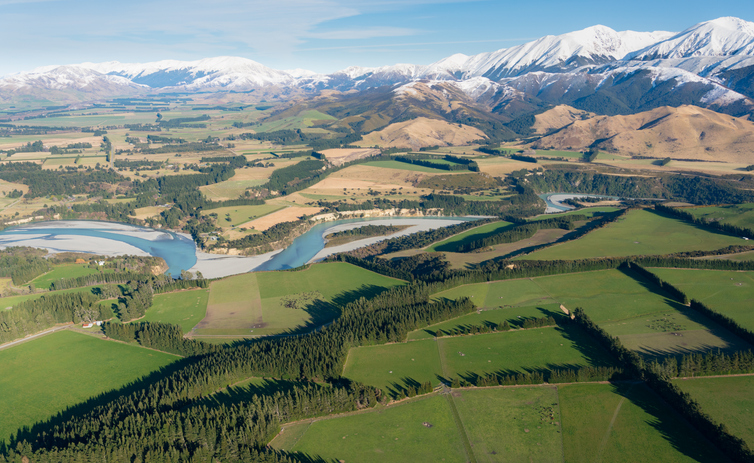
Explore diverse forest uses for production, conservation, and better surroundings on this farm.
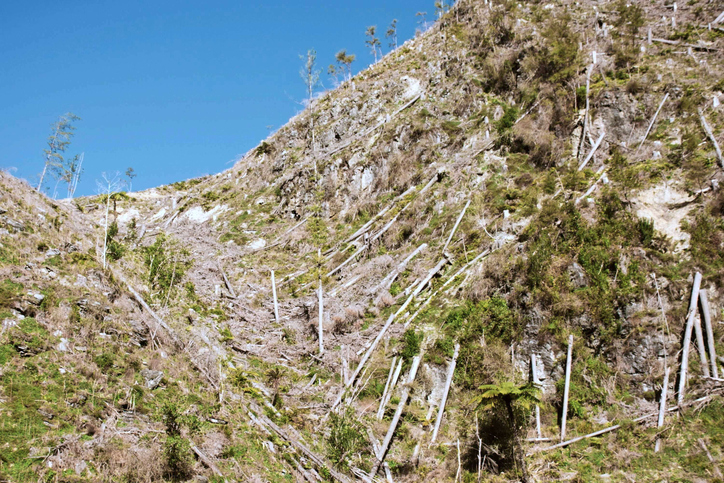
Learn how the Rutherfords use forestry for sustainable farming in North Canterbury.
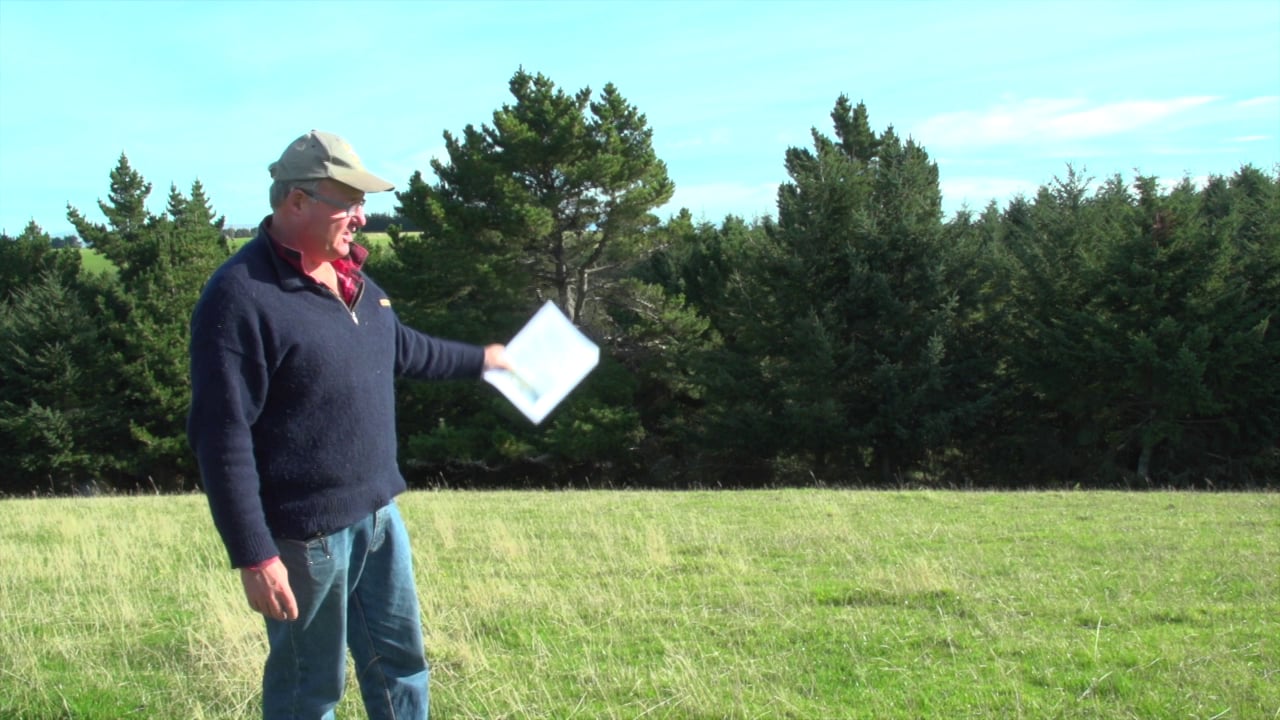
Explore a farm that uses diverse trees for shelter, wildlife, and better outcomes for livestock.
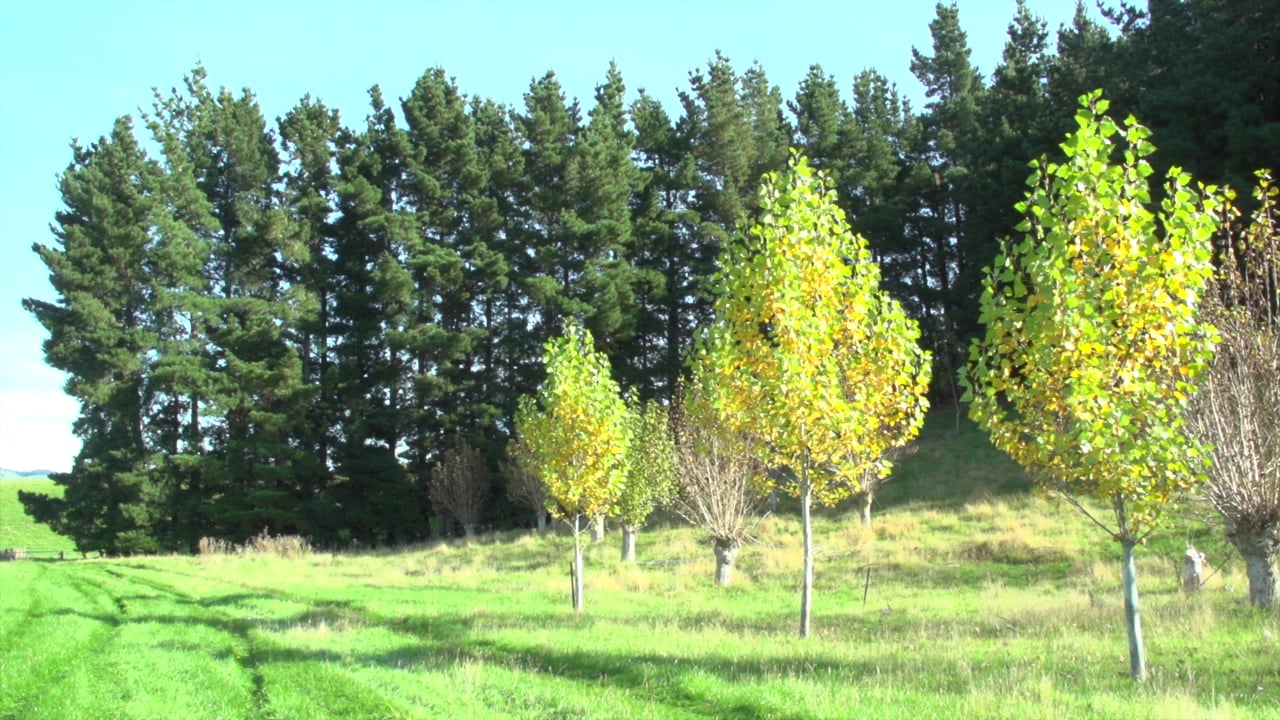
Learn how trees boost lamb survival, pasture growth, and financial sustainability at Mount Blue Farm.
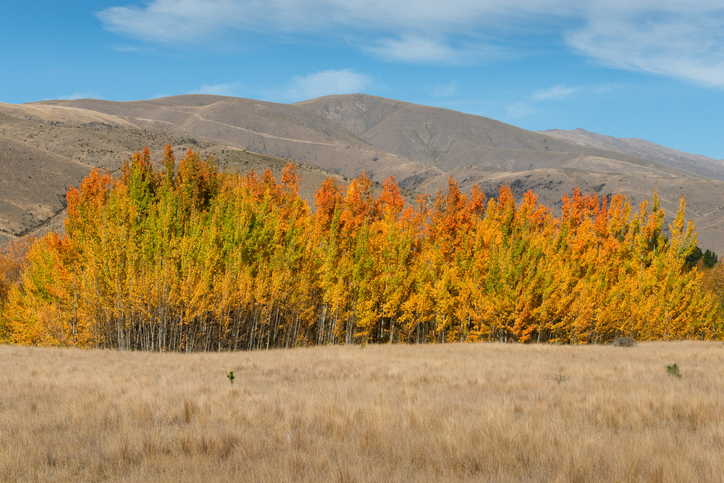
Learn how planting trees can boost farm income and provide shelter in low rainfall zones.
The McNaughton's share their manaaki whenua, manaaki tangata farming philosophy.
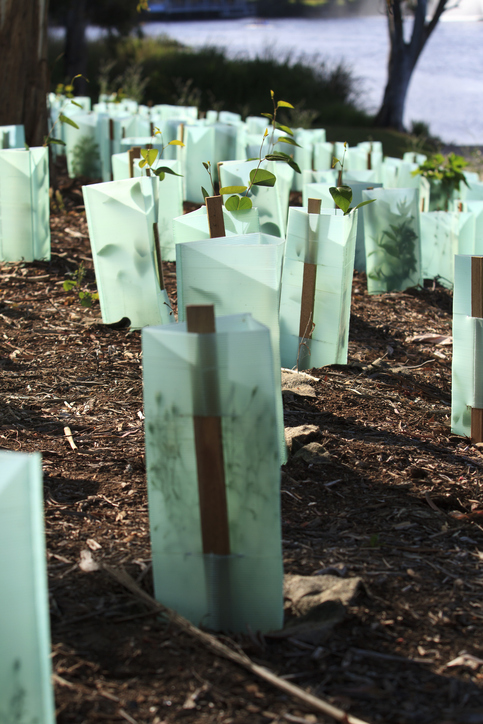
Learn how planting trees on farms can increase your farm's profit and support the environment.
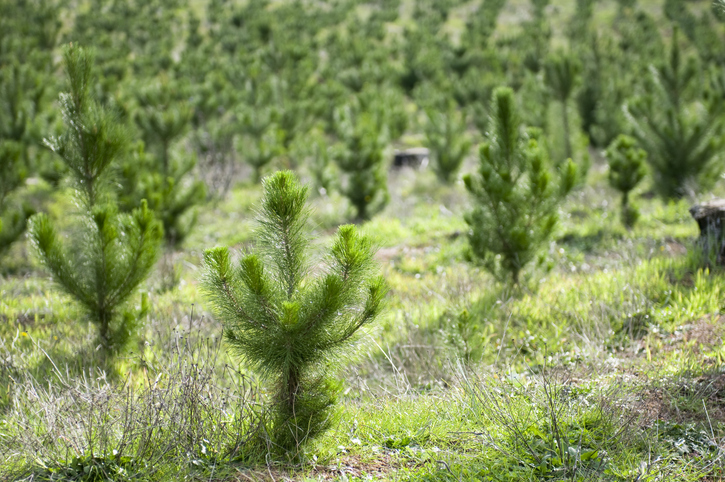
Neil Cullen shares tips on planning successful farm forestry mixed with sheep and beef in Balclutha.
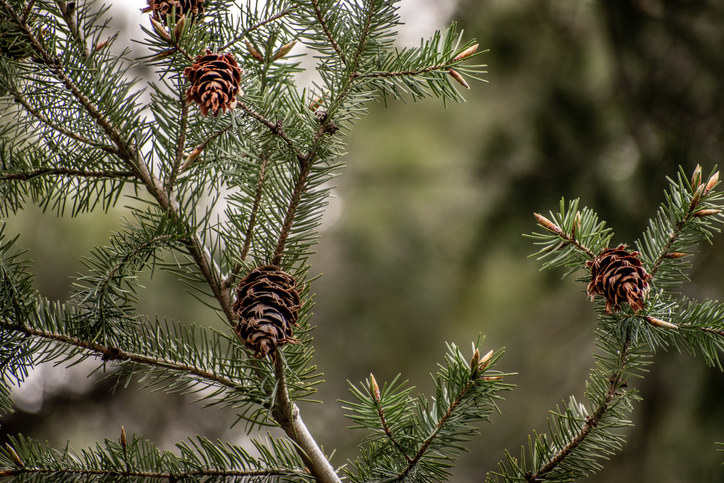
Check how suited your whenua is for planting Douglas fir as a forestry crop.
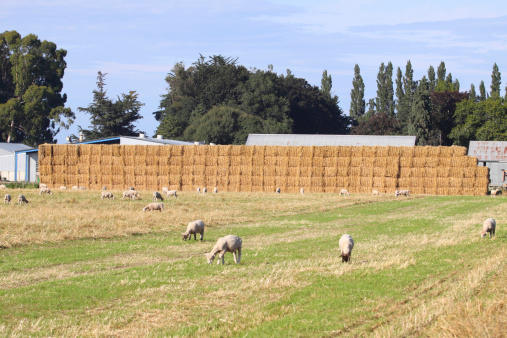
Learn how NZ's sheep and beef farms are improving efficiency while reducing greenhouse gas emissions.
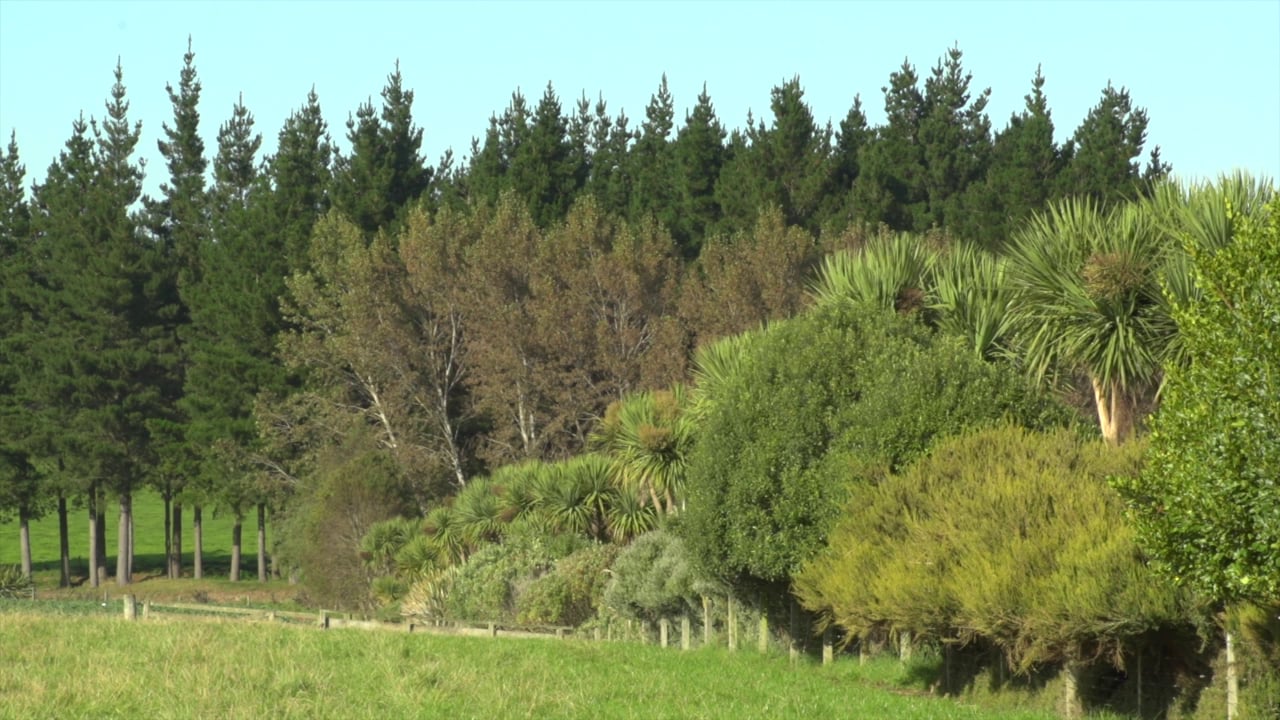
Explore how shelter plantings boost sheep farming and provide home-grown timber.
Bill Wise grows trees for shelter and timber on his farm in South Otago.
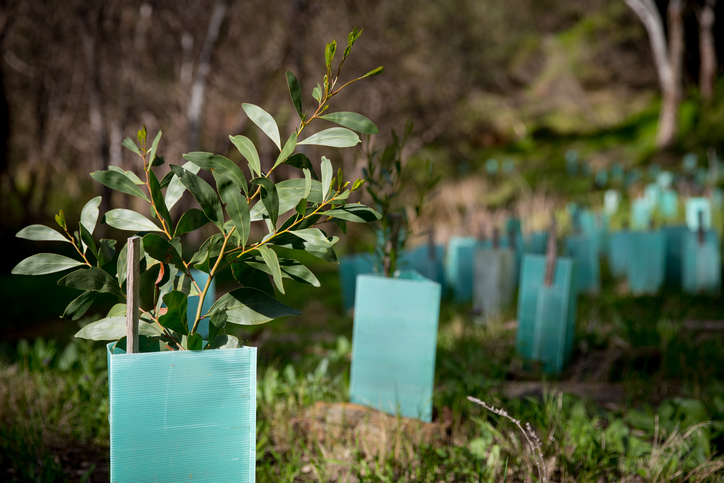
Learn how Hokanui Farm uses trees for stock management and shelter on their sheep farm.
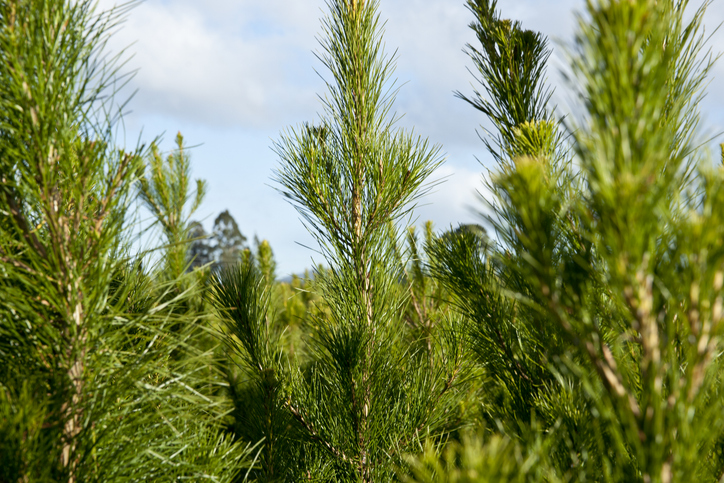
Find out how well radiata pine could grow and yield timber on your whenua.
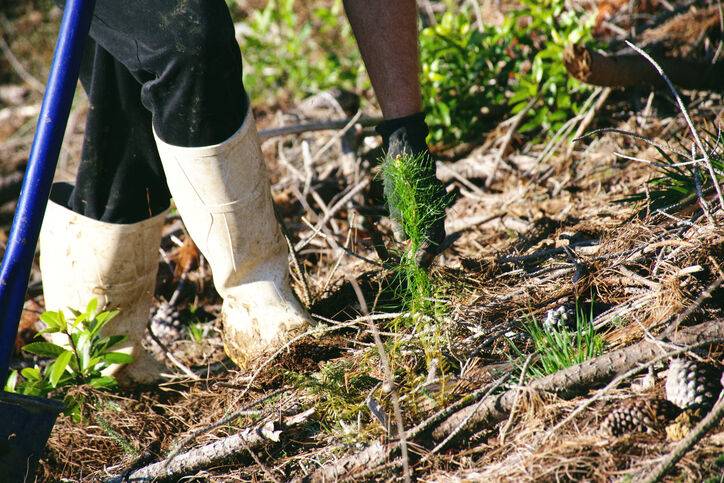
A case study about sustainable planting in Waimate, focusing on investment and wildlife habitats.

Balancing livestock production and environmental stewardship on Pamu's largest farm