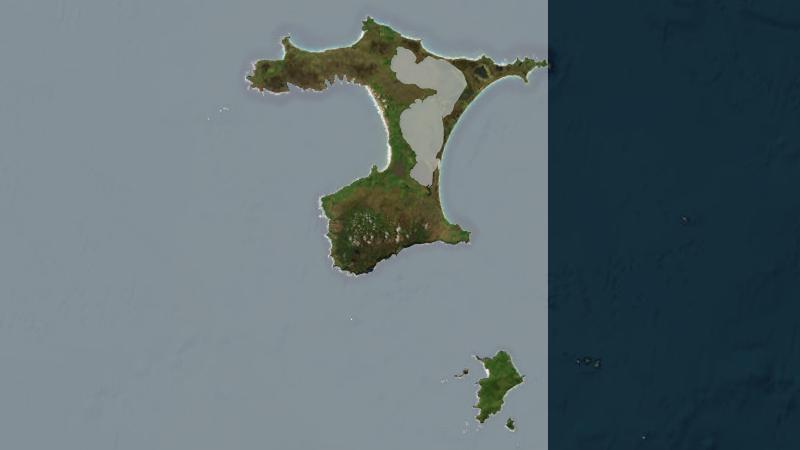
Climate summary report - Chatham Islands Territory
Climate
Adaptation
Flooding
Planning
Resilience
Risk
Understand climate event and variability trends for Chatham Islands Territory.
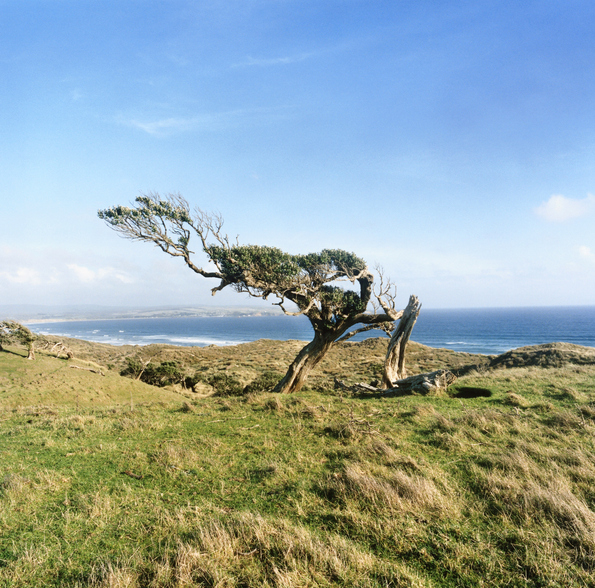
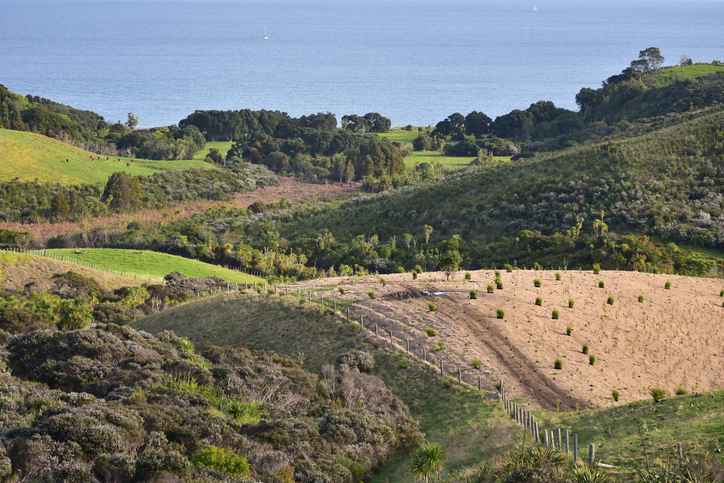
This article explores the forestry potential of the Chatham Islands, where unique native forests once thrived but have been cleared and invaded by pests and gorse. It outlines how exotic plantation species – especially radiata pine – can grow well on the Islands’ sandy soils, reviews current 40 ha and 380 ha plantings, and discusses on-island logistics at Port Waitangi.
Faced with rising livestock shipping costs, gorse incursions and sand drifting onto farmland, sheep and beef farmers will find practical insights on how new forestry developments could improve returns, create local jobs and help stabilise their land.
Understand climate event and variability trends for Chatham Islands Territory.
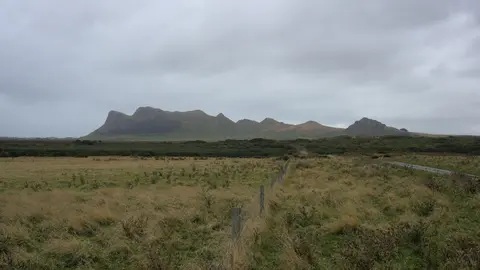
Explore the windy, cloudy and fast-changing climate of Rēkohu Chatham Islands.
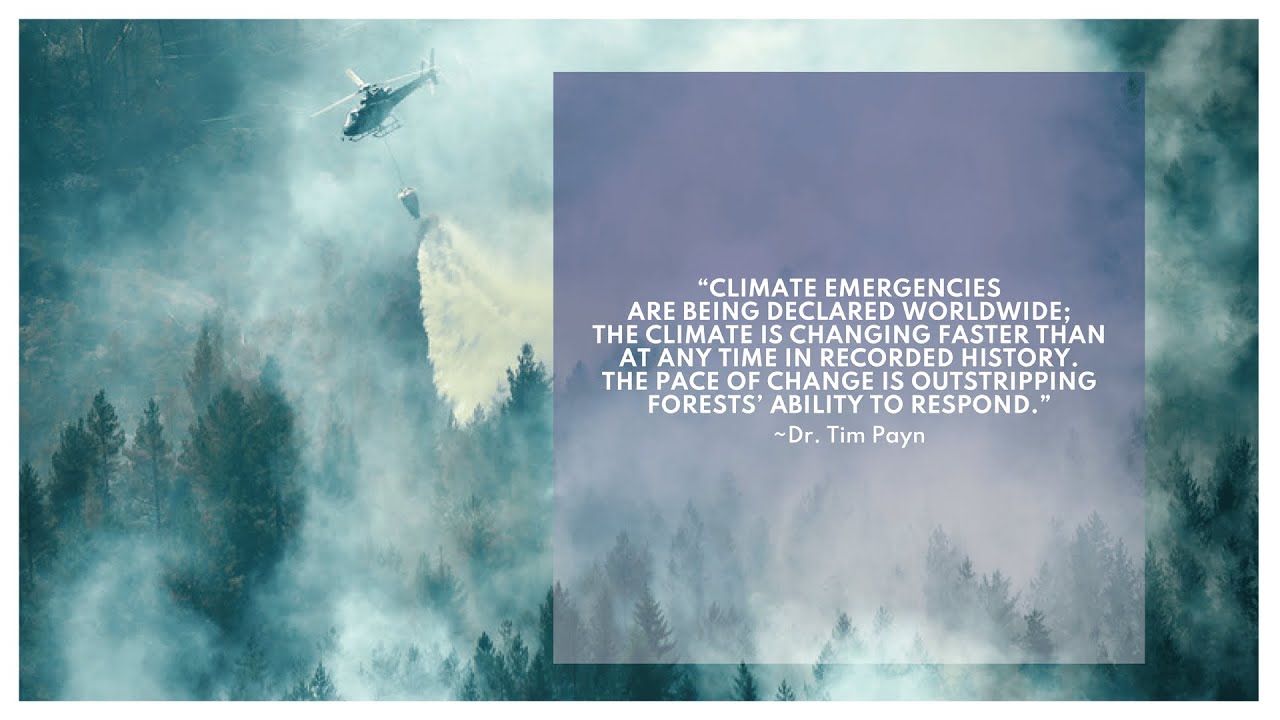
Hear about the effects of climate change on Aotearoa forests and learn strategies for resilience.
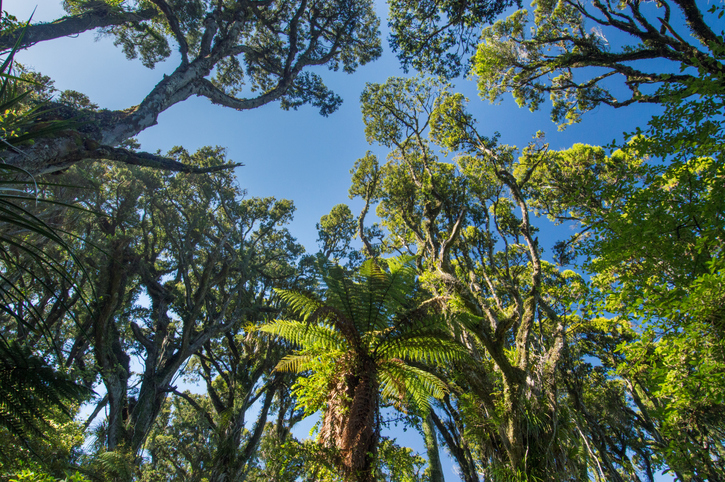
Explore New Zealand's forests, their history, importance, and management efforts.
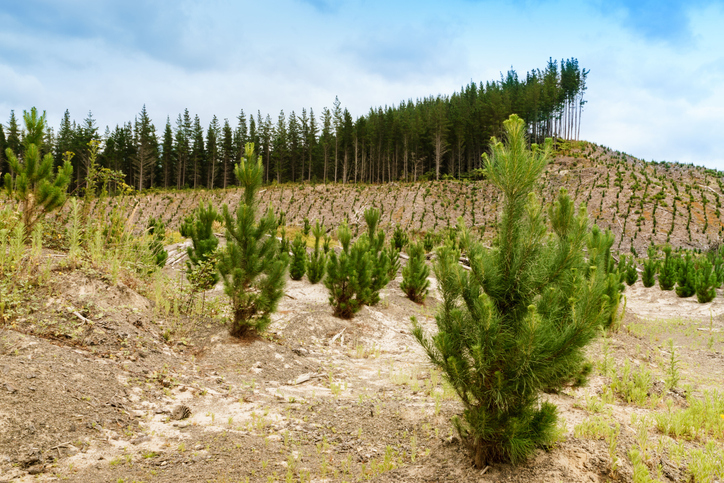
This resource challenges myths about planted forests, especially radiata pine, in New Zealand.
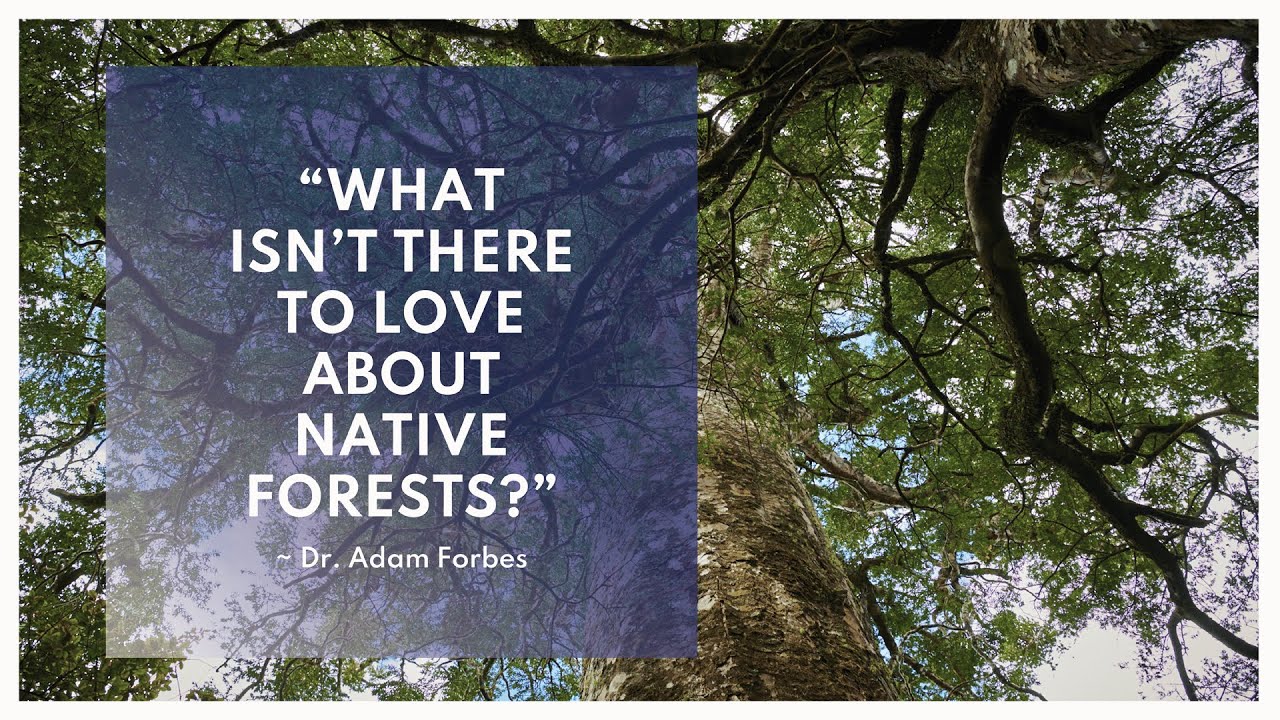
Dr. Adam Forbes discusses transitional forestry's role in shifting exotic forests to native ecosystems.
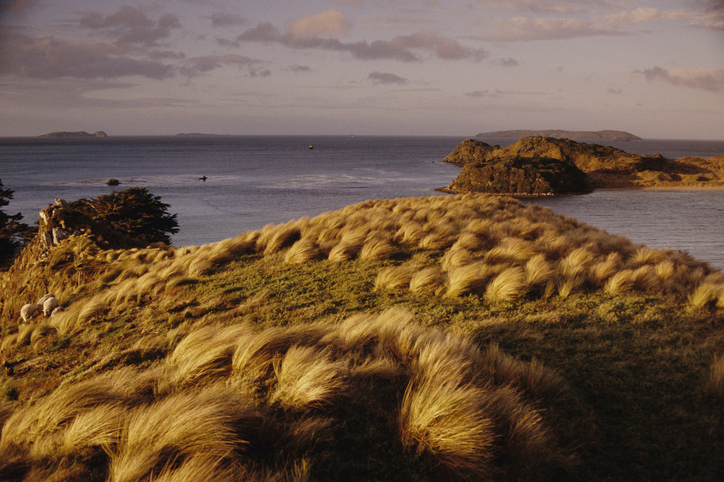
A Moriori-led journey to revive land and culture on the Chatham Islands.

Learn about the Chatham Islands Landscape Restoration Trust's plan to restore Rēkohu/Wharekauri and Rangihauta/Pitt.
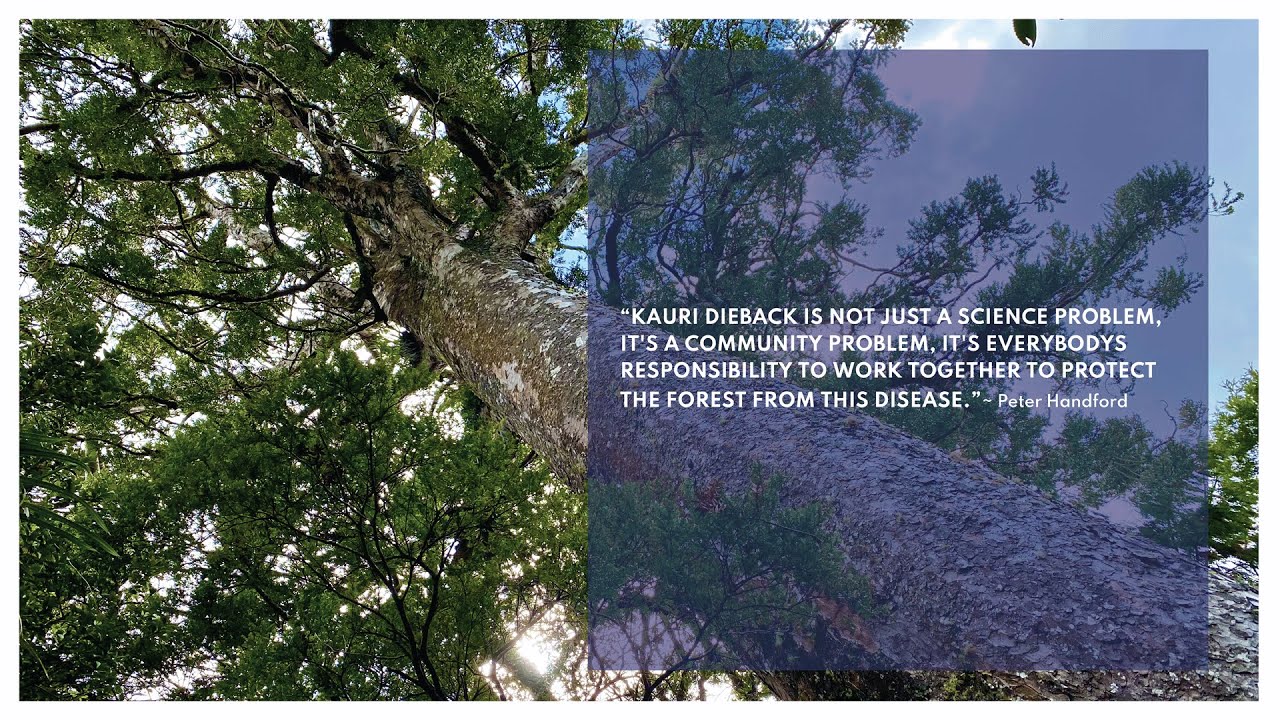
Learn about restoring native forests for sustainable farming and land use.
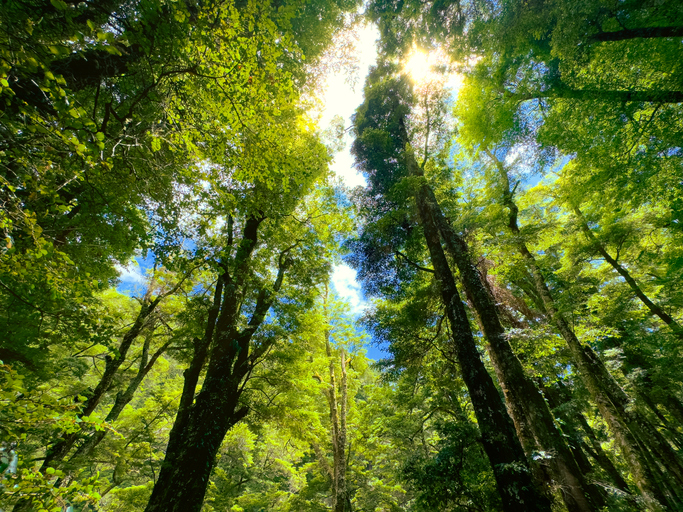
Learn how well-managed native forests can absorb significant amounts of carbon.
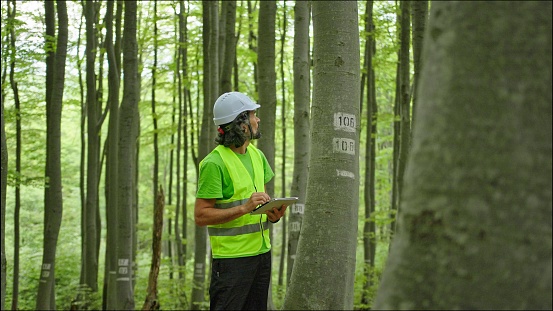
Discover how climate change could affect plantation forestry in Aotearoa.
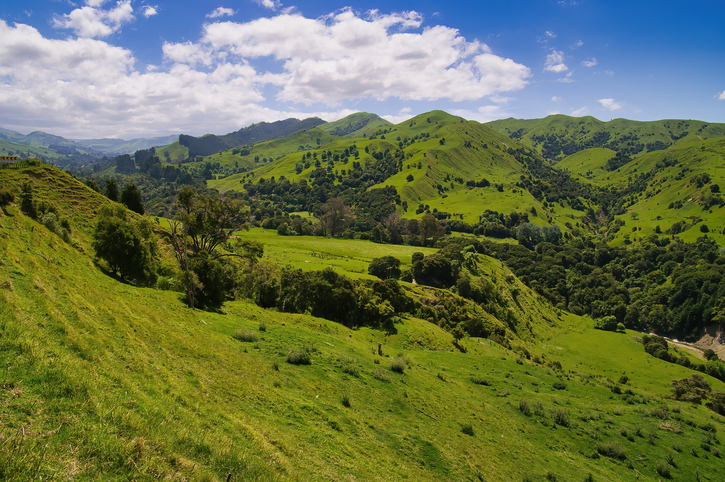
Learn about sustainable Māori forestry and agriculture for climate resilience on the East Coast.
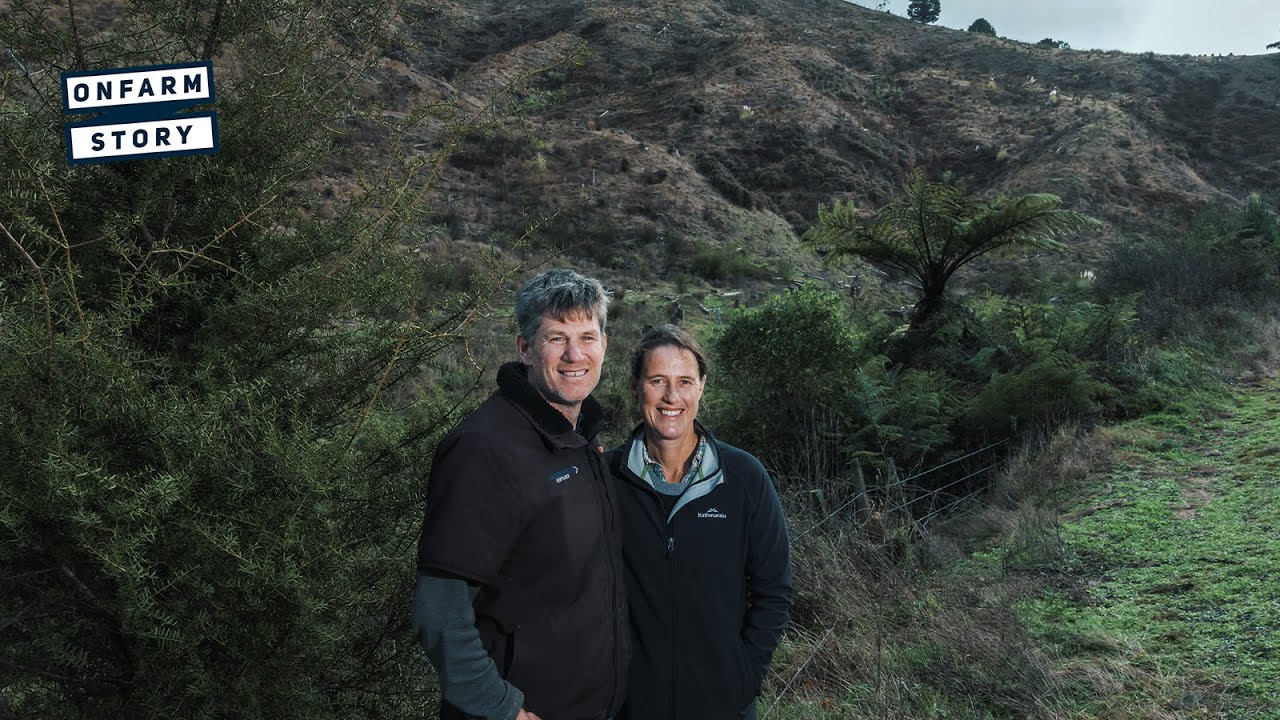
Farmers Fiona and Jon Sherlock are adapting to climate change by converting marginal land into forestry.
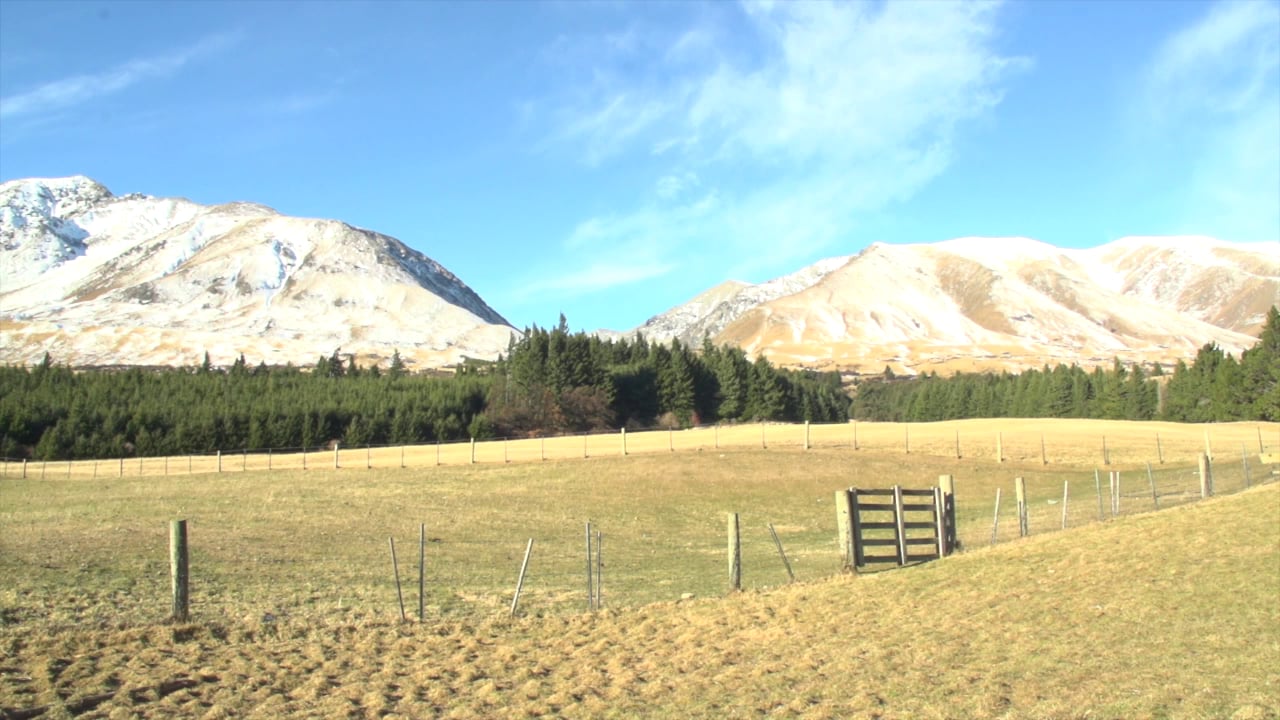
Discover how trees enhance a South Canterbury farm's income and environment.
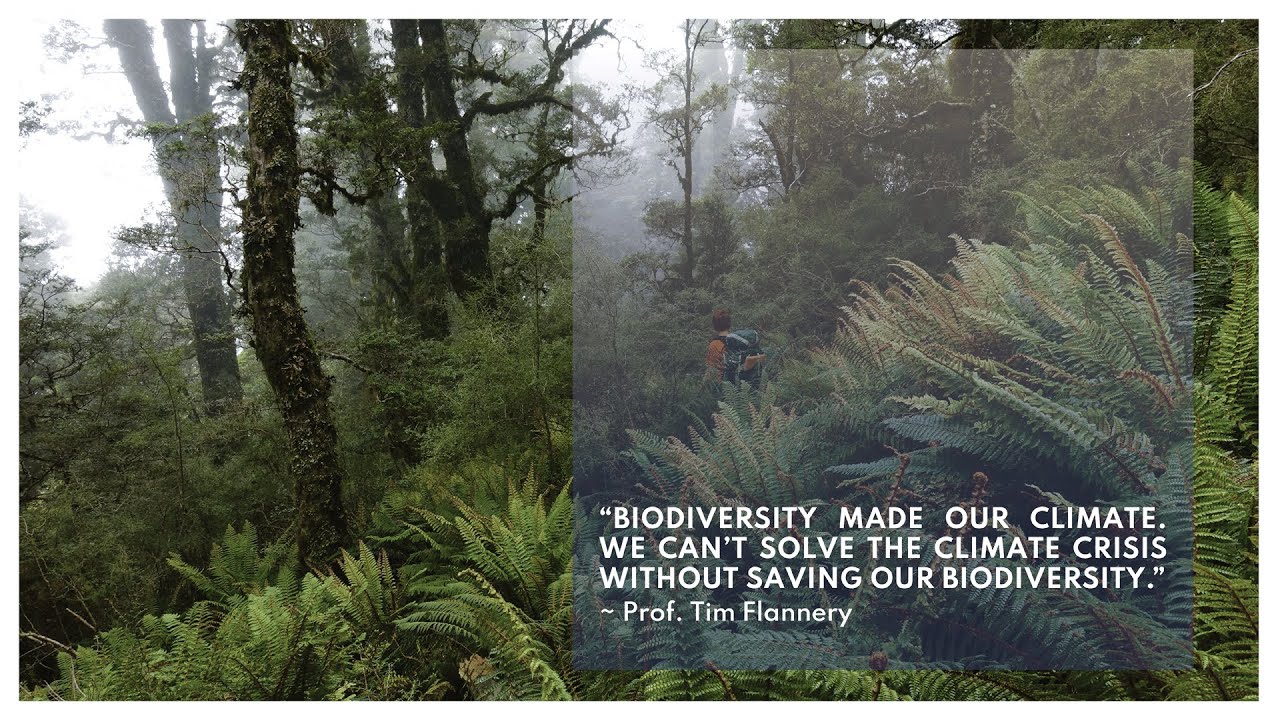
Professor Tim Flannery discusses native forests, carbon capture, and climate solutions in NZ.

Te Kapunga Dewes discusses Māori views on forestry, native trees, and carbon finance.

See how seed islands of native trees fared on hill country near Gisborne.
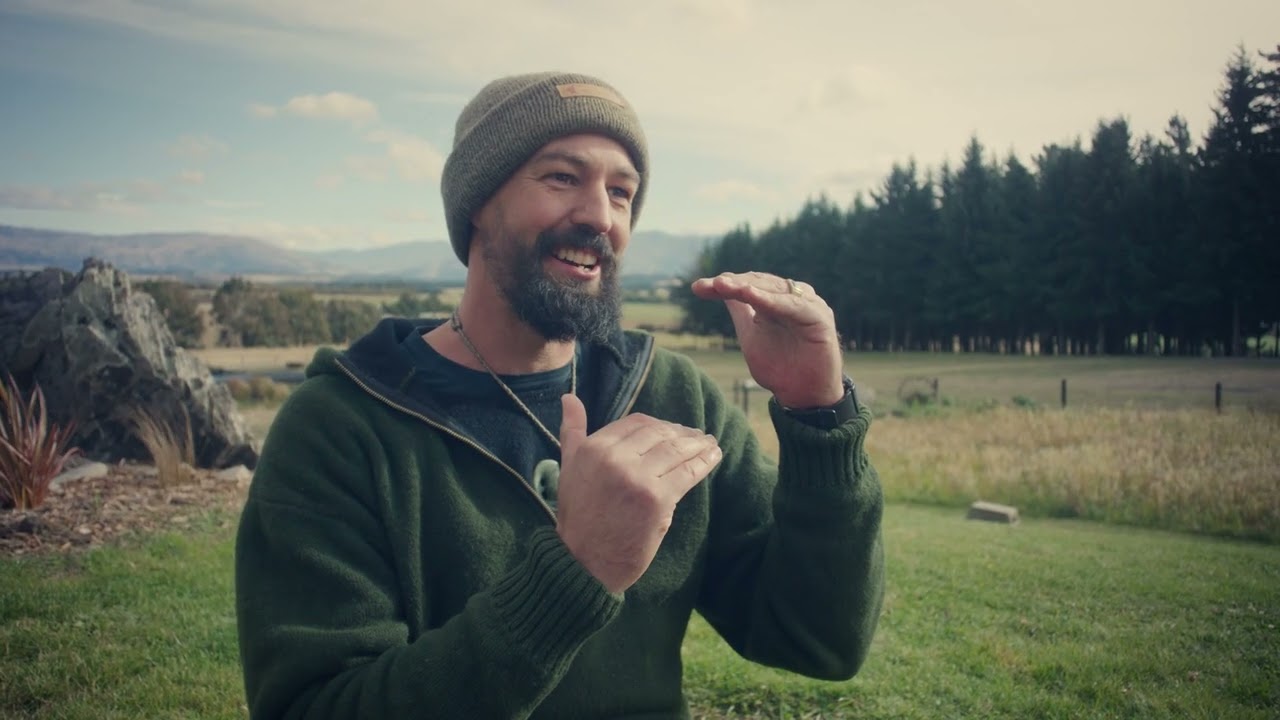
Sam "The Trap Man" Gibson explains that diverse native forests help stabilise the land and improve resilience against extreme weather events.
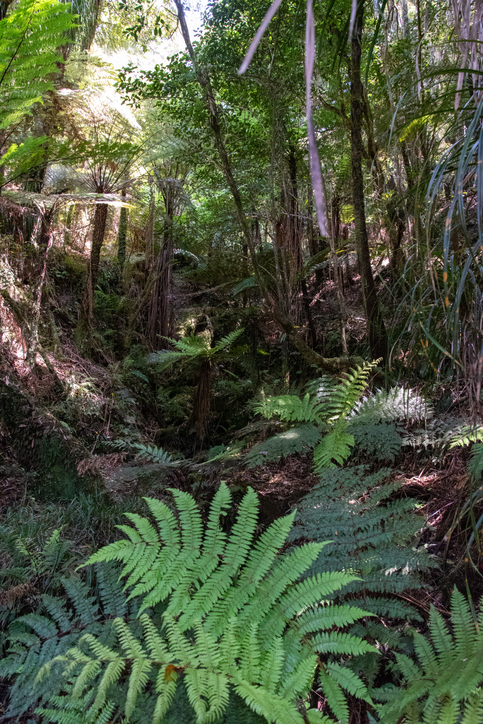
Practical tips and case studies about converting exotic plantation forest into native.
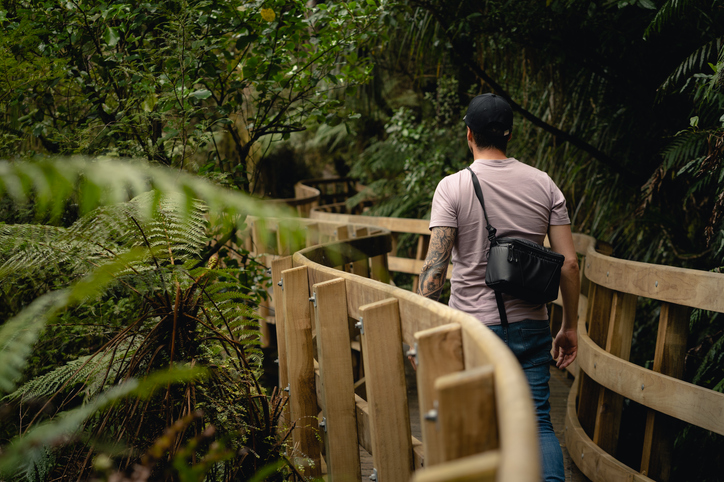
This paper explores challenges and opportunities for Māori landowners in native forestry.
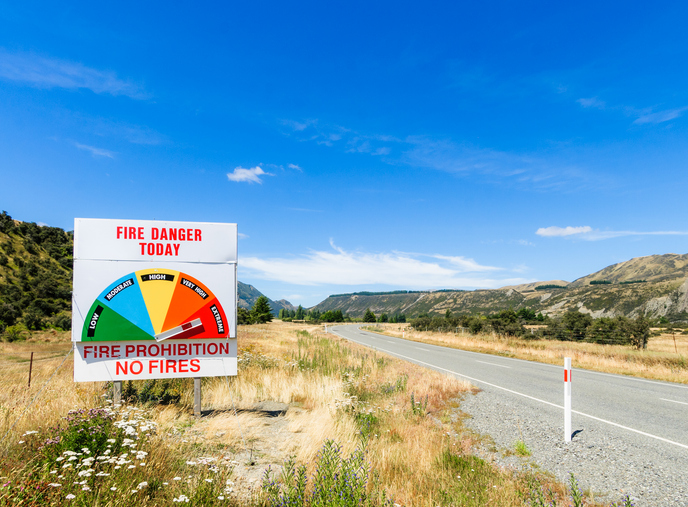
Learn about fire risks during droughts and how forestry insurance works in Aotearoa.
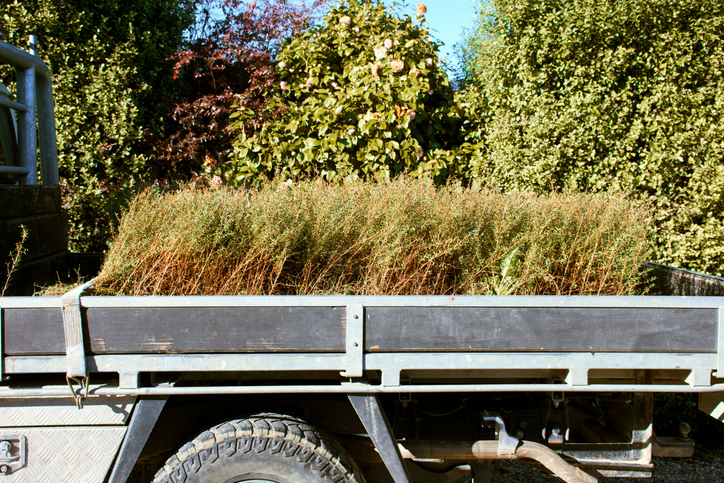
Learn about growing mānuka for honey and its benefits for small-scale foresters.
Find out how to convert marginal or depleted agricultural land into native forests for carbon farming.