
Helping Māori Businesses Move up the Value Chain: Richard Jones and Poutama Trust
Enterprise
Collaboration
Market access
Whenua Māori
This resource explores how Māori businesses can align with cultural values to thrive in markets.
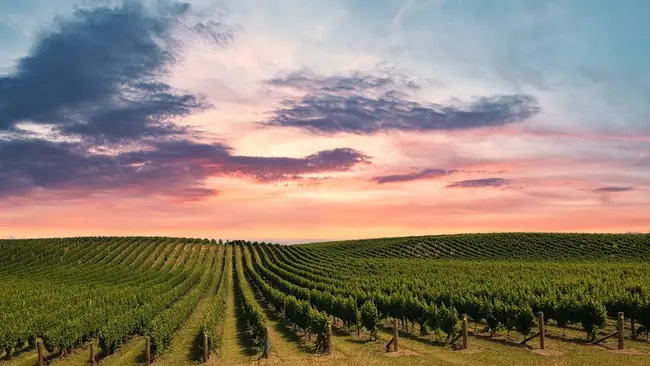
Tuku is a collective of majority Māori-owned wine companies that share ideas, market resources and a common set of values: kaitiakitanga, whakapapa, whanaungatanga and manaakitanga. It brings together labels from several winegrowing regions of Aotearoa.
The page explains how the collective took its name from tukutuku weaving, how its members care for their vineyard soils with compost, seaweed and winter lamb grazing, and why they see working together as a way to strengthen indigenous winemaking. It makes the case for buying from Māori producers connected to their whenua.
This resource explores how Māori businesses can align with cultural values to thrive in markets.
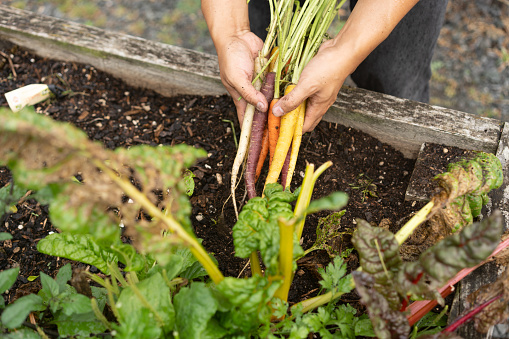
Kaitiakitanga, kiwifruit, and what a Māori food story actually means.
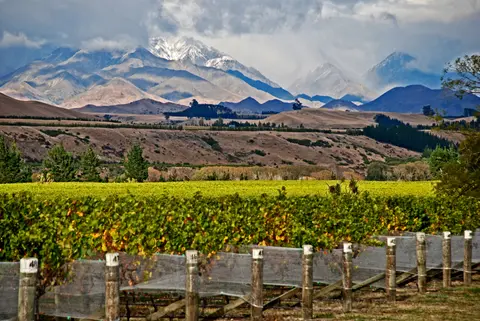
Explore how Tohu ties its single vineyard wines to kaitiakitanga and native planting in Te Tauihu.
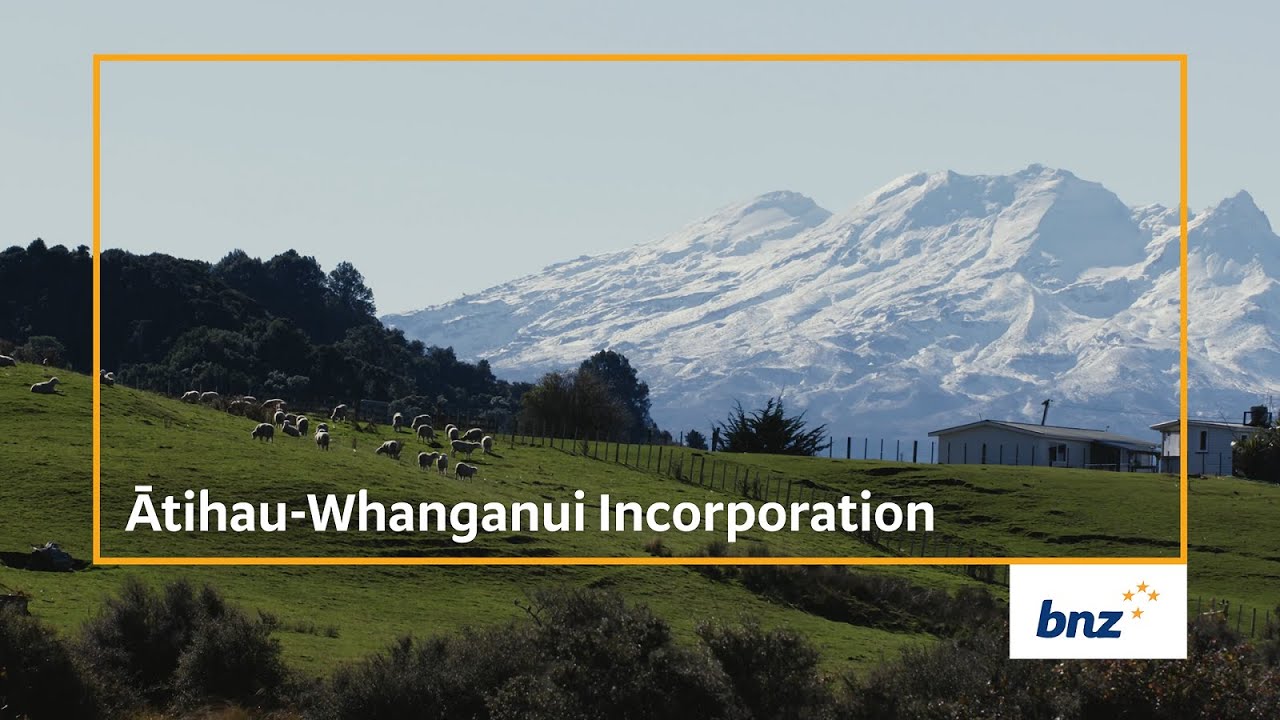
Explore how Ātihau applies Māori principles in successful agribusiness management.
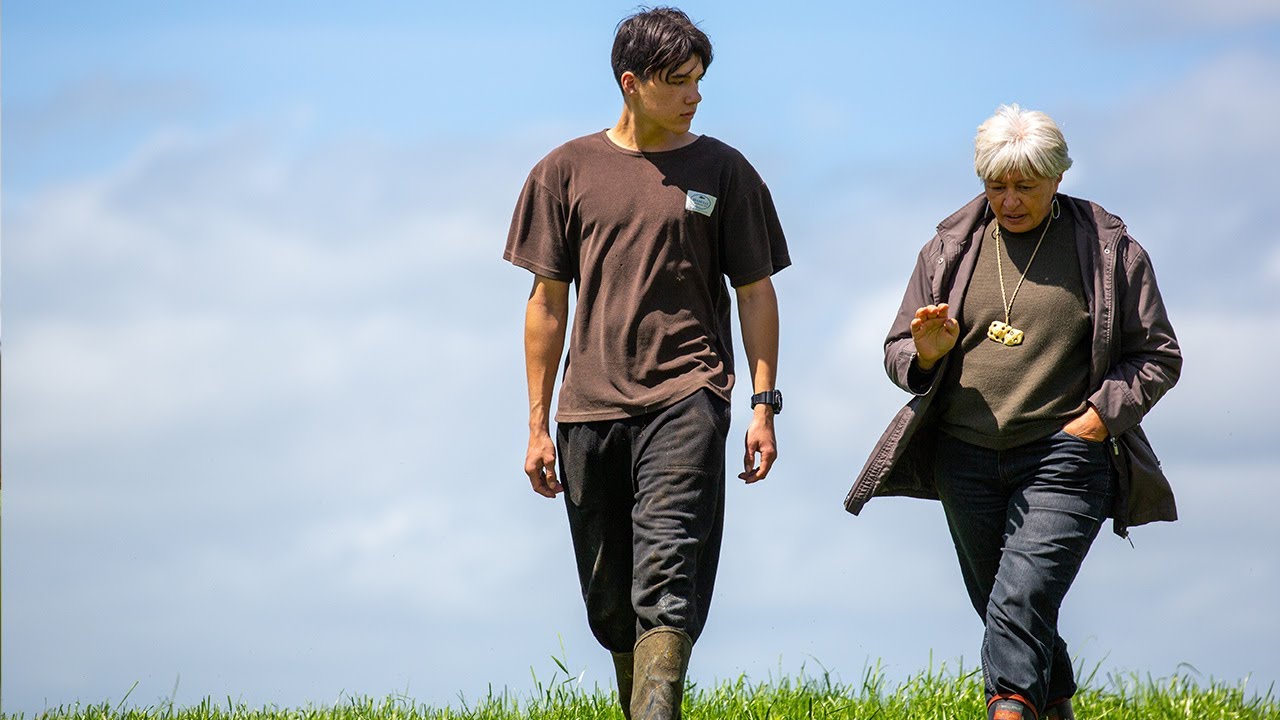
Learn how four Taranaki Ahu Whenua trusts united to form a successful dairy farming operation.

This report discusses enhancing Māori agribusiness using kaitiakitanga tools for sustainability.

Learn about Māori land history, ownership, and its significance for iwi and whānau.
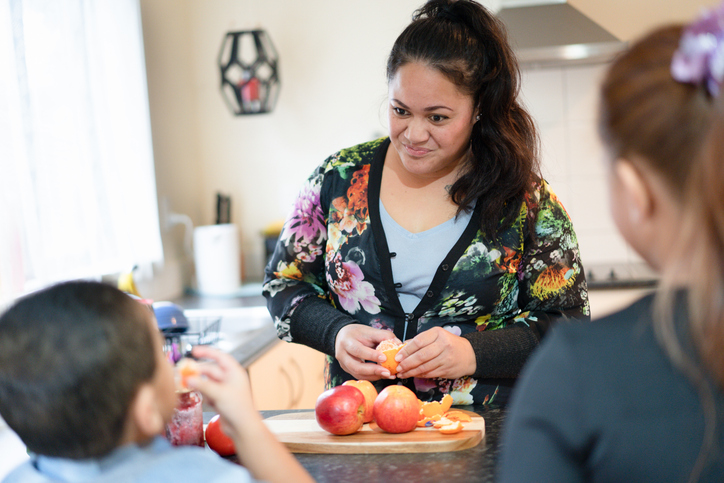
A webinar discussing the deep connections of kai, whakapapa, and whānau relationships.
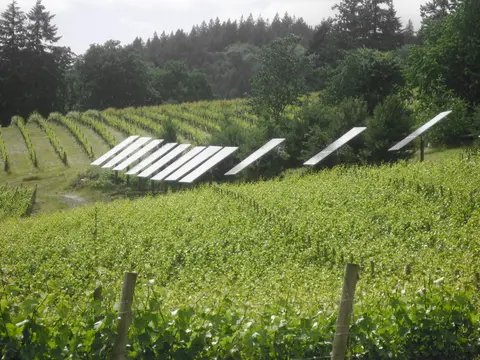
Find out how Wakatū Incorporation is cutting energy use and emissions at its Tohu winery.

Learn about Māori land, its history, and different types of collective ownership.

Learn about Māori land ownership, its history, and how it works today.
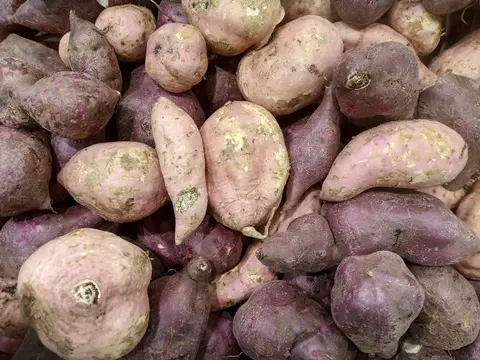
See how values, transparency and market opportunities shape Māori food products.

Six steps to improve the performance of your whenua Māori enterprise.
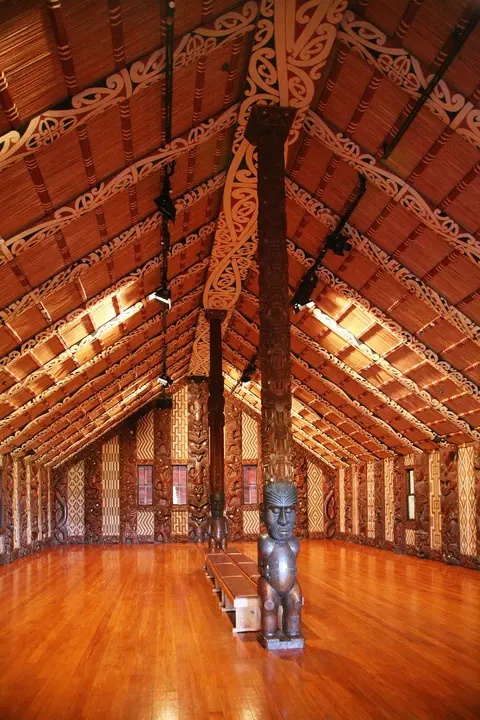
Tools, guidance, and insights for Māori trustees
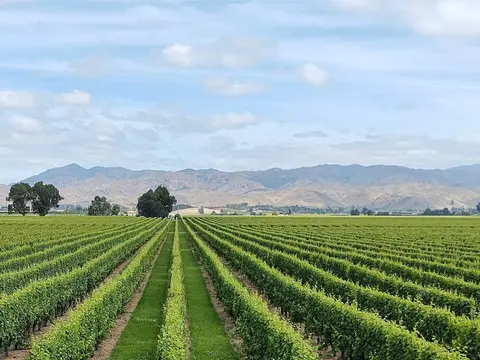
Find the climate, soils, sub-regions and main grape varieties for each New Zealand wine region.
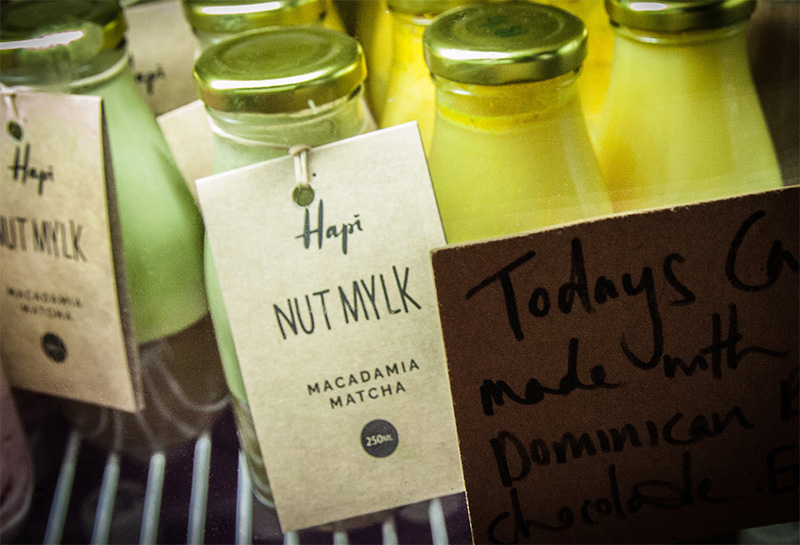
Hapī Clean Kai Co-op promotes healthy, ethical, organic food through Māori principles and community care.
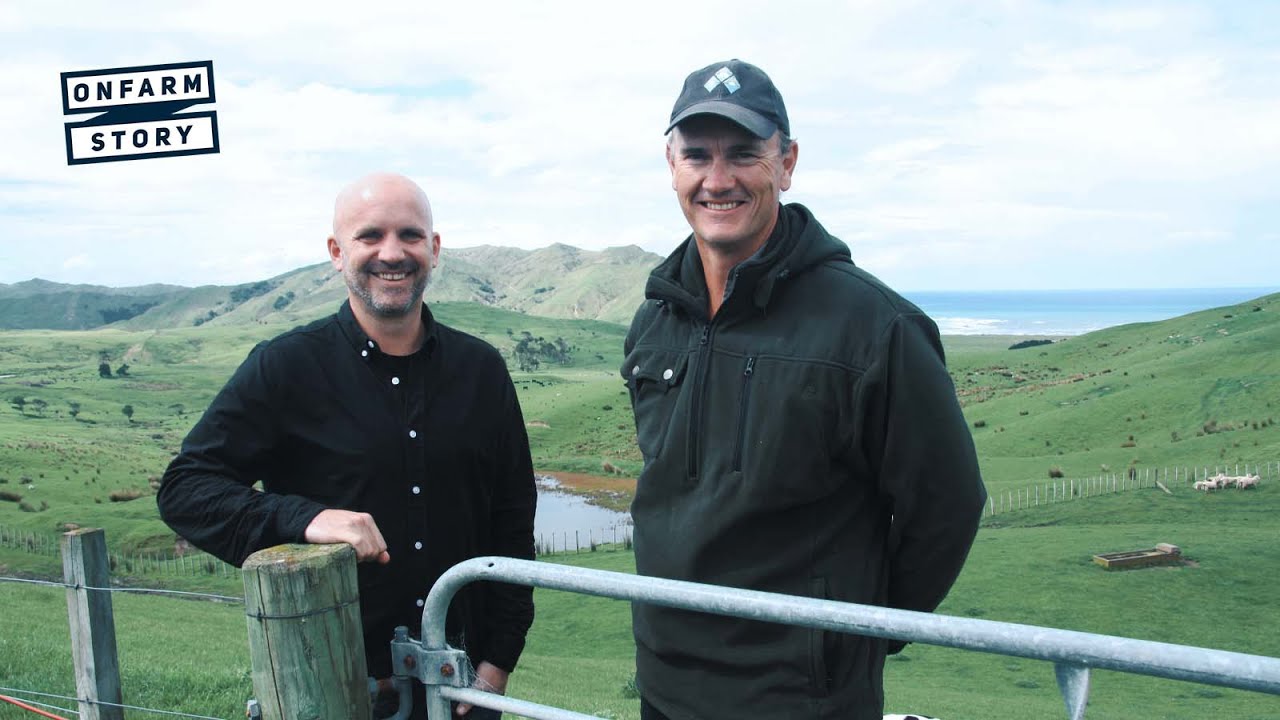
Whangara Farms is a Maori-owned farm that fovuses on on sustainability and community.
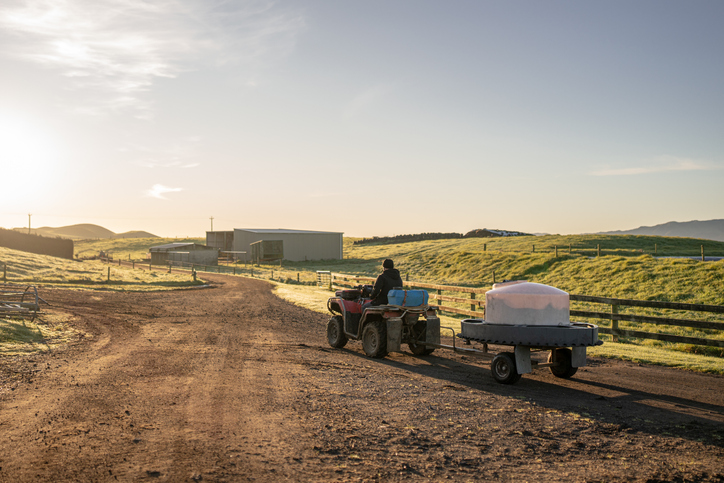
Blending mātauranga Māori and science to support whenua-based enterprises.
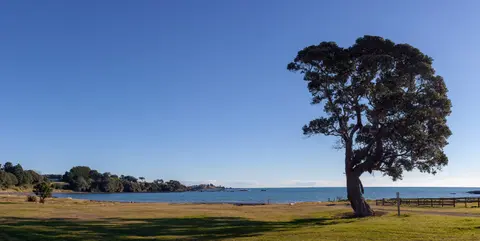
This case study explores what it means to farm in alignment with Māori values and how it can improve the environment.
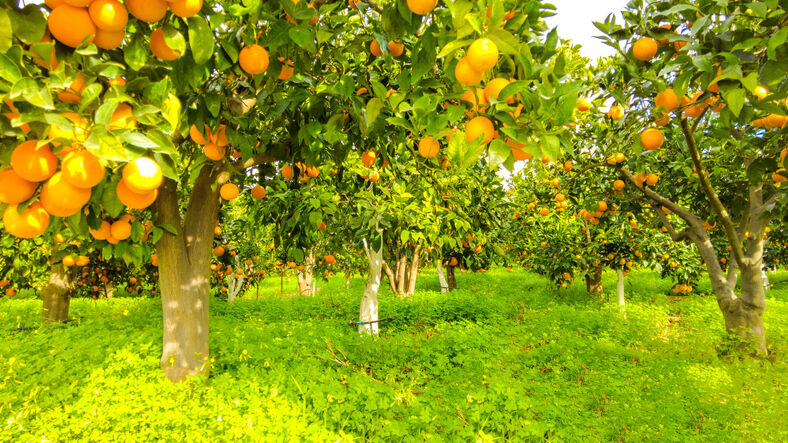
Get one-on-one support to improve your Māori land productivity and management.
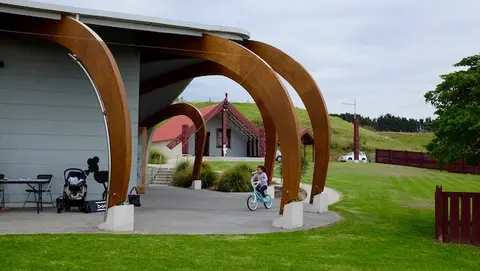
Search for funding opportunities for your whenua and get support from TPK.
This case study explores what kaitakitanga means for Ngai Tahu and how it helps them to create sustainable food and products.