Review of evidence for the potential role of biochar to reduce net GHG emissions from New Zealand agriculture
This research reviews biochar's potential to lower greenhouse gas emissions in New Zealand agriculture.

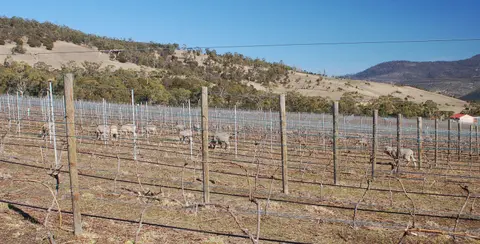
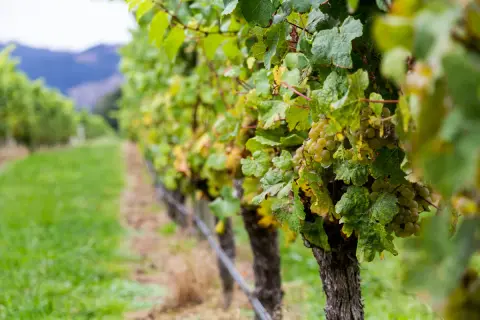
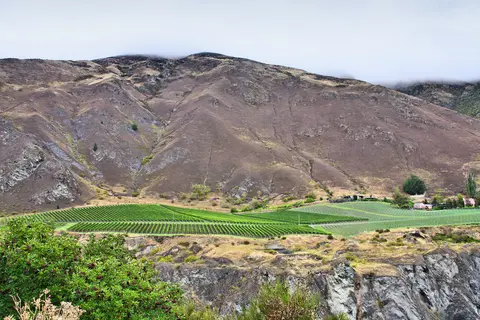
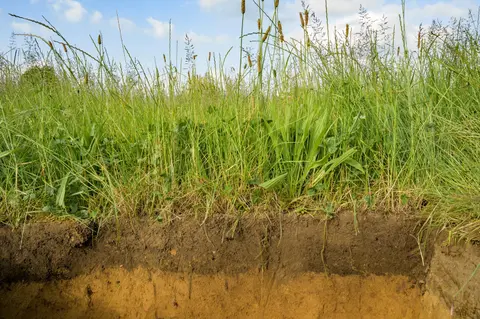
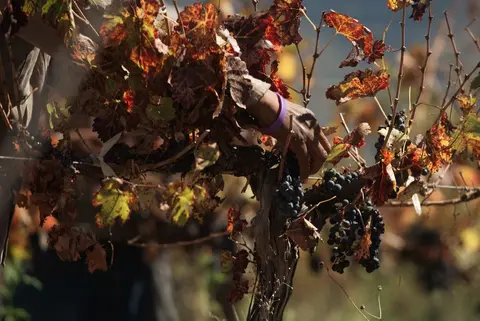
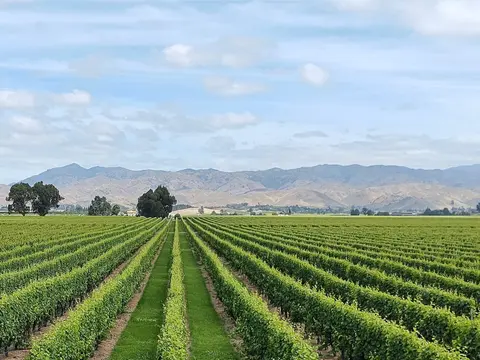
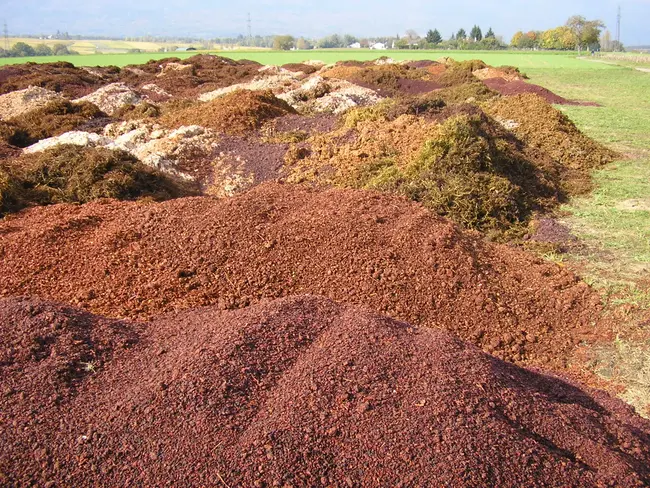
Lincoln University researchers are turning grape marc, vineyard prunings and forestry waste into biochar and compost, then testing them on Marlborough vineyard soils. Trials show gains in soil carbon, water holding and nutrient uptake, with biochar locking carbon into the soil for decades.
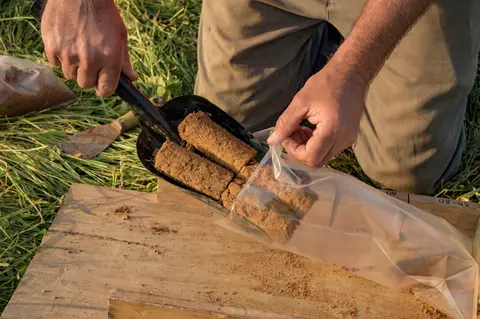
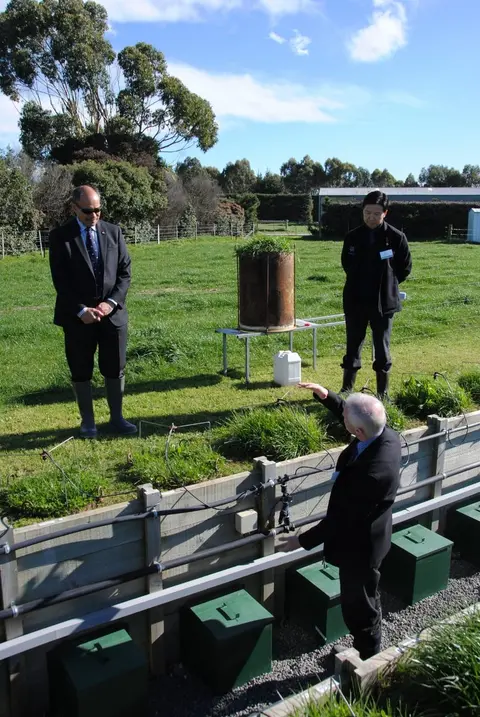
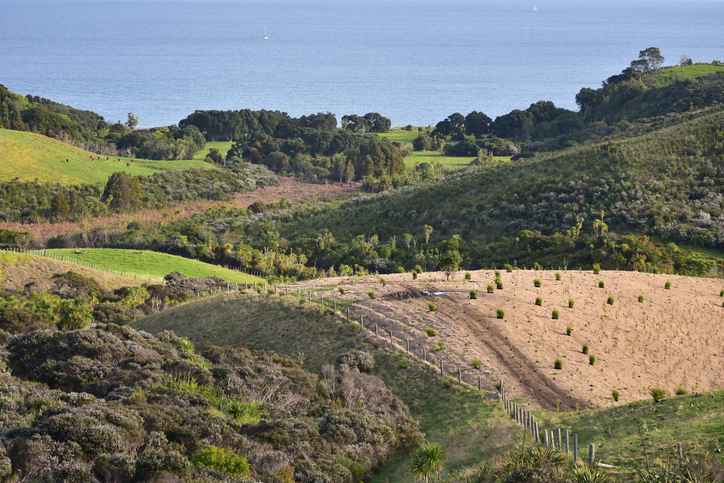
The article sets out where biochar fits, the need for baseline soil tests before applying it, and why replanting is the practical time to add it. A field trial in Waipara is also testing whether the amendments help native plants such as tōtara establish on vineyard margins.
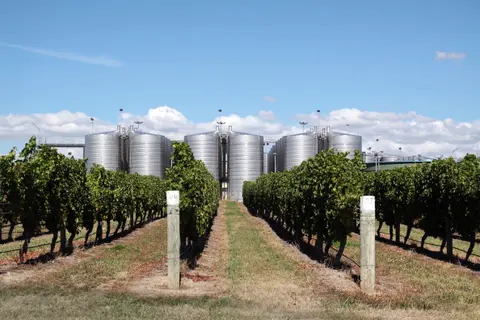
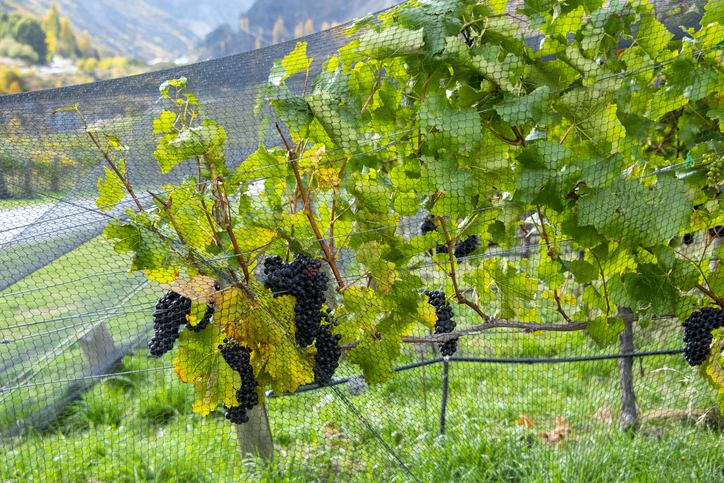
Photo: “Marc-Dardagny-20081018” by MHM-com, licensed for reuse under CC BY-SA 3.0
Learn how soil carbon impacts climate change and things you can do on your farm to offset your emissions.

Learn how a Northland station manages 14,000 hectares with an environment-first approach.

Discover how much Pinot noir grapes the whenua in your rohe could produce each year.

Learn how to manage farm waste legally, safely, and sustainably in the Wellington Region.

Block-level climate modelling shows earlier harvests and less frost for NZ vineyards.

Discover how Owl Farm tests and protects its soil's physical, chemical and biological health.

Explore how Tohu ties its single vineyard wines to kaitiakitanga and native planting in Te Tauihu.

Take a look at the new technologies Fonterra is trialling to cut methane on dairy farms.

Find the climate, soils, sub-regions and main grape varieties for each New Zealand wine region.

How Tohu Wines is cutting diesel and LPG across its vineyards and winery.

Find out how to convert marginal or depleted agricultural land into native forests for carbon farming.

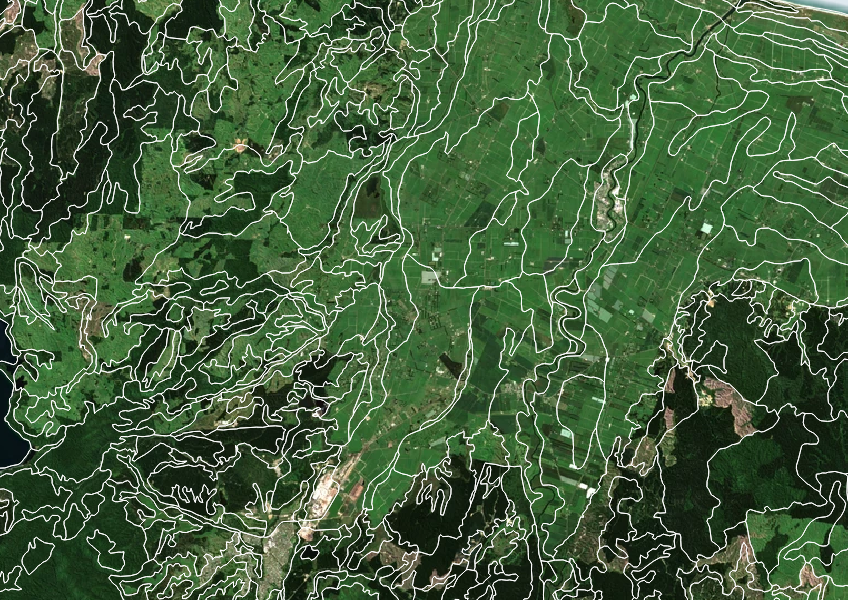
Get high-level soil classification data for Te Wai Pounamu to help with land use decisions.