Taranaki regional climatology
Climate
Adaptation
Farm planning
Resilience
Risk
Water
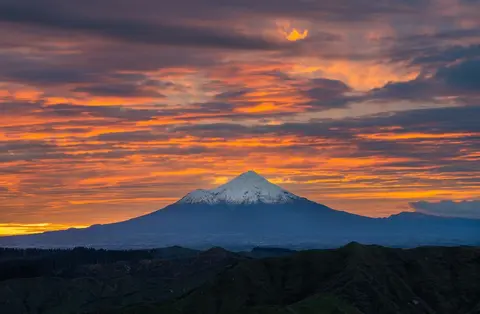
Find out why Taranaki is one of the windiest regions and how its rain spreads through the year.
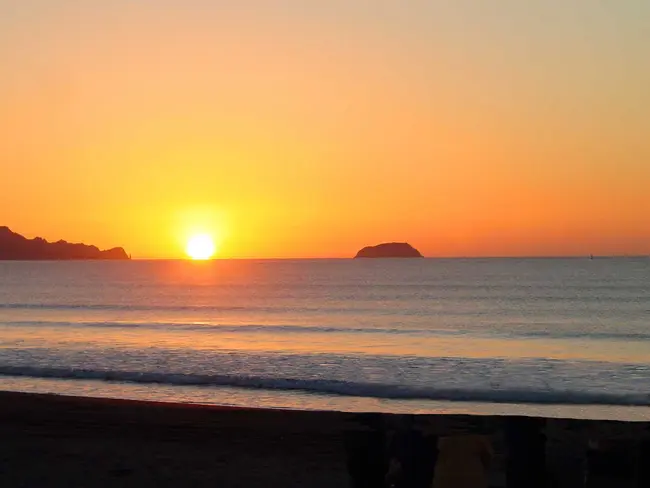
This report describes the typical climate of Te Tairāwhiti Gisborne. As the easternmost region, it often sees weather that the rest of the country misses, and it gets more extremes than the west. Sunshine hours are high and winds are light. Rain peaks in winter, and short spring rainfall often limits pasture and crop growth.
It draws on long-term records from climate stations across the region and covers rainfall, temperature, sunshine, wind, frost and snow. Use it to see what conditions your whenua can expect through the year.
Photo: “Gisborne NZ Sunrise Waikanae Beach” by Ray Sheldrake: GisborneSpecials.co.nz, licensed for reuse under CC BY-SA 4.0
Find out why Taranaki is one of the windiest regions and how its rain spreads through the year.
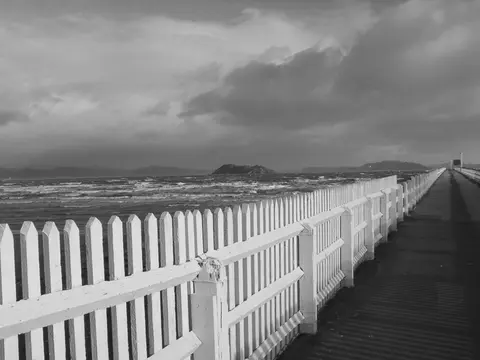
See how Cook Strait and the ranges split the Wellington region's climate.
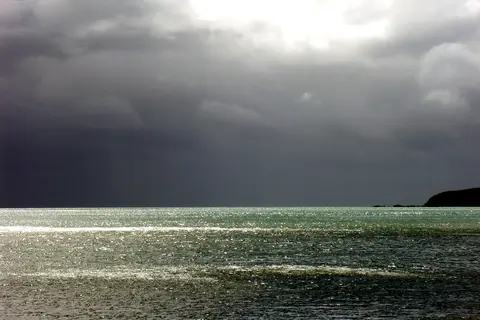
Compare rainfall, frost and dry-spell patterns across Te Matau-a-Māui Hawke's Bay.
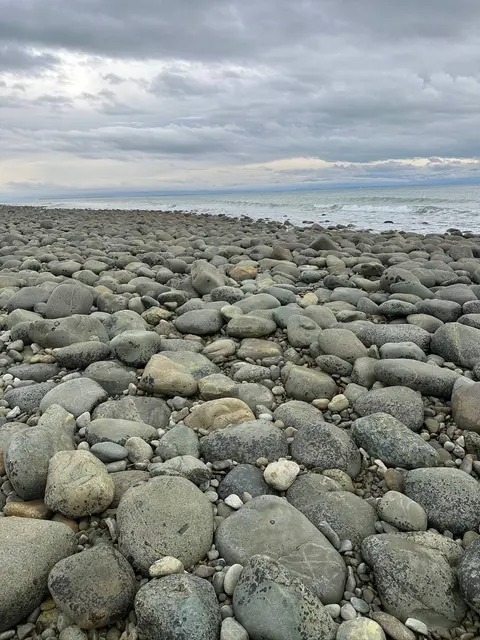
Discover the sunshine, dry spells and mild temperatures of Whakatū Nelson and Tasman.
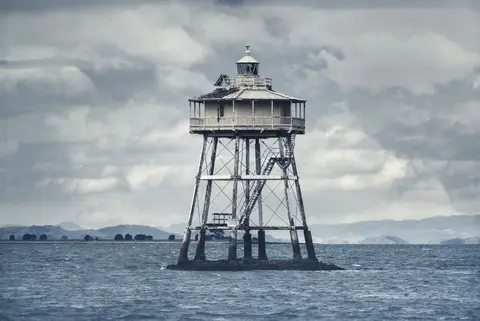
Learn how Auckland's subtropical climate shapes what you can grow and when.
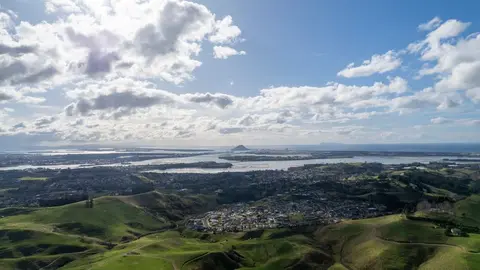
Discover why the Bay of Plenty is one of the sunniest and calmest regions in Aotearoa.
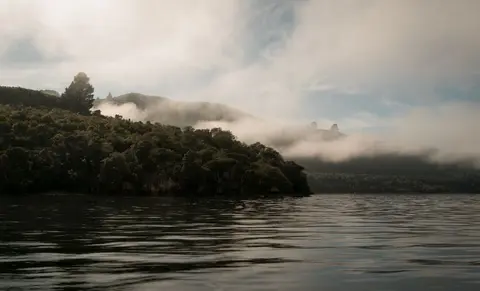
See how the Waikato climate changes from the Coromandel coast to the Central Plateau.
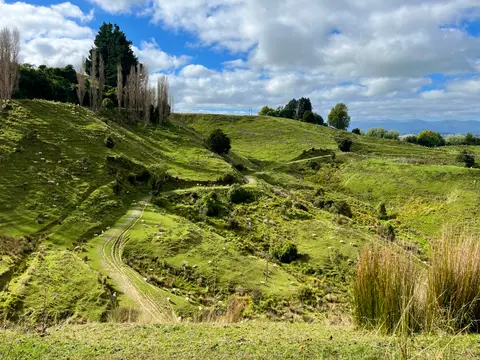
Learn what the mild, westerly climate of Manawatū-Whanganui means for pasture growth.
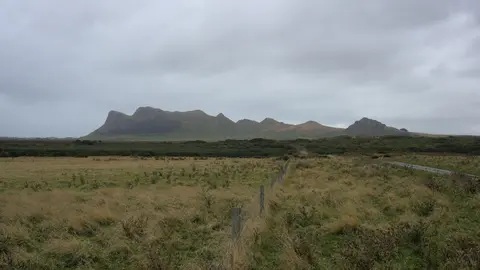
Explore the windy, cloudy and fast-changing climate of Rēkohu Chatham Islands.
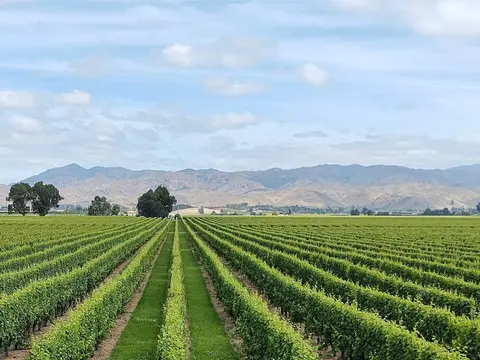
Find the climate, soils, sub-regions and main grape varieties for each New Zealand wine region.
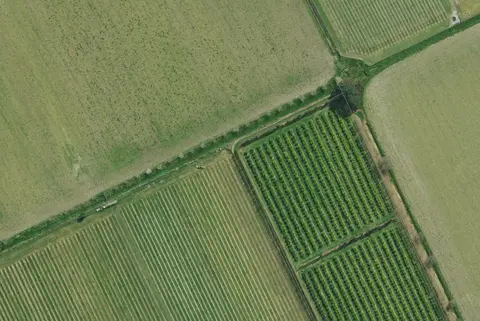
Read about Gisborne's three grape growing areas, their soils and the varieties planted in each.
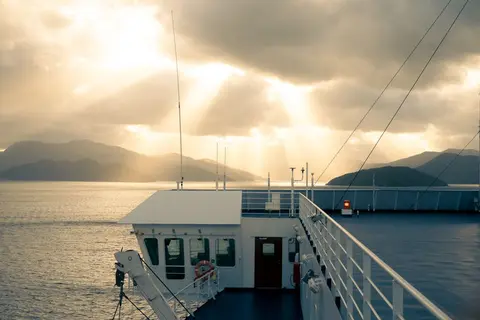
Explore Marlborough's dry, sunny climate and its frequent summer droughts.
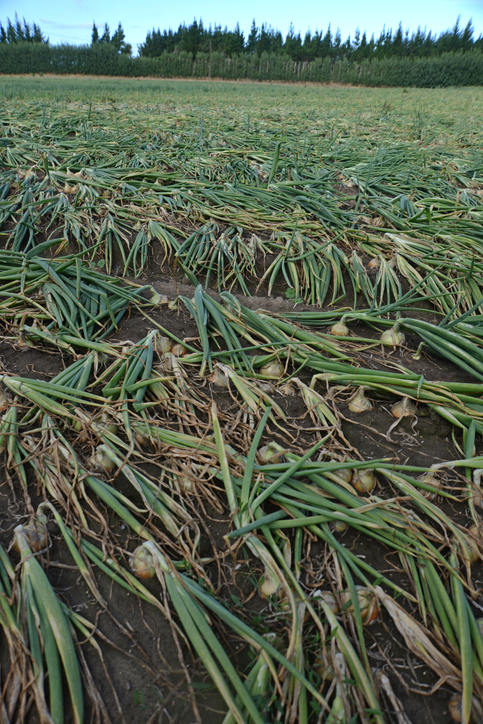
Discover how heat, frost and heavy rain could affect onions in your rohe.
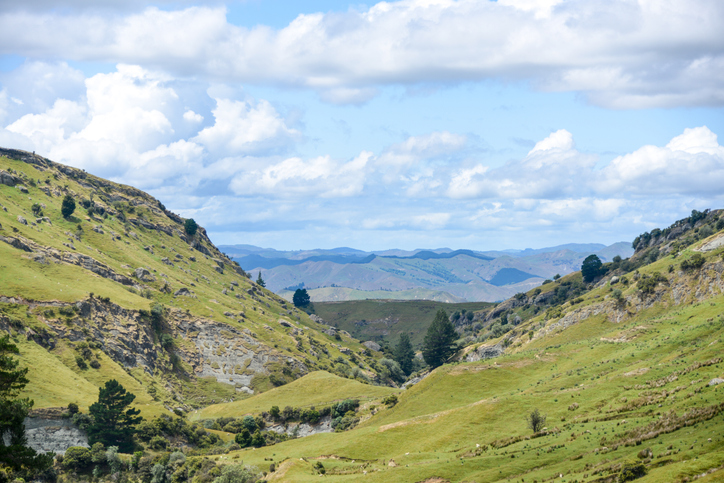
This report explores land use changes in New Zealand to cut greenhouse gas emissions.
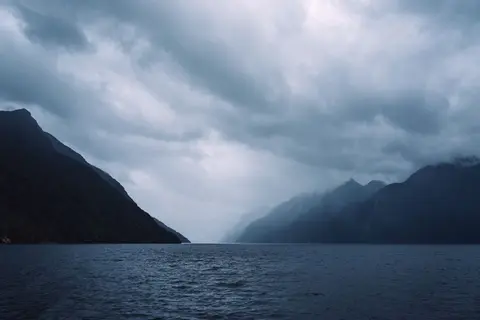
Learn how Murihiku Southland's western ranges and eastern lowlands differ in rain and cold.
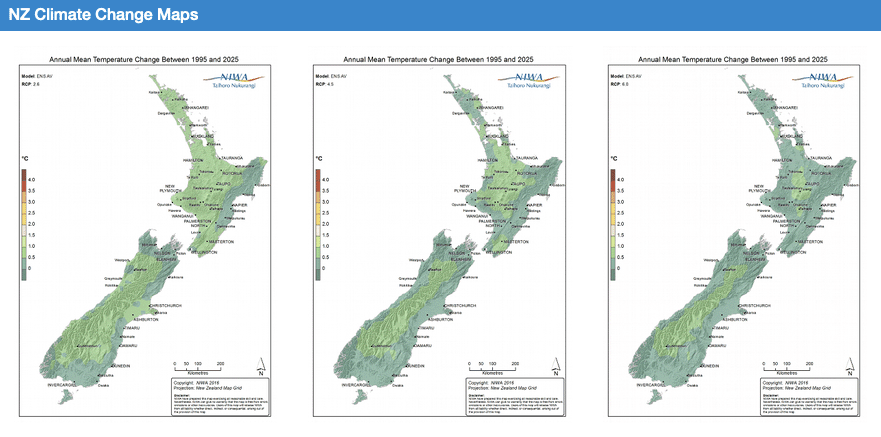
Explore how climate change will impact New Zealand's weather and environment over the coming century.
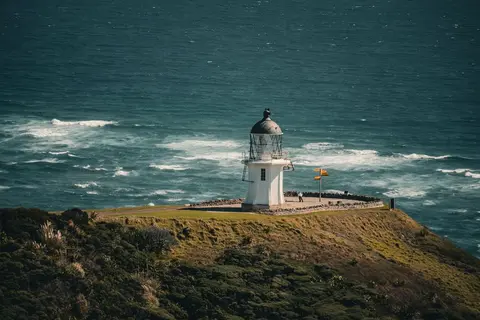
Read NIWA's full technical report on Northland's climate out to 2090.
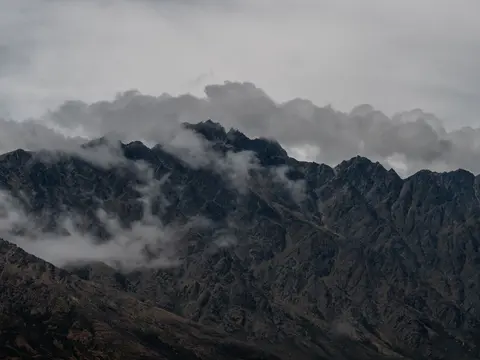
See how Ōtākou Otago ranges from the driest inland basins to the cool wet coast.
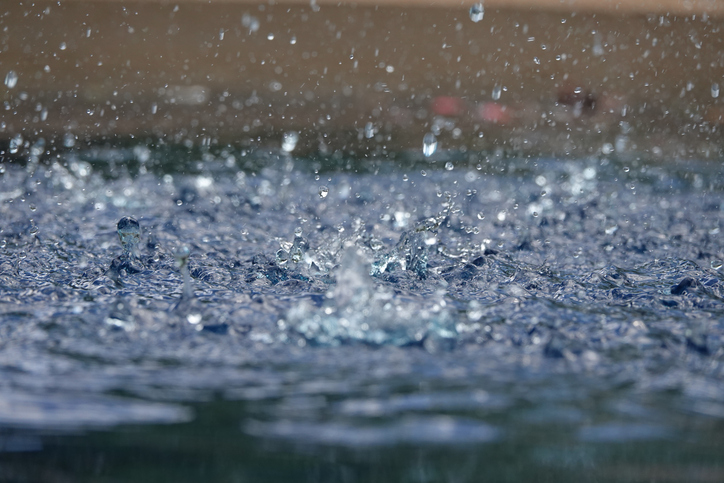
This research explains how climate change affects heavy rainfall in Aotearoa.
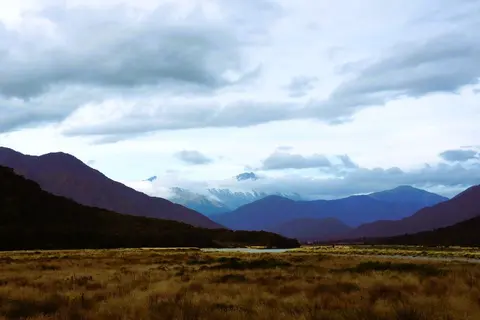
Compare the five climate zones of Waitaha Canterbury, from the plains to the main divide.
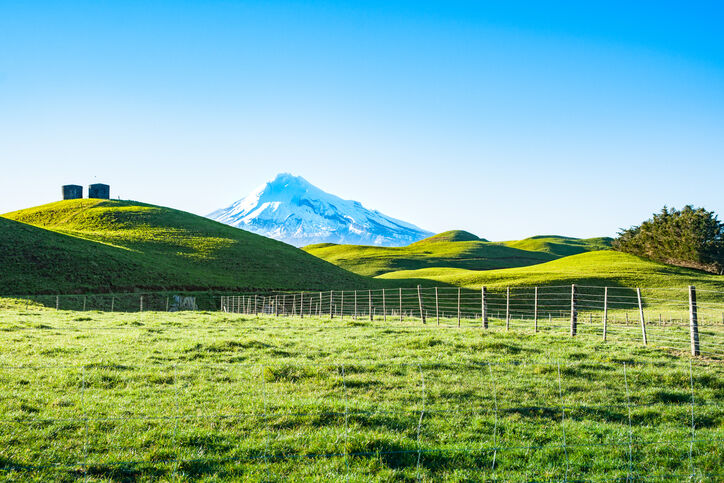
A report produced by NIWA, details climate change impacts and projections for Taranaki until 2100.
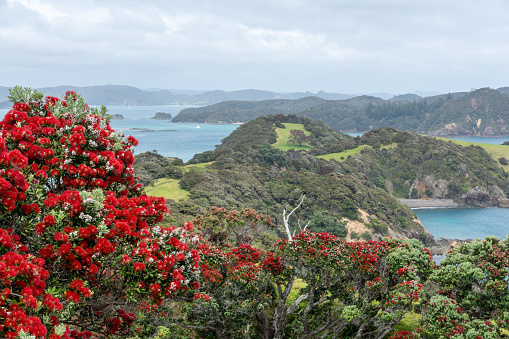
Explore projected temperature and rainfall changes for Aotearoa online.
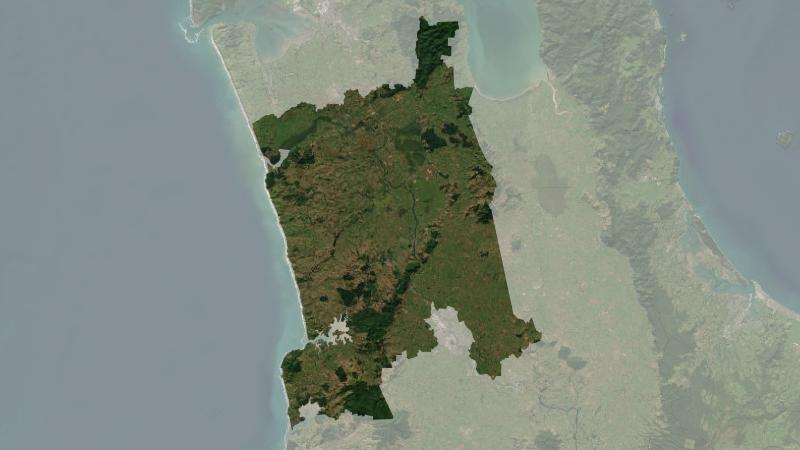
Understand climate event and variability trends for Waikato District.