Te ahi i te ao Māori: Māori use of fire: Traditional use of fire to inform current and future fire management in New Zealand
Māori traditions of using fire are explored for guiding modern fire management in New Zealand.

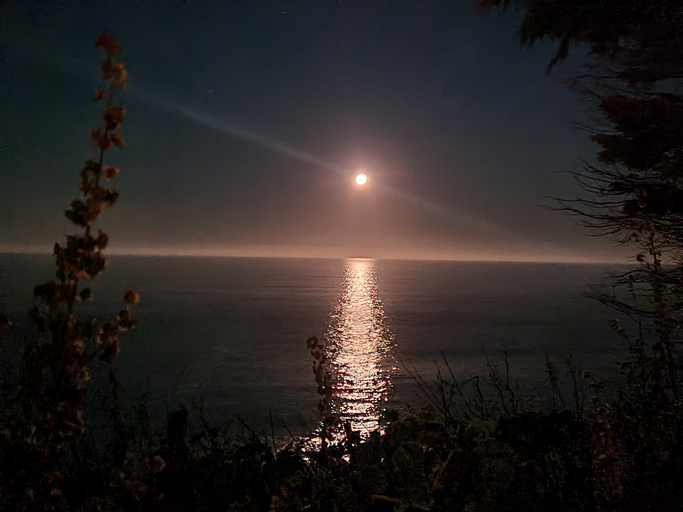
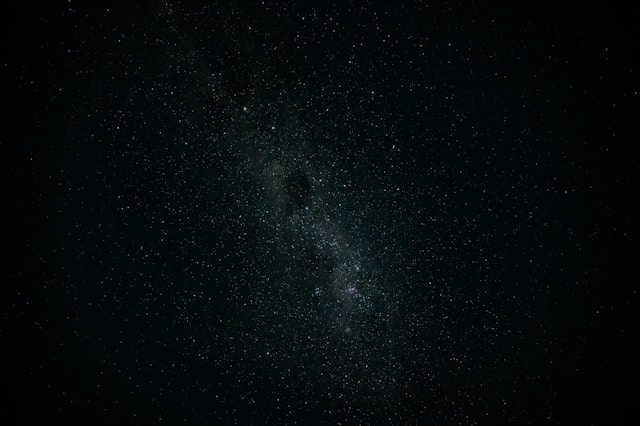
The Maramataka, or Māori Moon Calendar, is a traditional system used by Māori to track time and guide agricultural, fishing, and cultural activities based on the phases of the moon. This ancient knowledge, originating from Polynesia, was adapted to the New Zealand environment after European settlement, where it was largely replaced by Western calendars. However, there is renewed interest in maramataka for its potential to enhance sustainable resource management.
This research collates over 40 examples of maramataka from different iwi and hapū, analysing variations in the names and grouping of moon phases, highlighting its role in predicting optimal times for food gathering and community rituals.
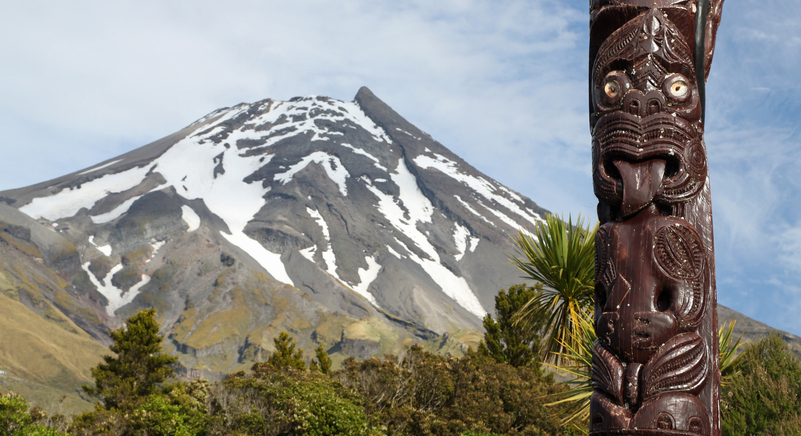
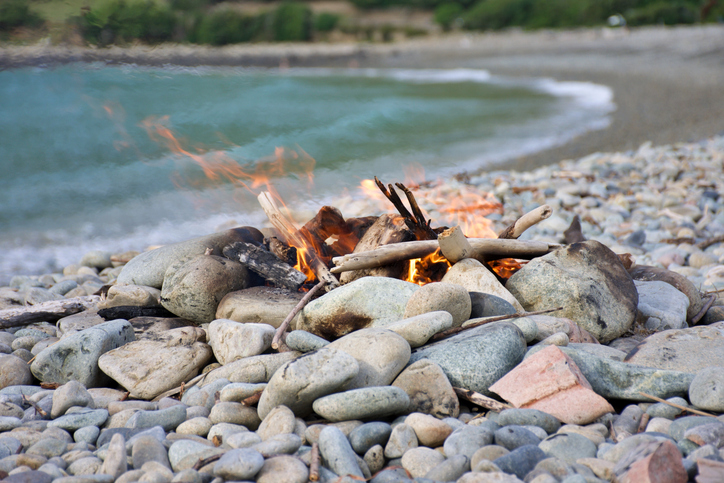
Photo by Toby Hall.
Blending mātauranga Māori and science to support whenua-based enterprises.

See how Māori-led projects tackle GHG emissions while supporting thriving whānau and whenua.

Learn how national planning standards impact iwi/Māori in local resource management.

Watch a community restore mussel populations using mātauranga Māori mixed with Western science.

Research about reducing greenhouse gas emissions on Māori farms in New Zealand.

Funding for Māori groups to preserve biodiversity knowledge.

Learn about sustainable Māori forestry and agriculture for climate resilience on the East Coast.

This case study explores the development and potential of sustainable farming of freshwater kōura at Taipōrutu on Te Māhia Peninsula.

This study explores how different governance structures affect Māori land decisions on carbon farming.

Explore traditional Māori uses for New Zealand plants, fungi, and seaweeds.

Whangara Farms is a Maori-owned farm that fovuses on on sustainability and community.

A science and mātauranga Māori based plan to reduce our agricultural greenhouse gas emissions.