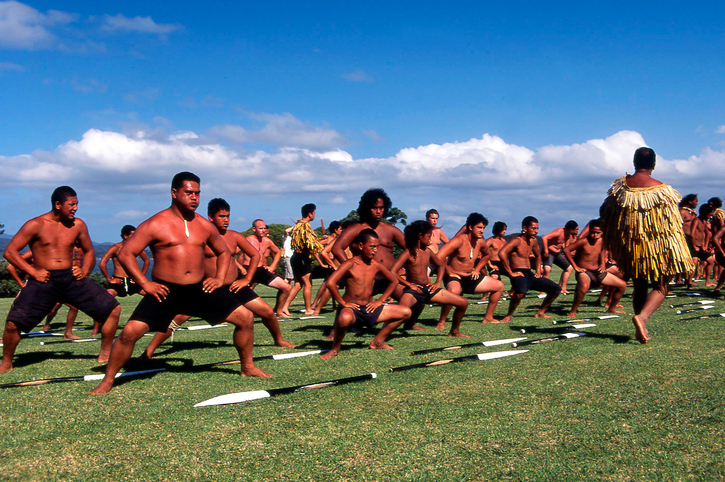
Māori values and economic modelling for whenua Māori
Climate
Erosion
Forestry
Profitability
Sequestration
Sustainability
Whenua Māori
This report explores ways to improve Māori land resilience against climate change through afforestation.
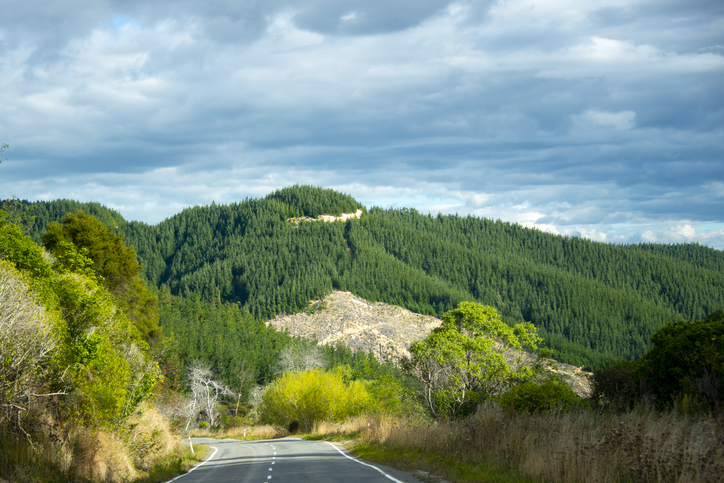
The Forest Investment Framework (FIF) is a spatial economic tool that uses various data, like timber prices and land features, to create detailed maps and tables. It helps estimate costs, revenues, carbon capture, and habitat provision, making it useful for forestry and climate impact assessments.
This page also includes FIF case studies showing how the social and environmental benefits of forestry can sometimes exceed the economic benefits of timber sales.
This report explores ways to improve Māori land resilience against climate change through afforestation.
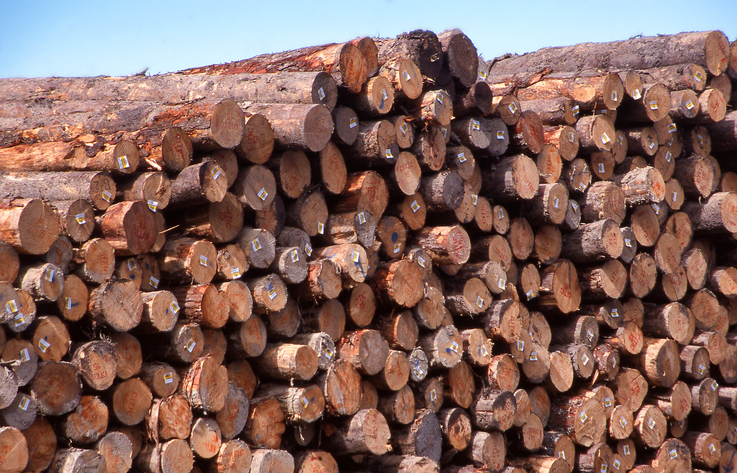
Annual facts and stats about New Zealand's forest industry by FOA and MPI.
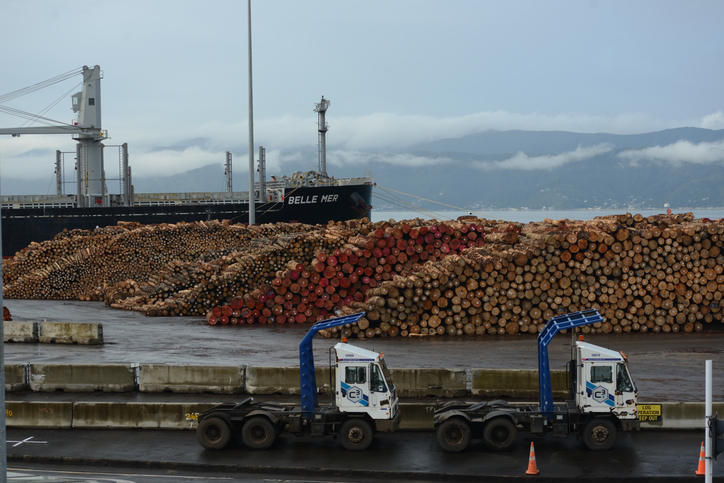
This technical model estimates forest profit expectations from 1990 to 2013.
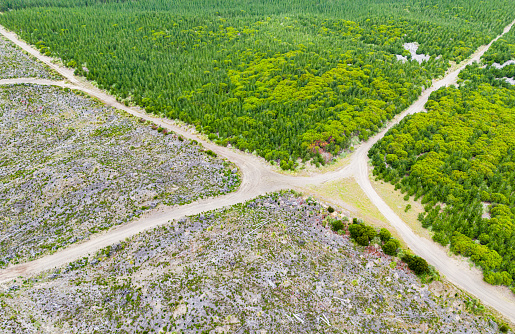
Learn about planning forest land for the Emissions Trading Scheme (ETS).
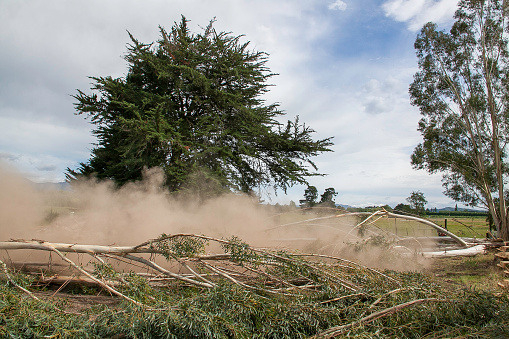
This paper explores how land ownership policies impact forest cover in New Zealand.
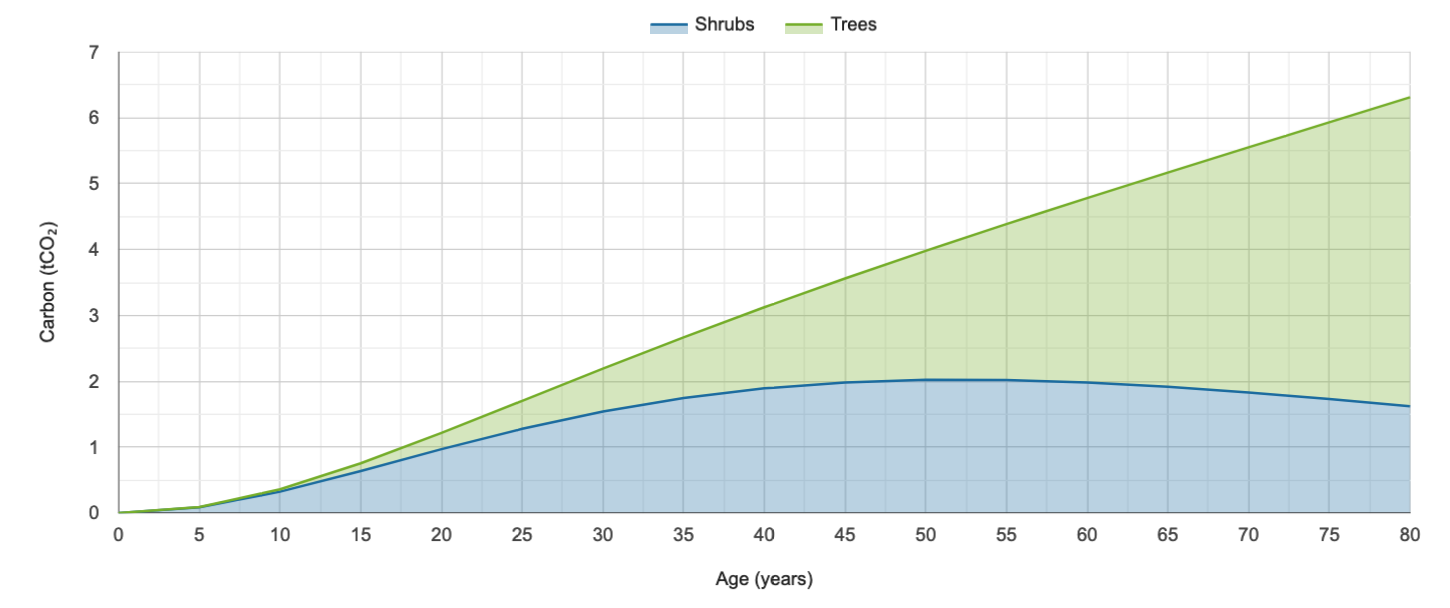
Calculate carbon storage in native forests and find planting needs to offset your footprint.
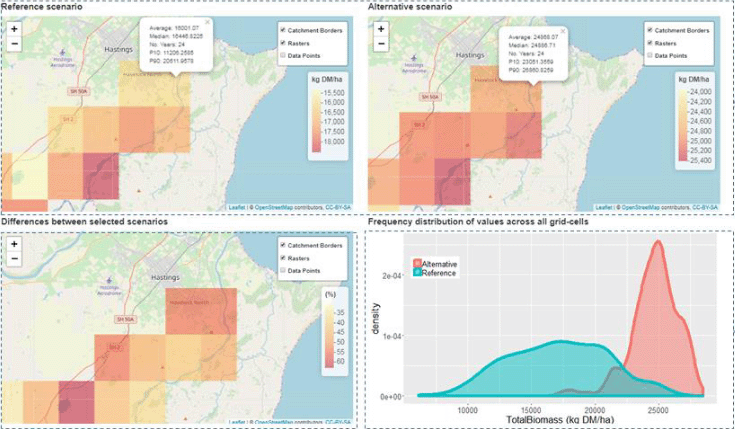
A framework to analyse how climate and soils affect farming landscapes.
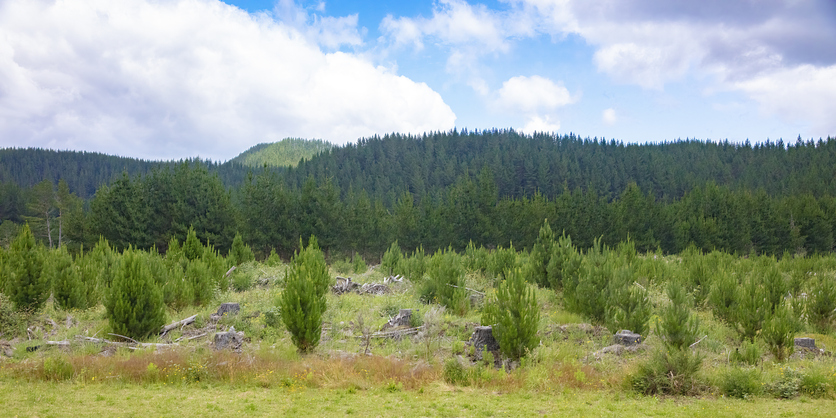
This paper discusses carbon farming on Māori land, its benefits, and decision-making challenges.
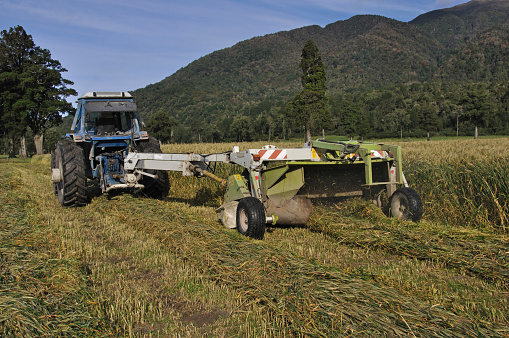
E2M is a decision-support tool that links farm finances and environmental impacts in one framework.
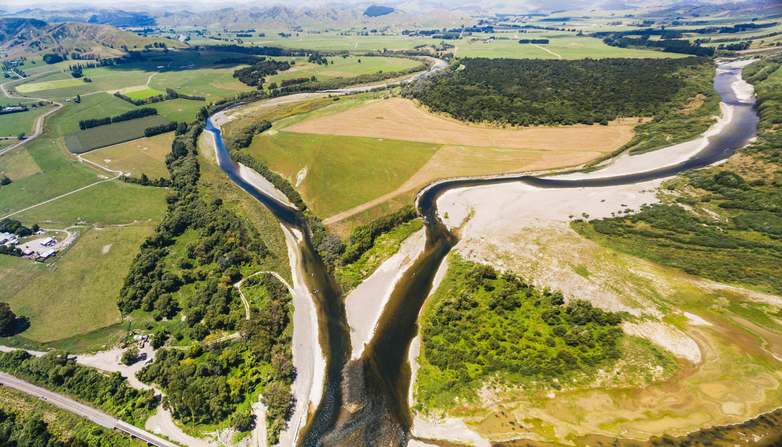
This report explores factors affecting land use change in New Zealand, targeting economic, social, and environmental aspects.
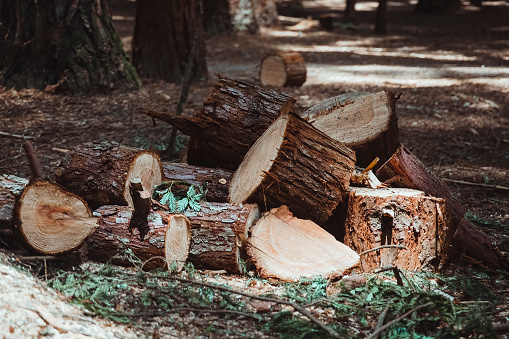
Subscribe to a comprehensive report of New Zealand log prices by region and grade.
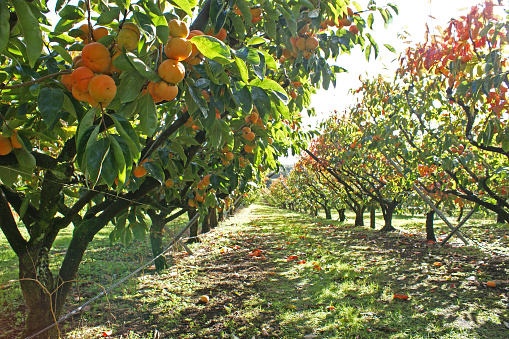
This report explains how to estimate the economics of land uses like horticulture and dairy.
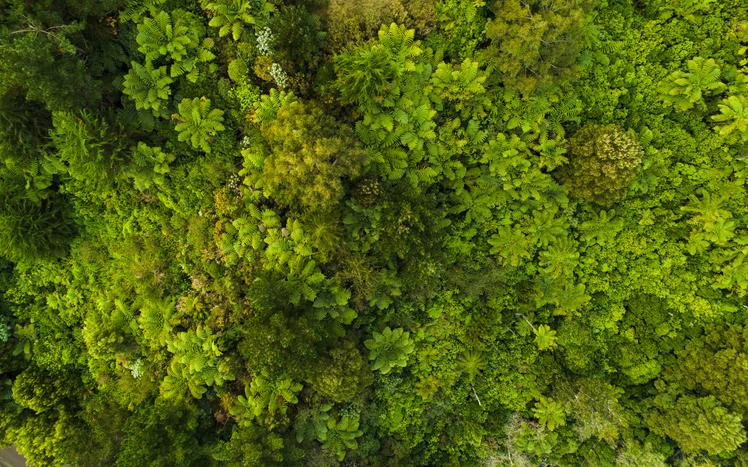
This paper examines the risks and benefits of investing in permanent forests in Aotearoa.
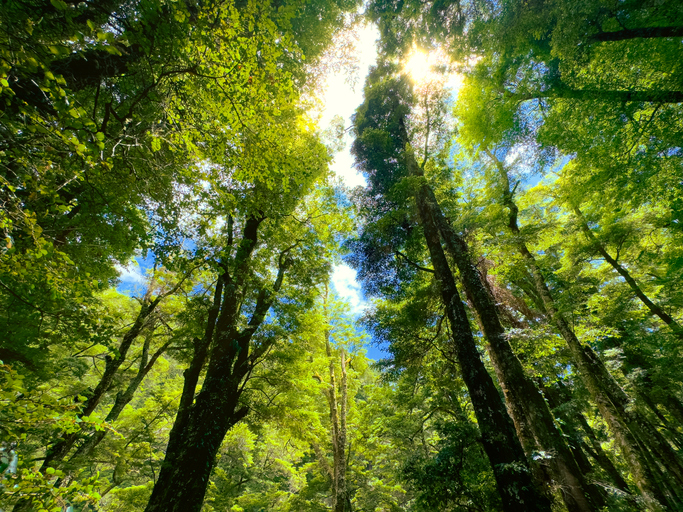
Learn how well-managed native forests can absorb significant amounts of carbon.
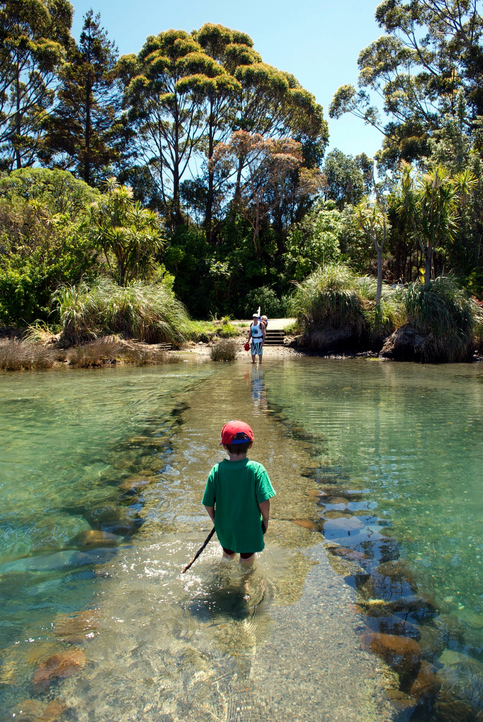
See how land-use and farm practice changes on your land can impact water quality across the catchment.
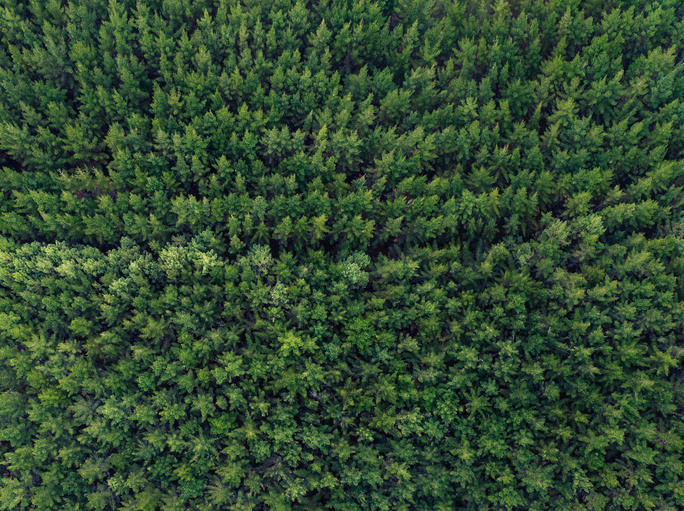
Find out how to plant and manage timber trees effectively and sustainably in the unique Taitokerau landscape.
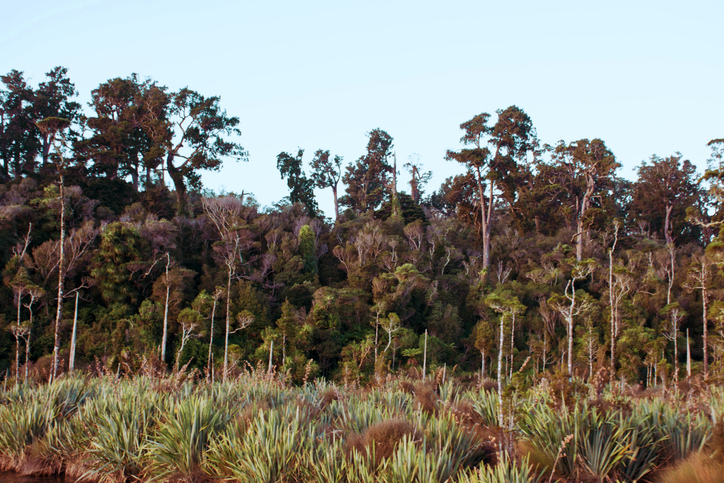
Estimate the growth and yield of planted native forests in Aotearoa using species-specific models.
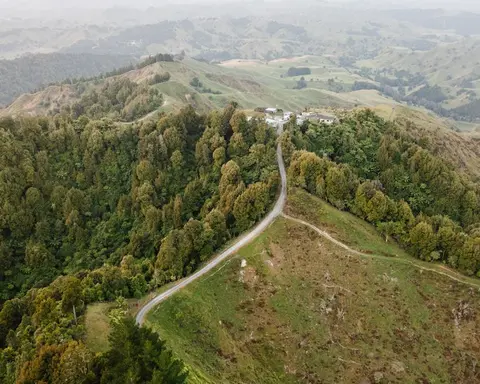
The standard tables that set a smaller forest's carbon earnings.
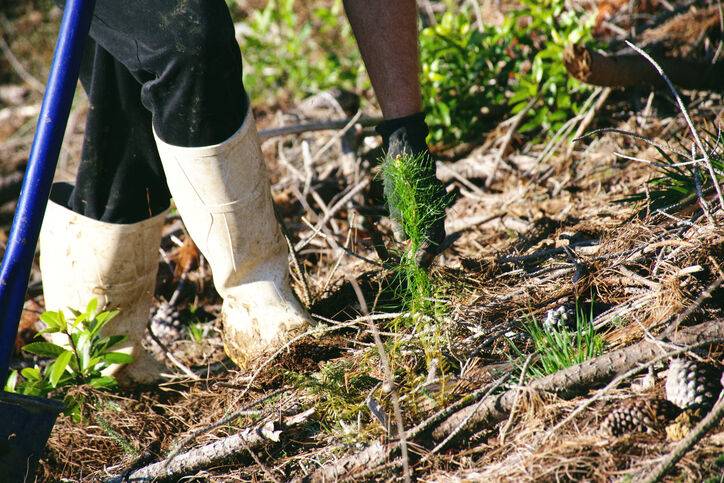
A case study about sustainable planting in Waimate, focusing on investment and wildlife habitats.
Look up expected carbon stock by forest age for small forests in the ETS.
Estimate staff needs for various land uses with this interactive dashboard.
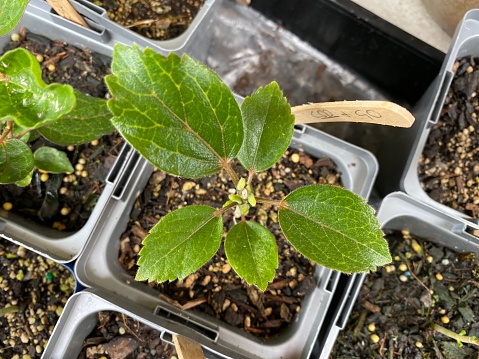
This guide can help you choose the right tree species for forestry on your whenua.
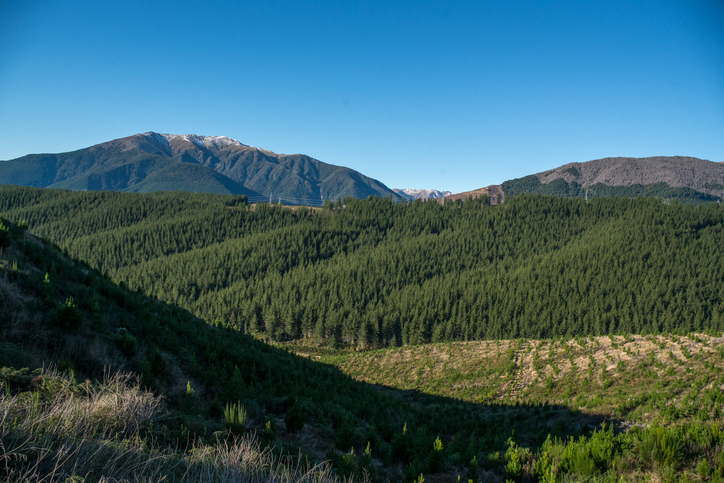
Get guidance on mapping your forest areas to assess eligibility for the Emissions Trading Scheme.