Research programme: Transitioning Exotic Forest to Native
Climate
Biodiversity
Conservation
Forestry
Regeneration
Sustainability
Get a better understandinf of what it takes to transition from exotic forests to natives.
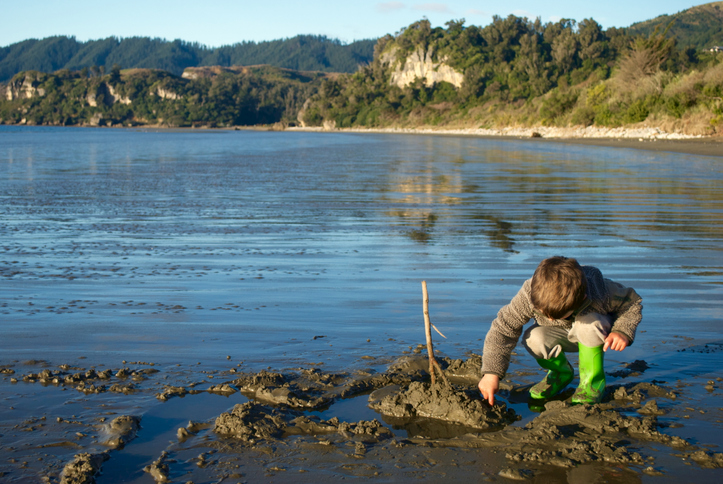
The Adaptive Management of Coastal Forestry Buffers project focuses on transitioning failing exotic forest buffers into resilient indigenous coastal forests in the upper North Island. It focuses on biodiversity enhancement and climate resilience through guidelines based on field surveys and planting trials.
The project produces technical guidelines on various aspects, including biophysical functions, planting natives, natural regeneration, and climate change impacts.
Get a better understandinf of what it takes to transition from exotic forests to natives.
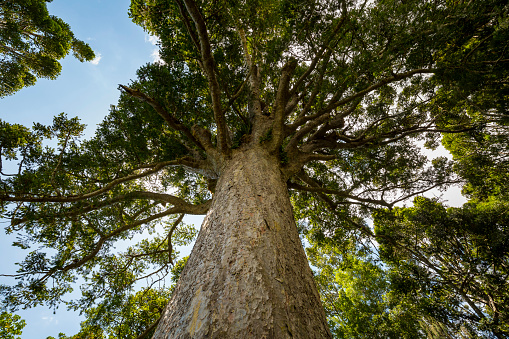
Guidance about how to choose between planting and natural regeneration for forest restoration.
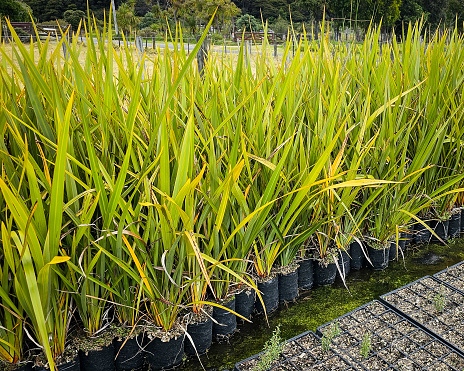
A programme supporting native forestry and sustainable management in Aotearoa.
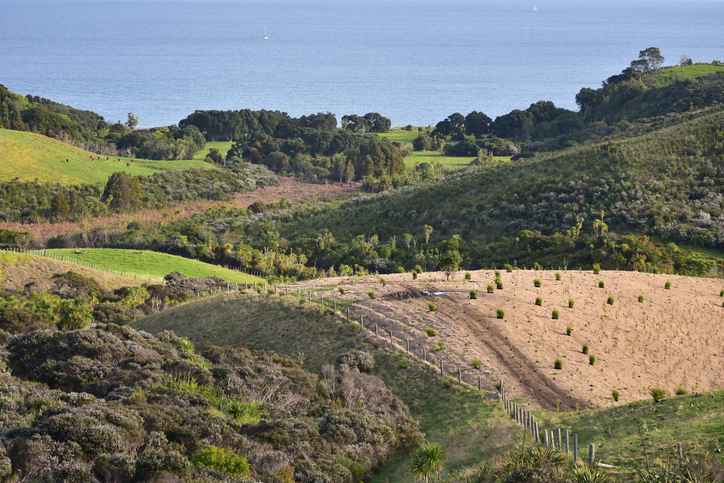
Find out how to convert marginal or depleted agricultural land into native forests for carbon farming.
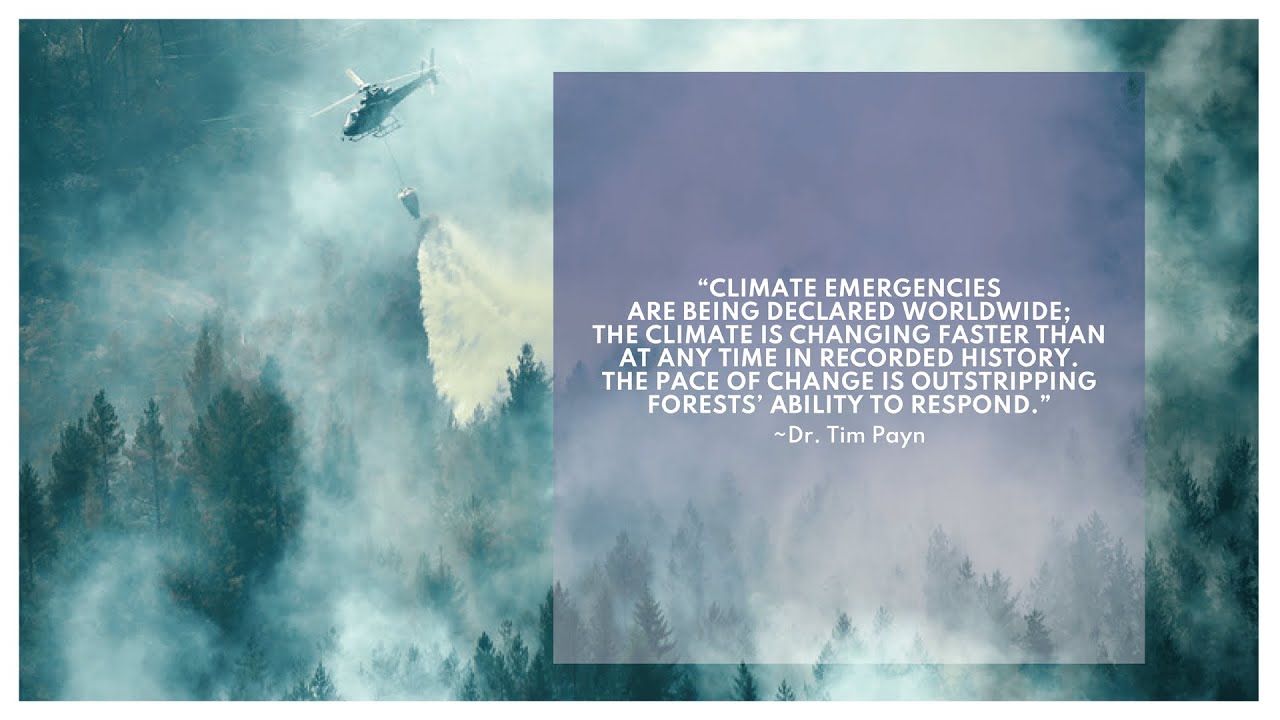
Hear about the effects of climate change on Aotearoa forests and learn strategies for resilience.
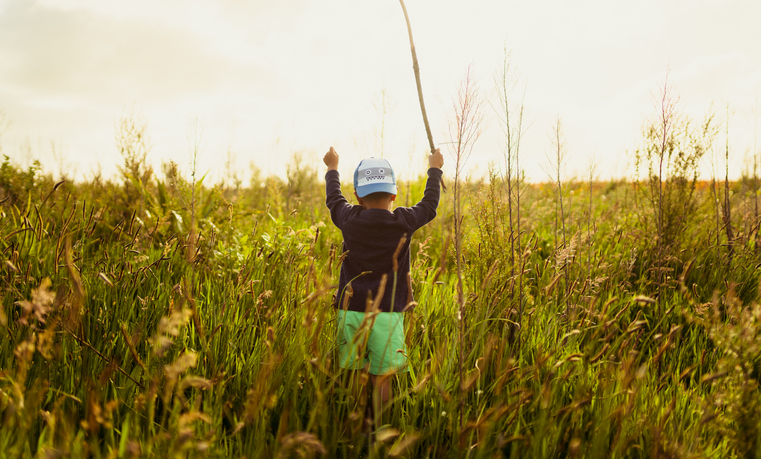
Learn about the role tree planting can play in reducing climate change impacts.

Te Tai Tokerau’s strategy tackles climate challenges with councils and Māori collaboration.
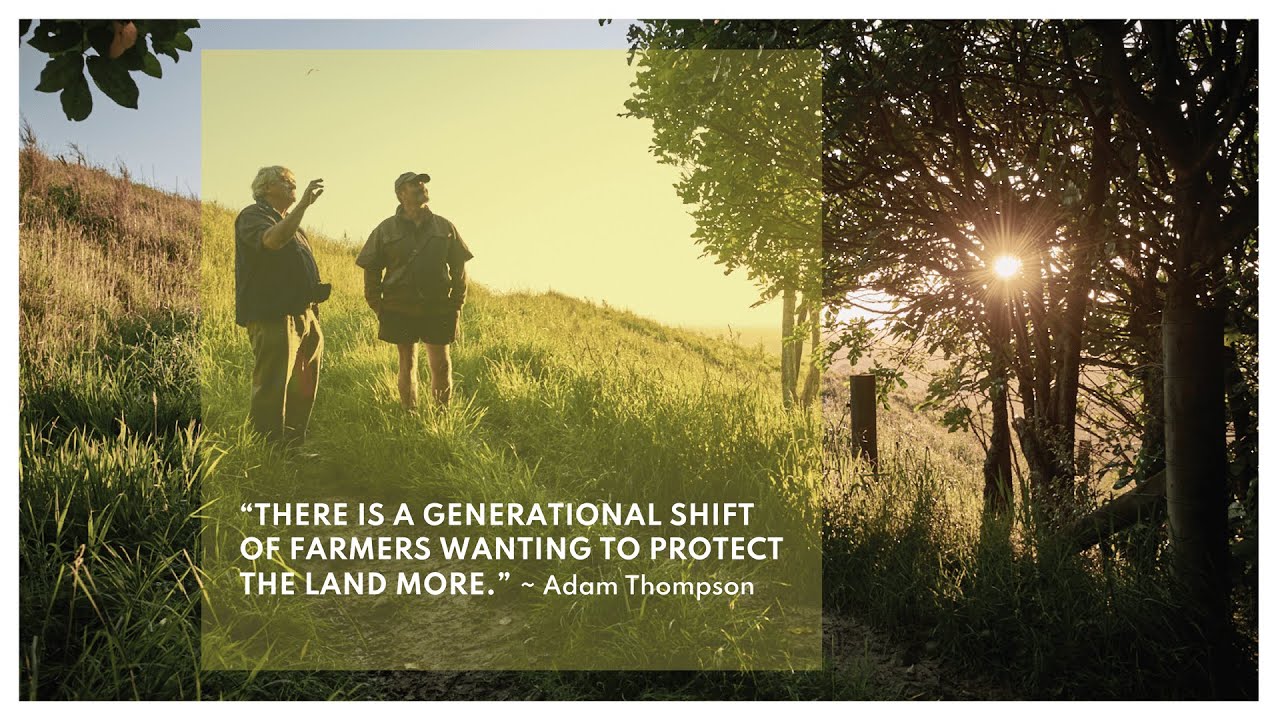
Learn how effective farmer engagement can boost local native tree planting.
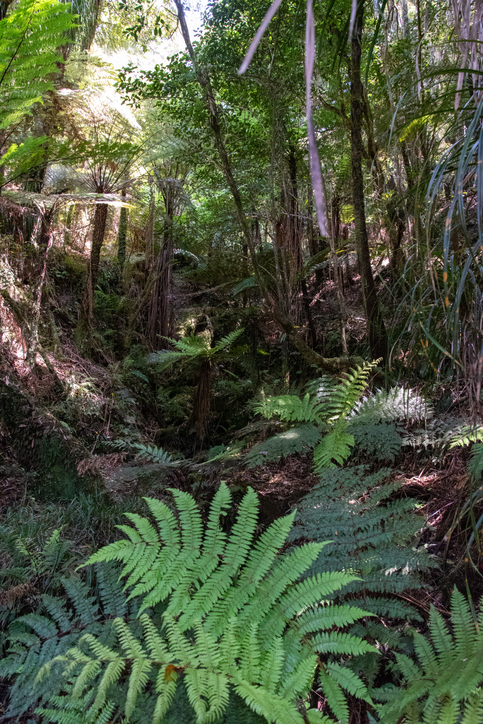
Practical tips and case studies about converting exotic plantation forest into native.
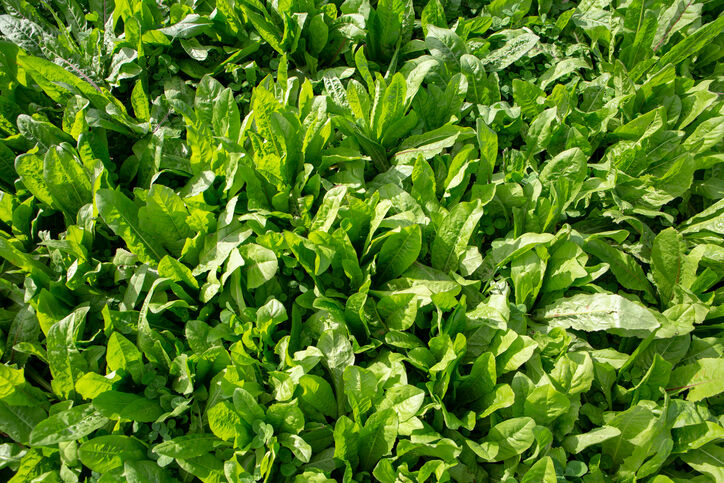
This guide explains effective forage cropping management for livestock.
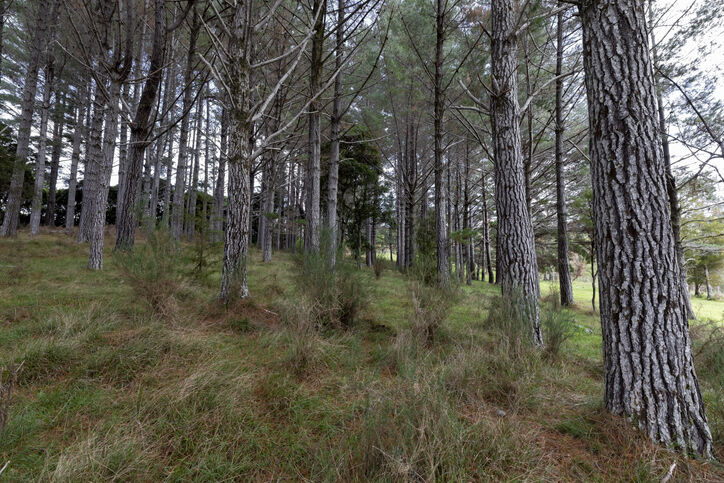
Learn about sustainable farming and forestry in North Canterbury for income and shelter.
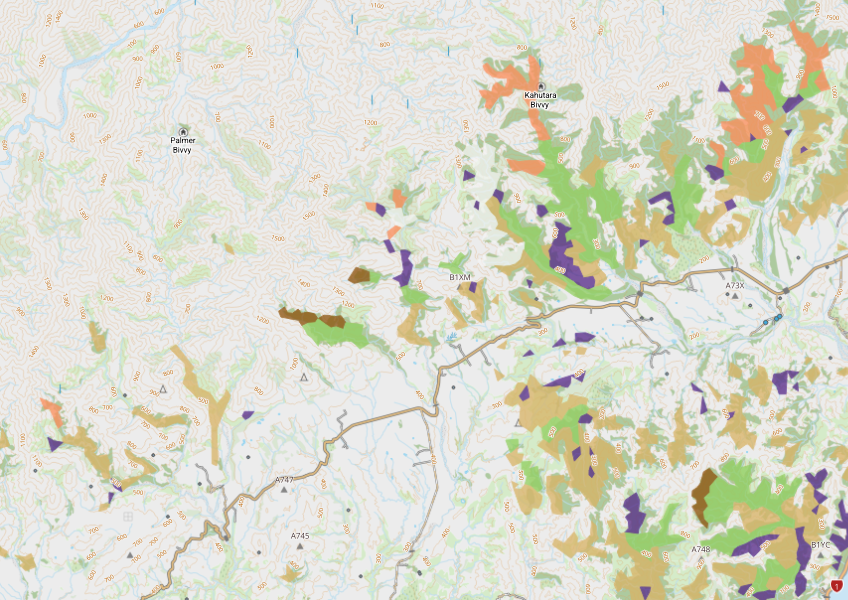
View indigenous forest cover in North Island, based on older aerial data from 1948-1955. North and South Island data has been combined into a national layer.
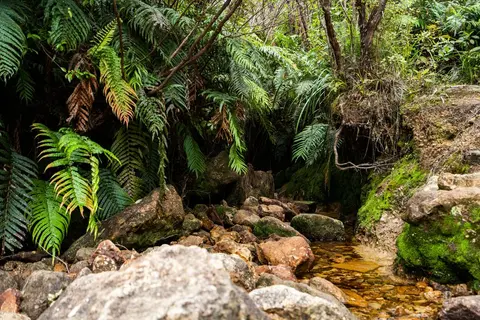
View historic indigenous forest cover in Te Ika a Māui based on a range of different data and imagery.

View historic indigenous forest cover in Te Wai Pounamu based on a range of different data and imagery.
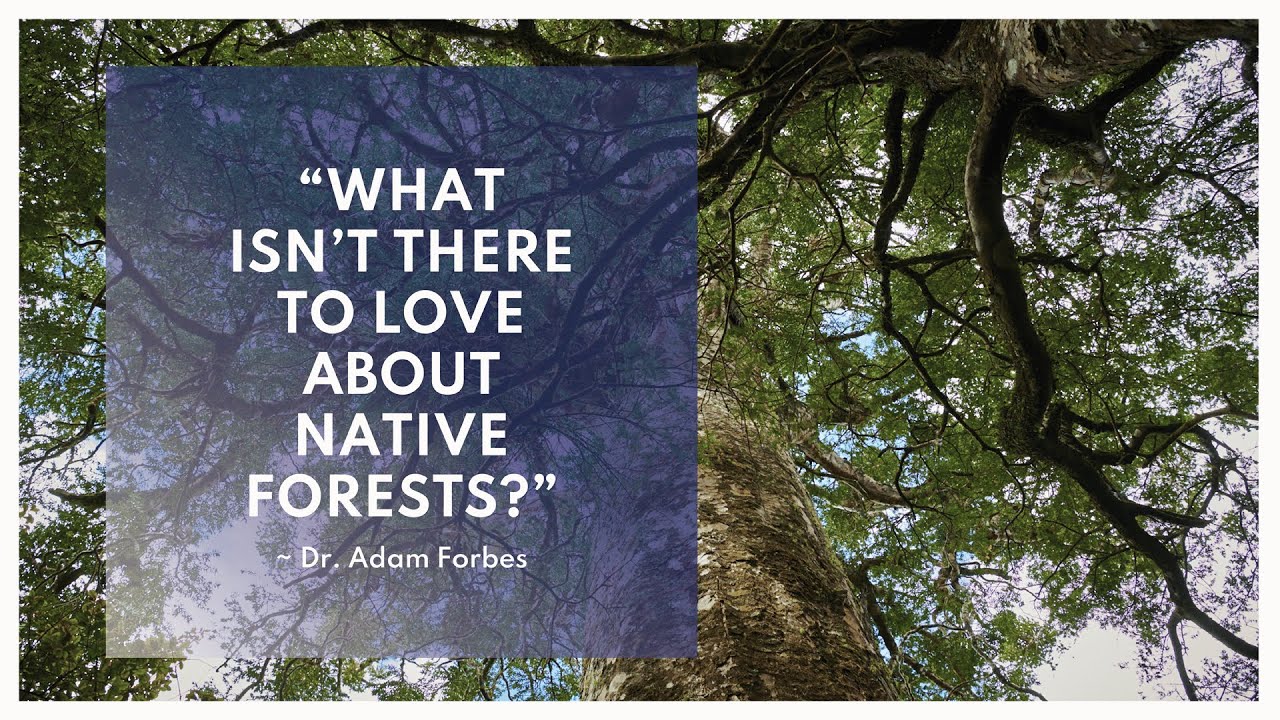
Dr. Adam Forbes discusses transitional forestry's role in shifting exotic forests to native ecosystems.
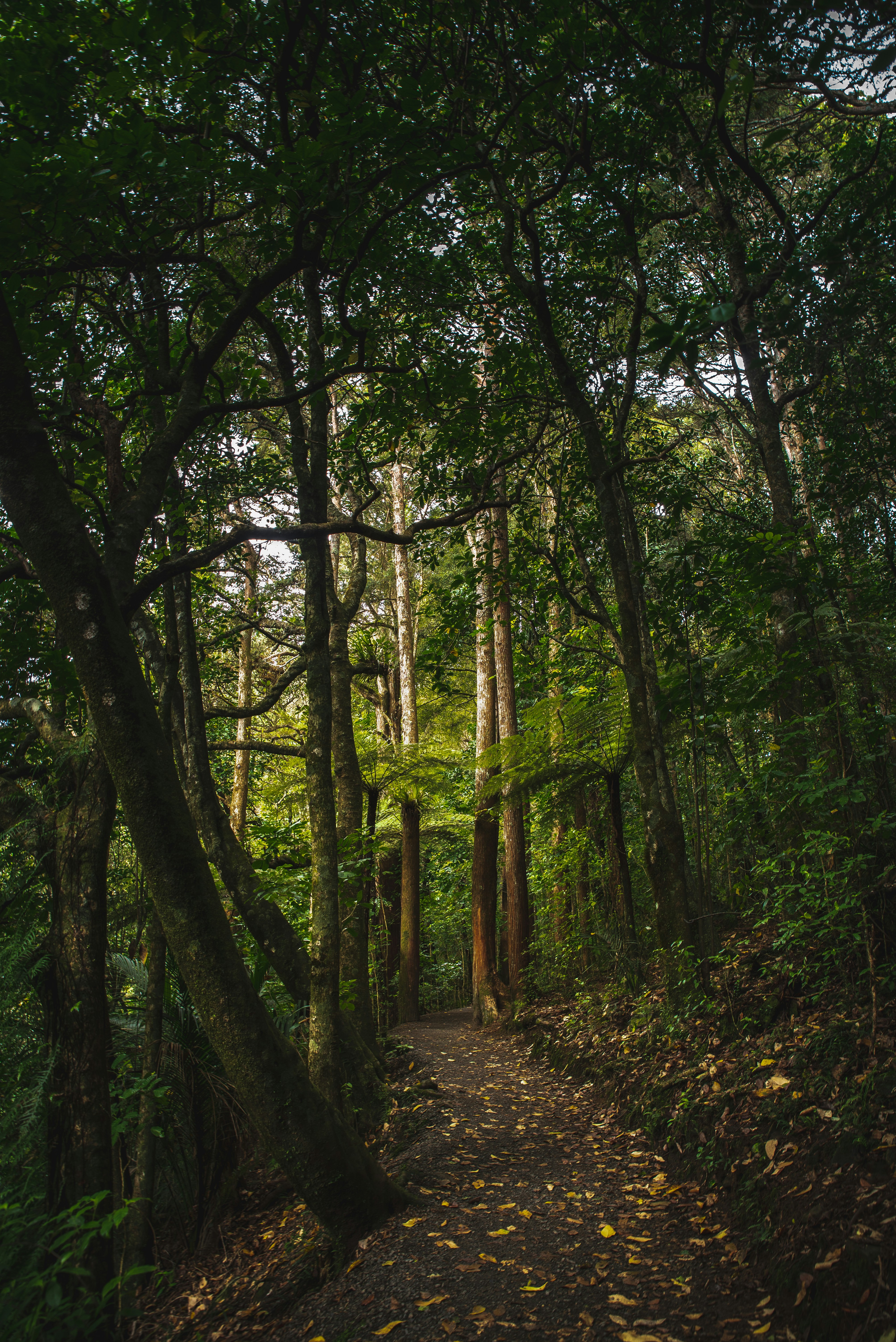
Learn methods for restoring native forests using passive or active regeneration.
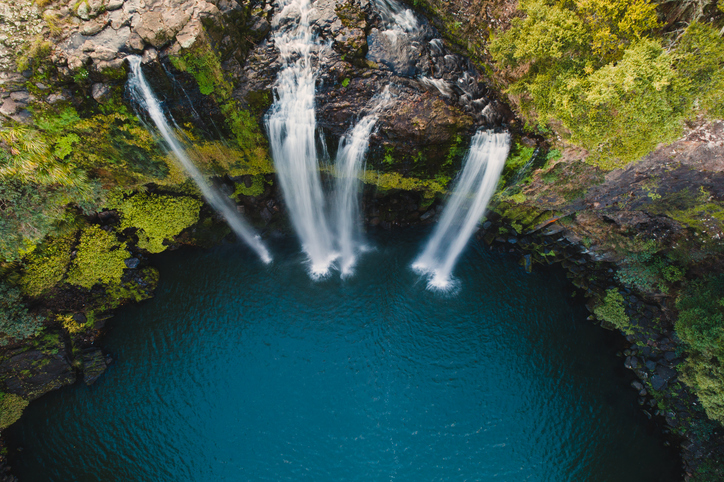
This report analyzes climate risks in Northland, focusing on impacts, perspectives, and management strategies.
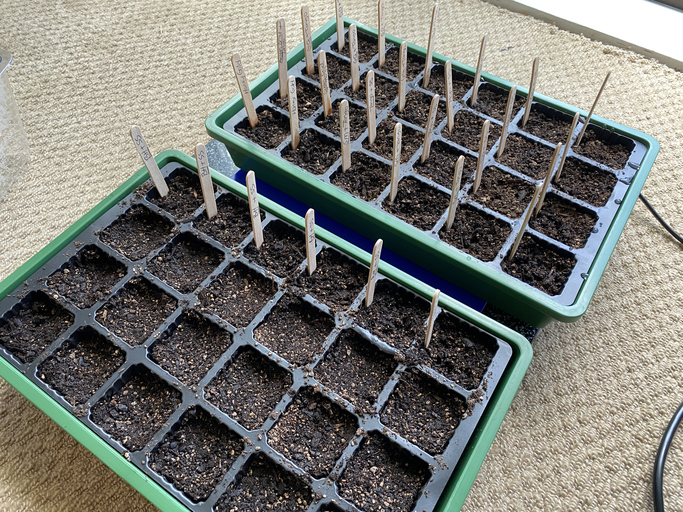
This resource offers guidelines for planting and managing native forests in New Zealand.
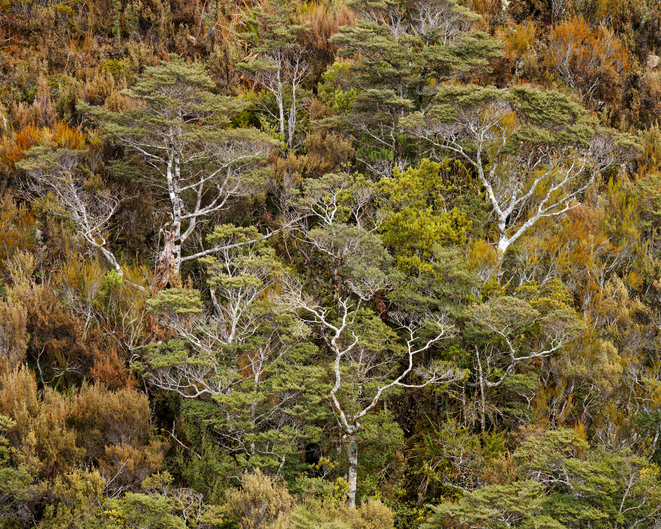
Learn about the establishment, growth, and management of New Zealand beeches.
Find out how Northland community groups can apply for climate resilience funding.
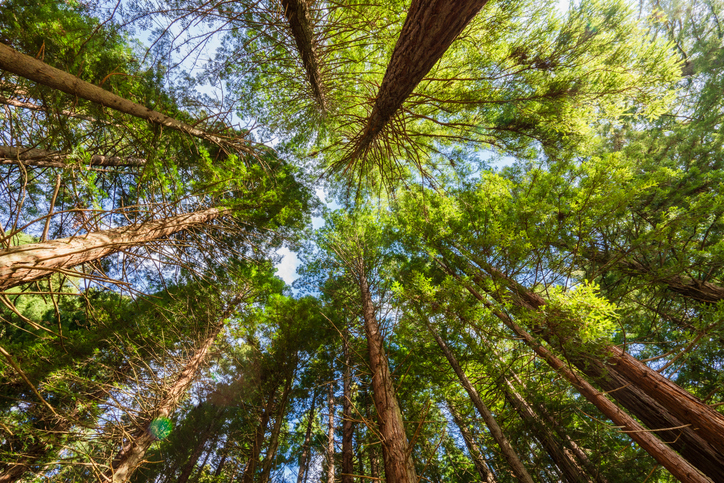
Learn about local initiatives to overcome barriers to native planting and forestry.
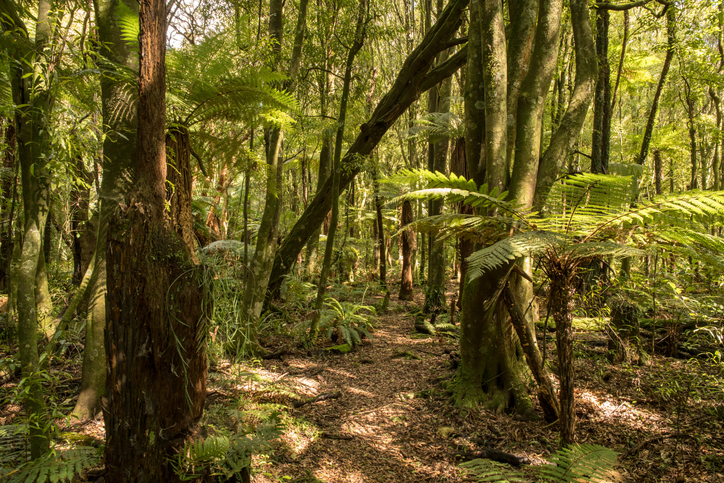
This innovative seed-island project is helping to speed up native forest restoration.
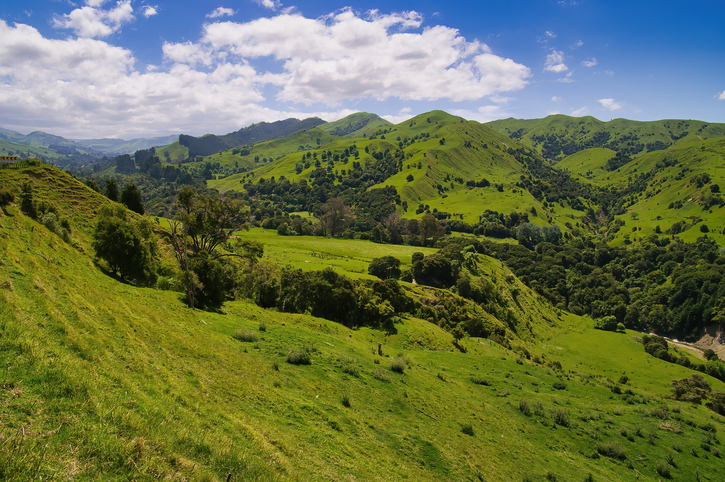
Learn about sustainable Māori forestry and agriculture for climate resilience on the East Coast.