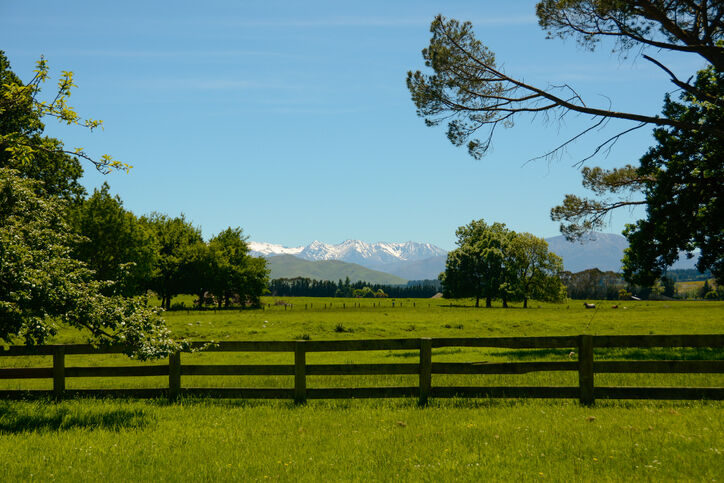
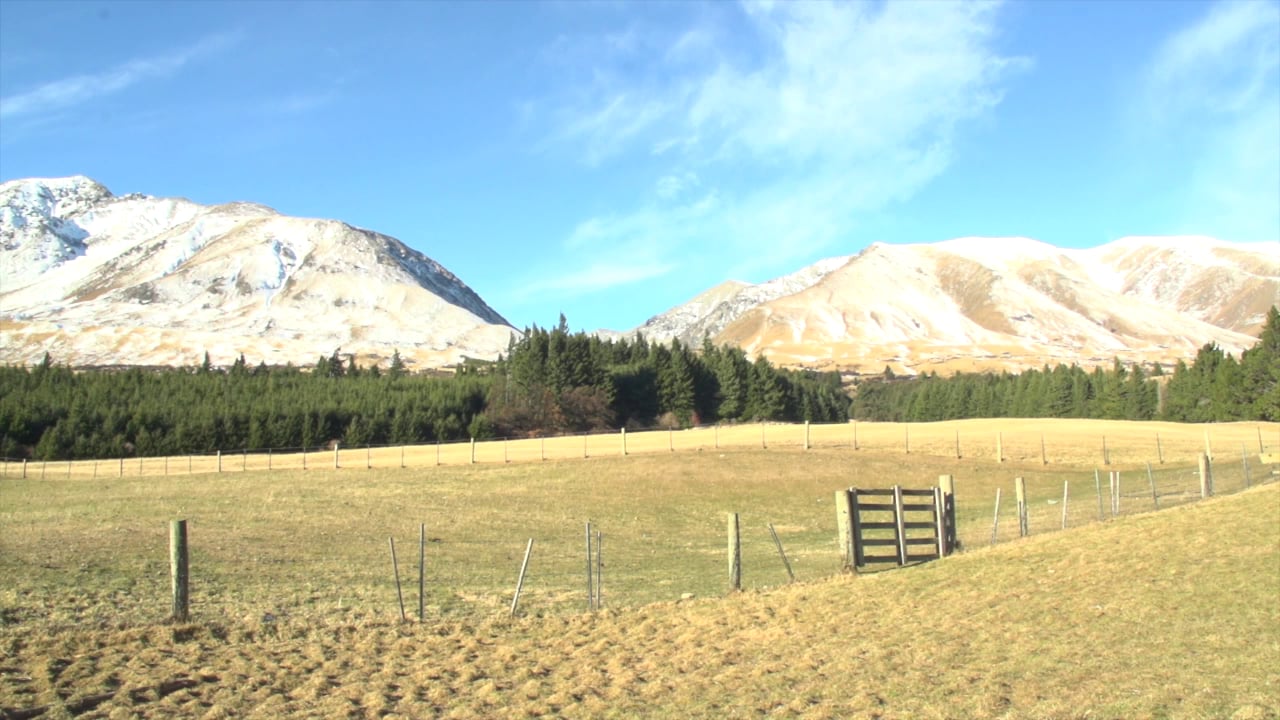
Shelter for livestock at Avenel Station in Central Otago
Enterprise
Forestry
Livestock
Resilience
Sheep and beef
Succession
Sustainability
Avenel Station farms sheep, beef, and venison with shelterbelts for livestock and forestry.
Mount Blue Farm shows how mixed-species woodlots and shelter belts benefit sheep farming.
Over 26 years, John and Heather Prebble have planted 30 hectares of trees. This shelter improves lamb survival and boosts pasture production during dry summers. One highlight is their 1.5 hectares of poplar trees, which provide feeding for 200-300 sheep over 2-3 summer months. The woodlots also offer a future retirement fund for the Prebbles, making their farm more sustainable and productive.
Avenel Station farms sheep, beef, and venison with shelterbelts for livestock and forestry.
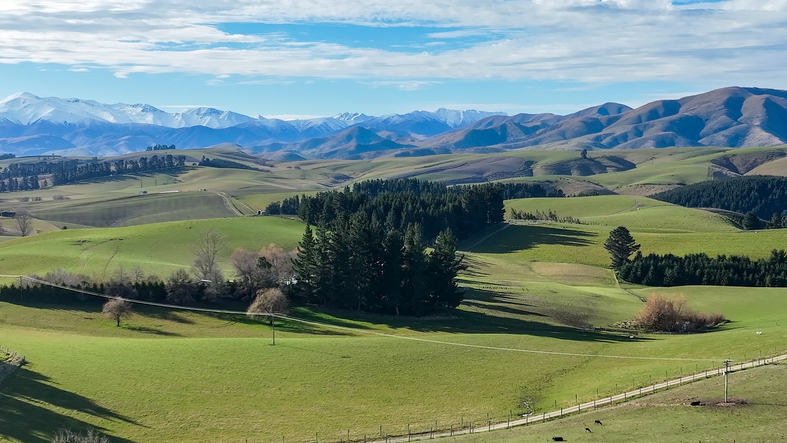
Explore how trees boost income and provide shelter on a Central Canterbury drystock farm.

Bill Wise grows trees for shelter and timber on his farm in South Otago.

Learn how trees improve farming in East Otago and support timber production.
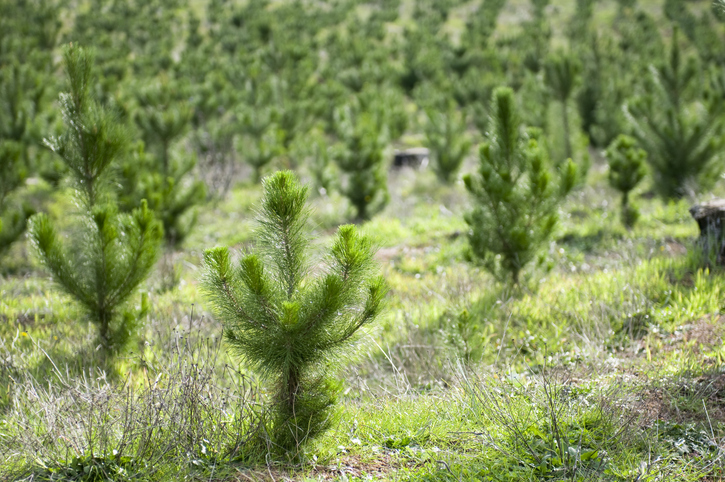
Neil Cullen shares tips on planning successful farm forestry mixed with sheep and beef in Balclutha.
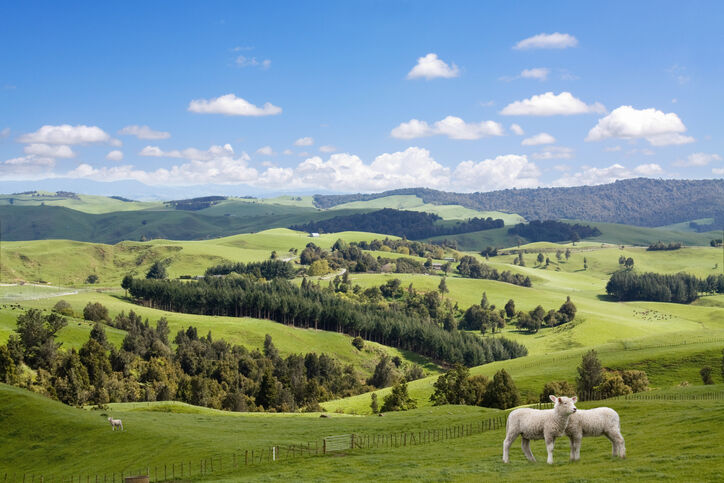
Discover how tree planting improved lambing rates on an Otago sheep farm.
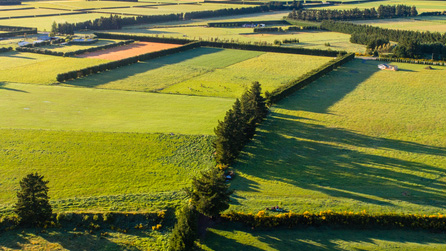
Learn about simple, cost-effective tips for shelterbelts for lambing from this Southland farm.
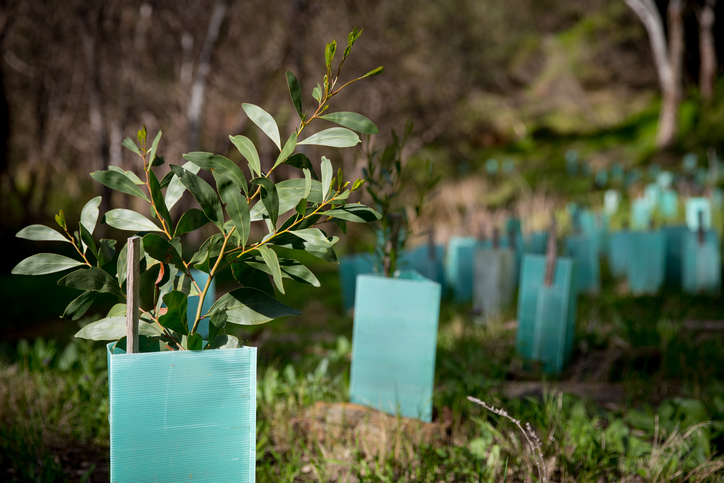
Learn how Hokanui Farm uses trees for stock management and shelter on their sheep farm.
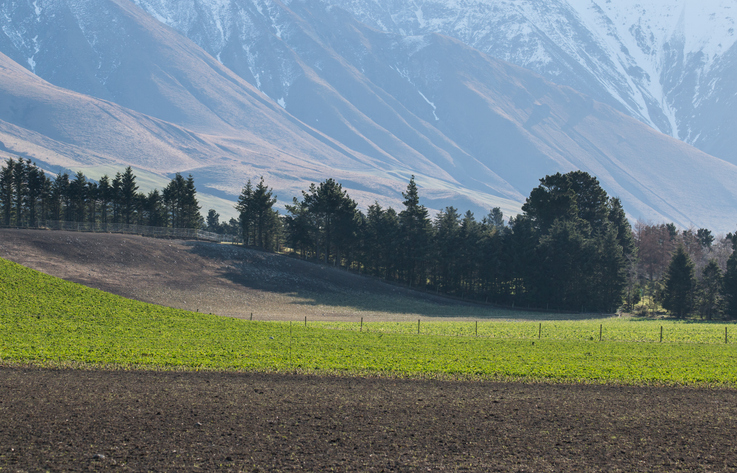
Learn how Snowdon Station's tree plantings have boosted farming efficiency and created a better environment for livestock.
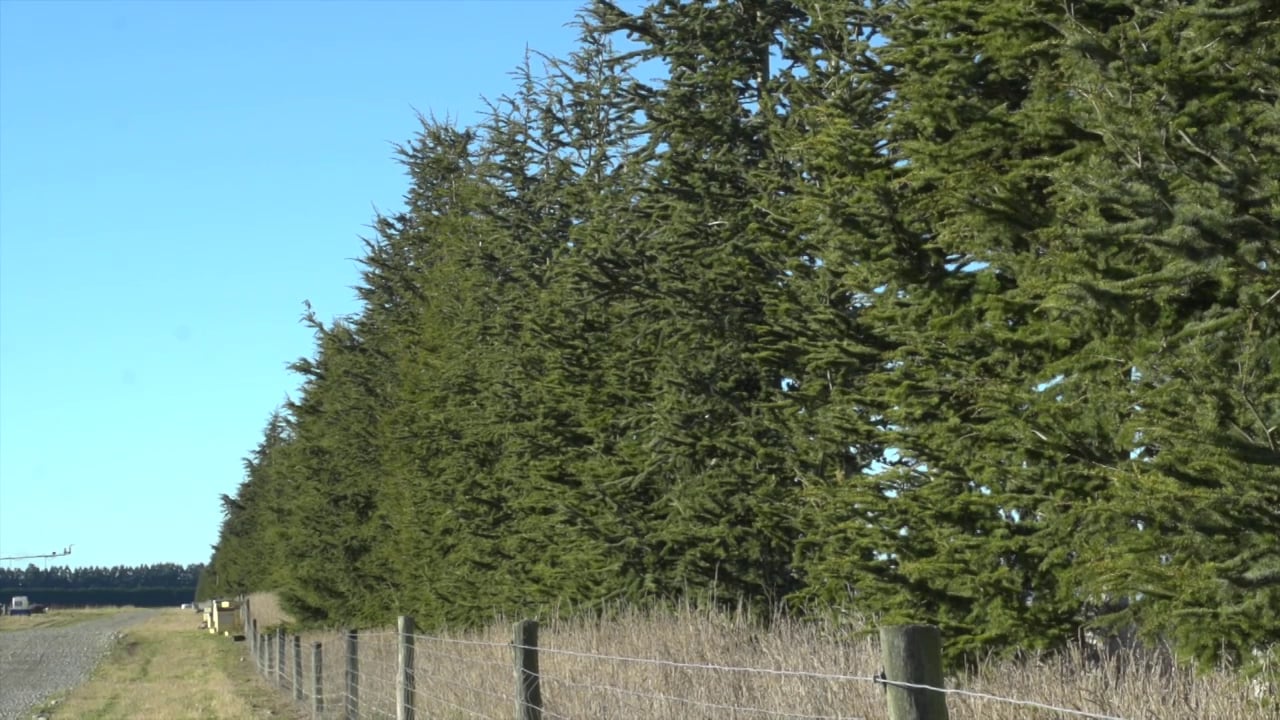
Find out how shelter plantings are improving soil conservation on a Canterbury farm.
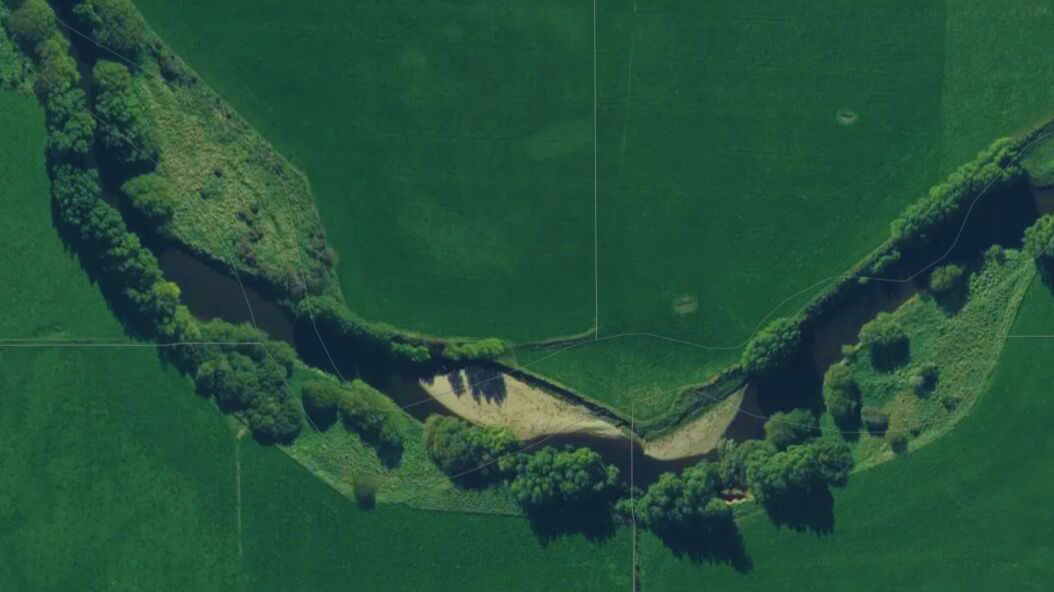
Anne Irving shares how riparian planting aids farm shelter and protects livestock on her Invercargill farm.
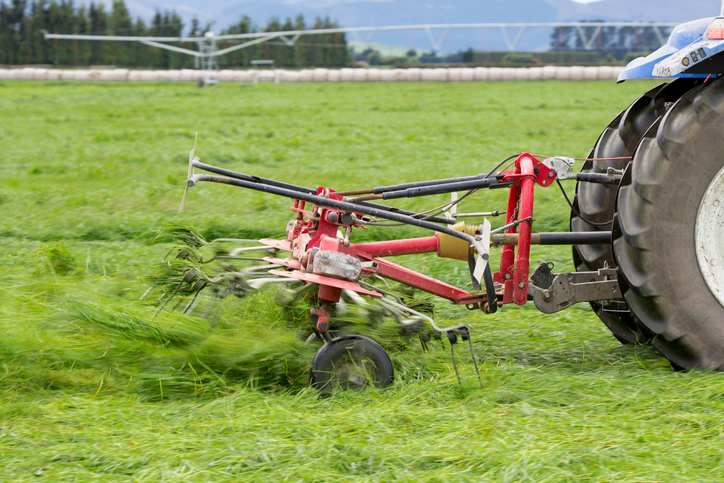
Learn key principles of pasture feeding and grazing and how to improve your farm's profitability.
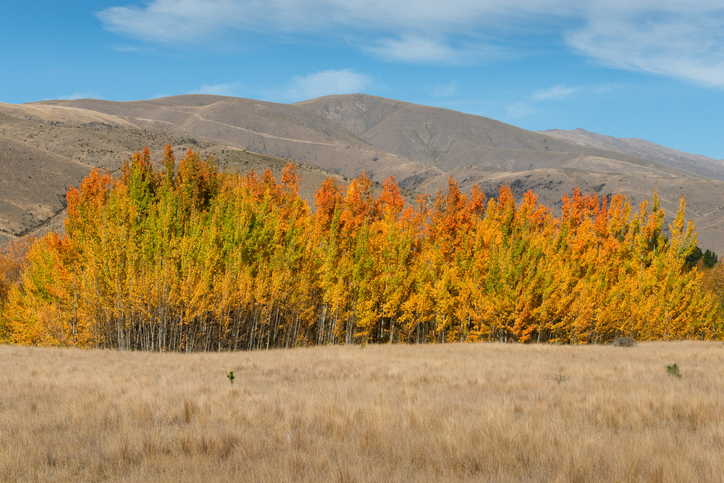
Learn how planting trees can boost farm income and provide shelter in low rainfall zones.
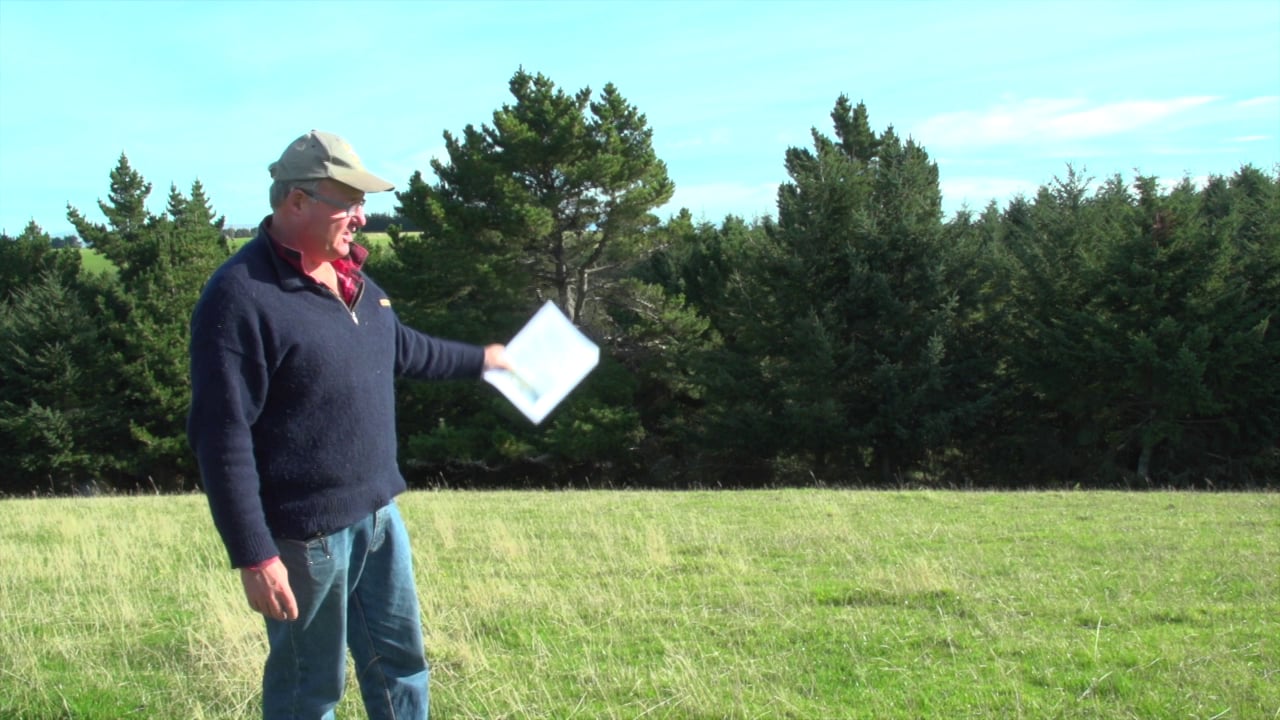
Explore a farm that uses diverse trees for shelter, wildlife, and better outcomes for livestock.
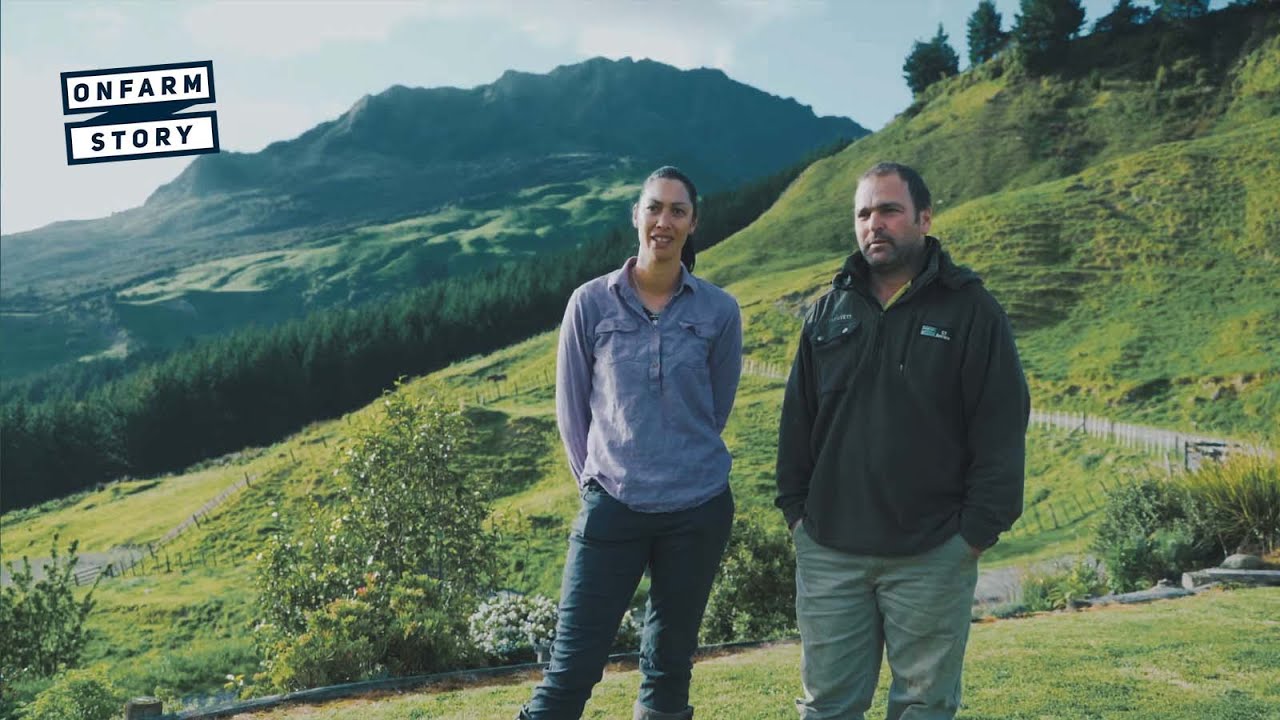
Farmers Rob and Mary Andrews share their experiences managing Mount Hikurangi farms.
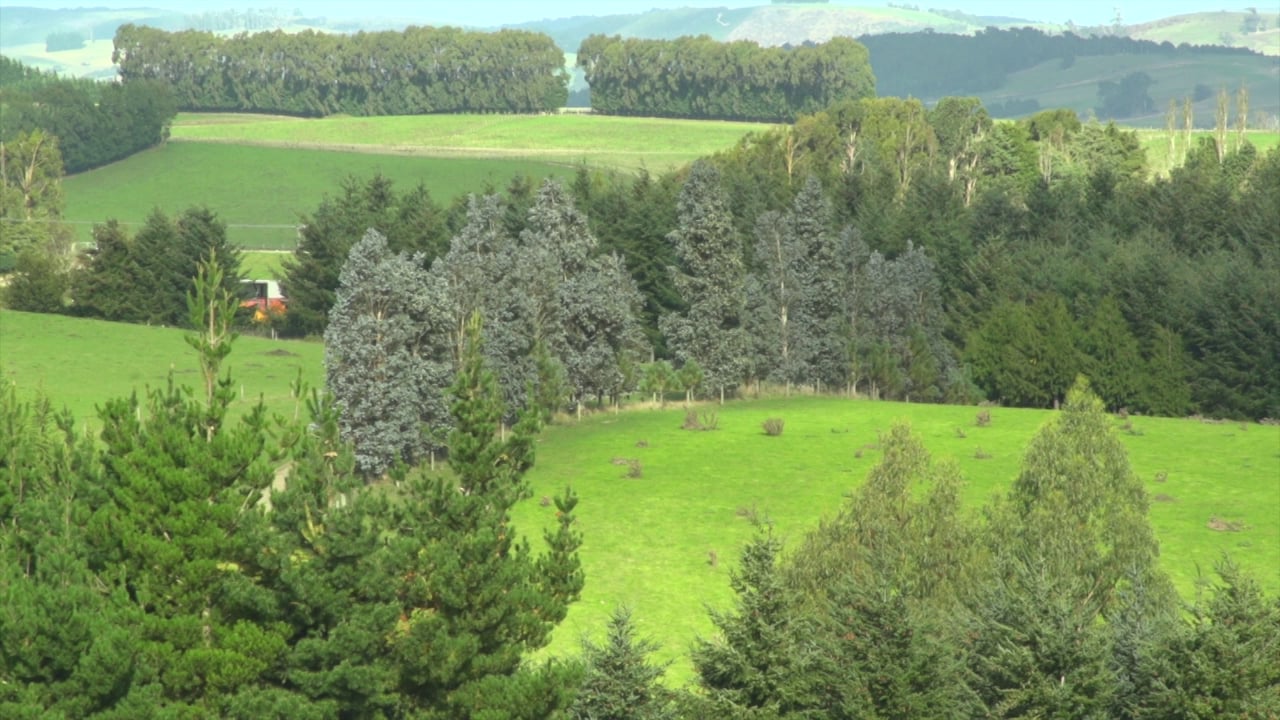
Ken Stephens shares insights on intergenerational farm forestry and sustainable practices.
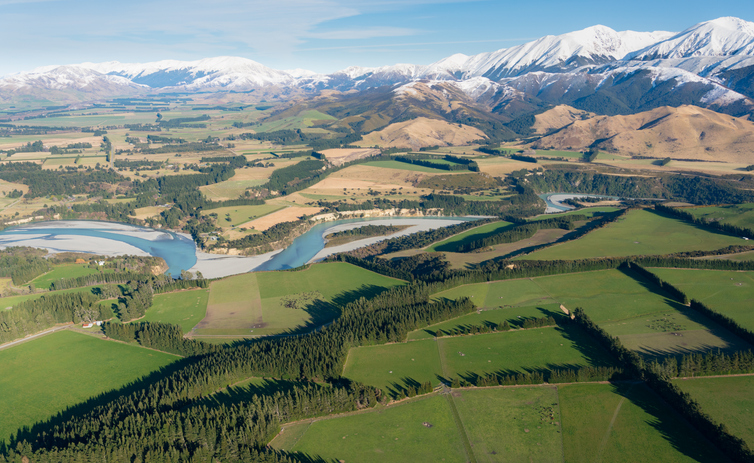
Explore diverse forest uses for production, conservation, and better surroundings on this farm.
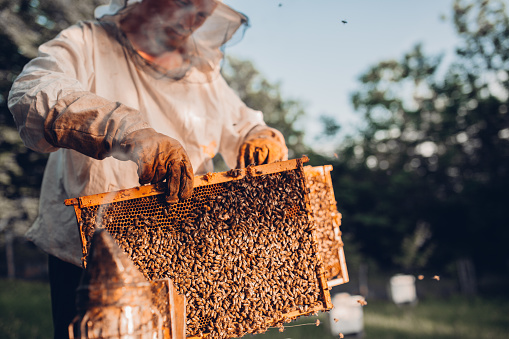
Learn how willows boost bee health and honey production in spring.
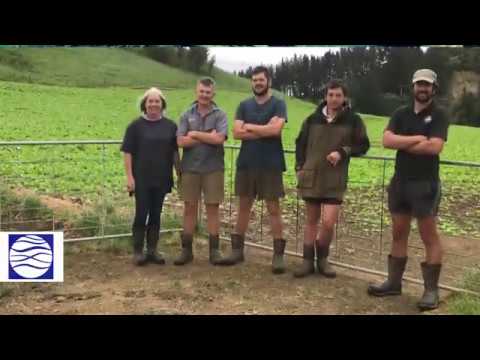
The winners of the 2020 Taranaki Supreme Award for sustainable sheep and beef farming share how they did it.
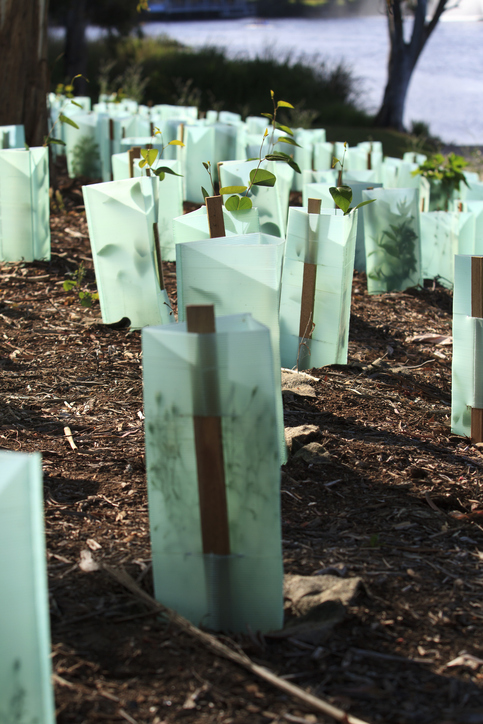
Learn how planting trees on farms can increase your farm's profit and support the environment.
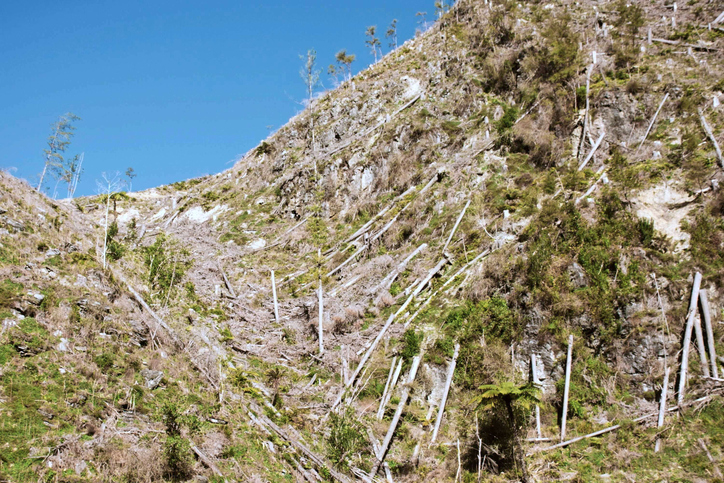
Learn how the Rutherfords use forestry for sustainable farming in North Canterbury.
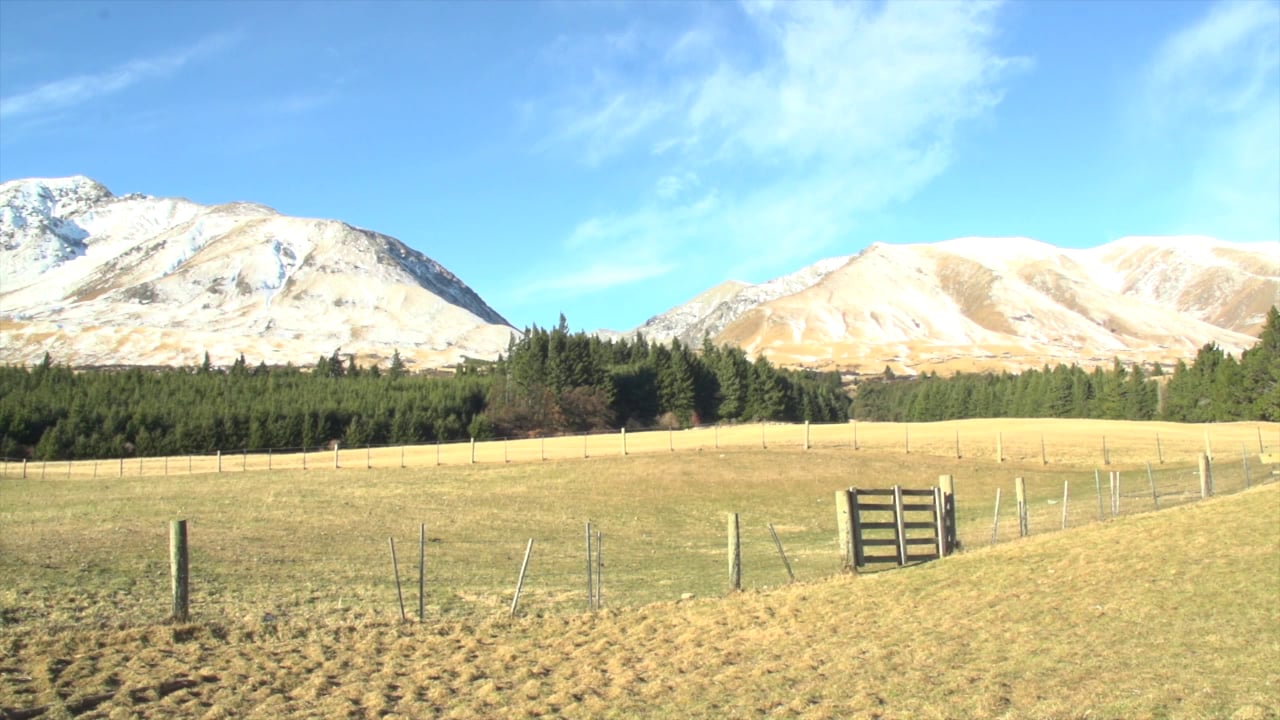
Ken Wigley shares how planting trees for shelter has improved life on Glen Lyon Station.
Discover how trees enhance a South Canterbury farm's income and environment.