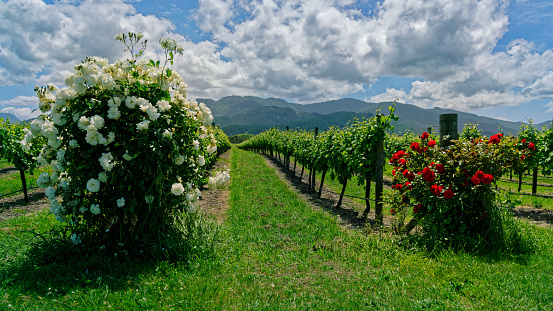
How to plant Trees for Bees on farms
Whenua
Biodiversity
On-farm actions
Productivity
Sustainability
Learn to plant trees and shrubs on farms to support bee health and improve pollination.
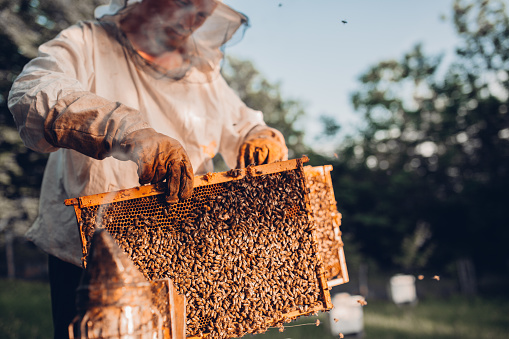
This guide explains the importance of willow trees for providing protein-rich pollen for honeybees in spring. By planting various types of willows, you can extend the pollen supply from late July to December, supporting bee populations. Willows also help control erosion, provide shade and shelter, and can be established easily from cuttings. Knowing the different species and their flowering times can help you enhance both bee health and farm productivity.
Learn to plant trees and shrubs on farms to support bee health and improve pollination.
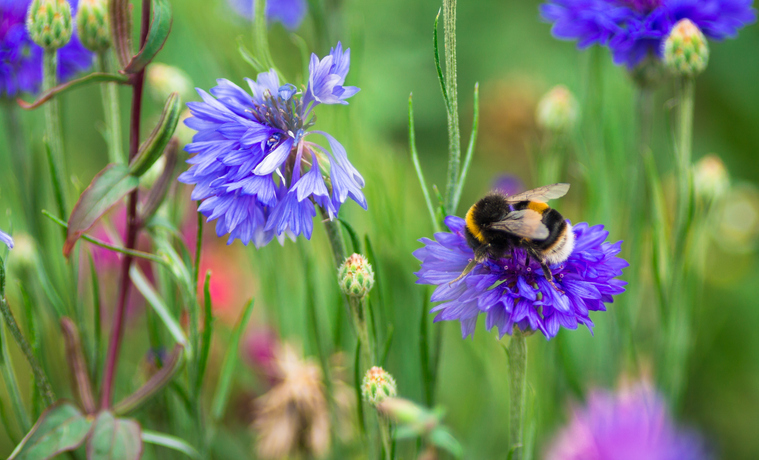
See flowering times of bee plants broken down by month and species.
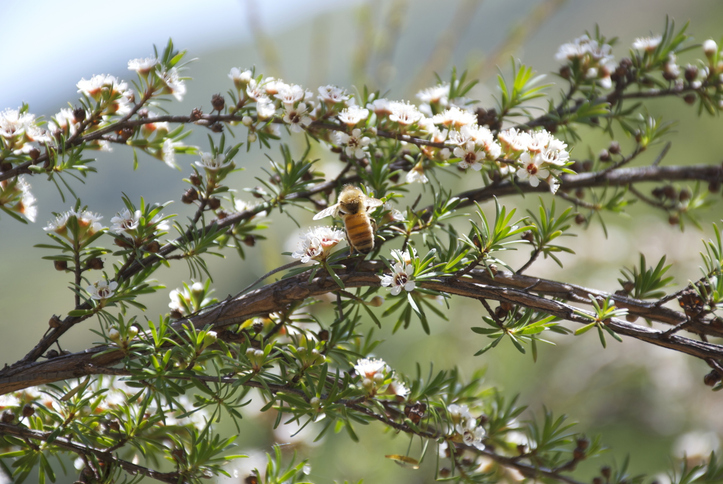
Find out about planning and planting trees to support bees on farms.
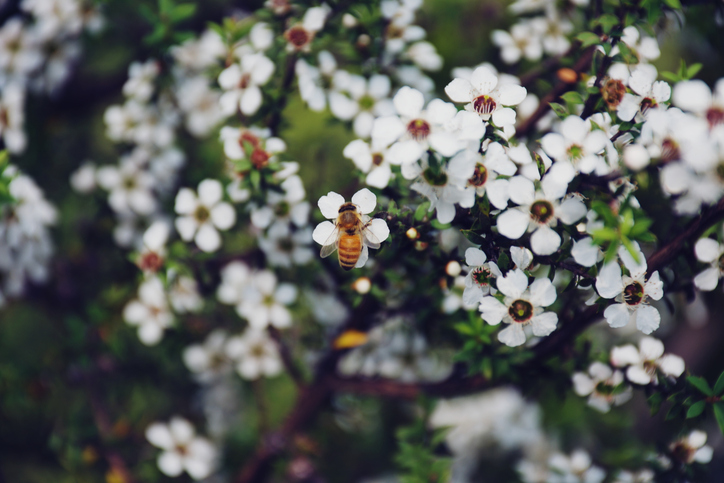
Find out how to plant for bees to enhance pollination and bee nutrition.
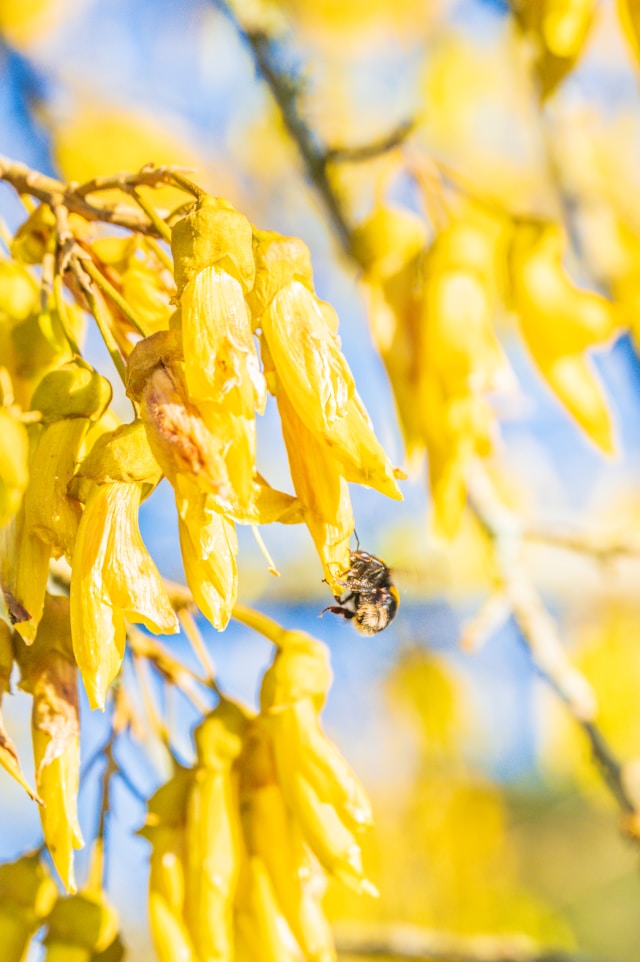
A catalogue of native plants that support bees in New Zealand's unique ecosystems.
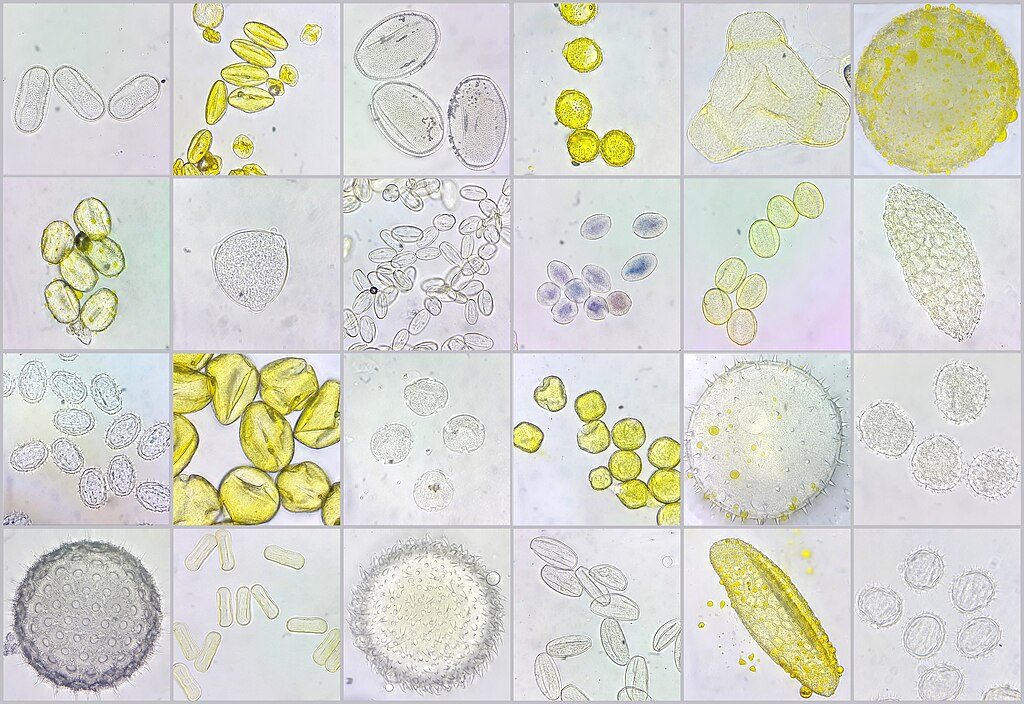
A visual guide to New Zealand bee pollen to help with honey analysis and identification.
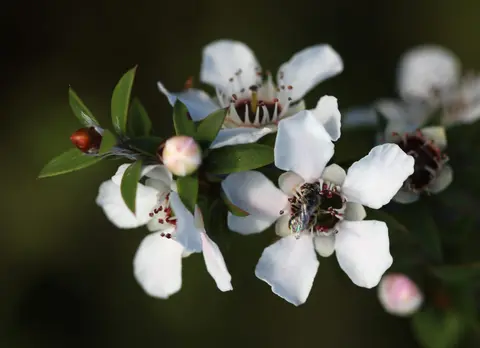
Tips for selecting native and exotic plants to support bee health.
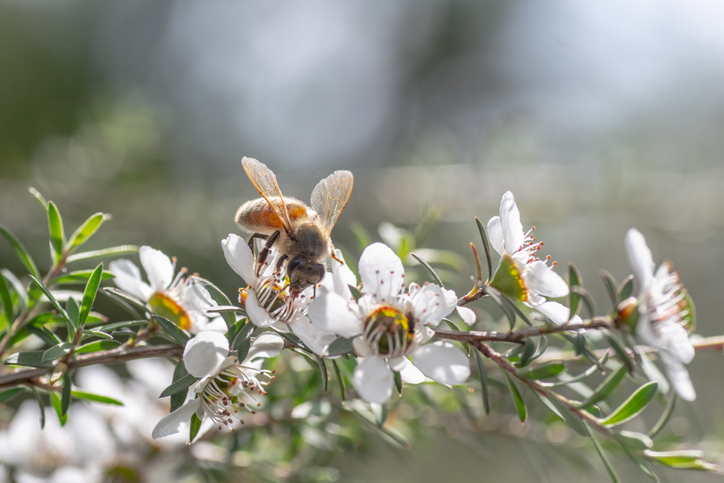
Find bee-friendly plants and flowering times to encourage pollinators on your whenua.
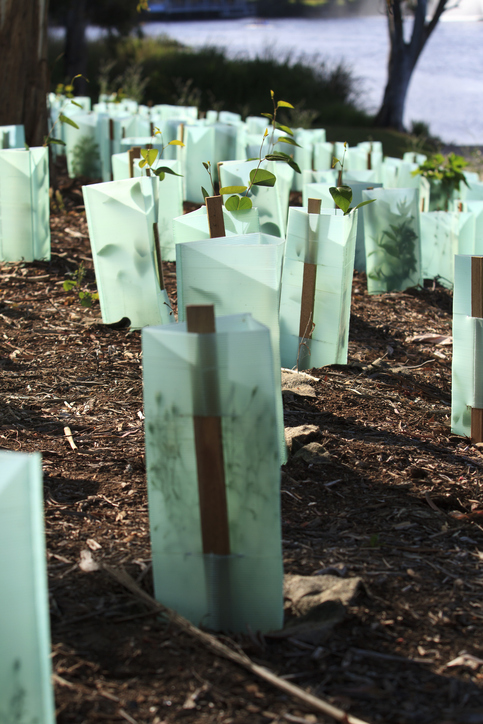
Learn how planting trees on farms can increase your farm's profit and support the environment.
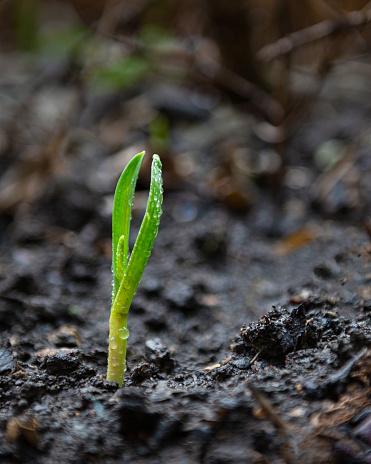
This fact sheet offers tips to extend exotic tree planting season and improve seedling survival.
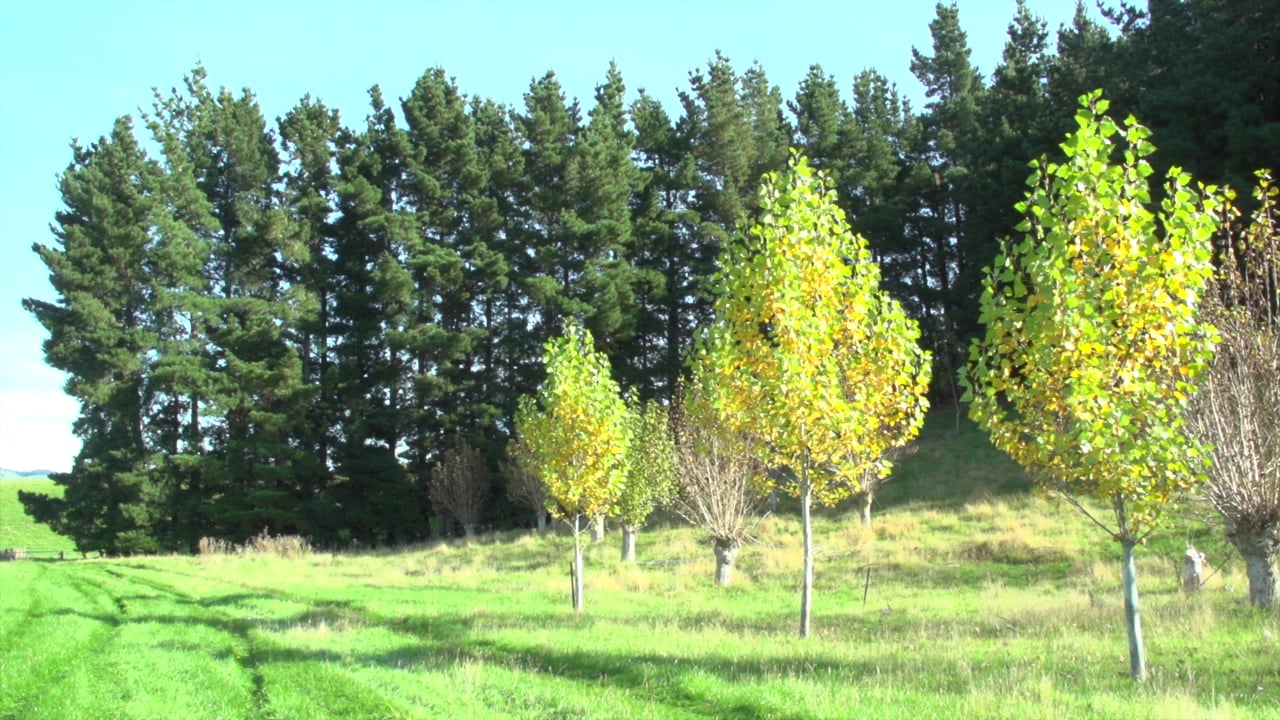
Learn how trees boost lamb survival, pasture growth, and financial sustainability at Mount Blue Farm.
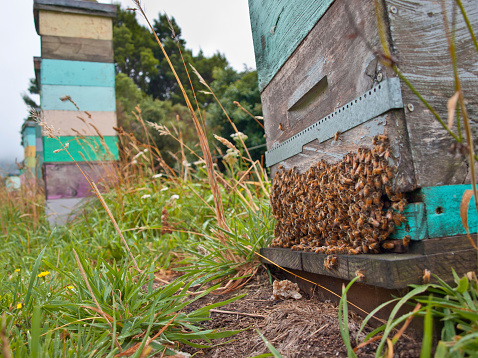
Find the best plants to encourage bees on your whenua.
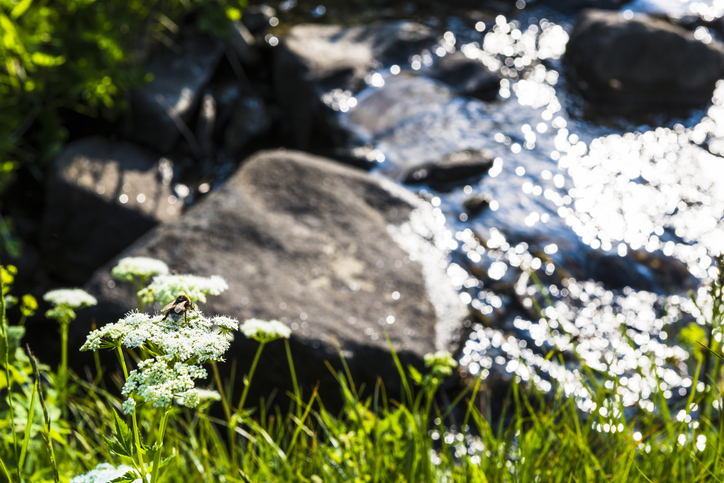
This handbook guides planting bee forage in riparian zones, helping honey bees thrive.
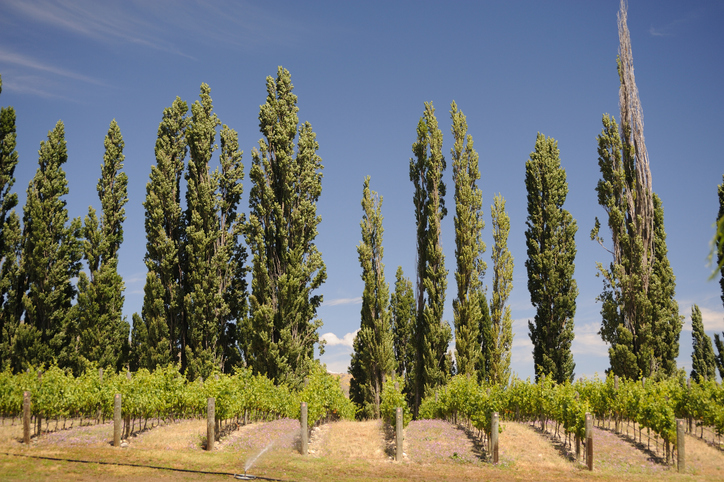
Source willow and poplar poles for erosion control in Hawke's Bay.
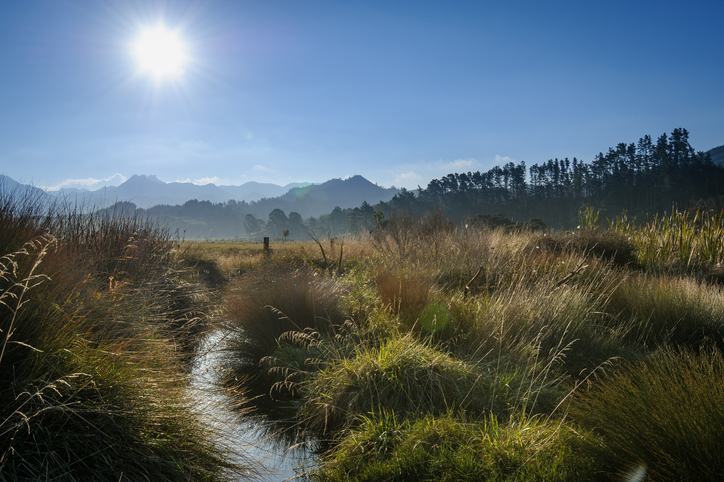
Learn about planting trees along waterways to enhance nature and prevent erosion.
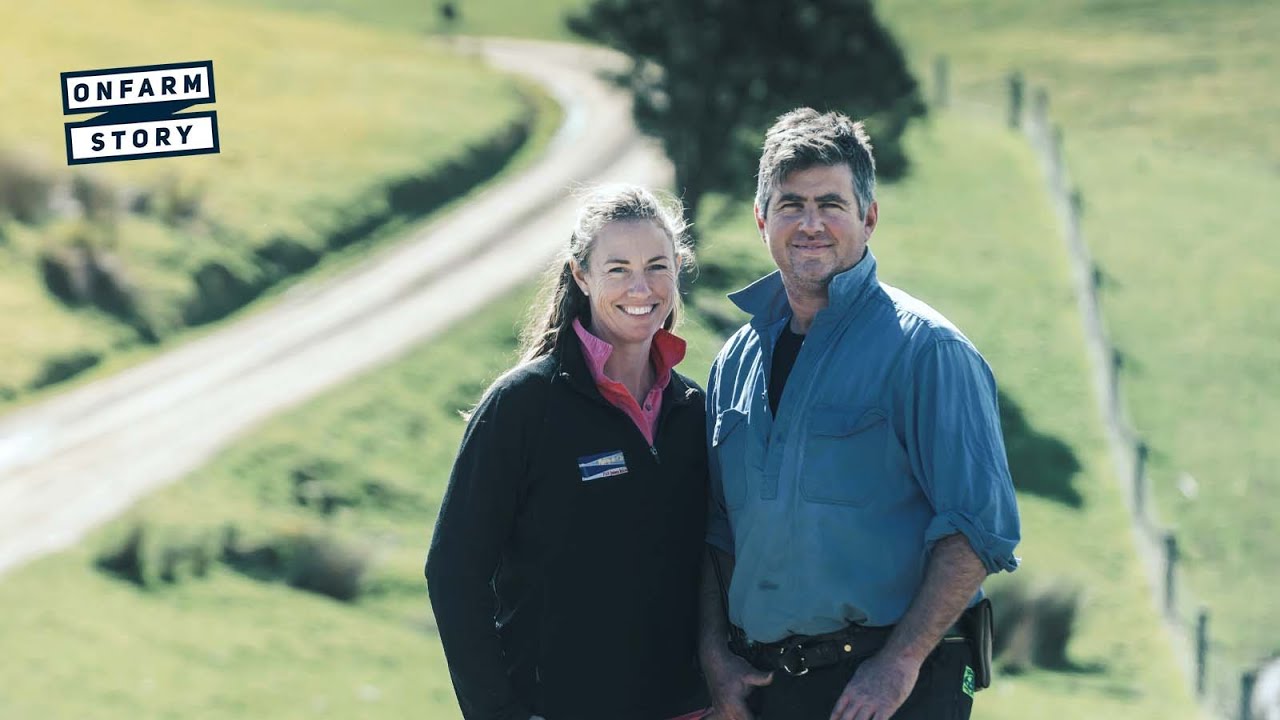
A farm family shares their journey of resilience and recovery after the Kaikoura earthquake.
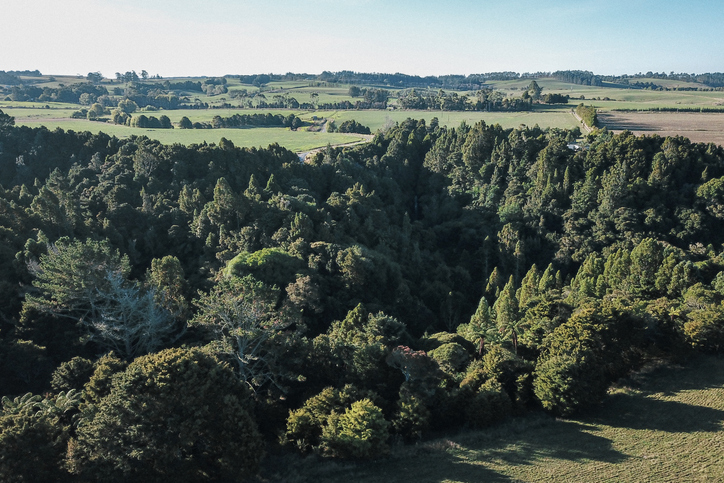
Learn how tree planting on farms can earn carbon credits in the Emissions Trading Scheme (ETS).
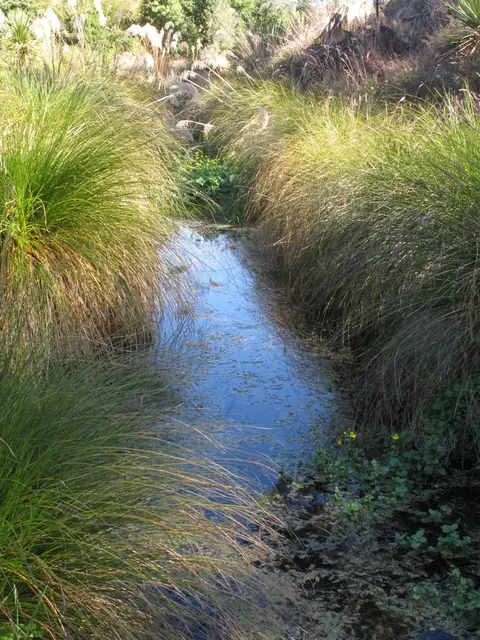
Uncover options for riparian planting, native trees and shelter that boost farm biodiversity.

Discover how much mānuka honey the whenua in your rohe could produce each year.
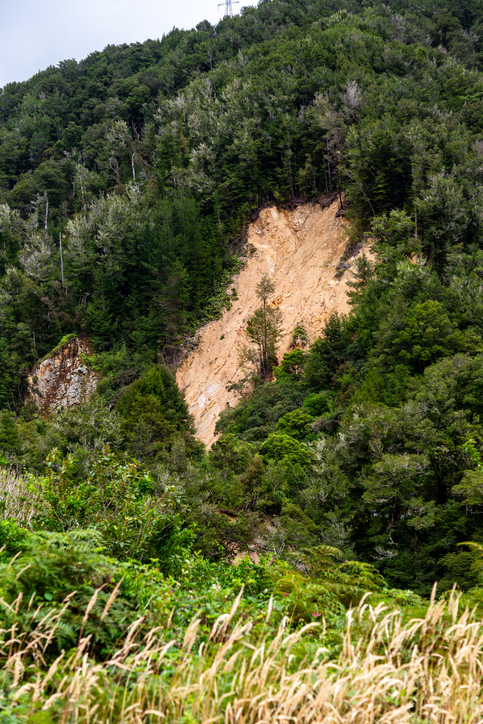
Learn how to control erosion in forestry through careful planning and tree selection.
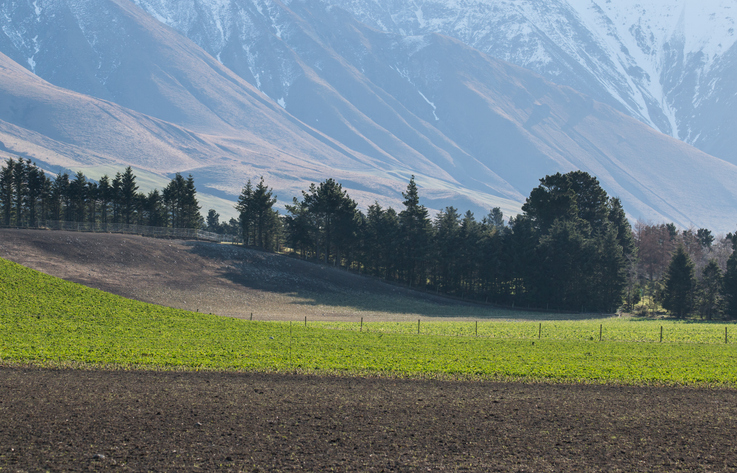
Learn how Snowdon Station's tree plantings have boosted farming efficiency and created a better environment for livestock.
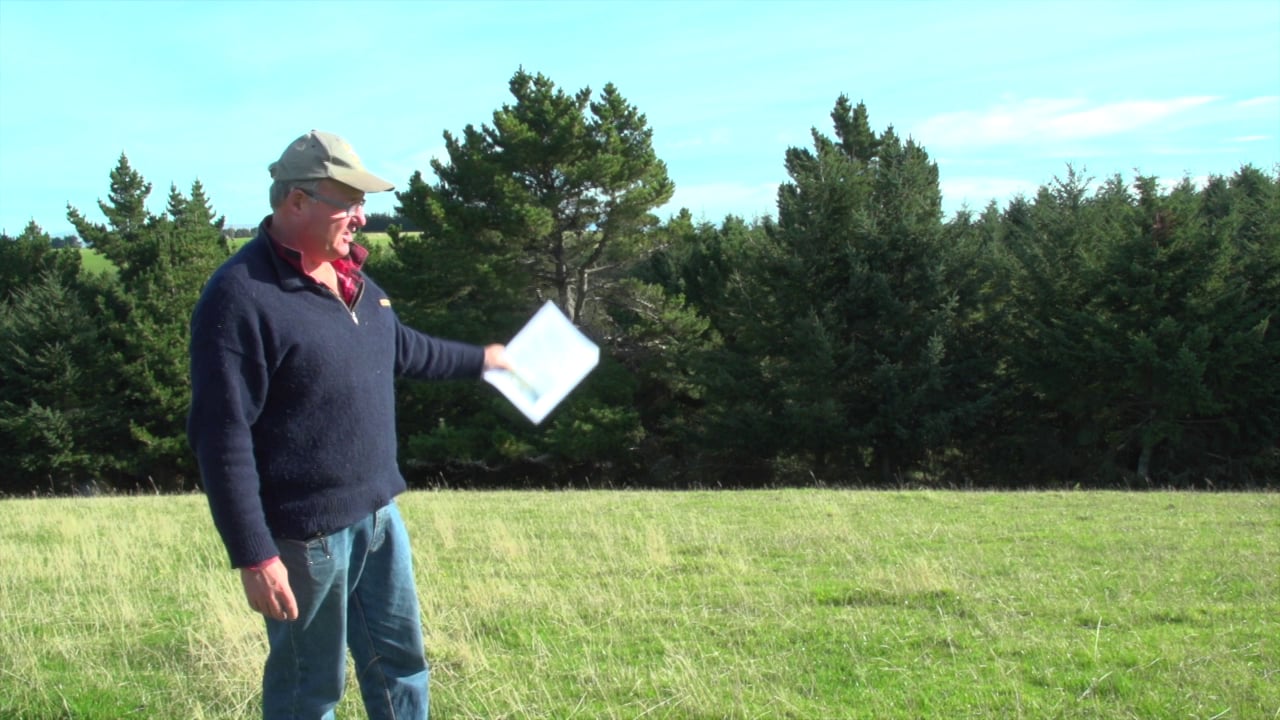
Explore a farm that uses diverse trees for shelter, wildlife, and better outcomes for livestock.
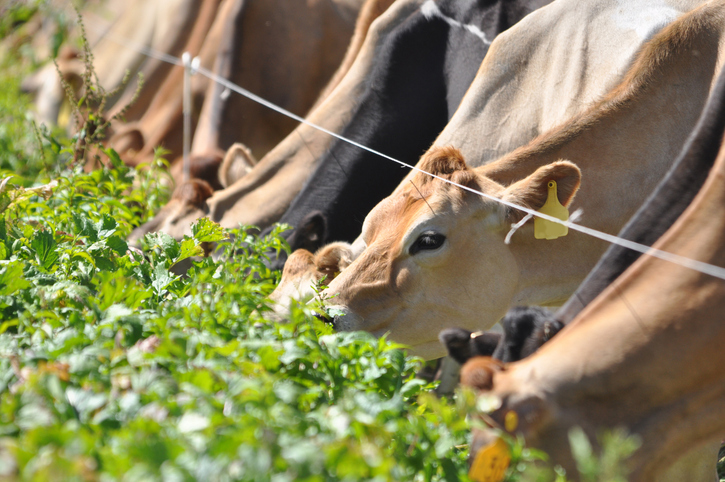
Find templates and calculators to help manage feed supply and demand on your dairy farm.