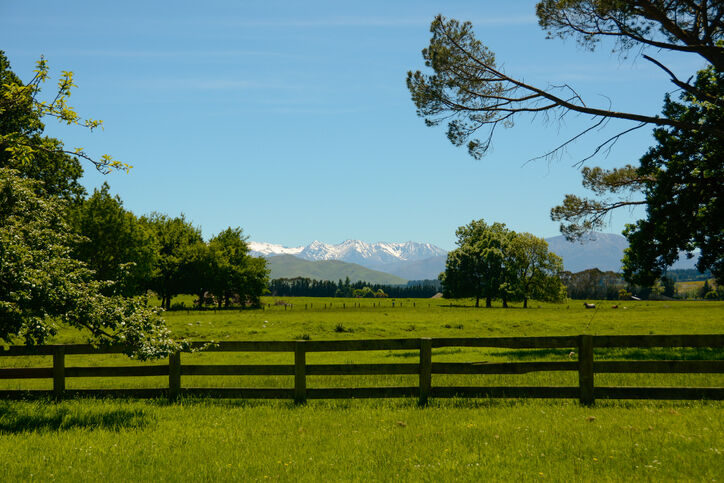
Shelter for livestock at Avenel Station in Central Otago
Enterprise
Forestry
Livestock
Resilience
Sheep and beef
Succession
Sustainability
Avenel Station farms sheep, beef, and venison with shelterbelts for livestock and forestry.

The case study on John and Heather Prebble's farm in East Otago shows how planting trees can improve farming. When they bought their 631-hectare farm, there were few trees. They first planted shelterbelts to protect their crops and livestock from harsh winds. Over time, they added woodlots for timber, using trees like radiata pine and macrocarpa.
Today, the farm has over 34 hectares of woodlots and 3.2 kilometres of shelterbelts. These trees provide better soil moisture and healthier pastures, even during dry spells. The Prebbles also plant poplar trees for livestock fodder. Their approach demonstrates how combining trees with farming can lead to a more sustainable and productive operation.
Avenel Station farms sheep, beef, and venison with shelterbelts for livestock and forestry.
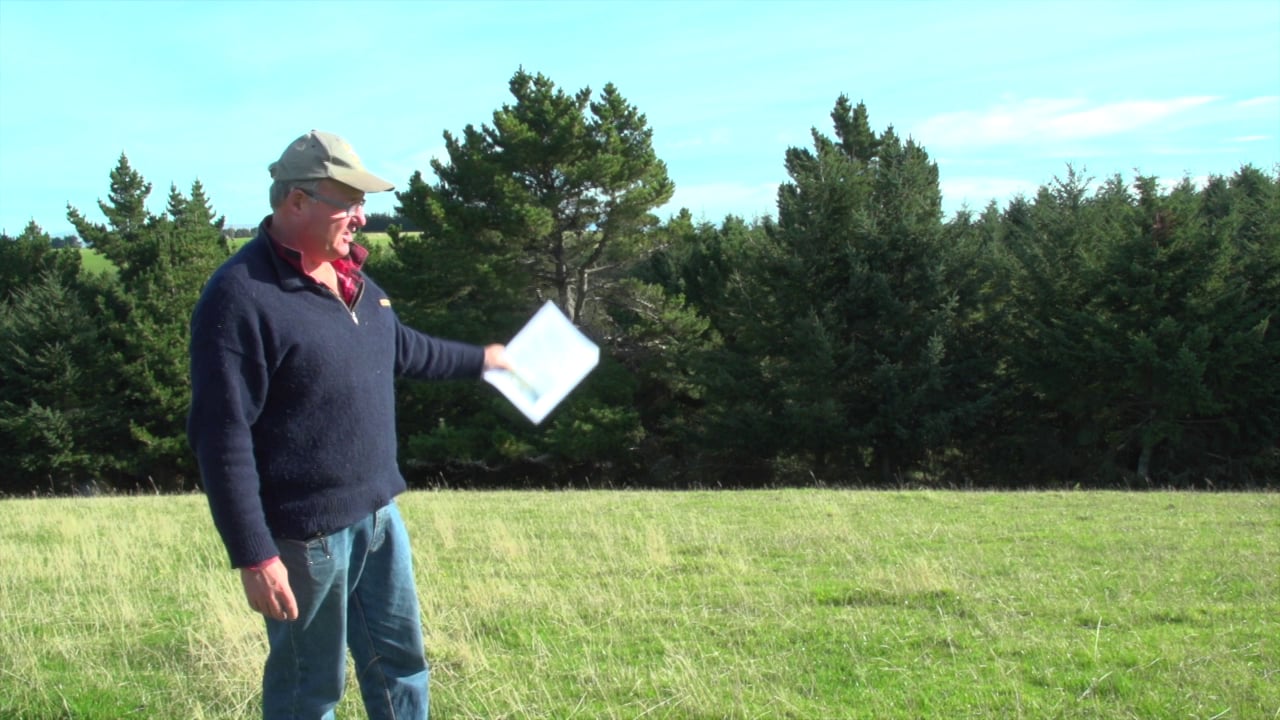
Explore a farm that uses diverse trees for shelter, wildlife, and better outcomes for livestock.
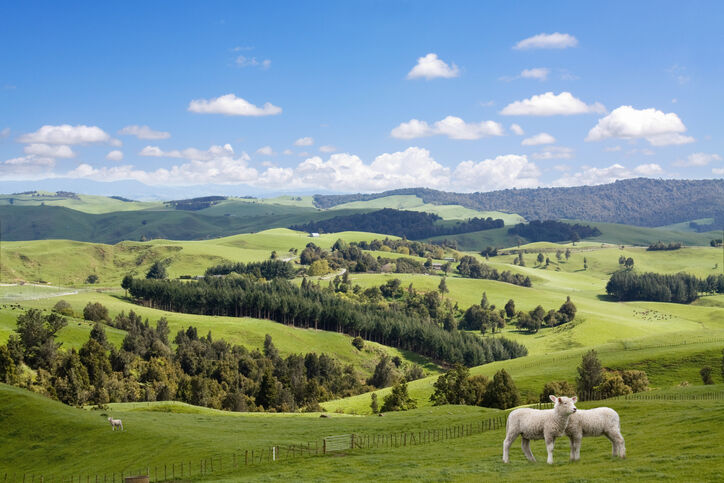
Discover how tree planting improved lambing rates on an Otago sheep farm.
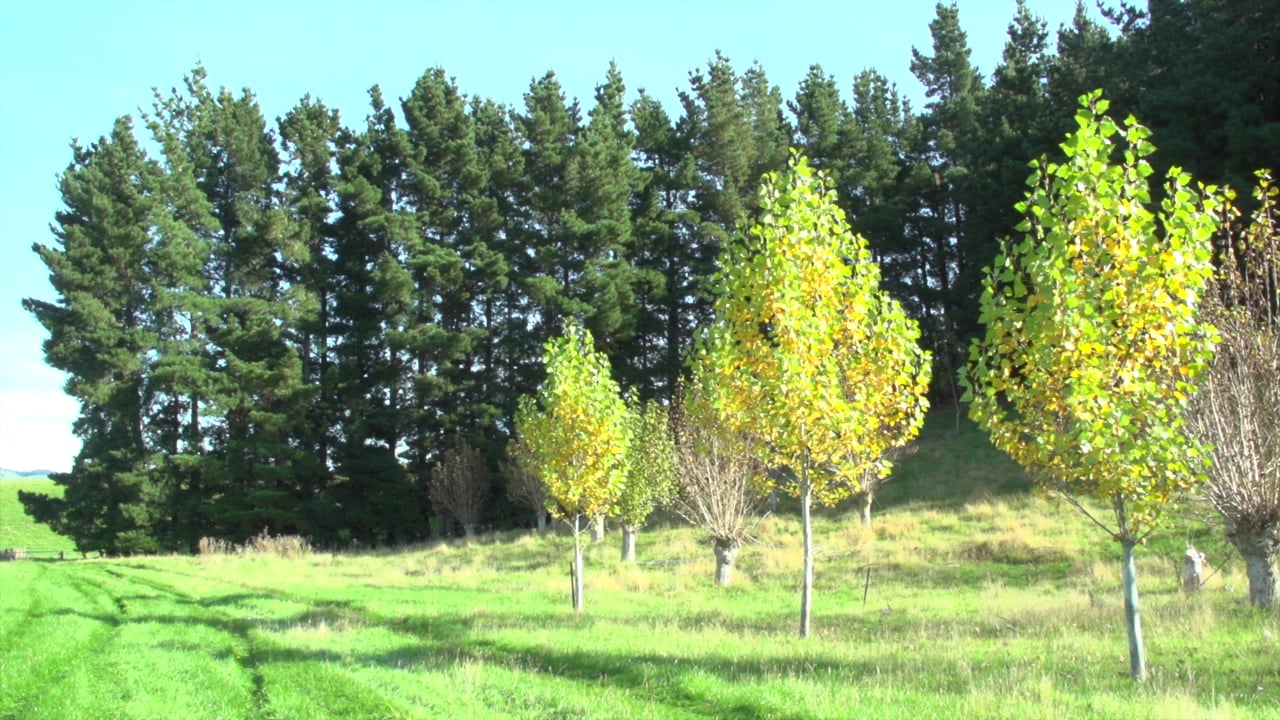
Learn how trees boost lamb survival, pasture growth, and financial sustainability at Mount Blue Farm.
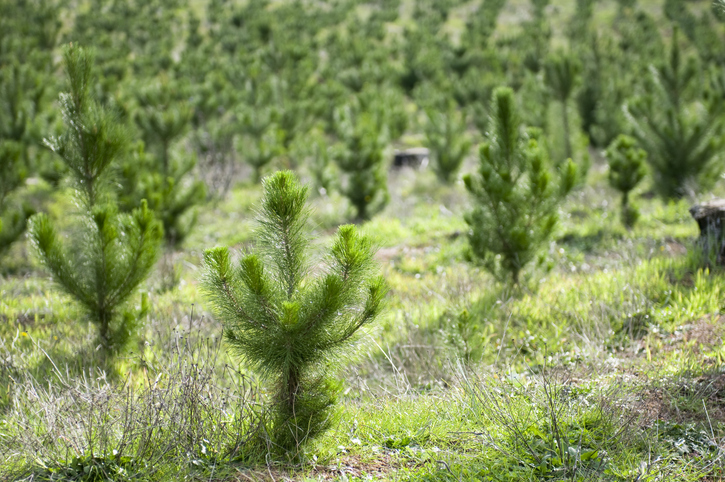
Neil Cullen shares tips on planning successful farm forestry mixed with sheep and beef in Balclutha.
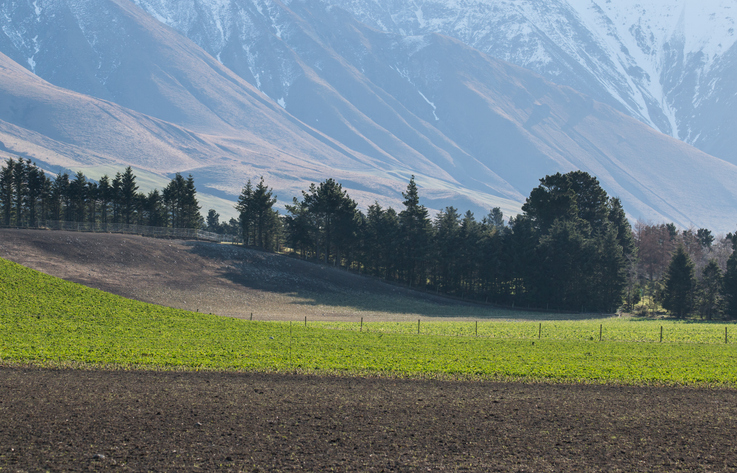
Learn how Snowdon Station's tree plantings have boosted farming efficiency and created a better environment for livestock.
Bill Wise grows trees for shelter and timber on his farm in South Otago.
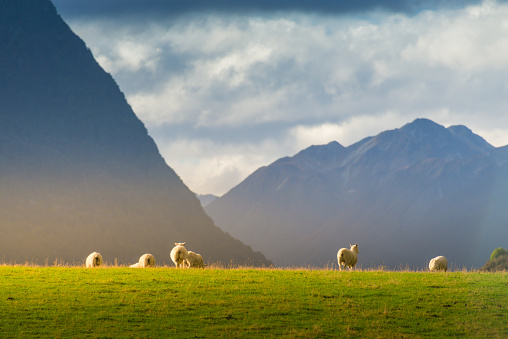
A family farm in Otago uses two sites to spread climate risks and stay resilient.
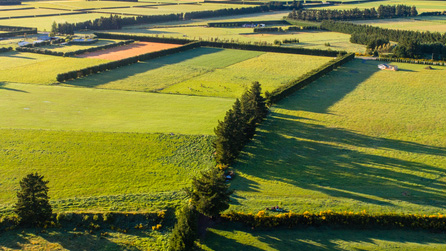
Learn about simple, cost-effective tips for shelterbelts for lambing from this Southland farm.
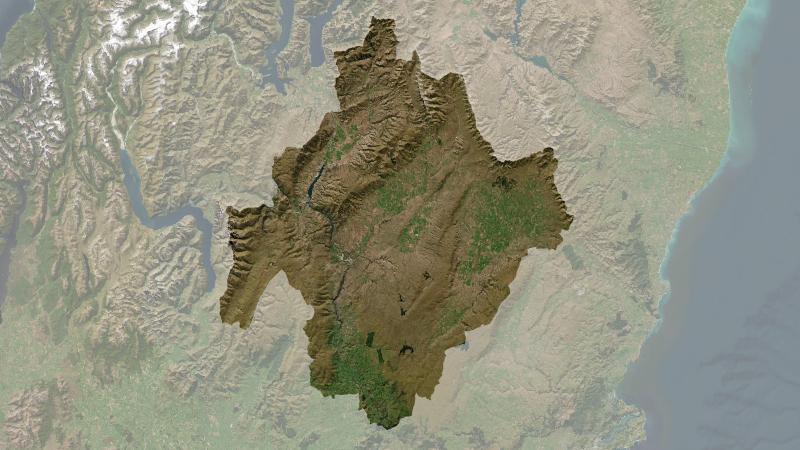
Understand climate event and variability trends for Central Otago District.
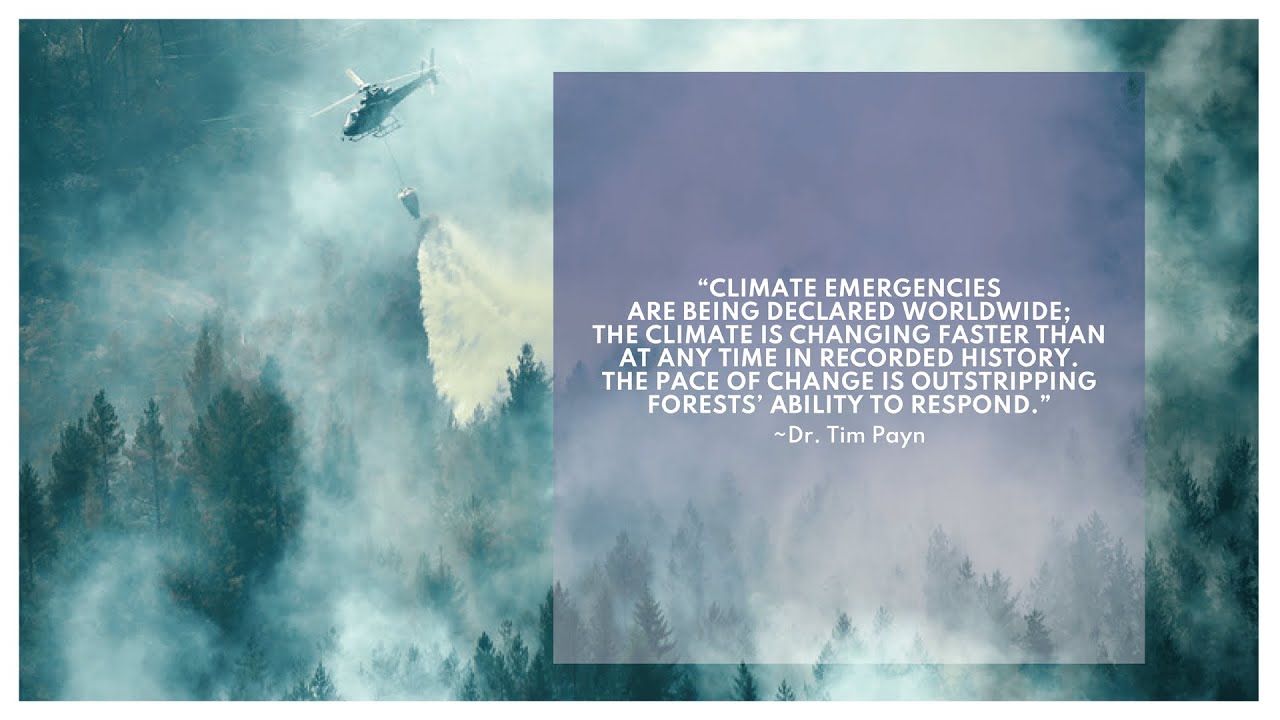
Hear about the effects of climate change on Aotearoa forests and learn strategies for resilience.
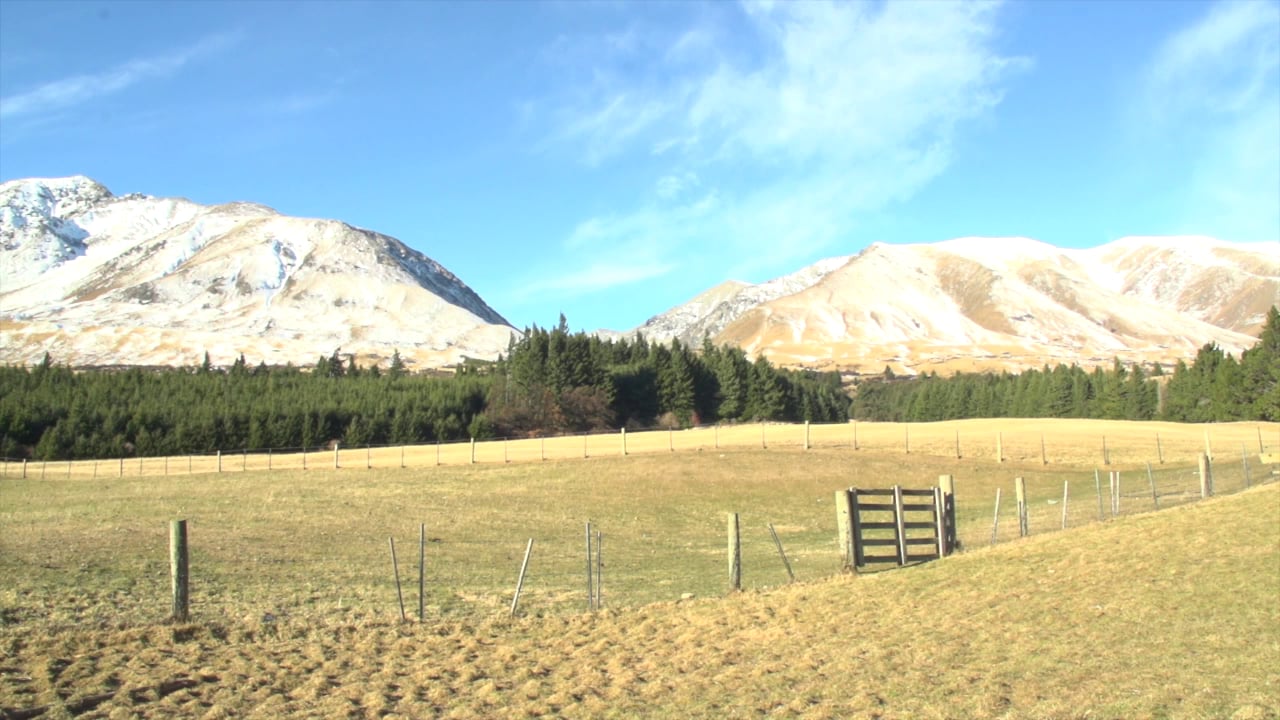
Discover how trees enhance a South Canterbury farm's income and environment.
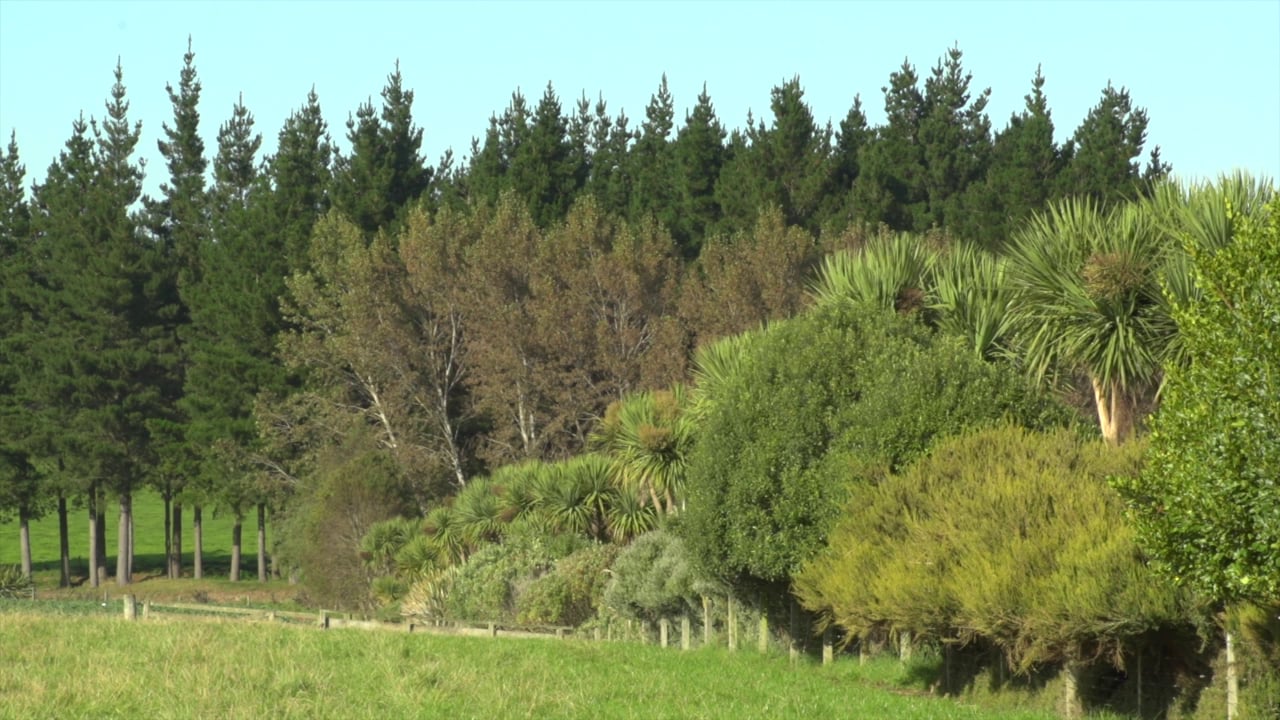
Explore how shelter plantings boost sheep farming and provide home-grown timber.
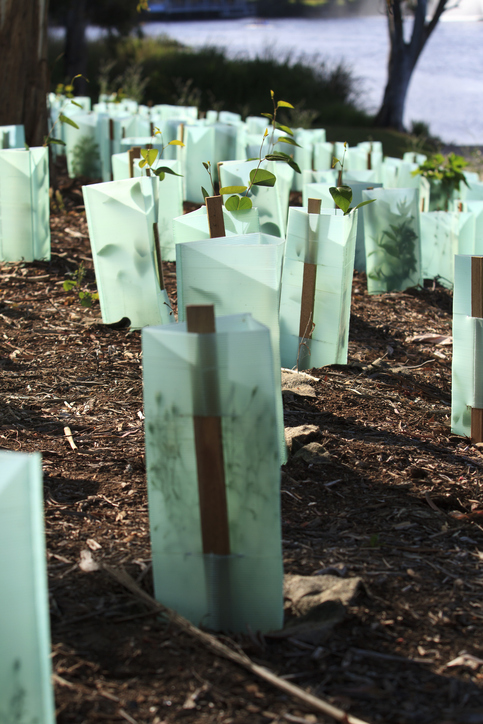
Learn how planting trees on farms can increase your farm's profit and support the environment.
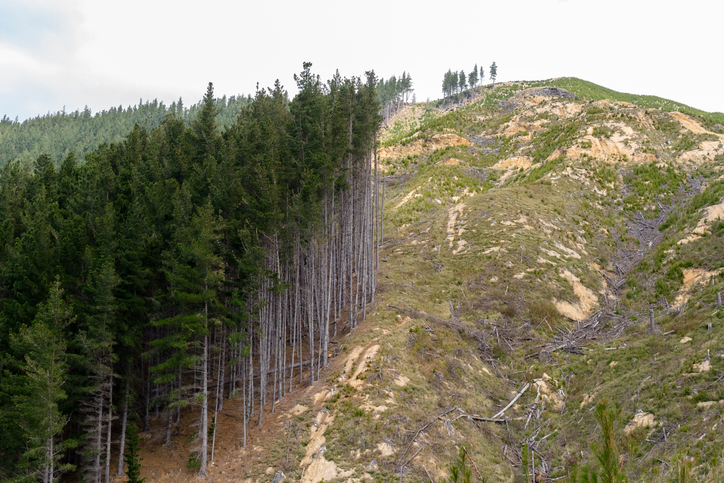
Learn about planting on erodible land for better resilience and productivity.
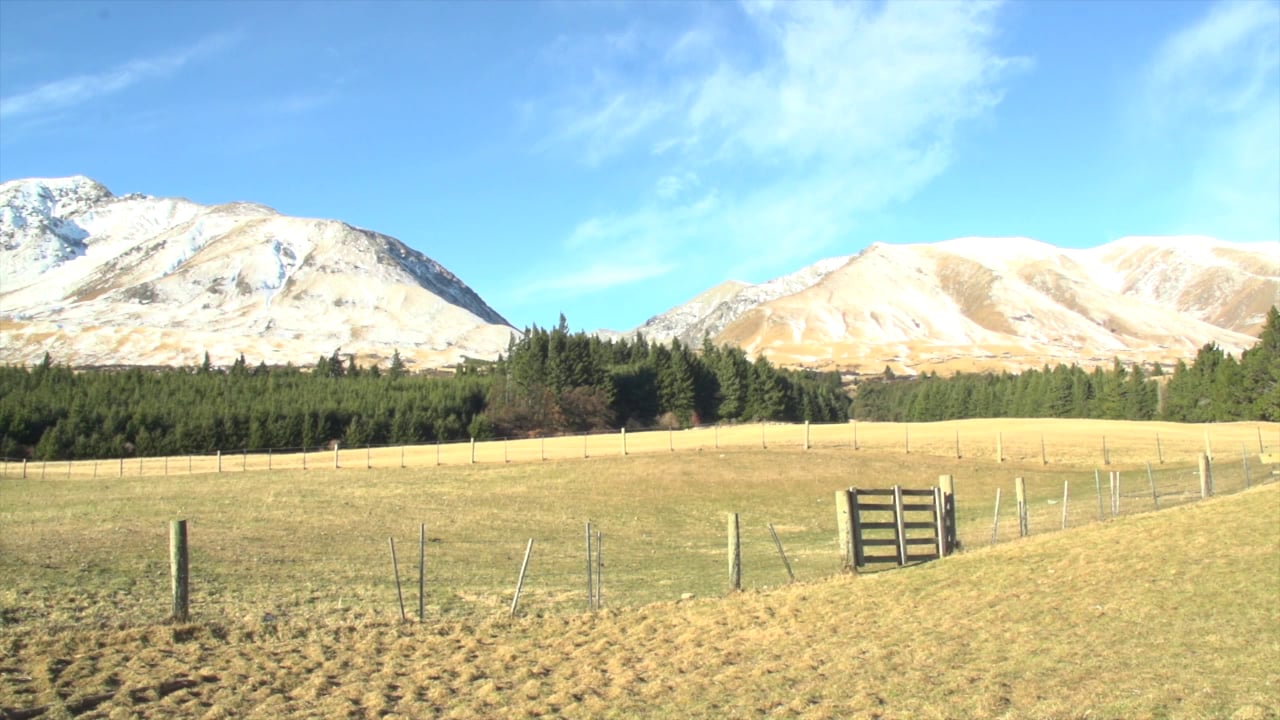
Ken Wigley shares how planting trees for shelter has improved life on Glen Lyon Station.
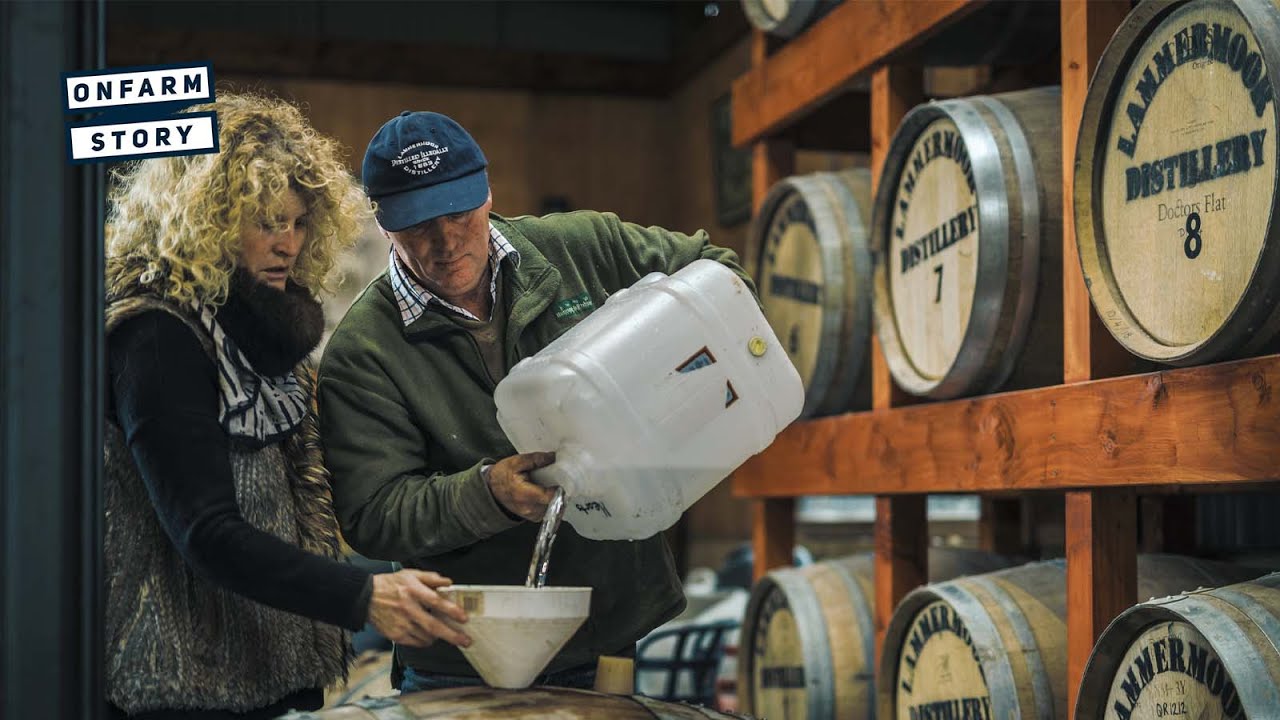
John and Susan Elliot run a whiskey and gin distillery on their family farm in Central Otago.
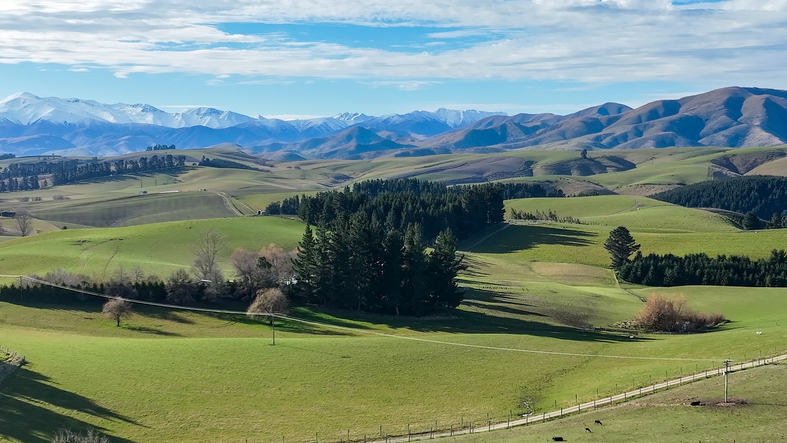
Explore how trees boost income and provide shelter on a Central Canterbury drystock farm.
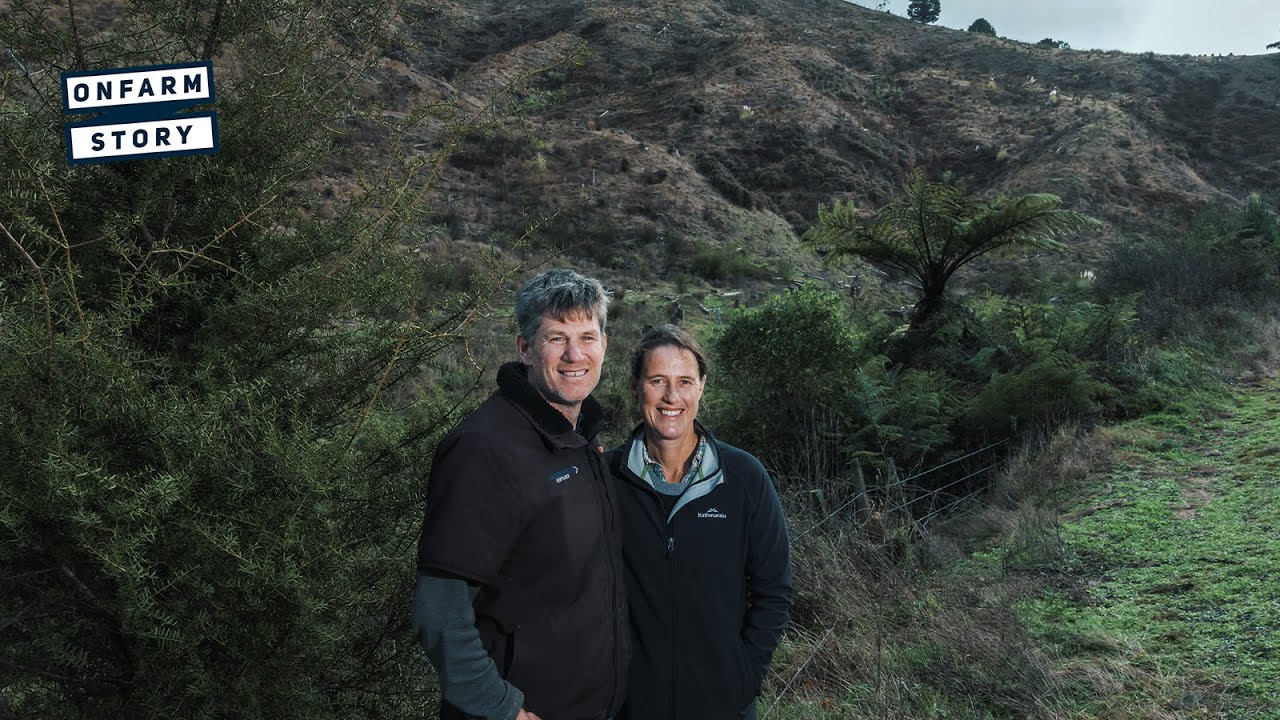
Farmers Fiona and Jon Sherlock are adapting to climate change by converting marginal land into forestry.
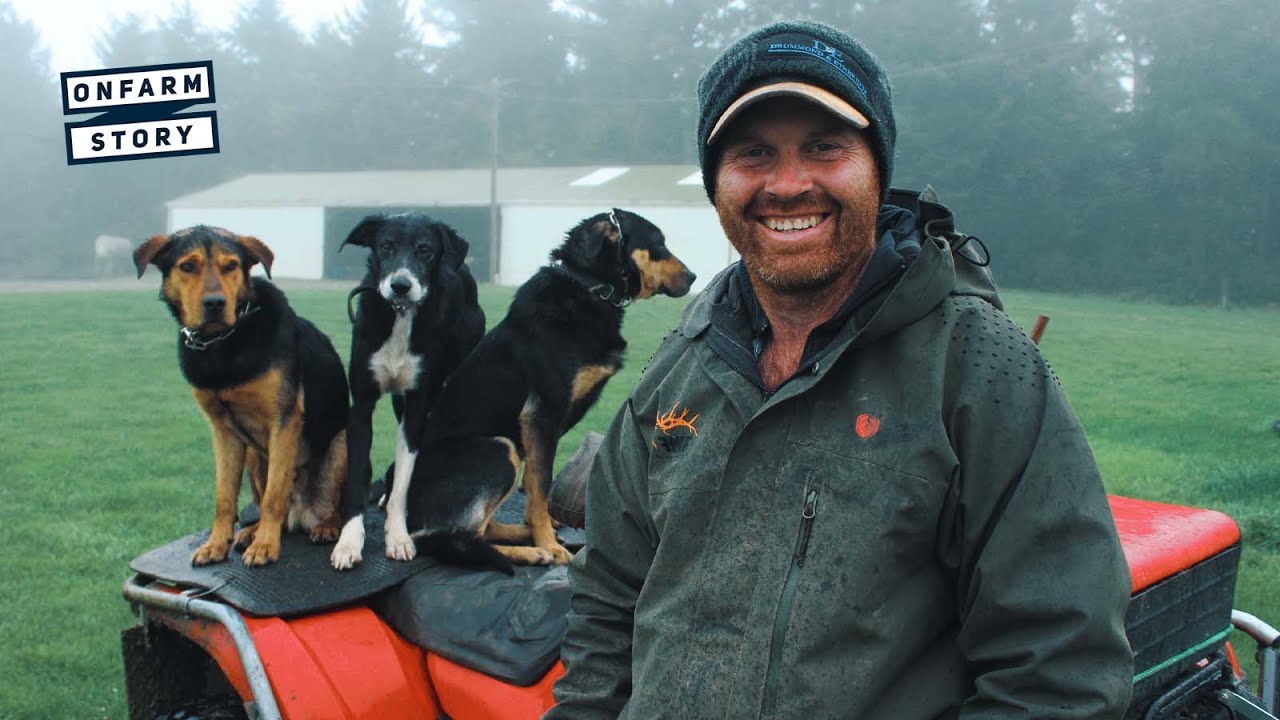
The McNaughton's share their manaaki whenua, manaaki tangata farming philosophy.
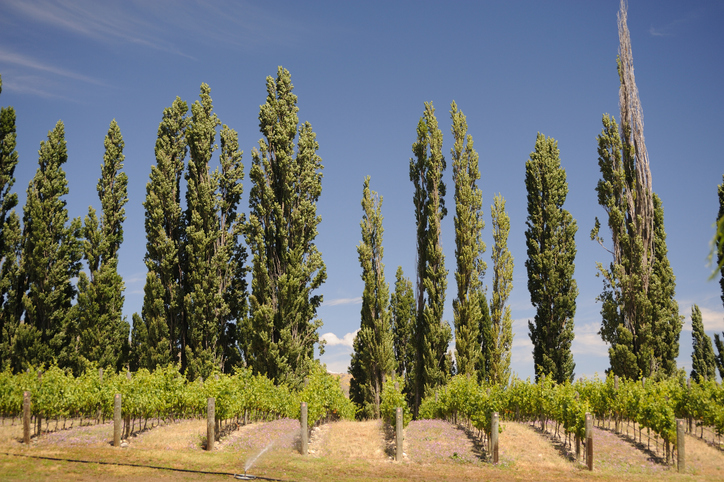
Source willow and poplar poles for erosion control in Hawke's Bay.
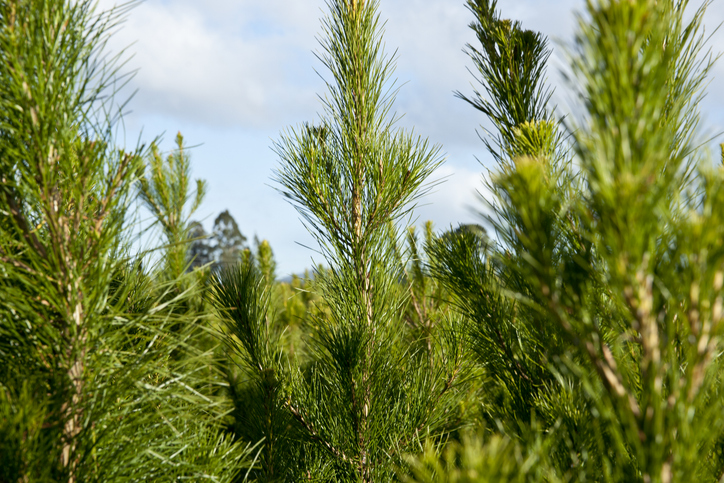
Find out how well radiata pine could grow and yield timber on your whenua.
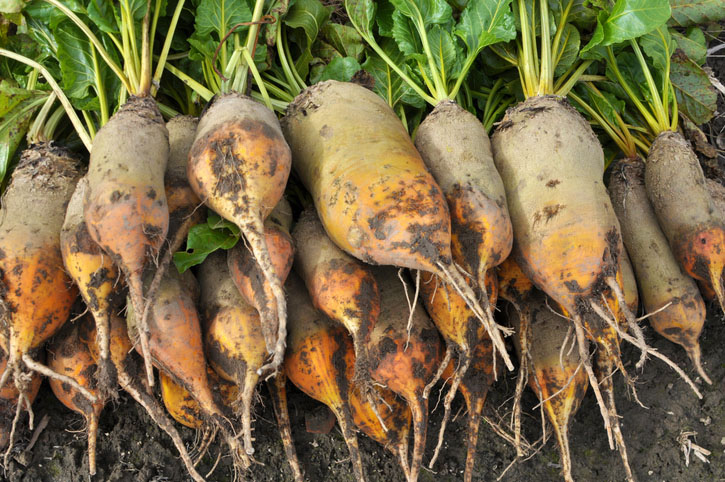
Find out more about growing fodder beet and its impact on cattle performance, costs, and feeding.