On-farm actions - Nitrogen fertiliser
Climate
Emissions reduction
Fertiliser
Greenhouse gas
Productivity
Risk
Sustainability
This guide explains how to cut nitrogen use, reducing nitrous oxide emissions on farms.
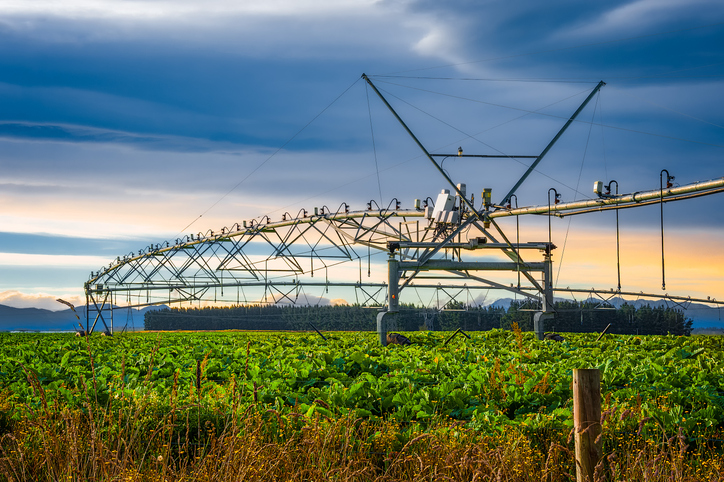
Ag Matters explores how cropping and horticulture can reduce their greenhouse gas emissions. While these sectors contribute a small share of overall emissions, there are effective ways to lower them. One key action is to cut down on nitrogen fertilisers, which contribute to nitrous oxide emissions.
This resource highlights the need for farmers to know their emissions levels and suggests practices to increase soil carbon. It also discusses the benefits of planting trees and restoring native vegetation on farms to tackle climate change. Various case studies illustrate successful efforts by farmers to adopt these practices for a more sustainable future.
This guide explains how to cut nitrogen use, reducing nitrous oxide emissions on farms.
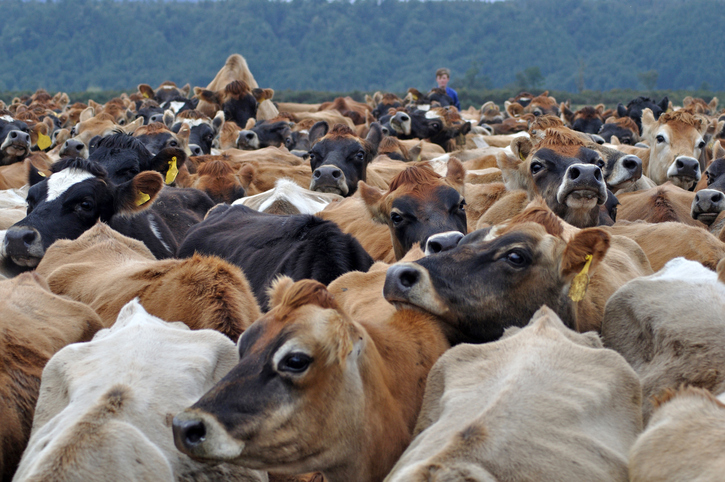
Learn how dairy farmers in New Zealand can reduce greenhouse gas emissions effectively.
Learn how you can reduce your greenhouse gas emissions while staying profitable.
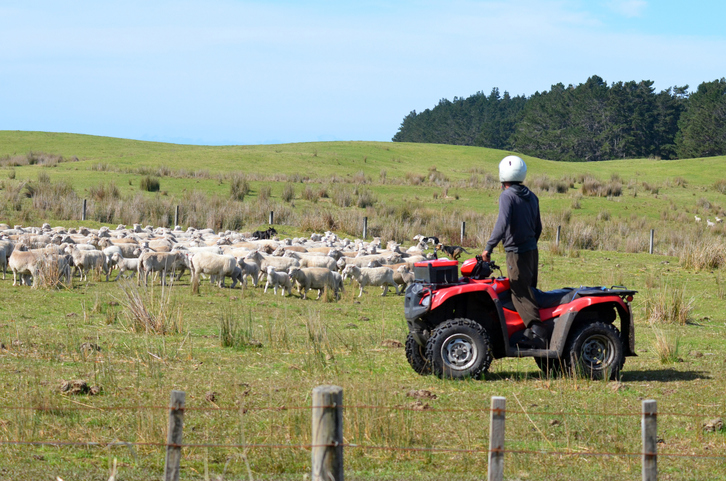
This resource outlines methods to reduce agricultural greenhouse gas emissions in New Zealand.
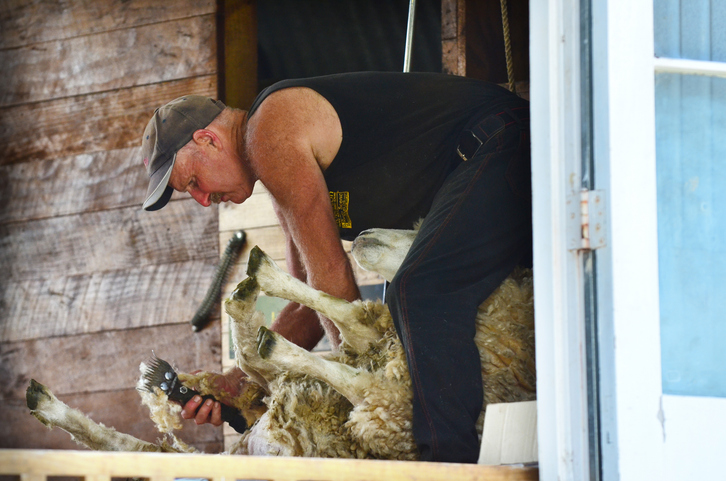
Learn how sheep and beef farms can reduce greenhouse gas emissions and improve profits.
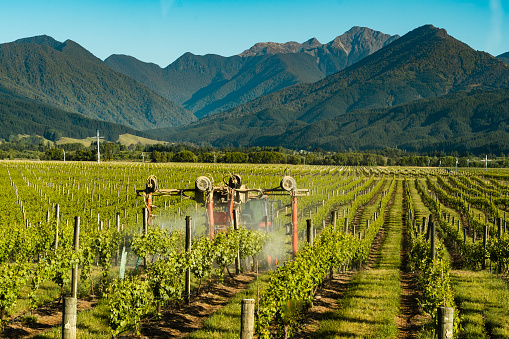
Find out how much greenhouse gas a typical cropping farm produces.
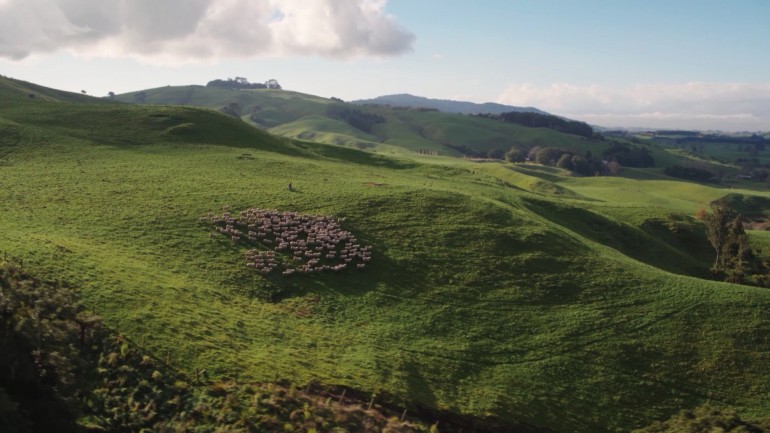
Learn ways to lower greenhouse gas emissions on your farm with practical steps and tips.
Explore actions New Zealand farmers can take to reduce greenhouse gas emissions effectively.
Learn about different on-farm solutions for reducing greenhouse gas emissions from dairy farms.
Discover why a Canterbury cropping farmer put soil health ahead of tradition.
This guide explains effective forage cropping management for livestock.
Find science-backed actions to cut greenhouse gas emissions on your farm.
Research about reducing greenhouse gas emissions on Māori farms in New Zealand.
Learn how to manage greenhouse gas emissions on your farm.
Explore how dairy water-quality measures affect greenhouse gas emissions too.
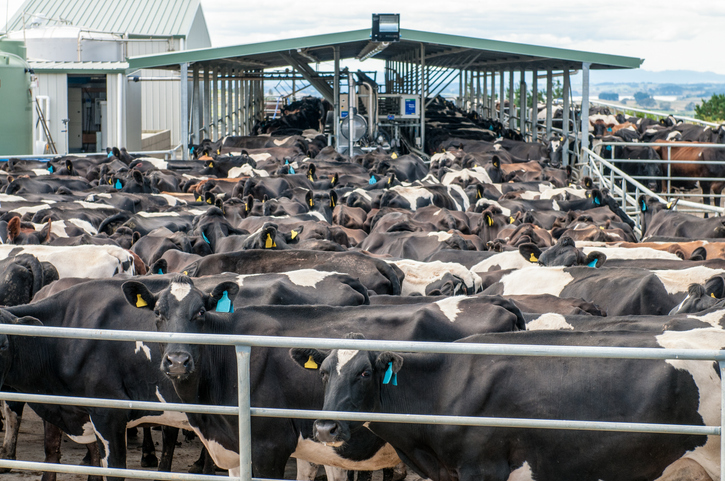
Learn about dairy farm emissions, their impacts, and ways to reduce them without affecting your profitability.
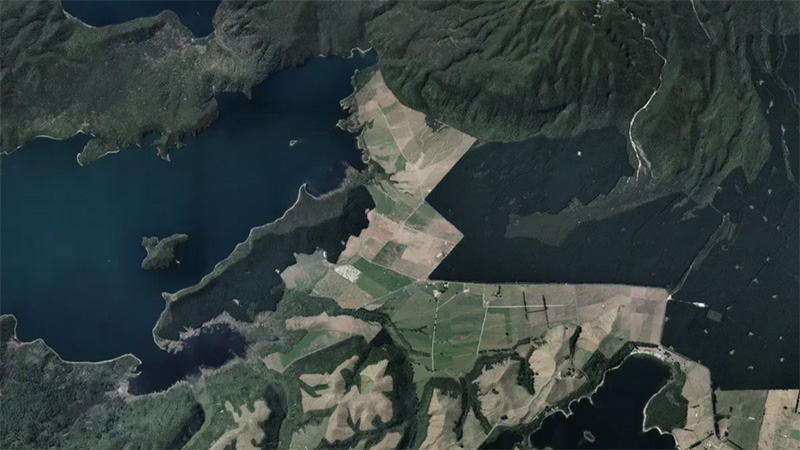
This report uses two case studies to illustrate different ways that diversified Māori agribusinesses can reduce greenhouse gas emissions and increase profits.
Calculate your carbon footprint and learn how to reduce it with tools and tips from Tane's Tree Trust.
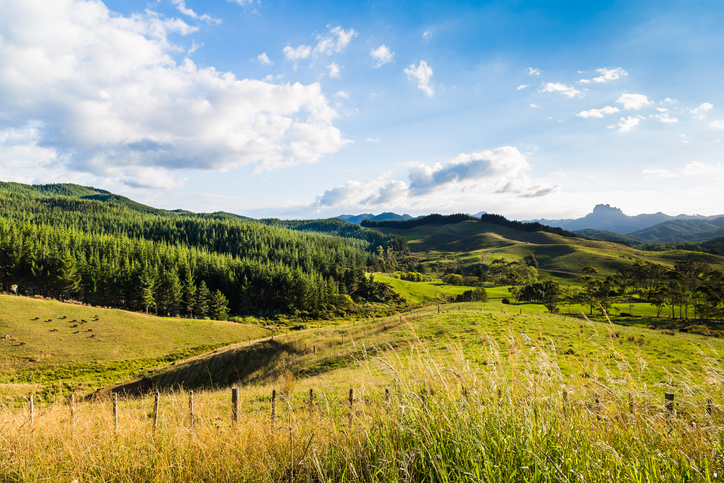
Find out more about tree farming for carbon credits.
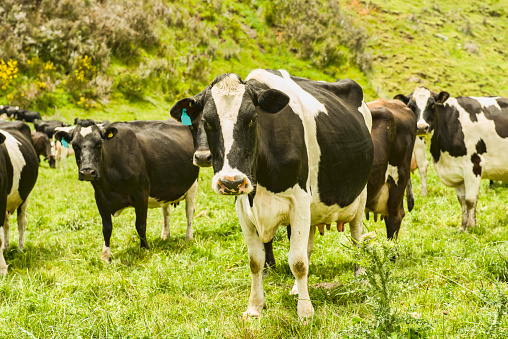
This guide explains the potential of gibberllins to reduce greenhouse gas emissions from dairy farms.
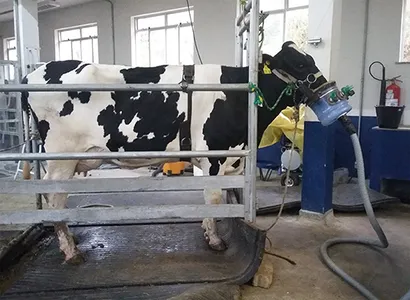
Learn how greenhouse gases are measured and their impact on climate change.
This report explores land use changes in New Zealand to cut greenhouse gas emissions.
Factsheets about farm greenhouse gas emissions, feeds, methane control, soil carbon, and more.