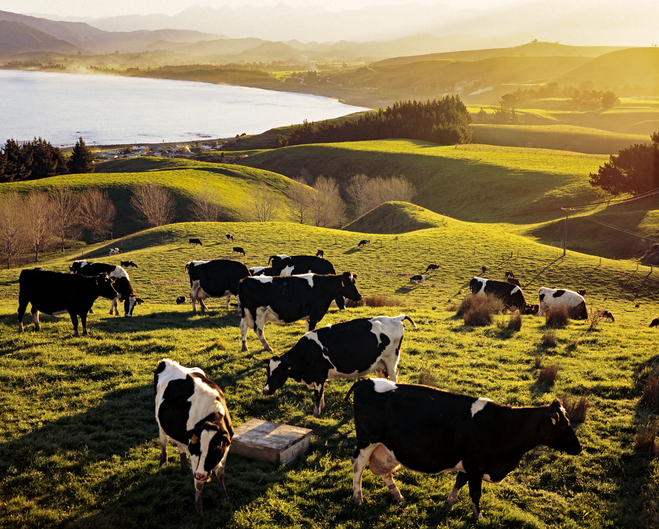
Sheep and beef typology table of mitigation effectiveness for N and P losses with GHG co-benefits
Climate
Greenhouse gas
Sheep and beef
Sustainability
Water
See which sheep and beef mitigation measures cut nutrient loss and emissions.
This table shows, for each dairy farm typology across Aotearoa, how mitigation measures aimed at cutting nitrogen and phosphorus losses to water also affect methane, nitrous oxide and carbon dioxide emissions.
Measures range from better irrigation management to cutting nitrogen fertiliser use, including a zero-fertiliser scenario. A negative figure means the measure increases that loss or emission; a positive figure means it reduces it, so a measure can help water quality while doing little, or even the opposite, for emissions.
AgResearch modelled the measures in Overseer for each dairy typology, drawing the mitigation options from published research. Rainfall is only split into three broad categories, so the results are too coarse for judging a single farm.
See which sheep and beef mitigation measures cut nutrient loss and emissions.
Compare nitrogen, phosphorus and greenhouse gas losses across sheep and beef farm types.
Research about reducing greenhouse gas emissions on Māori farms in New Zealand.
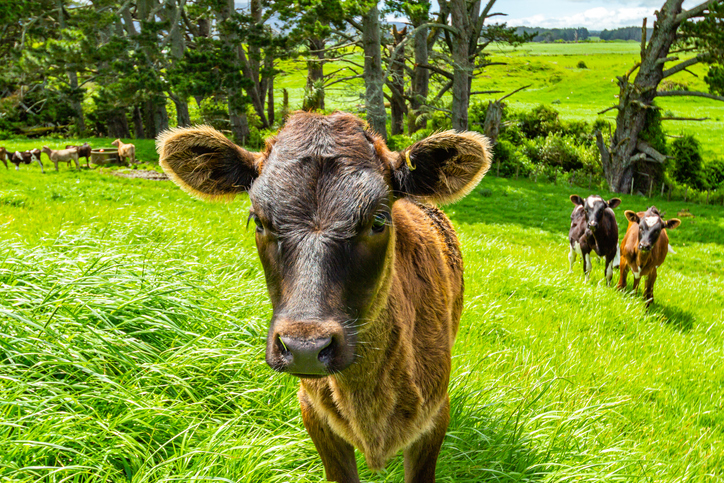
Compare nitrogen, phosphorus and greenhouse gas losses across dairy farm types.
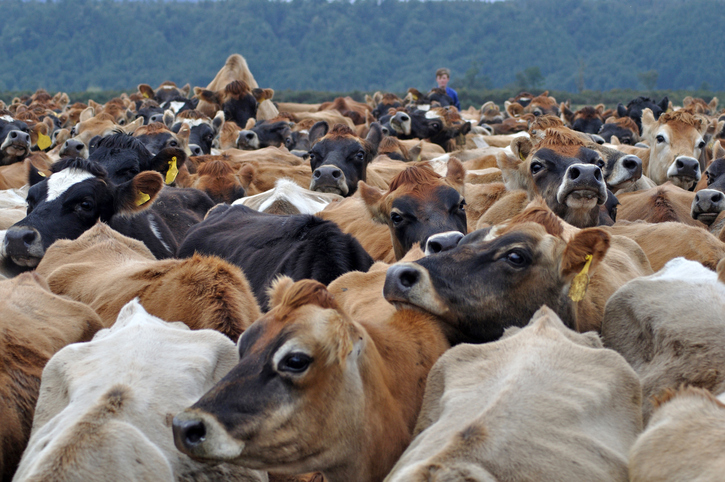
Learn how dairy farmers in New Zealand can reduce greenhouse gas emissions effectively.
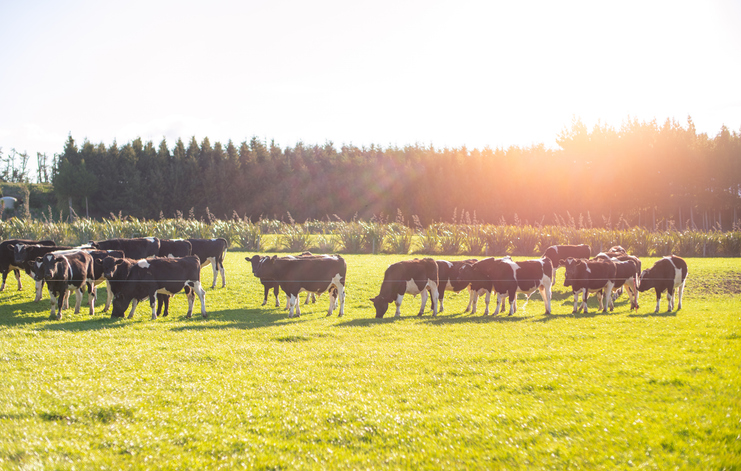
Learn about different on-farm solutions for reducing greenhouse gas emissions from dairy farms.
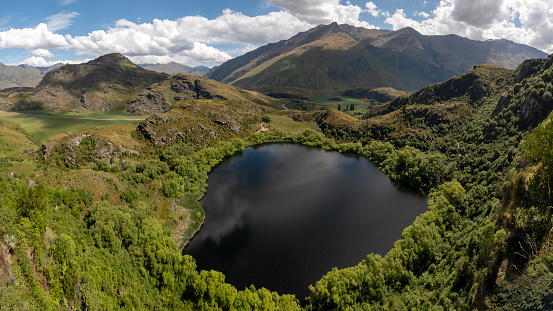
Explore how land use changes affect water quality and nitrogen, phosphorus loads.
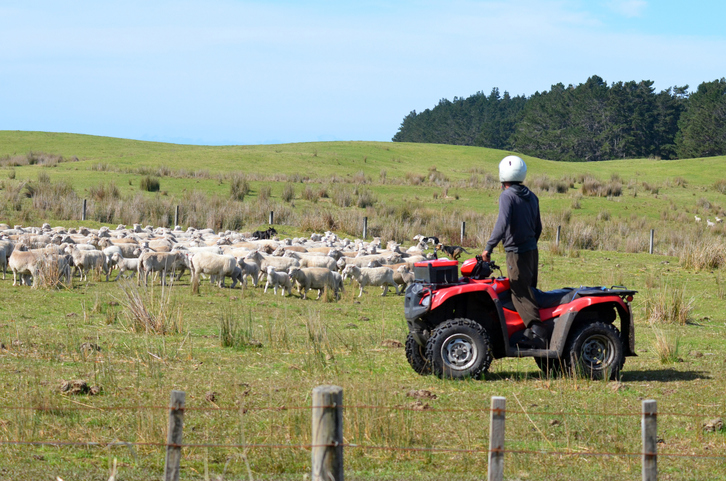
This resource outlines methods to reduce agricultural greenhouse gas emissions in New Zealand.
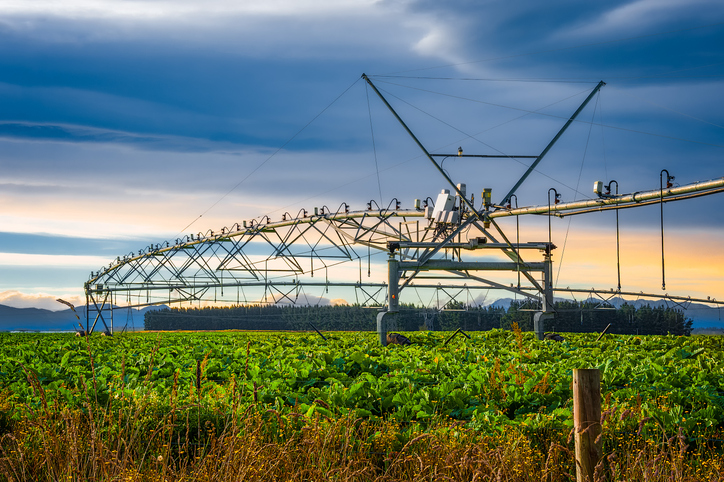
Learn how cropping and horticulture can reduce greenhouse gas emissions in New Zealand.
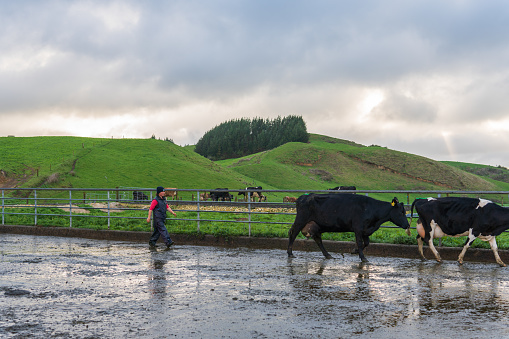
Map showing nitrate-nitrogen leaching from dairy farms, with spatial accuracy at 100m resolution.
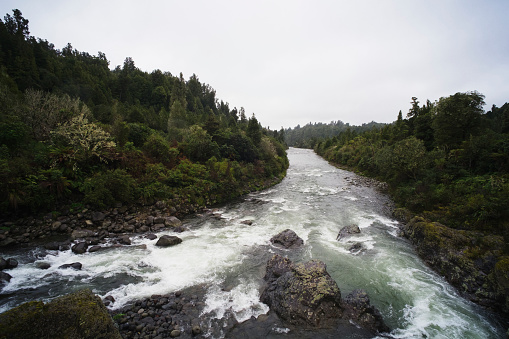
Compare nitrogen and phosphorus levels in your rivers against national bottom lines.
This guide explains how to cut nitrogen use, reducing nitrous oxide emissions on farms.
Find out how much greenhouse gas a typical cropping farm produces.
Find out about a no-cost method to reduce your dairy farm's greenhouse gas emissions.
Learn how greenhouse gases are measured and their impact on climate change.
Find science-backed actions to cut greenhouse gas emissions on your farm.
Explore actions New Zealand farmers can take to reduce greenhouse gas emissions effectively.
Learn ways to lower greenhouse gas emissions on your farm with practical steps and tips.
Get guidance on reducing emissions on your fairy farm.
A report on measuring greenhouse gas emissions on Māori farms.
Factsheets about farm greenhouse gas emissions, feeds, methane control, soil carbon, and more.
Learn about dairy farm emissions, their impacts, and ways to reduce them without affecting your profitability.
Strategies for Māori farms to reduce greenhouse gases to meet the Zero Carbon targets.