Farm types: Sheep & beef
Climate
Emissions reduction
Greenhouse gas
Sheep and beef
Sustainability
Learn how sheep and beef farms can reduce greenhouse gas emissions and improve profits.
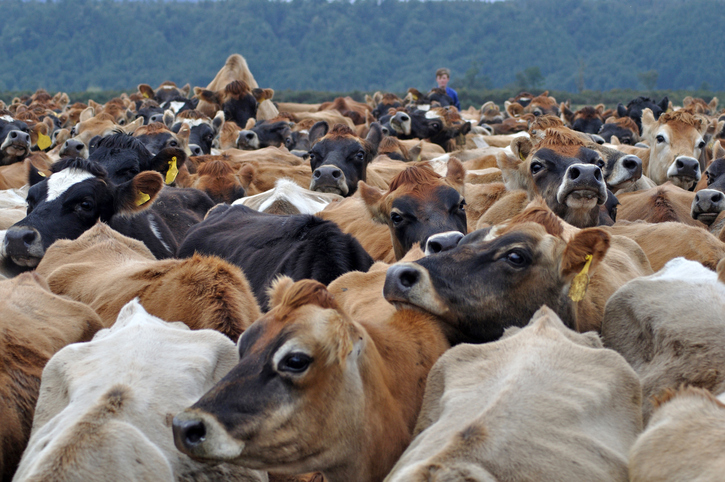
Ag Matters outlines key information for dairy farmers on reducing greenhouse gas emissions while maintaining productivity. It highlights that dairy farming significantly contributes to agricultural emissions and emphasises the importance of knowing your farm's emission numbers.
Several practical actions are suggested, such as adjusting stock rates, using low-emission feeds, and reducing nitrogen fertiliser use. Real-life examples from other farmers illustrate these approaches. Ag Matters also encourages the planting of trees to enhance the environment.
Learn how sheep and beef farms can reduce greenhouse gas emissions and improve profits.
This resource outlines methods to reduce agricultural greenhouse gas emissions in New Zealand.
Learn how to manage greenhouse gas emissions on your farm.
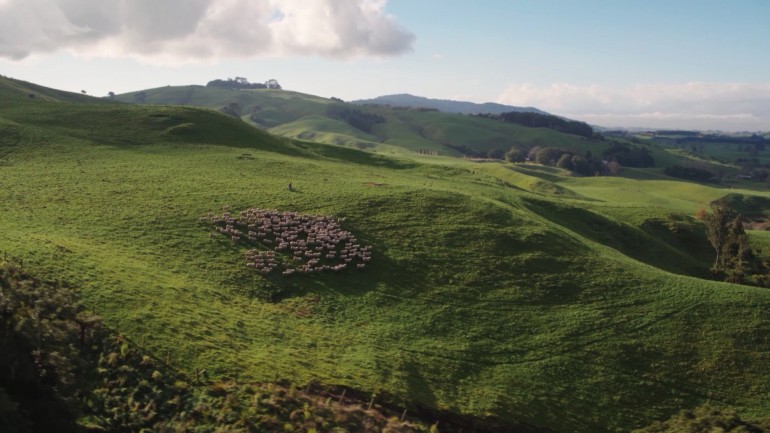
Learn ways to lower greenhouse gas emissions on your farm with practical steps and tips.
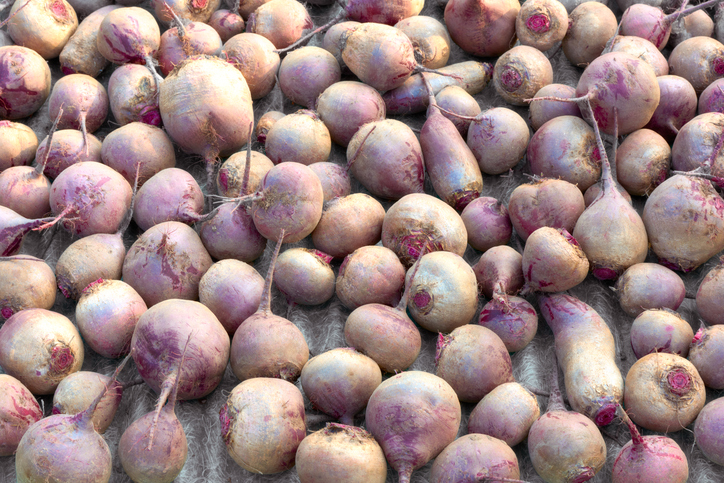
Research into different ways to reduce greenhouse gas emissions from New Zealand agriculture.
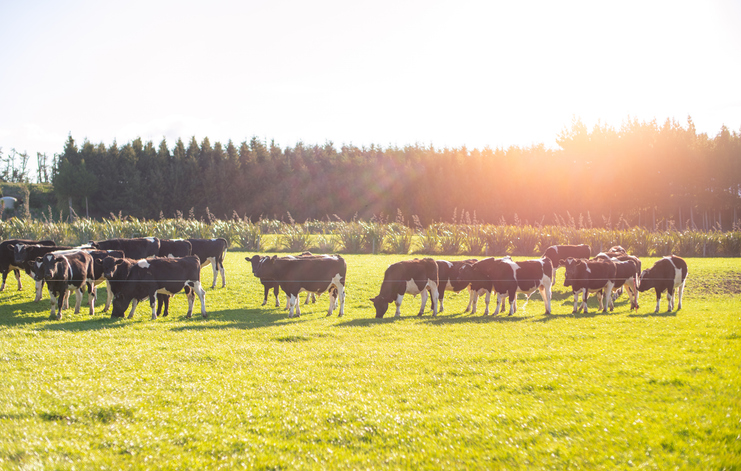
Learn about different on-farm solutions for reducing greenhouse gas emissions from dairy farms.
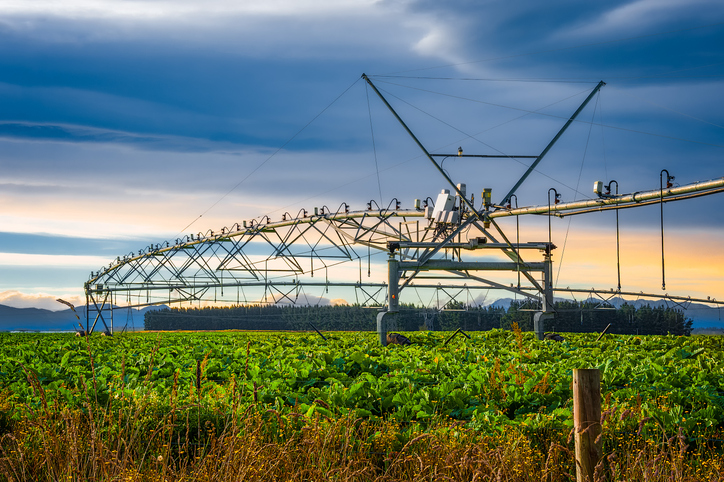
Learn how cropping and horticulture can reduce greenhouse gas emissions in New Zealand.

Learn about methane in agriculture and how NZ ag researchers are trying to reduce emissions.
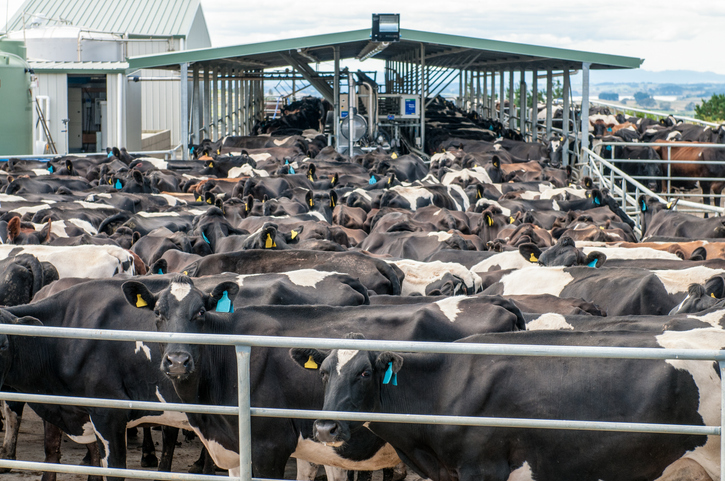
Learn about dairy farm emissions, their impacts, and ways to reduce them without affecting your profitability.
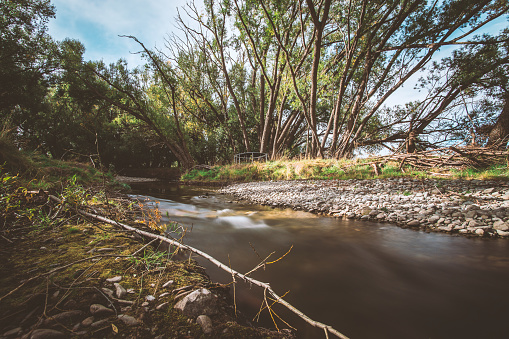
Guidance for dairy farmers on complying with the synthetic nitrogen fertiliser cap regulations.
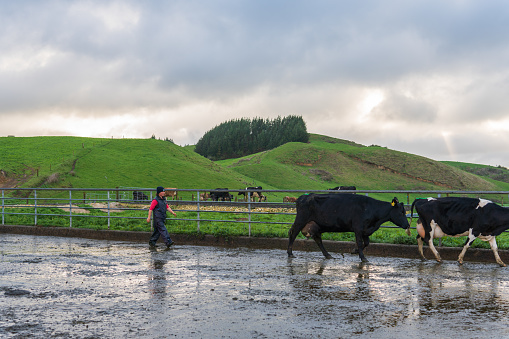
Map showing nitrate-nitrogen leaching from dairy farms, with spatial accuracy at 100m resolution.
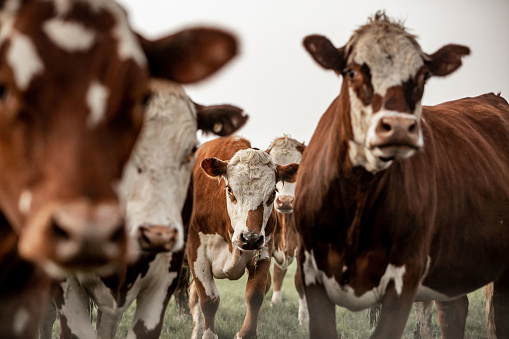
Explore how dairy water-quality measures affect greenhouse gas emissions too.
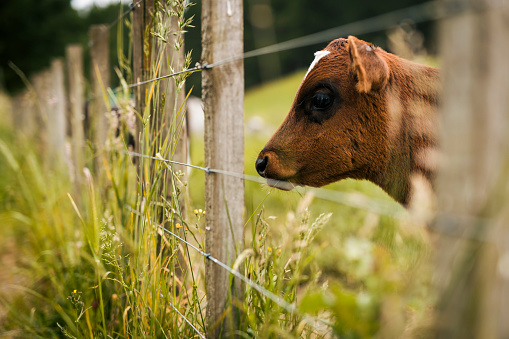
Factsheets about farm greenhouse gas emissions, feeds, methane control, soil carbon, and more.
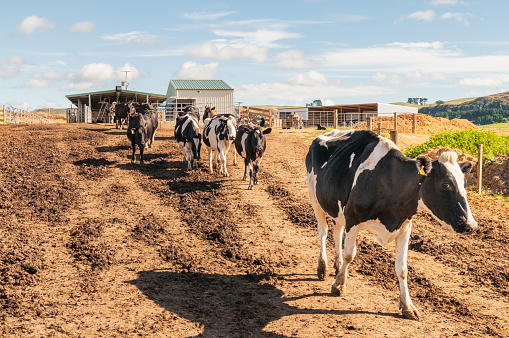
Get guidance on reducing emissions on your fairy farm.
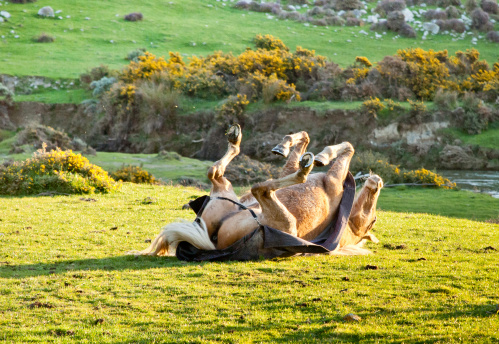
Explore actions New Zealand farmers can take to reduce greenhouse gas emissions effectively.
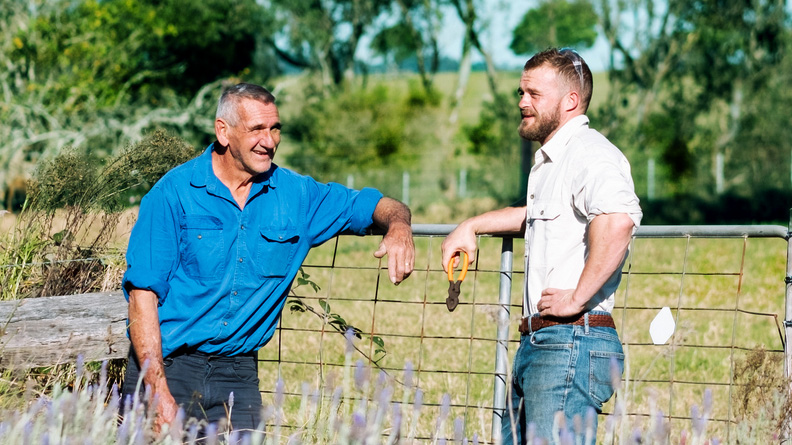
Learn how you can reduce your greenhouse gas emissions while staying profitable.
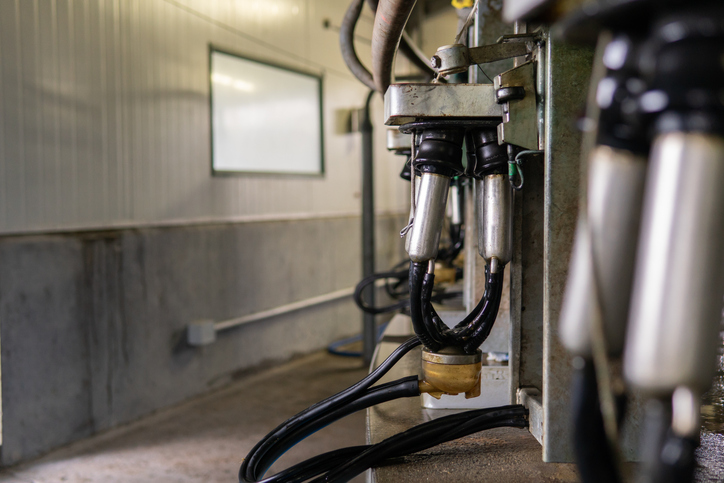
Find out about a no-cost method to reduce your dairy farm's greenhouse gas emissions.
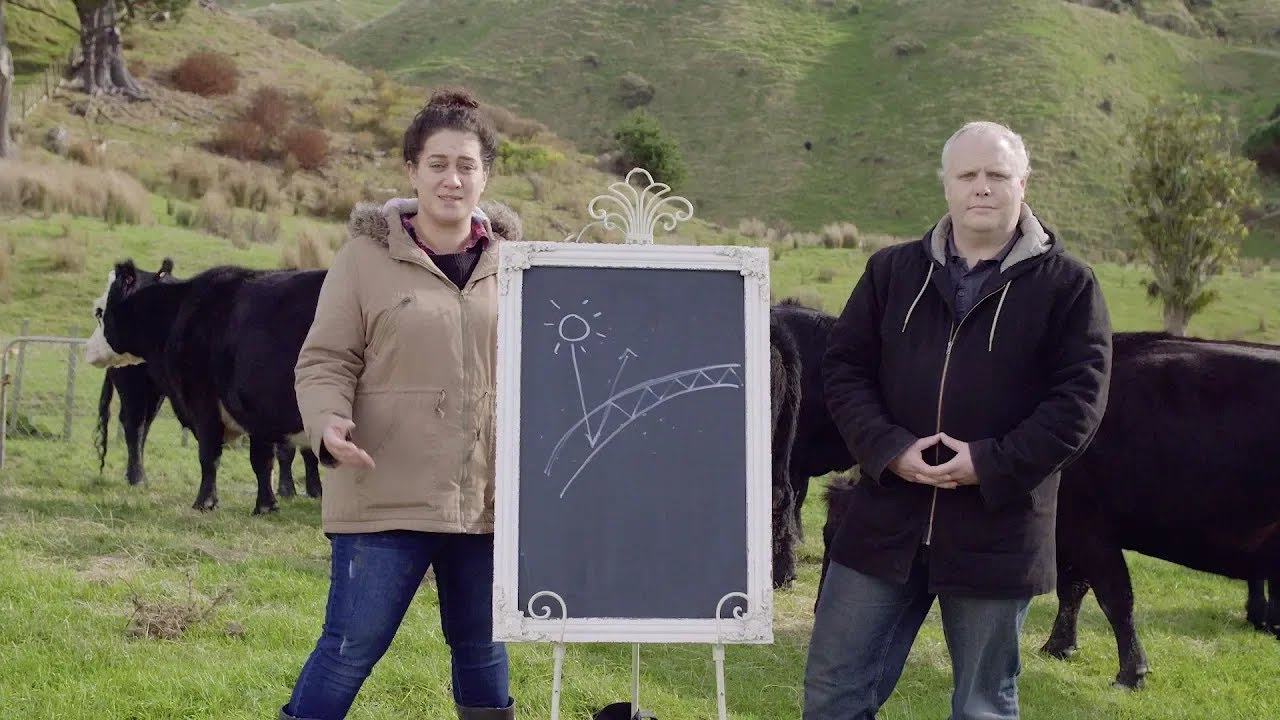
Learn how human actions change our climate and impact farming through greenhouse gases.
This guide explains how to cut nitrogen use, reducing nitrous oxide emissions on farms.
Research about reducing greenhouse gas emissions on Māori farms in New Zealand.
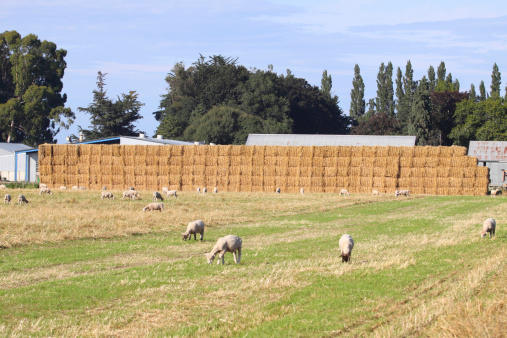
Learn how NZ's sheep and beef farms are improving efficiency while reducing greenhouse gas emissions.
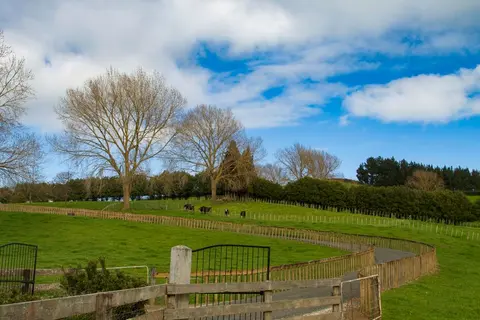
Learn how Owl Farm cut biological greenhouse gas emissions over a ten year period.
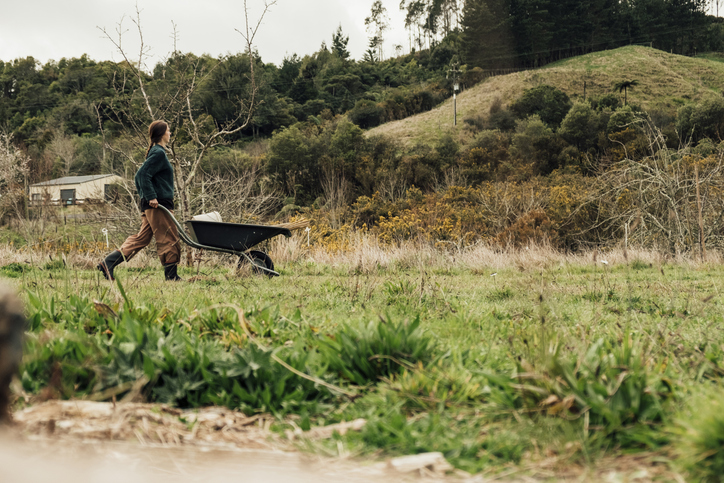
Read NZAGRC's recommendations