
Carbon Farming on Māori land: Do governance structures matter?
Climate
Emissions reduction
Forestry
Governance
Sequestration
Whenua Māori
This study explores how different governance structures affect Māori land decisions on carbon farming.

This paper looks at carbon policies, which are rules aimed at reducing greenhouse gas emissions to fight climate change. It explains how these policies can affect different groups of people, especially households and workers. Some households might face higher costs while others may benefit. The paper suggests ways to design these policies so that the negative impacts are lessened, such as using money from carbon taxes to help those most affected.
It also highlights that well-designed carbon policies can support economic growth and help reduce poverty. This information can help farmers and landowners understand how carbon policies might impact them and their communities.
This study explores how different governance structures affect Māori land decisions on carbon farming.
Research about reducing greenhouse gas emissions on Māori farms in New Zealand.
Factsheets about farm greenhouse gas emissions, feeds, methane control, soil carbon, and more.
This paper explores how Aotearoa sheep and beef farms react to climate change policies.
Find out more about tree farming for carbon credits.
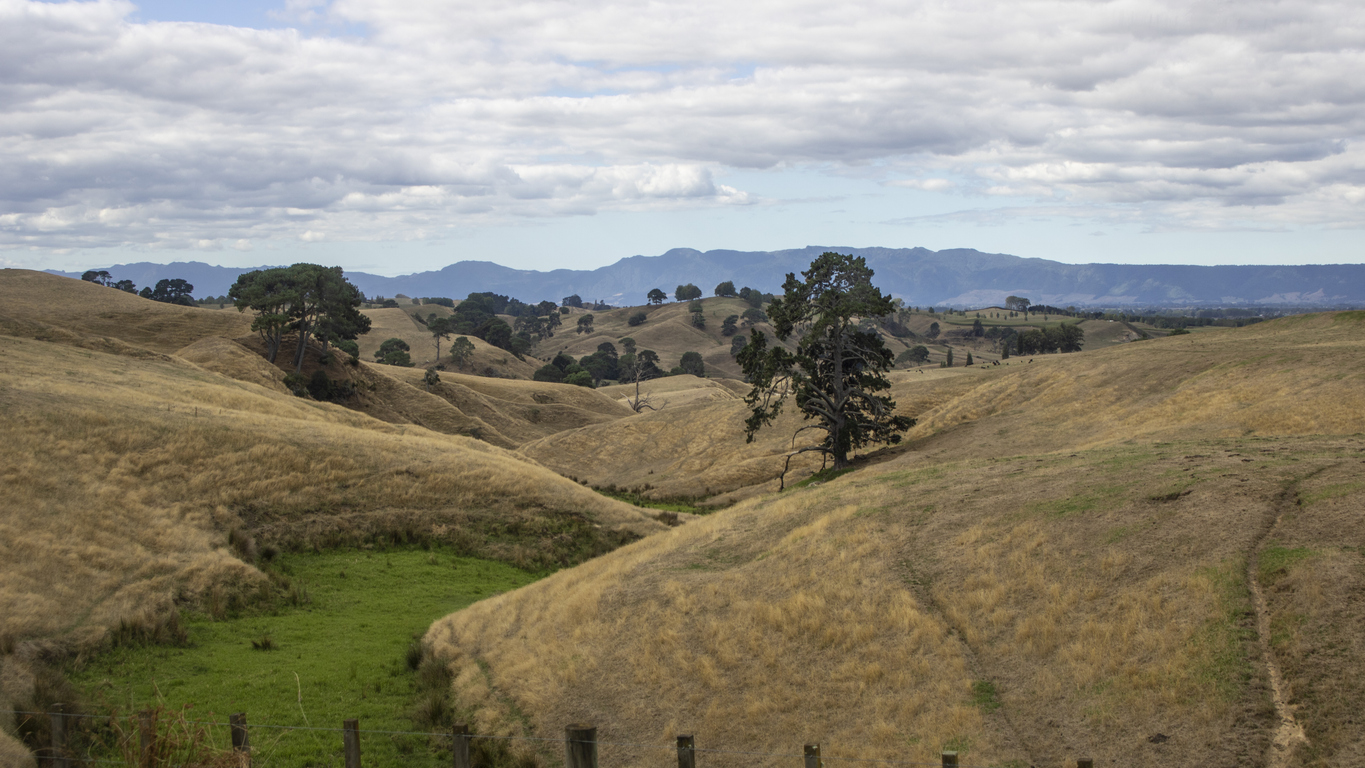
Learn about how climate change will impact Waikato and what communities can do.
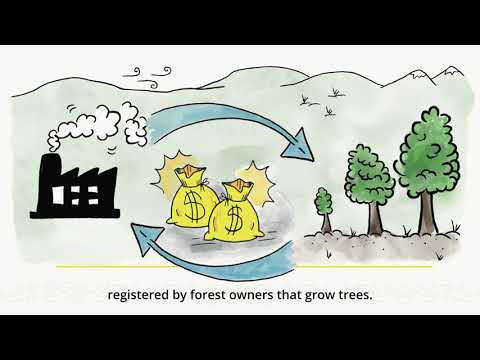
This video explains carbon farming and its benefits for Tairāwhiti’s environment and economy.

This paper explores how native forests in Aotearoa can help reduce emissions.
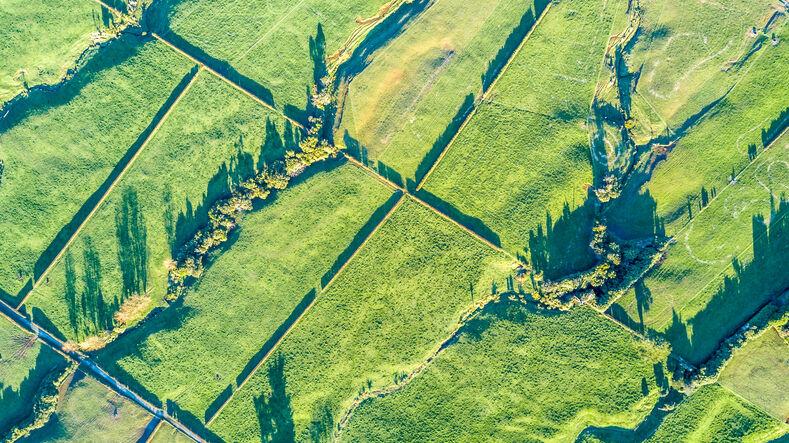
Read about the impacts different Aotearoa land use change scenarios might have on cliamte and socio-economic outcomes.
A model for understanding how change could impact farming and the environment.
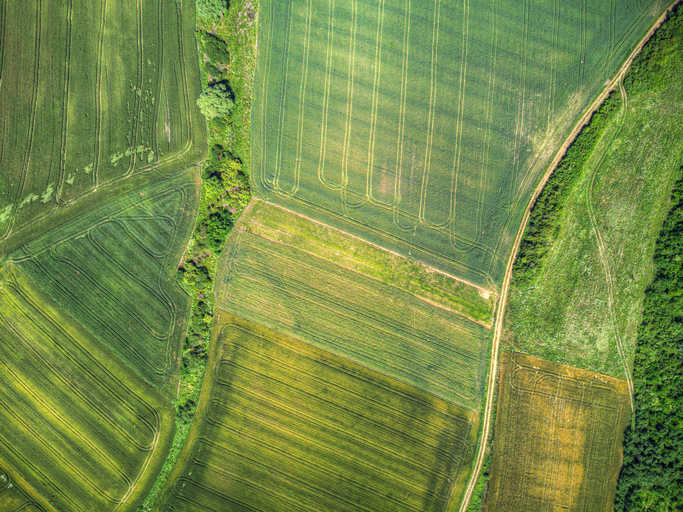
A data-driven model to explore how policies and land use affect the environment in New Zealand.

This research tries to understand why people won't adopt practices to reduce farm emissions, even if the change costs nothing.
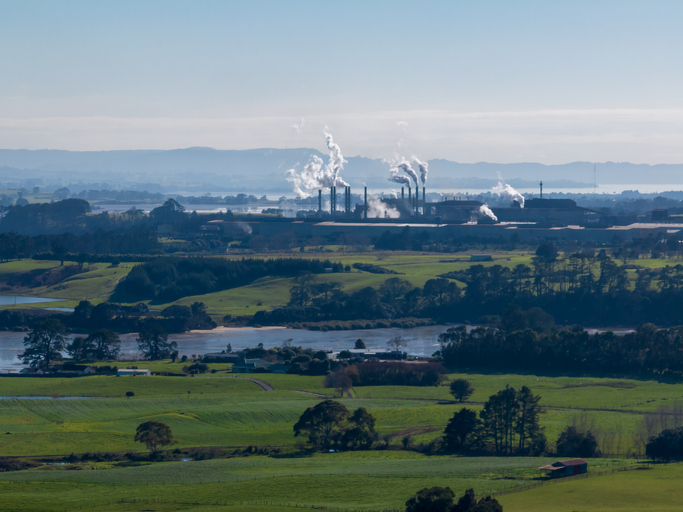
This report explores ways to encourage voluntary climate actions in New Zealand for organisations.
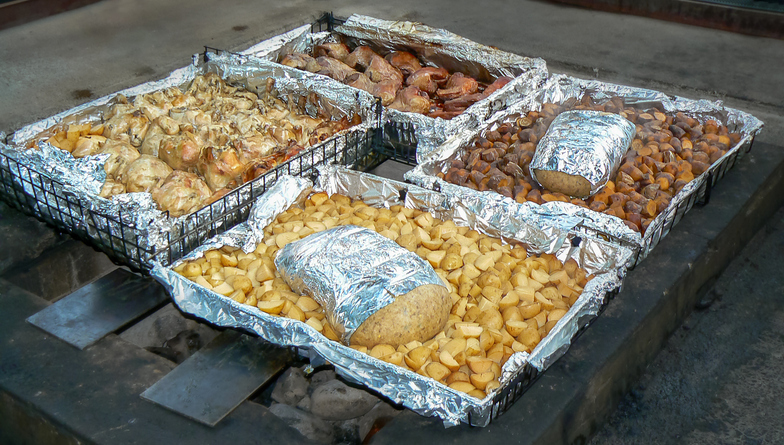
This project explores Māori food traditions and how climate change impacts cultural health.
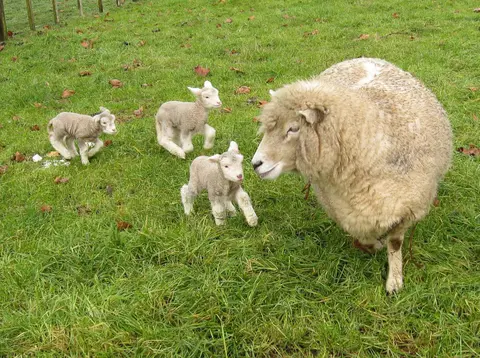
This report explores future options to reduce agricultural greenhouse gas emissions in New Zealand.

Learn about the role tree planting can play in reducing climate change impacts.
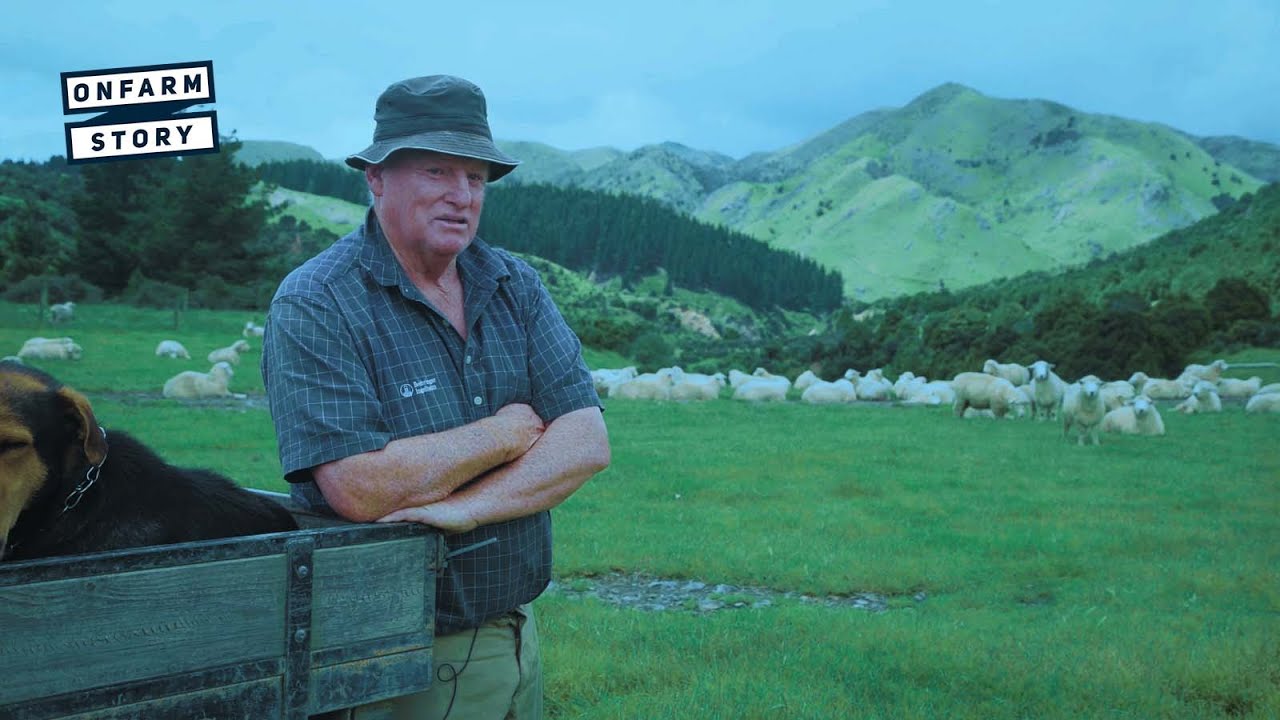
Hugh Taylor discusses how rising carbon prices affect farming and forestry decisions in Canterbury.
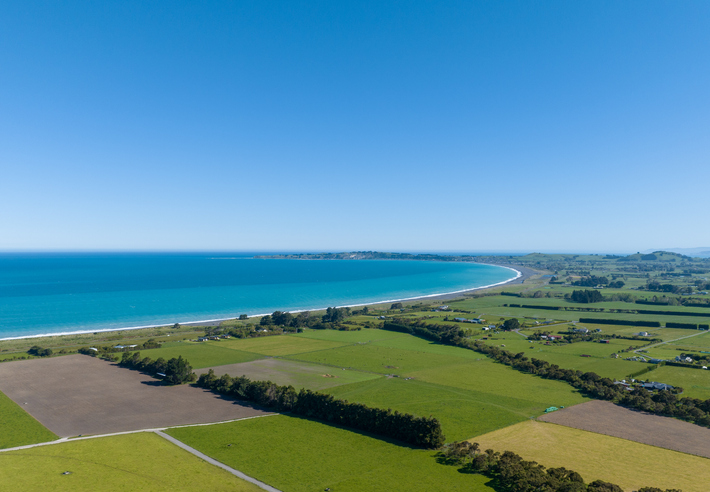
This research paper explores how climate impacts land values in Aotearoa agriculture.
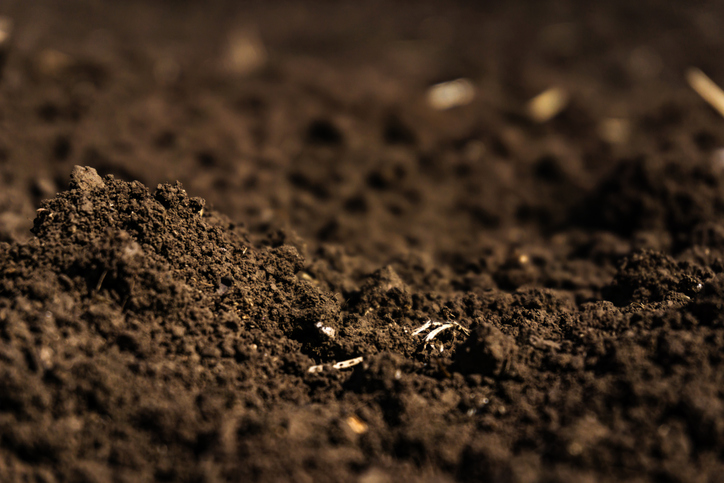
Learn how soil carbon impacts climate change and things you can do on your farm to offset your emissions.
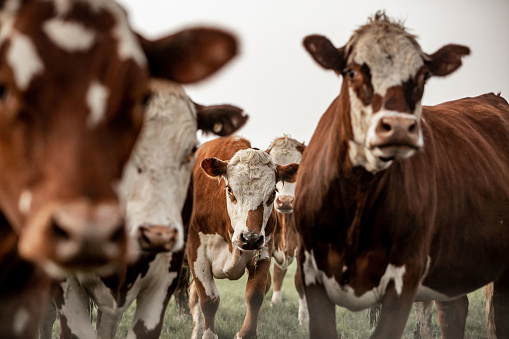
Explore how dairy water-quality measures affect greenhouse gas emissions too.
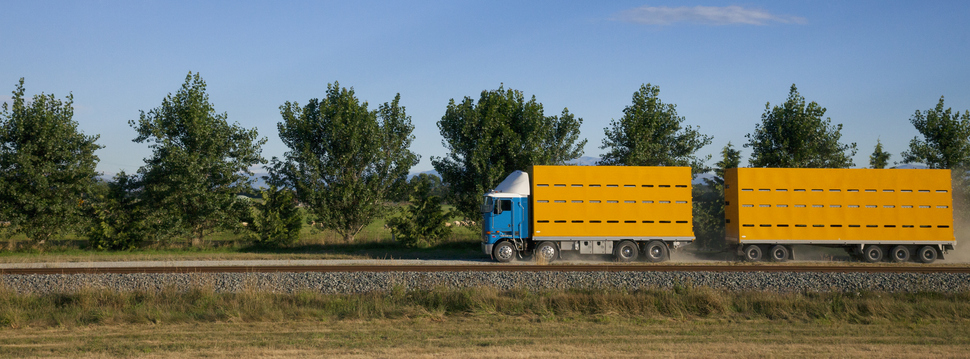
Calculate CO2 emissions from fuels and learn ways to reduce them for vehicles.
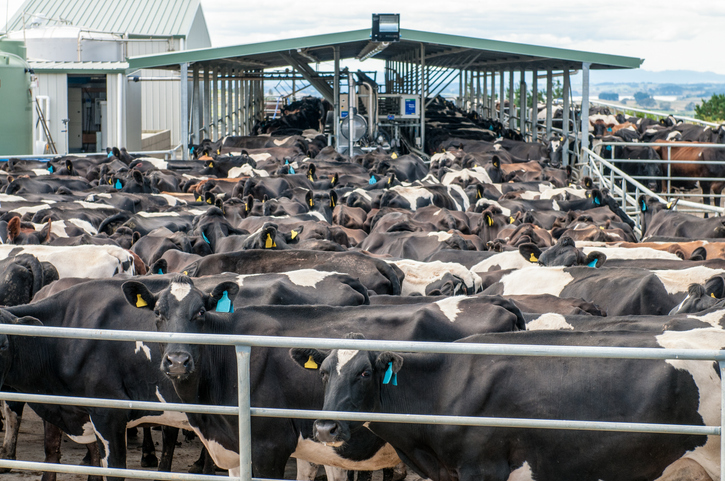
Learn about dairy farm emissions, their impacts, and ways to reduce them without affecting your profitability.
This paper explores how land ownership policies impact forest cover in New Zealand.