Climate and Land Use Change: A Synthesis of LURNZ Modelling
Read about the impacts different Aotearoa land use change scenarios might have on cliamte and socio-economic outcomes.

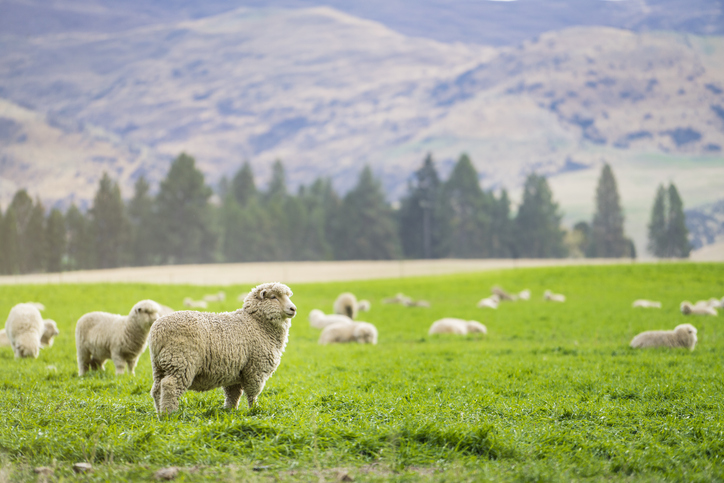
This working paper looks at how different types of sheep-beef farms can respond to climate change policies. It shows that intensive farms often face higher costs from emissions but do not reduce them much. In contrast, more extensive farms might choose to stop using less productive land or plant trees.
The impact of these climate policies on farm profits can be quite different. Farmers in less intensive regions may gain from carbon rewards for planting trees, which could help cover some of their costs. The paper also discusses how these policies can affect land values and rural communities.
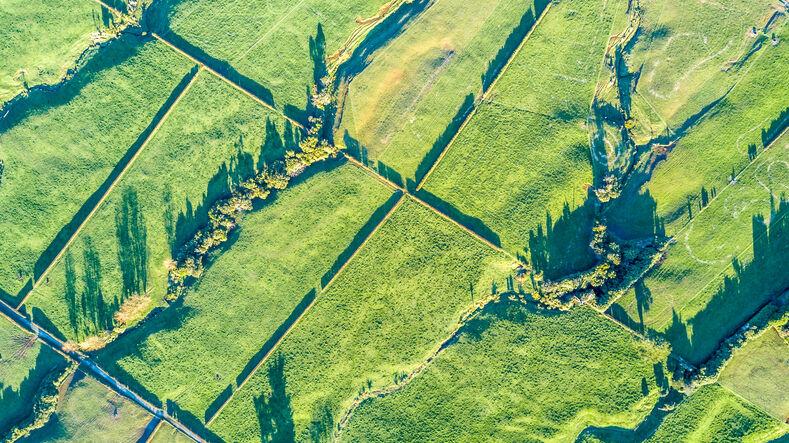
Research about how livestock farms in Aotearoa manage droughts.

This study explores how different governance structures affect Māori land decisions on carbon farming.

Find out more about tree farming for carbon credits.

Research into why farmers don't adopt practices that cut emissions without costs.

This paper explores how land ownership policies impact forest cover in New Zealand.

Learn about sustainable Māori forestry and agriculture for climate resilience on the East Coast.

Learn how farms can use trees for carbon credits to boost income while enhancing te Taiao.

This research tries to understand why people won't adopt practices to reduce farm emissions, even if the change costs nothing.

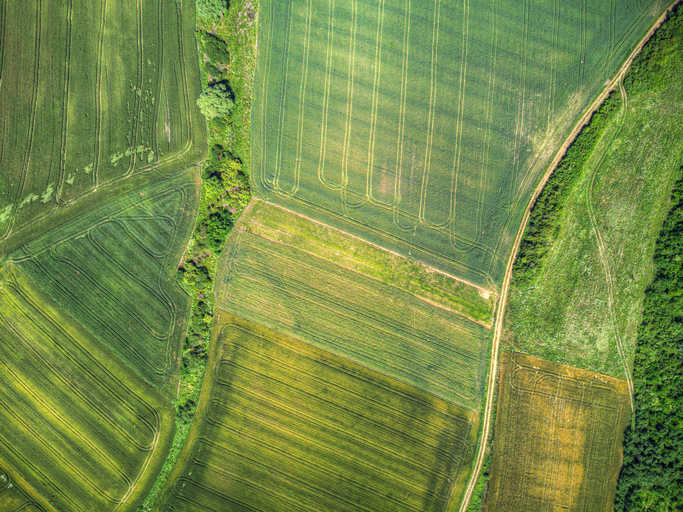
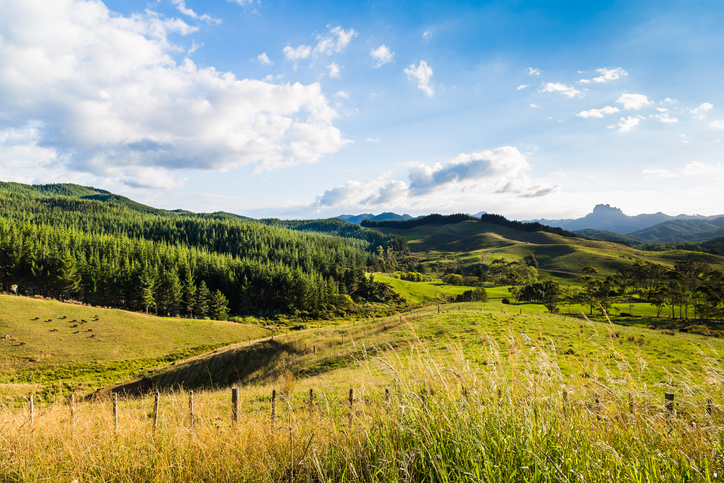
A model to study land use changes and their effects in rural New Zealand.

Research about reducing greenhouse gas emissions on Māori farms in New Zealand.

This report uses two case studies to illustrate different ways that diversified Māori agribusinesses can reduce greenhouse gas emissions and increase profits.

Compare your sheep and beef farm's performance with regional benchmarks.