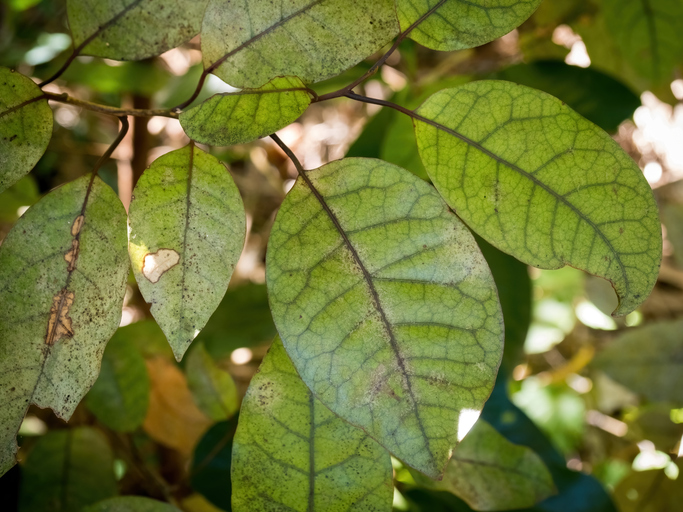
Native tree species profile: Mangeao (Litsea calicaris)
Whenua
Biodiversity
Forestry
Wellbeing
Learn about Mangeao, a strong native tree valued for timber and medicinal uses.
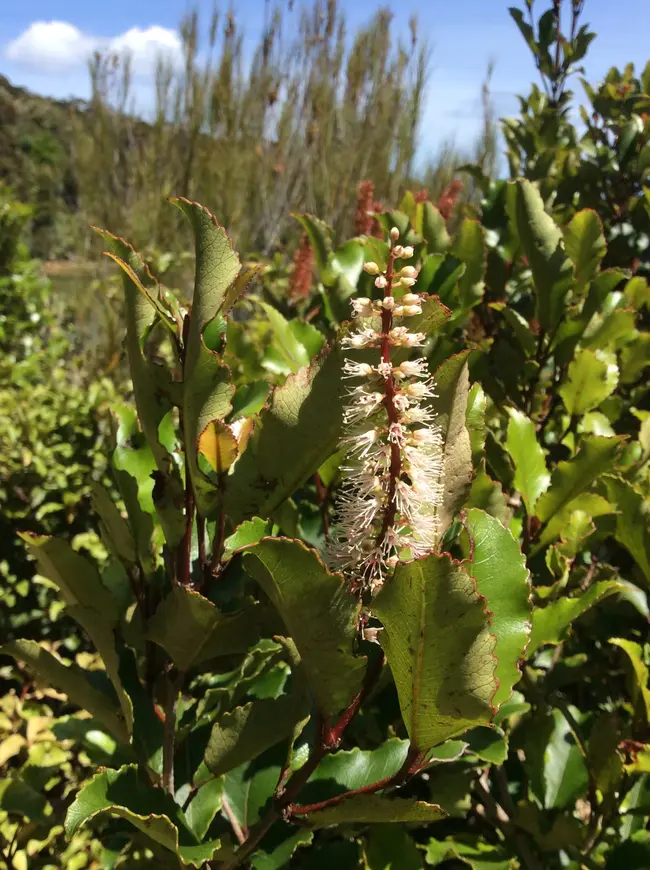
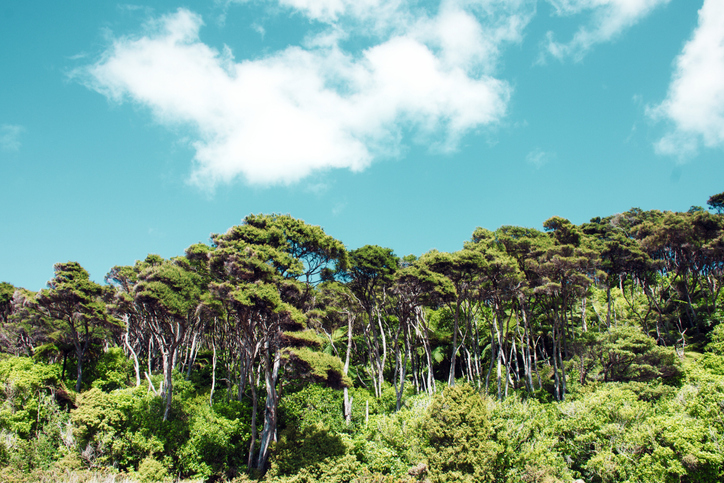
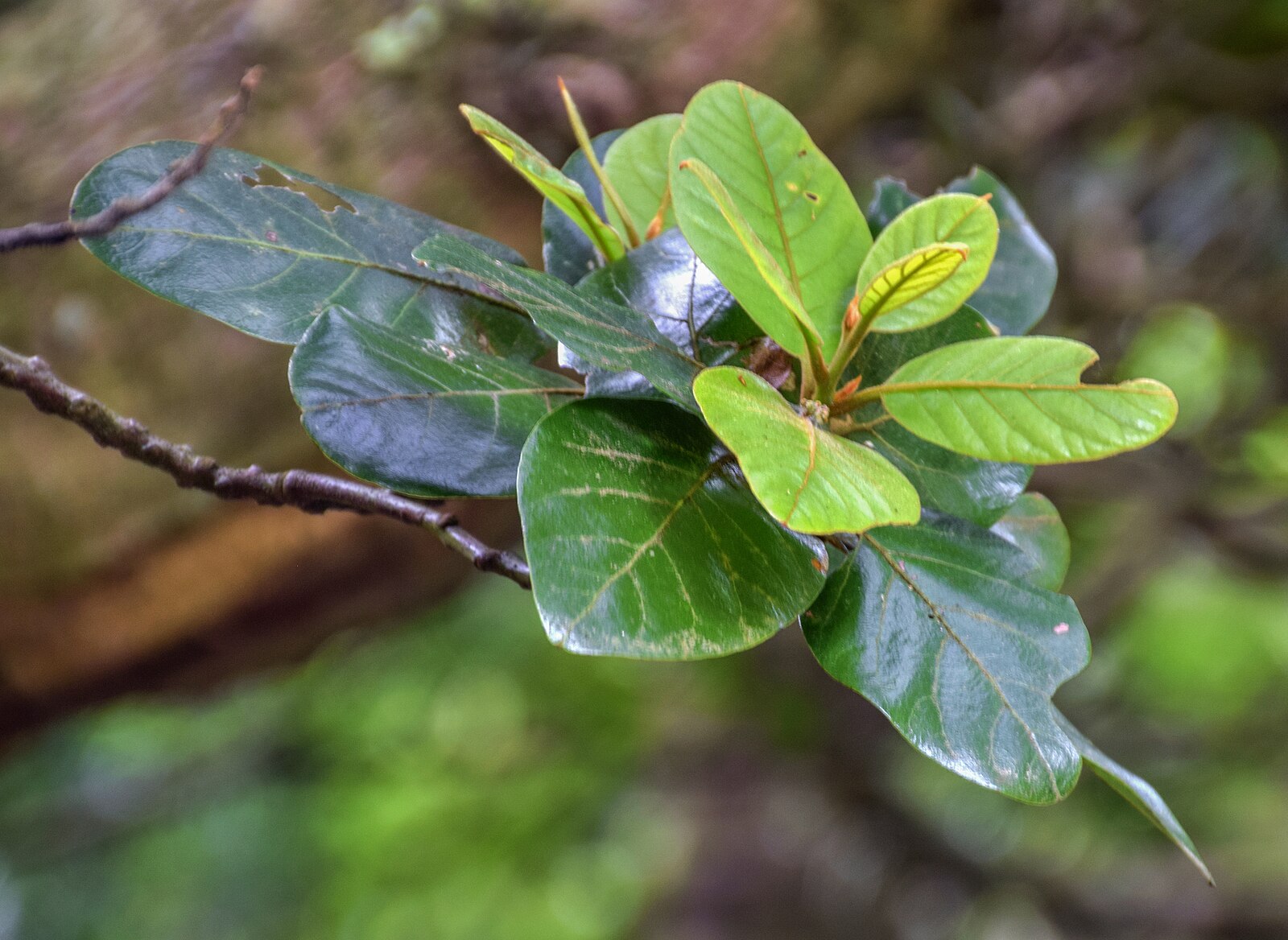
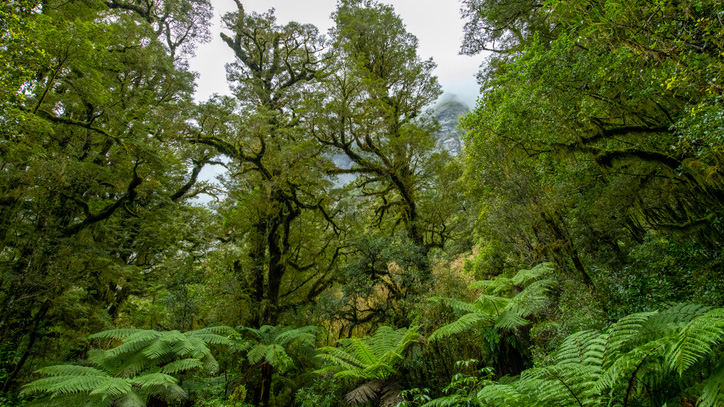
This species profile from Tāne's Tree Trust covers kamahi, or tawhero (Weinmannia racemosa), a tree of up to 25 metres that often has several trunks. It is said to be the commonest tree in the New Zealand bush, present in 16 of the 18 major North Island forest types, and it grows wherever rainfall tops 1000 mm.
The wood is a deep red hardwood, heavy and close textured with an ornamental grain. Around a century ago it was shipped to Britain for cabinet making. It is durable only in damp conditions, but treats well and has gone into fence posts, sleepers and wharf piles. Māori boiled the bark as a chest tonic for colds and bronchitis, used the inner bark on wounds and burns, and combined its tannin with swamp mud for black dye. Tanners later took so much bark that they nearly wiped kamahi out around Auckland.
Kamahi often starts life on the trunk of a wheki tree fern. It needs shrub cover to establish, then nurses rimu beneath it, and it is a good honey tree. Possums find it highly palatable, so control matters.
Photo: “Weinmannia racemosa Ulva Island” by MurielBendel, licensed for reuse under CC BY-SA 4.0
Learn about Mangeao, a strong native tree valued for timber and medicinal uses.
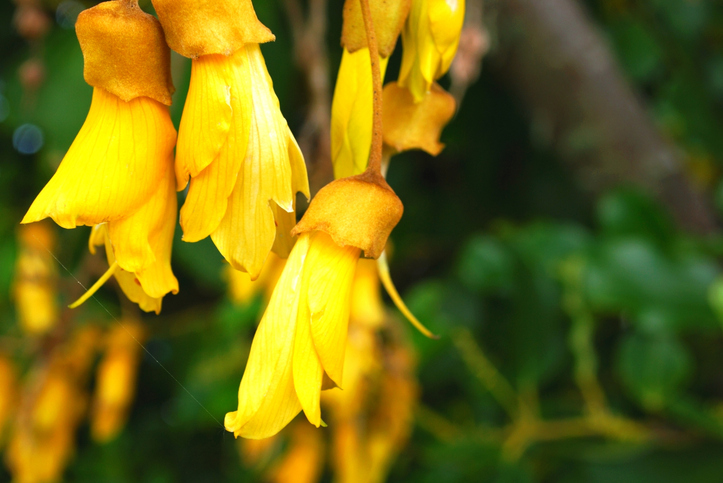
Learn about Kōwhai trees, their history, uses, and growth in New Zealand.
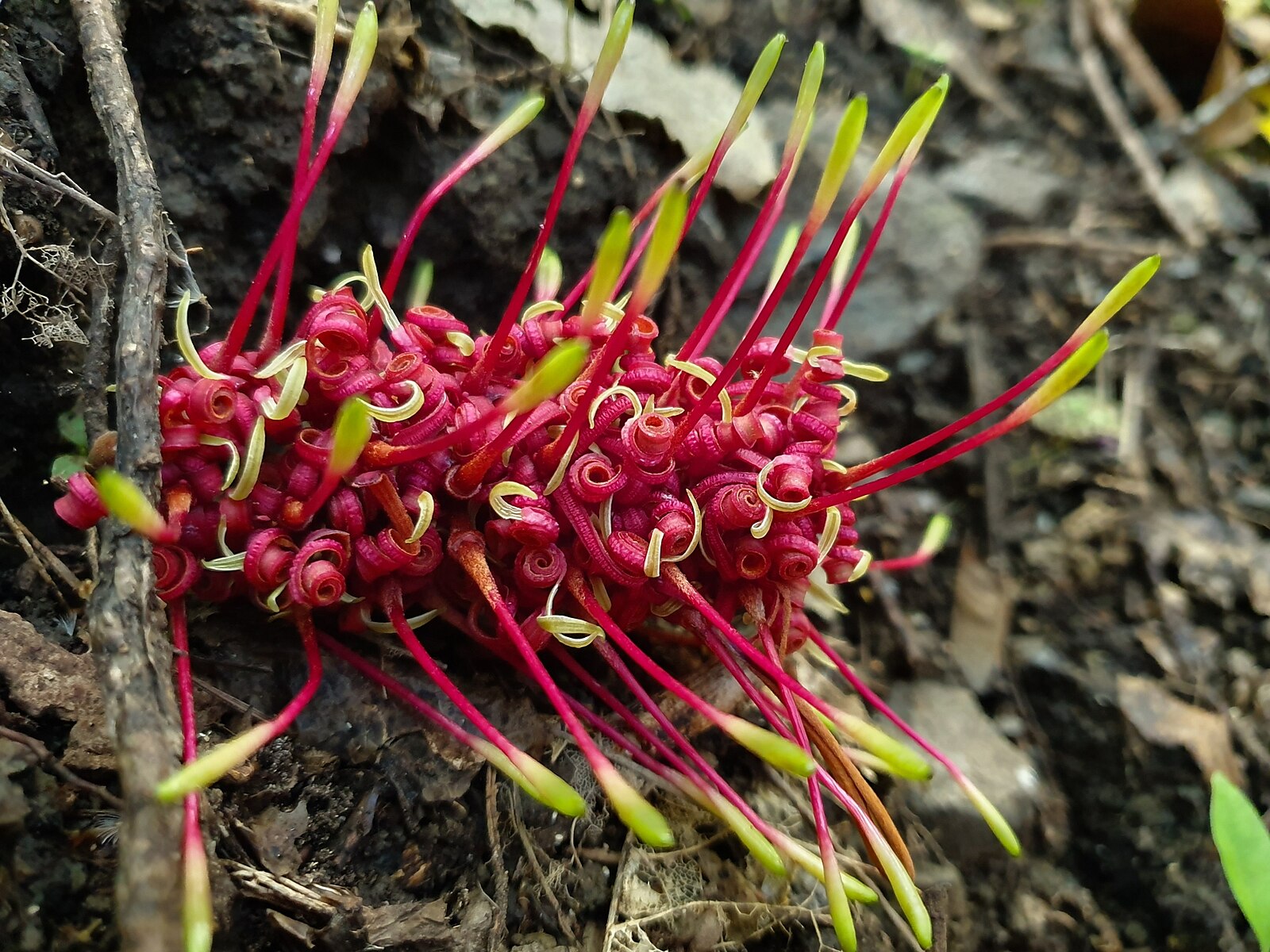
Learn about Rewarewa, a unique New Zealand tree with valuable timber and vibrant flowers.
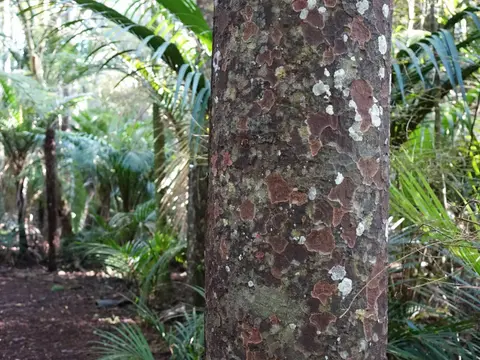
Learn about Matai trees, their history, uses, and growth.
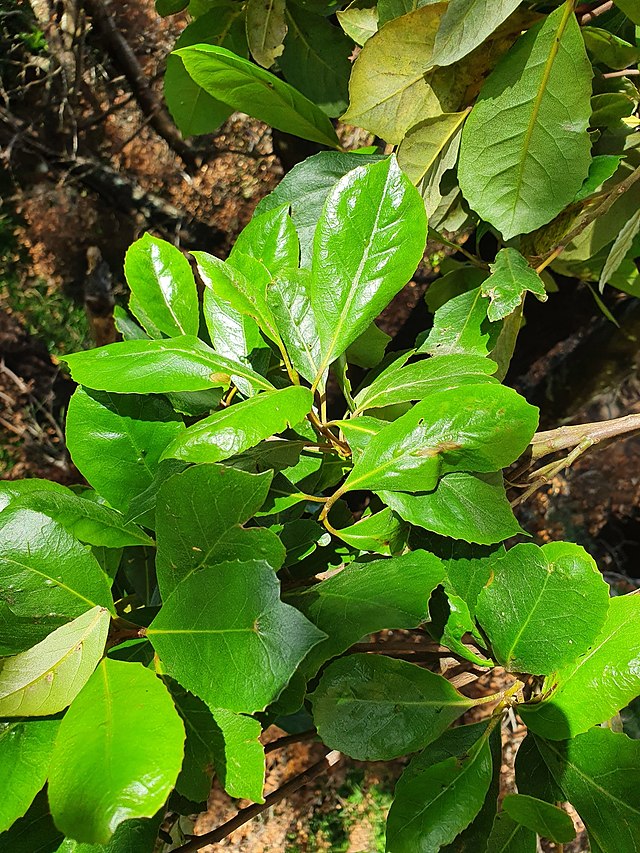
Learn about the qualities and uses of hinau.
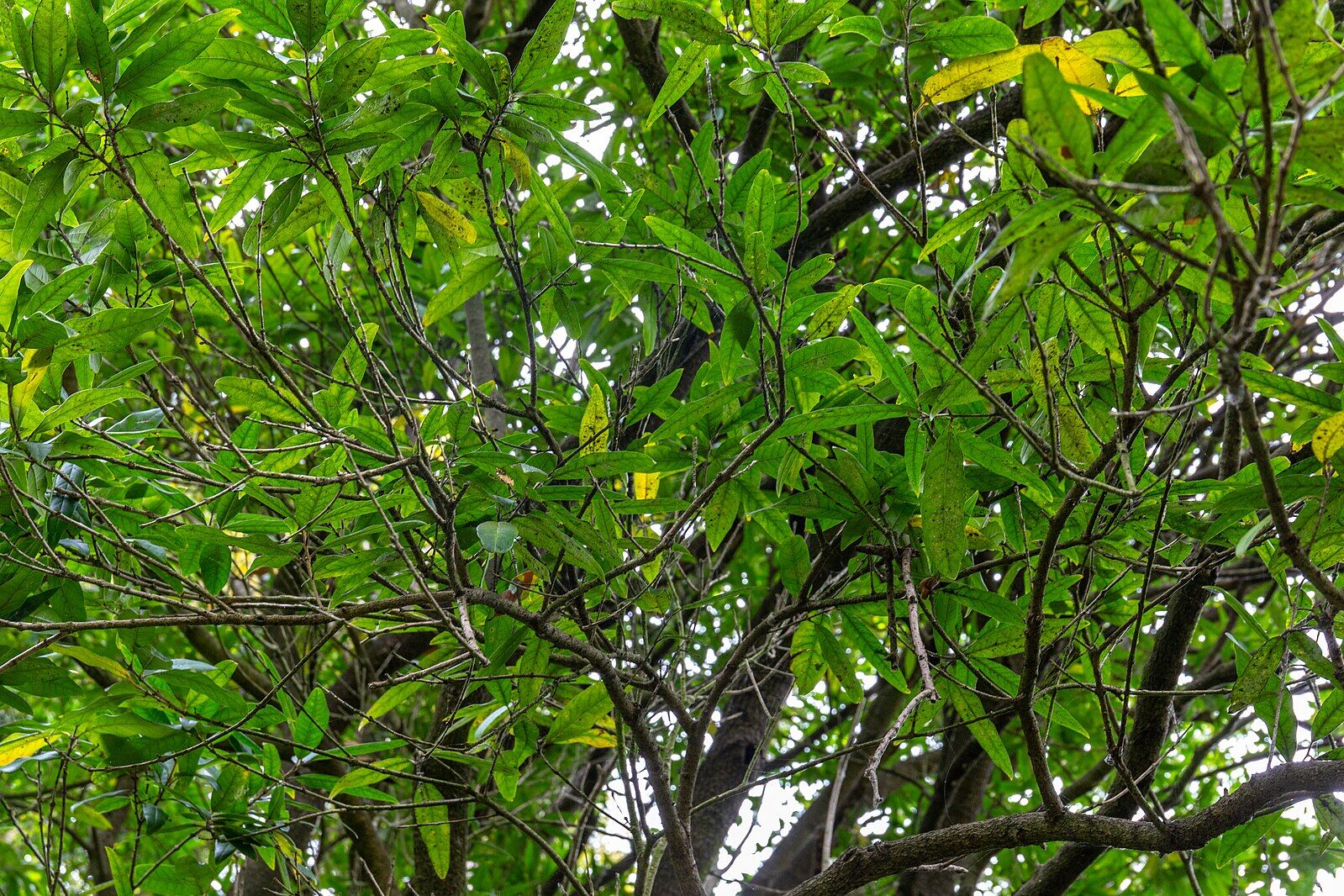
Learn about Black Maire and its potential uses.
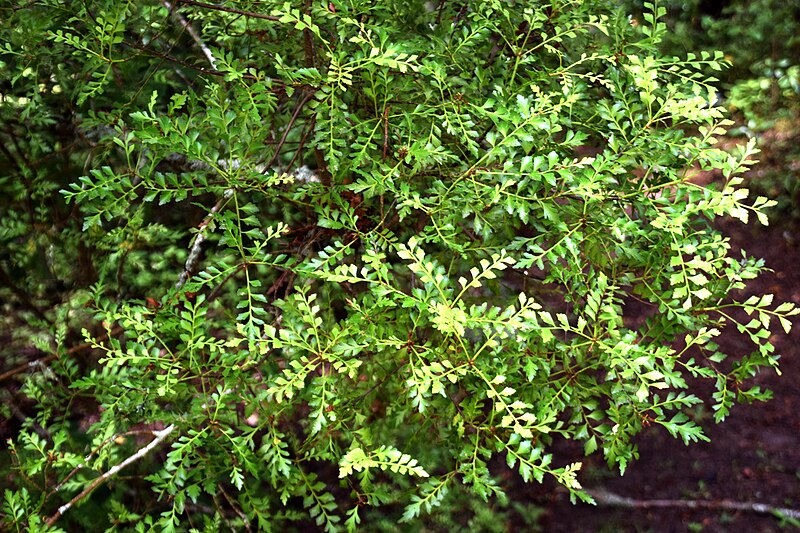
Learn about Tanekaha, a strong native tree with unique uses and growth needs.
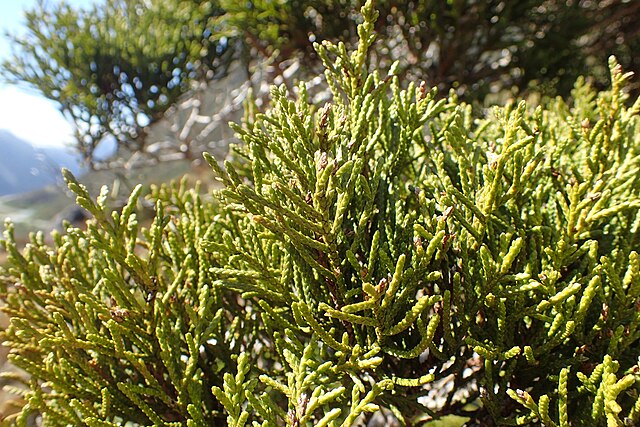
Learn about Pink Pine's features, uses, and potential value in Aotearoa forests.
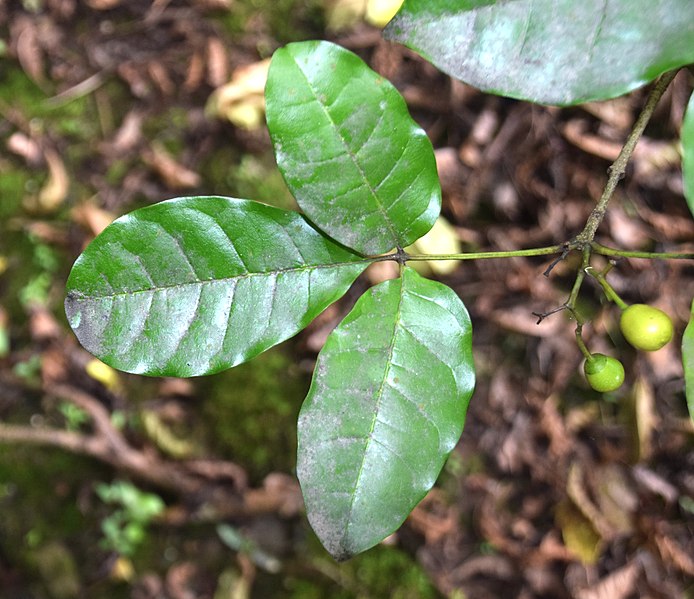
Learn about the Puriri tree and its uses.
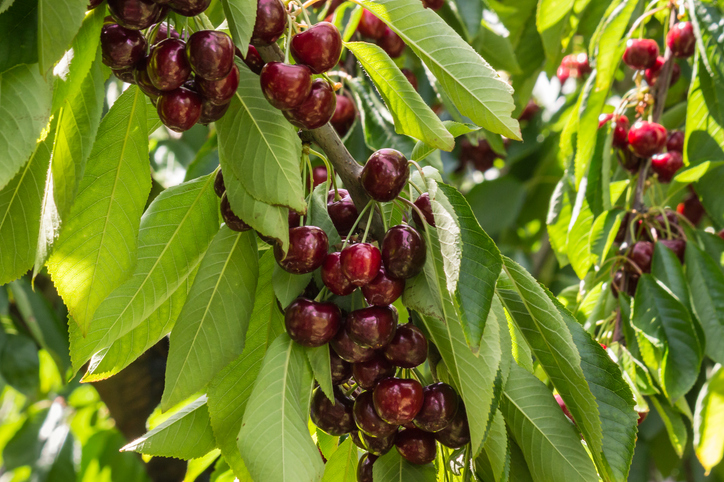
Explore how well suited the whenua in your rohe is to growing cherries.
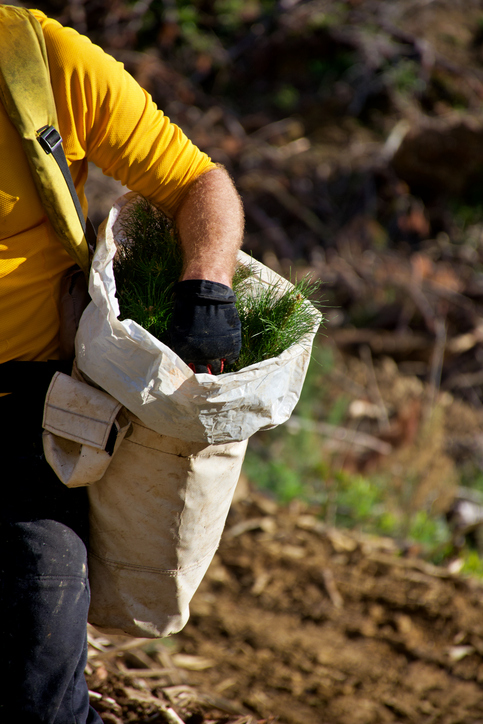
This code provides safety guidance for forestry work in New Zealand. It covers health, equipment, and emergency procedures.
Kanuka is a versatile native tree with uses in timber, medicine, and fuel.
Taraire is a native New Zealand tree known for its growth in rich soils and unique timber.
A comprehensive database archive of historical research about indigenous forests in Aotearoa.
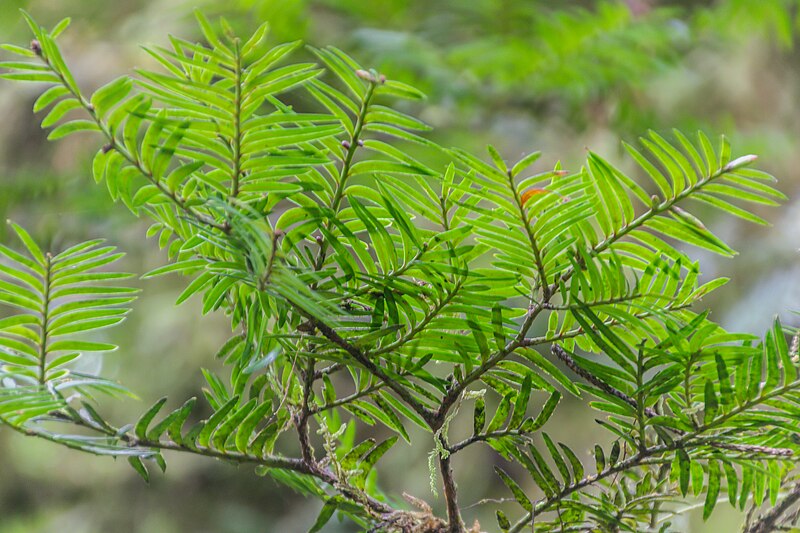
Learn about the uses and biodiversity benefits of Miro.
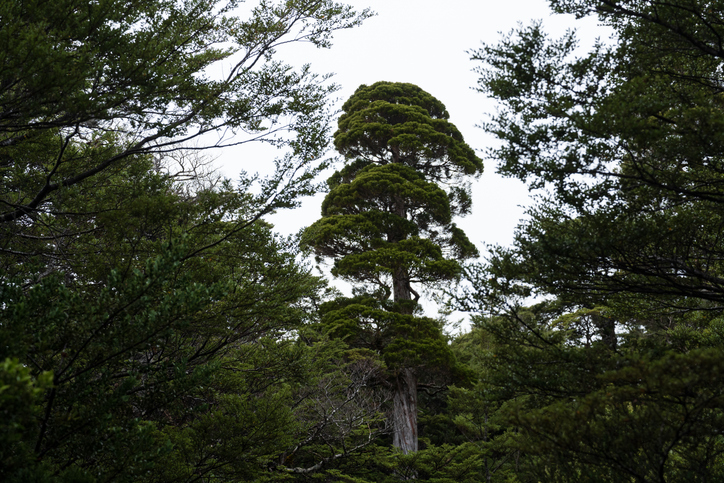
Learn about Kaikawaka, a lightweight native tree with unique timber uses.
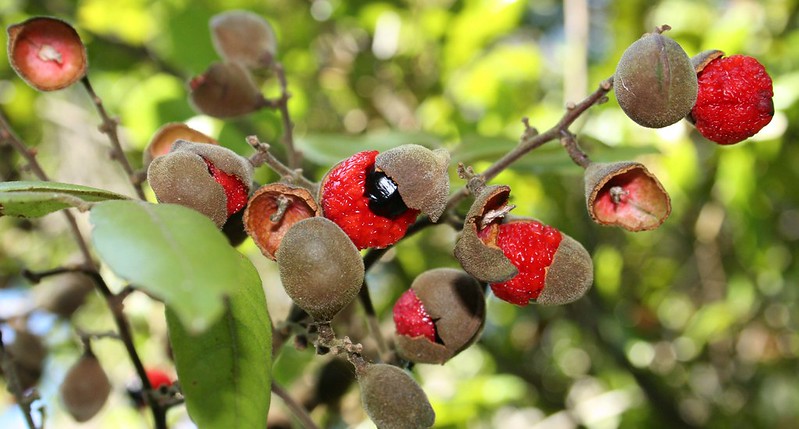
Learn about Titoki, a unique native tree with historical uses and potential benefits.
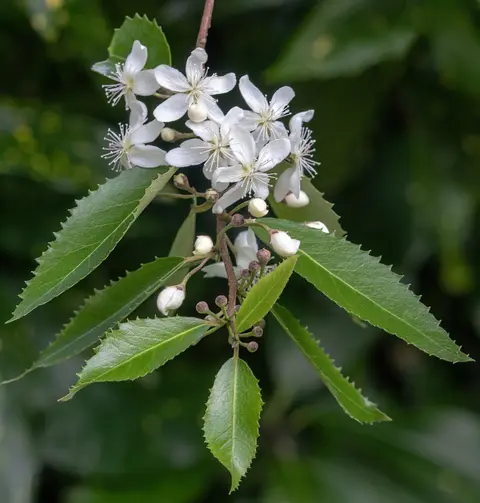
Find out how to identify houhere and use its lacy inner bark for fine weaving.
See how seed islands of native trees fared on hill country near Gisborne.
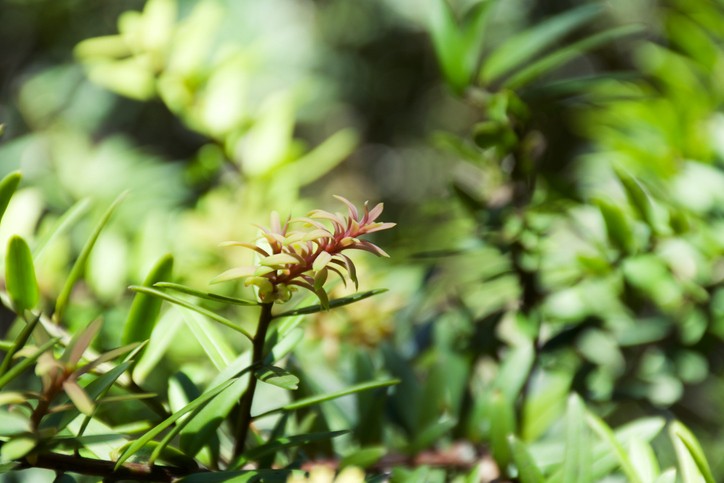
Learn about Tōtara and how they can improve outcomes for farms and te taiao.
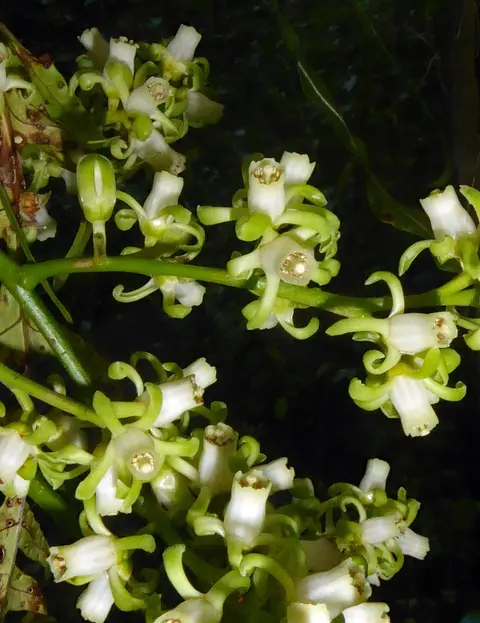
Learn about Kohekohe, its uses, growth, and potential in forestry.
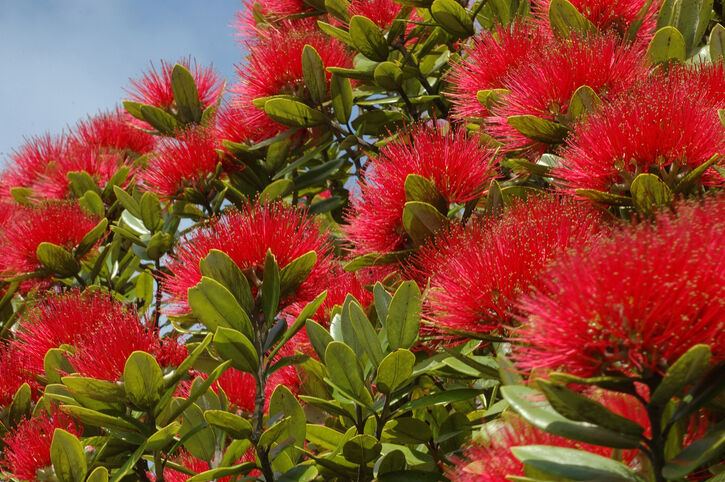
Learn about the history and uses of Pōhutukawa.
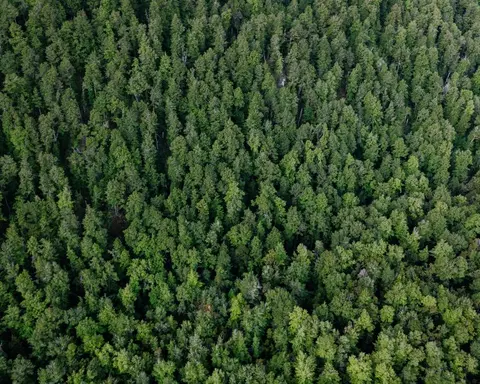
Find growing notes for 15 iconic tall natives, including kauri, rimu and tōtara.