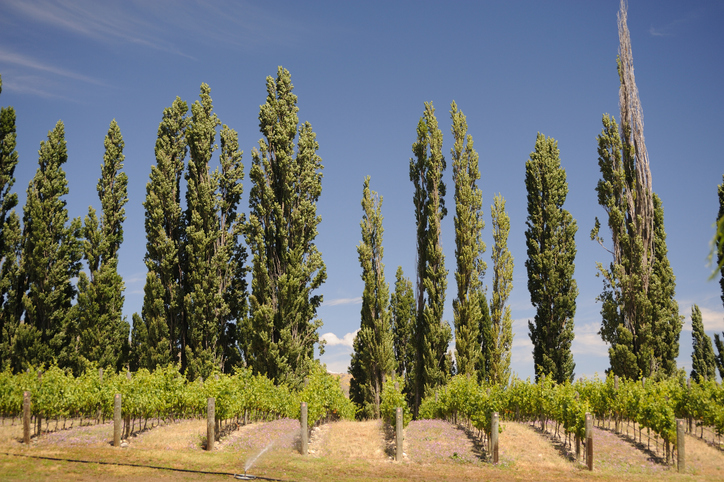
Willow & Poplar Poles for managing erosion in Hawke's Bay
Whenua
Erosion
Forestry
Soil
Sustainability
Source willow and poplar poles for erosion control in Hawke's Bay.
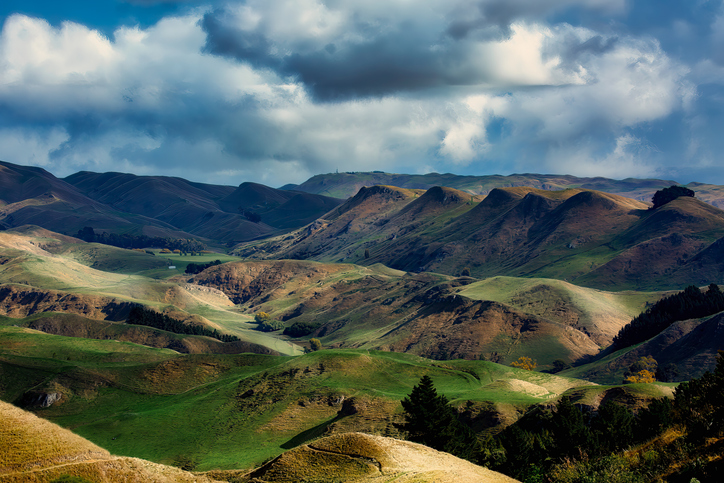
Debris dams are small structures built in the stream beds of eroding gullies. They help to stabilise the gully floor and support the planting of trees on the sides, which reduces further erosion. These dams work best in v-shaped gullies and are built in a series. They manage water flow, slow down water speed, and trap sediment, creating a better environment for plant growth. For example, at Onenui Station, debris dams were installed to control erosion and quickly allowed for the planting of Poplar and Willow trees.
Source willow and poplar poles for erosion control in Hawke's Bay.
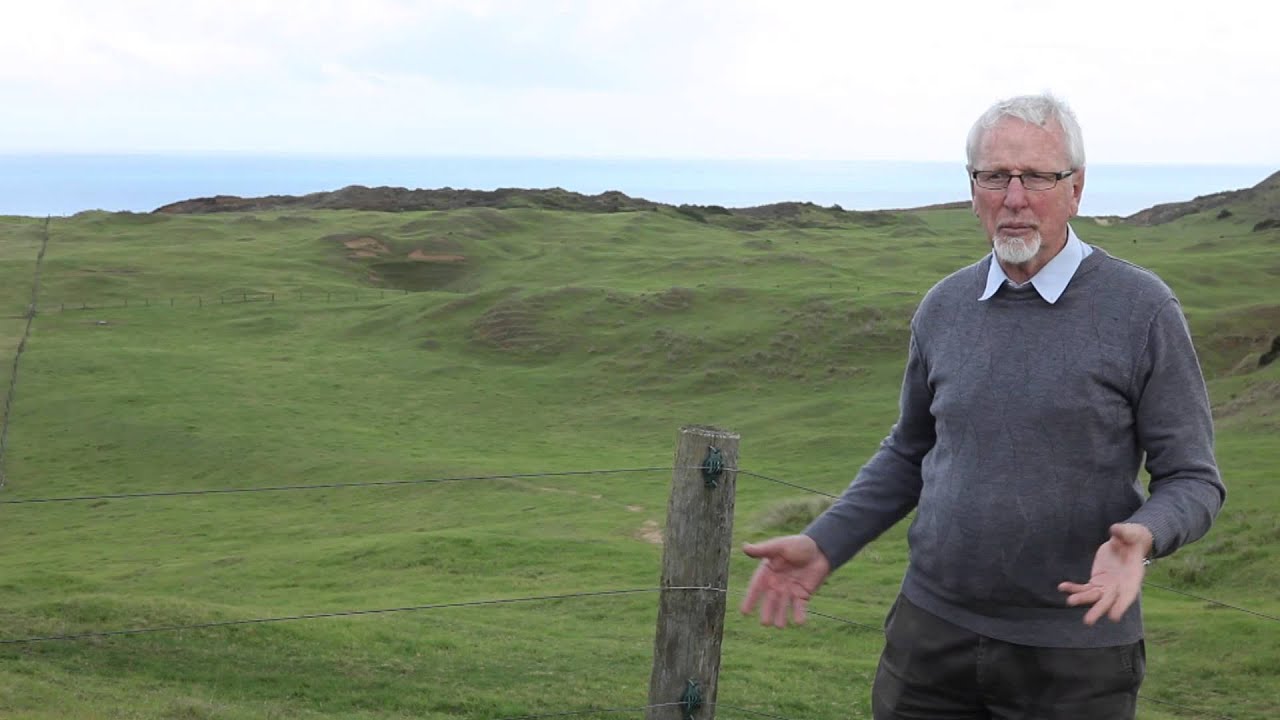
Learn about soil conservation and erosion control techniques in te Tai Tokerau.
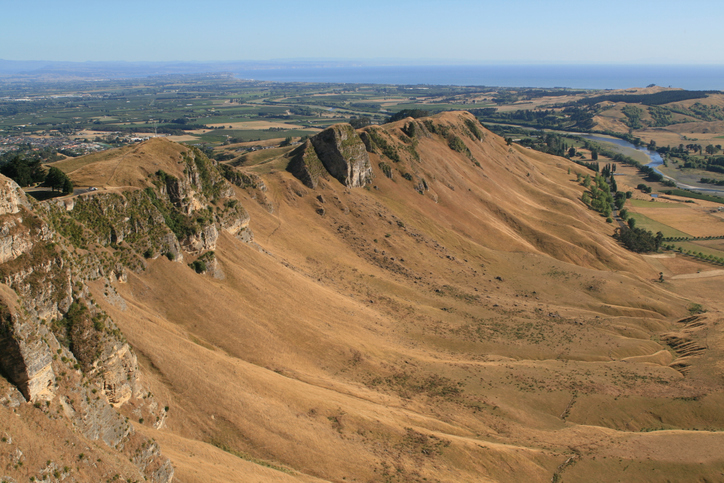
Hawke's Bay faces erosion issues. Planting trees can help prevent soil loss and improve water quality.
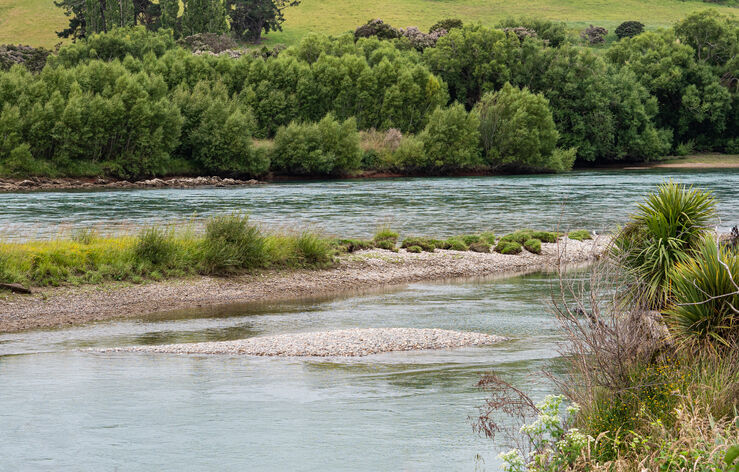
Read about the nature-based methods the Ruamahanga Restoration Trust is using to slow water and reduce flooding impacts.
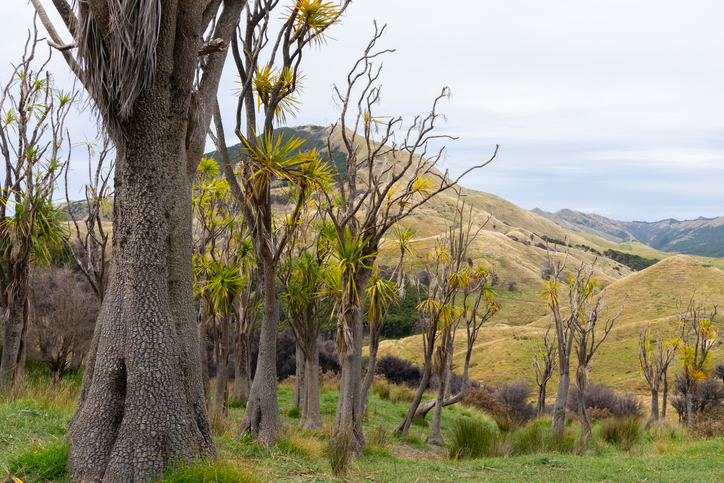
Guidelines and resources for managing erosion and sediment in forestry in New Zealand.
The Hawke's Bay Farmers Hub offers support and resources for Hawke's Bay farmers and land owners.
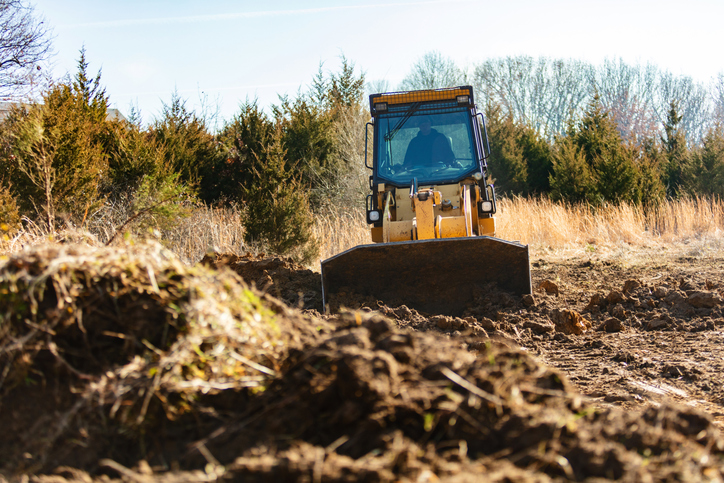
This resource details how to manage the impacts of earthworks on land and water quality, focusing on regulations and best practices.
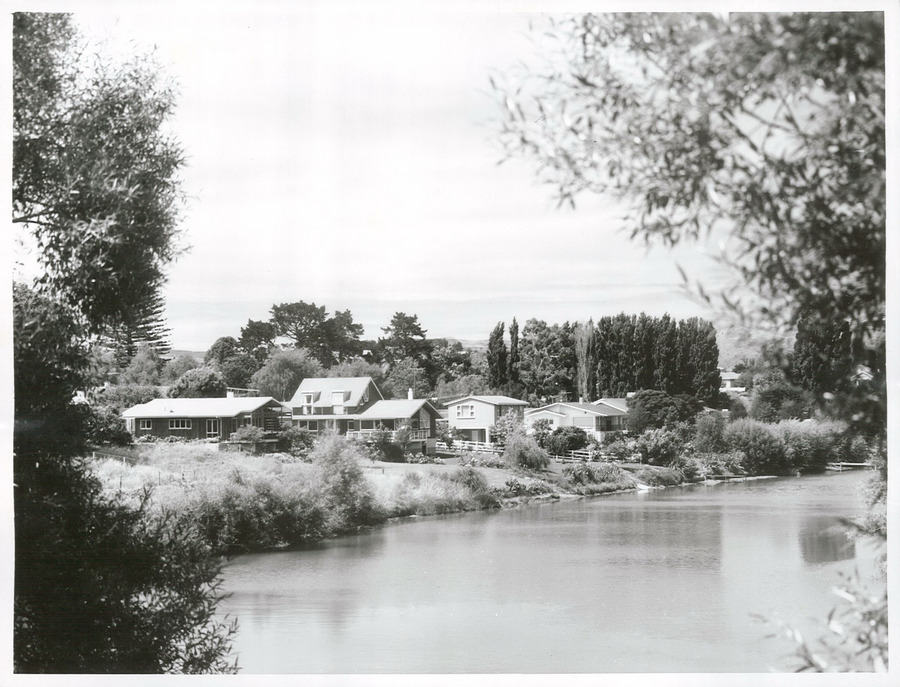
A project to restore the Waimatā River, focusing on ecology and community involvement.
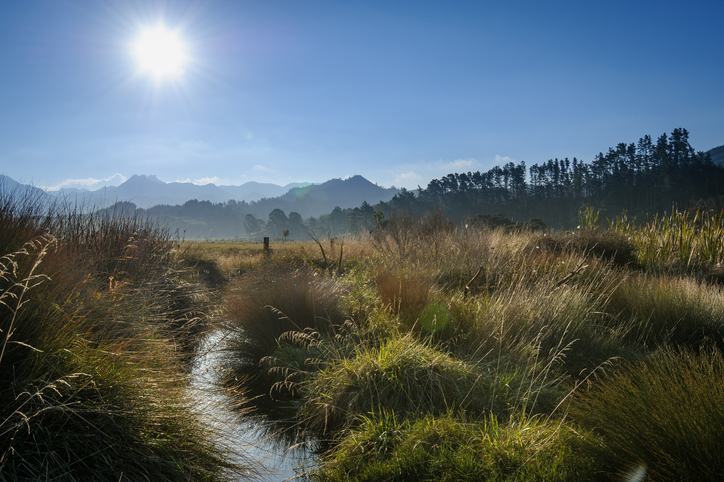
Learn about planting trees along waterways to enhance nature and prevent erosion.
Learn about the role tree planting can play in reducing climate change impacts.
See what might be coming for the Bay of Plenty region, including rising seas and flooding.
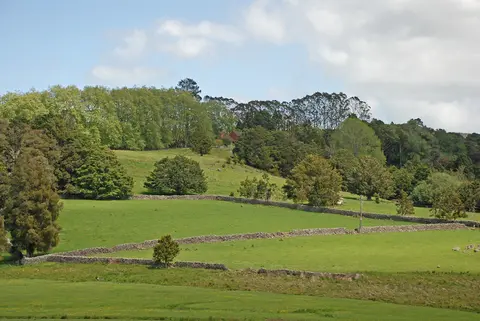
Get practical tree planting advice specific to Taitokerau.
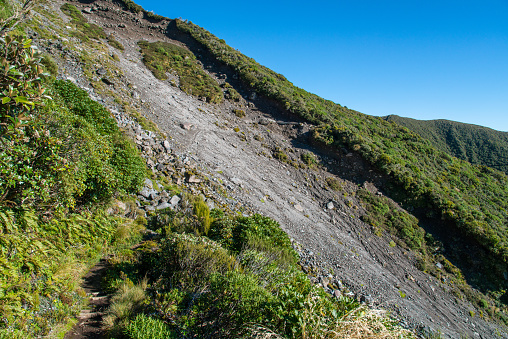
Find links to the main models used to estimate erosion and sediment in Aotearoa.
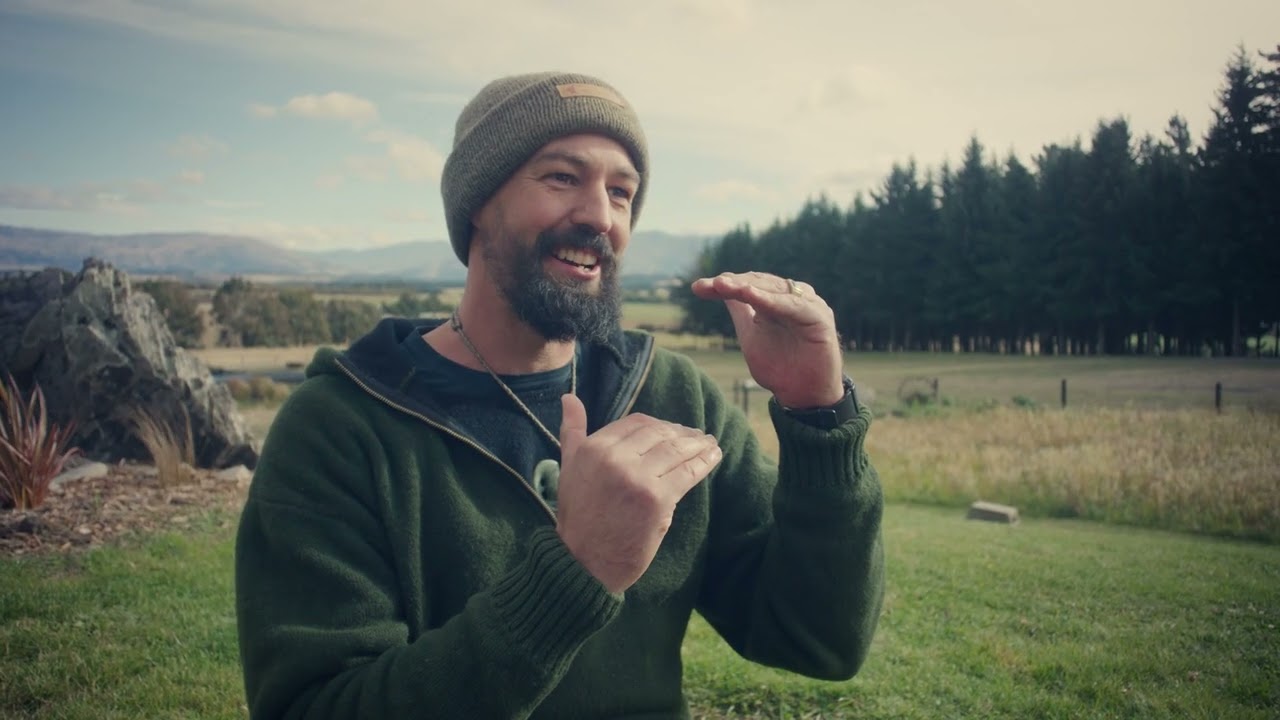
Sam "The Trap Man" Gibson explains that diverse native forests help stabilise the land and improve resilience against extreme weather events.
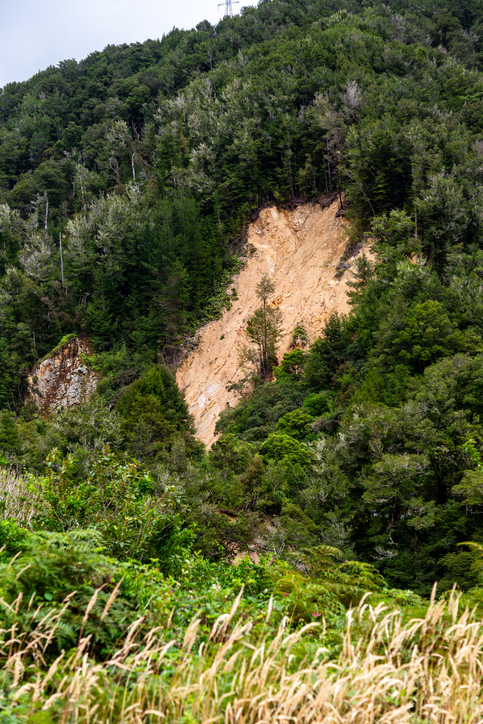
Learn how to control erosion in forestry through careful planning and tree selection.
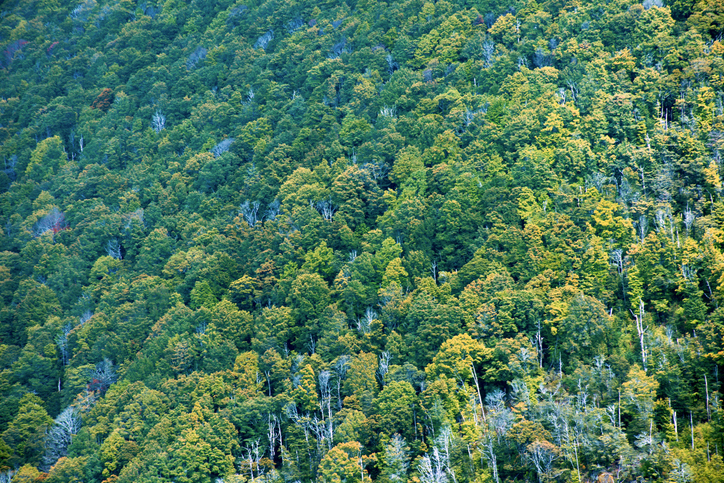
Learn about the best tree species for reducing erosion on steep slopes in different parts of Aotearoa.
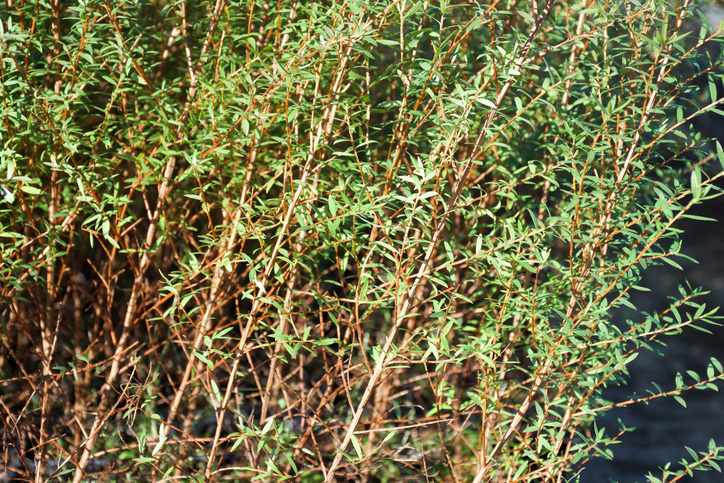
Learn how mānuka planting helped restore a Taihape farm after a devastating landslide.
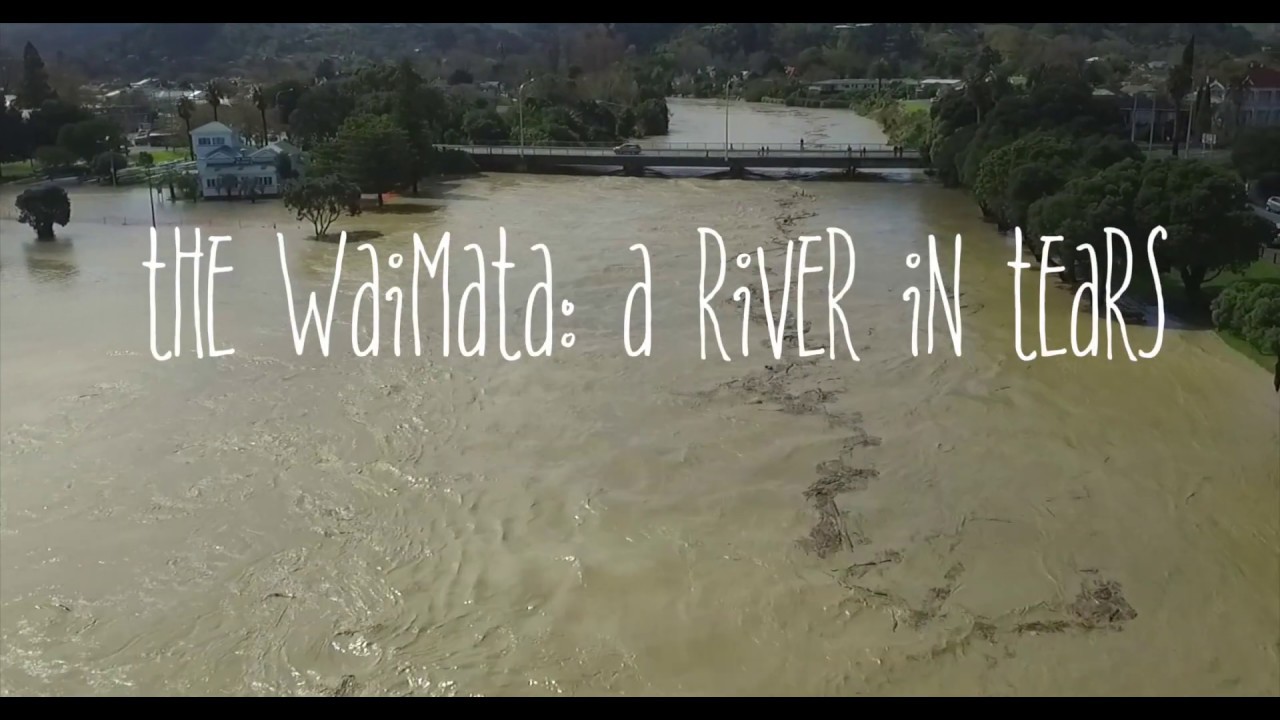
Waimata River faces severe erosion, pollution, and habitat loss from farming and logging.
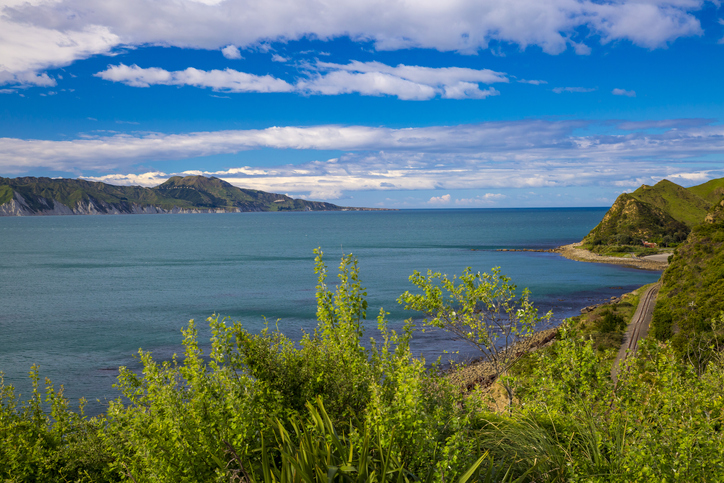
Learn how local groups improved the Whangawehi catchment and river health.
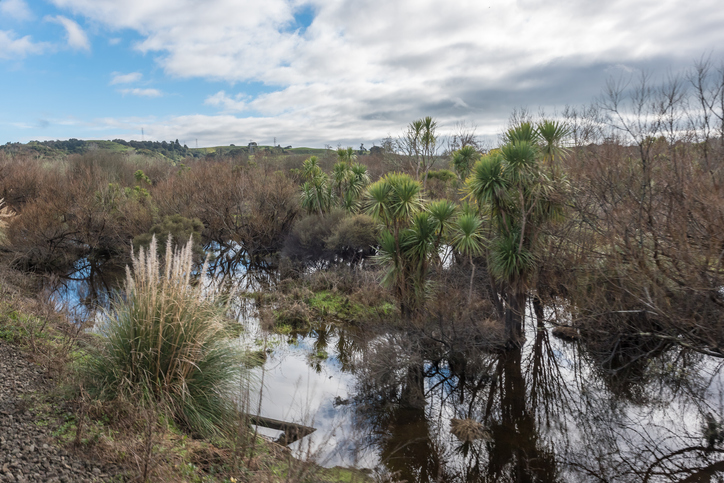
Learn how constructed wetlands treat farm runoff by removing sediment, nitrogen, and phosphorus.
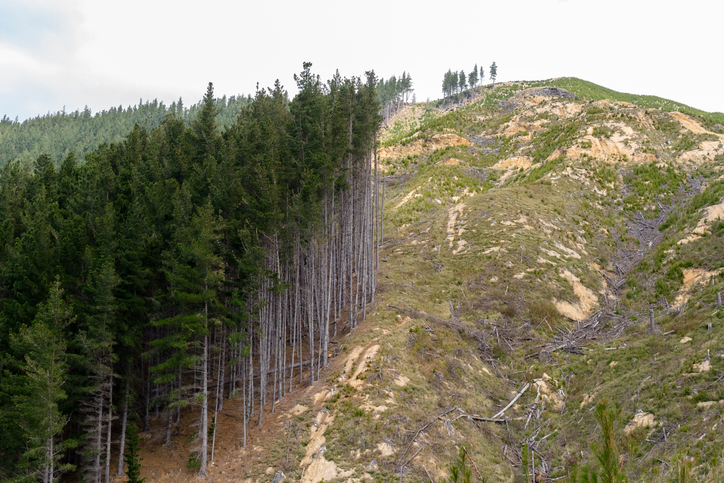
Learn about planting on erodible land for better resilience and productivity.
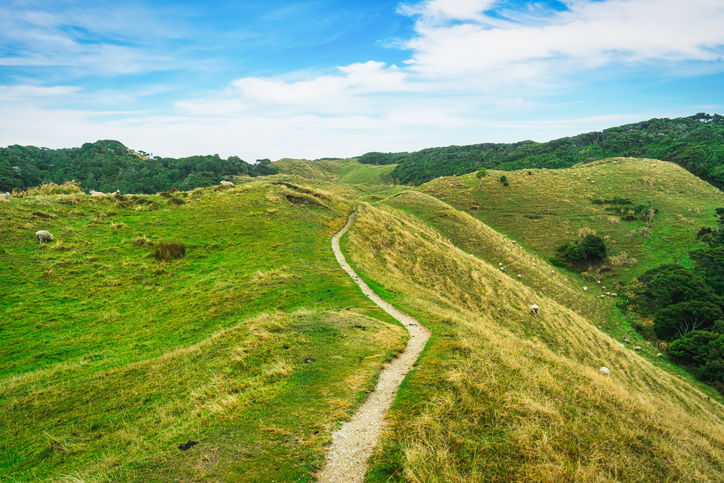
This study models soil loss, which is a major issue for Aotearoa farms and the environment.
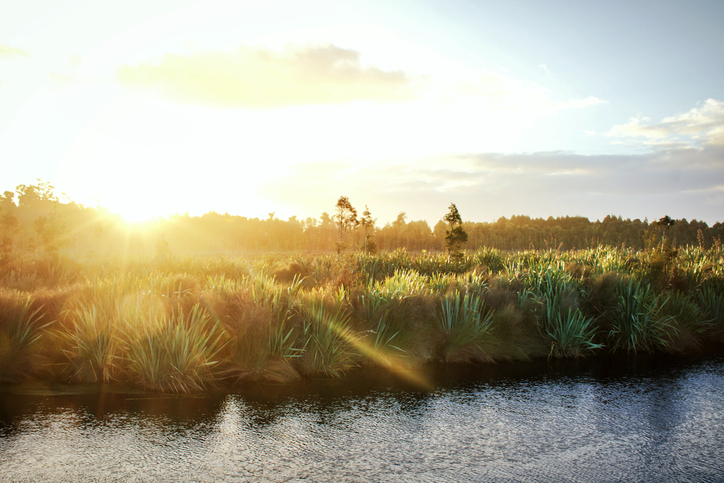
Learn how to plant and restore wetlands in New Zealand for better ecosystems.