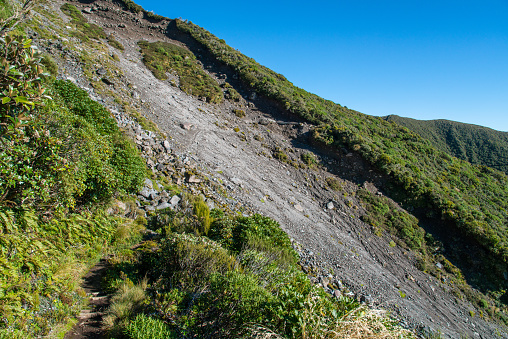
Models of erosion processes and suspended sediment loads in New Zealand
Climate
Erosion
Sustainability
Find links to the main models used to estimate erosion and sediment in Aotearoa.
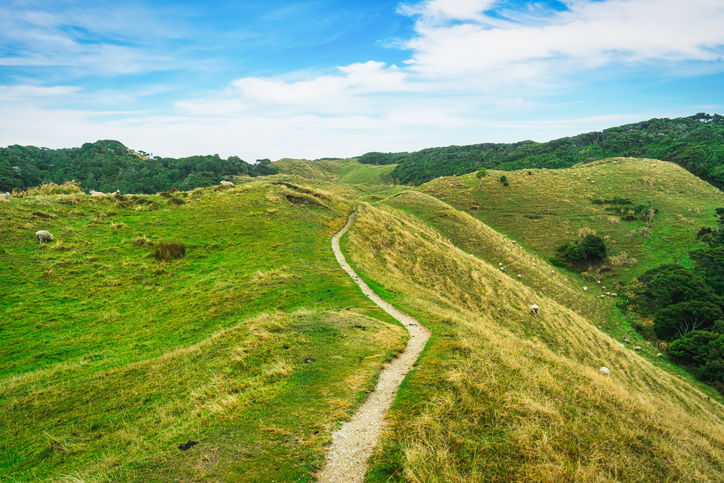
This research focuses on soil loss from surface erosion, which is a major issue for farms and the environment. It presents a national-scale model that looks at how different land uses, like grazing, affect soil erosion.
The study shows that winter-forage paddocks experience much higher erosion rates compared to other land types, such as forests and grasslands. It highlights the impact of terrain on erosion, including slope steepness and rainfall patterns.
Understanding these factors can help you better manage your whenua to reduce erosion and enhance your productivity and water quality.
Find links to the main models used to estimate erosion and sediment in Aotearoa.
This report explores climate change impacts on New Zealand agriculture.
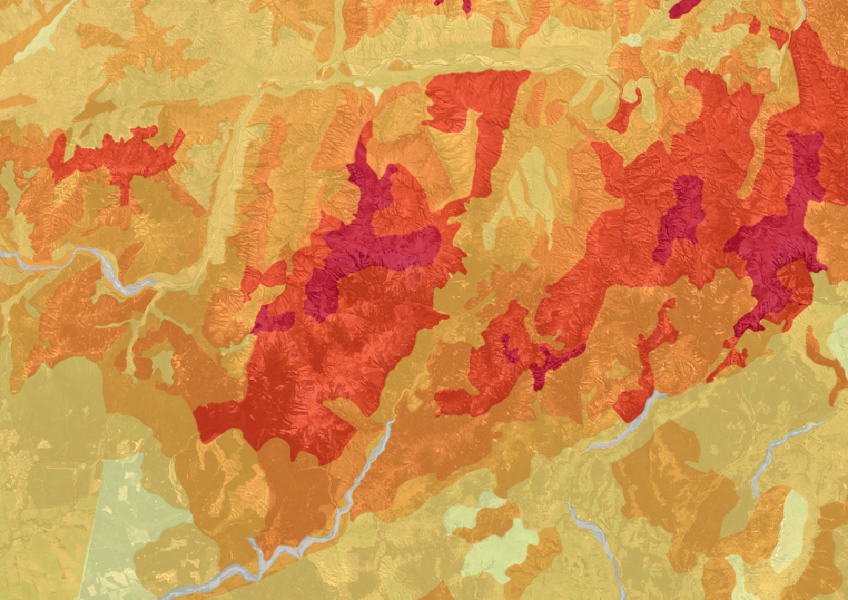
This map shows erosion types and estimated severity across Aotearoa.
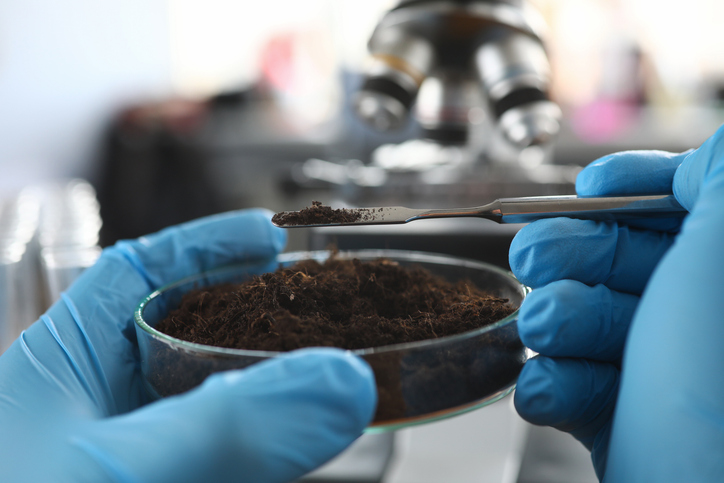
Explore how soil supports farming, impacts the environment, and learn about possible solutions for healthier farming practices.
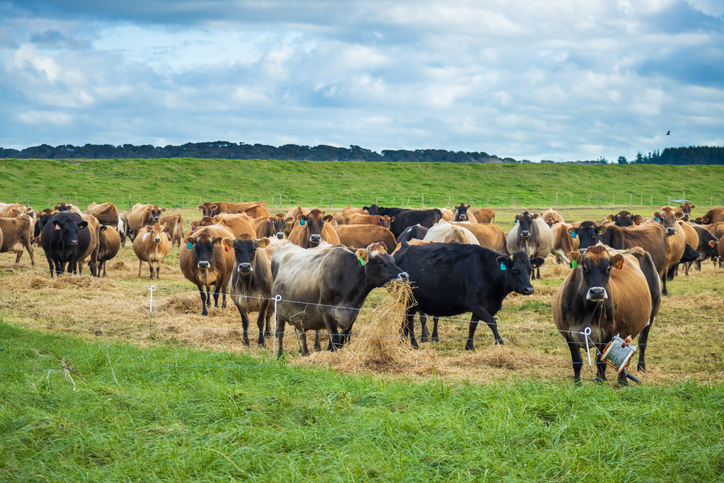
This guide can help you minimise the impact of intensive winter grazing on water quality and animal welfare.
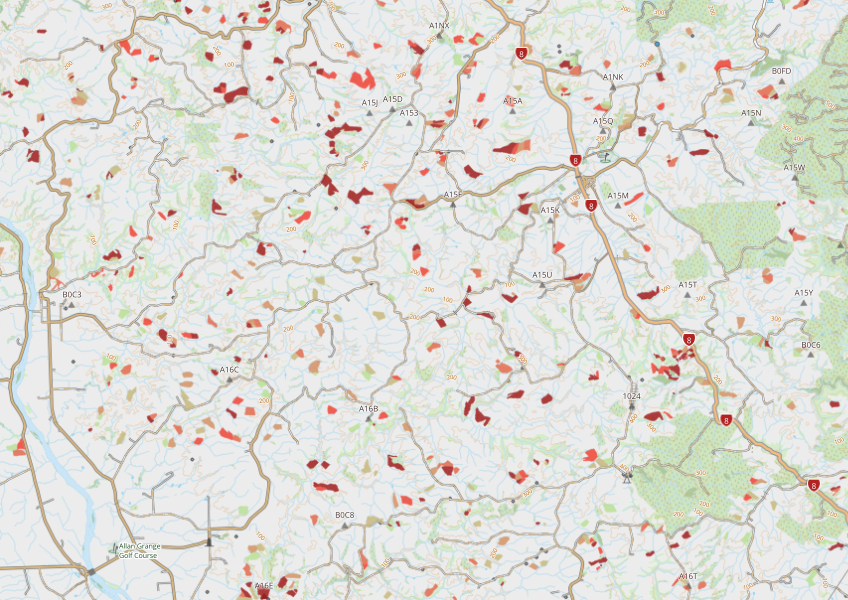
This dataset maps winter forage areas in New Zealand's hill country.
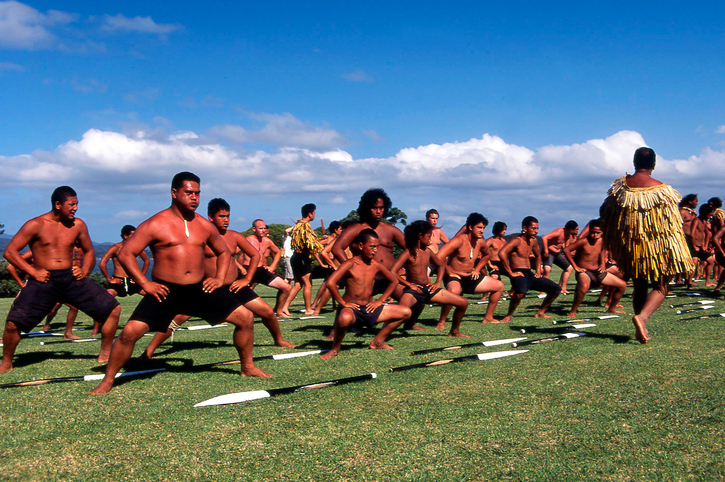
This report explores ways to improve Māori land resilience against climate change through afforestation.
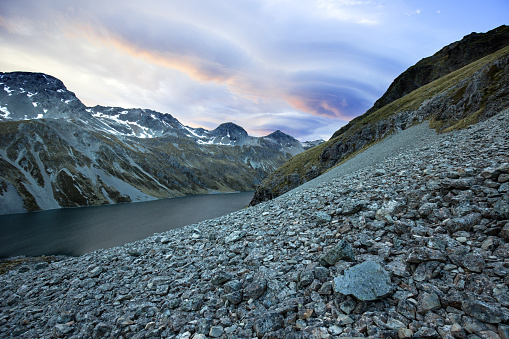
Find out how climate change could shift sediment loads in your local rivers.
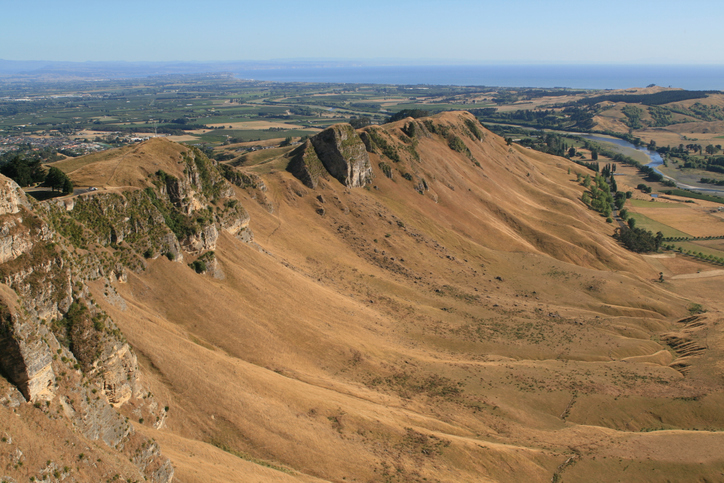
Hawke's Bay faces erosion issues. Planting trees can help prevent soil loss and improve water quality.
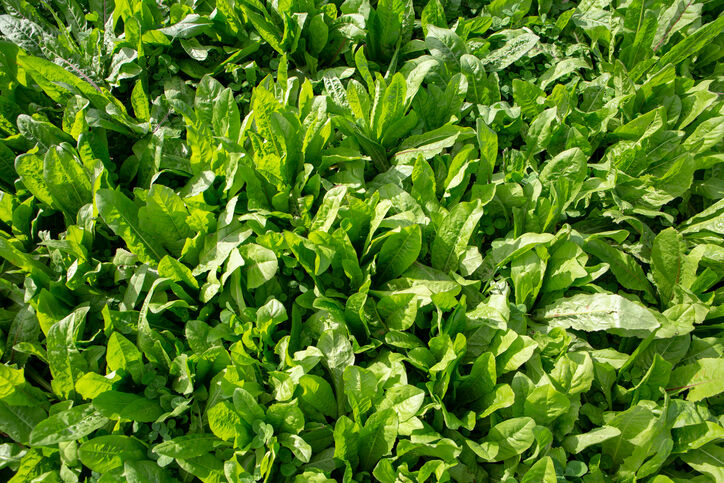
This guide explains effective forage cropping management for livestock.
A set of questions to help you assess your organisation's sustainability.
Strategies for Māori farms to reduce greenhouse gases to meet the Zero Carbon targets.
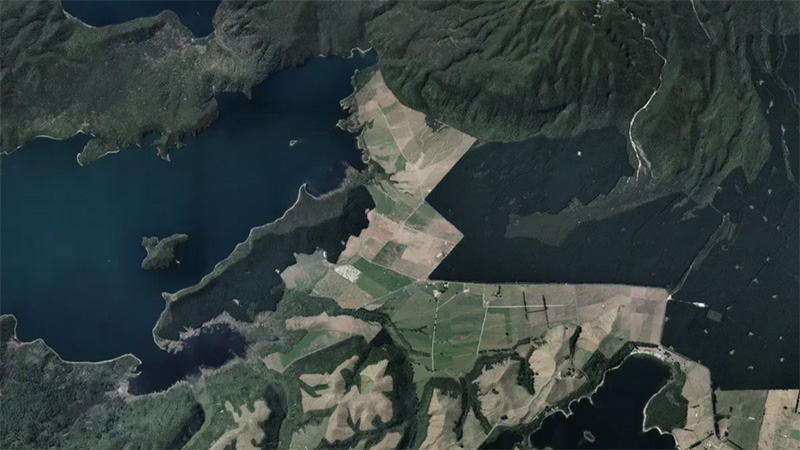
This report uses two case studies to illustrate different ways that diversified Māori agribusinesses can reduce greenhouse gas emissions and increase profits.
Explore ways to boost soil carbon through diverse plants, better grazing, and smart irrigation.
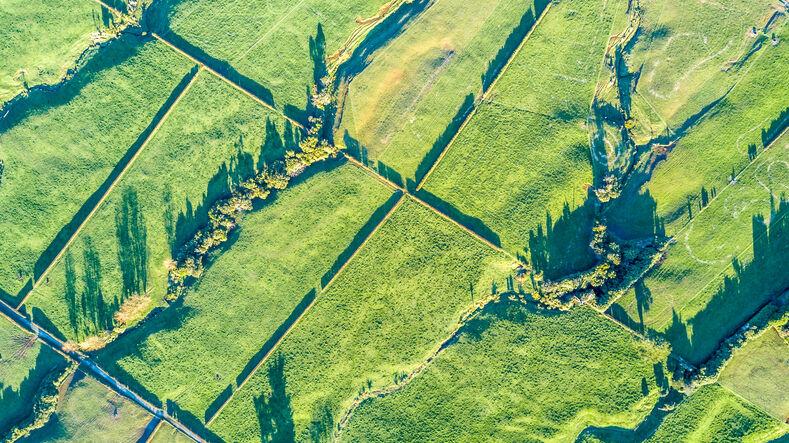
Read about the impacts different Aotearoa land use change scenarios might have on cliamte and socio-economic outcomes.
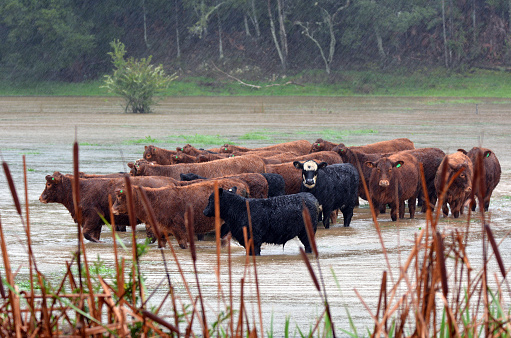
Read how climate change could shift what your land is best suited to.
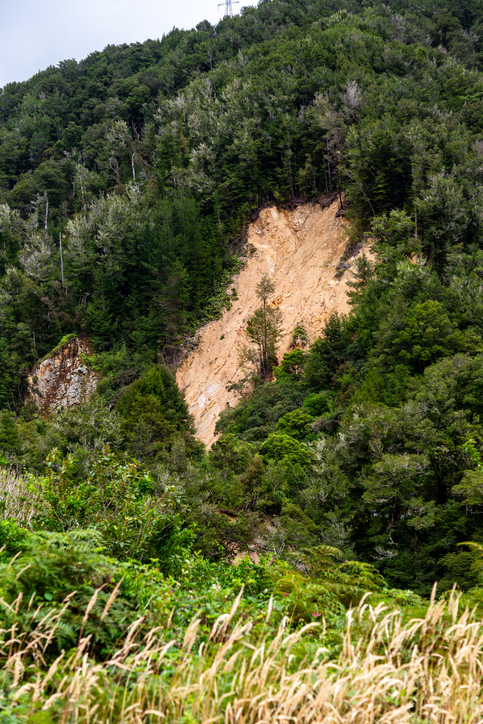
Learn how to control erosion in forestry through careful planning and tree selection.
See how susceptible your soil and climate are to nitrogen loss each month.
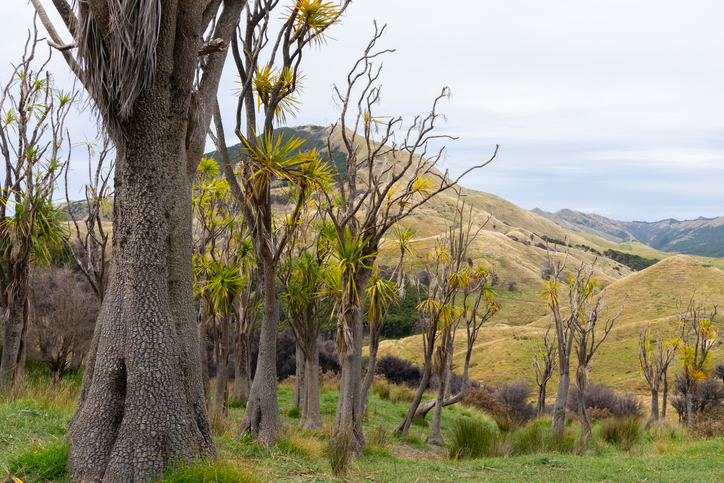
Guidelines and resources for managing erosion and sediment in forestry in New Zealand.
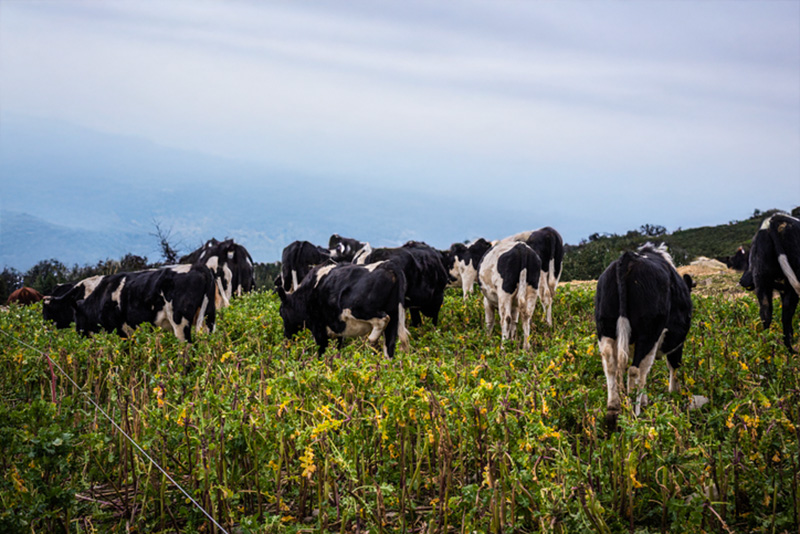
Learn about intensive winter grazing rules and best practices for farms in the Wellington Region.
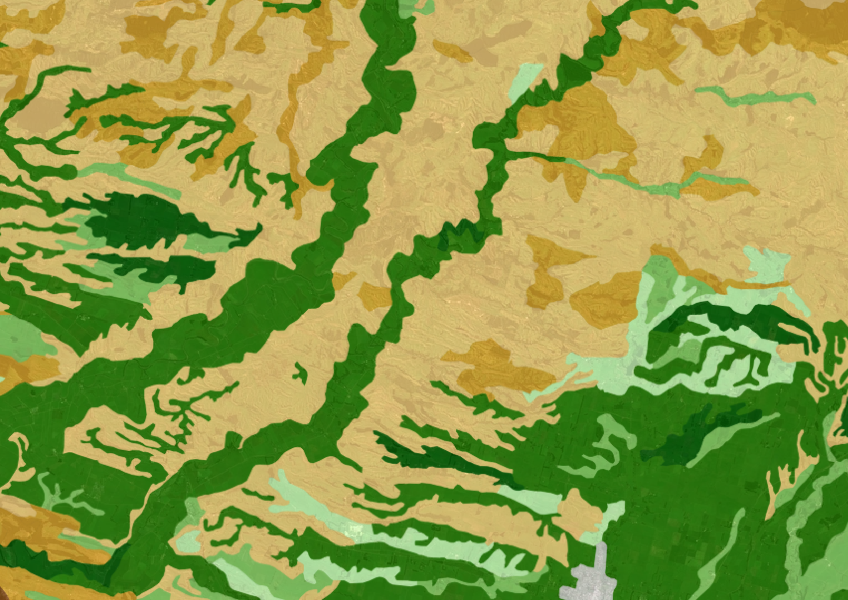
This widely used map estimates the land's potential for agricultural production.
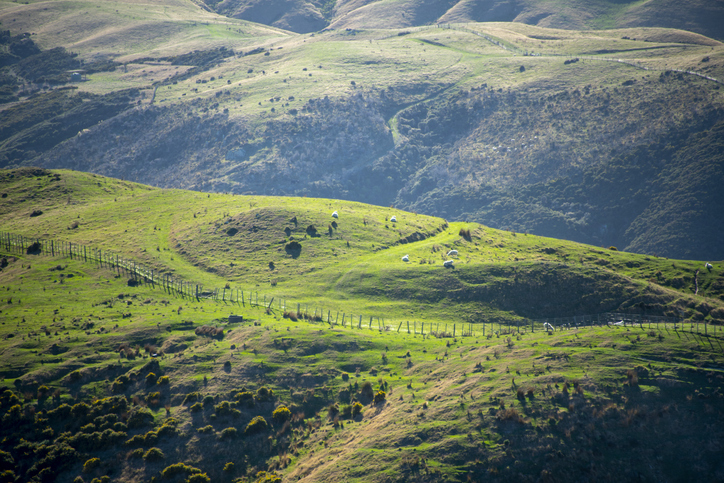
Learn how farmers can help prevent erosion through partnering.
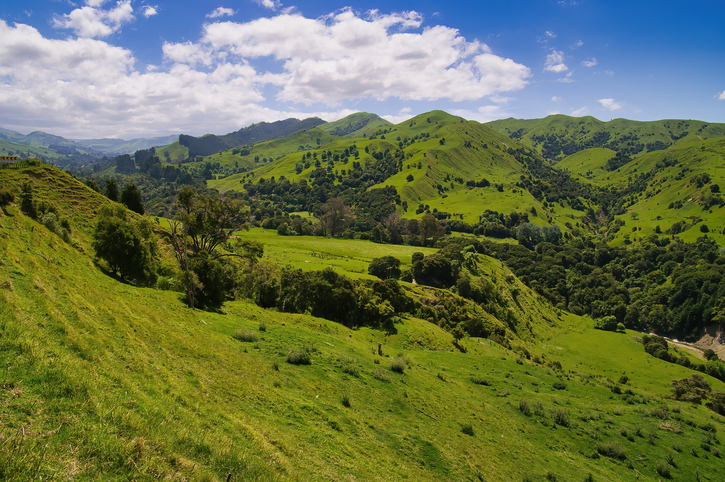
Learn about sustainable Māori forestry and agriculture for climate resilience on the East Coast.