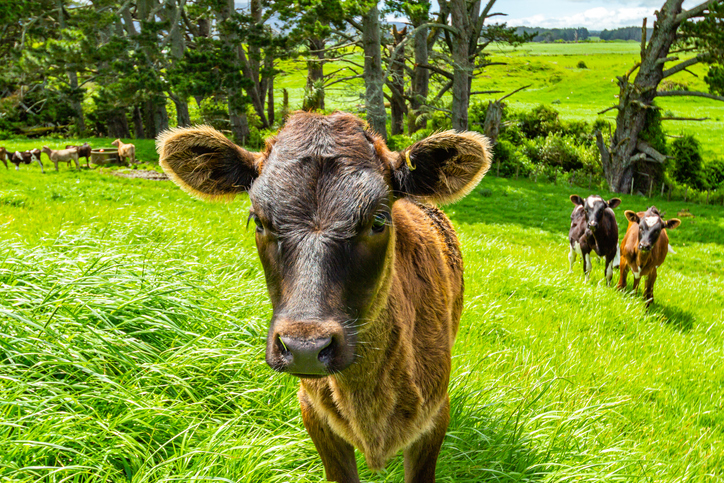
Dairy types and N, P and GHG losses
Climate
Dairy
Emissions reduction
Greenhouse gas
Sustainability
Compare nitrogen, phosphorus and greenhouse gas losses across dairy farm types.
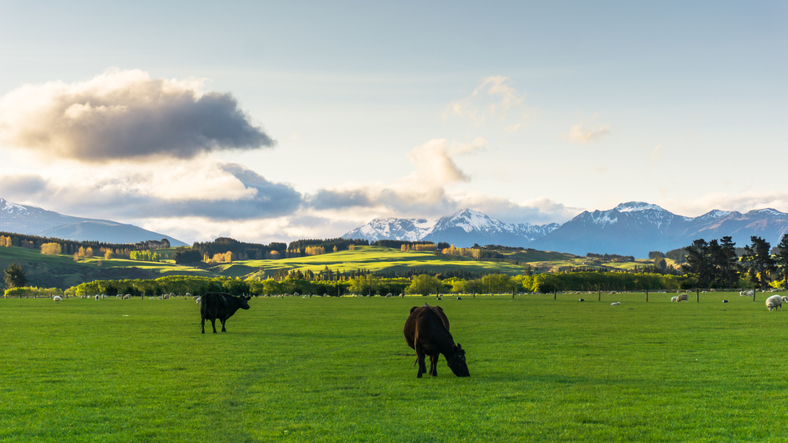
This dataset groups sheep and beef farms across Aotearoa into typologies and gives each type's typical losses of nitrogen and phosphorus to water, split into methane and nitrous oxide for greenhouse gases.
Each typology represents farms with similar rainfall, soil drainage and slope, and its figures are an average for that type, not a prediction for any one farm.
AgResearch built a statistical model from a database of 251 real farms' Overseer nutrient budgets, following the He Waka Eke Noa approach for splitting out greenhouse gases. The typologies are a broad indication of farm classes rather than an assessment of an individual property.
Compare nitrogen, phosphorus and greenhouse gas losses across dairy farm types.
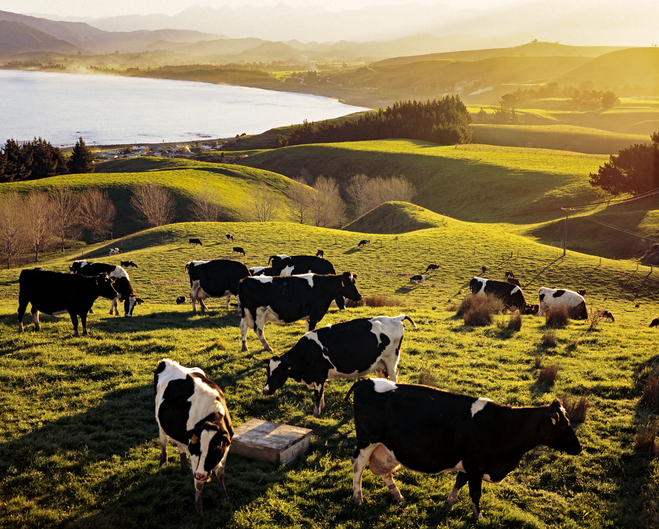
See which sheep and beef mitigation measures cut nutrient loss and emissions.
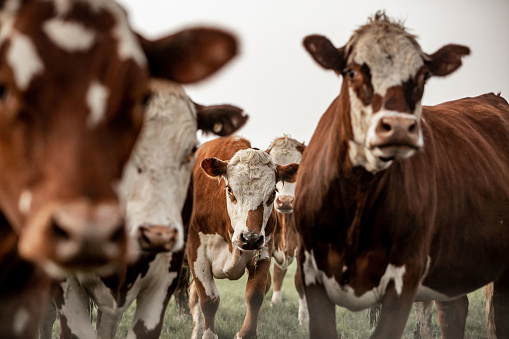
Explore how dairy water-quality measures affect greenhouse gas emissions too.
Learn how sheep and beef farms can reduce greenhouse gas emissions and improve profits.
A tool for farmers to track and report on farm GHG emissions and sequestration.
Compare nitrogen and phosphorus levels in your rivers against national bottom lines.
Learn how you can reduce your greenhouse gas emissions while staying profitable.
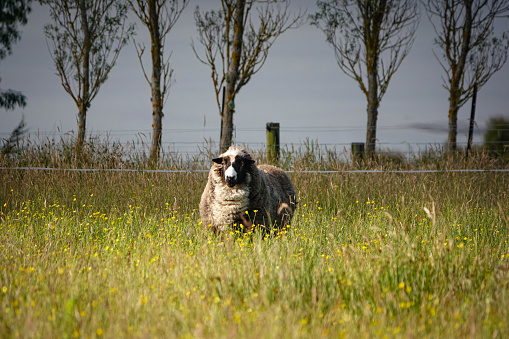
Research about reducing greenhouse gas emissions on Māori farms in New Zealand.
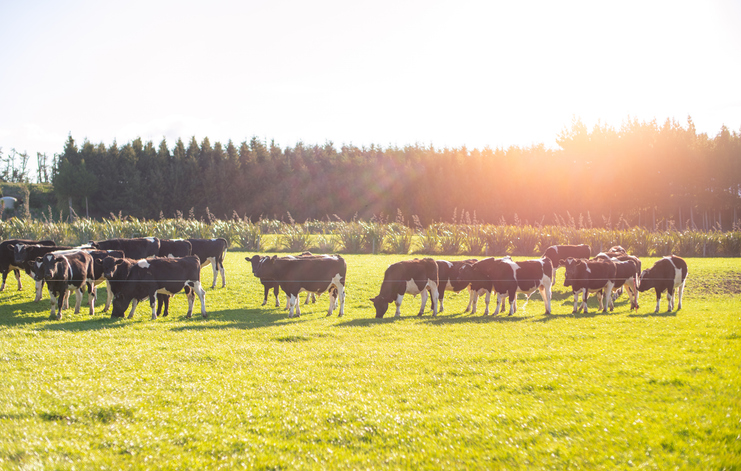
Learn about different on-farm solutions for reducing greenhouse gas emissions from dairy farms.

Read the report behind Aotearoa's freshwater E. coli, sediment and nutrient maps.

Explore how land use changes affect water quality and nitrogen, phosphorus loads.
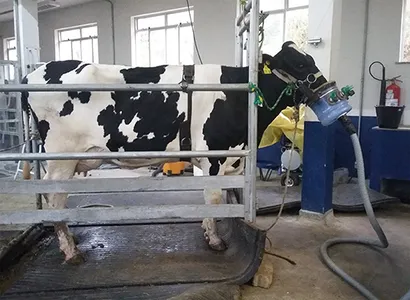
Learn how greenhouse gases are measured and their impact on climate change.
This guide explains how to cut nitrogen use, reducing nitrous oxide emissions on farms.
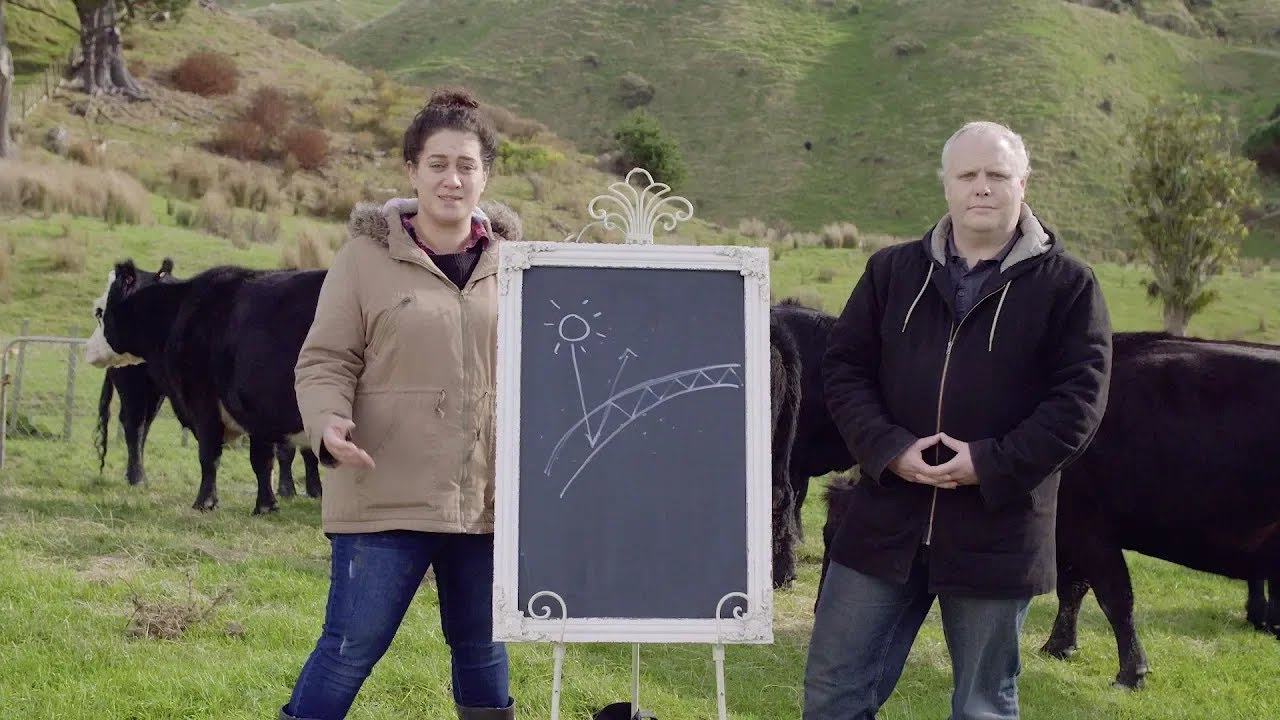
Learn how human actions change our climate and impact farming through greenhouse gases.
A report on measuring greenhouse gas emissions on Māori farms.
Find out how much greenhouse gas a typical cropping farm produces.
Access livestock manure data for N inputs and losses.
Factsheets about farm greenhouse gas emissions, feeds, methane control, soil carbon, and more.
Explore actions New Zealand farmers can take to reduce greenhouse gas emissions effectively.
Find out about a no-cost method to reduce your dairy farm's greenhouse gas emissions.
Learn about reducing methane emissions on your farm.
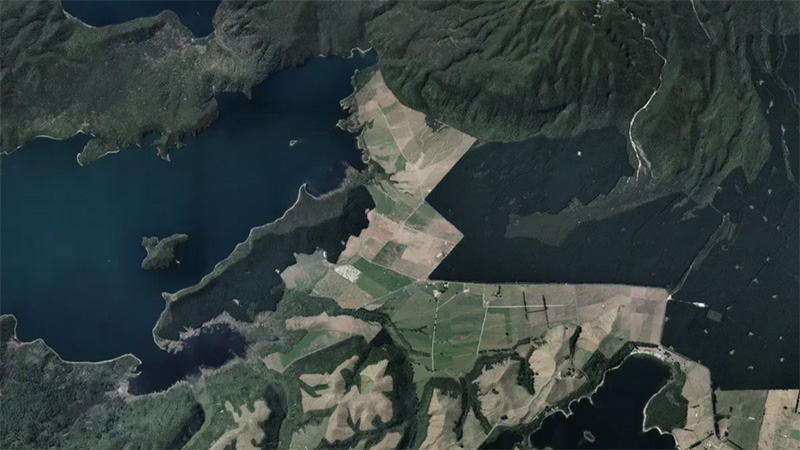
This report uses two case studies to illustrate different ways that diversified Māori agribusinesses can reduce greenhouse gas emissions and increase profits.
The science behind agricultural methan, nitrous oxide emissions, and climate change.