A review of the potential of nitrification inhibitors DMPP and nitrapyrin to reduce nitrous oxide emissions following urine deposition in grazed pastures
This research reviews how nitrification inhibitors can cut nitrous oxide emissions in pastures.
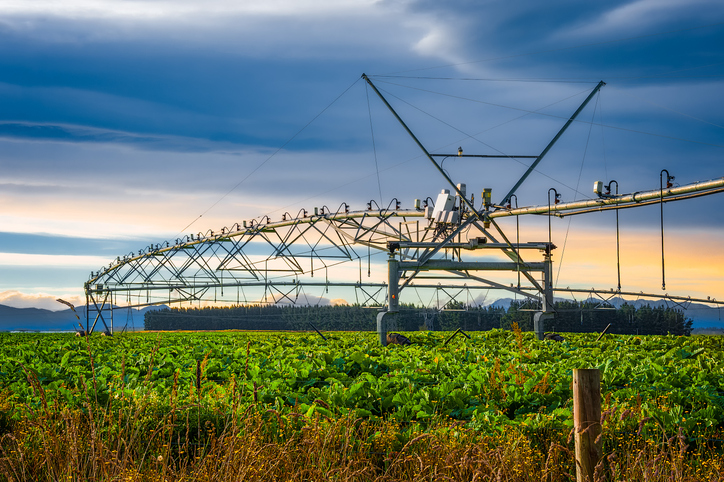
This guide focuses on reducing nitrogen fertiliser use on farms. Less nitrogen means less nitrous oxide, a harmful greenhouse gas.
It explains how soil microbes turn nitrogen into nitrous oxide and how using urease inhibitors can help. These inhibitors make nitrogen more available to plants and reduce emissions. While cutting back on nitrogen fertiliser might not significantly lower national emissions, it can greatly benefit cropping and horticultural businesses as well as improving freshwater outcomes.

This resource outlines methods to reduce agricultural greenhouse gas emissions in New Zealand.

Learn how winter housing can reduce greenhouse gas emissions from livestock.

Learn how to manage nitrogen fertiliser use for better pasture growth and environmental outcomes.

Learn about different on-farm solutions for reducing greenhouse gas emissions from dairy farms.

Research about reducing greenhouse gas emissions on Māori farms in New Zealand.

Explore actions New Zealand farmers can take to reduce greenhouse gas emissions effectively.

See how a Horowhenua vegetable grower nearly halved fertiliser use and cut emissions.

This resource discusses methane inhibitors to reduce greenhouse gas emissions from agriculture.

Learn about methane in agriculture and how NZ ag researchers are trying to reduce emissions.

Factsheets about farm greenhouse gas emissions, feeds, methane control, soil carbon, and more.

Learn how to reduce farm emissions by improving animal performance and adjusting stocking rates.

Learn how sheep and beef farms can reduce greenhouse gas emissions and improve profits.