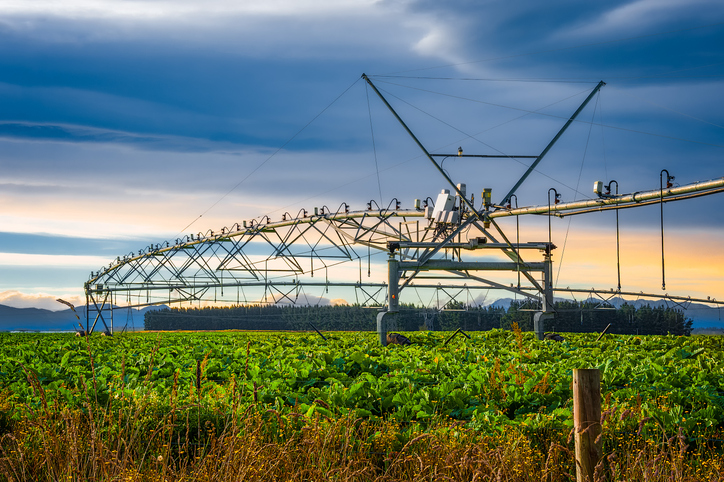
Cropping and horticulture emissions reduction
Climate
Arable crops
Emissions reduction
Fertiliser
Horticulture
Soil
Sustainability
Learn how cropping and horticulture can reduce greenhouse gas emissions in New Zealand.
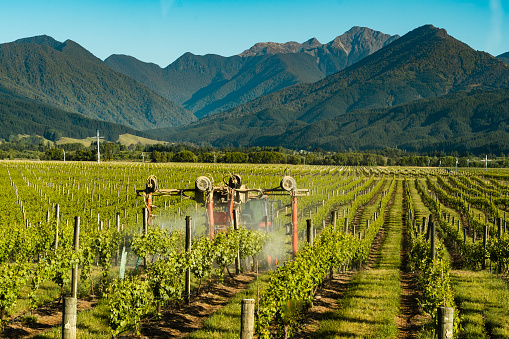
This report estimates the greenhouse gases produced by growing crops on a typical Aotearoa farm or orchard, covering nitrous oxide from fertiliser and crop residues and methane from any livestock on the property.
Figures are given per hectare per year, so they can be compared across different crops and farm types.
Plant & Food Research followed the same approach as New Zealand's national greenhouse gas inventory, using official emission factors where they exist and building new estimates for crops the inventory does not cover. The authors describe the figures as indicative rather than exact, since they rely on a number of assumptions.
Learn how cropping and horticulture can reduce greenhouse gas emissions in New Zealand.
This resource outlines methods to reduce agricultural greenhouse gas emissions in New Zealand.
Research about reducing greenhouse gas emissions on Māori farms in New Zealand.
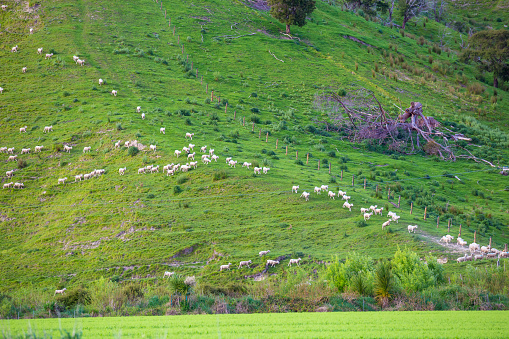
Browse Aotearoa agricultural greenhouse gas emissions reports by topic.
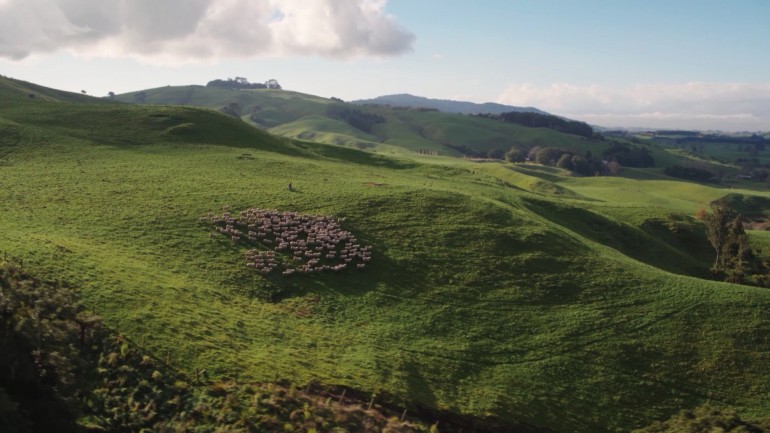
Learn ways to lower greenhouse gas emissions on your farm with practical steps and tips.
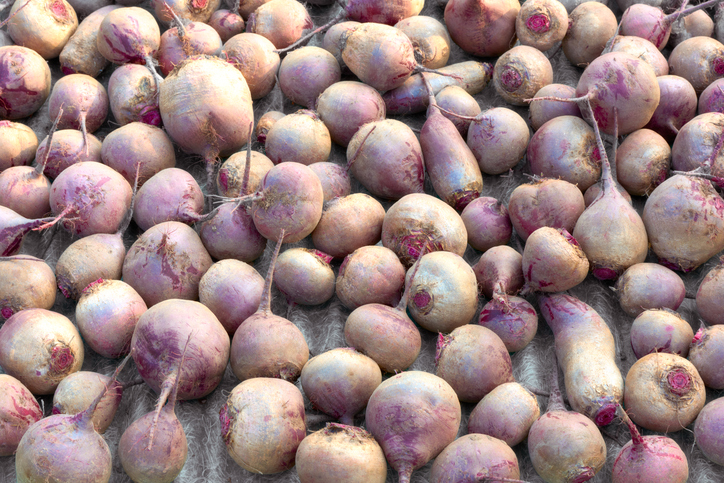
Research into different ways to reduce greenhouse gas emissions from New Zealand agriculture.
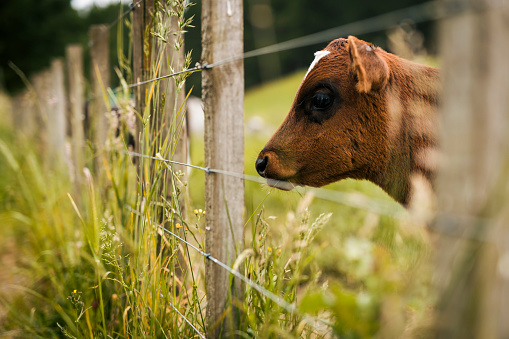
Factsheets about farm greenhouse gas emissions, feeds, methane control, soil carbon, and more.
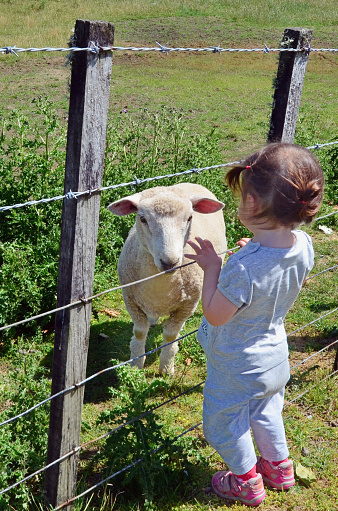
The science behind agricultural methan, nitrous oxide emissions, and climate change.
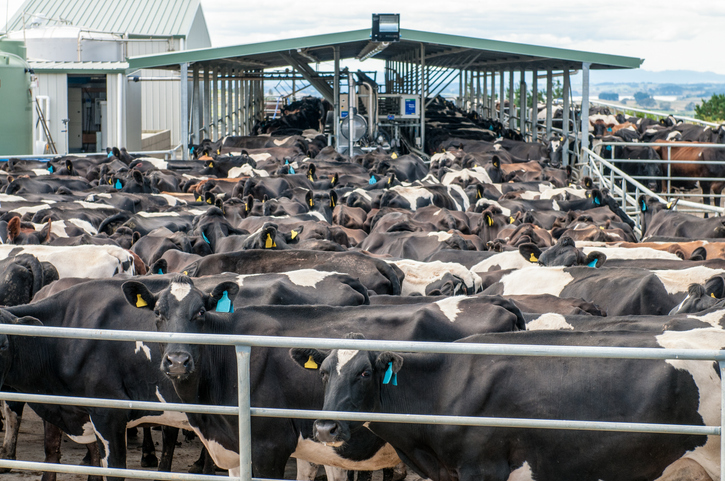
Learn about dairy farm emissions, their impacts, and ways to reduce them without affecting your profitability.
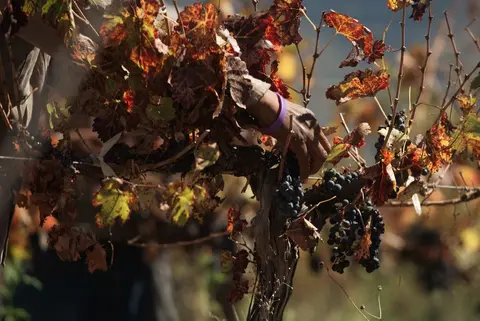
Compare planted and producing vineyard hectares by region and grape variety, year by year.
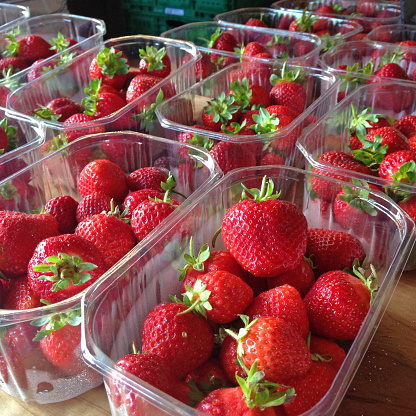
Look up the growing needs of a wide range of vegetable, fruit and nut crops.
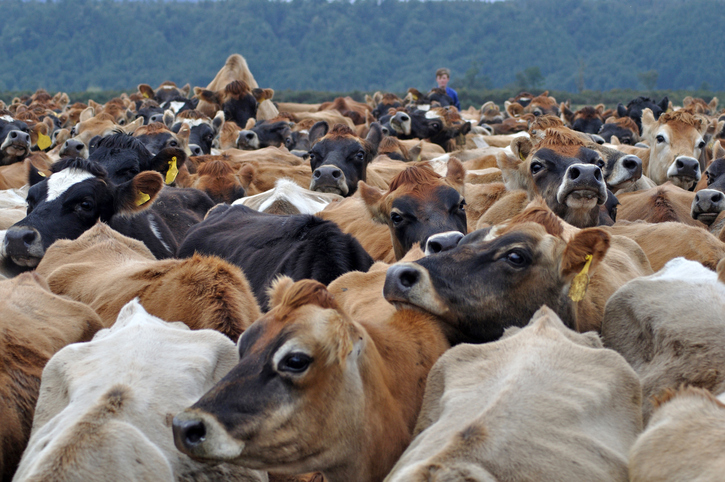
Learn how dairy farmers in New Zealand can reduce greenhouse gas emissions effectively.
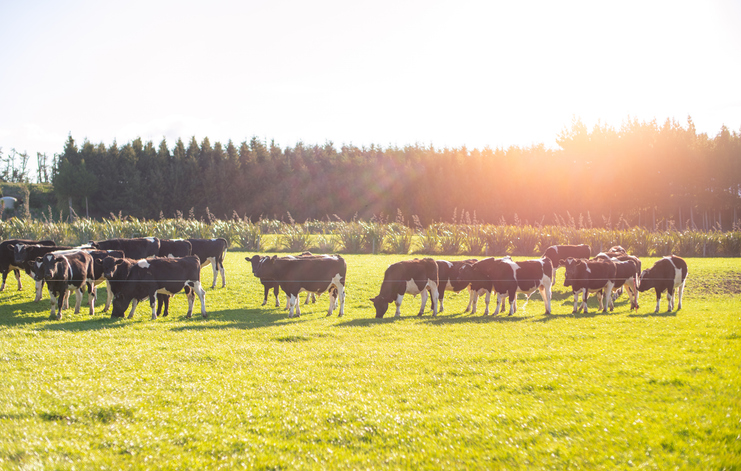
Learn about different on-farm solutions for reducing greenhouse gas emissions from dairy farms.
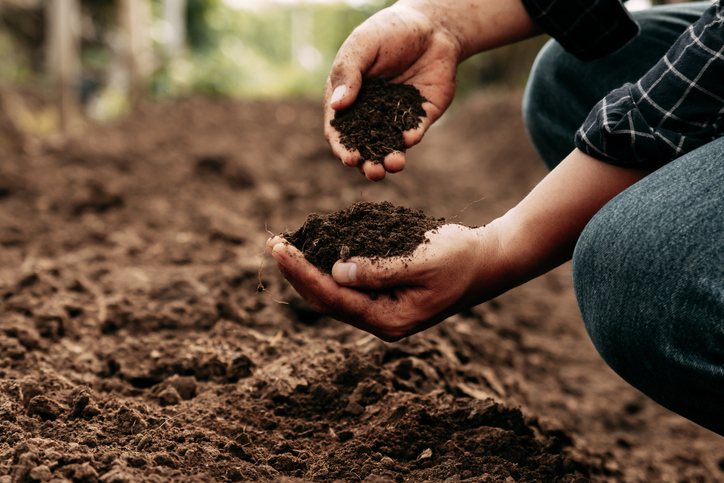
Research assessing the greenhouse gas emissions impacts of different types of feed.
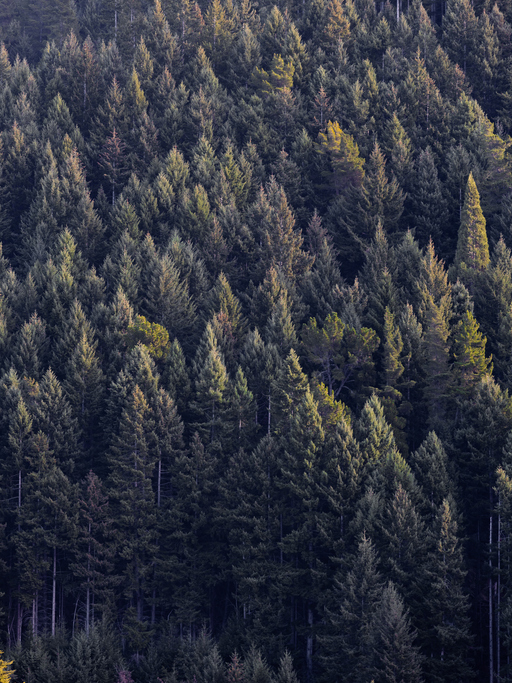
Read an overview of how forests absorb and release greenhouse gases.
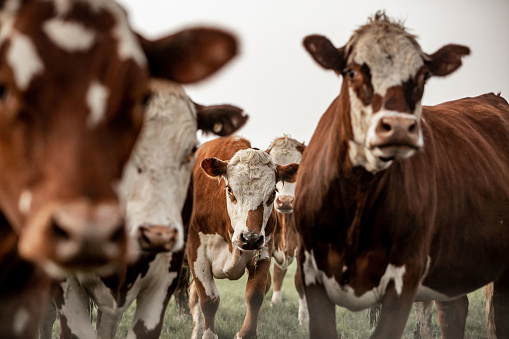
Explore how dairy water-quality measures affect greenhouse gas emissions too.
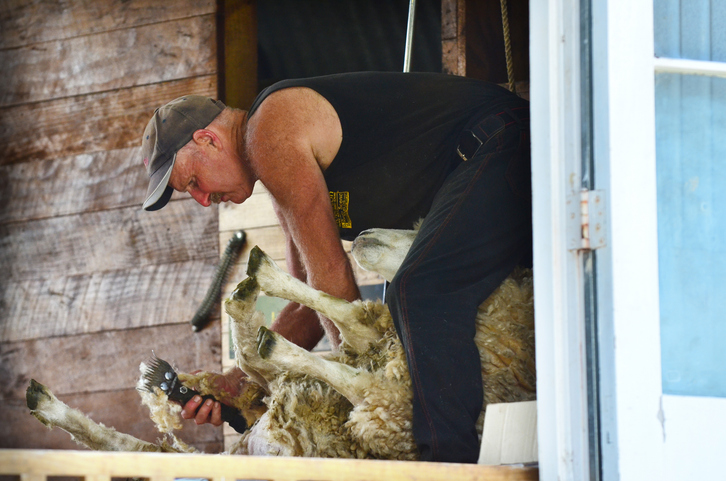
Learn how sheep and beef farms can reduce greenhouse gas emissions and improve profits.
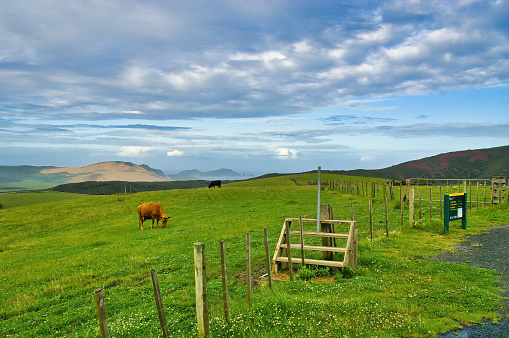
Learn about reducing methane emissions on your farm.
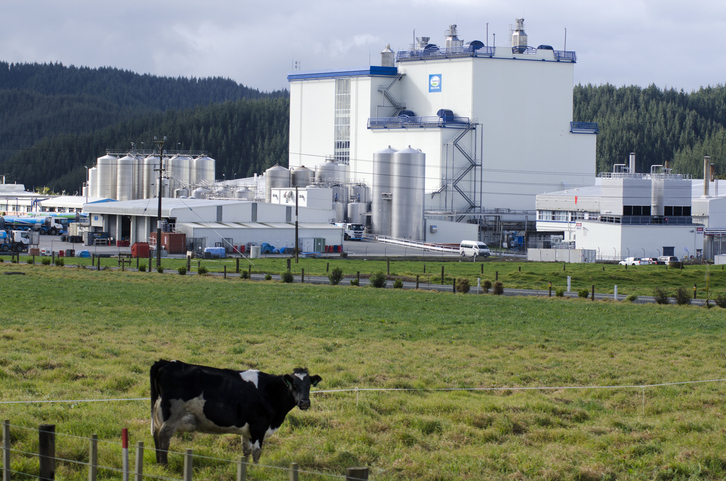
Learn how to manage greenhouse gas emissions on your farm.
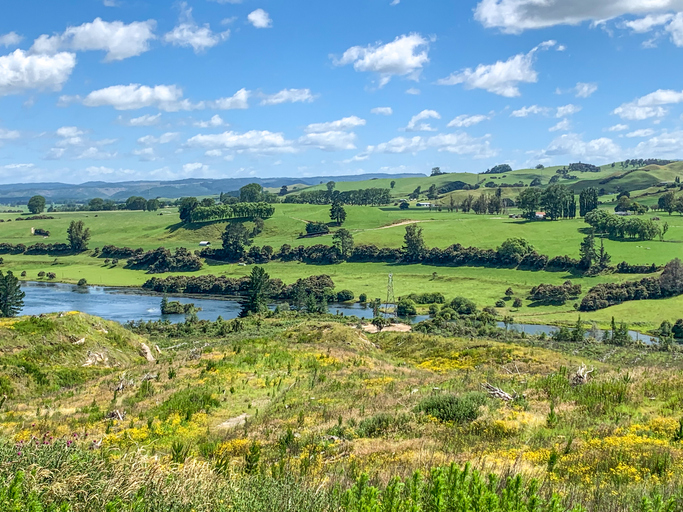
These reports break down Aotearoa's greenhouse gas emissions by sector and type.
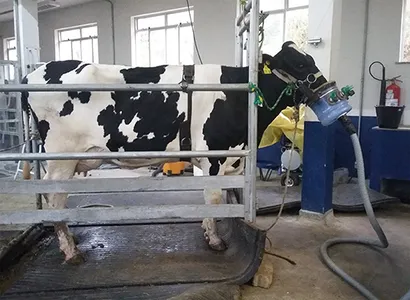
Learn how greenhouse gases are measured and their impact on climate change.
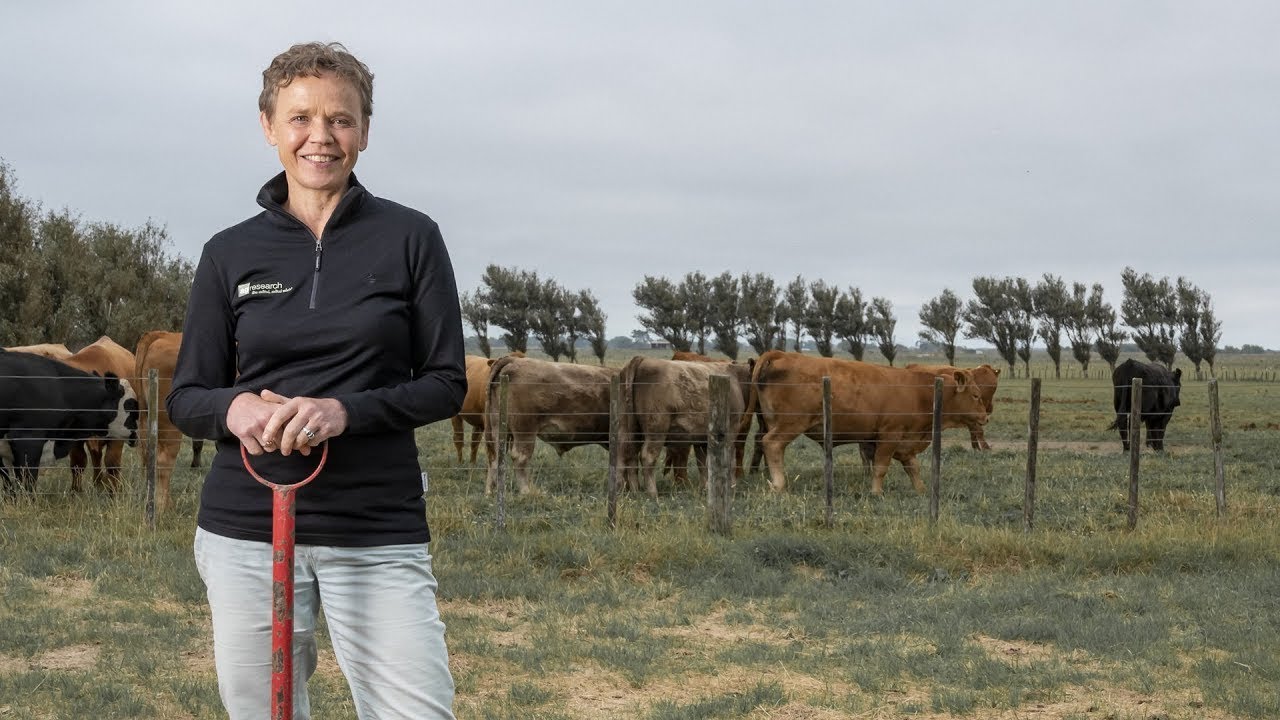
Learn about nitrous oxide, its effects, and ways to cut emissions in farming.
Learn about methane in agriculture and how NZ ag researchers are trying to reduce emissions.