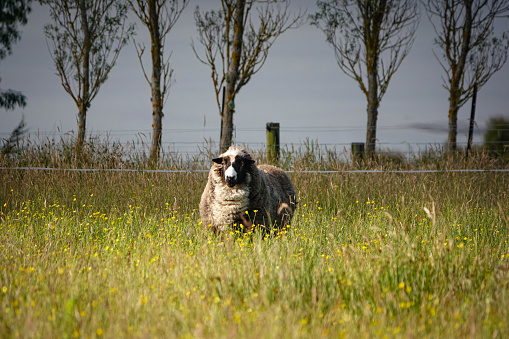
Mitigating greenhouse gas emissions on Māori farms
Climate
Emissions reduction
Greenhouse gas
Sustainability
Whenua Māori
Research about reducing greenhouse gas emissions on Māori farms in New Zealand.
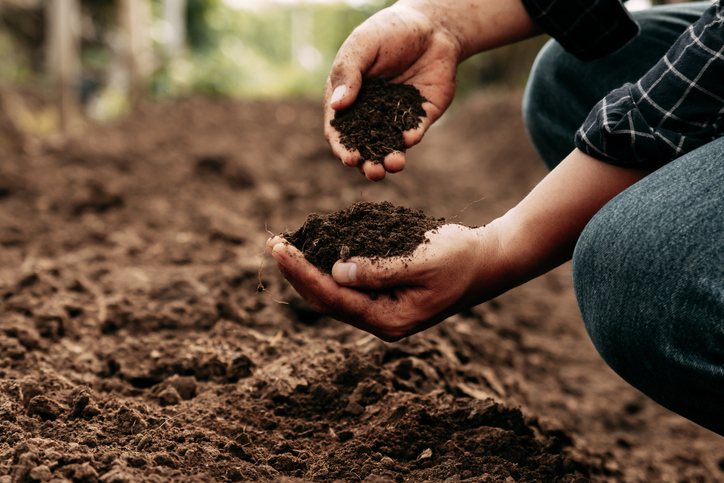
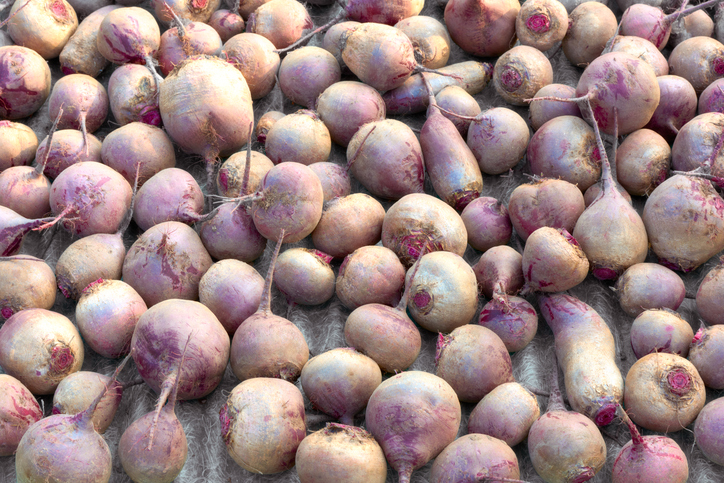
This report pulls together current research on the greenhouse gases released when livestock graze brassica crops such as kale, swedes and turnips, as well as fodder beet. It compares how these feeds influence methane from the animal and nitrous oxide from the soil, and pinpoints the management choices—fertiliser rates, grazing intensity, soil moisture and timing—that have the biggest effect.
Research about reducing greenhouse gas emissions on Māori farms in New Zealand.
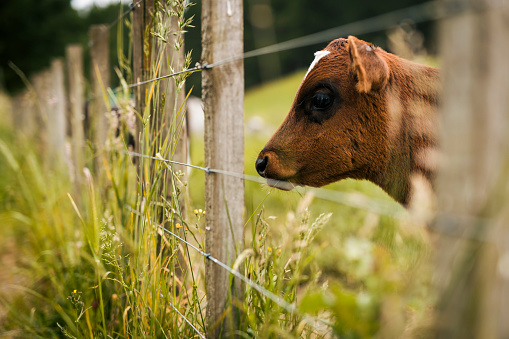
Factsheets about farm greenhouse gas emissions, feeds, methane control, soil carbon, and more.
Research into different ways to reduce greenhouse gas emissions from New Zealand agriculture.
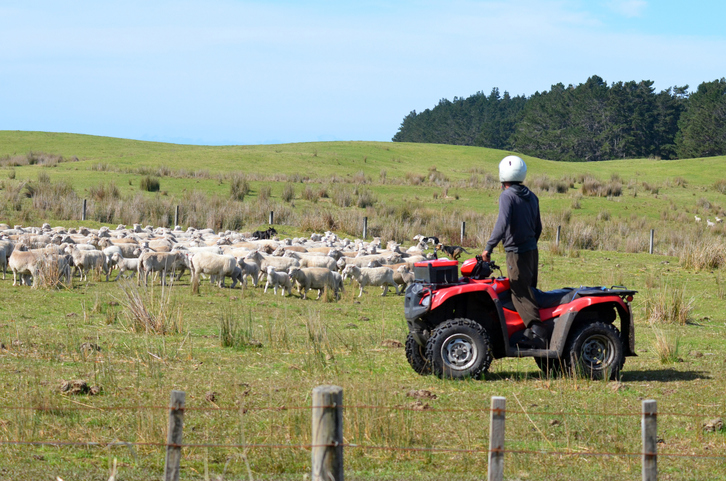
This resource outlines methods to reduce agricultural greenhouse gas emissions in New Zealand.
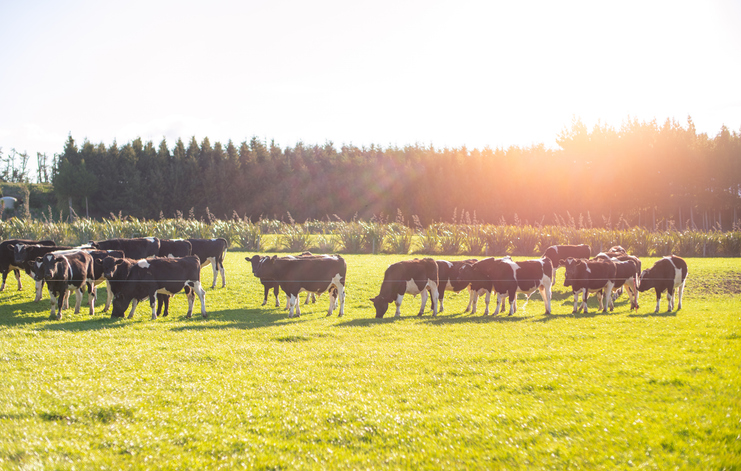
Learn about different on-farm solutions for reducing greenhouse gas emissions from dairy farms.
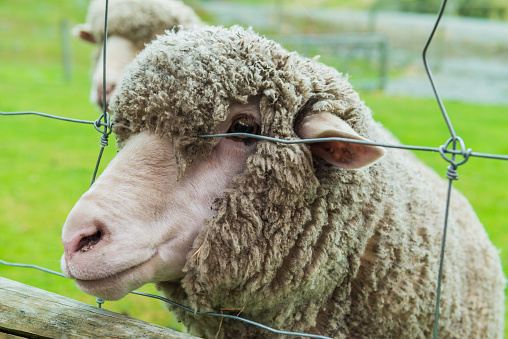
A report on New Zealand's livestock methane emissions and their impacts.

Learn about methane in agriculture and how NZ ag researchers are trying to reduce emissions.
Learn how greenhouse gases are measured and their impact on climate change.
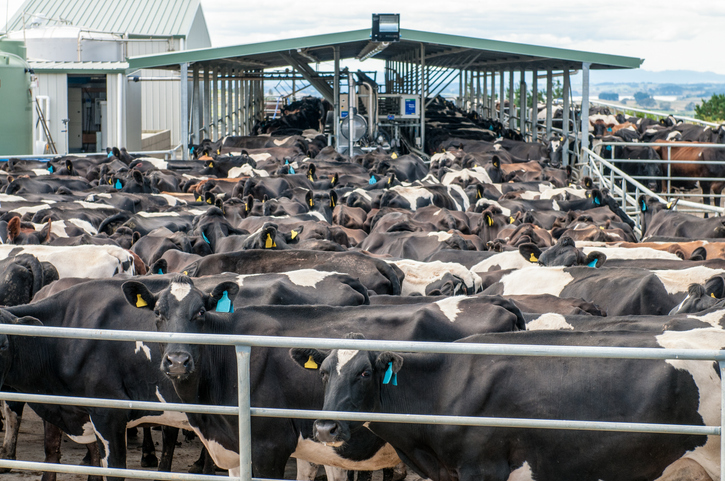
Learn about dairy farm emissions, their impacts, and ways to reduce them without affecting your profitability.
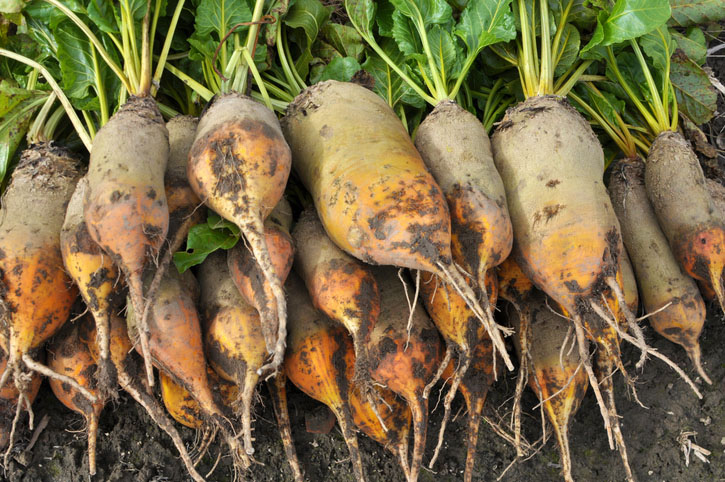
Find out more about growing fodder beet and its impact on cattle performance, costs, and feeding.
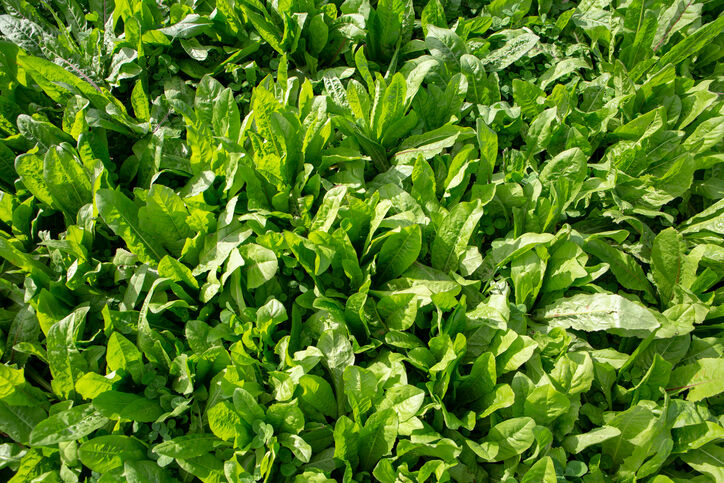
This guide explains effective forage cropping management for livestock.
Find out how brassica crops are grown to fill the summer feed gap.
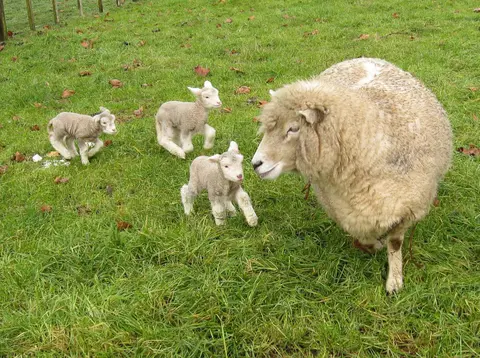
This report explores future options to reduce agricultural greenhouse gas emissions in New Zealand.
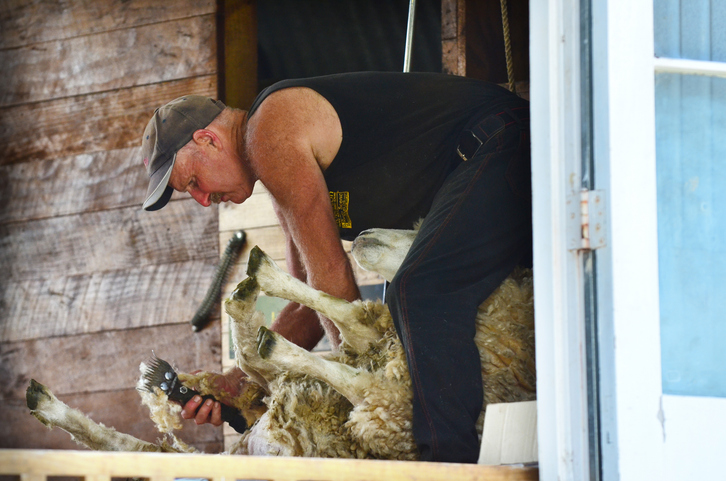
Learn how sheep and beef farms can reduce greenhouse gas emissions and improve profits.
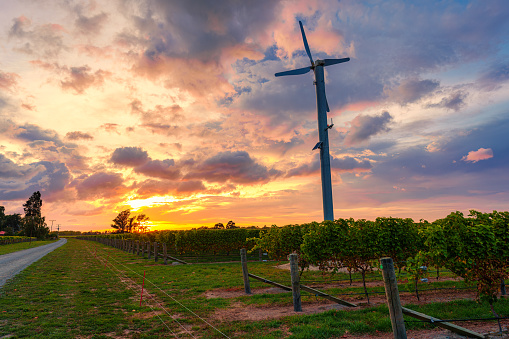
This research reviews biochar's potential to lower greenhouse gas emissions in New Zealand agriculture.
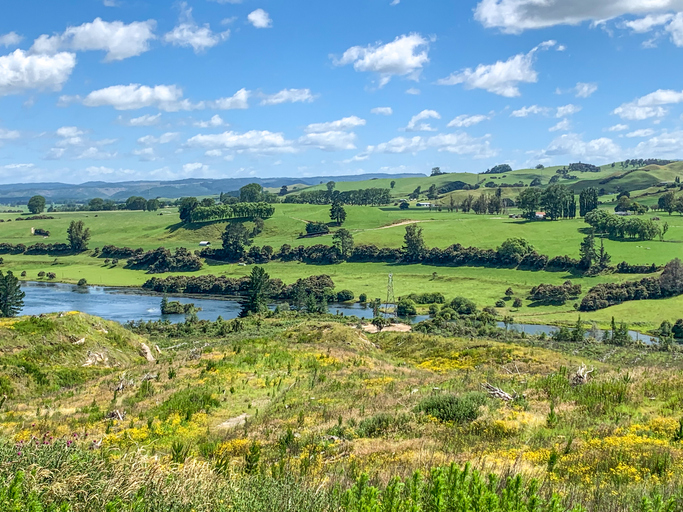
These reports break down Aotearoa's greenhouse gas emissions by sector and type.
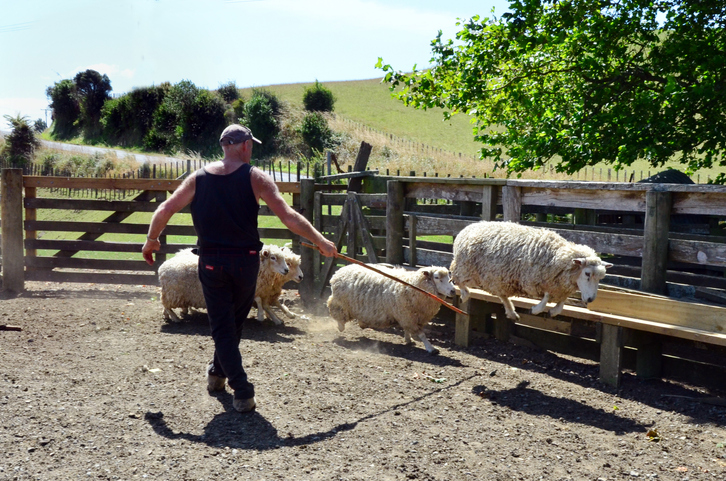
A tool for farmers to track and report on farm GHG emissions and sequestration.
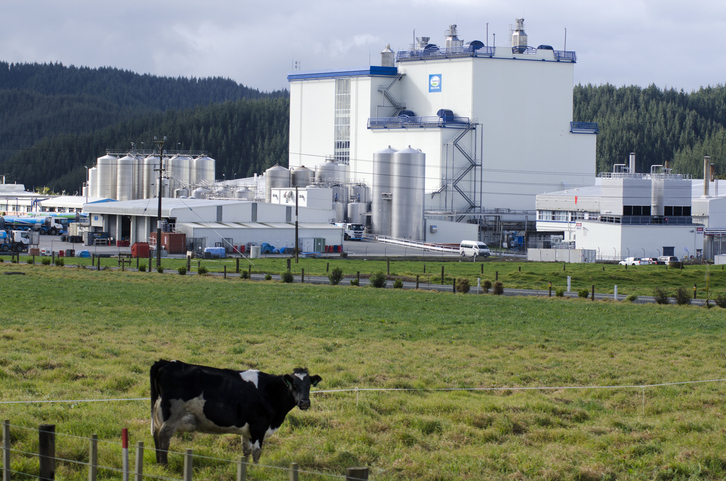
Learn how to manage greenhouse gas emissions on your farm.
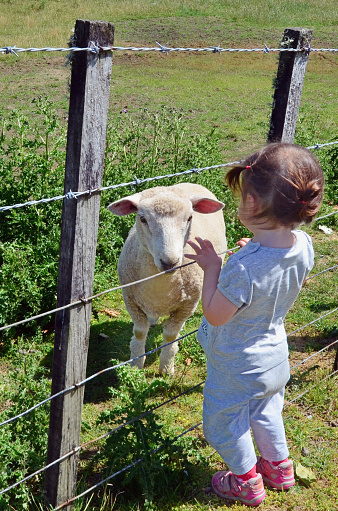
The science behind agricultural methan, nitrous oxide emissions, and climate change.
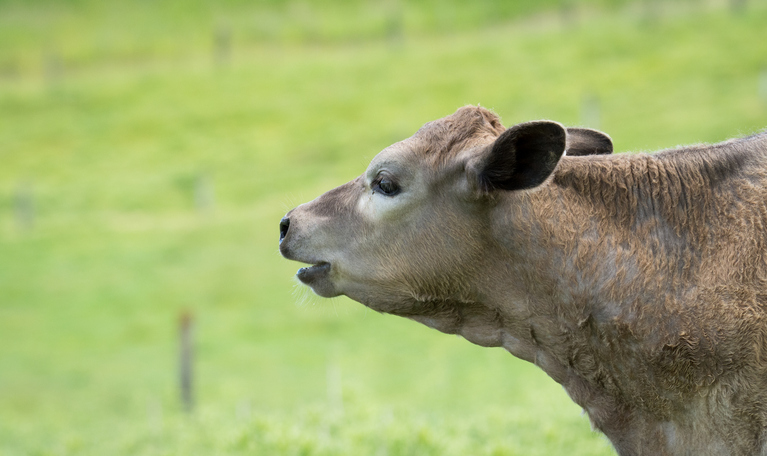
This resource discusses methane inhibitors to reduce greenhouse gas emissions from agriculture.
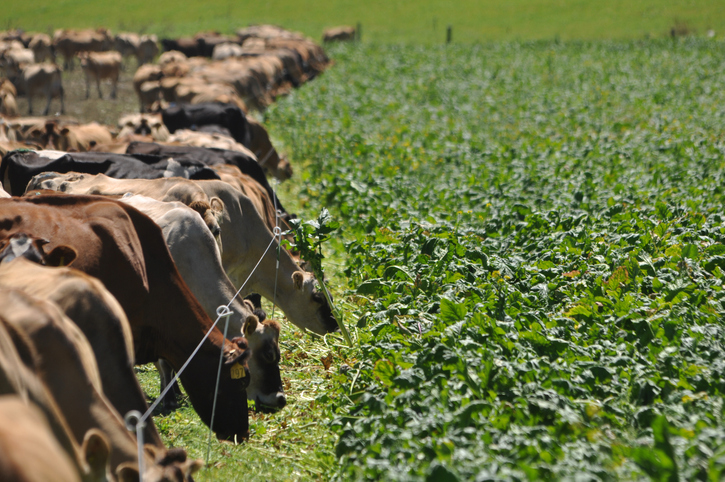
Discover feeds that lower methane and nitrogen emissions in sheep and beef farming.
Explore New Zealand's plans for reducing greenhouse gas emissions by 2050.
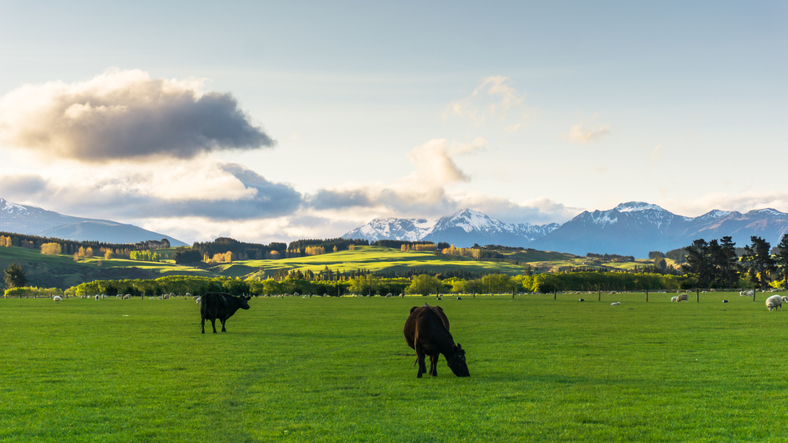
Compare nitrogen, phosphorus and greenhouse gas losses across sheep and beef farm types.