Gibberellins
Climate
Dairy
Emissions reduction
Fertiliser
Greenhouse gas
Productivity
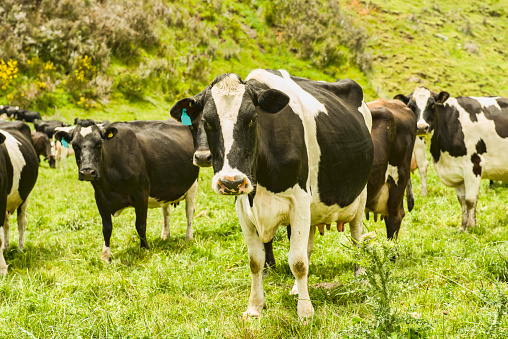
This guide explains the potential of gibberllins to reduce greenhouse gas emissions from dairy farms.
This short video features Dr Cecile de Klein explaining how nitrous oxide – a greenhouse gas about 300 times more potent than carbon dioxide and lingering in the atmosphere for over a century – is produced in soils. It explains how excess nitrogen from fertilisers, clover or supplementary feed ends up as nitrate or is turned into nitrous oxide by soil microbes.
It also offers practical on-farm approaches that can cut emissions now, including precision placement of fertiliser, lowering stocking rates, optimising fertiliser timing in cropping systems, and even the potential of plantain or new nitrification inhibitors.
This guide explains the potential of gibberllins to reduce greenhouse gas emissions from dairy farms.
This guide explains how to cut nitrogen use, reducing nitrous oxide emissions on farms.
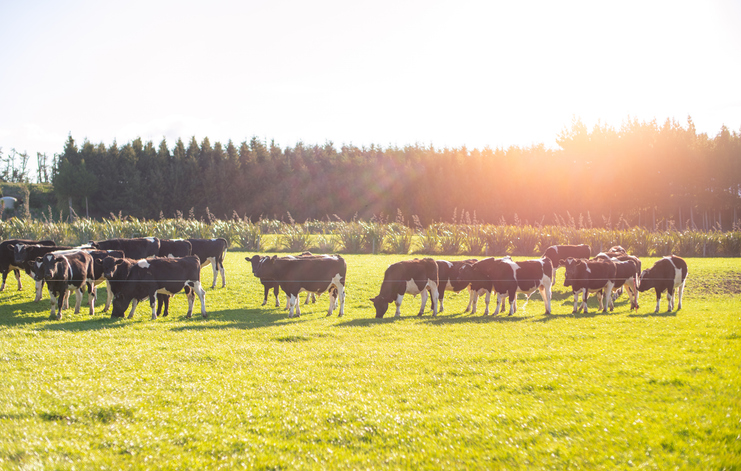
Learn about different on-farm solutions for reducing greenhouse gas emissions from dairy farms.
This research reviews how nitrification inhibitors can cut nitrous oxide emissions in pastures.
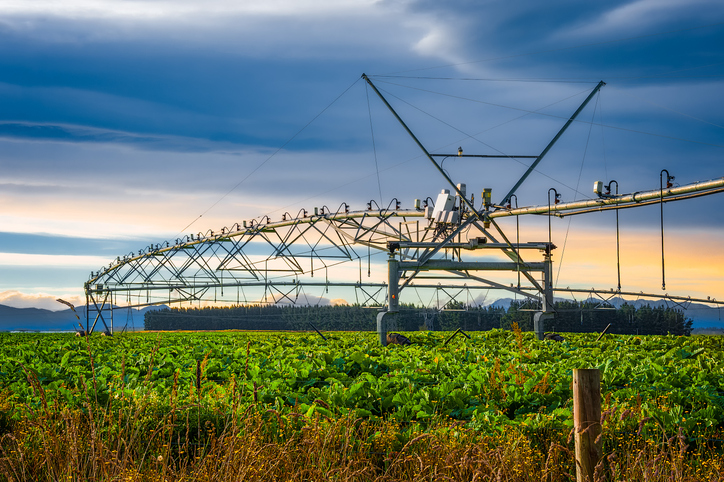
Learn how cropping and horticulture can reduce greenhouse gas emissions in New Zealand.
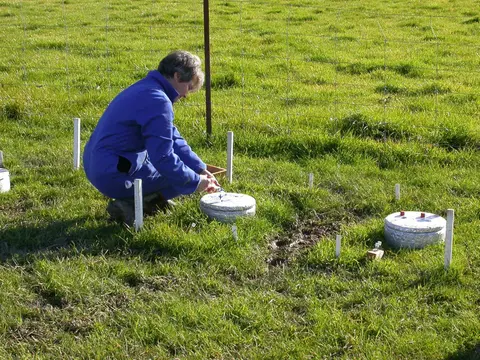
Learn how nitrogen management on farm can cut nitrous oxide losses.
Learn how greenhouse gases are measured and their impact on climate change.
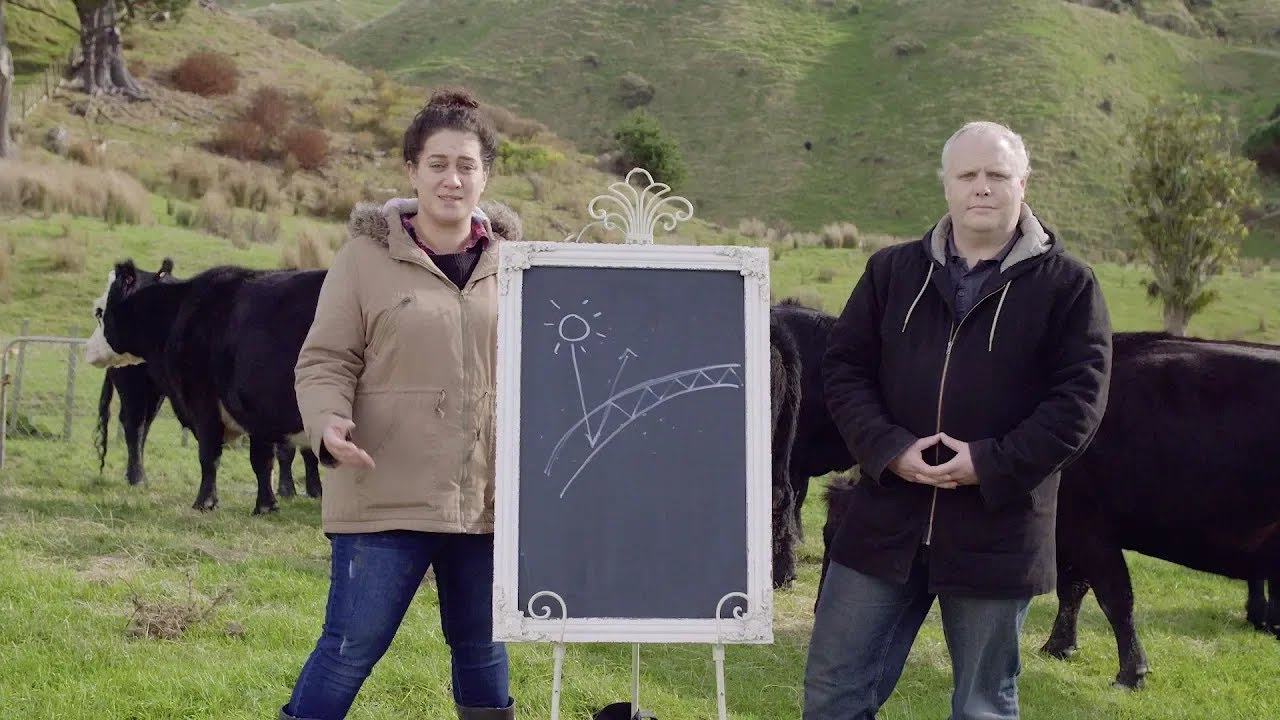
Learn how human actions change our climate and impact farming through greenhouse gases.
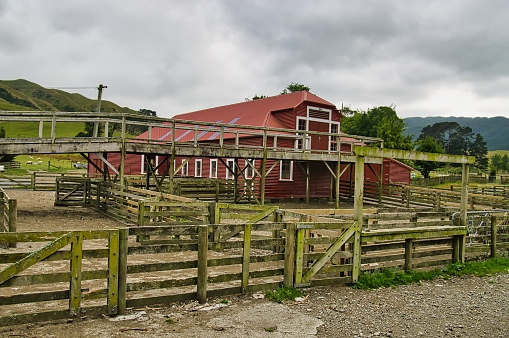
Learn how winter housing can reduce greenhouse gas emissions from livestock.
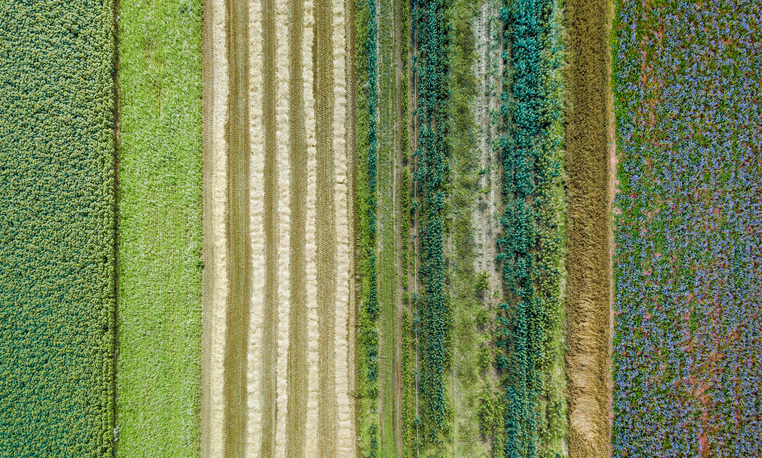
Precision Farming offers tools for efficient farm management.
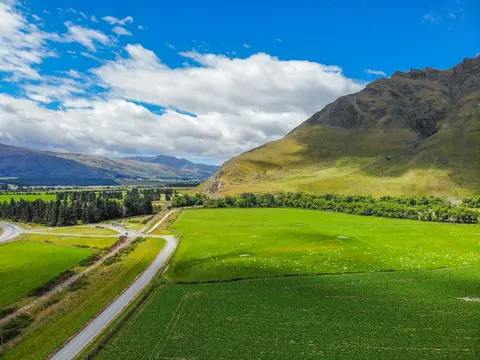
Discover which paddocks grow the most feed and why some fall short.
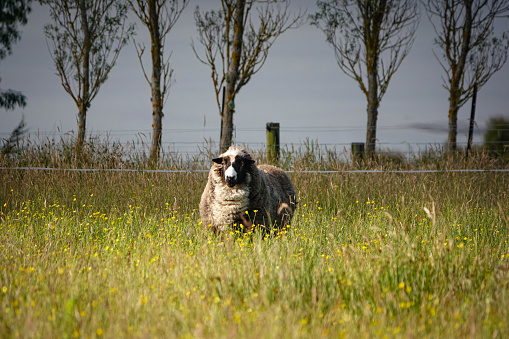
Research about reducing greenhouse gas emissions on Māori farms in New Zealand.
Learn how soil carbon impacts climate change and things you can do on your farm to offset your emissions.
Explore actions New Zealand farmers can take to reduce greenhouse gas emissions effectively.
Find science-backed actions to cut greenhouse gas emissions on your farm.
Learn how dairy farmers in New Zealand can reduce greenhouse gas emissions effectively.
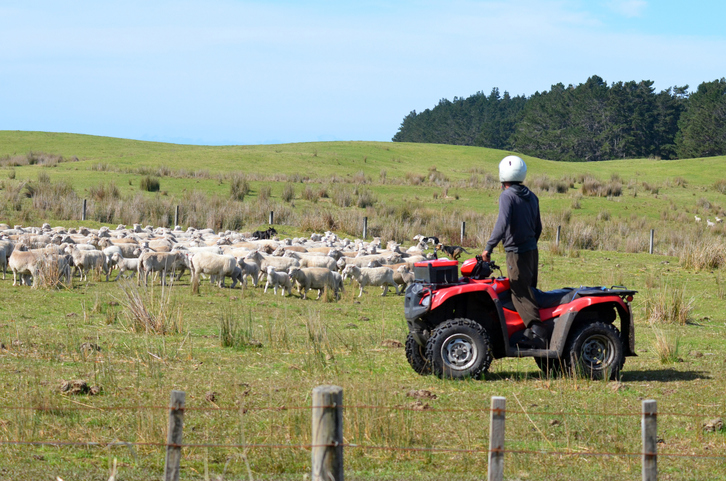
This resource outlines methods to reduce agricultural greenhouse gas emissions in New Zealand.
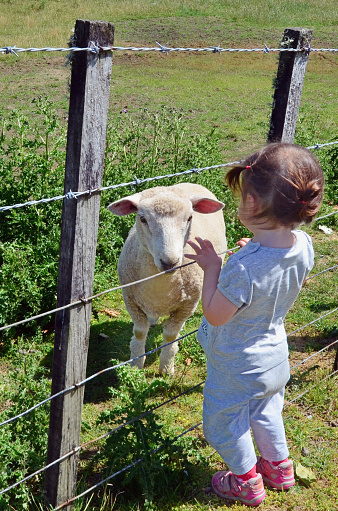
The science behind agricultural methan, nitrous oxide emissions, and climate change.
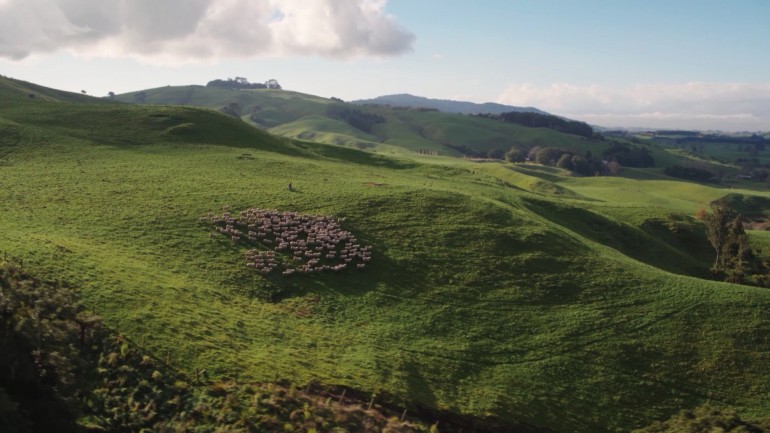
Learn ways to lower greenhouse gas emissions on your farm with practical steps and tips.
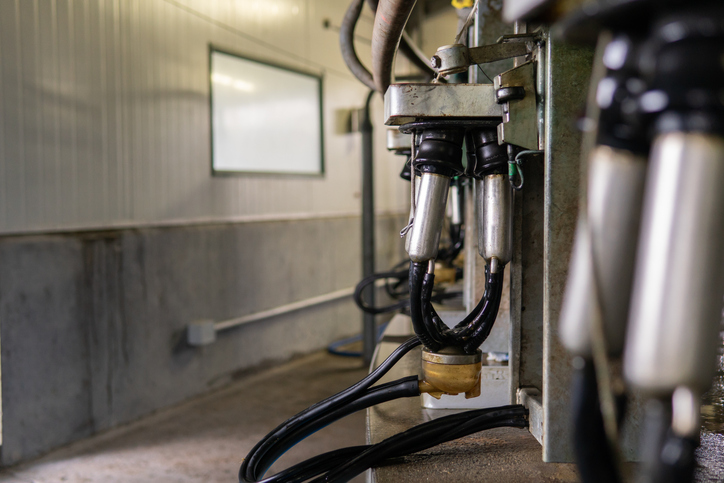
Find out about a no-cost method to reduce your dairy farm's greenhouse gas emissions.
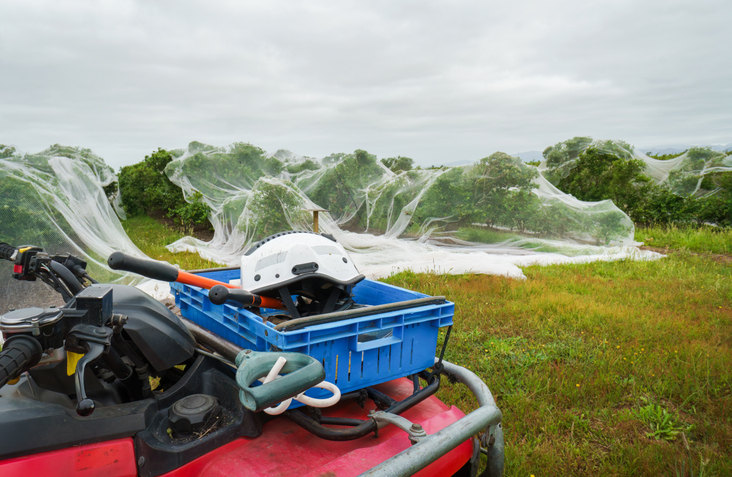
A science and mātauranga Māori based plan to reduce our agricultural greenhouse gas emissions.
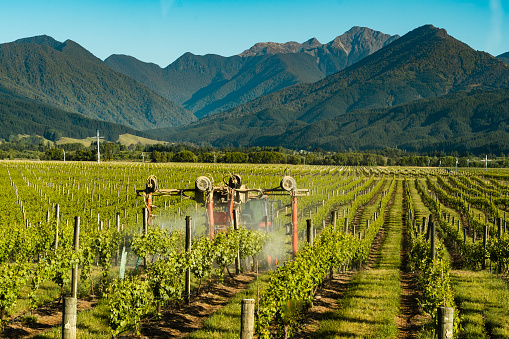
Find out how much greenhouse gas a typical cropping farm produces.
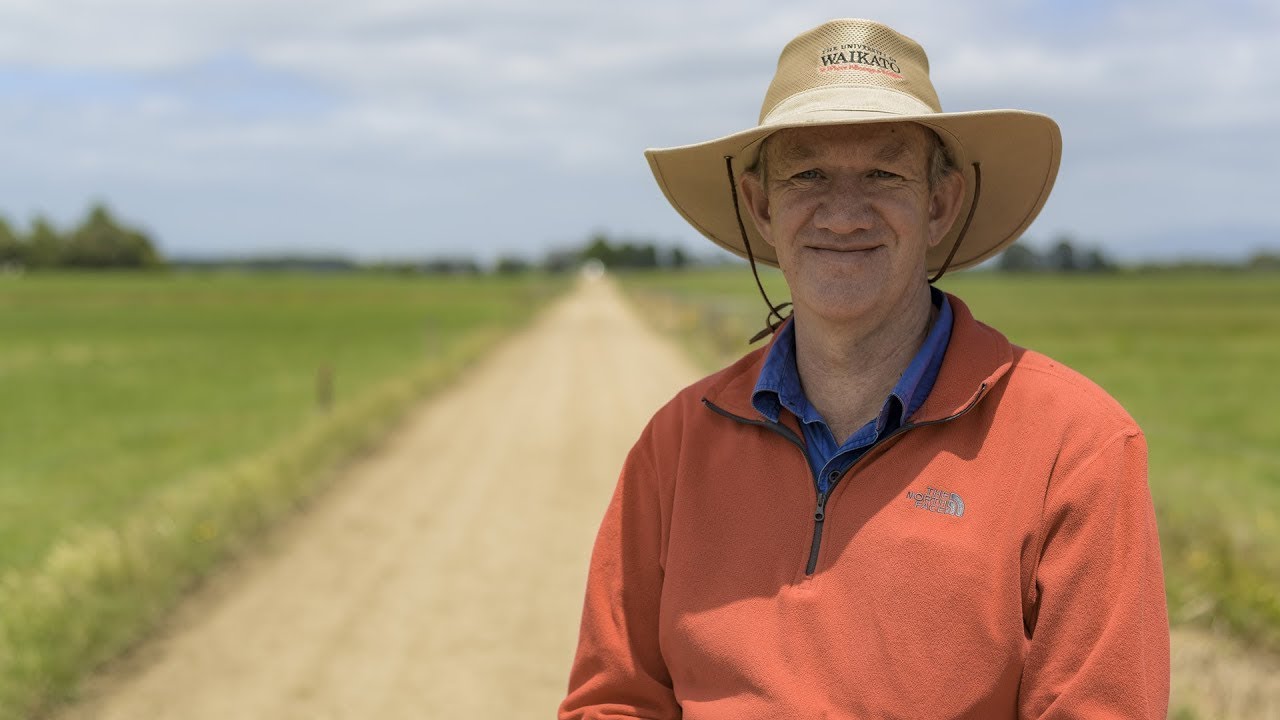
Louis Schipper explains why soil carbon matters for Aotearoa farms and our climate.