Mitigating greenhouse gas emissions on Māori farms
Climate
Emissions reduction
Greenhouse gas
Sustainability
Whenua Māori
Research about reducing greenhouse gas emissions on Māori farms in New Zealand.

Discover Māori-led research shaping a future where whānau, hapū, and iwi thrive on their whenua. The Ag Emissions Centre's Māori research programme backs new ways to lower agricultural greenhouse gas emissions, using both science and mātauranga Māori. Projects are designed with Māori values at heart, recognising how decisions are shaped by te ao Māori.
Current work includes digital tools for Māori land owners (including Mātaiwhenua.nz!), trials of alternative feed options to cut methane, and ways to measure mauri and land health. There’s a focus on practical resources—helping you manage land productively, profitably, and with a kaitiaki mindset. Insights and tips from these projects guide Māori landowners across Aotearoa, showing what works and how to get started.
Photo: "Rotorua. The rising sun emerges above the mountains in the east and is reflected in Lake Rotorua." by denisbin is licensed under CC BY-ND 2.0.
Research about reducing greenhouse gas emissions on Māori farms in New Zealand.

Learn about methane in agriculture and how NZ ag researchers are trying to reduce emissions.
This report explores land use changes in New Zealand to cut greenhouse gas emissions.

MPI's Māori agribusiness climate and water advisers can support you with advice and funding to realise your aspirations.
A science and mātauranga Māori based plan to reduce our agricultural greenhouse gas emissions.
Training for rural professionals on climate change and agricultural geenhouse gas emissions in NZ.
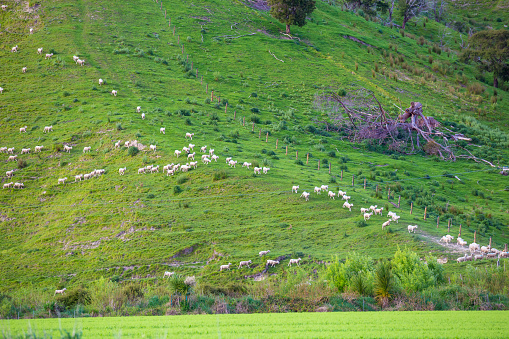
Browse Aotearoa agricultural greenhouse gas emissions reports by topic.
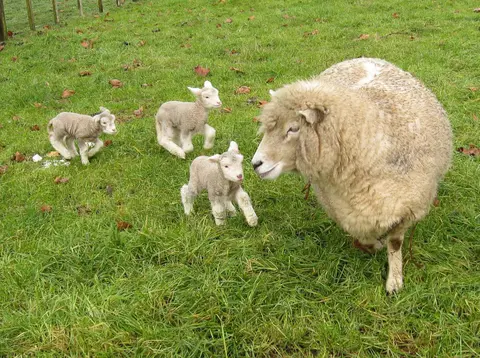
This report explores future options to reduce agricultural greenhouse gas emissions in New Zealand.

Use this free GHG Calculator and Action Plan to measure and manage emissions on your farm.
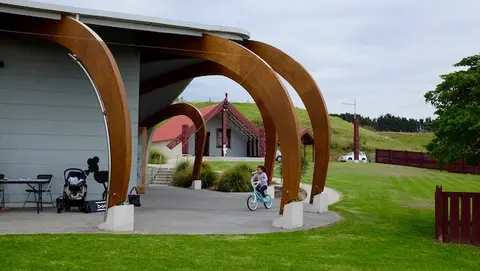
Search for funding opportunities for your whenua and get support from TPK.

Learn about land succession, sharing knowledge, and responsibilities with whānau.
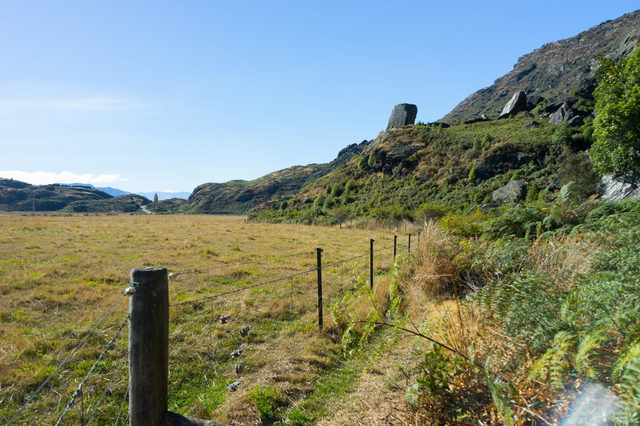
Learn how farm type and land structure influences GHG emissions on Māori farms.
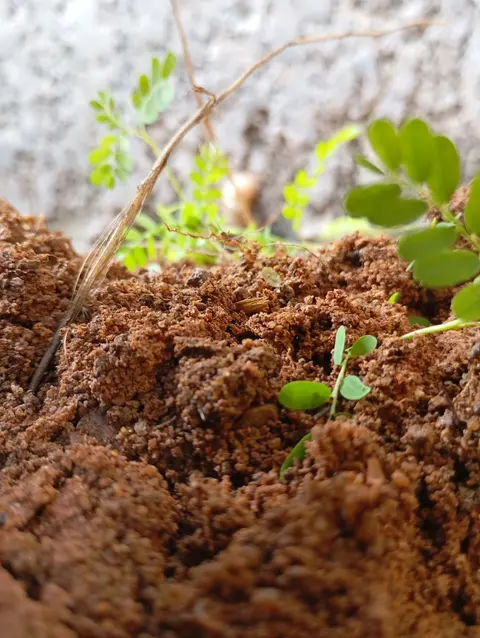
Learn about the Ag Emissions Centre's research into how different farm practices impact soil health.

See how a Northland hapū iwi trust is leading its own climate adaptation planning.
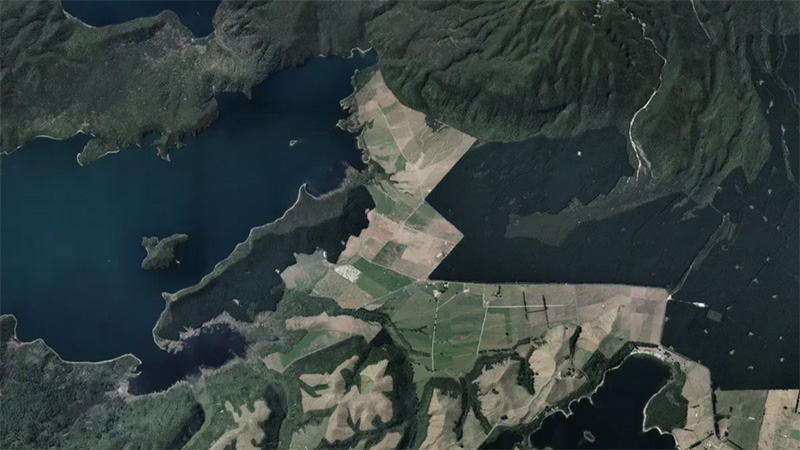
This report uses two case studies to illustrate different ways that diversified Māori agribusinesses can reduce greenhouse gas emissions and increase profits.
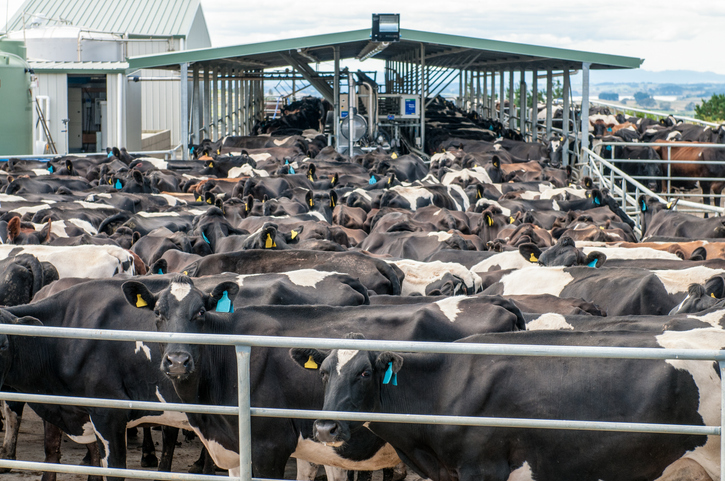
Learn about dairy farm emissions, their impacts, and ways to reduce them without affecting your profitability.
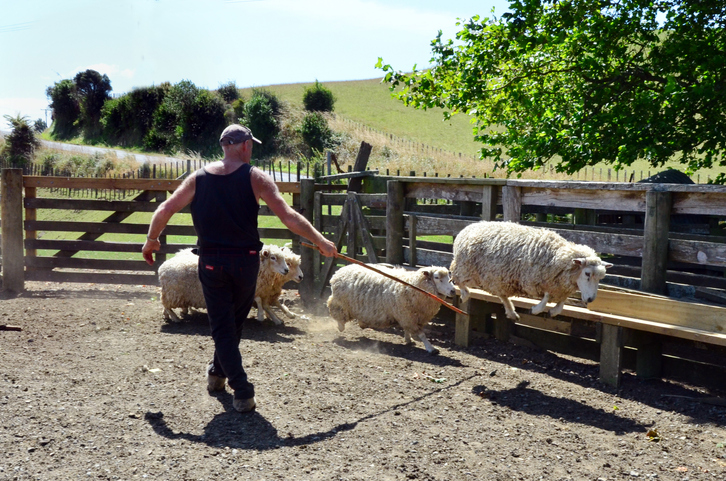
A tool for farmers to track and report on farm GHG emissions and sequestration.
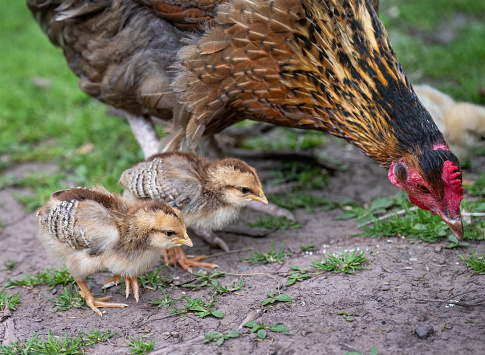
Strategies for Māori farms to reduce greenhouse gases to meet the Zero Carbon targets.
Factsheets about farm greenhouse gas emissions, feeds, methane control, soil carbon, and more.
Read NZAGRC's recommendations
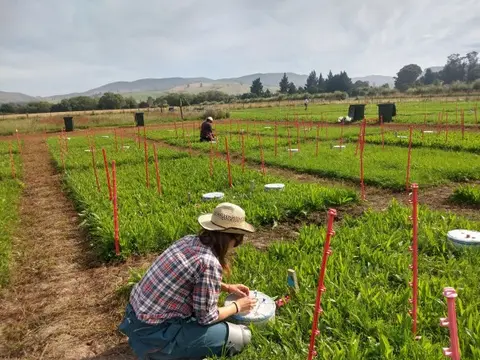
The Ag Emissions Centre offers funding and support for students, events, and careers in climate change research.

Discover how low-emissions farming could shape the future of sheep, beef, and dairy in Aotearoa.
Research into different ways to reduce greenhouse gas emissions from New Zealand agriculture.