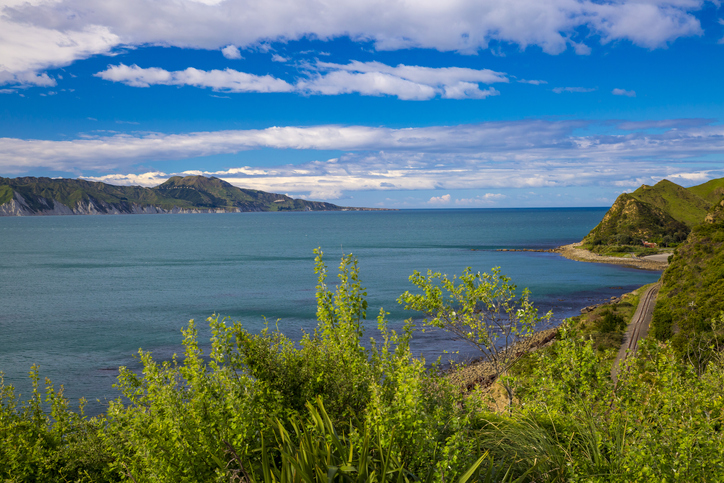
Joining forces to safeguard a precious catchment
Whenua
Biodiversity
Collaboration
Community
Conservation
Erosion
Regeneration
Soil
Sustainability
Water
Learn how local groups improved the Whangawehi catchment and river health.
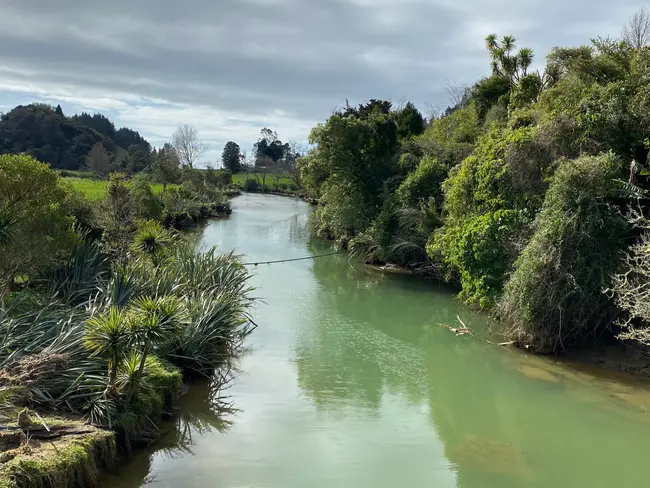
The Motupipi River near Tākaka was choked with crack willow, sediment, and weeds, making life tough for fish and birds. Local land owners, iwi, schools, and experts teamed up to bring the river back to life. They've removed crack willow, controlled weeds, and rebuilt wetland areas along the river and its tributaries.
Farmers shifted their fences and planted thousands of native trees along the riverbanks to stop erosion and filter runoff. The Council tackled sediment removal and added in-stream habitats for wildlife. There’s now a public walkway, letting locals and visitors enjoy the restored river..
Photo: Schwede66, CC BY-SA 4.0 (via Wikimedia Commons)
Learn how local groups improved the Whangawehi catchment and river health.
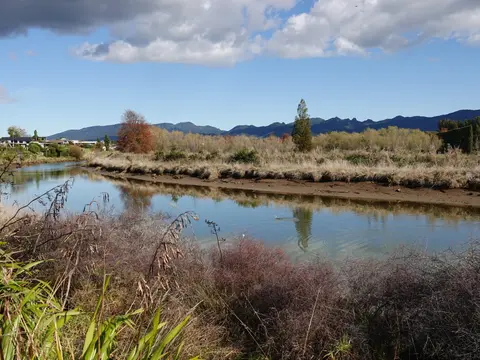
See real examples of waterway restoration actions underway in your rohe.
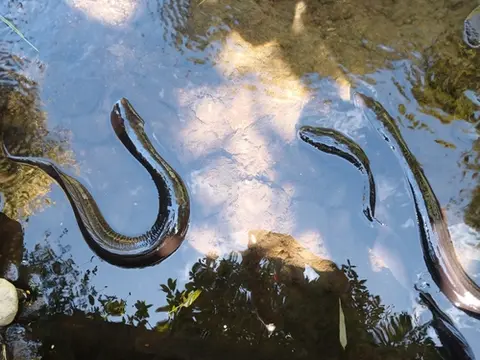
See how a Moutere community is planting and fencing to protect its waterways.
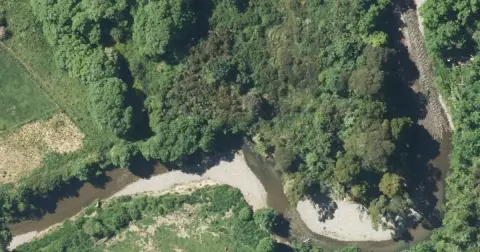
See how whānau and land owners restored this Nelson river by planting over 55,000 natives.
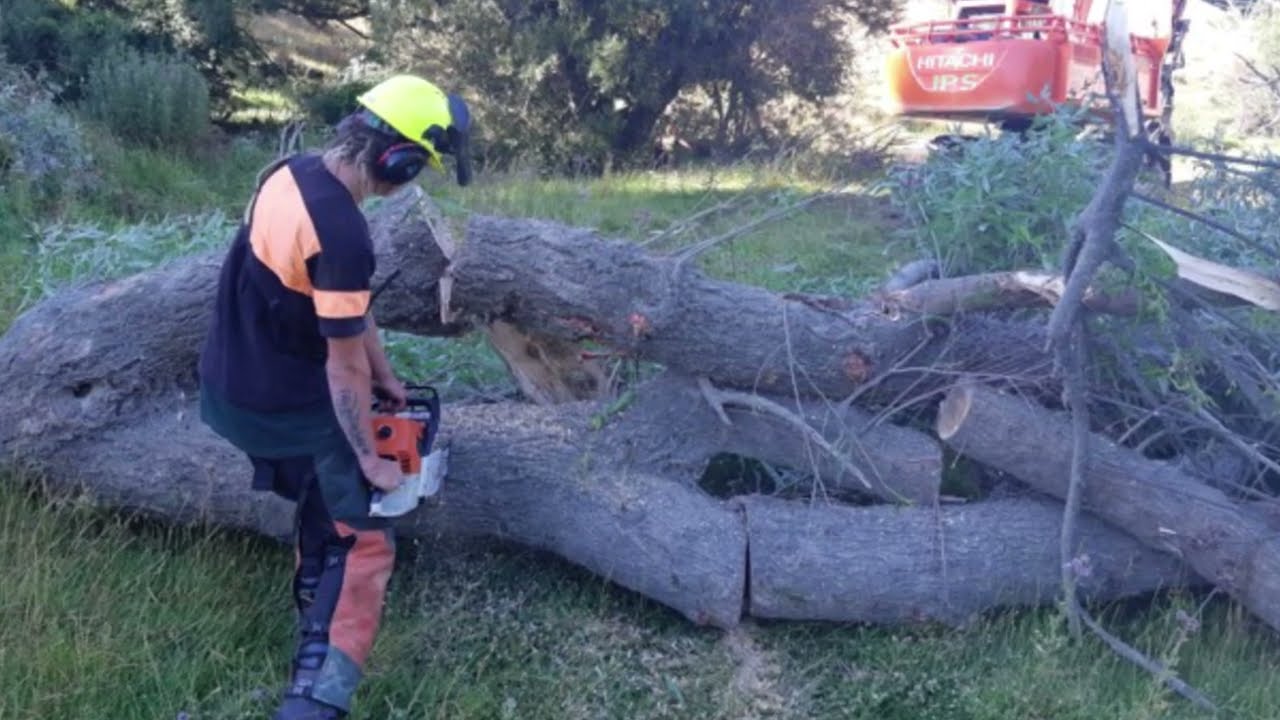
See how over 40 farms have worked together to improve the Wainuioru catchment.
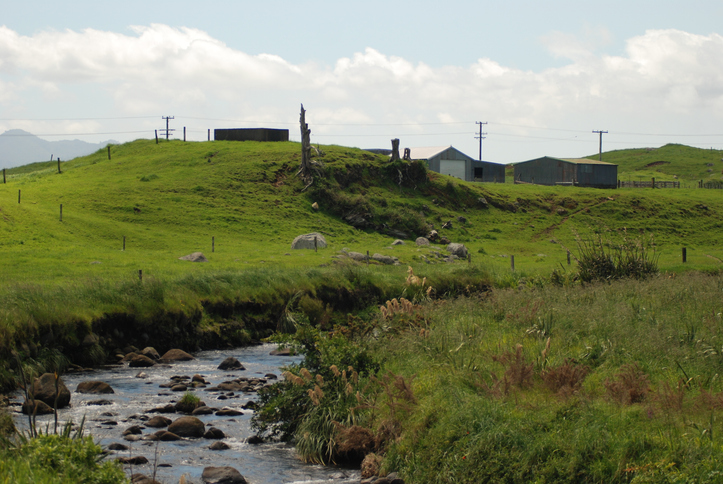
Get funding and advice to help protect and restore rivers on your whenua.
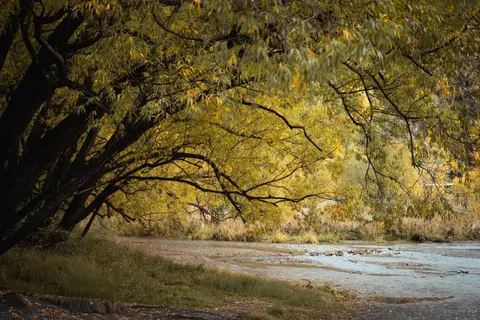
Get help from Otago Regional Council with consents for restoration work.
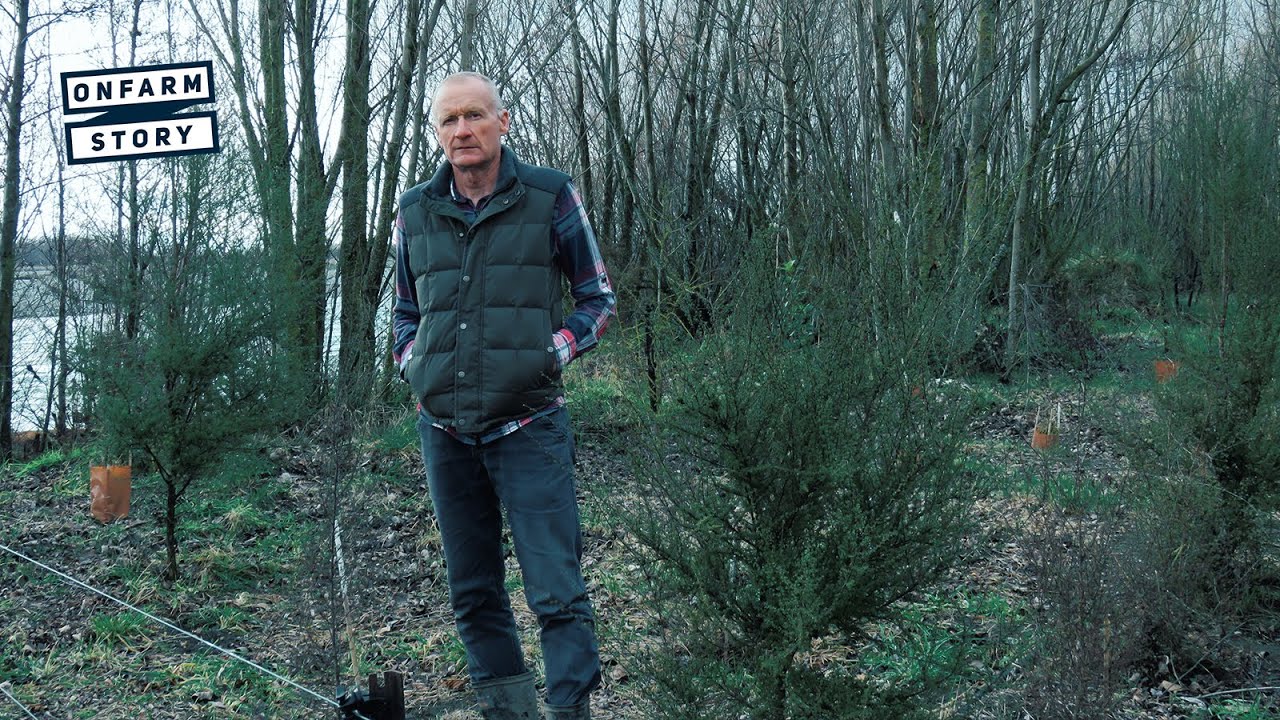
John Faulkner, a dairy farmer, aims to restore the Waiau Uwha River through planting and habitat preservation.
A research project on water-based land use for improving native fish habitats in New Zealand.
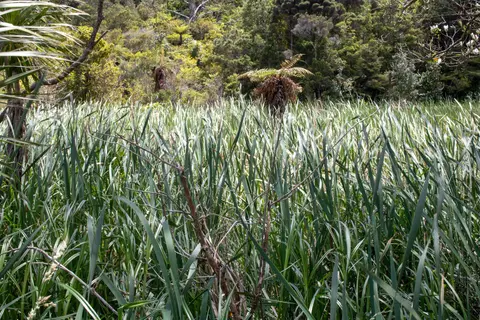
See how Owl Farm's constructed wetland strips nitrogen and sediment from farm runoff.
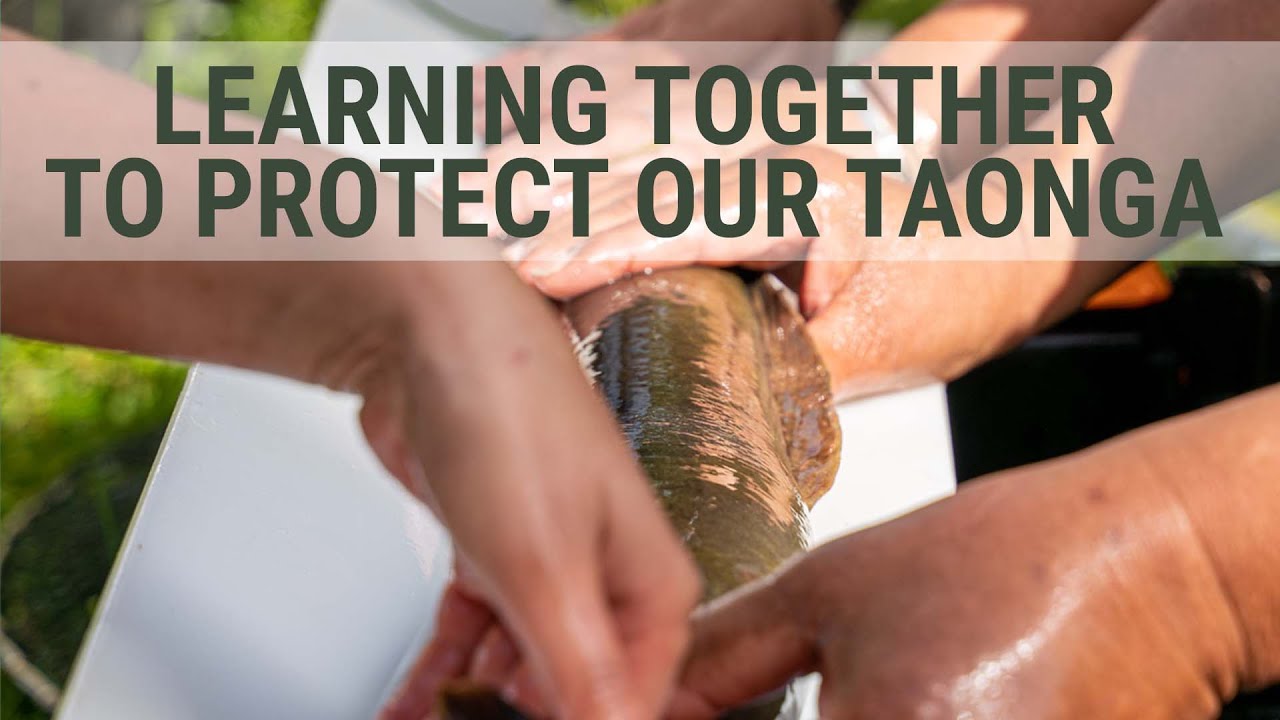
A collaborative project aimed at helping Ngāti Maniapoto reconnect with tuna and their waterways.
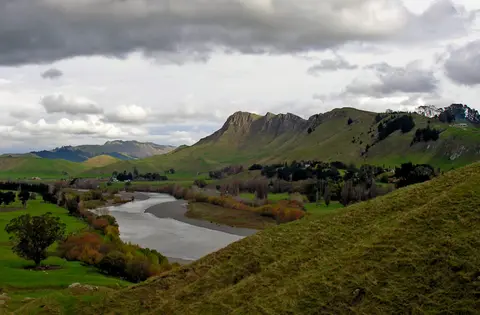
The first of the Tukituki sub-catchment groups, with a large wetland built to measure what it removes.
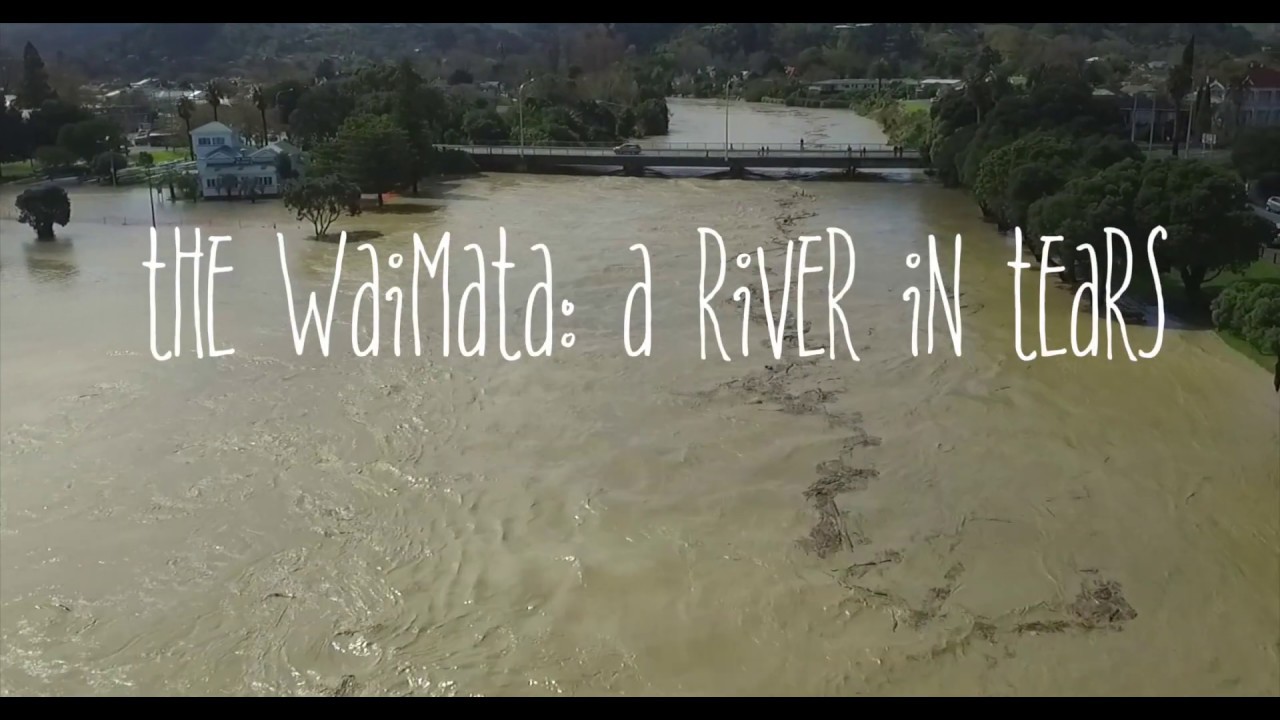
Waimata River faces severe erosion, pollution, and habitat loss from farming and logging.
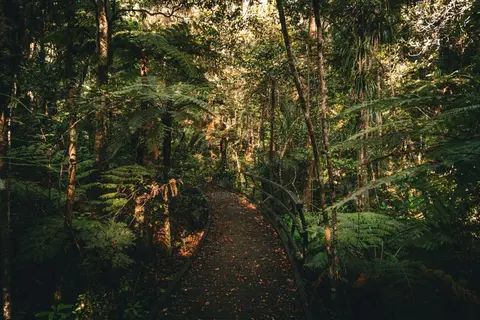
Explore how restoring bush, wetlands and waterways builds Northland's climate resilience.
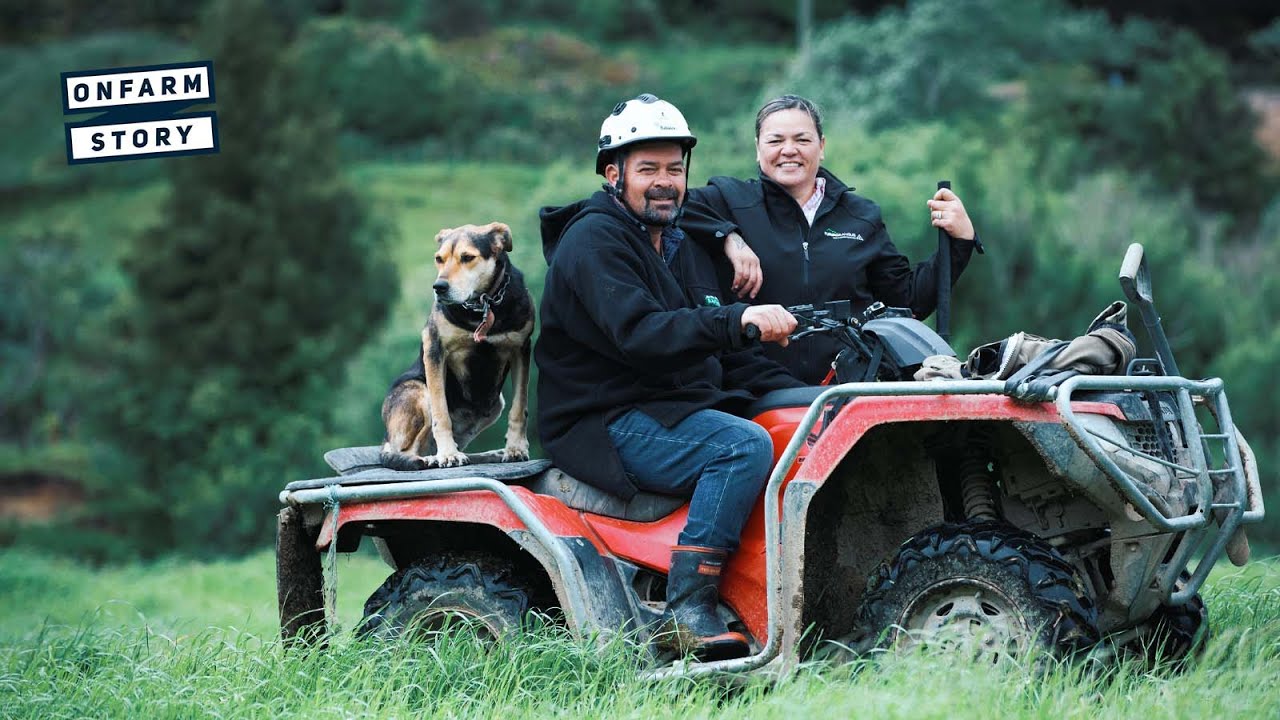
Learn about how the Weka Wetland project at Matawai increases biodiversity while reducing erosion and run-off.
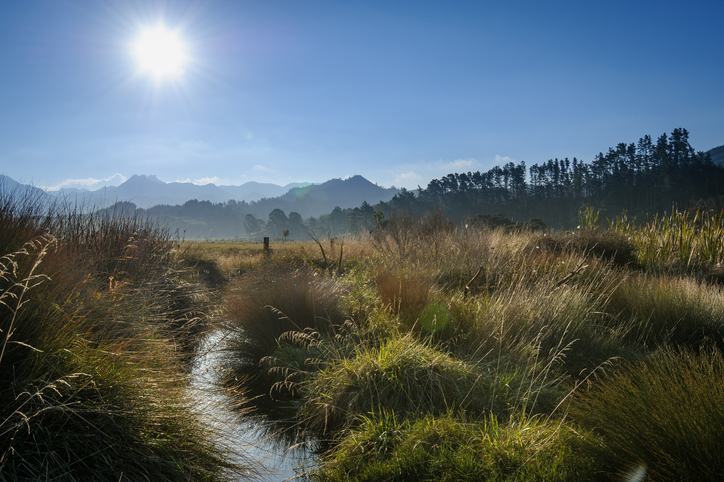
Learn about planting trees along waterways to enhance nature and prevent erosion.
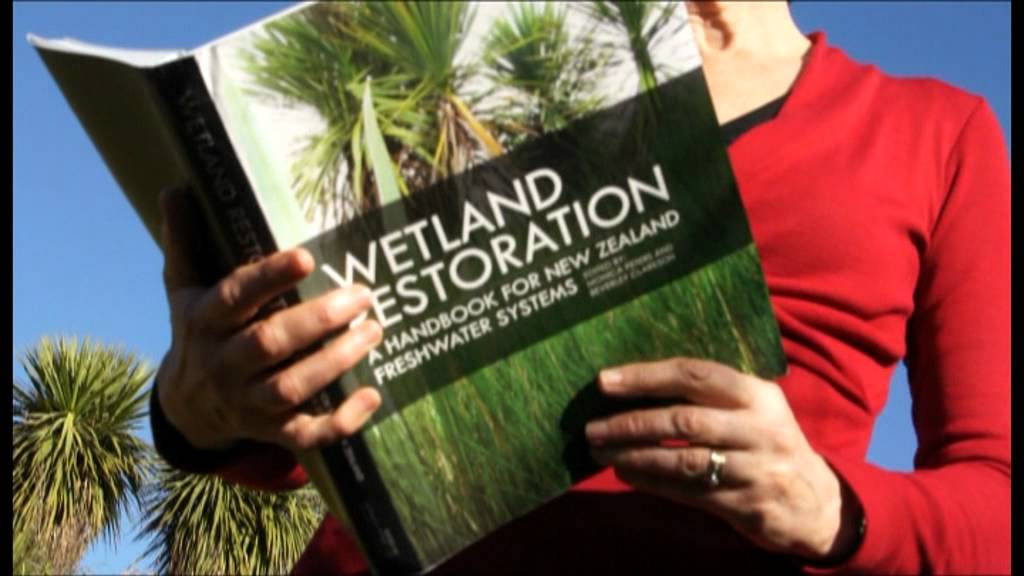
A guide to restoring New Zealand's freshwater wetlands with practical tips and beautiful images.
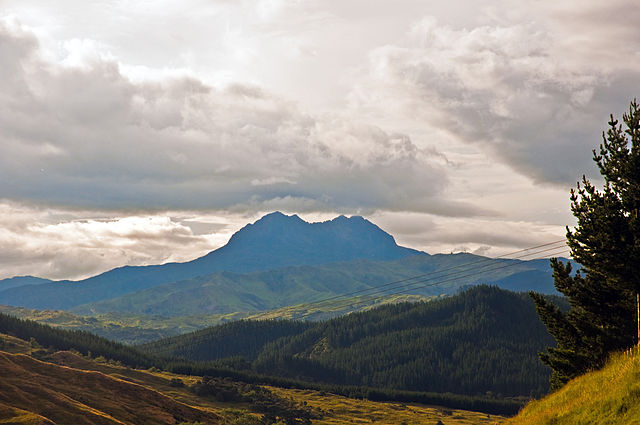
A long-term programme to restore the Waiapu River catchment.
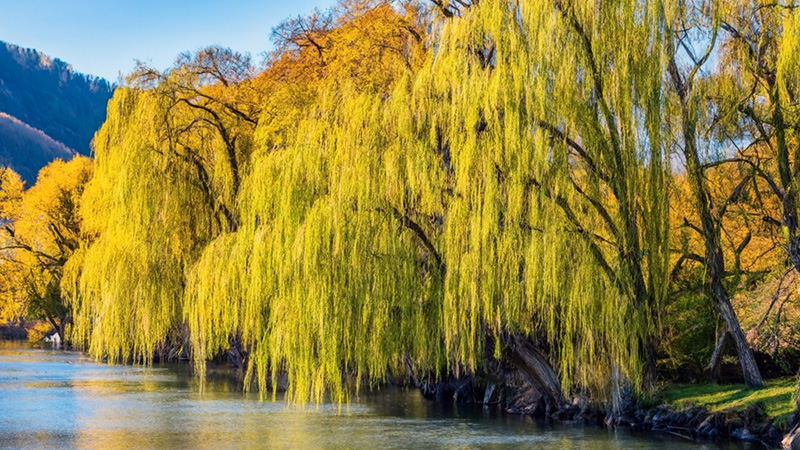
An interactive key to identify different Aotearoa willow species.
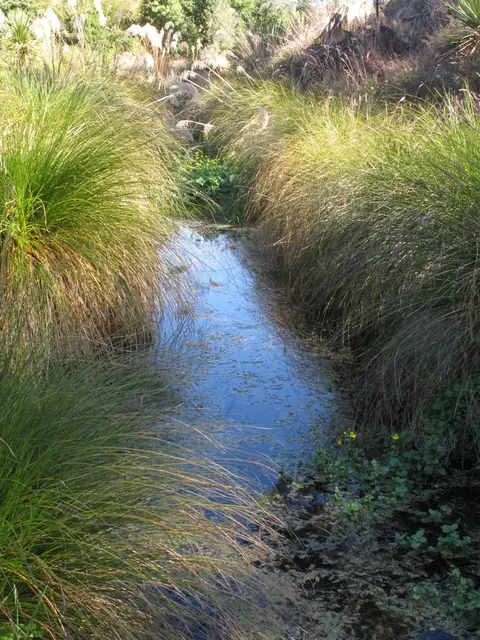
Uncover options for riparian planting, native trees and shelter that boost farm biodiversity.
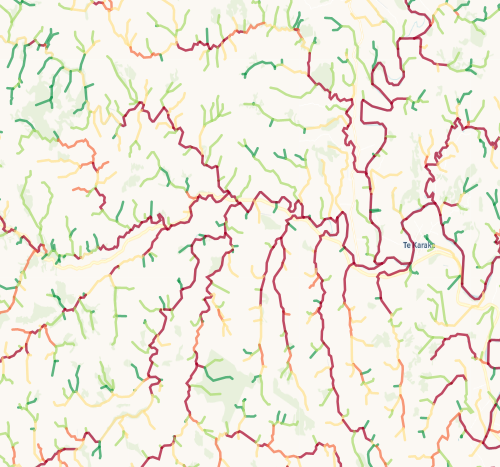
Check which streams on your whenua are most vulnerable to bank erosion.
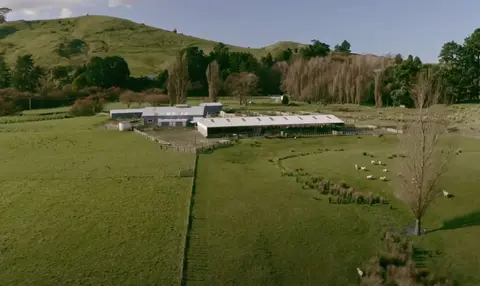
Explore how a Wairarapa sheep and beef farm cuts nitrogen while restoring wetlands and natives.
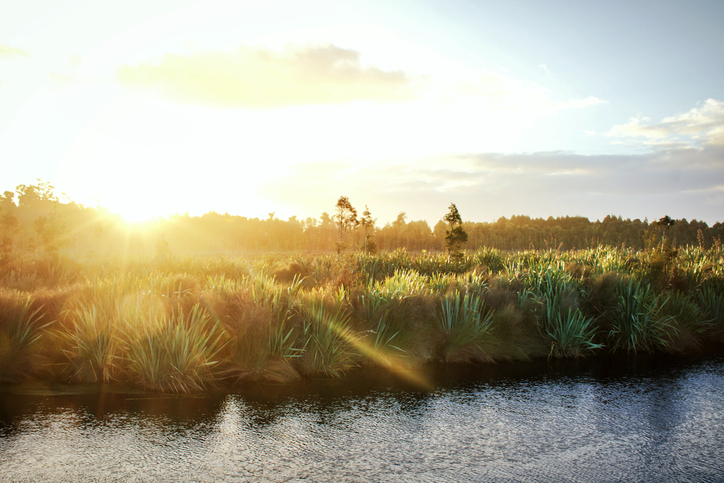
Learn how to plant and restore wetlands in New Zealand for better ecosystems.