Regenerative Viticulture
Whenua
Livestock
Regeneration
Soil
Viticulture
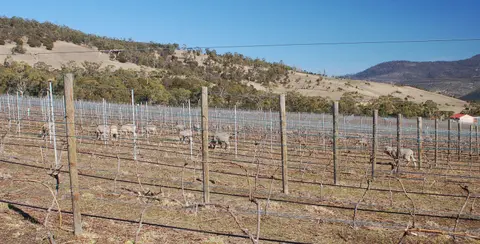
See how leading growers use cover crops, compost and grazing sheep to rebuild vineyard soils.
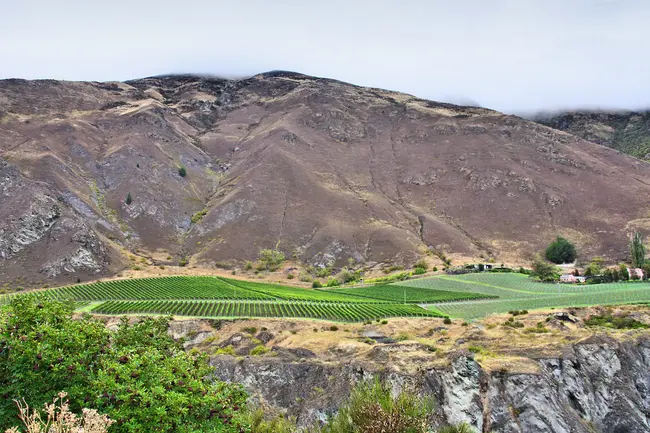
Amisfield in Central Otago moved to organic viticulture over seven years, taking a staggered approach so the team could watch how each block responded. The owners chose organics to protect the land for the long term and to make the vineyard a healthier place to work.
The article looks at what the shift meant for soil health, including long-running trials of subsurface irrigation that support cover crops while using less water. It also touches on the everyday conversations about electrification and drones for bird scaring that now shape decisions on the estate.
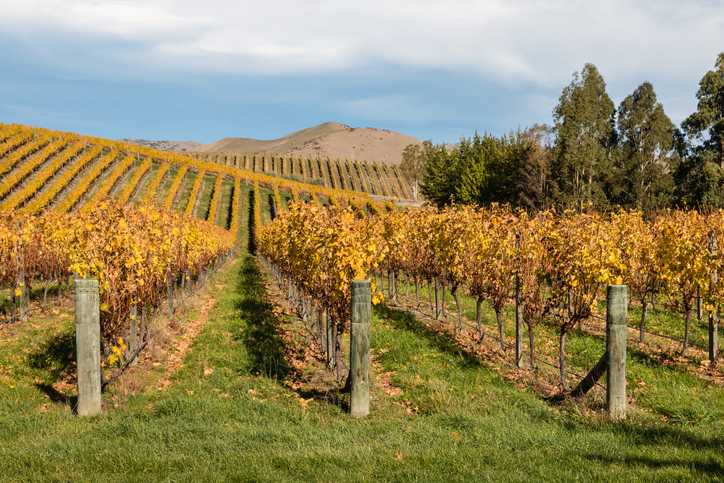
Photo: “Vineyard in Gibbston Valley in South Island, New Zealand - Central Otago wine region” by Marek Slusarczyk, licensed for reuse under CC BY 3.0
See how leading growers use cover crops, compost and grazing sheep to rebuild vineyard soils.
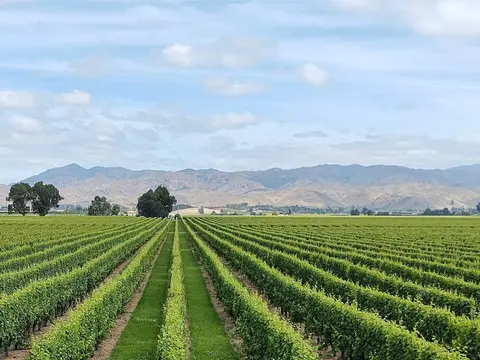
Find the climate, soils, sub-regions and main grape varieties for each New Zealand wine region.
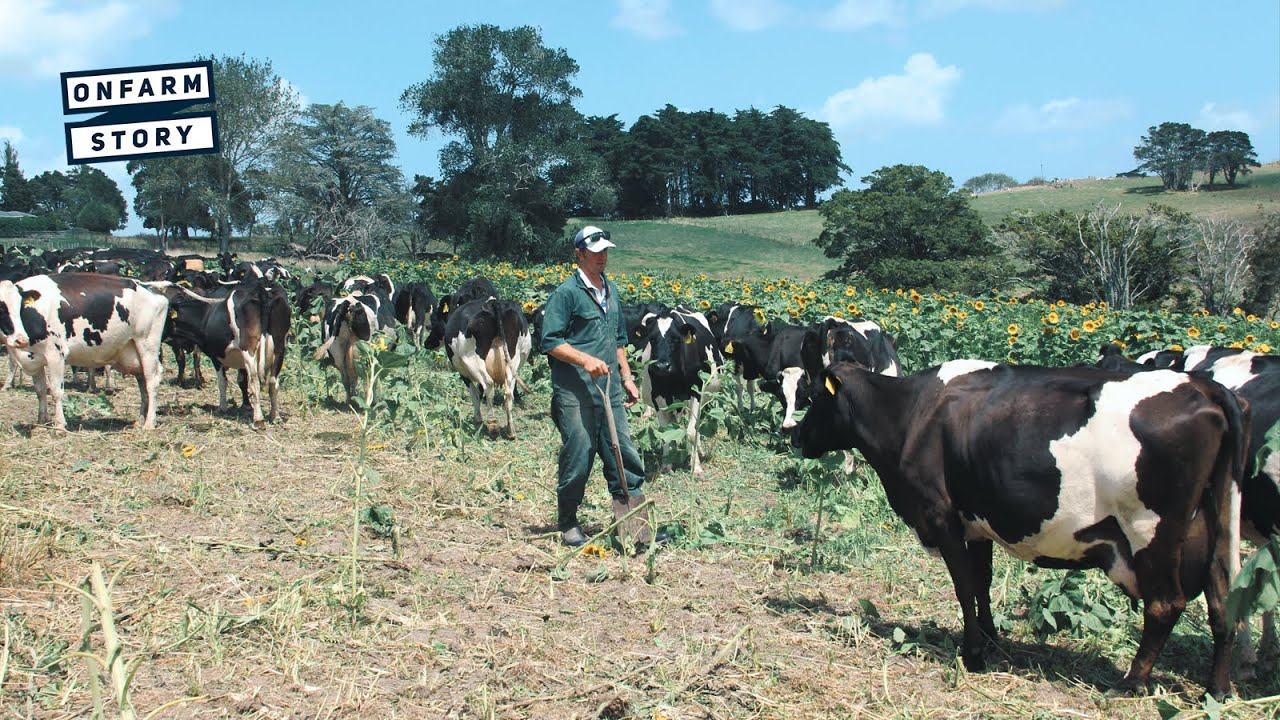
Explore how a Northland dairy farmer is rebuilding soil health with cover crops.
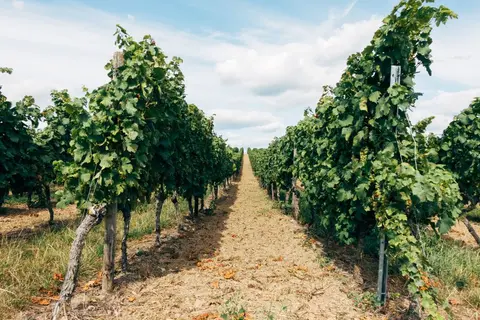
Find out how to grow grapes organically and which bodies certify organic vineyards here.
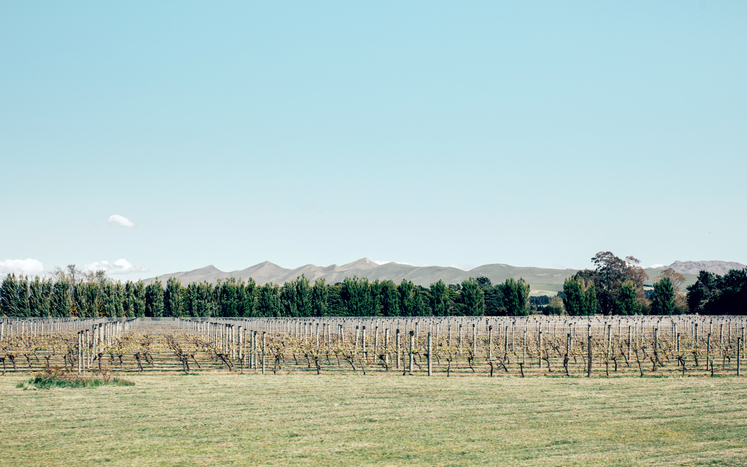
Discover how Sauvignon blanc's flowering and ripening dates could shift over time.
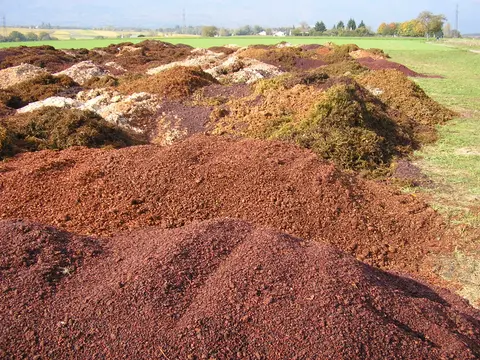
Discover how grape marc and forestry waste become biochar and compost that build vineyard soils.
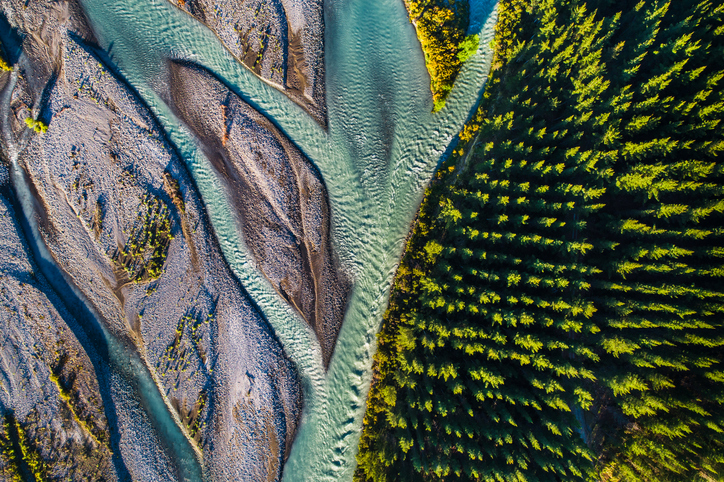
Learn how trees improve farming in East Otago and support timber production.
Learn about measuring and assessing sustainability in New Zealand's organic dairy and wine sectors.
How Tohu Wines is cutting diesel and LPG across its vineyards and winery.
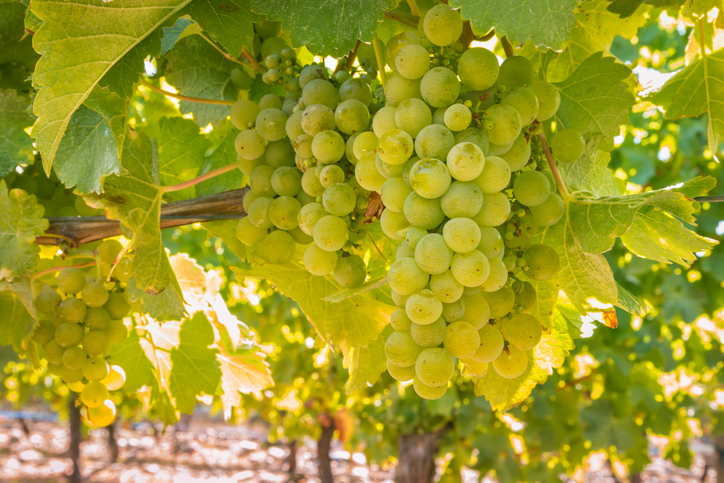
Find out how well Sauvignon blanc grapes could grow in your rohe by 2050 as the climate changes.
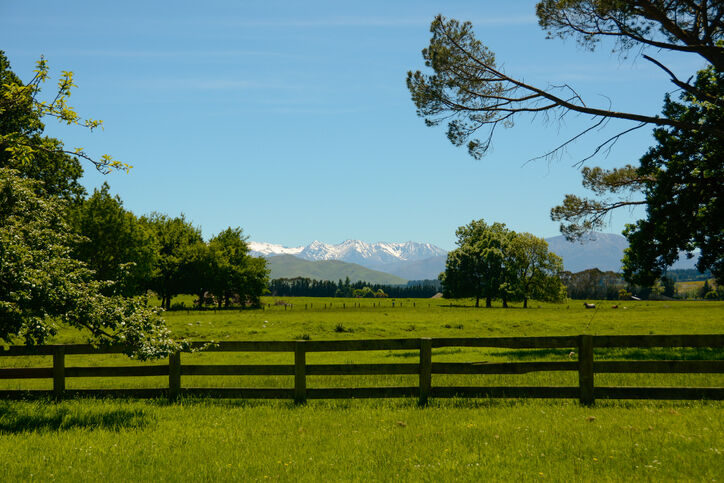
Avenel Station farms sheep, beef, and venison with shelterbelts for livestock and forestry.
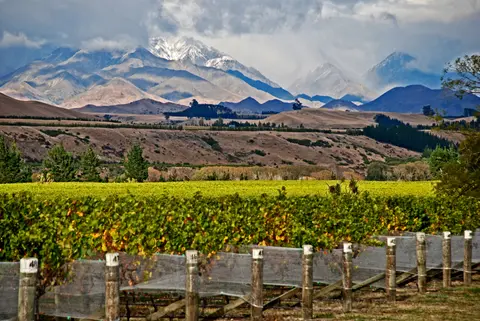
Explore how Tohu ties its single vineyard wines to kaitiakitanga and native planting in Te Tauihu.
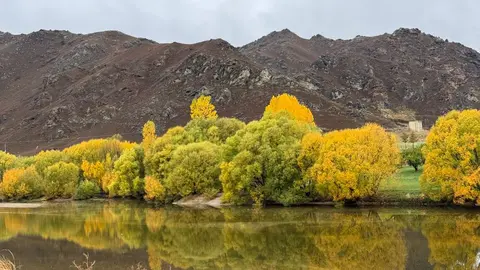
Compare Central Otago's six sub-regions by climate, soils and the grape varieties each one grows.
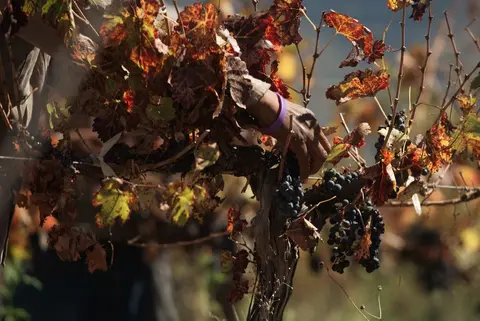
Compare planted and producing vineyard hectares by region and grape variety, year by year.
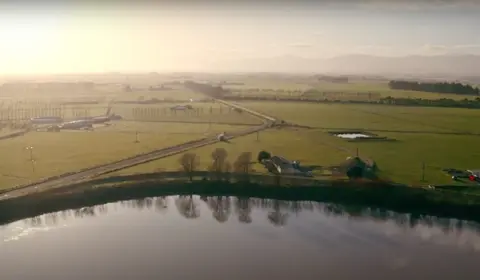
Discover how Pāmu's Tasman farm cut emissions by converting to certified organic milk.
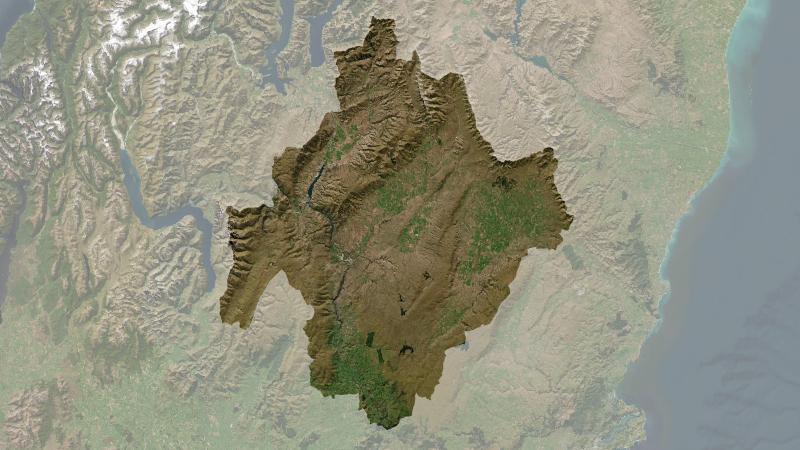
Understand climate event and variability trends for Central Otago District.

The ECO Fund helps community-led projects that protect and enhance Otago's environment.
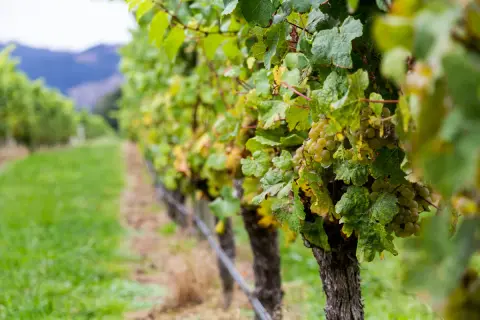
Growing wine grapes on your whenua.
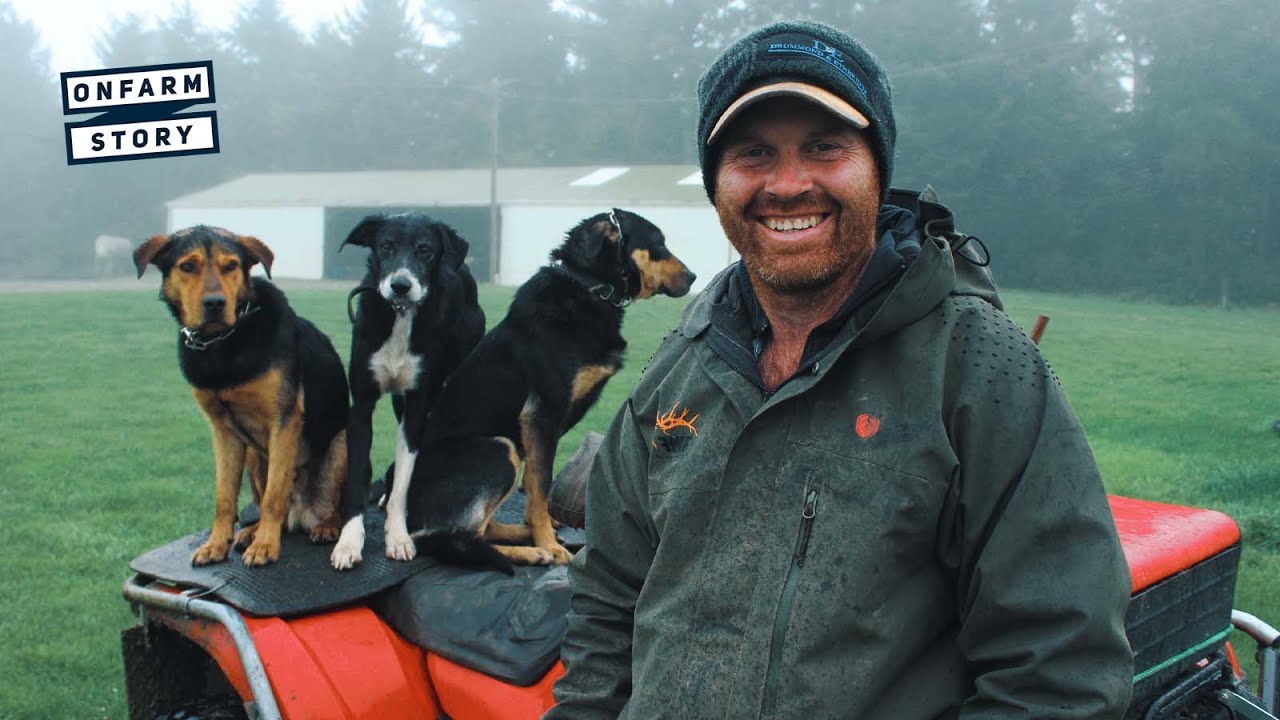
The McNaughton's share their manaaki whenua, manaaki tangata farming philosophy.

Discover how low-emissions farming could shape the future of sheep, beef, and dairy in Aotearoa.
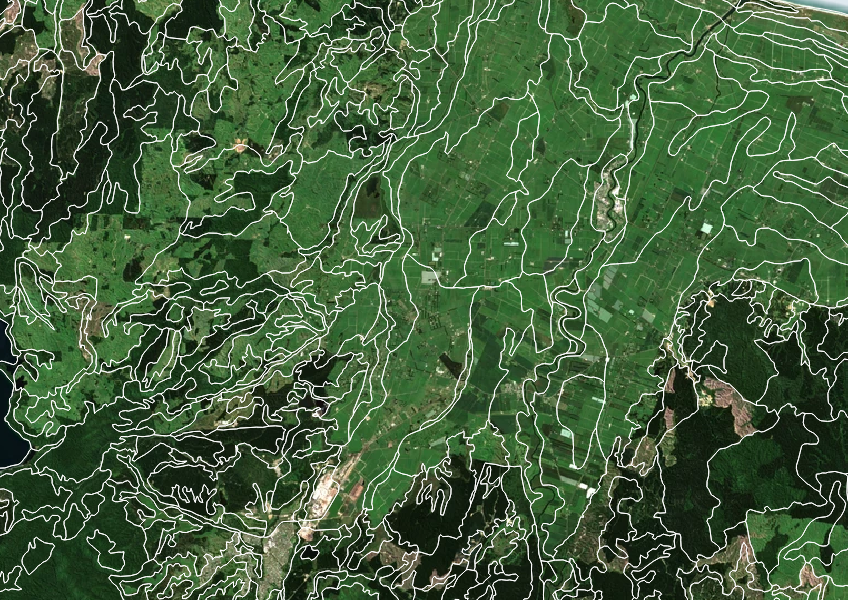
Get high-level soil classification data for Te Wai Pounamu to help with land use decisions.
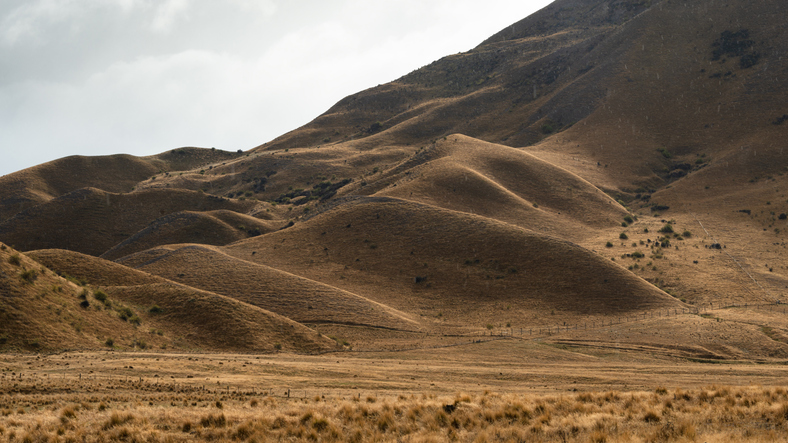
Learn about different strategies farmers in Otago and Canterbury have used to prepare for and adapt to droughts.
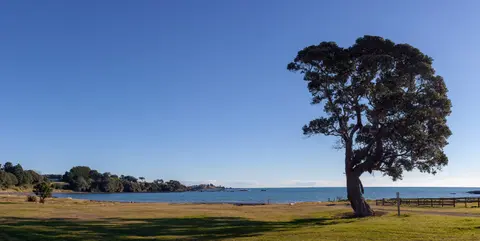
This case study explores what it means to farm in alignment with Māori values and how it can improve the environment.