Farm Systems Modelling for GHG Reduction on Multiple Enterprise Māori Farms
This report uses two case studies to illustrate different ways that diversified Māori agribusinesses can reduce greenhouse gas emissions and increase profits.
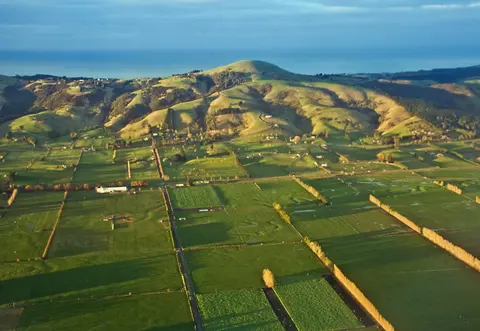
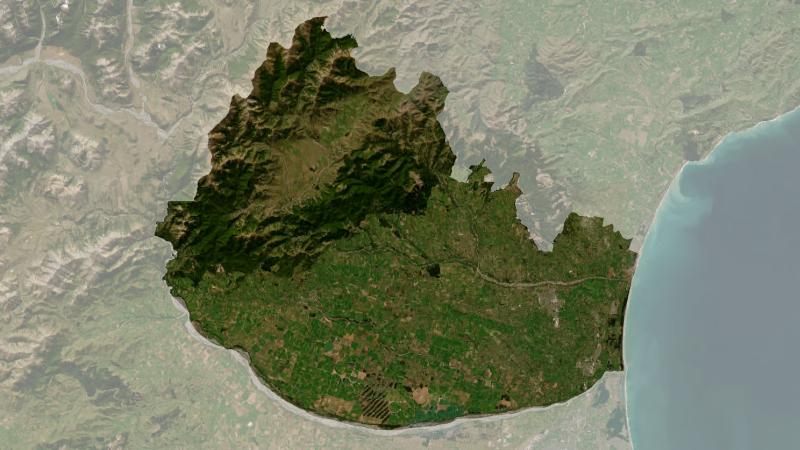
This case study examines land-use options for farmers in Waimakariri beyond business-as-usual, and focusing on sustainable diversification over time rather than wholesale change. It addresses soil, climate, market risks, and the impact of externalities like nitrate leaching and contaminants.

Explore future scenarios for the Waikato region with this interactive tool.

How grazing compares with pine and native forestry profitability on steep Northland hills.

Explore how dairy farmers in the South Island view climate change and how it factors in their decision-making.

This research examines how climate change affects farmland values in Aotearoa.

This resource explores costs of climate change and adaption debates in Aotearoa through symposiums.

Read about the impacts different Aotearoa land use change scenarios might have on cliamte and socio-economic outcomes.

Learn about the best tree species for reducing erosion on steep slopes in different parts of Aotearoa.

This report explores factors affecting land use change in New Zealand, targeting economic, social, and environmental aspects.

Learn how you can reduce your greenhouse gas emissions while staying profitable.

Learn how sustainable farming helps New Zealand regain public trust and improve practices.

Explore how land use affects soil and water quality across New Zealand catchments.

This study explores how different governance structures affect Māori land decisions on carbon farming.