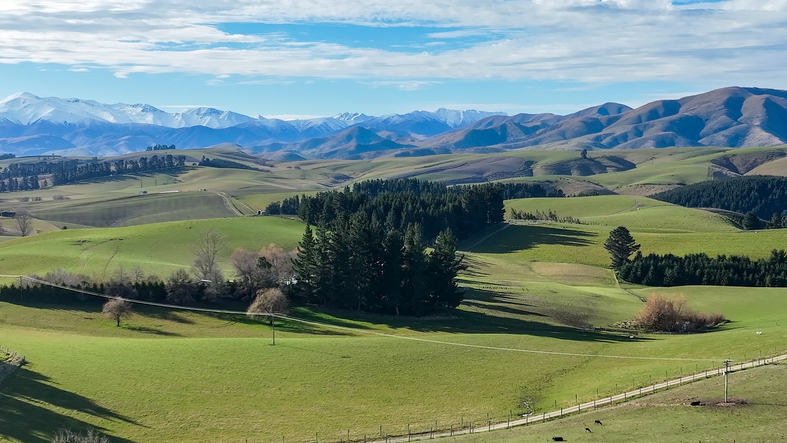
Diversifying farm income with farm forestry
Enterprise
Forestry
Productivity
Resilience
Sheep and beef
Explore how trees boost income and provide shelter on a Central Canterbury drystock farm.
Balmoral Station is a farm located in Waitaha | Canterbury, New Zealand, that uses trees to diversify its income and plan for the future. The harsh climate and marginal land are used to grow trees for different purposes, like soil conservation and carbon neutrality, helping the environment.
Andrew Simpson works with the Forest Research Institute (SCION) to test tree hybrids, like radiata x attenuata, which are promising for this area. Pinus coulterii is another type of tree for diversification. This mix of trees helps maintain the land and generates income for the farm.
Explore how trees boost income and provide shelter on a Central Canterbury drystock farm.
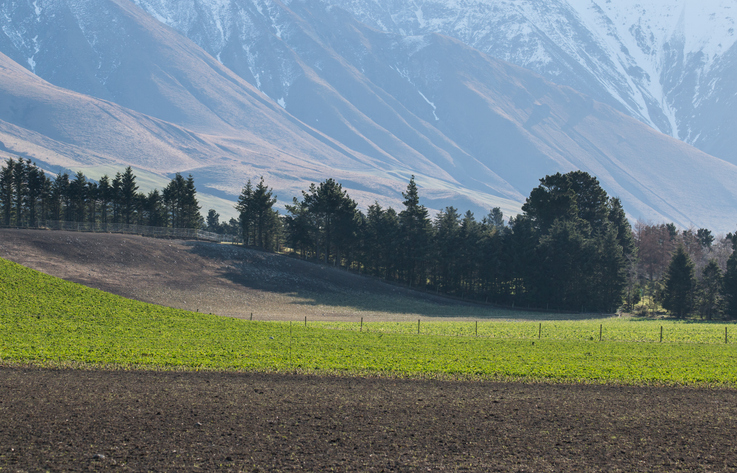
Learn how Snowdon Station's tree plantings have boosted farming efficiency and created a better environment for livestock.

Learn how trees improve farming in East Otago and support timber production.
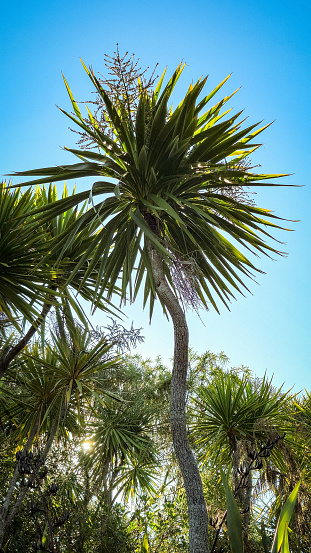
Learn how farms can use trees for carbon credits to boost income while enhancing te Taiao.

Learn about the role tree planting can play in reducing climate change impacts.
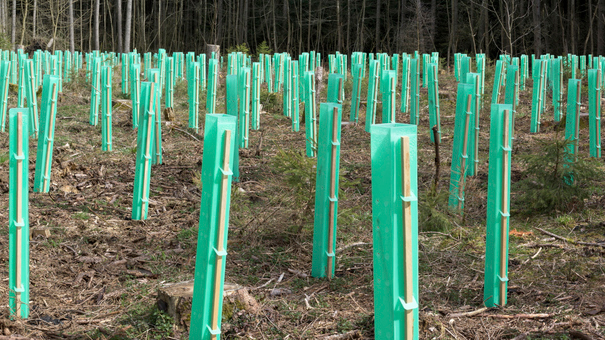
Connect with tree planting helpers or help someone plant trees.
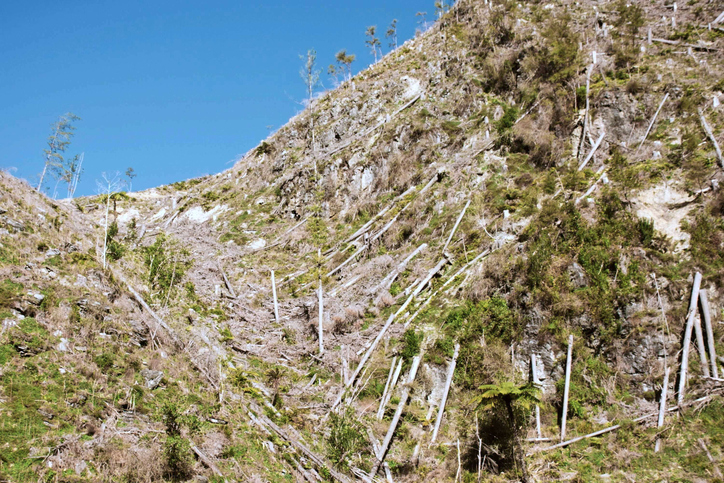
Learn how the Rutherfords use forestry for sustainable farming in North Canterbury.
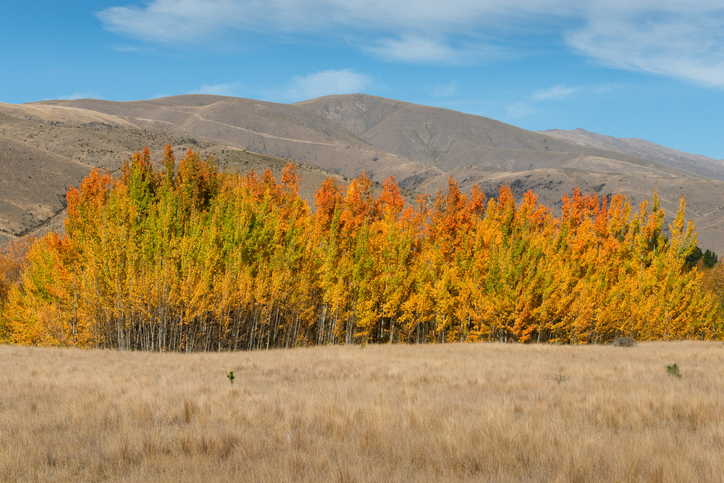
Learn how planting trees can boost farm income and provide shelter in low rainfall zones.
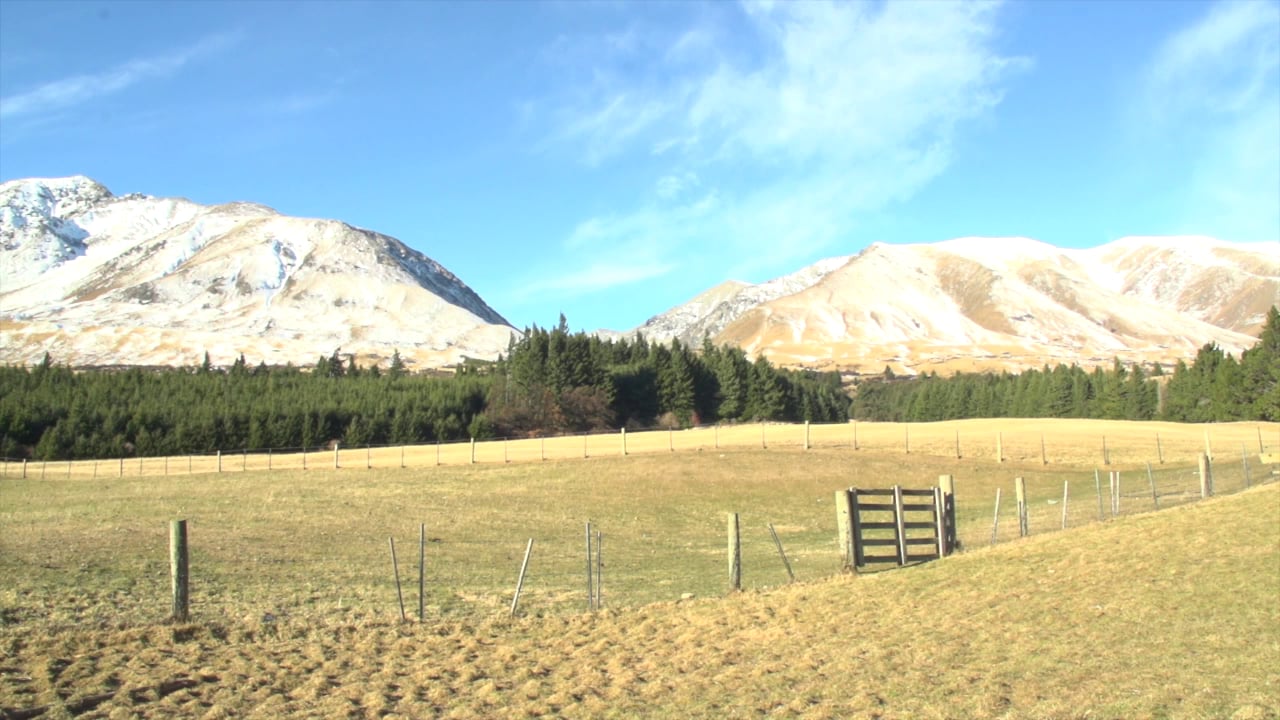
Discover how trees enhance a South Canterbury farm's income and environment.
See how a Southland station uses fodder beet and soil work to lift profit and resilience.
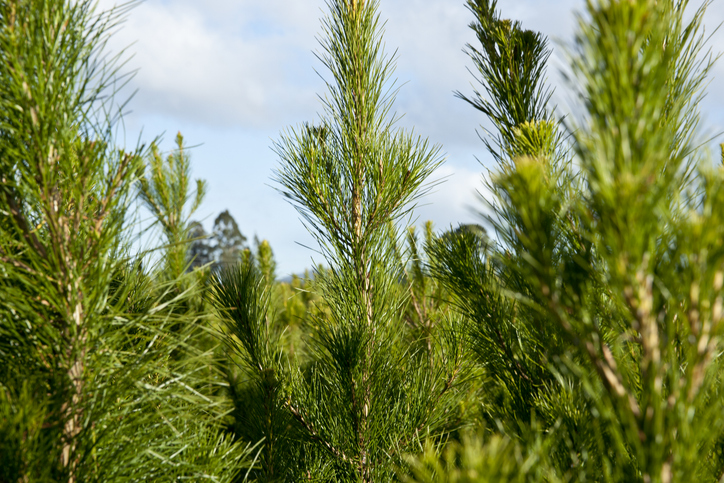
Find out how well radiata pine could grow and yield timber on your whenua.
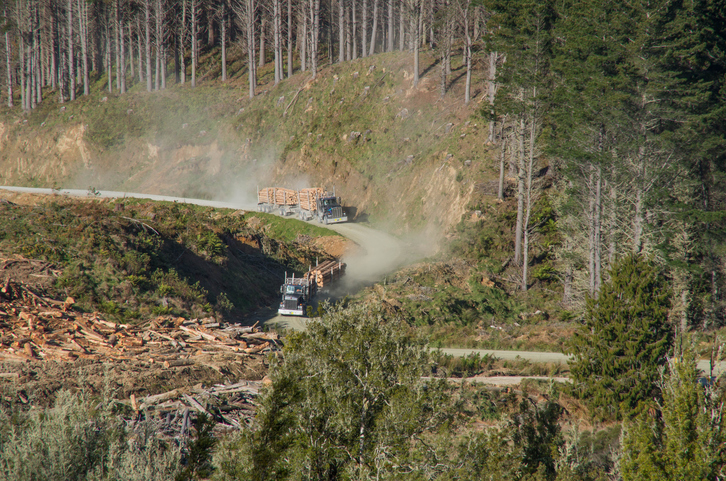
Compare how much carbon radiata pine could store on your whenua by age and stocking.
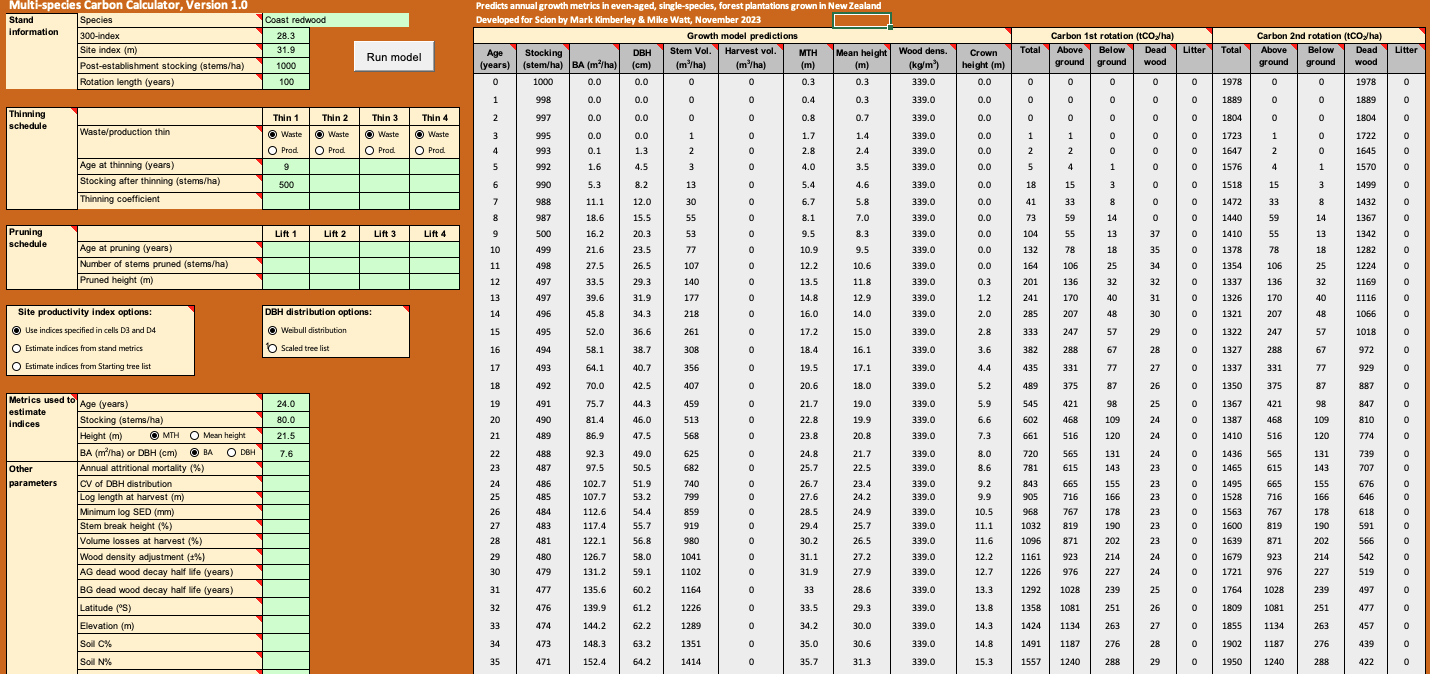
Calculate forest growth and carbon for New Zealand tree species using data about your whenua.
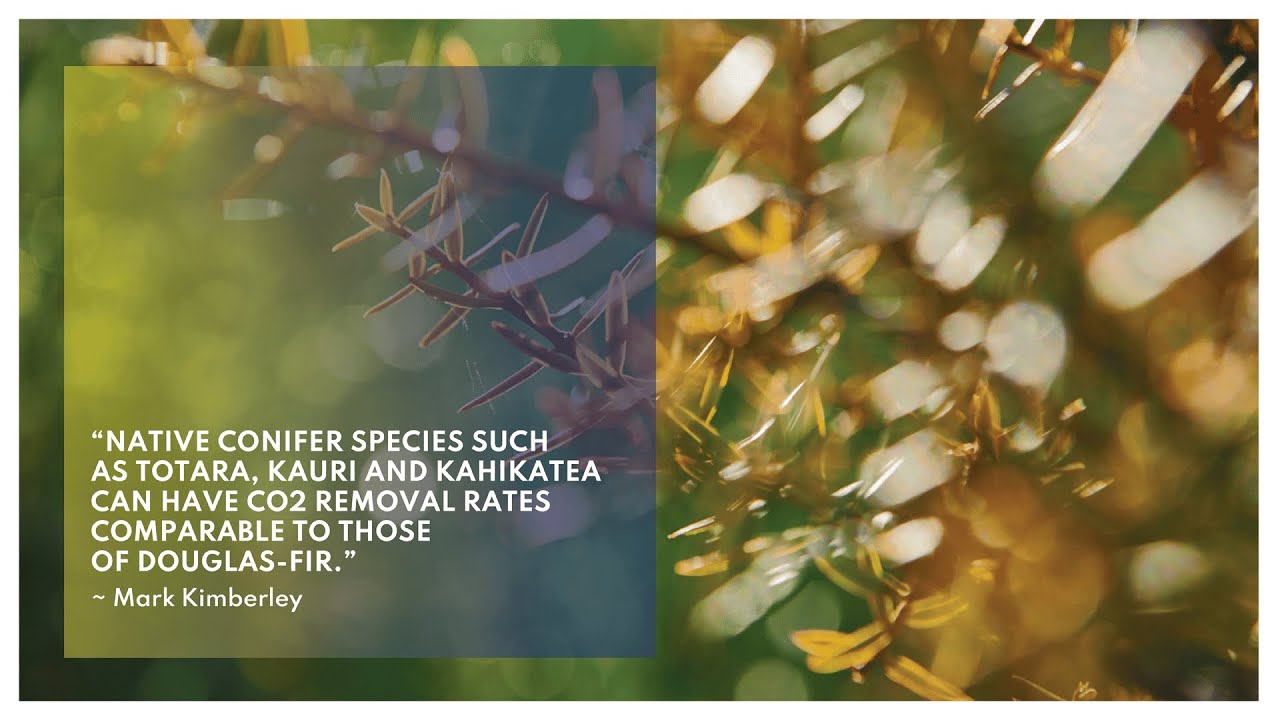
Find out about carbon sequestration rates in native forests and planting methods in New Zealand.
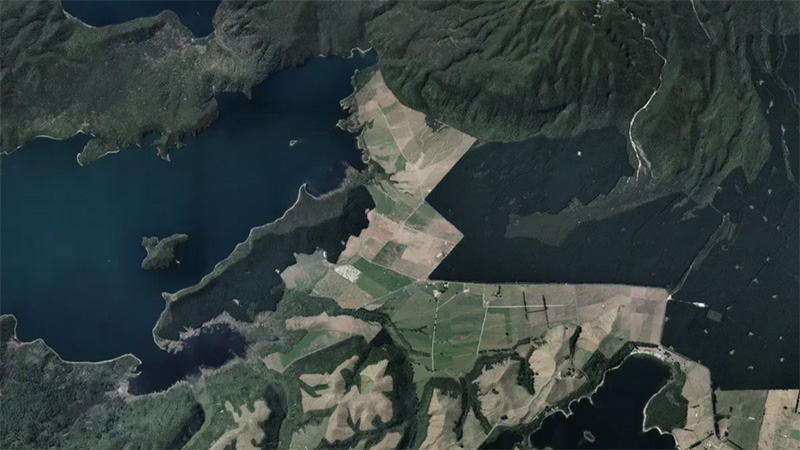
This report uses two case studies to illustrate different ways that diversified Māori agribusinesses can reduce greenhouse gas emissions and increase profits.
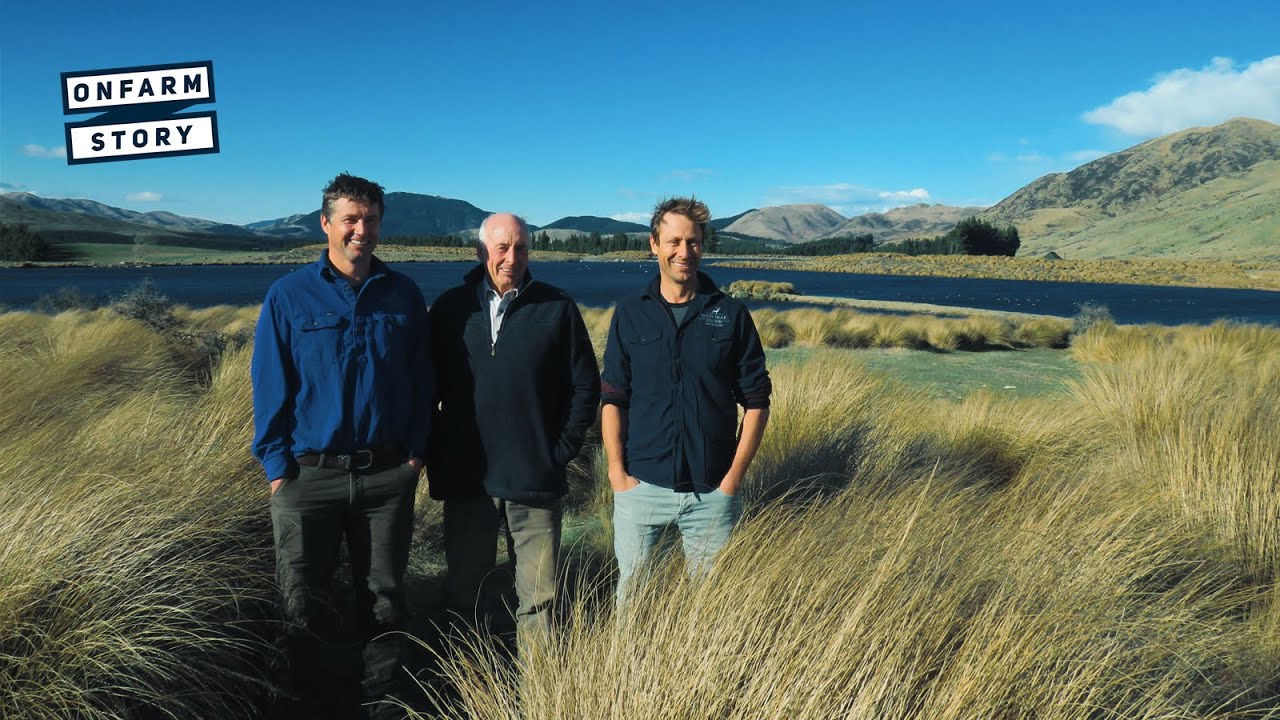
Four families work together to blend farming and tourism on High Peak Station.
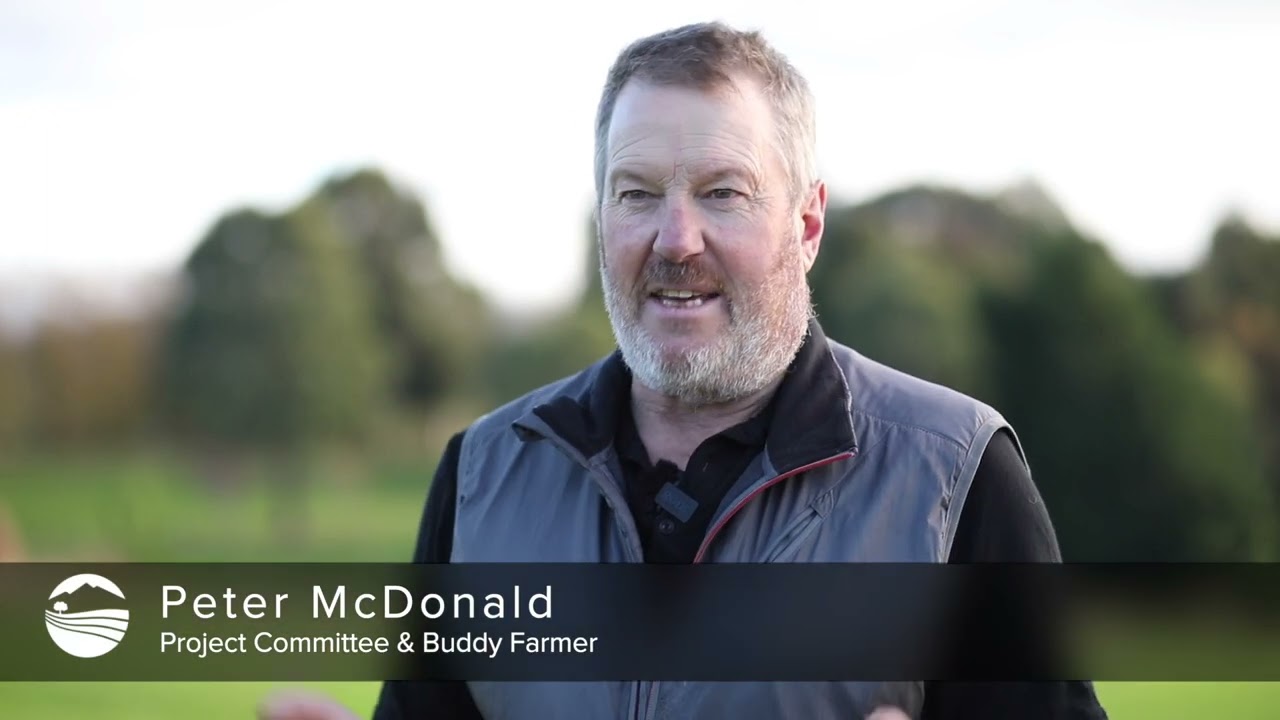
Learn about how a Dipton catchment group aims for carbon neutrality through farming changes and community support.
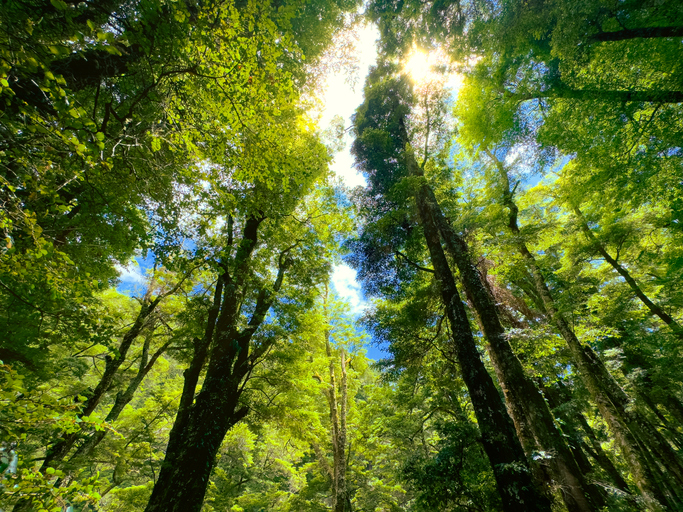
Learn how well-managed native forests can absorb significant amounts of carbon.
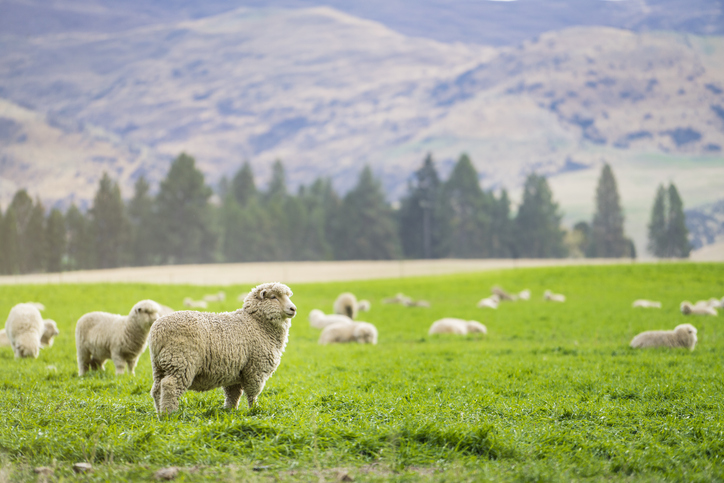
Training for rural professionals on climate change and agricultural geenhouse gas emissions in NZ.

Use this tool to calculate profits from native tree stands and carbon income streams.
Calculate your carbon footprint and learn how to reduce it with tools and tips from Tane's Tree Trust.
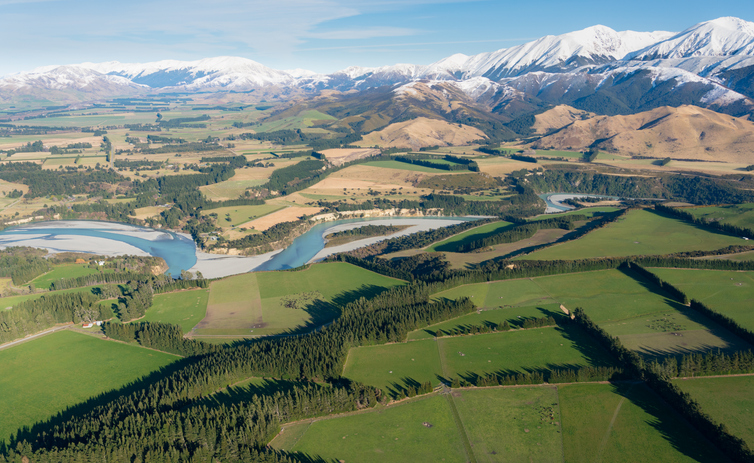
Explore diverse forest uses for production, conservation, and better surroundings on this farm.
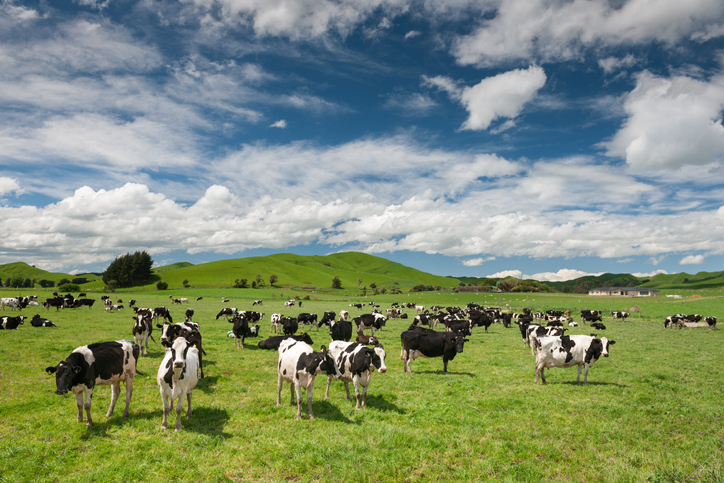
The a2™ Farm Sustainability Fund supports eco-friendly dairy farm projects in NZ and Australia.