Dairy innovations – targeting climate change
Learn about different on-farm solutions for reducing greenhouse gas emissions from dairy farms.

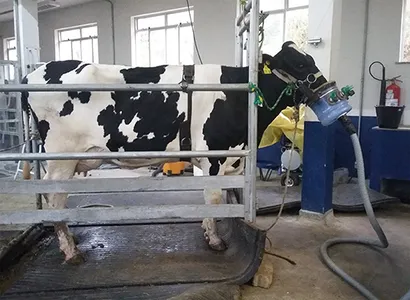
This resource describes how scientists measure greenhouse gases like carbon dioxide, methane, and nitrous oxide. It explains different methods including collecting air sampless and using chambers to test emissions from animals.
The resource also discusses measuring nitrous oxide from urine patches in pastures and the use of ancient ice cores to explore past gas levels. These measurements help track how land use and animal practices affect the environment, which can help you make more sustainable decisions for your farm.
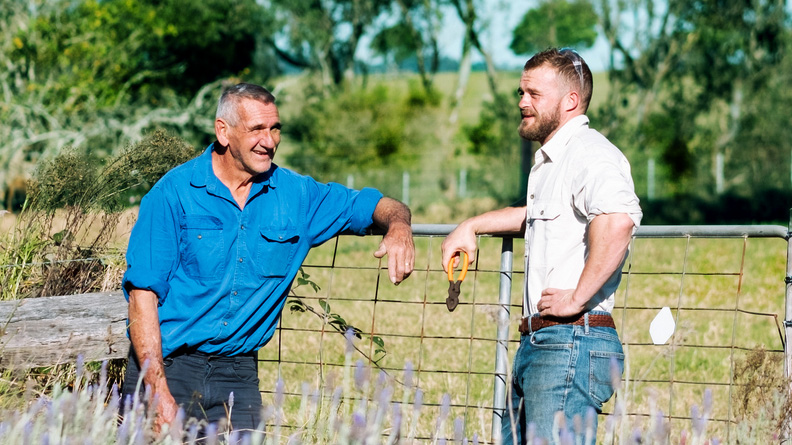
Photo by Silveira, Terry, Biffin, Maurício, Pereira, Ferreira, Ribeiro, Sacramento, Tomich, Machado, Campos, Gama and Chaves licensed under CC BY 4.0.
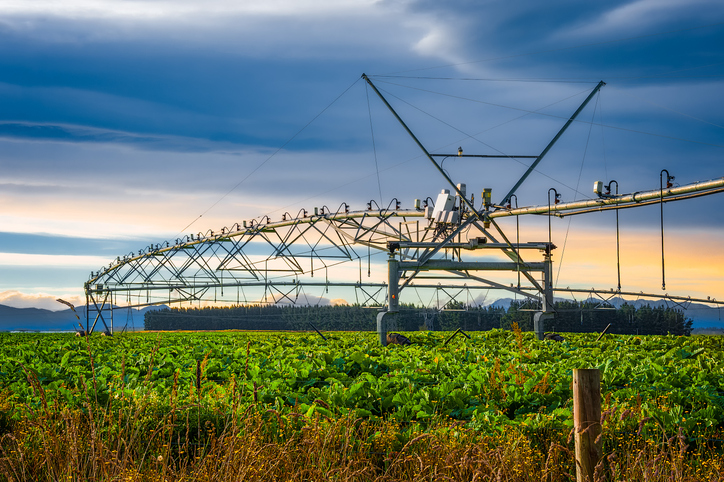
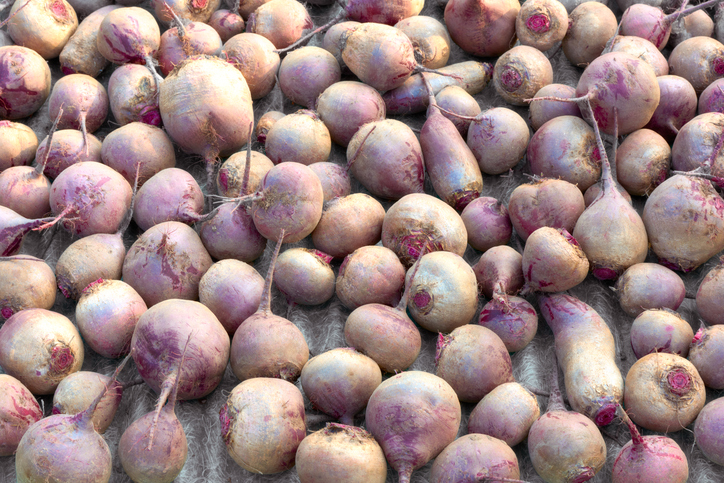
Learn how cropping and horticulture can reduce greenhouse gas emissions in New Zealand.

The science behind agricultural methan, nitrous oxide emissions, and climate change.

Research assessing the greenhouse gas emissions impacts of different types of feed.

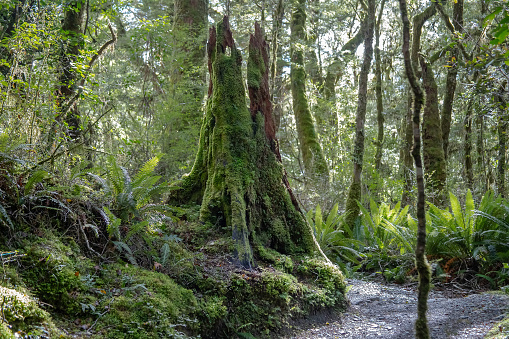
Learn how trees absorb CO2 and help fight climate change in New Zealand.

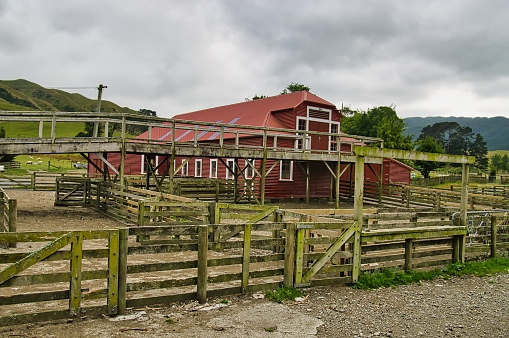
Learn how winter housing can reduce greenhouse gas emissions from livestock.

Research into different ways to reduce greenhouse gas emissions from New Zealand agriculture.

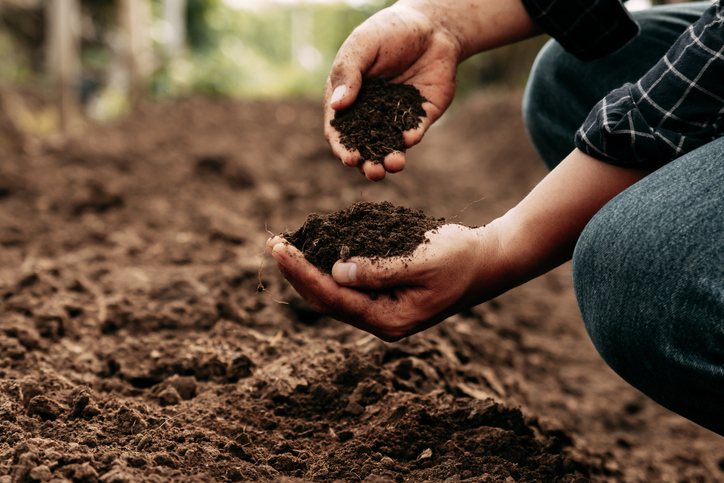
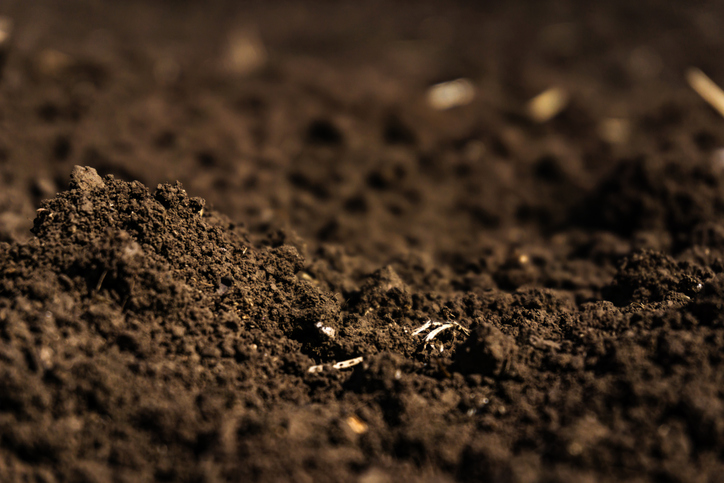
Learn how soil carbon impacts climate change and things you can do on your farm to offset your emissions.

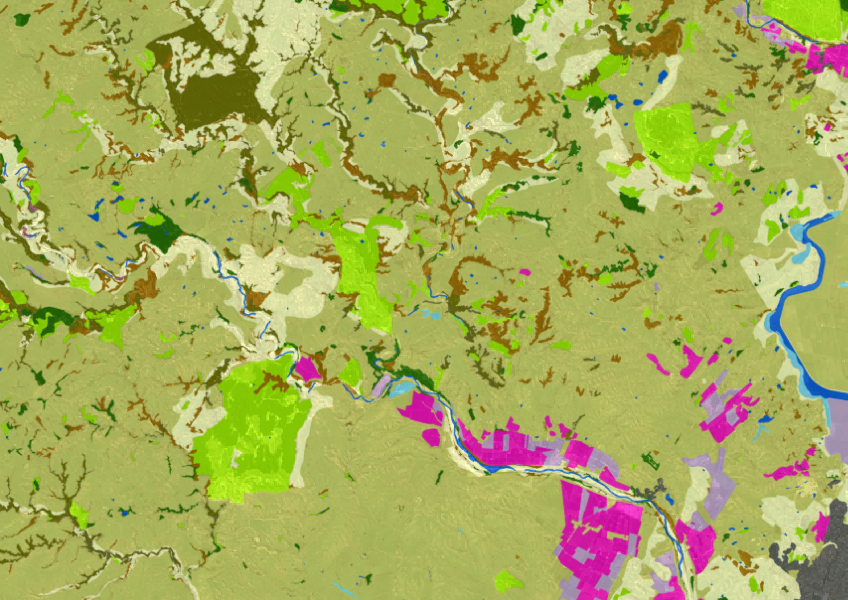
This report explores land use changes in New Zealand to cut greenhouse gas emissions.

Explore how dairy water-quality measures affect greenhouse gas emissions too.

Explore actions New Zealand farmers can take to reduce greenhouse gas emissions effectively.

This guide explains how to cut nitrogen use, reducing nitrous oxide emissions on farms.

Learn how you can reduce your greenhouse gas emissions while staying profitable.