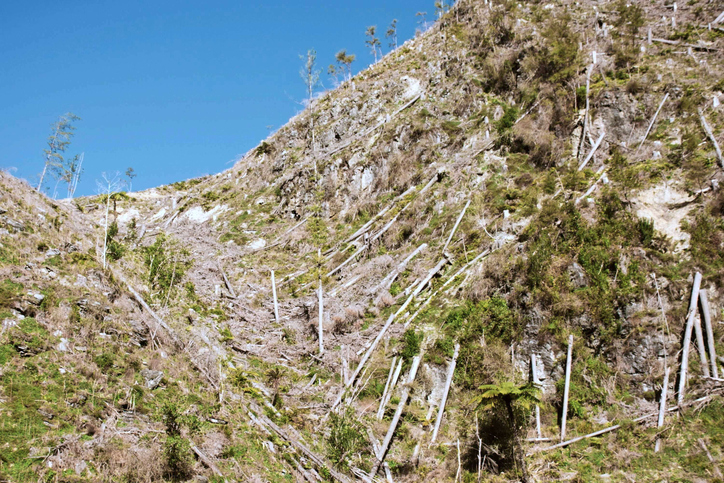
Forestry in the hill country: Sustainability and survival
Climate
Biodiversity
Forestry
Profitability
Resilience
Succession
Sustainability
Learn how the Rutherfords use forestry for sustainable farming in North Canterbury.
Waikato hill country farmers Fiona and Jon Sherlock are doing their bit to respond to climate change by converting 200-300 hectares of marginal farmland into forestry.
Their farm in Waingaro faces challenges due to steep and dry land, making it hard to sustain sheep and beef farming. By integrating trees, they aim to boost financial viability through production forestry and carbon farming. They’re involved in a preferred grazing trial to rejuvenate pasture during dry seasons, promoting long-term sustainability for future generations.
Learn how the Rutherfords use forestry for sustainable farming in North Canterbury.
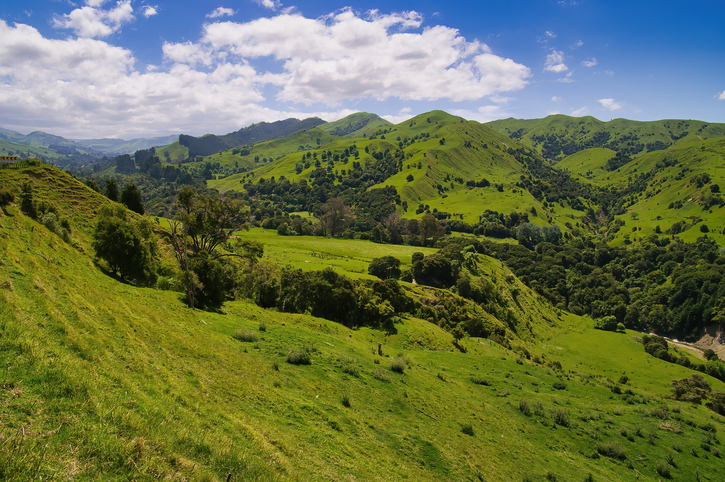
Learn about sustainable Māori forestry and agriculture for climate resilience on the East Coast.
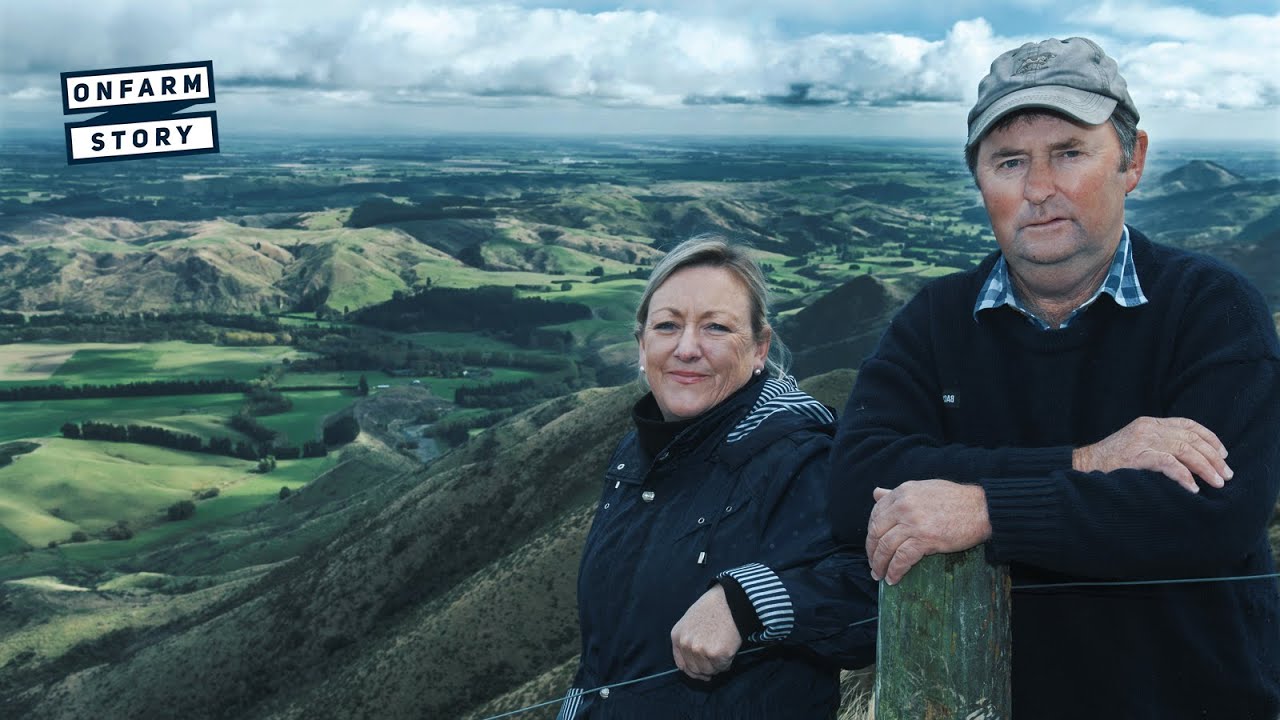
Watch how Canterbury farmers combine sheep and beef with carbon forestry.
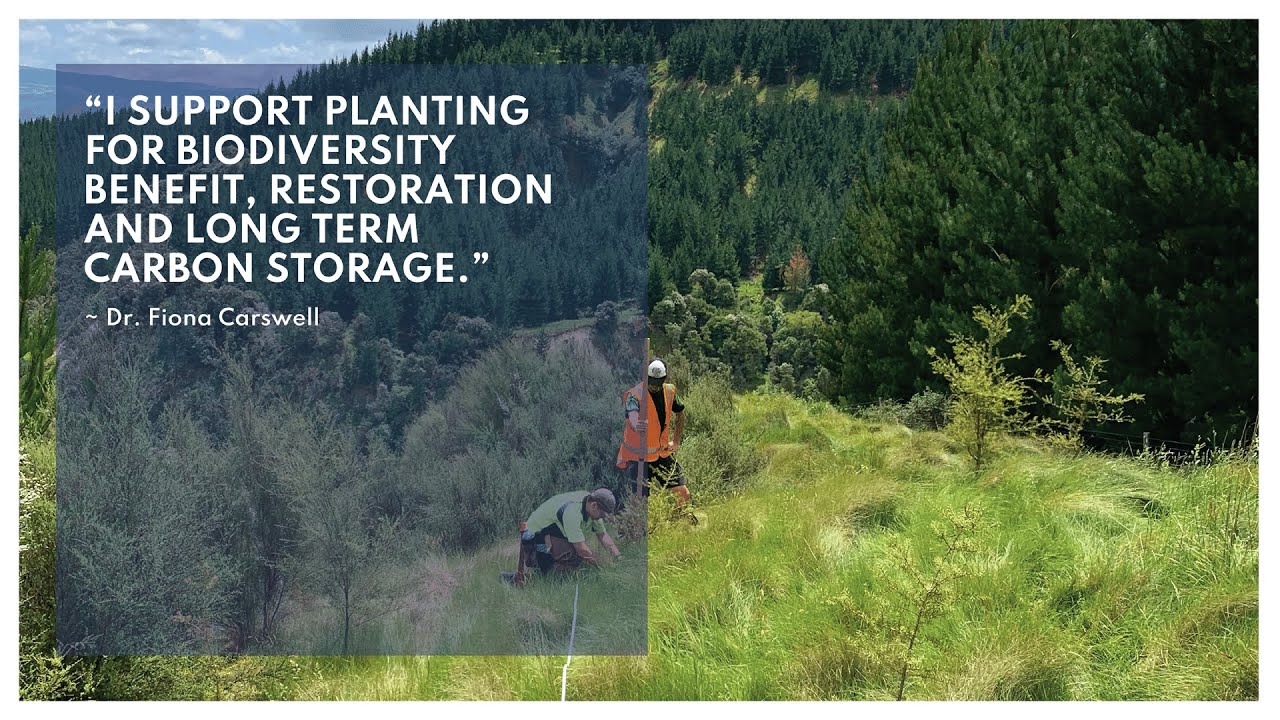
Fiona Carswell talks about how natural forest regeneration on marginal hill country can improve your farm's resilience.
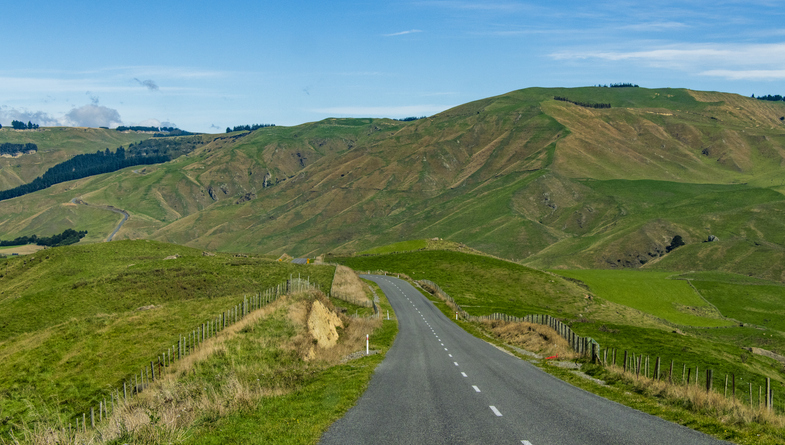
Dairy farmers in Waikato adapt to floods, droughts, and climate change impacts.
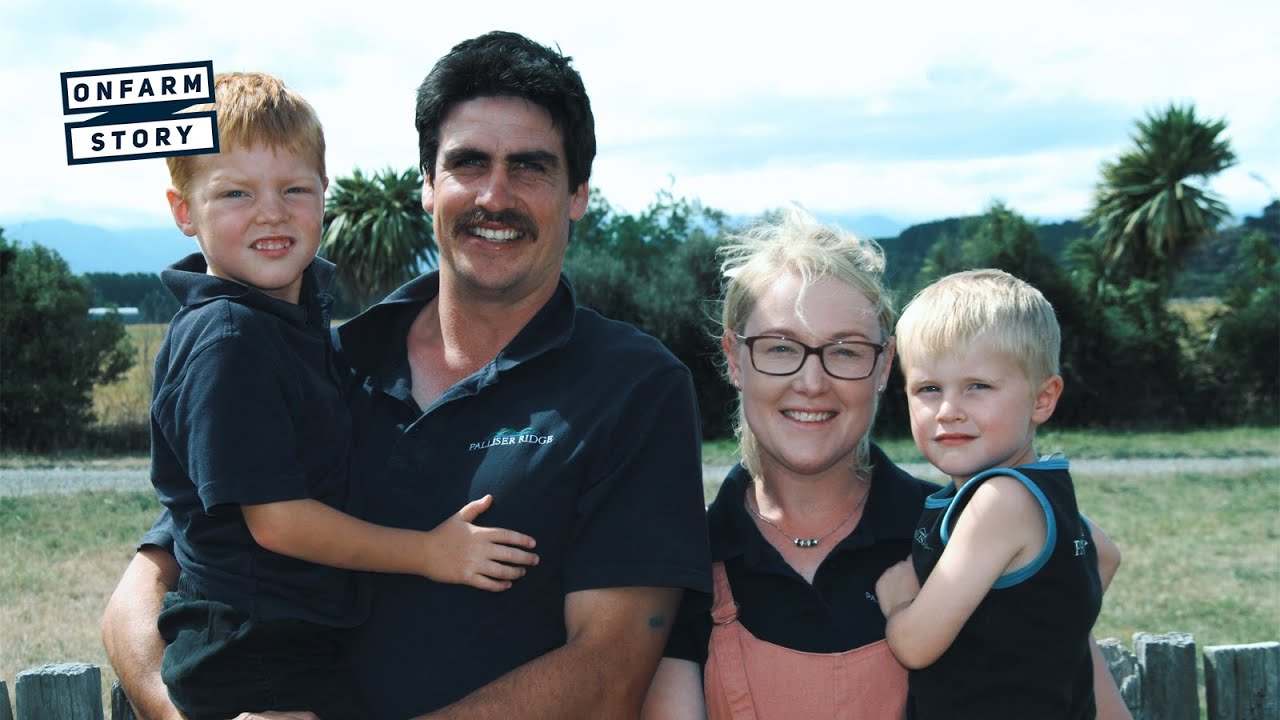
Lisa and Kurt Portas share how they're diversifying their Wairarapa farm.
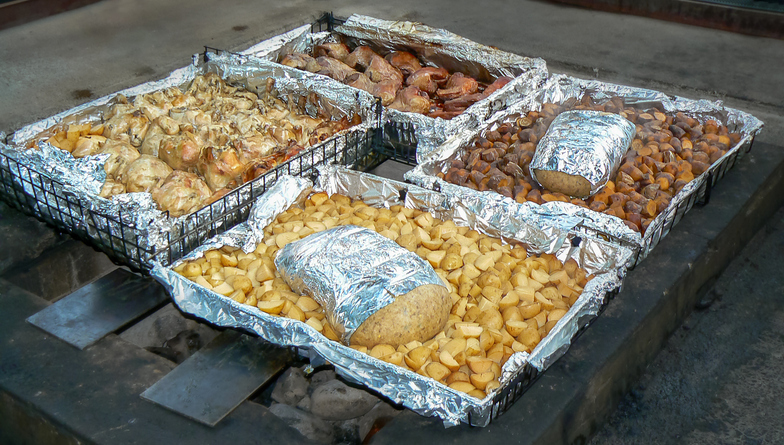
This project explores Māori food traditions and how climate change impacts cultural health.
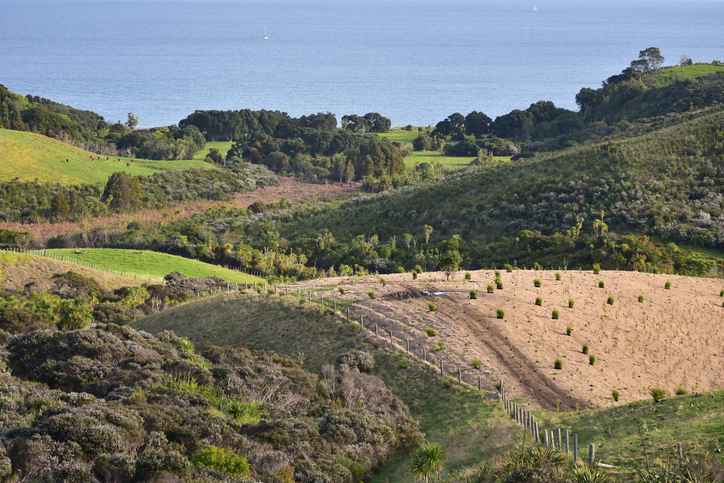
Find out how to convert marginal or depleted agricultural land into native forests for carbon farming.
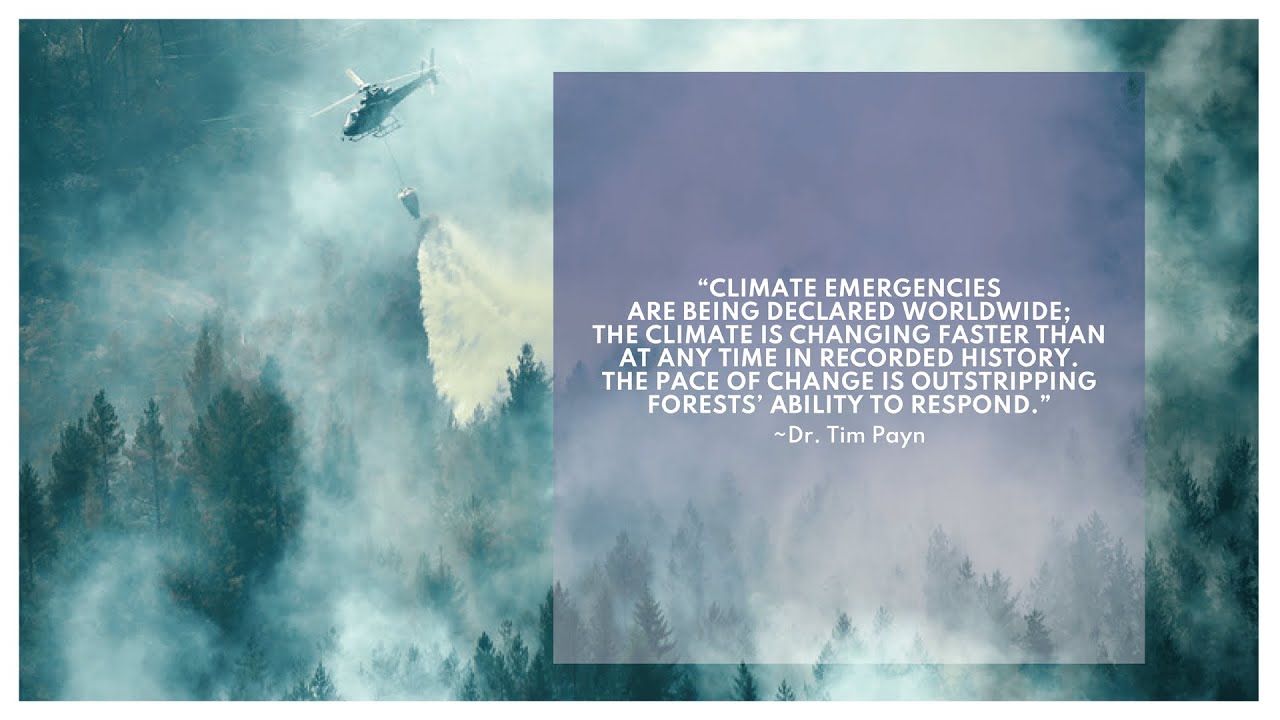
Hear about the effects of climate change on Aotearoa forests and learn strategies for resilience.
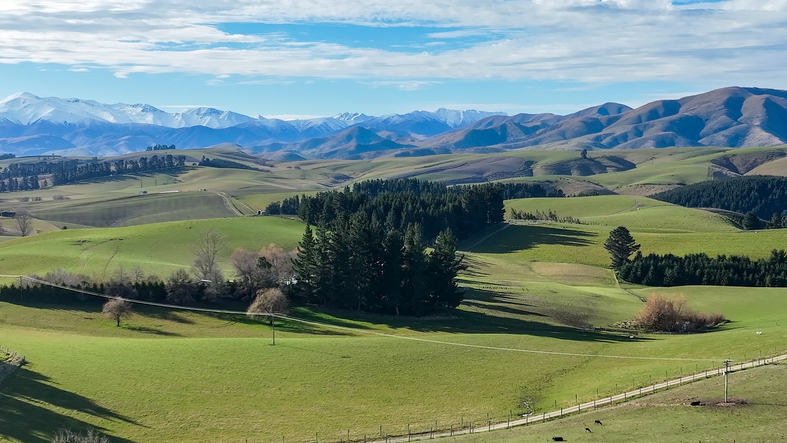
Explore how trees boost income and provide shelter on a Central Canterbury drystock farm.
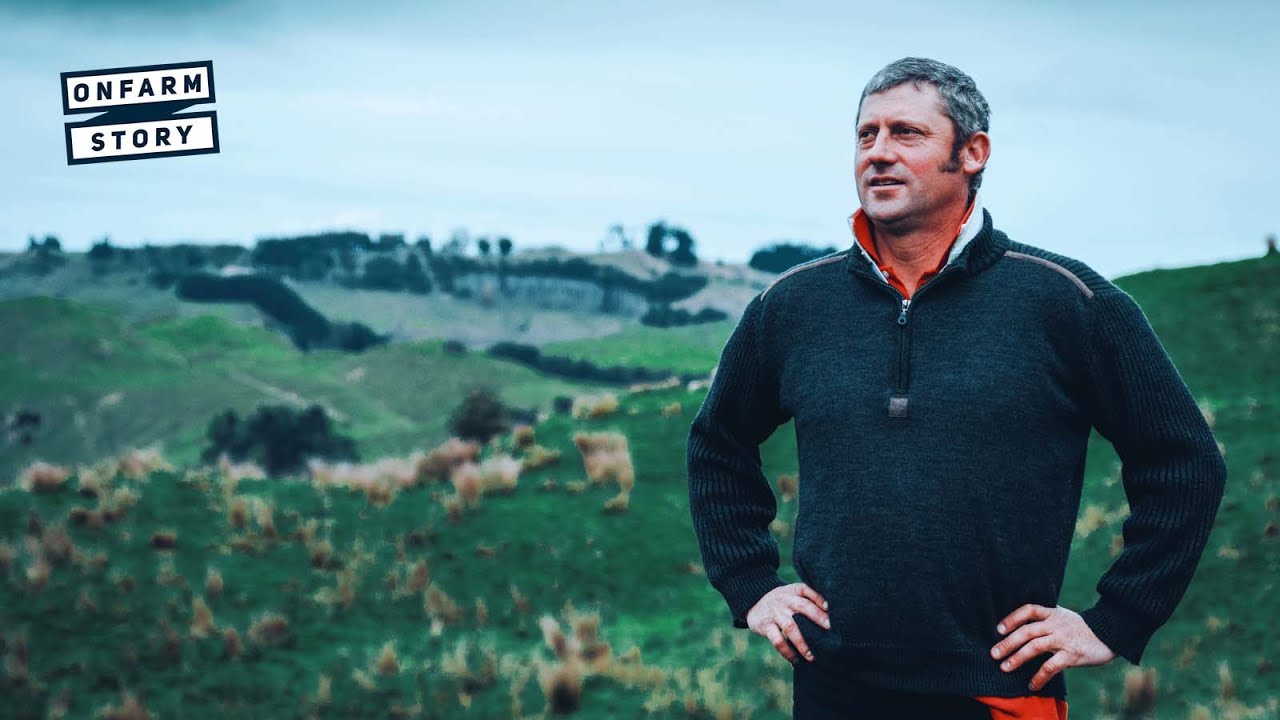
See how a Rangitīkei farmer uses social media to share 150 years of family history on the land.
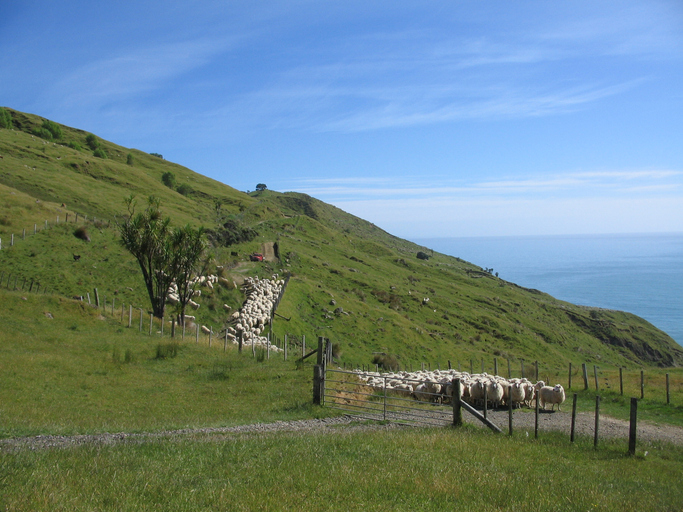
Explore how our beef and lamb farming can support wellbeing, the planet, and local communities.
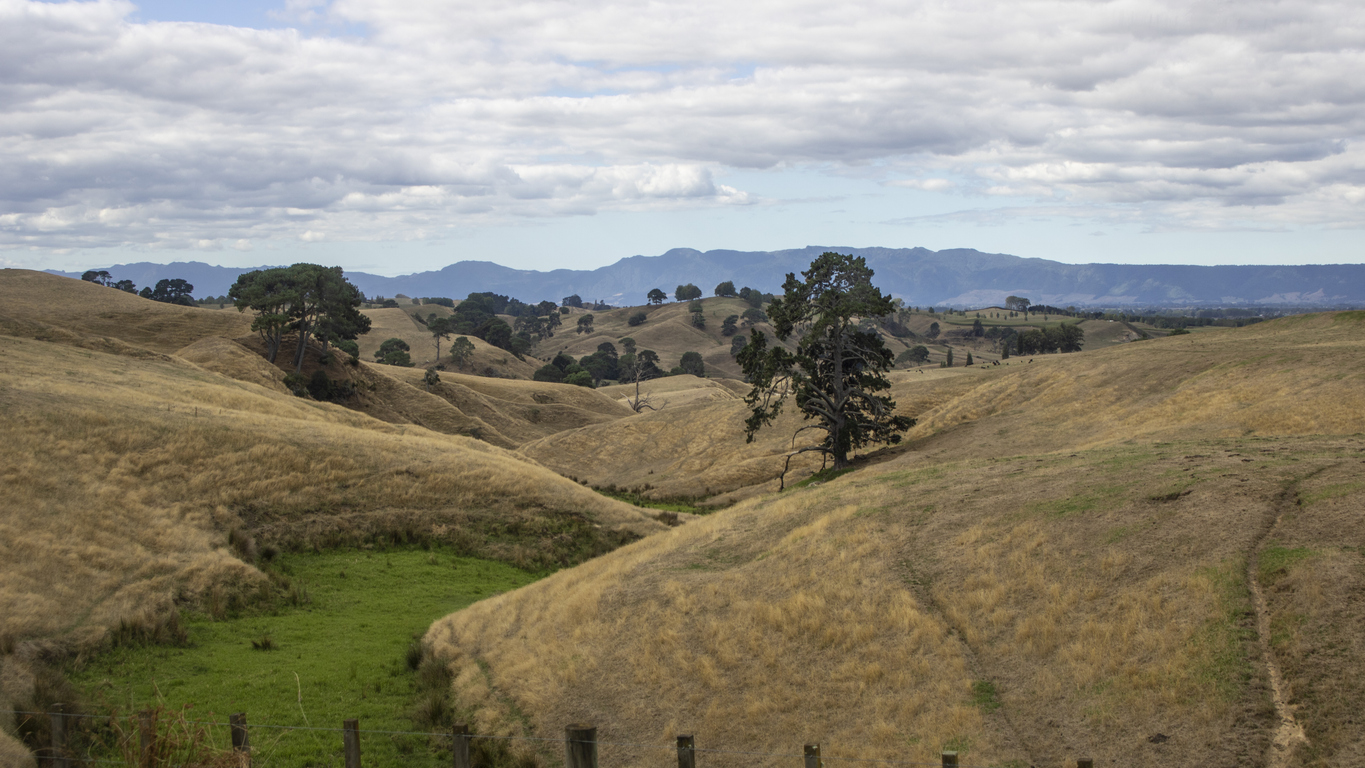
Learn about how climate change will impact Waikato and what communities can do.
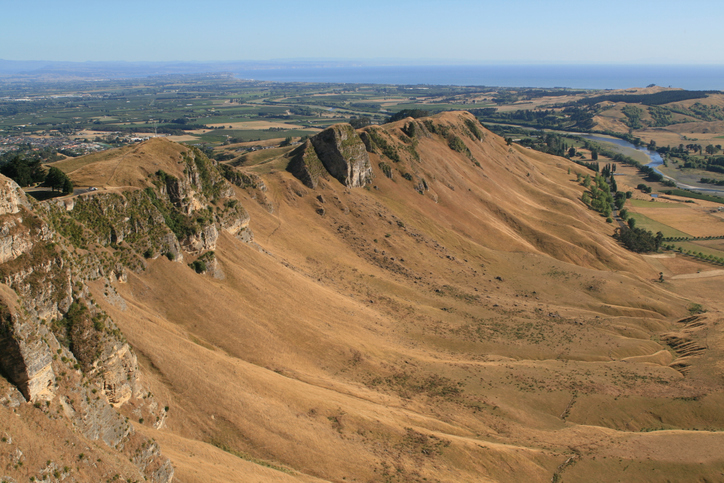
Hawke's Bay faces erosion issues. Planting trees can help prevent soil loss and improve water quality.
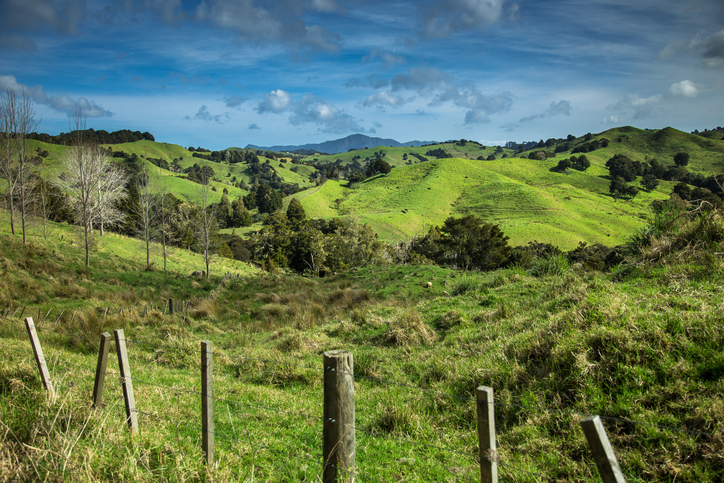
How grazing compares with pine and native forestry profitability on steep Northland hills.

This report explores ways to improve Māori land resilience against climate change through afforestation.
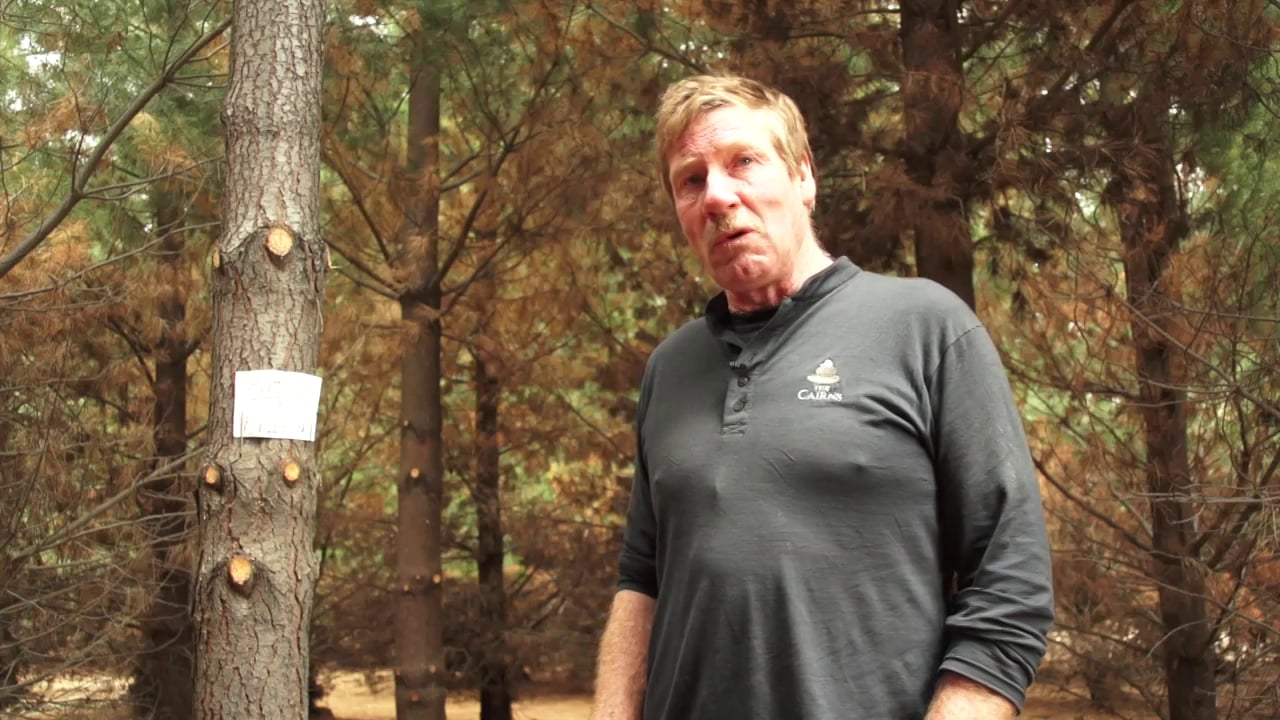
Balmoral Station explores tree growth for income and soil conservation in a tough climate.
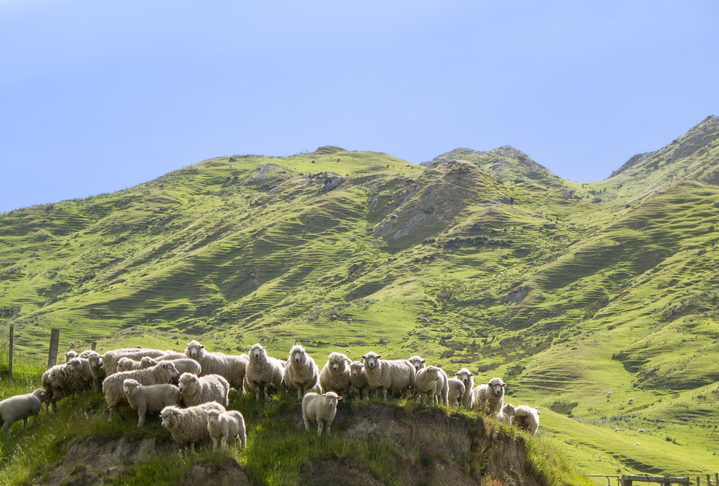
Learn about how Te Kupe Station is transforming its sheep, beef, and forestry operation to be more sustainable.
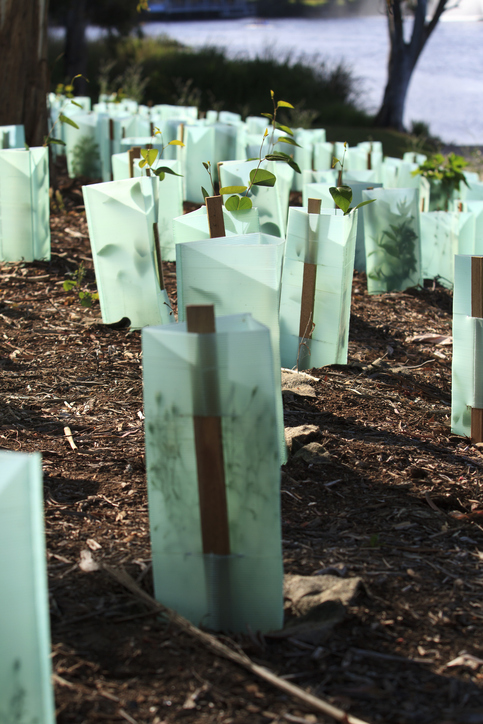
Learn how planting trees on farms can increase your farm's profit and support the environment.
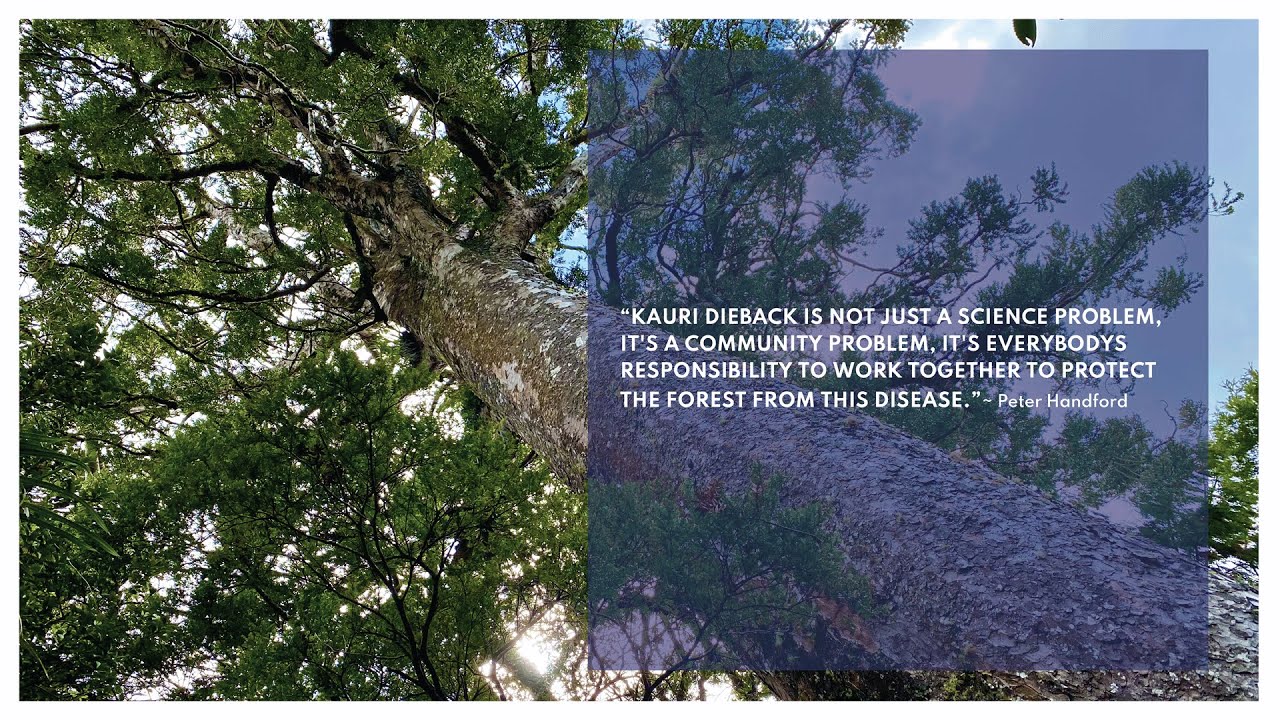
Learn about restoring native forests for sustainable farming and land use.
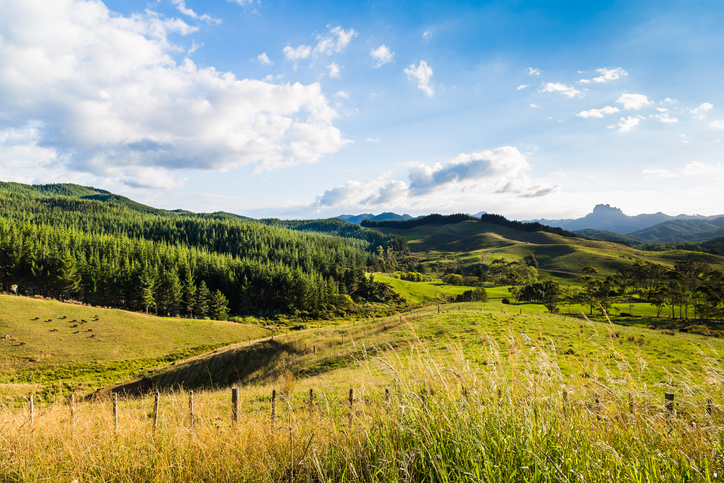
Find out more about tree farming for carbon credits.
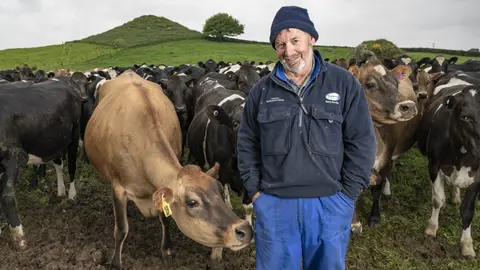
Meet the Waikato dairy farmers using their numbers to cut emissions and stay profitable.

Learn how trees improve farming in East Otago and support timber production.