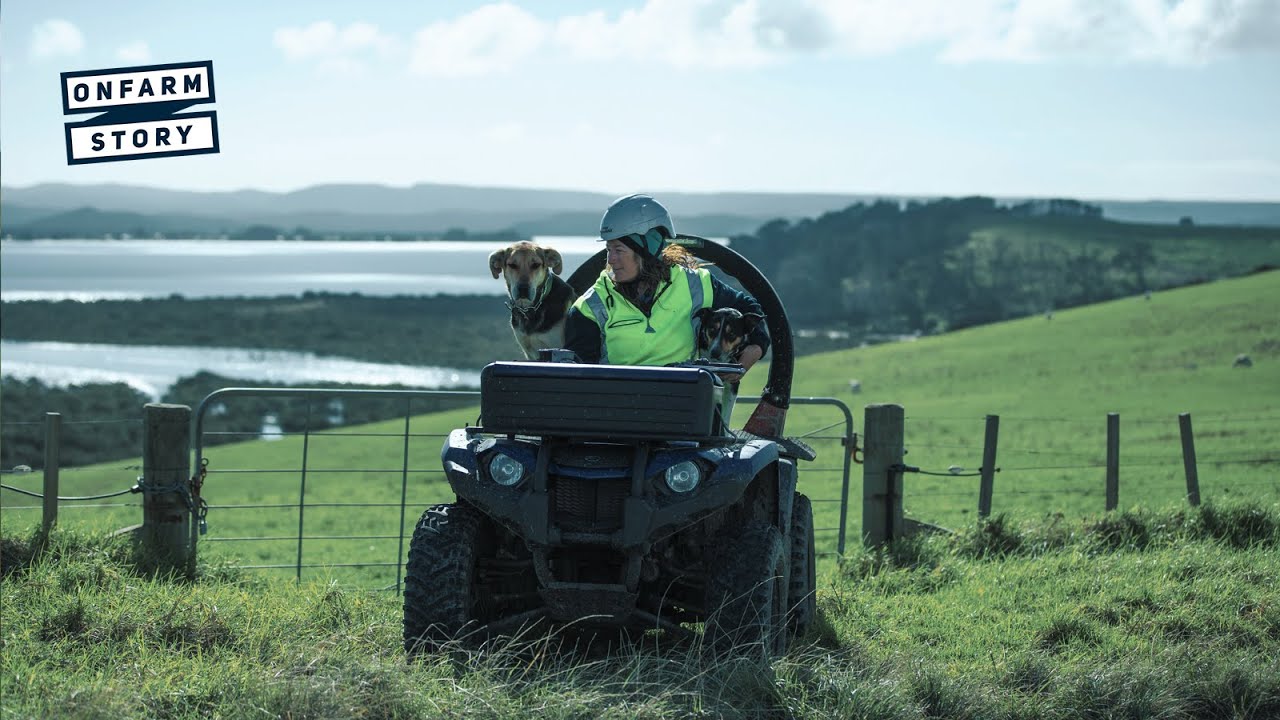
Environment First – Forestry, Sheep and Beef Farming on the Coast
Whenua
Biodiversity
Forestry
Sustainability
Learn how a Northland station manages 14,000 hectares with an environment-first approach.
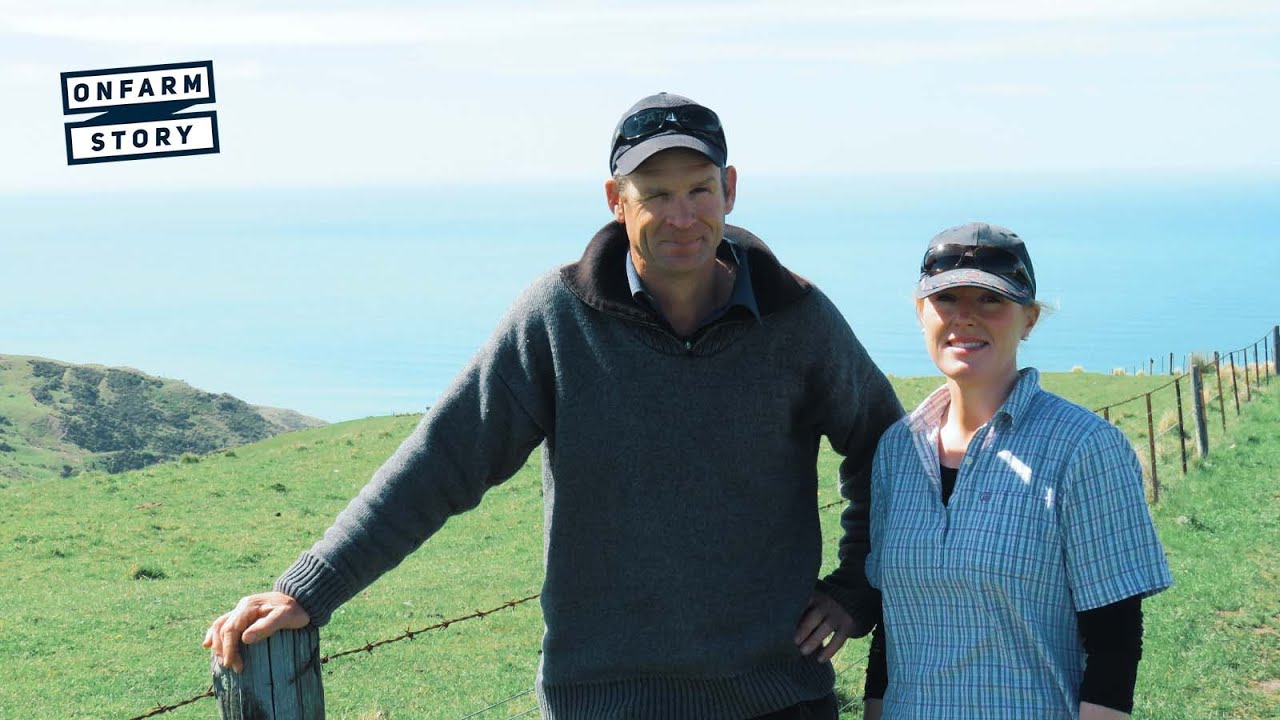
This On Farm Story video from AgriHQ follows Warrick and CeCe James, who run 1,300 hectares in the Selwyn Gorge, Canterbury, and have put 520 hectares into long-term forestry under the Emissions Trading Scheme.
The trees absorb carbon dioxide and give the couple a second income from land too steep for productive farming, alongside their sheep and beef operation. They see carbon forestry as a practical option for hill country farmers looking to use marginal land well.
Learn how a Northland station manages 14,000 hectares with an environment-first approach.
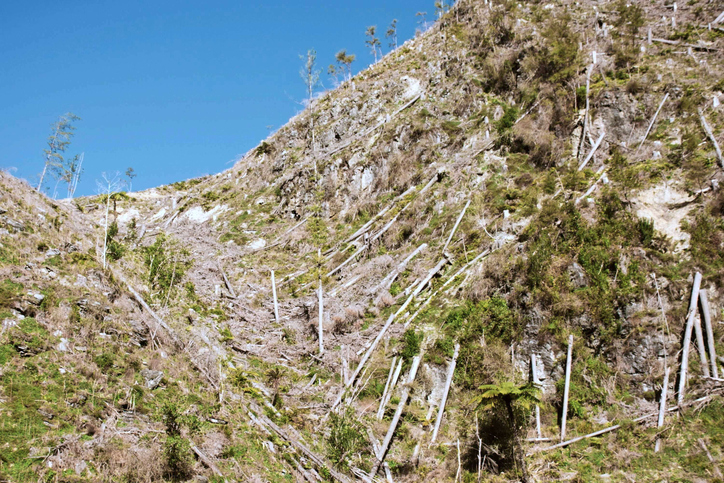
Learn how the Rutherfords use forestry for sustainable farming in North Canterbury.
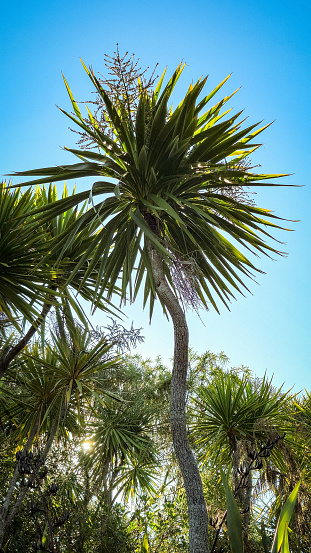
Learn how farms can use trees for carbon credits to boost income while enhancing te Taiao.
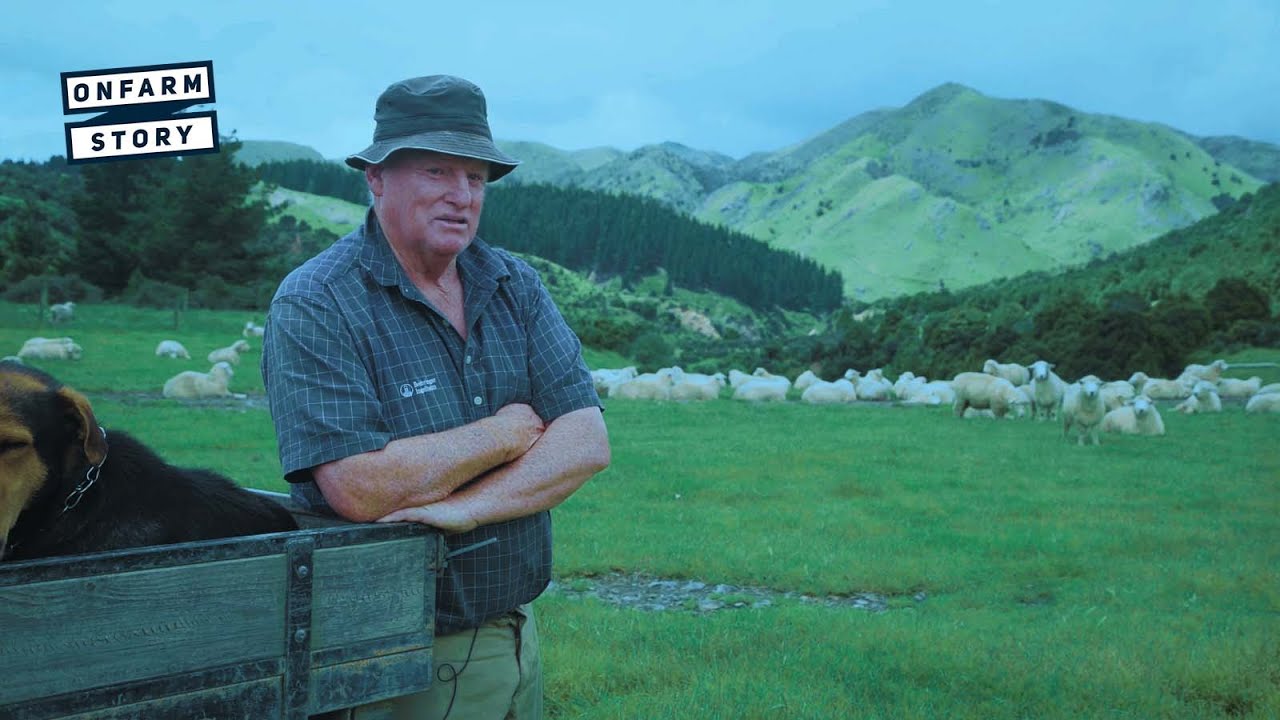
Hugh Taylor discusses how rising carbon prices affect farming and forestry decisions in Canterbury.
Meet a North Canterbury farmer calling for fairer water quality rules for sheep and beef.
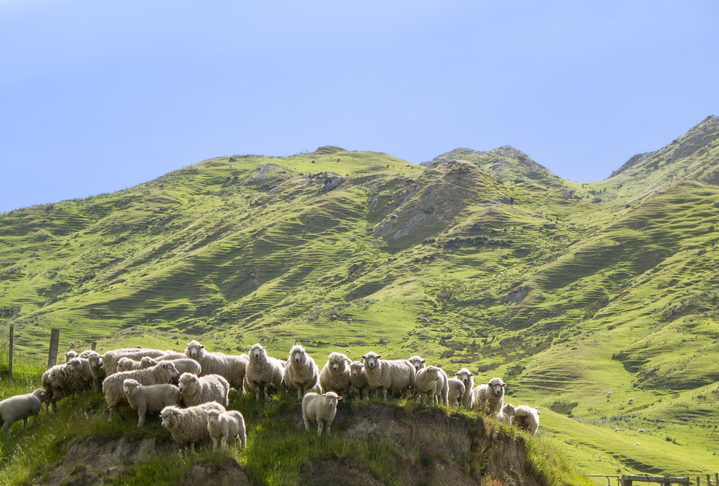
Learn about how Te Kupe Station is transforming its sheep, beef, and forestry operation to be more sustainable.
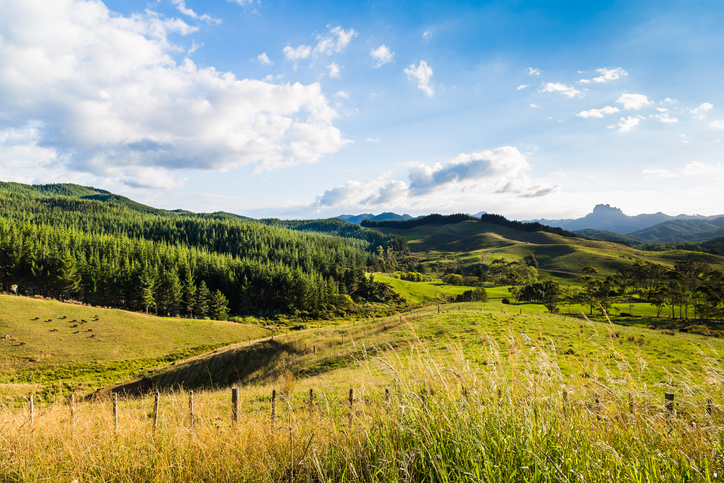
Find out more about tree farming for carbon credits.
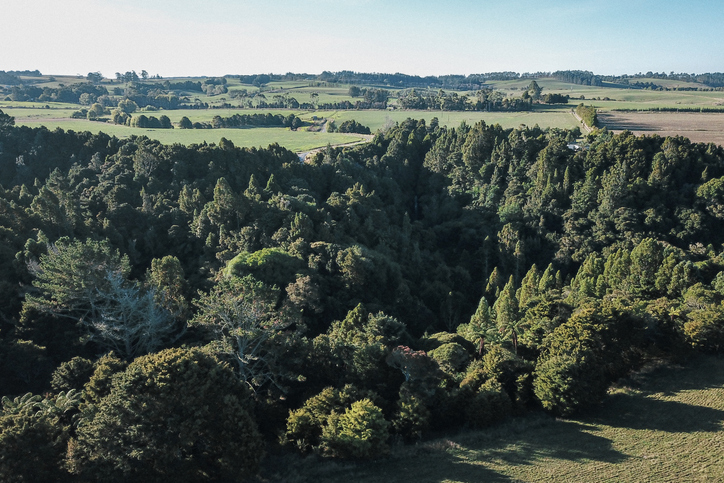
Learn how tree planting on farms can earn carbon credits in the Emissions Trading Scheme (ETS).
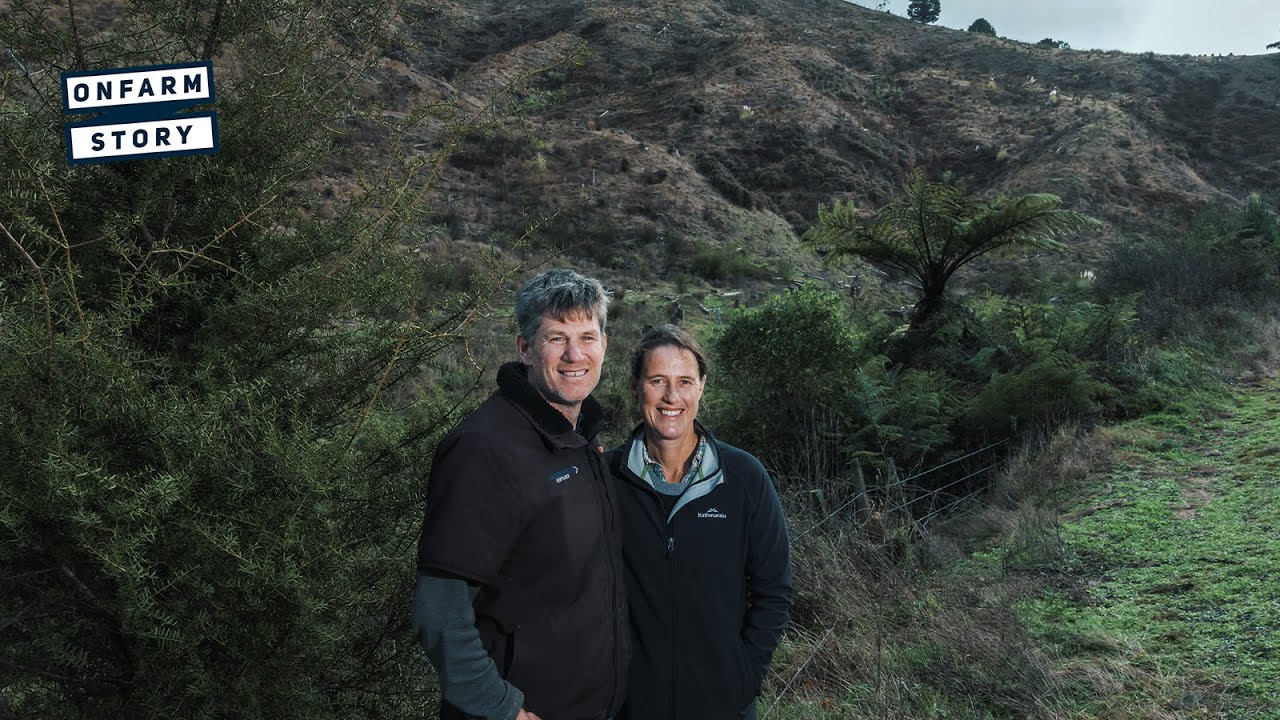
Farmers Fiona and Jon Sherlock are adapting to climate change by converting marginal land into forestry.
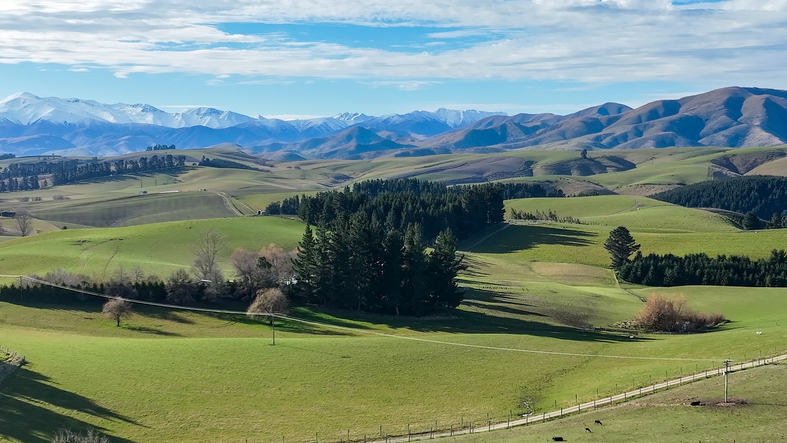
Explore how trees boost income and provide shelter on a Central Canterbury drystock farm.
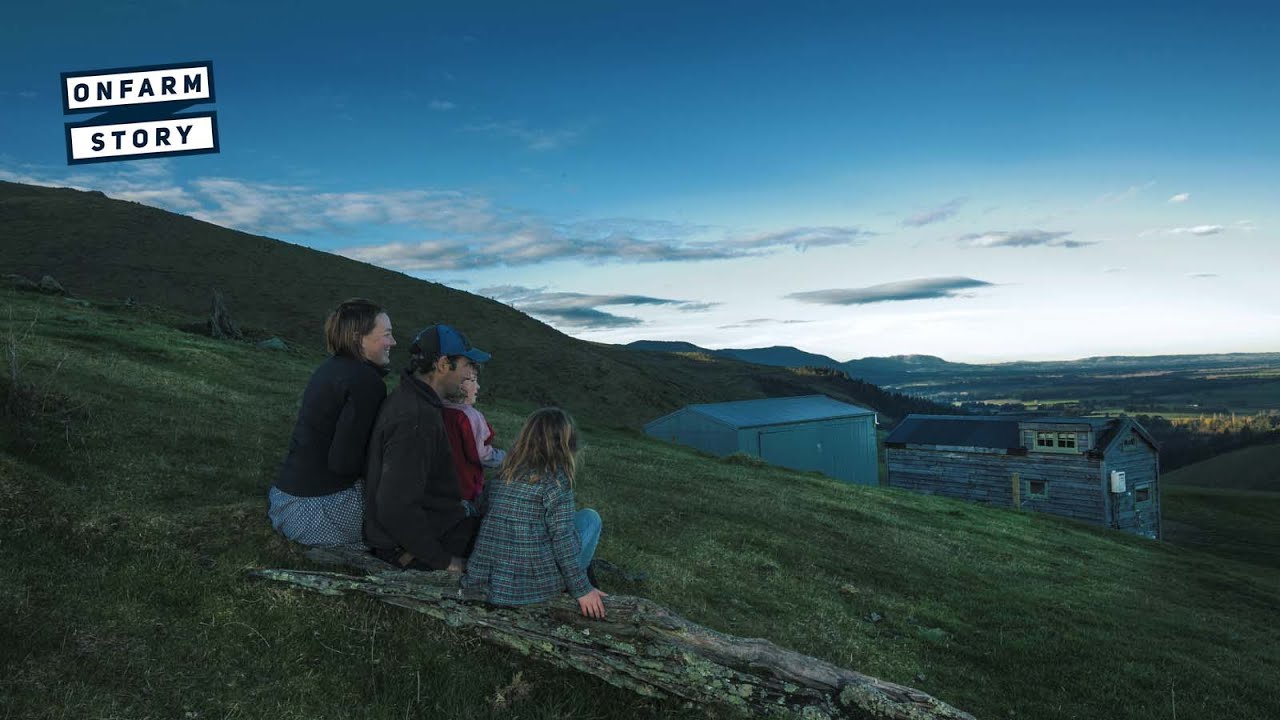
See how a sheep and beef farm built a hilltop tiny house to bring visitors onto the land.
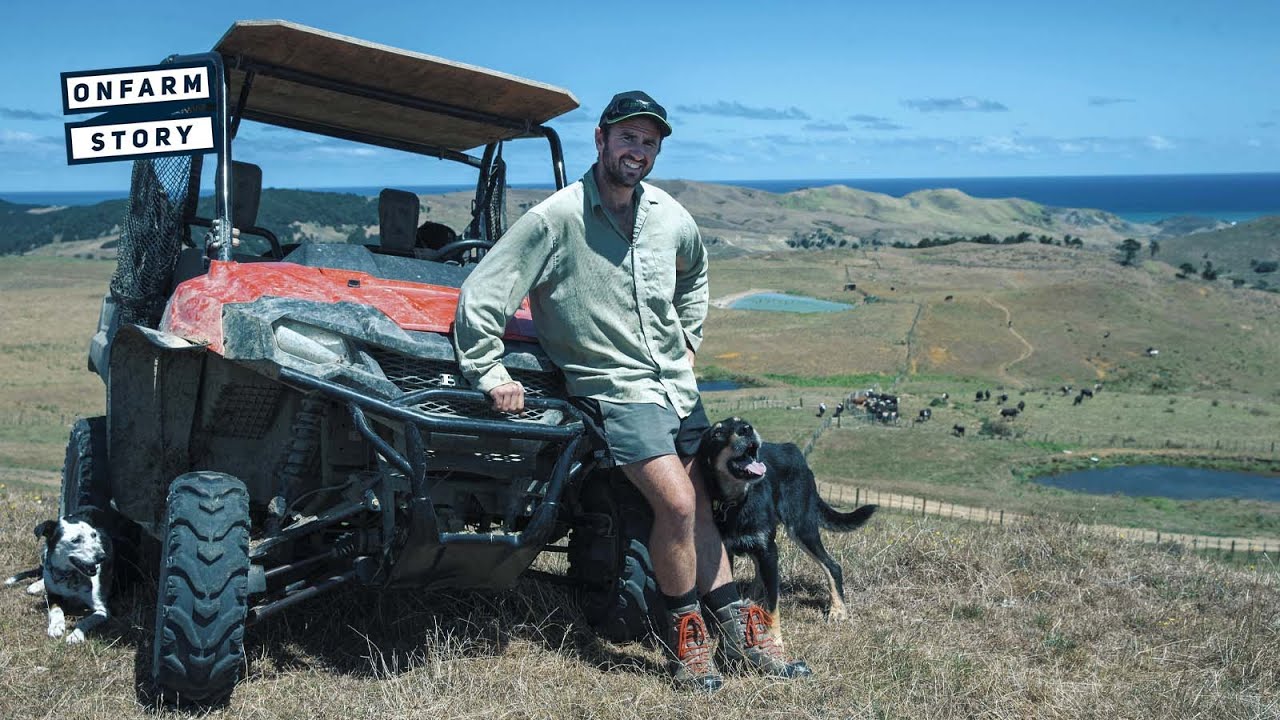
Meet a Waikato family running sheep, beef and a tepee hire business across generations.
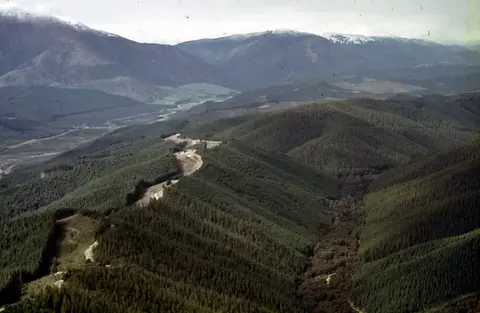
Understand the key considerations for land owners when considering entering the ETS.
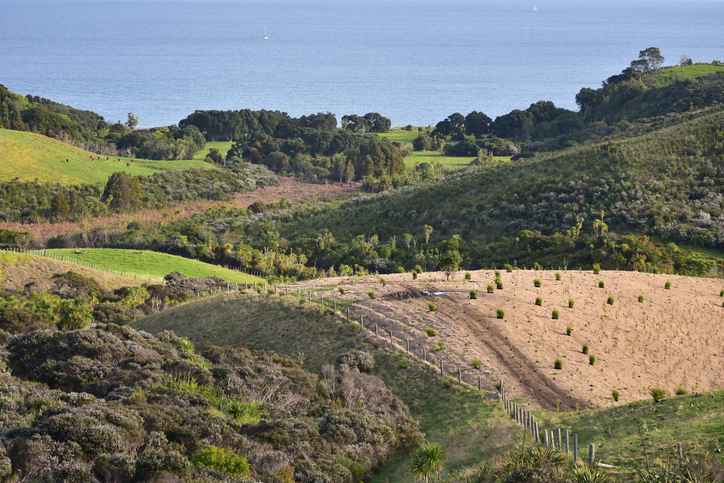
Find out how to convert marginal or depleted agricultural land into native forests for carbon farming.
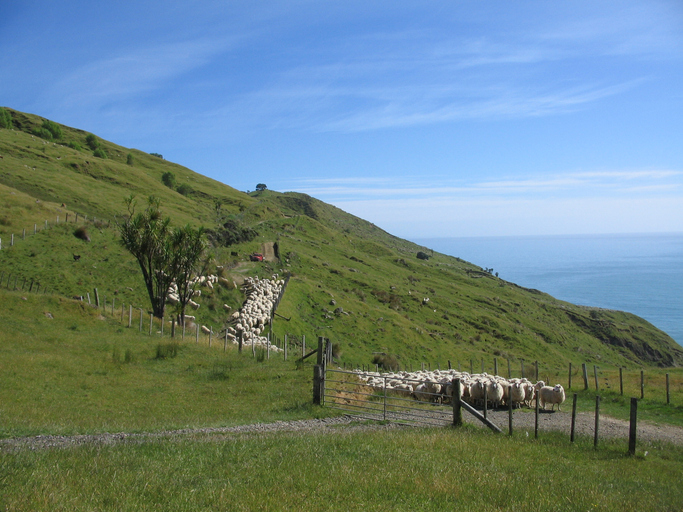
Explore how our beef and lamb farming can support wellbeing, the planet, and local communities.
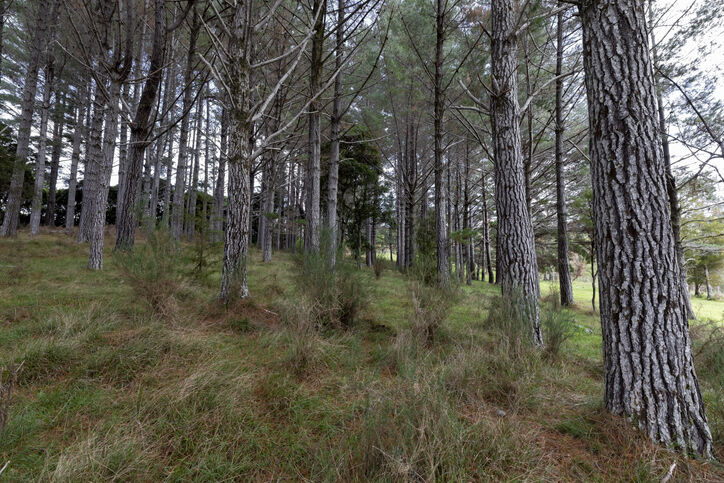
Learn about sustainable farming and forestry in North Canterbury for income and shelter.
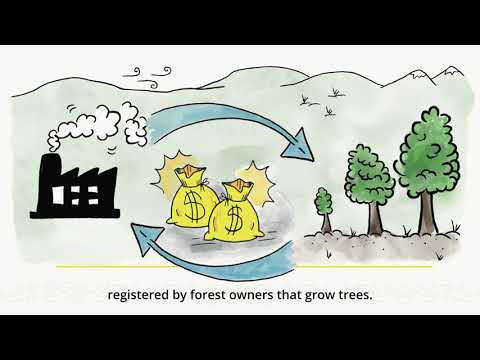
This video explains carbon farming and its benefits for Tairāwhiti’s environment and economy.
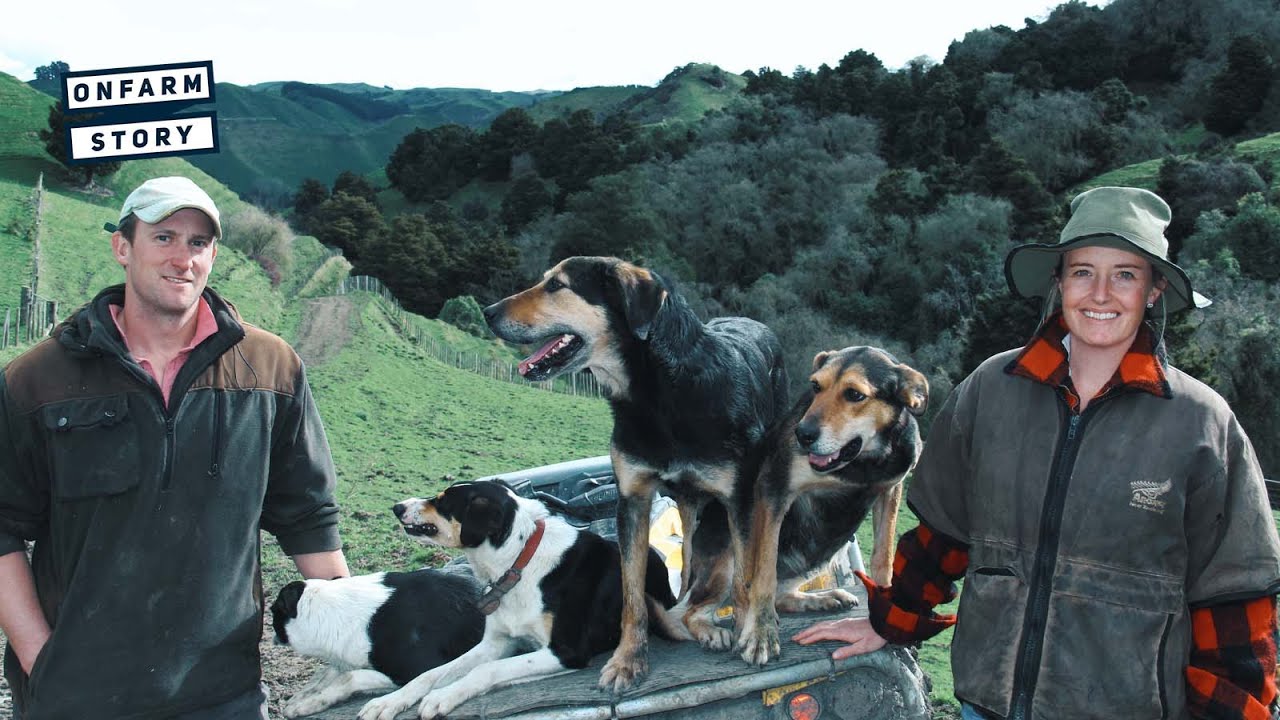
Learn how a former journalist became a Taihape sheep and beef farmer.
Explore how a Wairarapa sheep and beef farm cuts nitrogen while restoring wetlands and natives.

This study explores how different governance structures affect Māori land decisions on carbon farming.
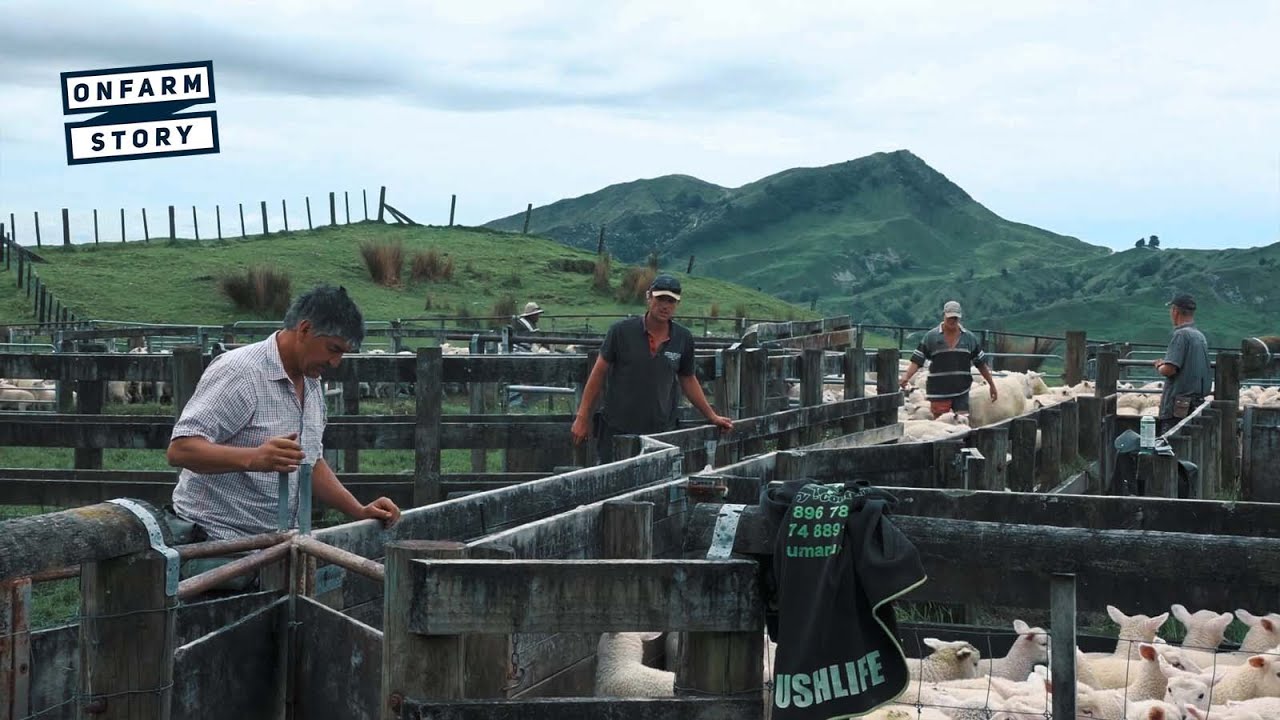
See how a Gisborne training programme teaches young people real farm skills.
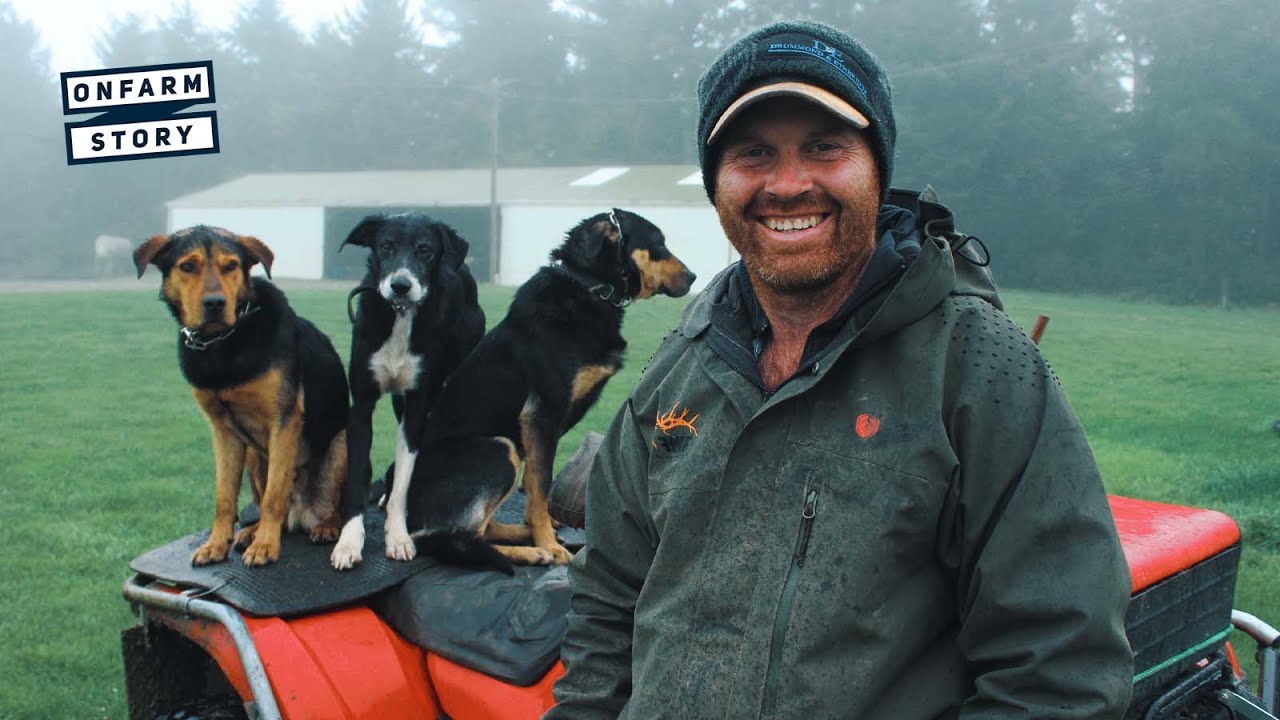
The McNaughton's share their manaaki whenua, manaaki tangata farming philosophy.
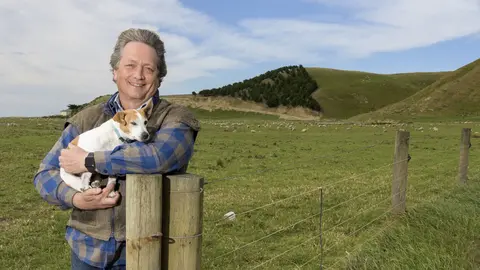
Learn how a Wairarapa coastal station cut net emissions while lifting lambing and profit.