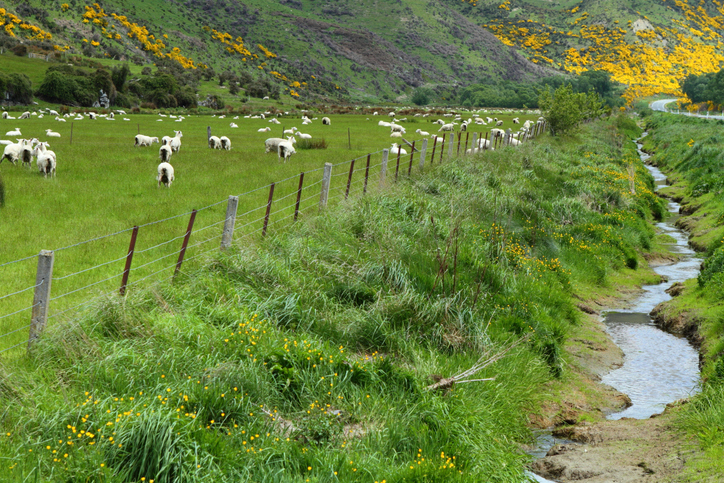
Freshwater farm plans
Whenua
Planning
Policy
Water
Get guidance for creating freshwater farm plans to improve freshwater outcomes in your catchment.
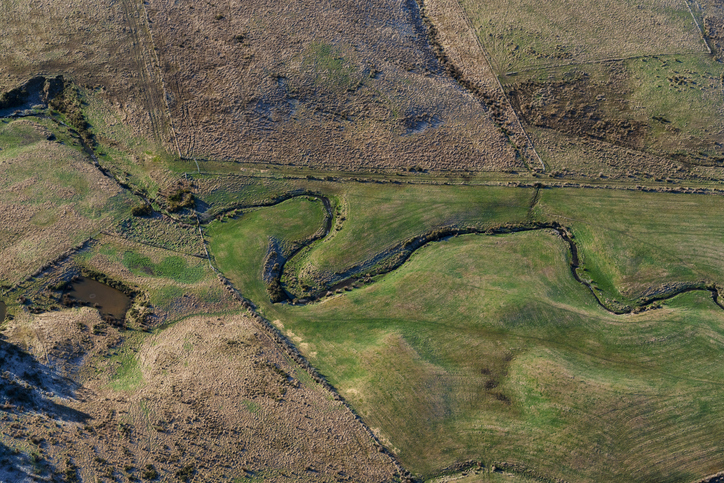
Freshwater farm plans (FWFPs) are tools designed to protect and improve the quality of freshwater on farms. They are required for farms above certain sizes, like those with 20 hectares in arable or pastoral use. Each plan is unique and helps farmers identify risks to their waterways and actions to reduce these risks.
Common issues in Northland include high levels of sediment and E. coli. By preparing for FWFPs now, farmers can address these problems, such as fencing off waterways to keep stock out. Support and funding options are available to help with environmental improvement.
Get guidance for creating freshwater farm plans to improve freshwater outcomes in your catchment.
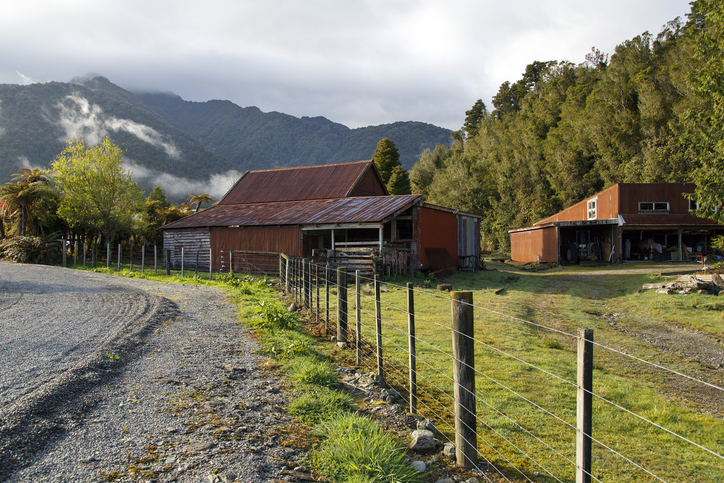
Find essential tools and resources for dairy farming and freshwater management on the West Coast.
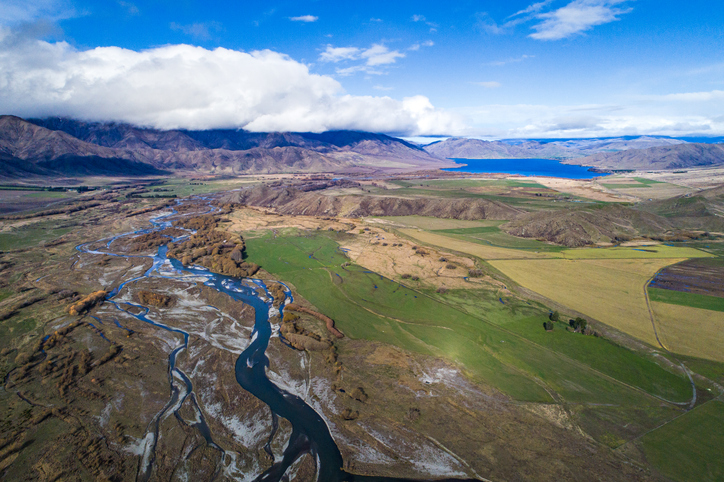
Learn about Te Mana o te Wai and its role in managing New Zealand's freshwater resources.
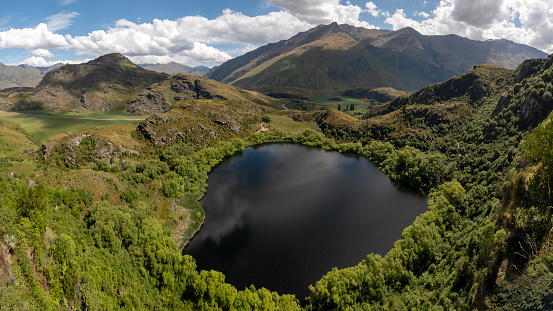
Explore how land use changes affect water quality and nitrogen, phosphorus loads.
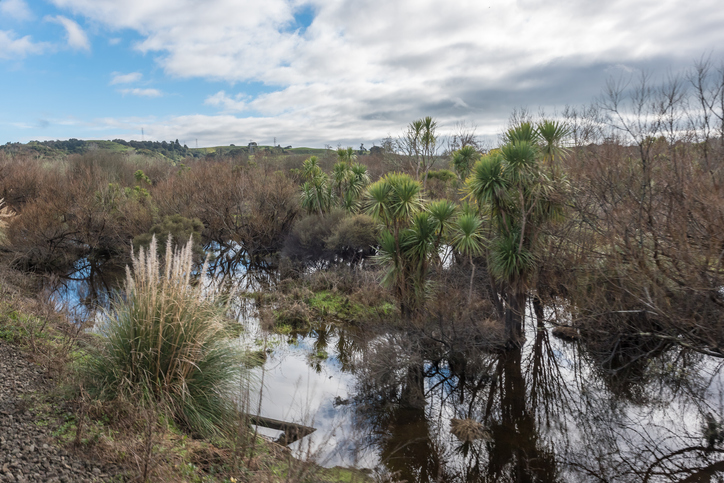
Learn how constructed wetlands treat farm runoff by removing sediment, nitrogen, and phosphorus.
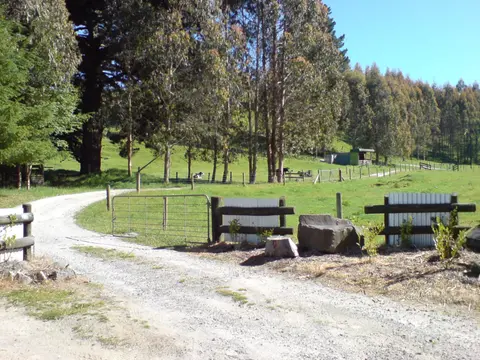
A guide to integrated farm planning principles and support for farmers in Aotearoa.
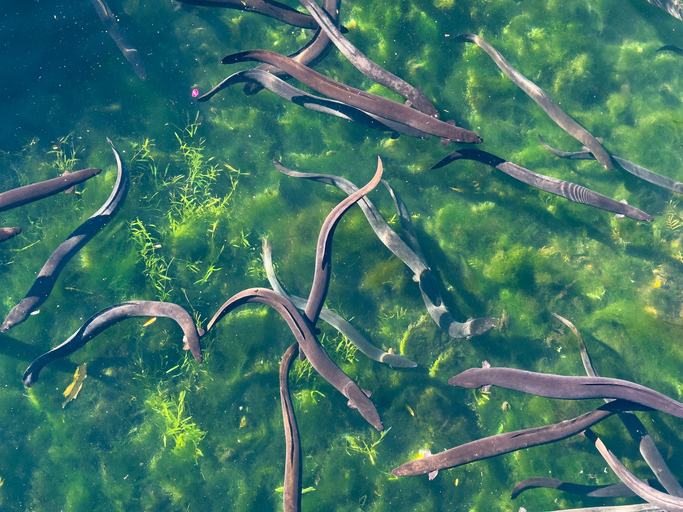
Learn to protect and improve freshwater ecosystems with practical guidance and planning tips from Beef and Lamb.
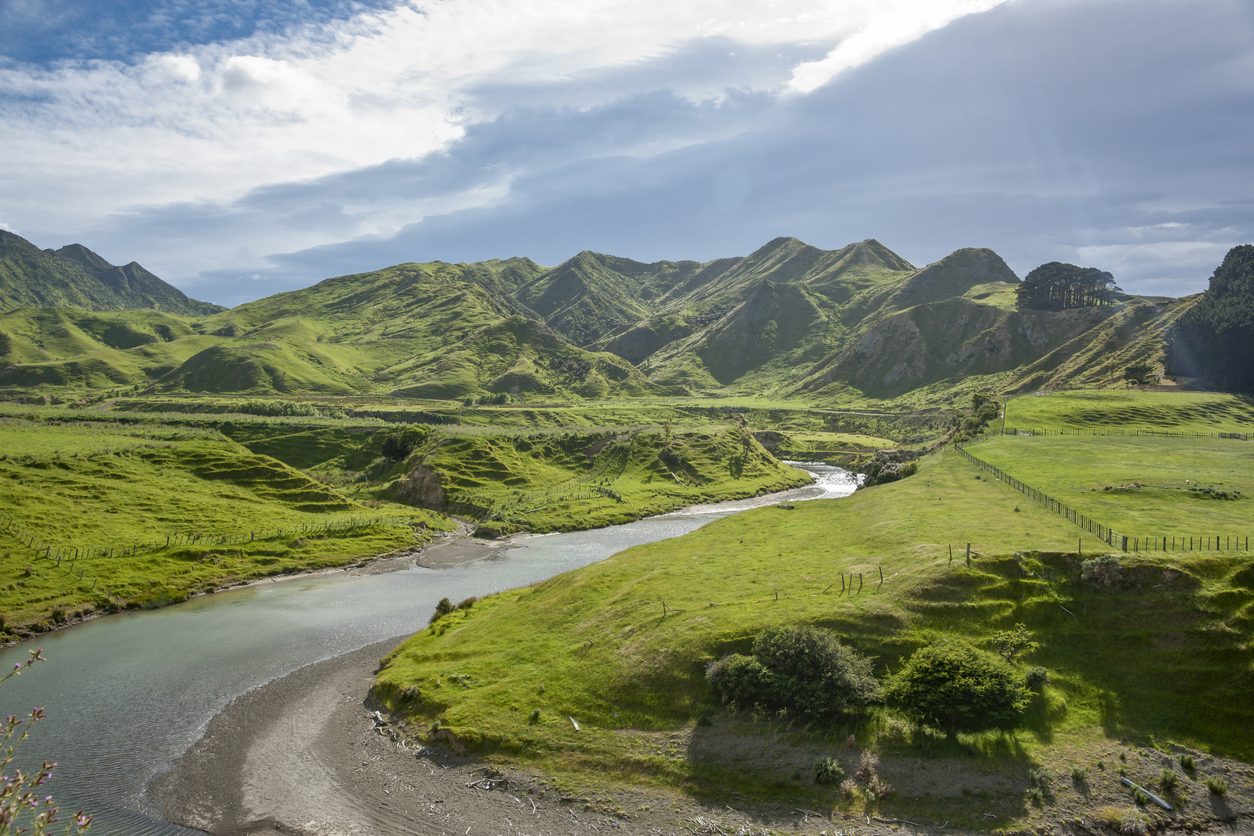
Get guidance on creating farm plans to protect freshwater in the Wellington Region.
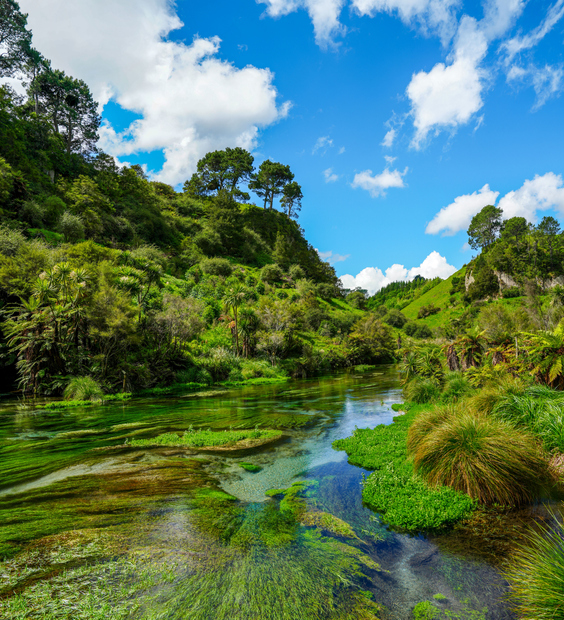
Read the report behind Aotearoa's freshwater E. coli, sediment and nutrient maps.

Get guidance on preparing a funding application for your Māori land trust.
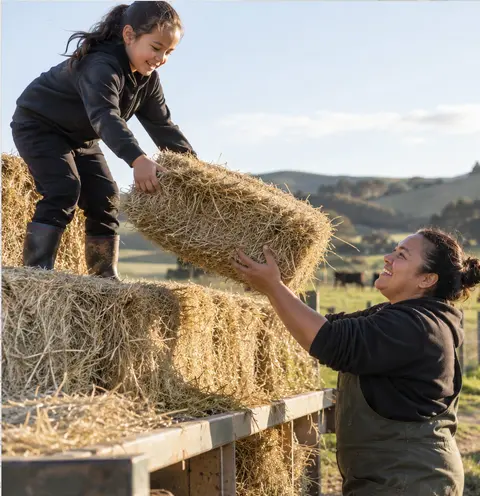
Plan for your farm team's wellbeing, safety and employment.
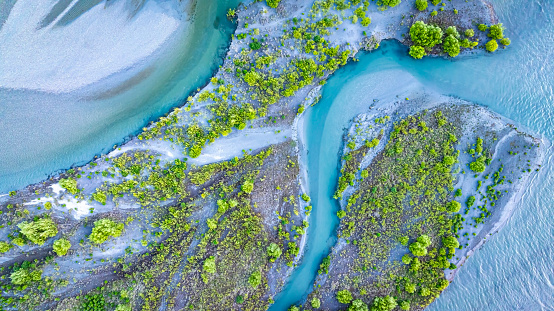
Compare E. coli levels in your local rivers against national bottom lines.
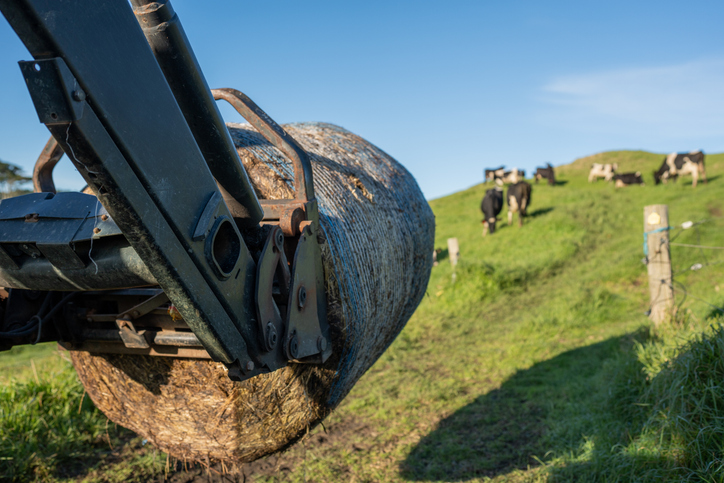
Get your head around the basics of farm planning.
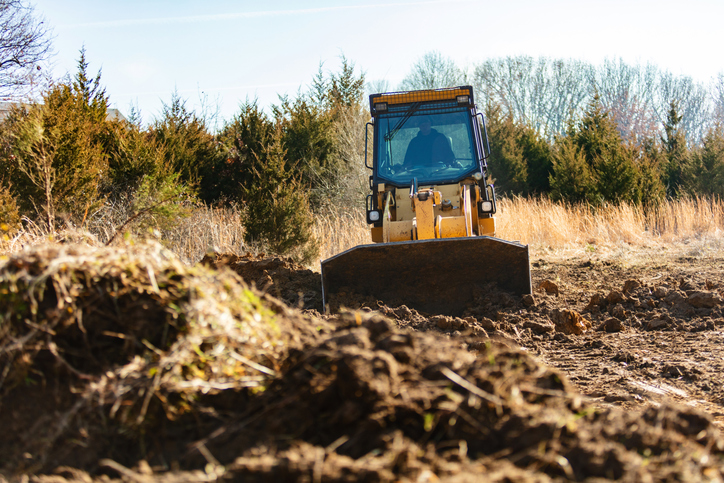
This resource details how to manage the impacts of earthworks on land and water quality, focusing on regulations and best practices.
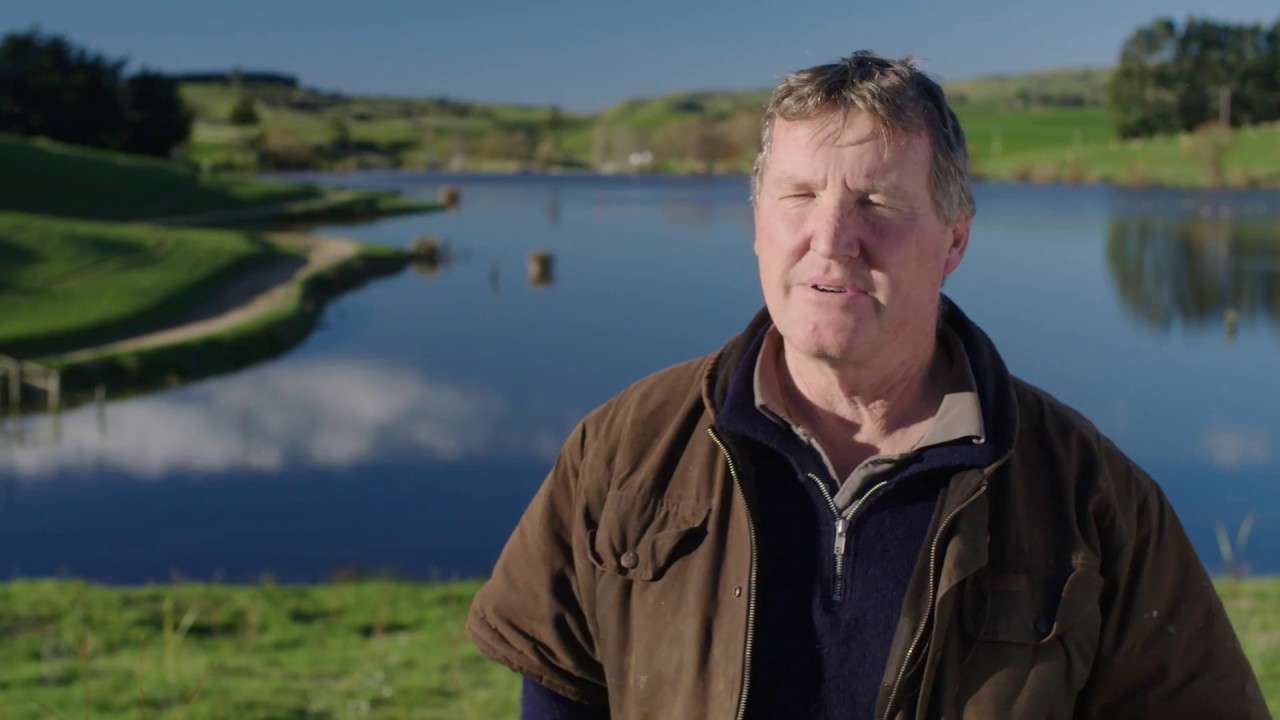
David Blackwood shares how he's using fencing and planting to improve water quality on his Wairarapa family farm.
The Hawke's Bay Farmers Hub offers support and resources for Hawke's Bay farmers and land owners.
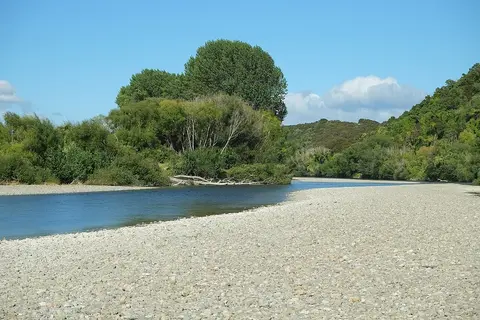
Learn how whaitua committees set the direction for freshwater in Wellington.
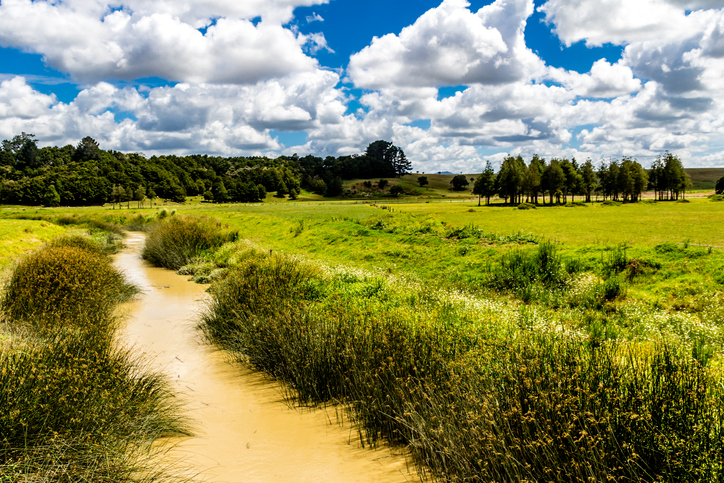
Check the E. coli runoff risk score for land in your rohe or catchment.
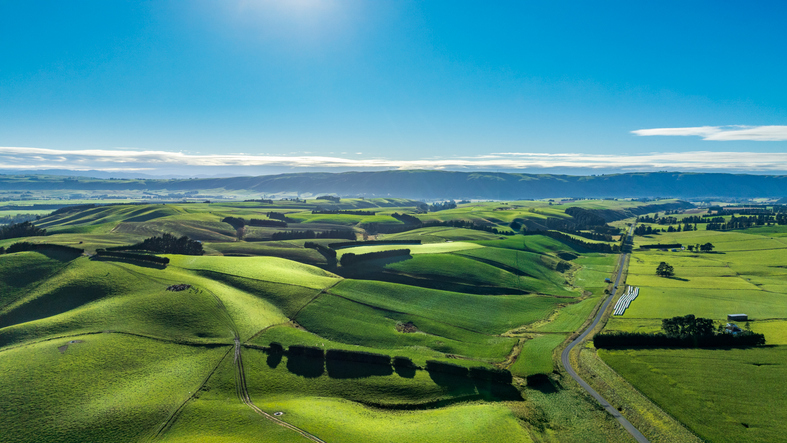
Get help to plan for climate change impacts on your whenua.
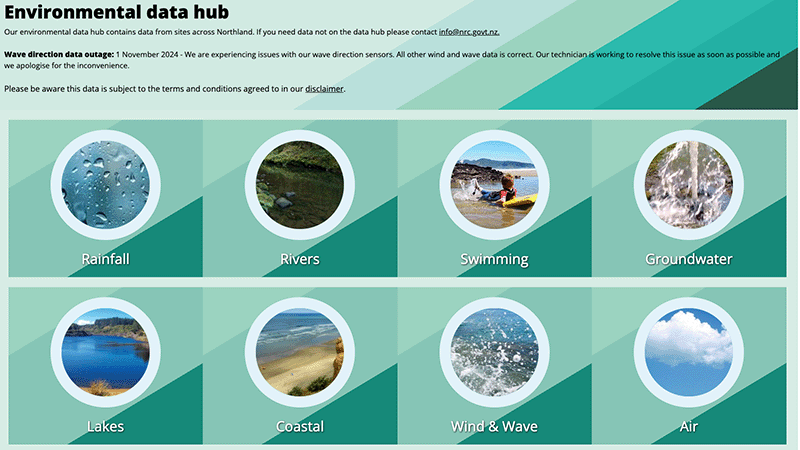
Access diverse environmental data from Northland, including air, water, and rainfall quality.

Learn how to take a whole-of-farm approach to your planning and decision-making.
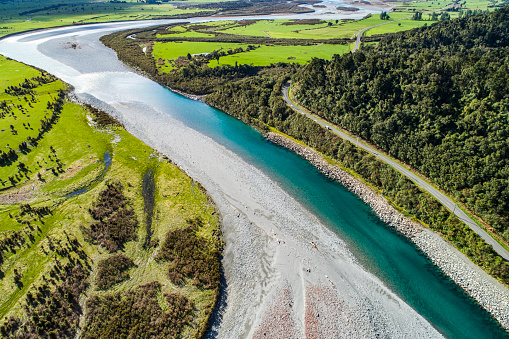
Learn how to plant trees along waterways to improve freshwater outcomes.
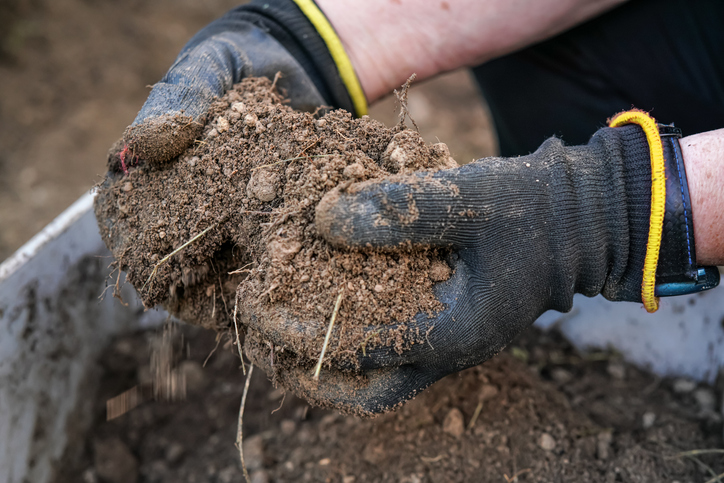
Learn about soil's role in farming and improve soil management for better production.