A review of the potential of nitrification inhibitors DMPP and nitrapyrin to reduce nitrous oxide emissions following urine deposition in grazed pastures
This research reviews how nitrification inhibitors can cut nitrous oxide emissions in pastures.
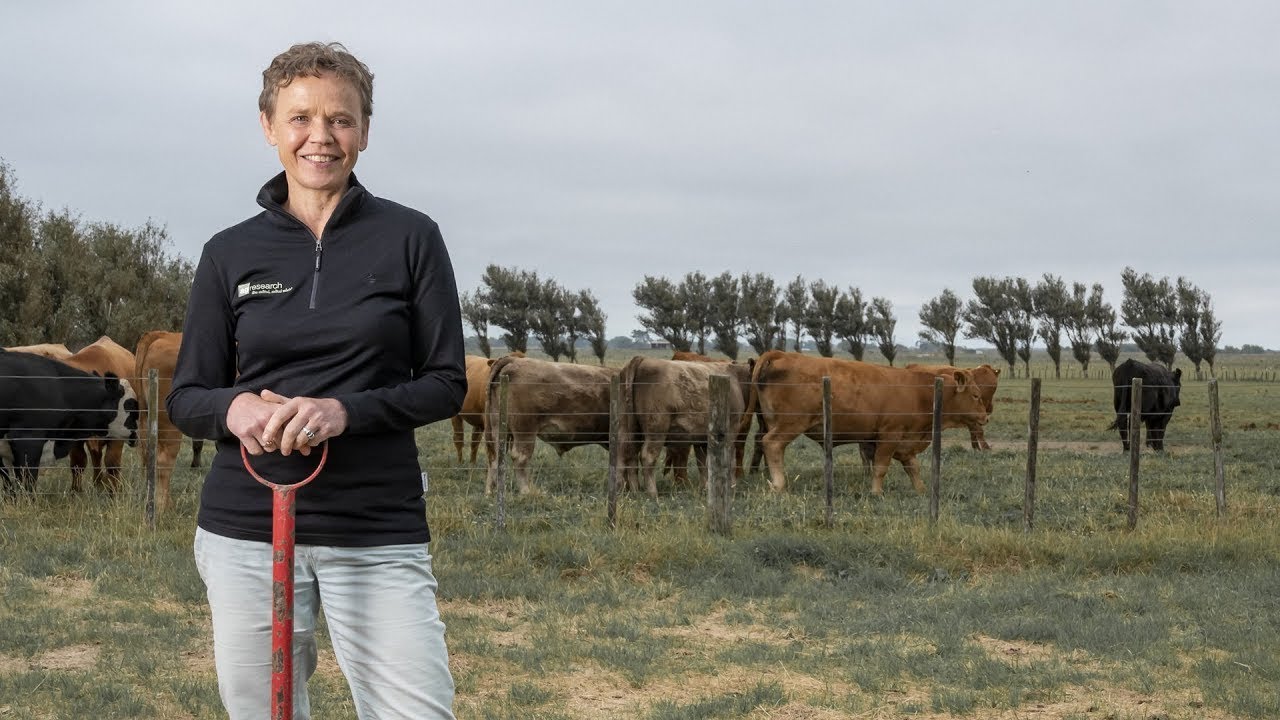
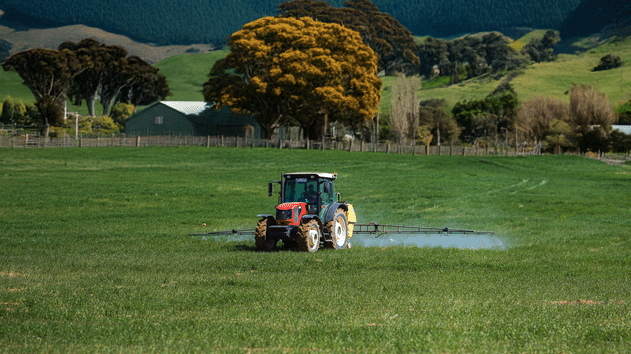
Gibberellins are natural plant hormones that help boost pasture growth. They can increase the amount of dry matter produced, especially in spring and late summer. Applying gibberellins instead of nitrogen fertiliser can reduce nitrous oxide emissions, a harmful greenhouse gas.
Studies show that using gibberellins can cut these emissions by 5-6% on dairy farms. They also lower the nitrogen concentration in pasture without affecting quality. This means less nitrogen ends up in urine, which helps protect waterways.

Learn how to reduce farm emissions by improving animal performance and adjusting stocking rates.

Learn how you can reduce your greenhouse gas emissions while staying profitable.

Learn how dairy farmers in New Zealand can reduce greenhouse gas emissions effectively.

Learn how to manage greenhouse gas emissions on your farm.

Research about reducing greenhouse gas emissions on Māori farms in New Zealand.

Research into different ways to reduce greenhouse gas emissions from New Zealand agriculture.

A science and mātauranga Māori based plan to reduce our agricultural greenhouse gas emissions.

The science behind agricultural methan, nitrous oxide emissions, and climate change.

Learn about methane in agriculture and how NZ ag researchers are trying to reduce emissions.

Get guidance on reducing emissions on your fairy farm.

Explore ways to boost soil carbon through diverse plants, better grazing, and smart irrigation.

Learn how sheep and beef farms can reduce greenhouse gas emissions and improve profits.