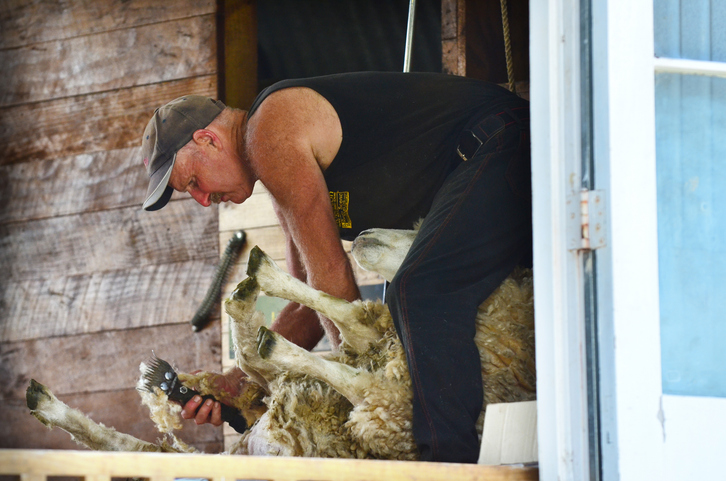
Farm types: Sheep & beef
Climate
Emissions reduction
Greenhouse gas
Sheep and beef
Sustainability
Learn how sheep and beef farms can reduce greenhouse gas emissions and improve profits.
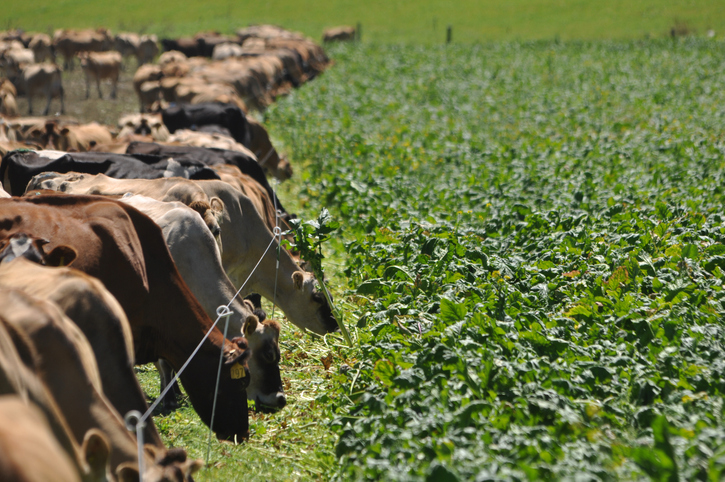
This resource discusses low-emission feeds for livestock in New Zealand. It looks at the effectiveness and limitations of feeds like forage rape, fodder beet and plantain that have shown promise in the reduction of methane and nitrogen emissions. It also evaluates how variables in diet and farming conditions can impact effectiveness, and how careful management is essential to avoid trade-offs between different greenhouse gases.
Learn how sheep and beef farms can reduce greenhouse gas emissions and improve profits.
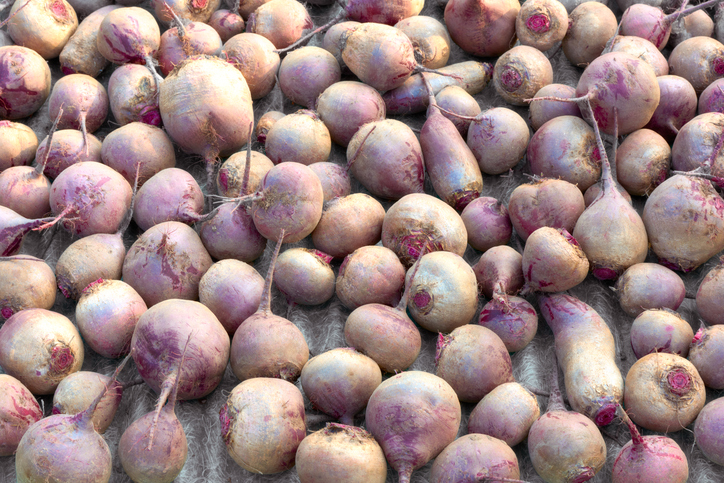
Research into different ways to reduce greenhouse gas emissions from New Zealand agriculture.
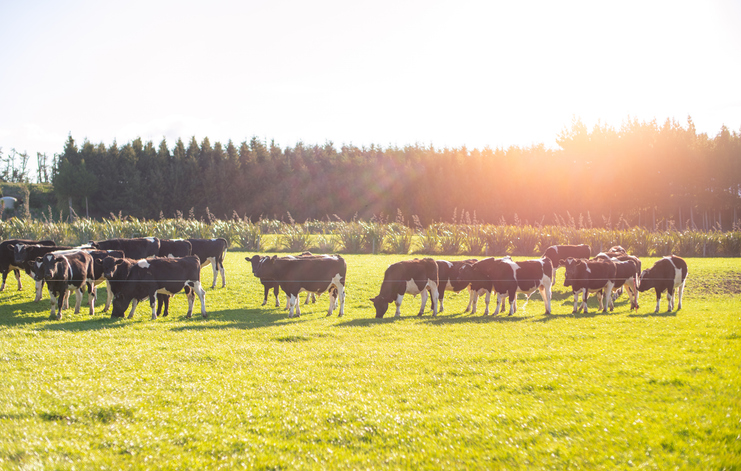
Learn about different on-farm solutions for reducing greenhouse gas emissions from dairy farms.
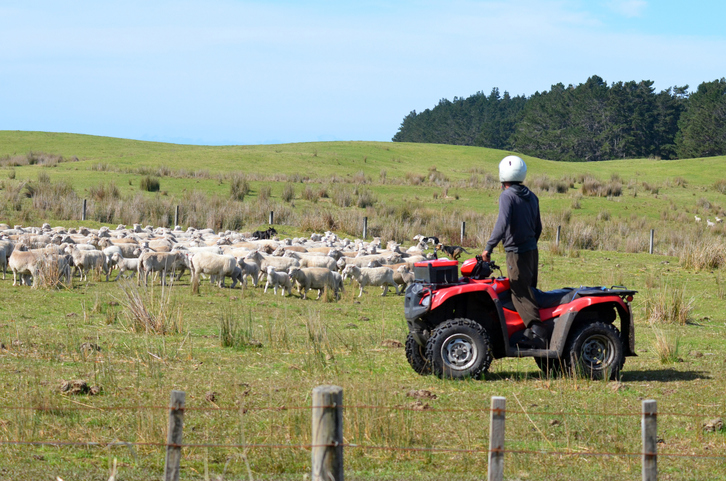
This resource outlines methods to reduce agricultural greenhouse gas emissions in New Zealand.
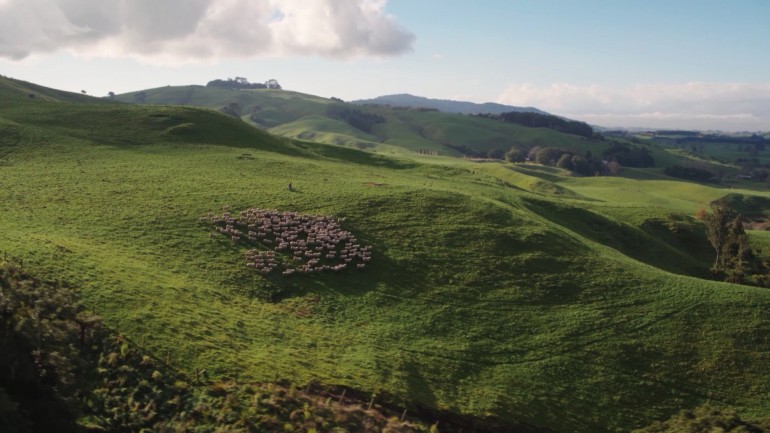
Learn ways to lower greenhouse gas emissions on your farm with practical steps and tips.
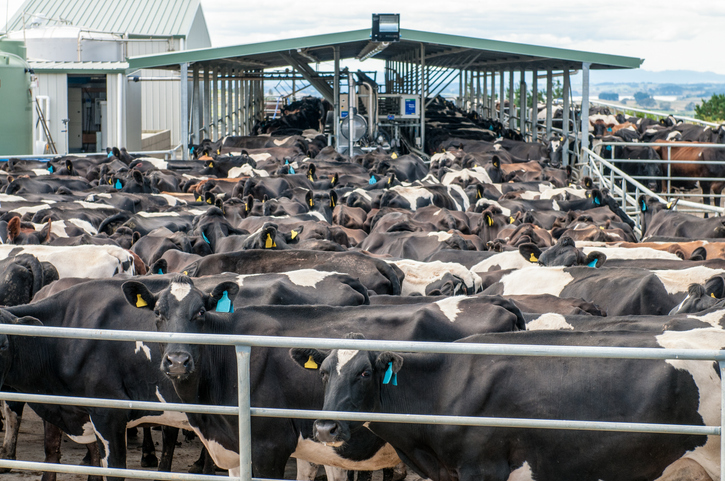
Learn about dairy farm emissions, their impacts, and ways to reduce them without affecting your profitability.
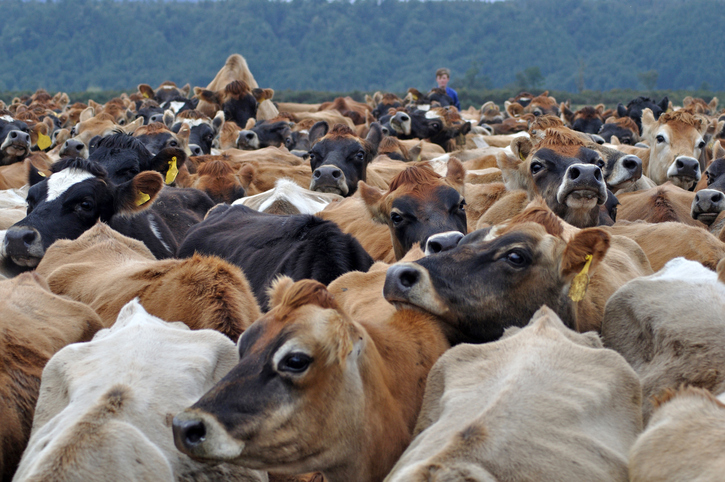
Learn how dairy farmers in New Zealand can reduce greenhouse gas emissions effectively.
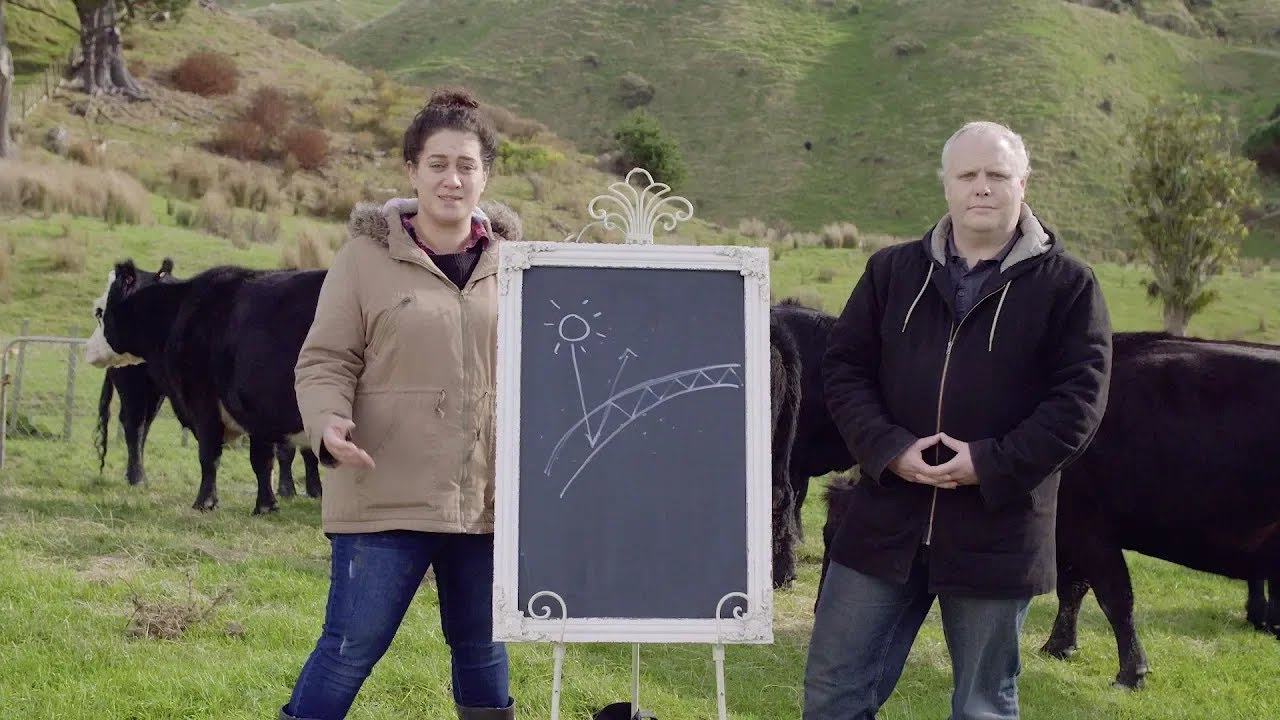
Learn how human actions change our climate and impact farming through greenhouse gases.
Factsheets about farm greenhouse gas emissions, feeds, methane control, soil carbon, and more.
Explore how Owl Farm has lowered nitrogen fertiliser use and modelled nitrogen loss.
This guide offers key biosecurity practices for drystock farms in Aotearoa

Learn about methane in agriculture and how NZ ag researchers are trying to reduce emissions.
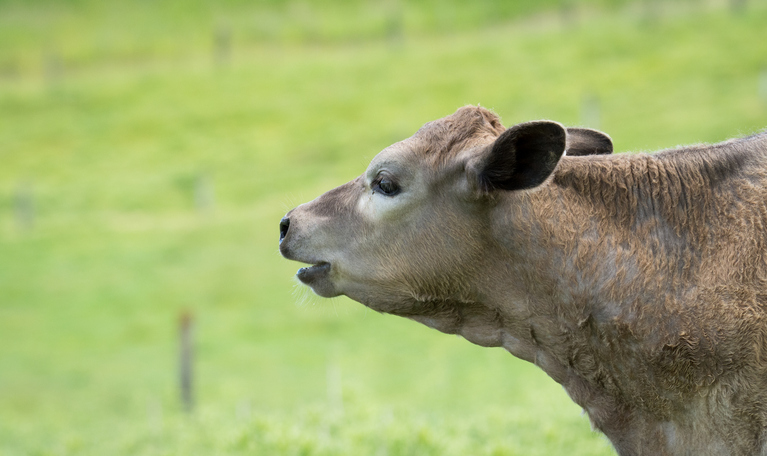
This resource discusses methane inhibitors to reduce greenhouse gas emissions from agriculture.
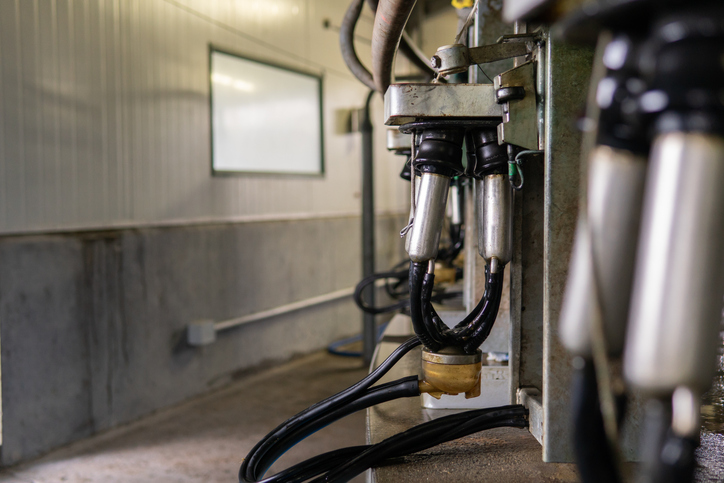
Find out about a no-cost method to reduce your dairy farm's greenhouse gas emissions.
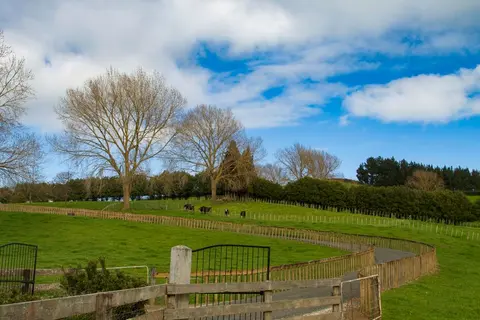
Learn how Owl Farm cut biological greenhouse gas emissions over a ten year period.
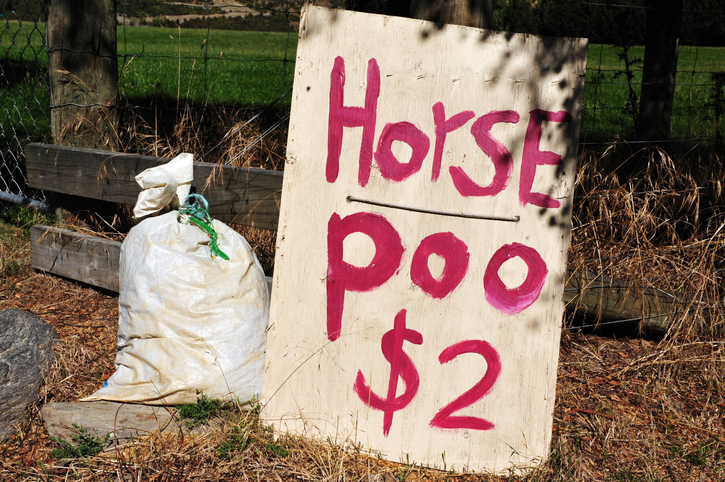
Understand different manure storage options to reduce methane emissions on livestock farms.
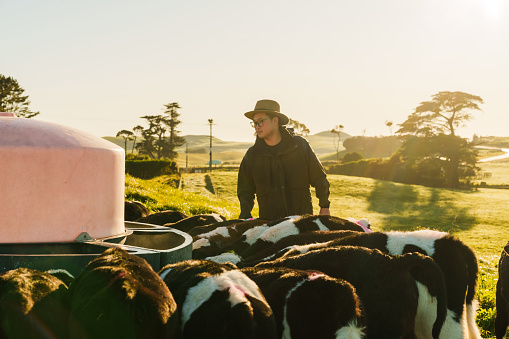
Explore new technologies for reducing on-farm greenhouse gas emissions from your farm.
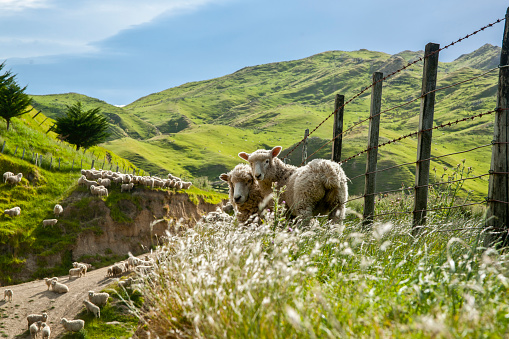
Learn how to reduce farm emissions by improving animal performance and adjusting stocking rates.
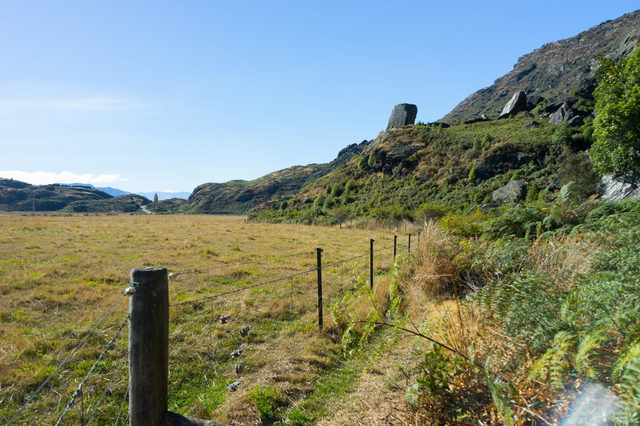
Learn how farm type and land structure influences GHG emissions on Māori farms.
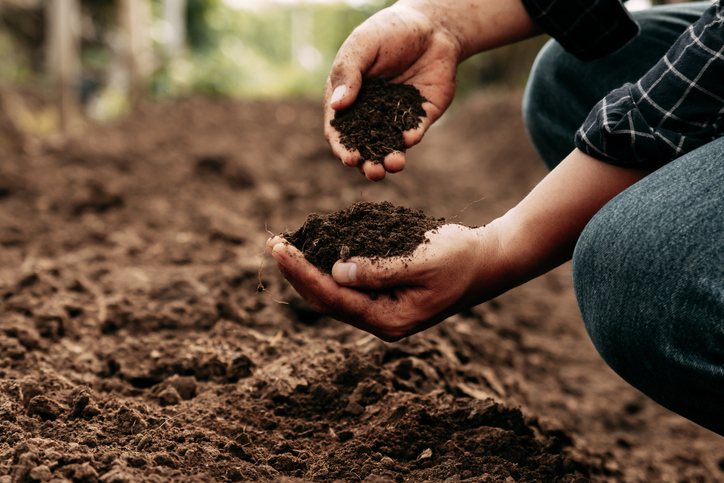
Research assessing the greenhouse gas emissions impacts of different types of feed.
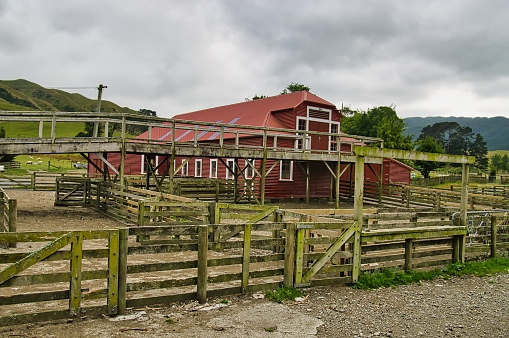
Learn how winter housing can reduce greenhouse gas emissions from livestock.

Research about how livestock farms in Aotearoa manage droughts.
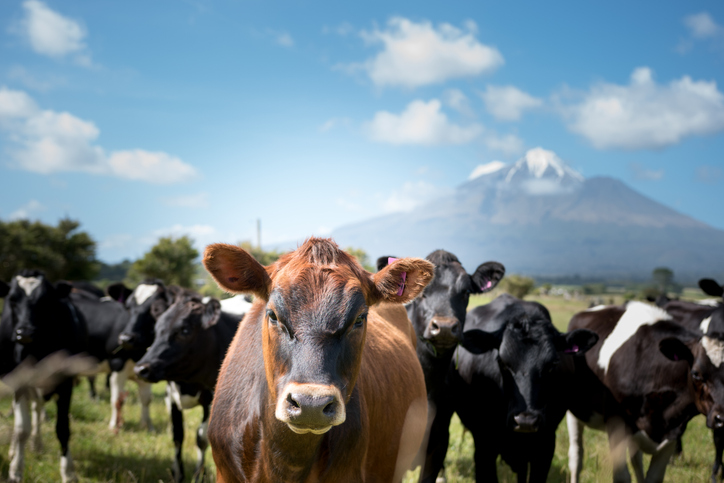
Agriculture in Aotearoa faces emission challenges but has tools to stay competitive globally.