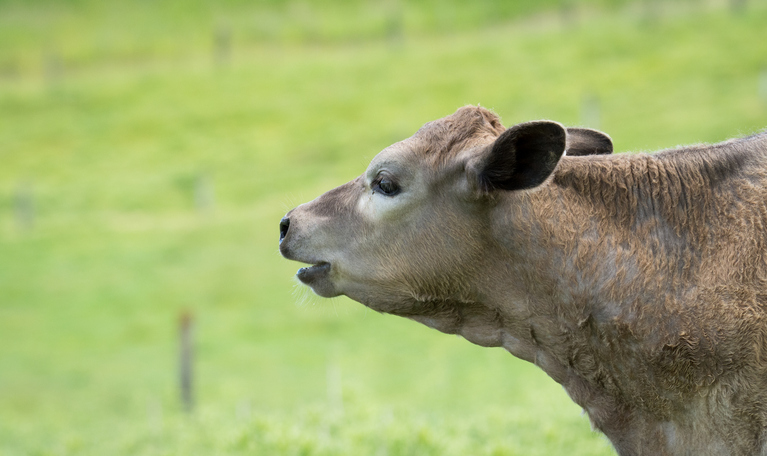
Methane inhibitors
Climate
Agritech
Emissions reduction
Greenhouse gas
Innovation
Livestock
Methane
This resource discusses methane inhibitors to reduce greenhouse gas emissions from agriculture.
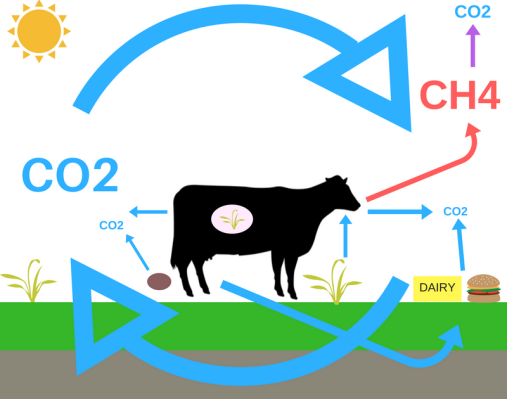
This guide explains how livestock grazing affects the carbon cycle by consuming grass, which recycles carbon back into the atmosphere through respiration, exhalation, and manure. While this process is a closed cycle, ruminant animals also produce methane, contributing to climate change. Understanding these dynamics is vital for sustainable farming.
This resource discusses methane inhibitors to reduce greenhouse gas emissions from agriculture.
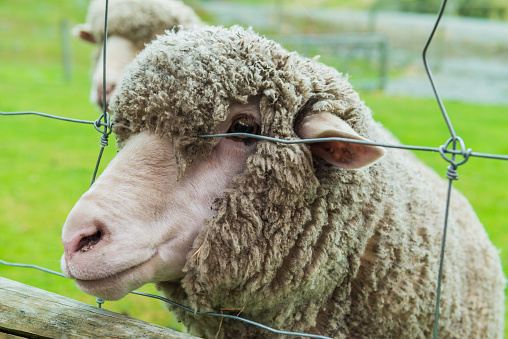
A report on New Zealand's livestock methane emissions and their impacts.
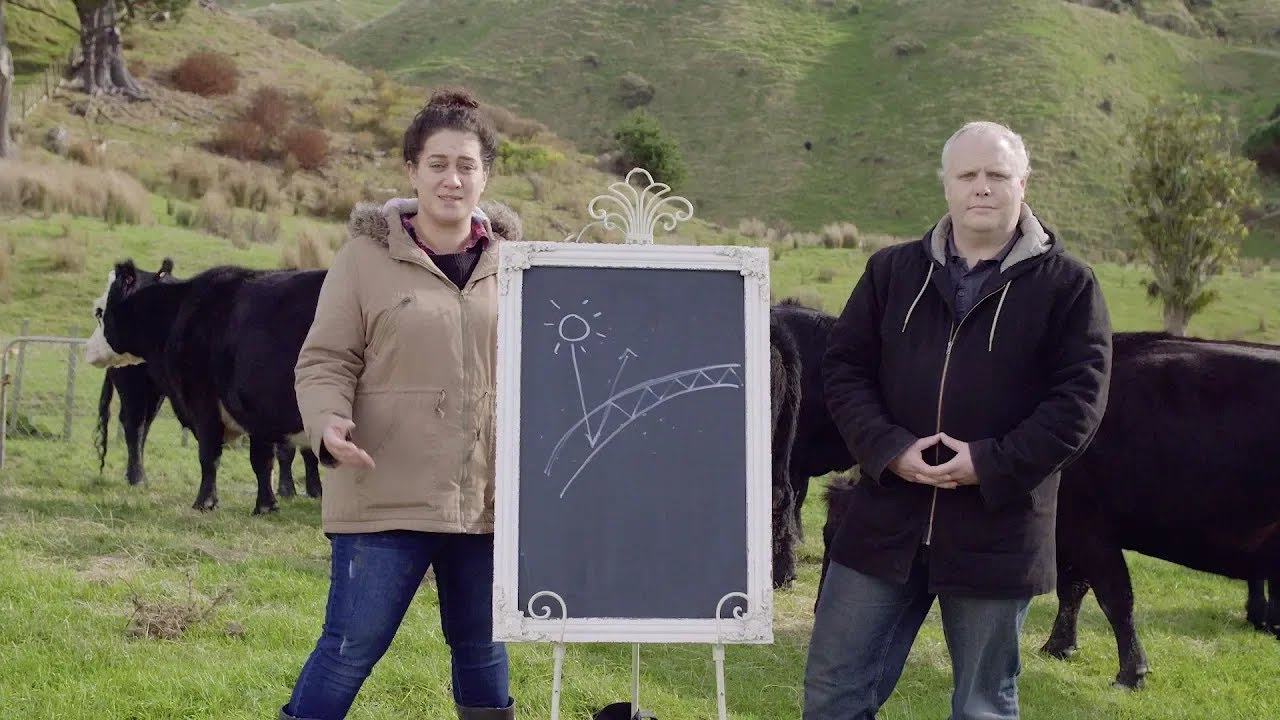
Learn how human actions change our climate and impact farming through greenhouse gases.
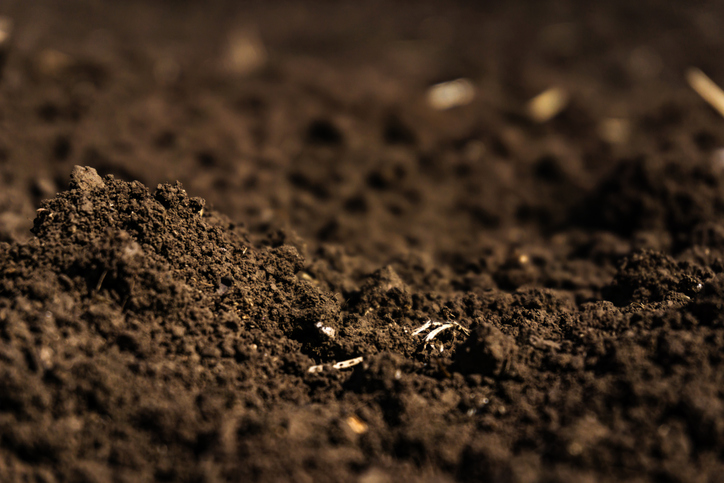
Learn how soil carbon impacts climate change and things you can do on your farm to offset your emissions.
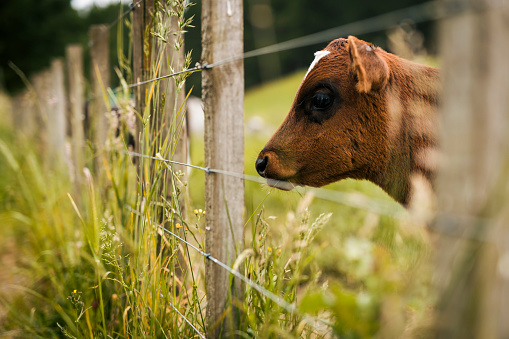
Factsheets about farm greenhouse gas emissions, feeds, methane control, soil carbon, and more.
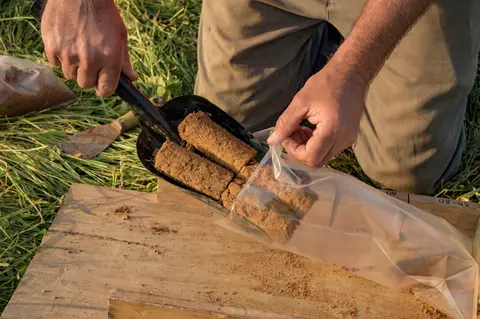
Follow the science of how carbon builds up in soil, and why NZ's stocks are unusually high.
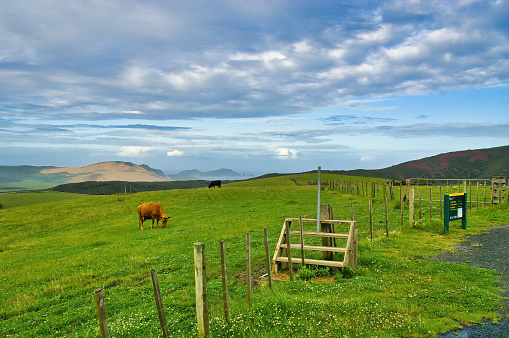
Learn about reducing methane emissions on your farm.

Learn about methane in agriculture and how NZ ag researchers are trying to reduce emissions.
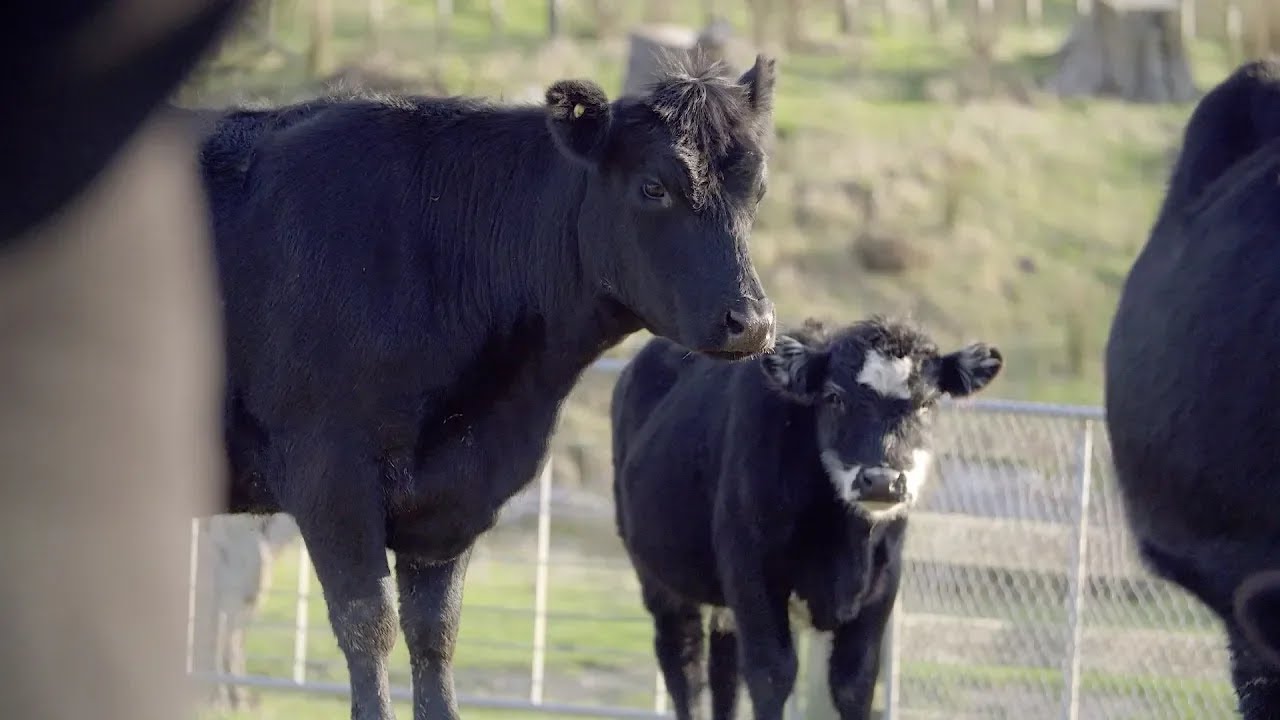
Learn about sources of methane and how it influences the climate.

Learn about the phosphorus cycle and its role in plant and animal growth.
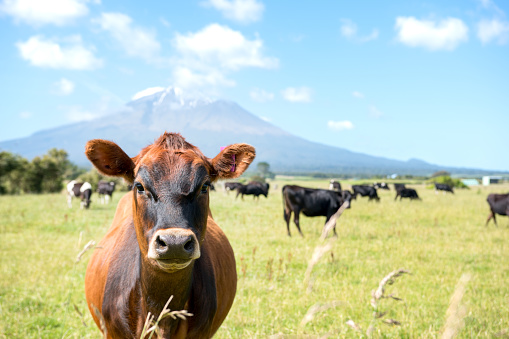
Explore New Zealand's livestock trends with interactive graphs and visualisations.
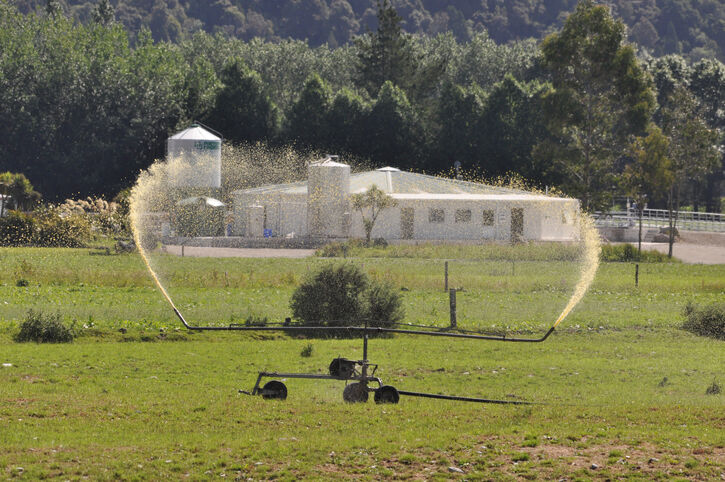
Access livestock manure data for N inputs and losses.
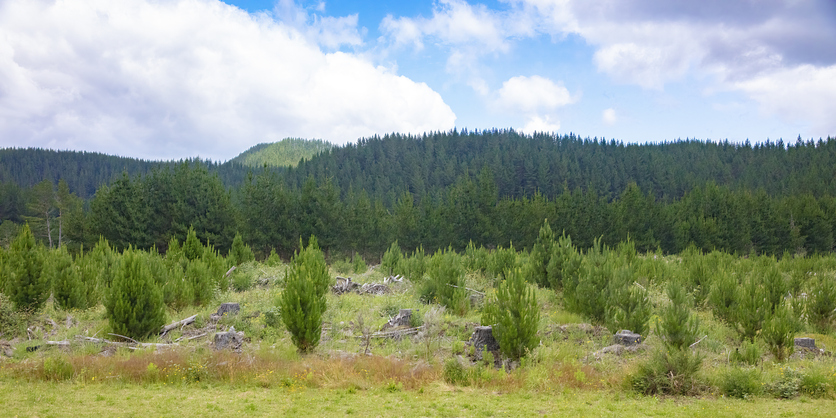
This paper discusses carbon farming on Māori land, its benefits, and decision-making challenges.

See different climate change scenarios for New Zealand and their potential impacts.
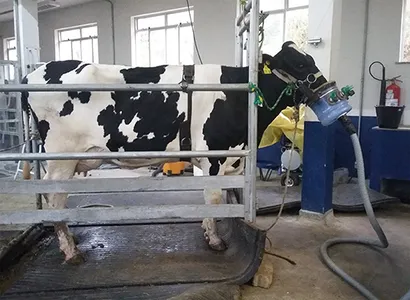
Learn how greenhouse gases are measured and their impact on climate change.

Explore actions New Zealand farmers can take to reduce greenhouse gas emissions effectively.
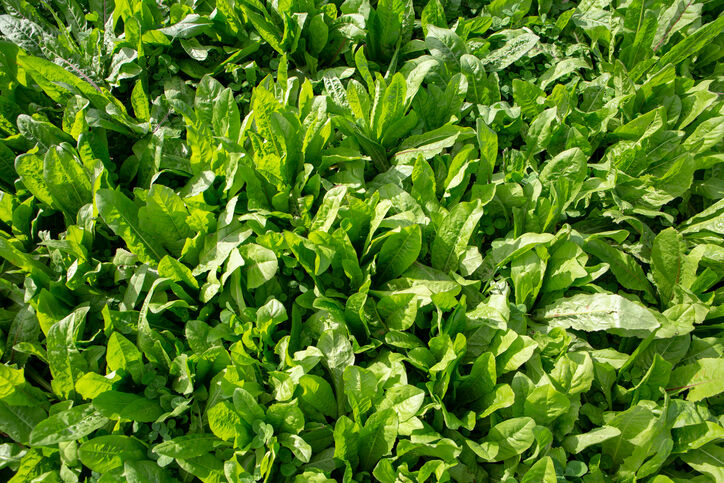
This guide explains effective forage cropping management for livestock.
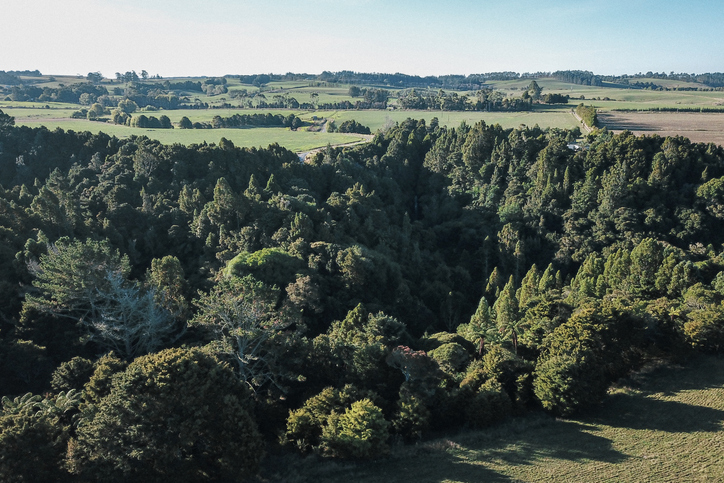
Learn how tree planting on farms can earn carbon credits in the Emissions Trading Scheme (ETS).
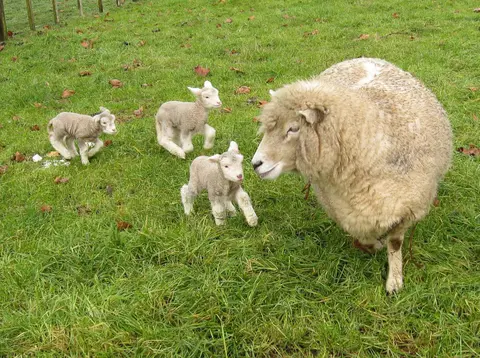
This report explores future options to reduce agricultural greenhouse gas emissions in New Zealand.
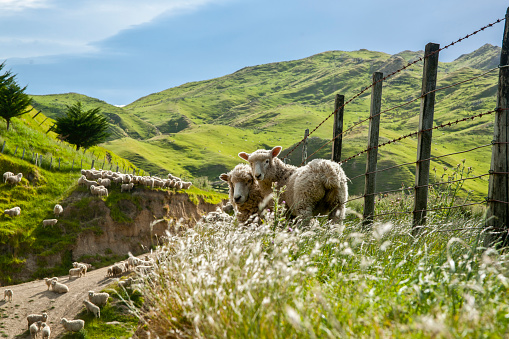
Learn how to reduce farm emissions by improving animal performance and adjusting stocking rates.
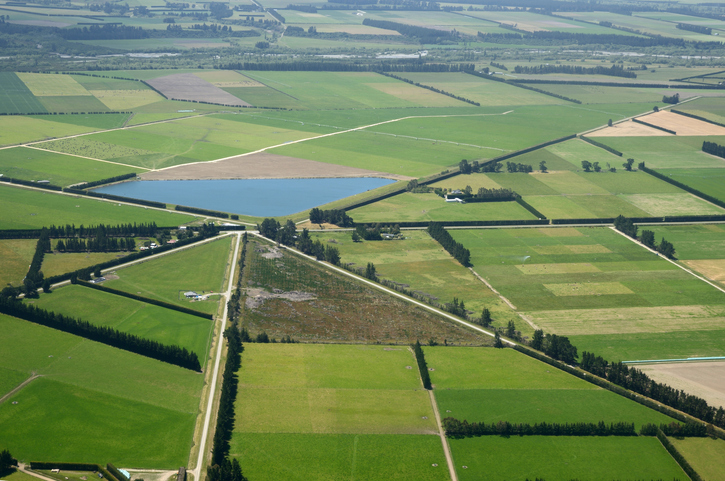
Learn about farming's impact on greenhouse gases and MPI's efforts to reduce emissions in New Zealand.
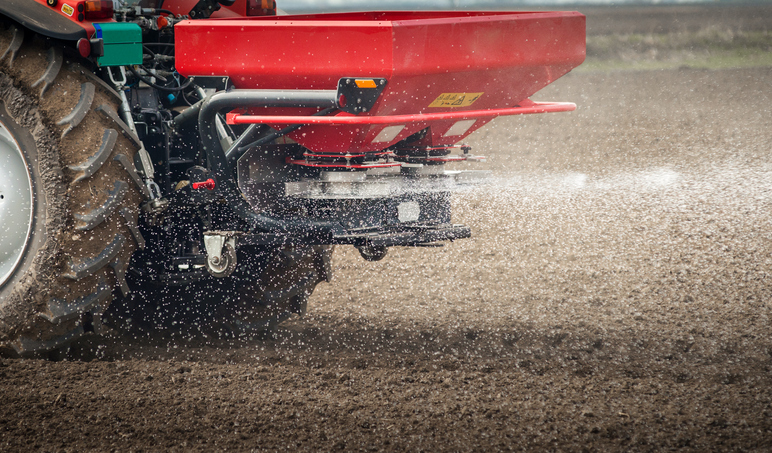
Learn about the terrestrial nitrogen cycle and the impacts of different farming activities.
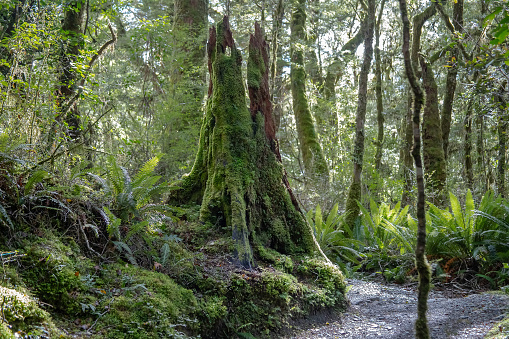
Learn how trees absorb CO2 and help fight climate change in New Zealand.